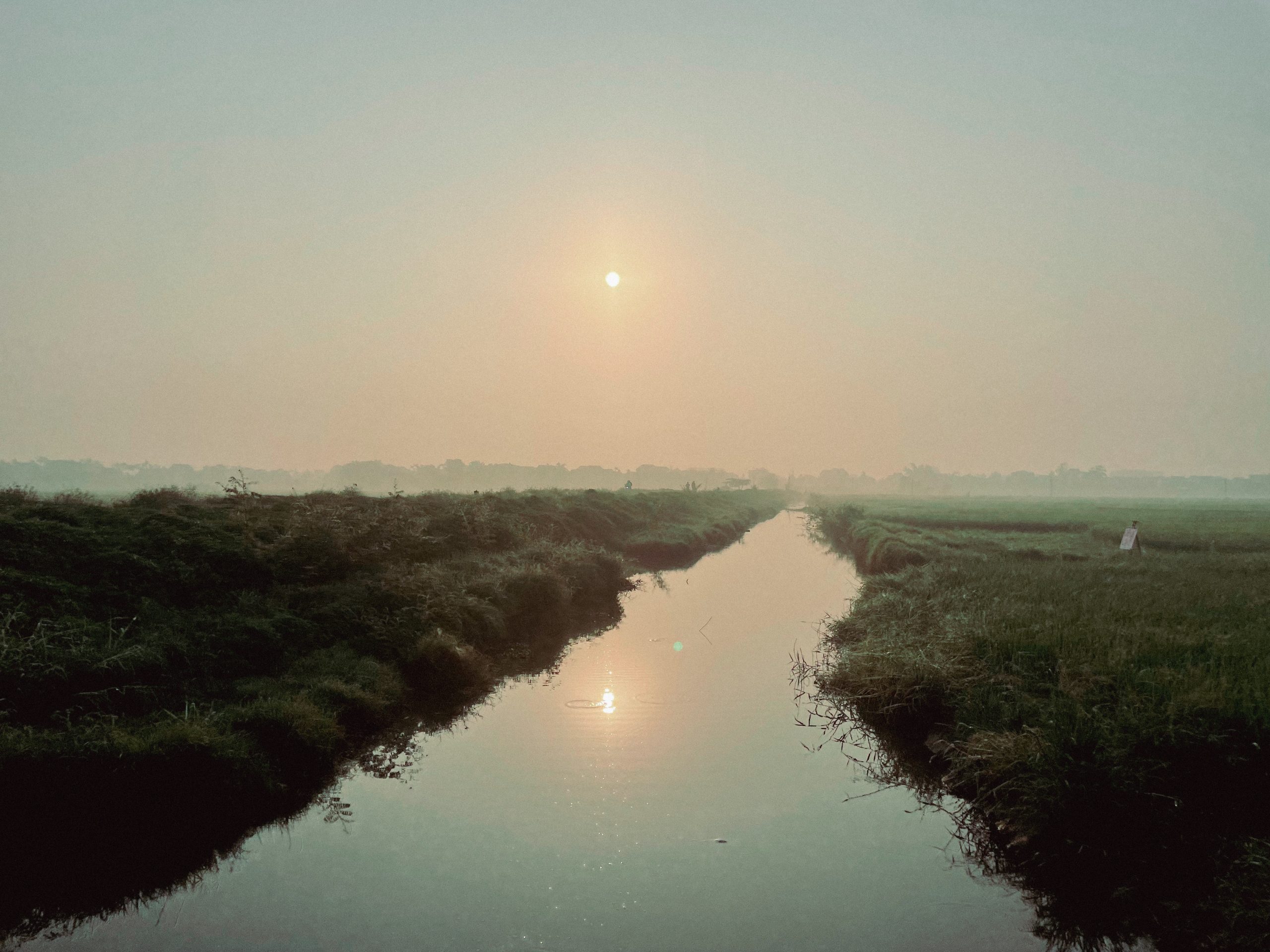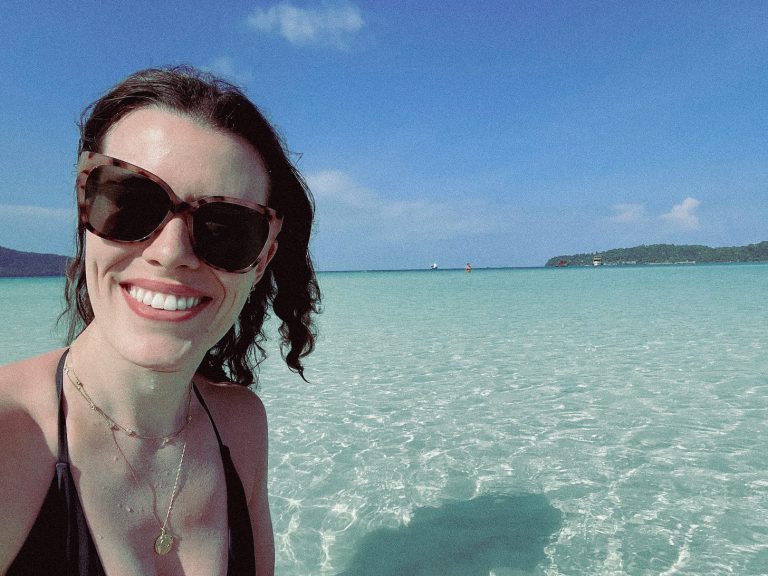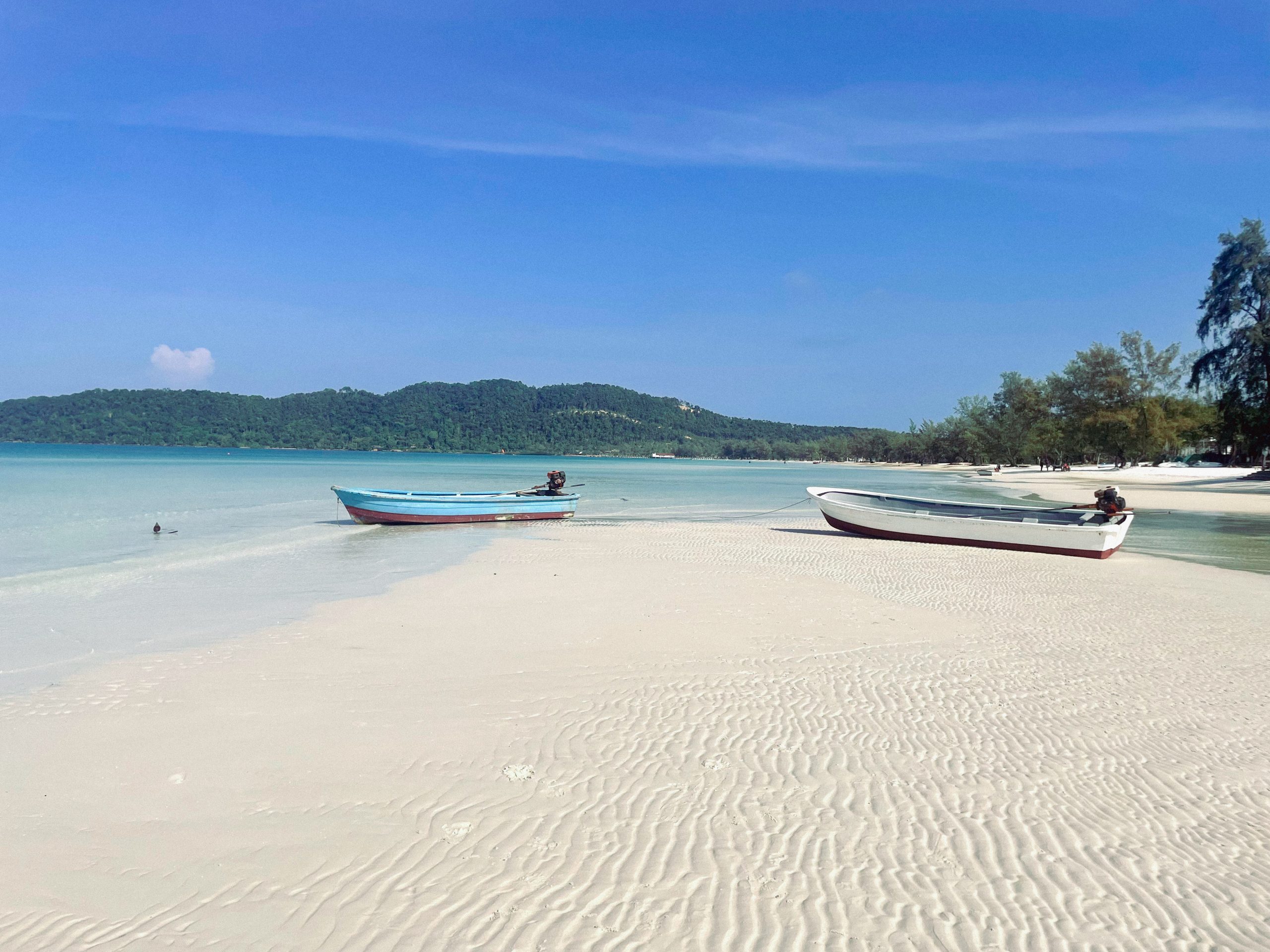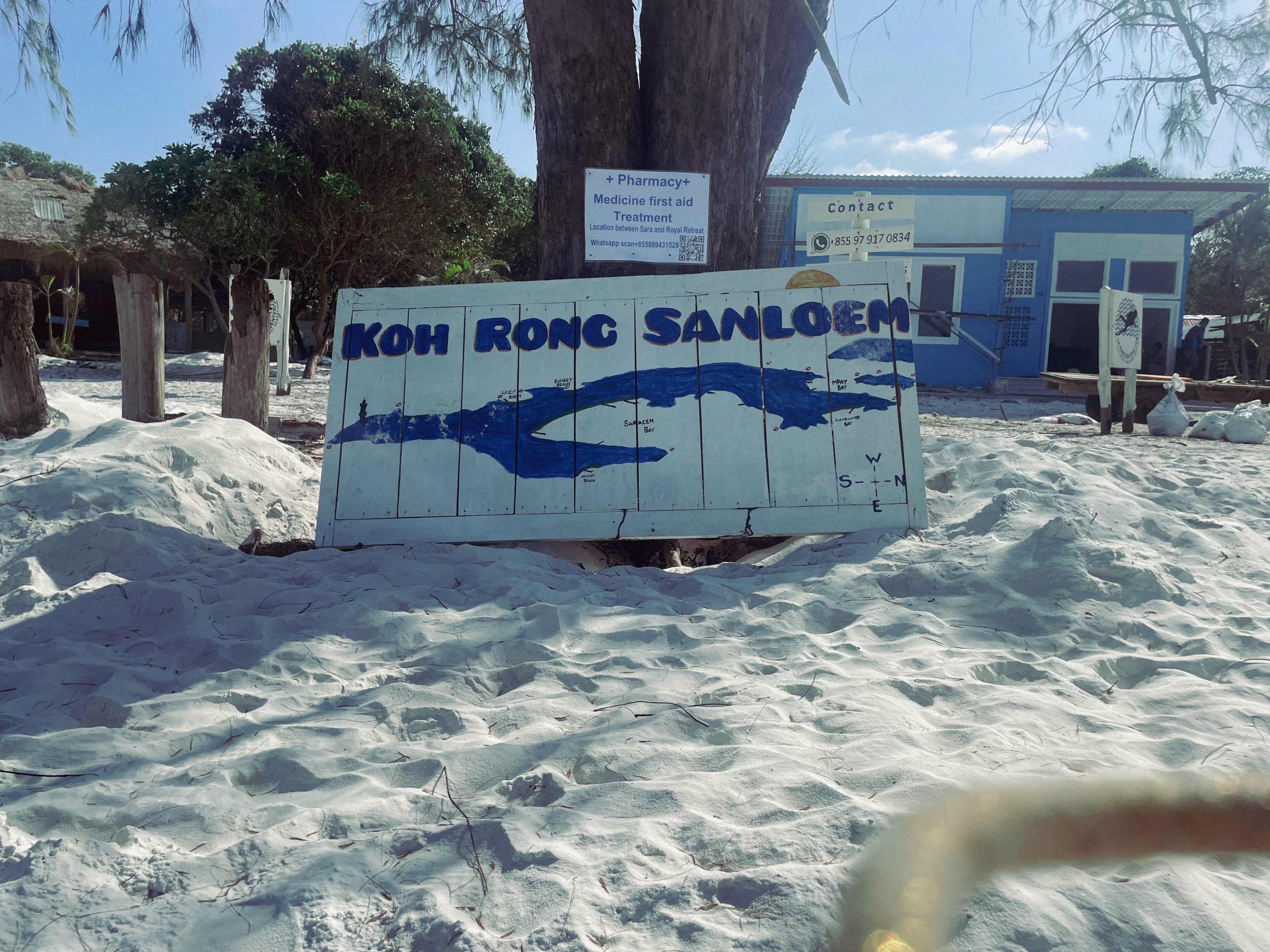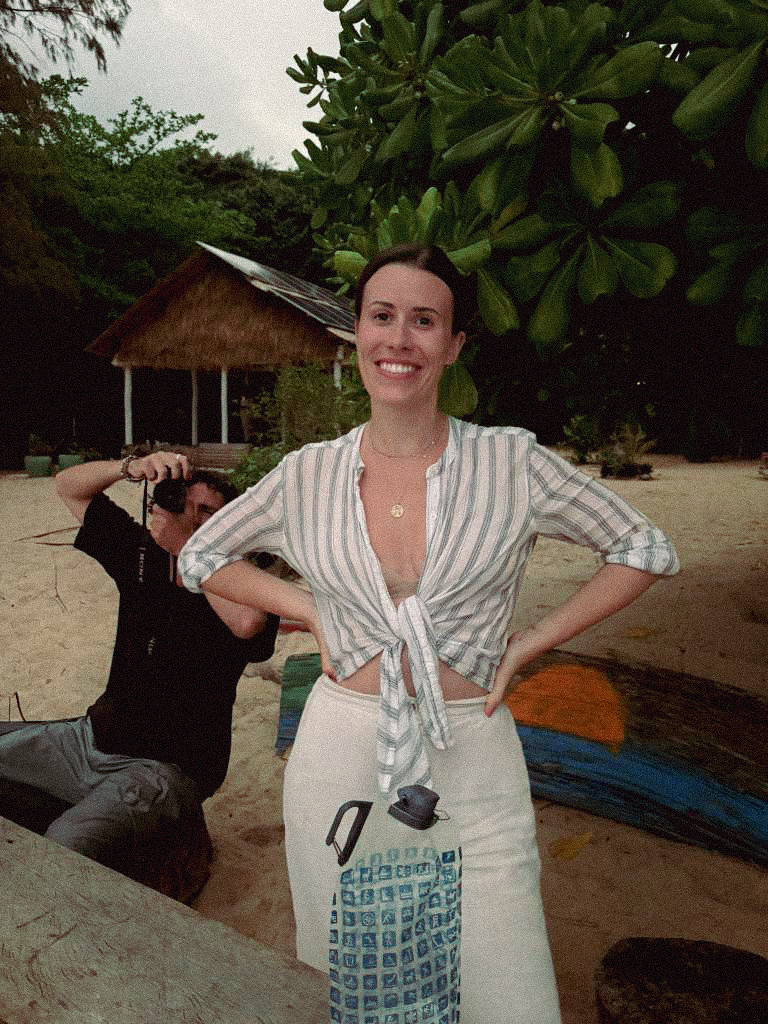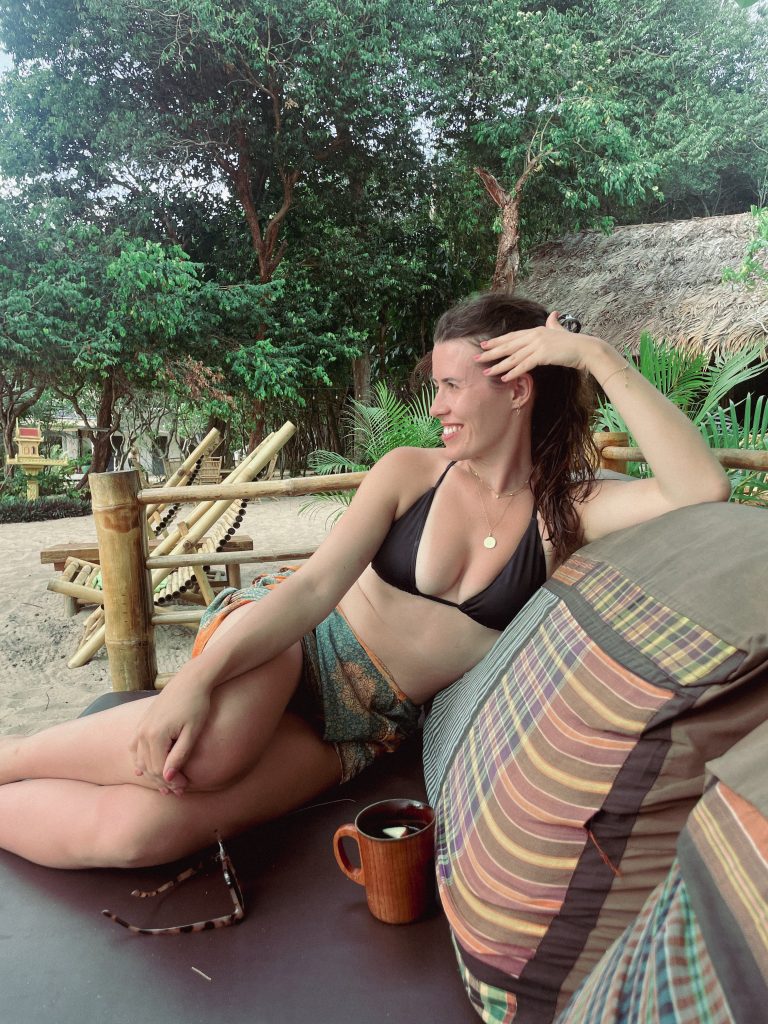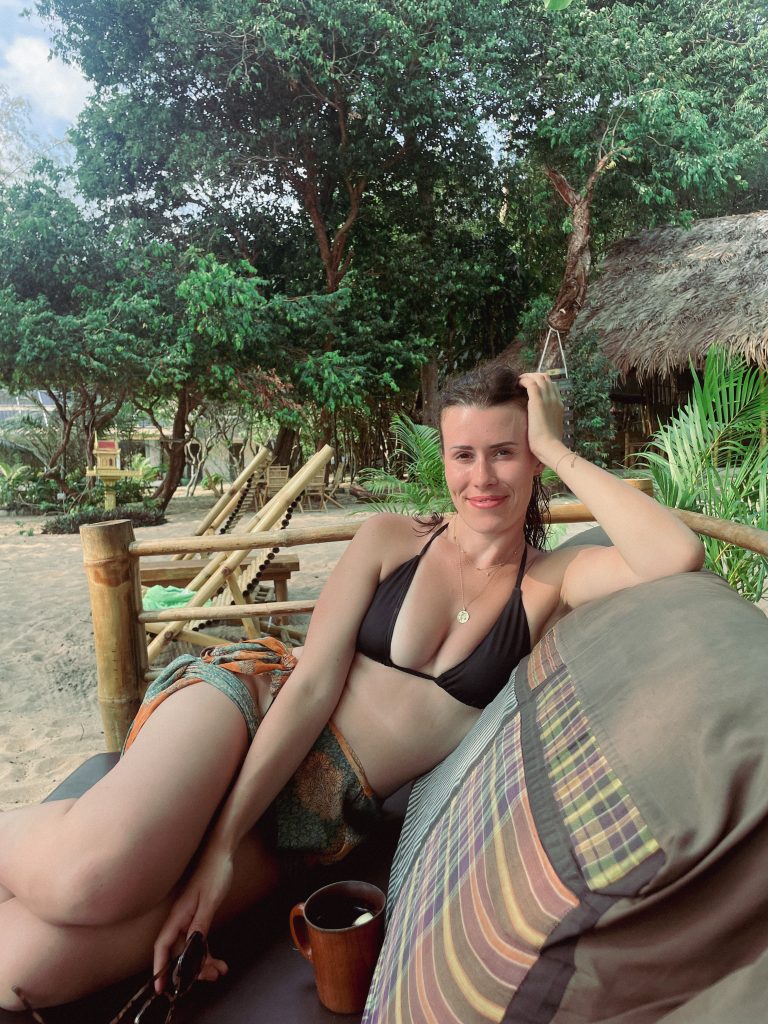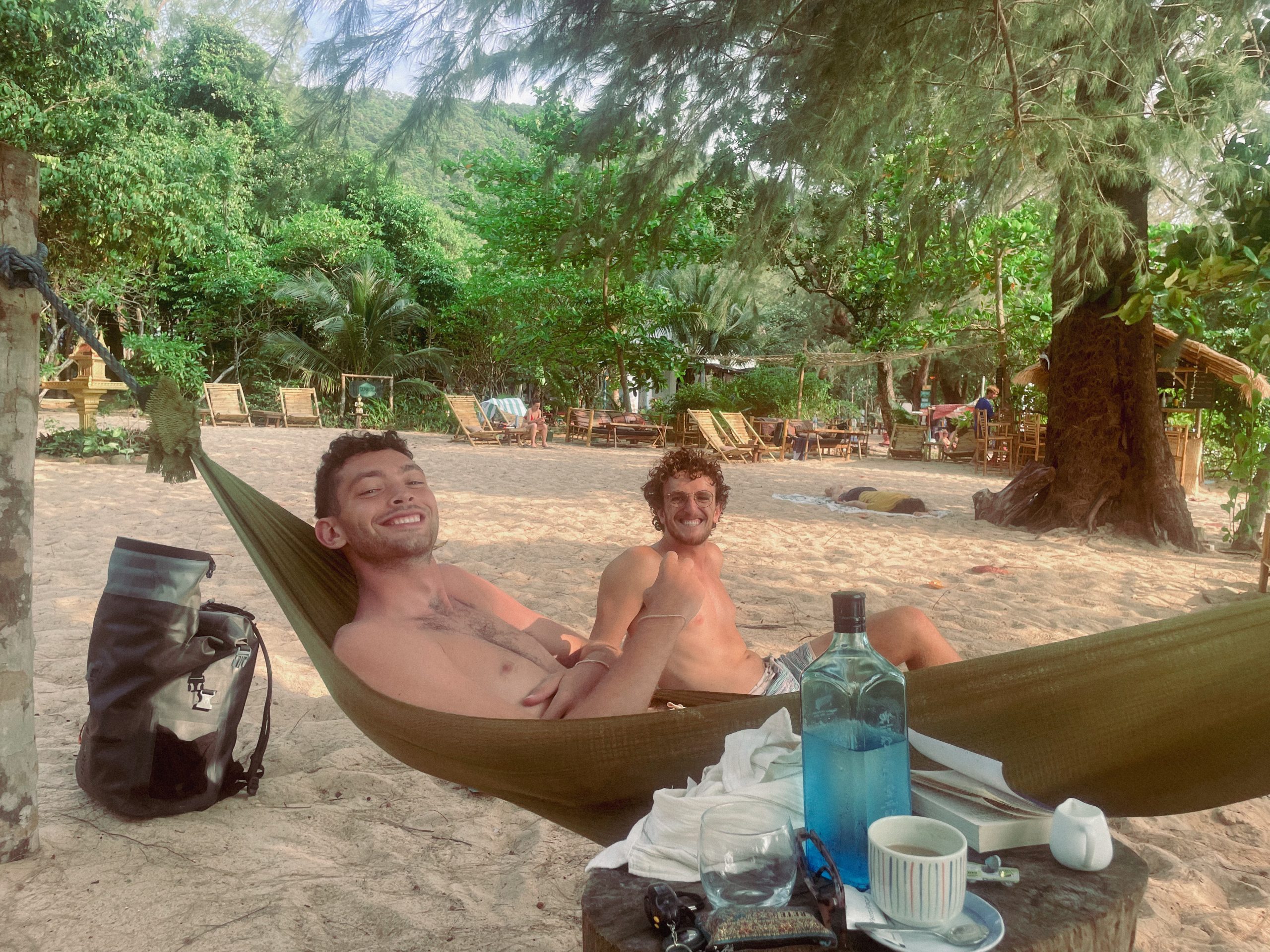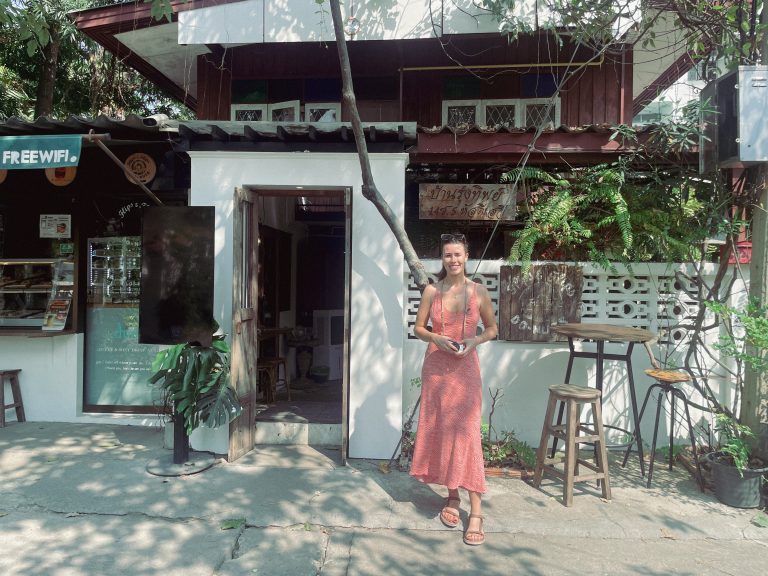
A beautiful bank holiday in Sydney’s Blue Mountains

Plus a “work from home” day at the State library.

I arrived in Australia at the end of April, when the temperature was in the low 20s. I’d always wanted to visit, but with over seven million square kilometres to choose from, planning a trip to this vast country requires a fair bit of thought.

I only had ten days to spare this time, with a couple reserved for a new freelance project that had come my way. So I kept things simple, splitting my time between Sydney (New South Wales) and Melbourne (Victoria), close to where my friend – who I was visiting – now lives.

Flying into Sydney from the lush jungles of Bali, I wasn’t particularly interested in spending time in the CBD (the city centre, basically). With a bank holiday approaching, my friend suggested we visit the Blue Mountains National Park instead.

This is a dramatic sandstone landscape around 60km outside the city. Imagine a vast basin, ringed by cliffs, with deep valleys and rock formations throughout – a bit like an alien crop circle.
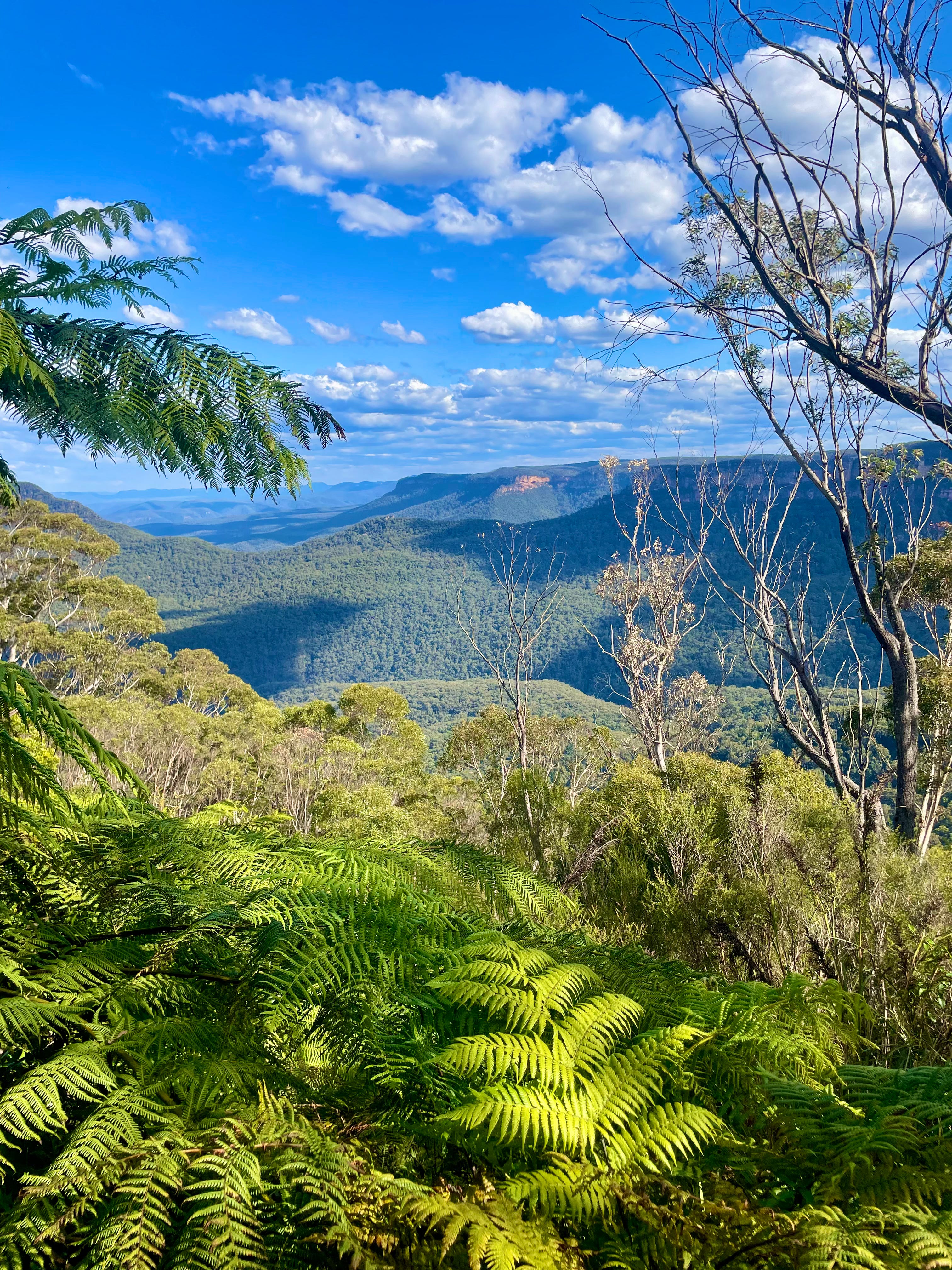
The Blue Mountains is a rugged, World Heritage-listed region in New South Wales, Australia, located about 50 km west of Sydney

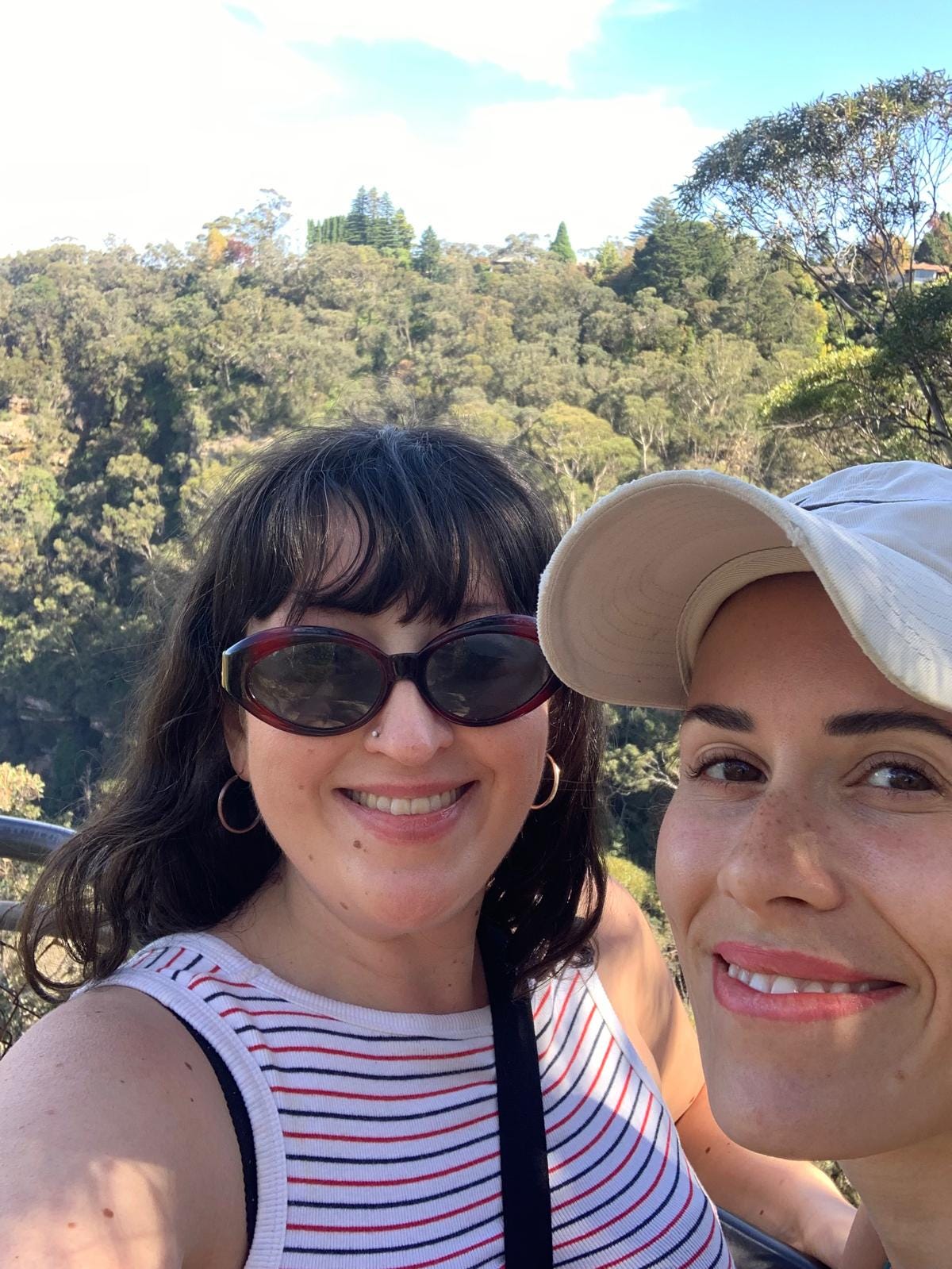
Why is it blue, you ask? If you look closely at the distant trees, you can make out a faint blue haze caused by the eucalyptus leaves releasing oil into the air. It’s a beautiful place, and a fantastic location for hiking. Cue a 90-minute train ride from Sydney’s Central Station, and we found ourselves back in nature once again.

There are a number of towns dotted around the park, including Katoomba (what a name!). This is the main town and administrative centre of the Blue Mountains. It doesn’t feel big, but there are plenty of cafés and restaurants – we even went to the cinema – and most importantly, the national park is easily accessible by public transport.

We made this our base for two days, booking a four-bed room at the YHA Blue Mountains Katoomba.

I must have stayed in around 50 hostels since my first solo trip in 2023, and I’m a huge advocate for them.

YHA has a long heritage, and this one in particular housed a lot of families, which gave it a safe, cosy feel. There’s a large kitchen and movie room, books and games to borrow – and like most good hostels, the staff had encyclopaedic knowledge of the area.

Becca doesn’t “hostel” much, and even she enjoyed it, especially given it cost us around £130 each in total for four nights.

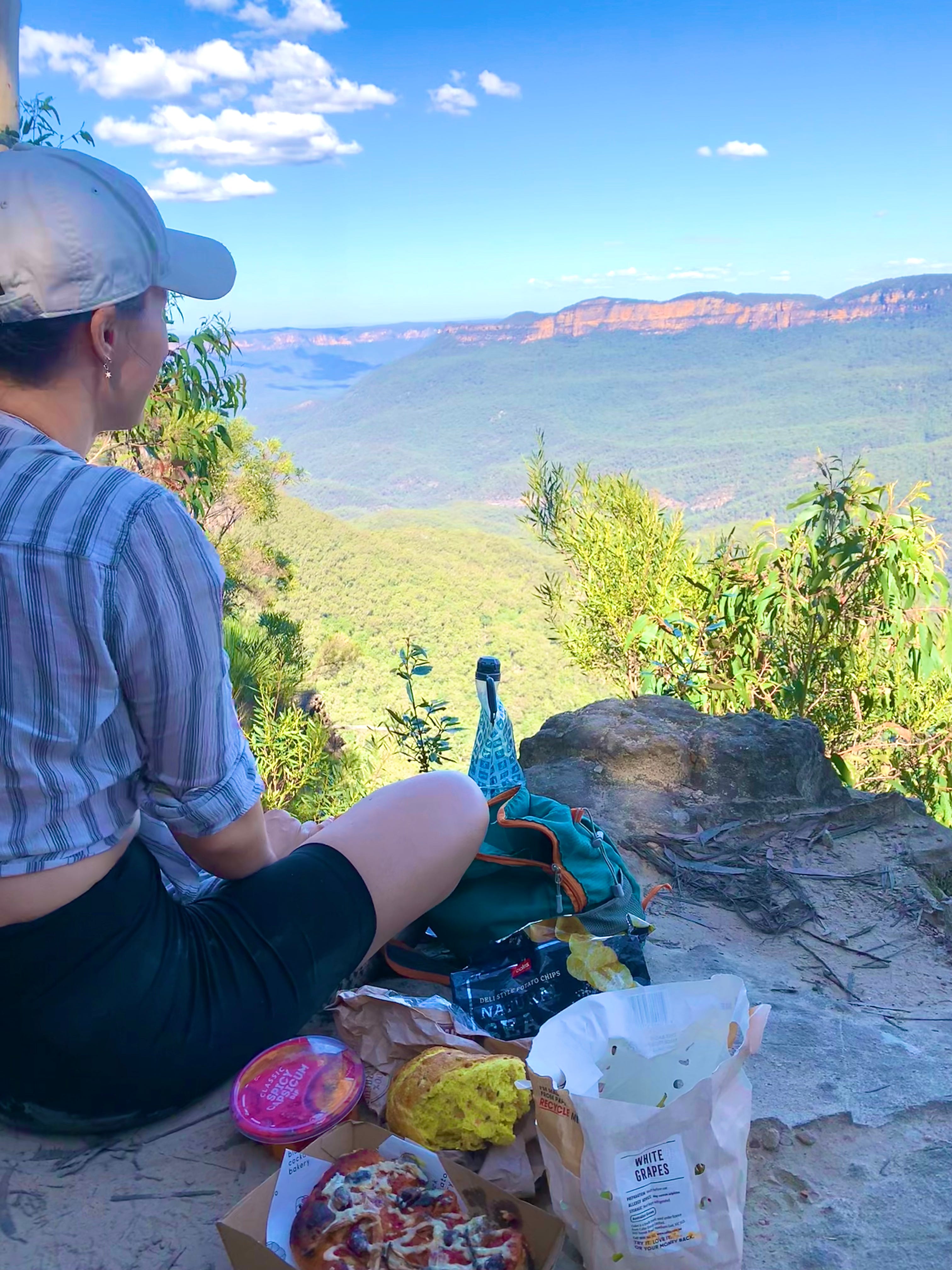
As for the mountains themselves, there’s a reason Tourism NSW uses them so heavily in its imagery. They’re unlike any mountain range I’ve seen before, with plenty of easily accessible walking routes, many of them fairly flat, offering sweeping views in all directions. More challenging hikes are available too, so pack plenty of food. Nothing beats eating your sandwiches perched on a cliff edge!
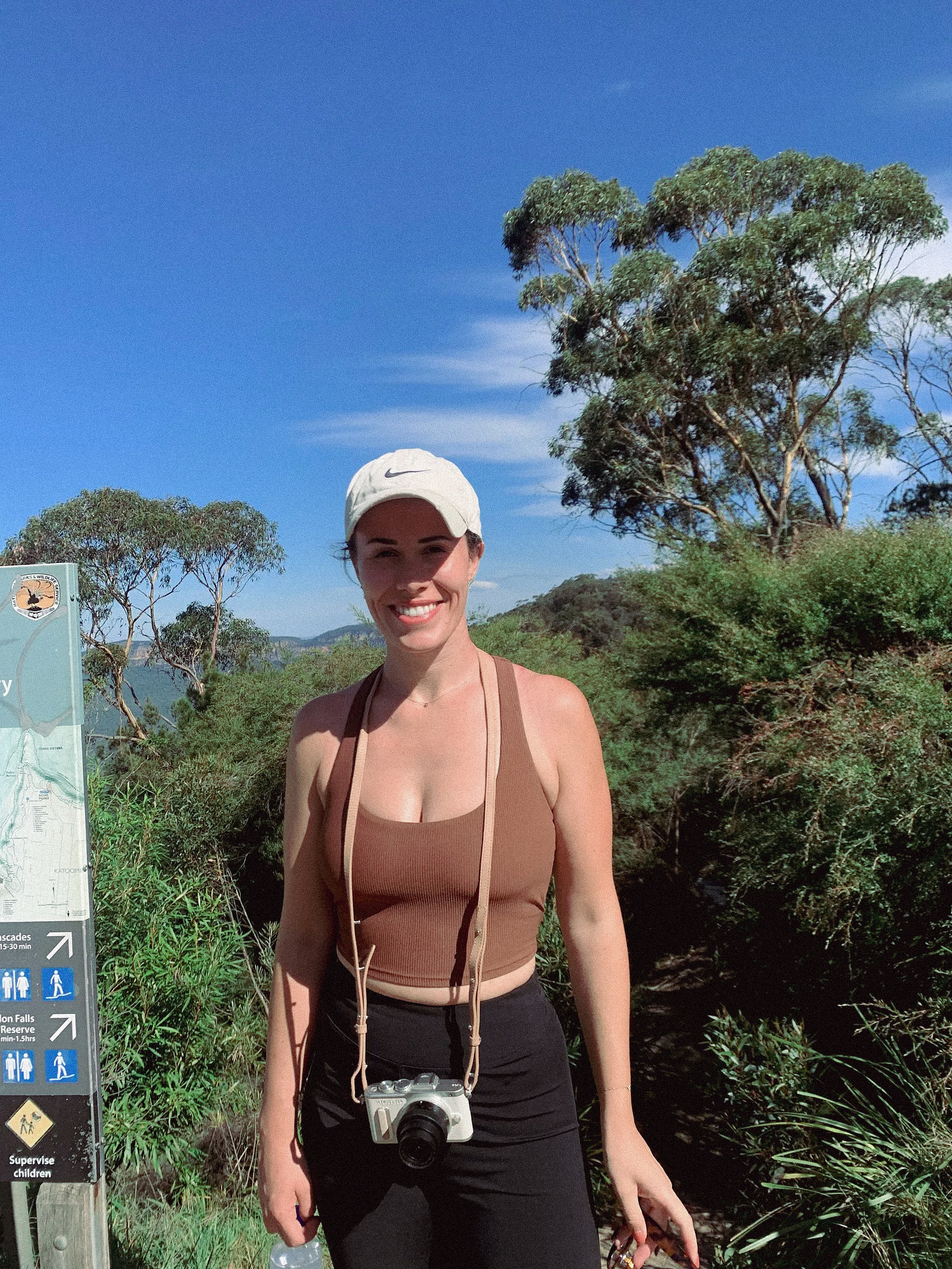
We spent a couple of days navigating different trails, and on Becca’s recommendation, saved one morning to visit Scenic World. This cable-car attraction takes you down to the forest floor and across the famous Three Sisters rock formation, with views out towards Wentworth Falls.

It’s a fun way to access parts of the landscape you don’t see from the clifftops alone. That said, locals flock here on bank holidays, so my main tip would be to book accommodation and attractions in advance, as everything was fully booked when we tried our luck on the first day.
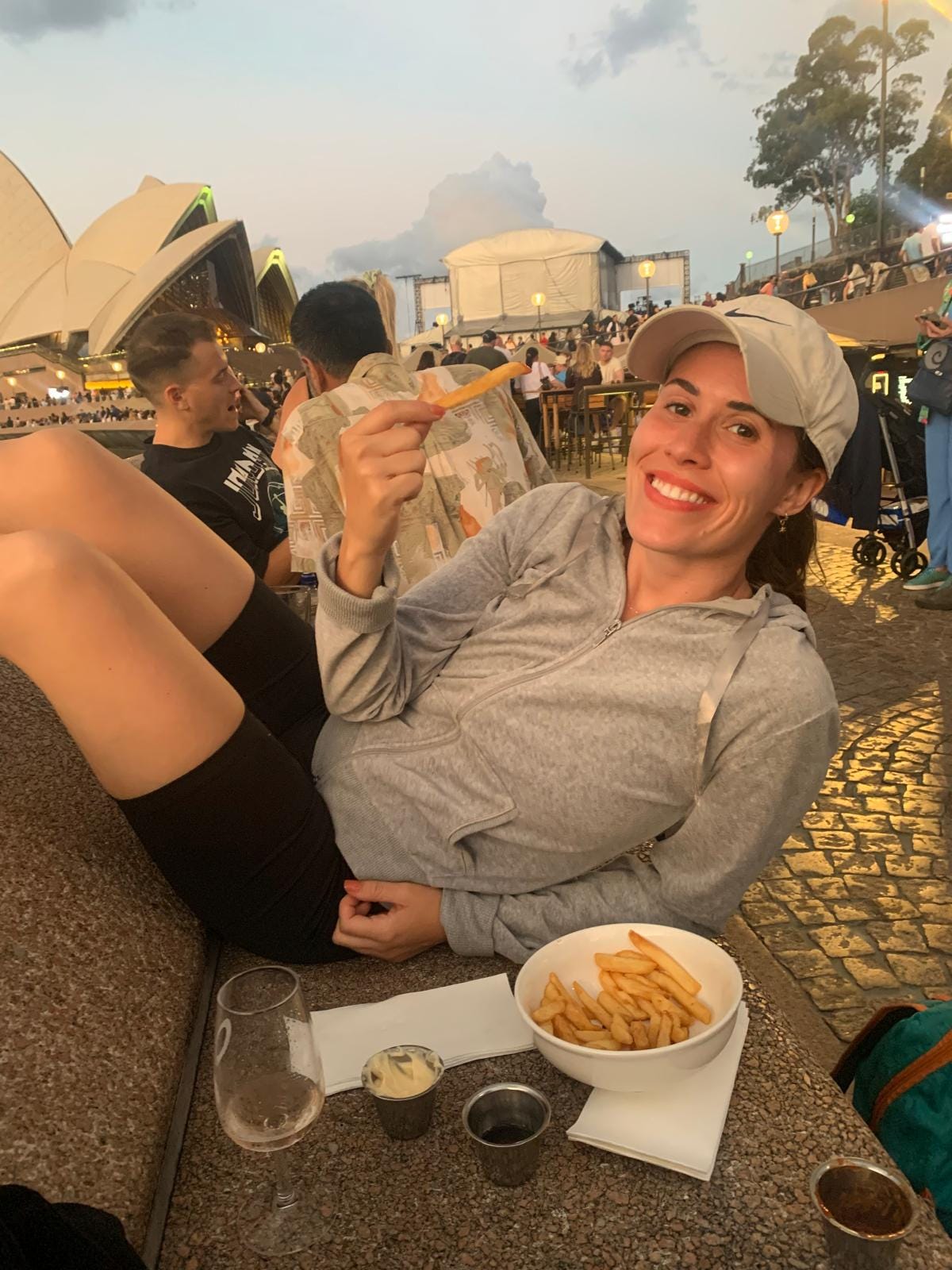
The good weather held for another day once we returned to Sydney, and after plenty of walking, we spent a glorious evening scoffing chips and watching the sun set behind the Sydney Opera House. I also made time to watch the wild waves rolling in at Bondi Beach.
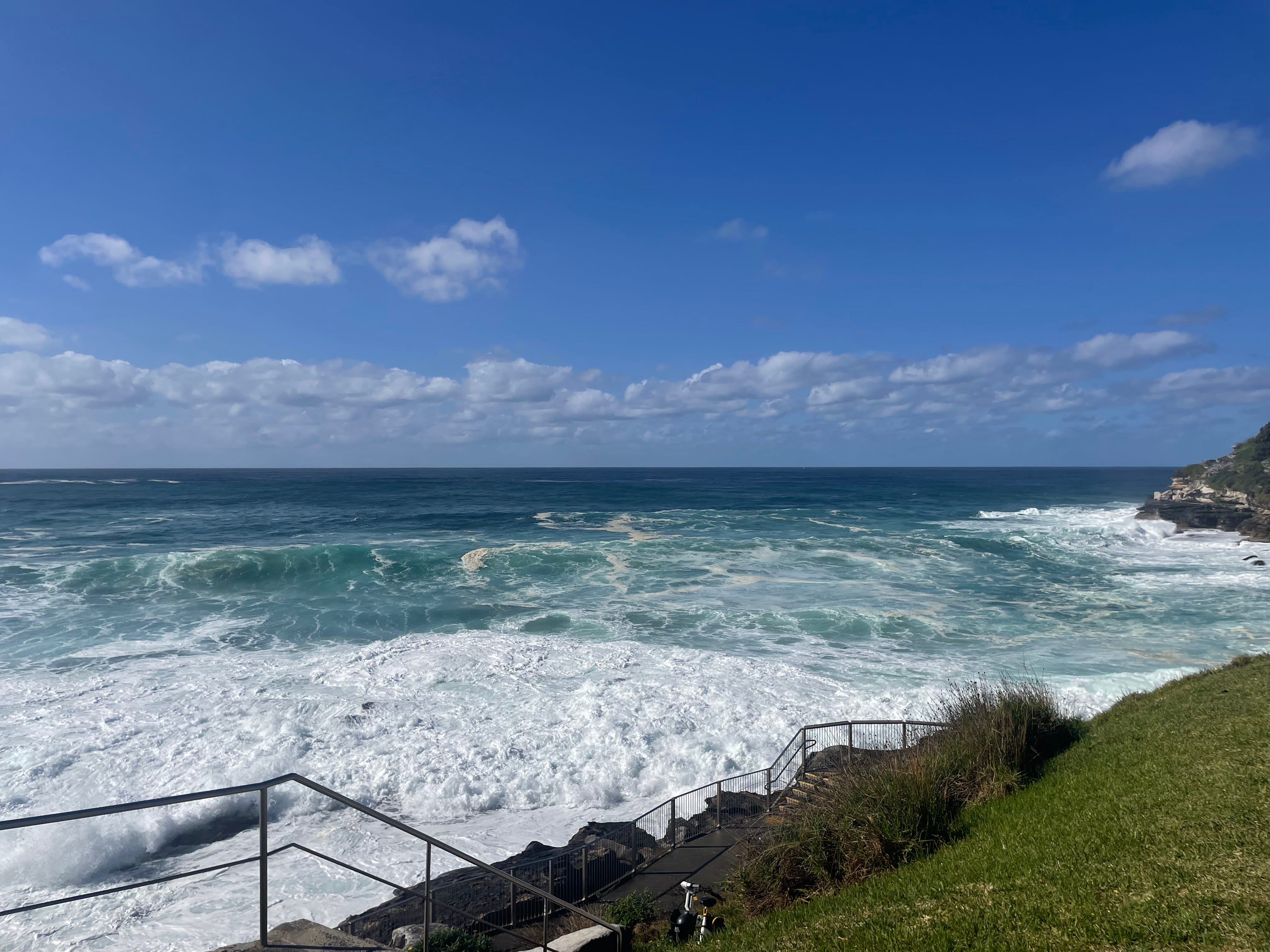
Wacky waves at Bondi Beach

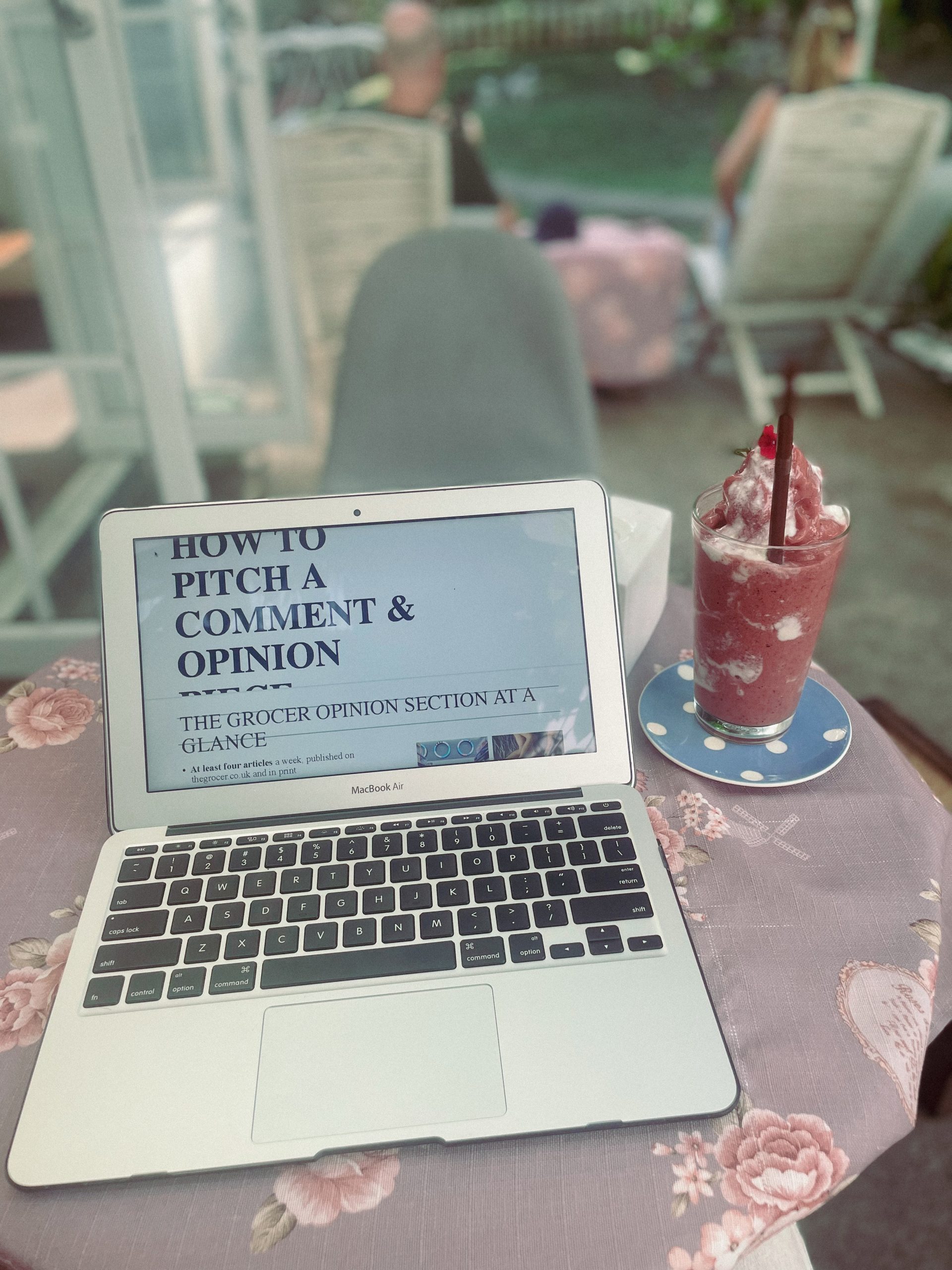
A day later, the heavens opened. I sought shelter in the State Library of New South Wales, tucked beside the Botanic Gardens (also worth a gander!) and got a solid chunk of work done for the week.

After two months in Asia, this felt like a real change of pace – and having access to a desktop computer was a small luxury I didn’t take for granted. Sydney has some beautiful libraries (check out this blog post by The Rachellist if you happen to be in need of one). If you’re a remote worker like me, I’ll always advocate for libraries, and this one is particularly lovely.
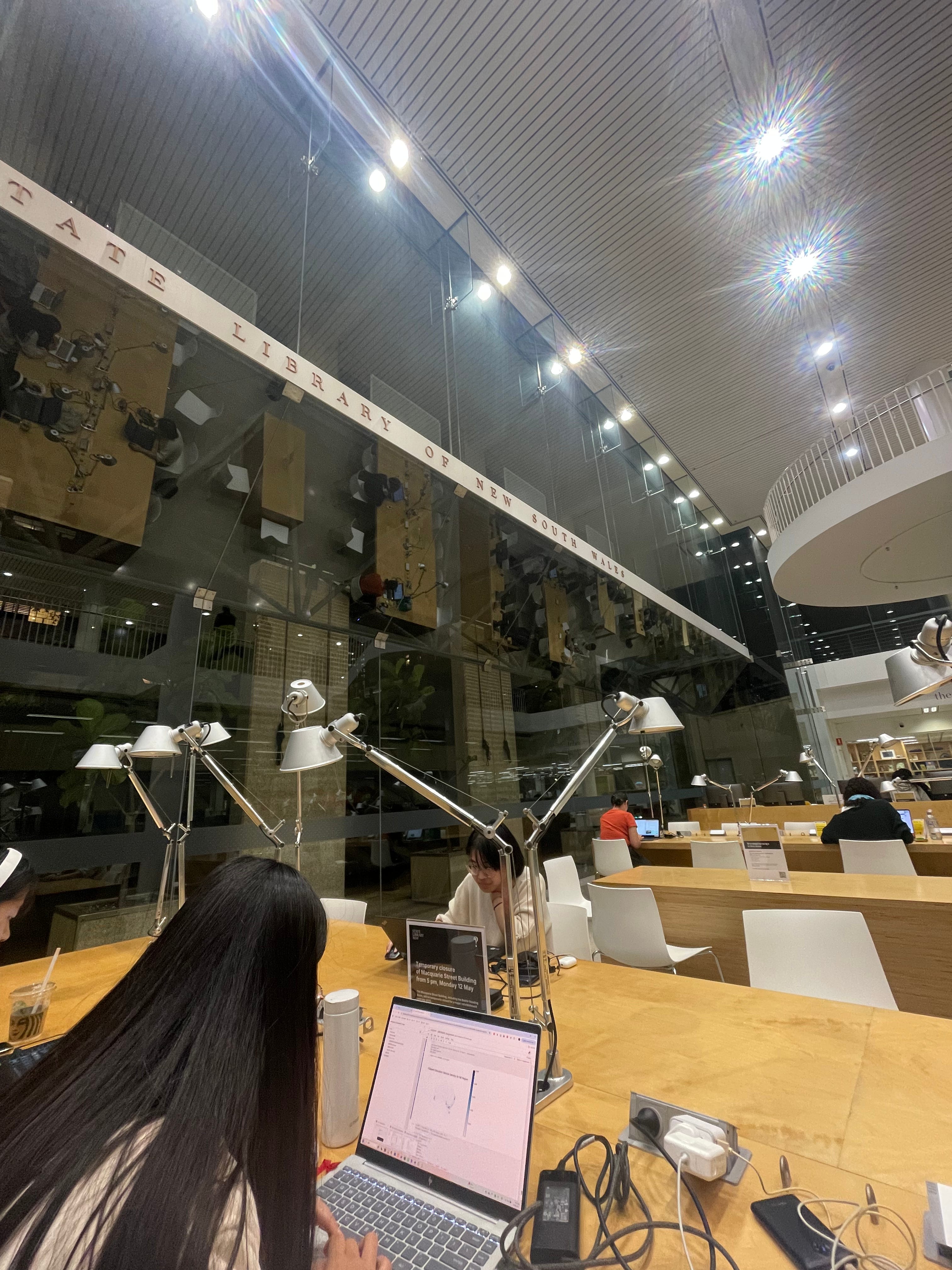
Seeking refuge from the rain at the State library of New South Wales

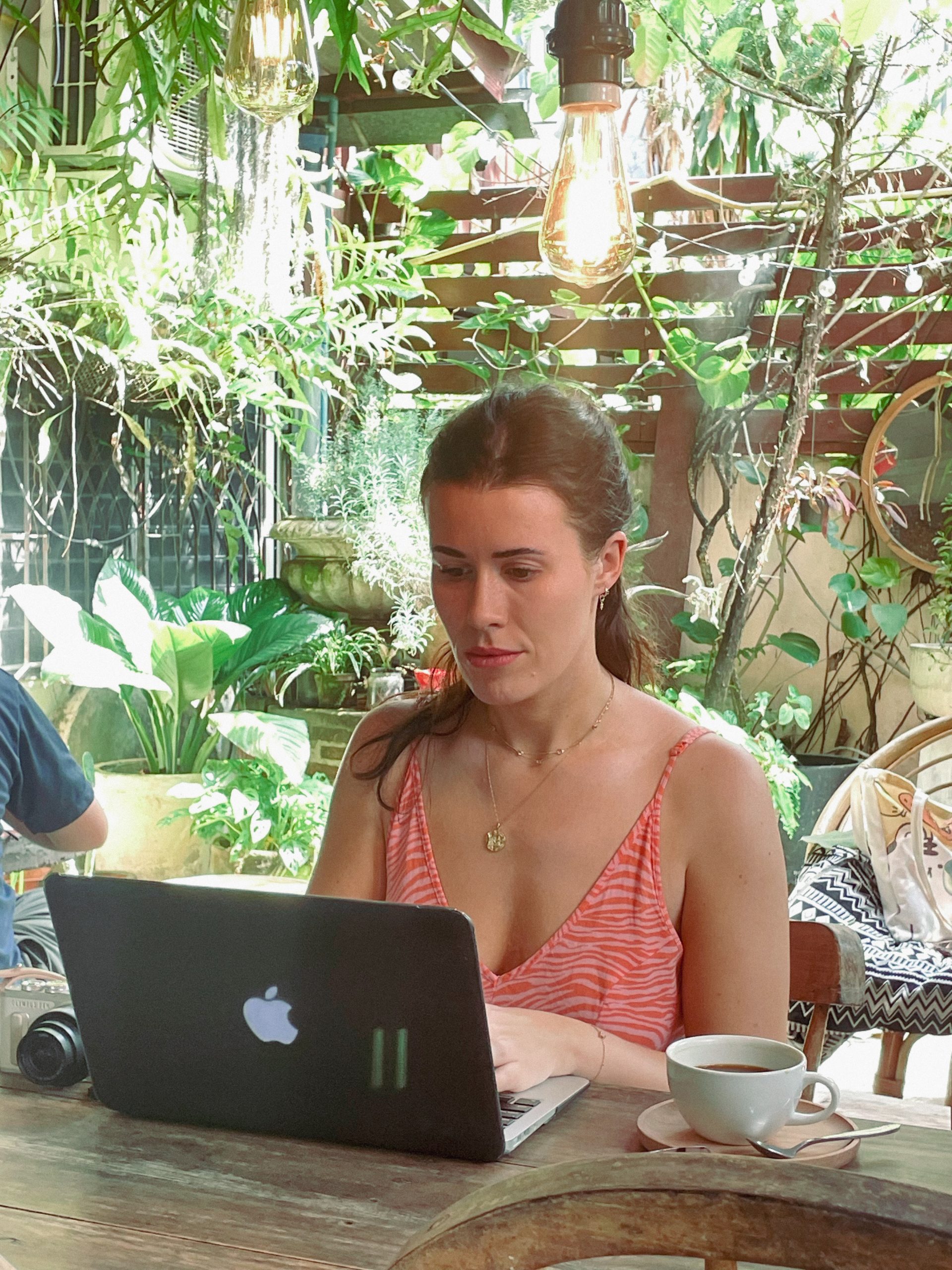
Working while travelling might sound dull to some, but for me, visiting Australia was a reminder of how grateful I am to work remotely. Better still, freelancing means I’m not working every day.

We’re lucky in the UK to have a decent annual leave allowance compared to some countries, but a ten-day trip to Australia would still have eaten up a third of it – and probably delayed my decision to come at all. Knowing I can (hopefully) return made the whole experience feel lighter, calmer, and far less rushed.
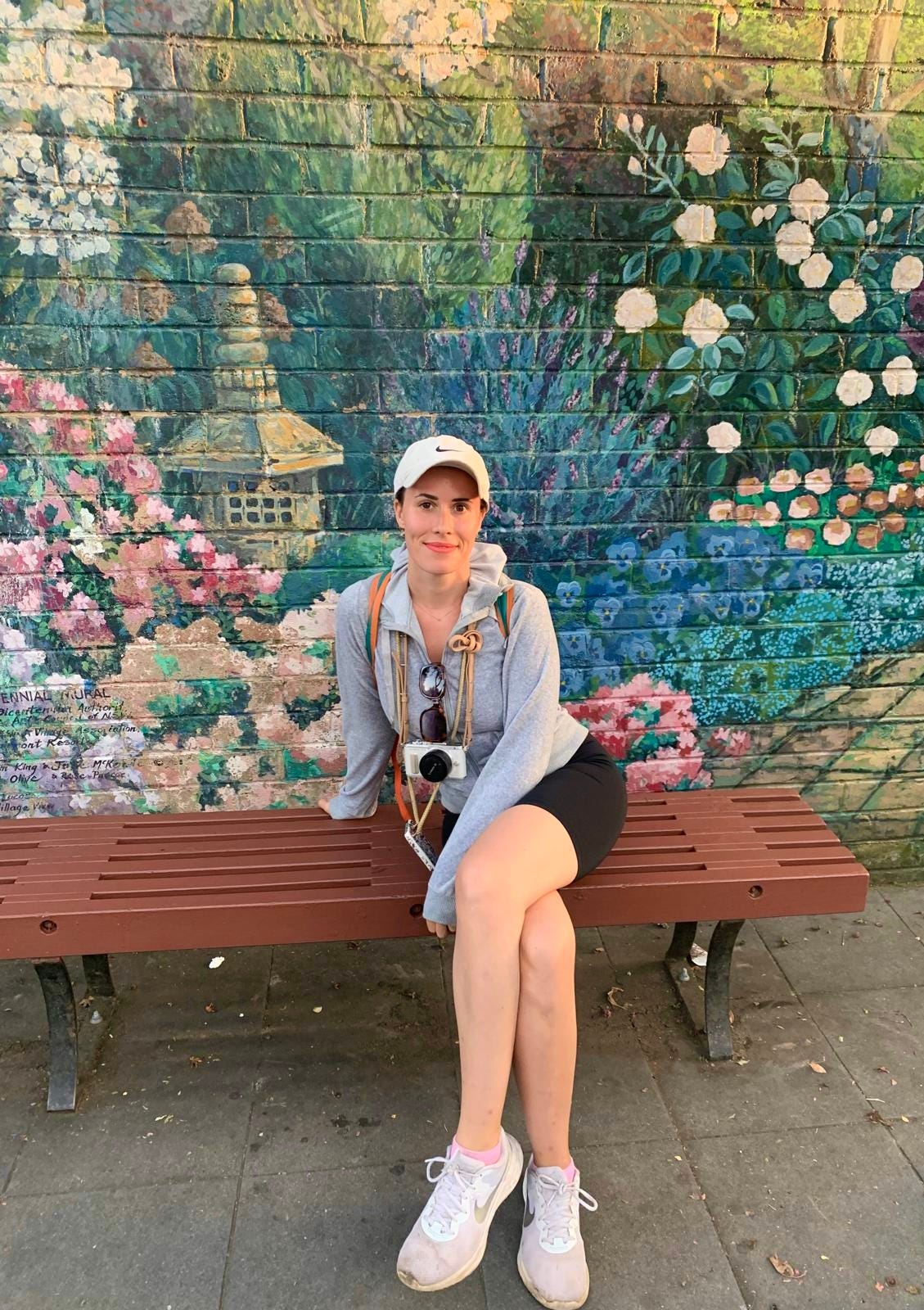
Cooling off in Katoomba, the main town of the Blue Mountains
Similar Posts

  • Hiding out in Hoi An, Vietnam: two months as a nomad in Asia 

    I finally take a spin on those coconut boats.

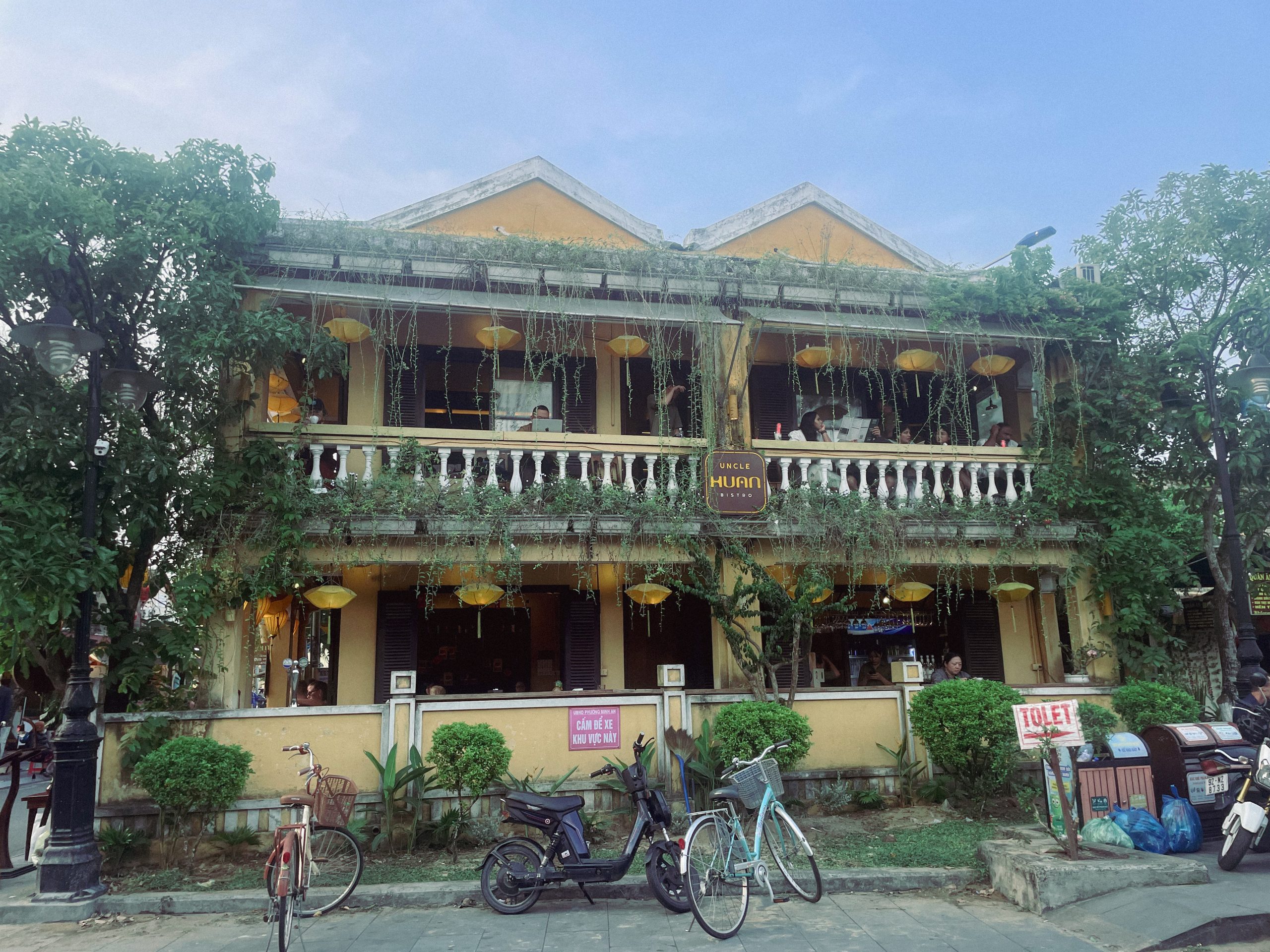
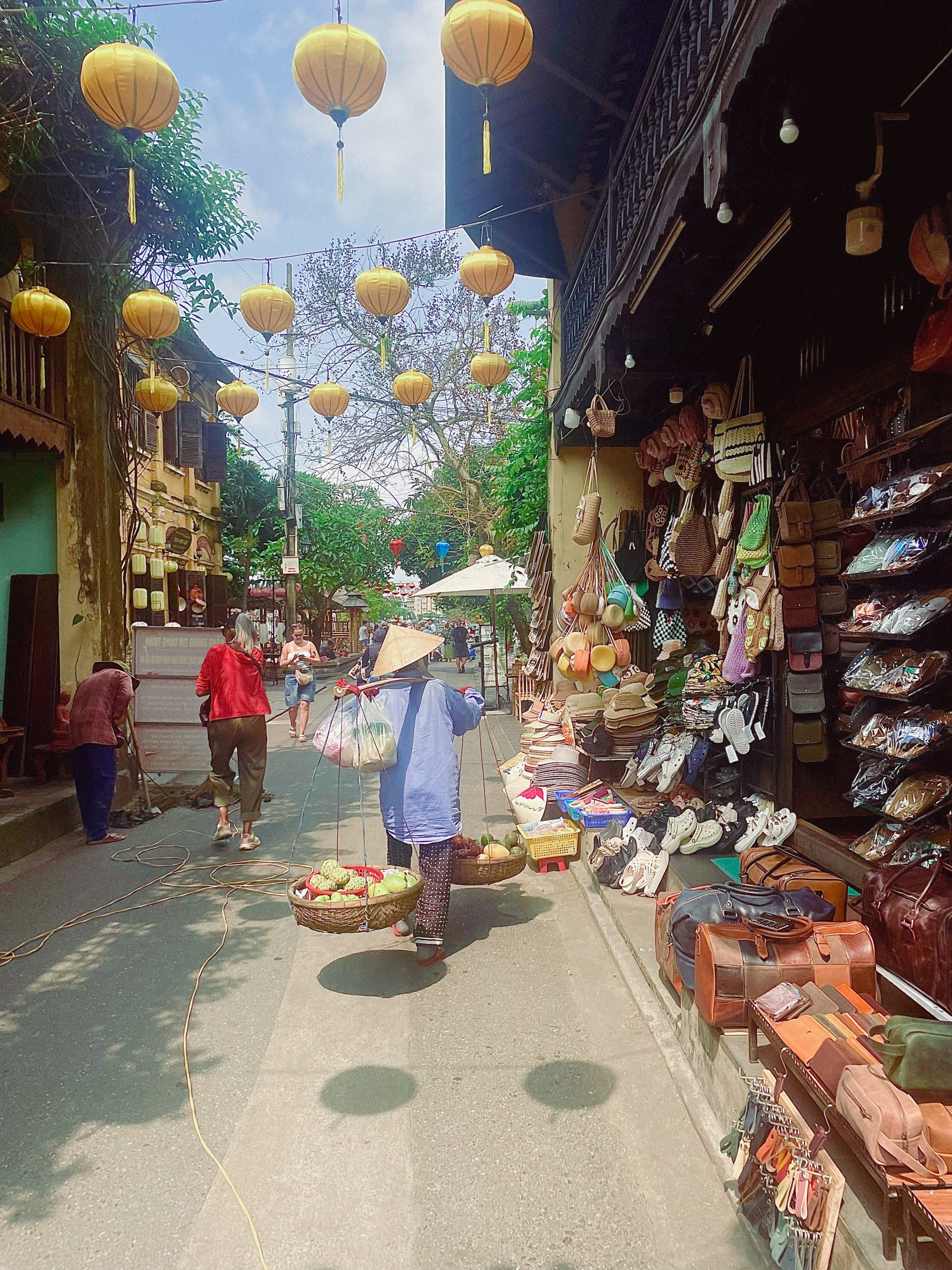
    After a whirlwind weekend in Ho Chi Minh City – my sixth week as a digital nomad in Asia – I took a short flight northward to the central coast of Vietnam. Having depleted my energy stocks in the capital, I was looking forward to some downtime in the cutesy, lantern-lit streets of Hội An.

    Sitting about halfway up the coast of Vietnam, this ancient coastal town is popular with tourists and, like any popular location, attracts mixed feedback from nomads. From people I spoke to, most tend to go to the nearby city of Da Nang because it’s right on the beach, a little more built up, and, I suspect, offers more to people wanting to build a life out here.

    Luckily though, I wasn’t planning on sticking around for long, so I could lean into being a tourist a bit. Everyone has a different goal when travelling, and the whole point of my trip was to take me out of my city comfort zone, dip my toe into nomad life, and take advantage of freelancing by seeing some of the places in the world I’d always wanted to. If that’s something you’re also considering, take a read of this blog where I talk about why I left London in early 2025.

    Where I stayed

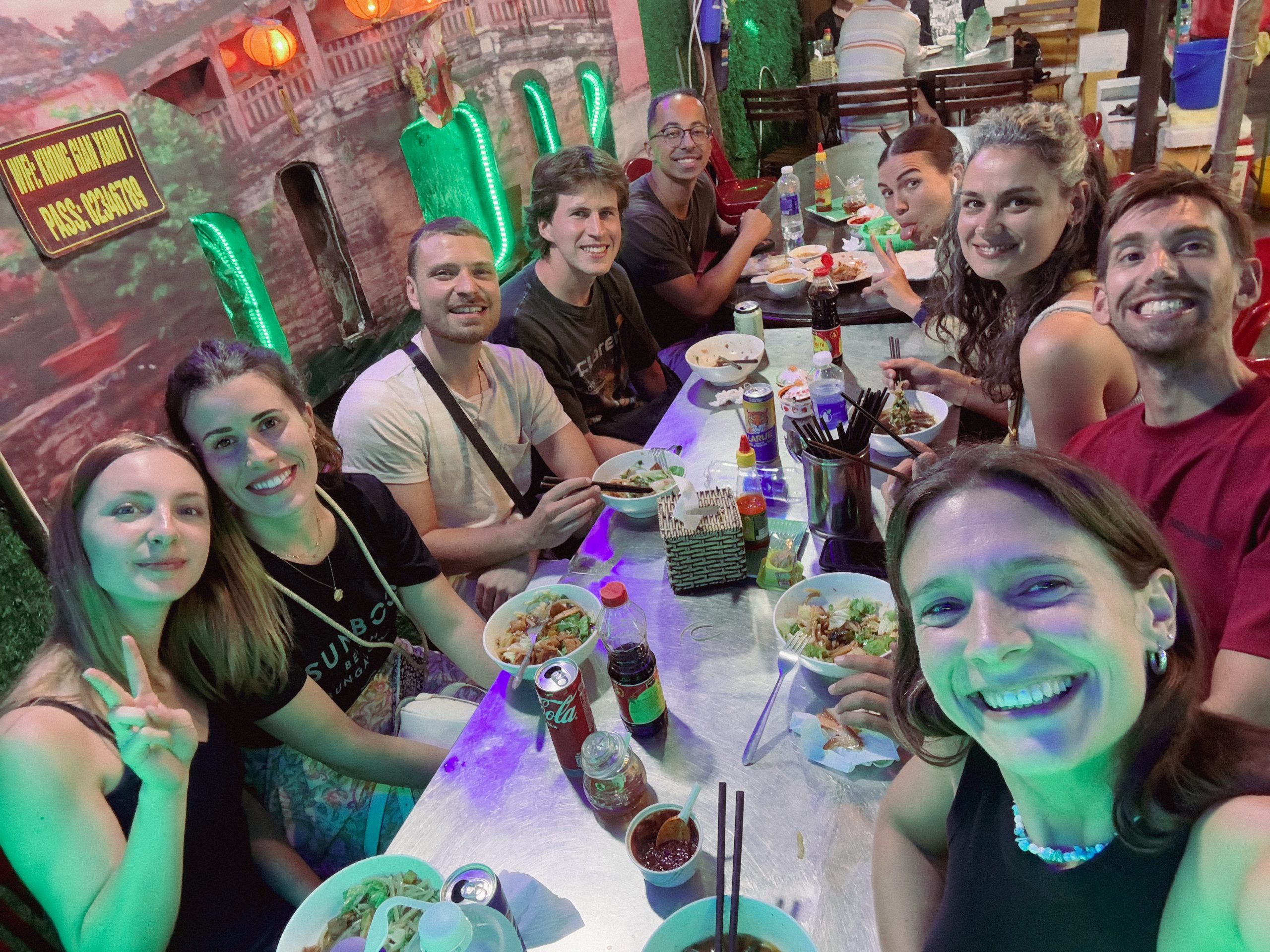
    Wanting to be with other travellers, I booked a dorm bed at the adorable Saclo Hostel, where I met the loveliest bunch of people. Like most hostels I stayed at during my trip, it played host to a mix of travellers and nomads in their twenties and thirties.

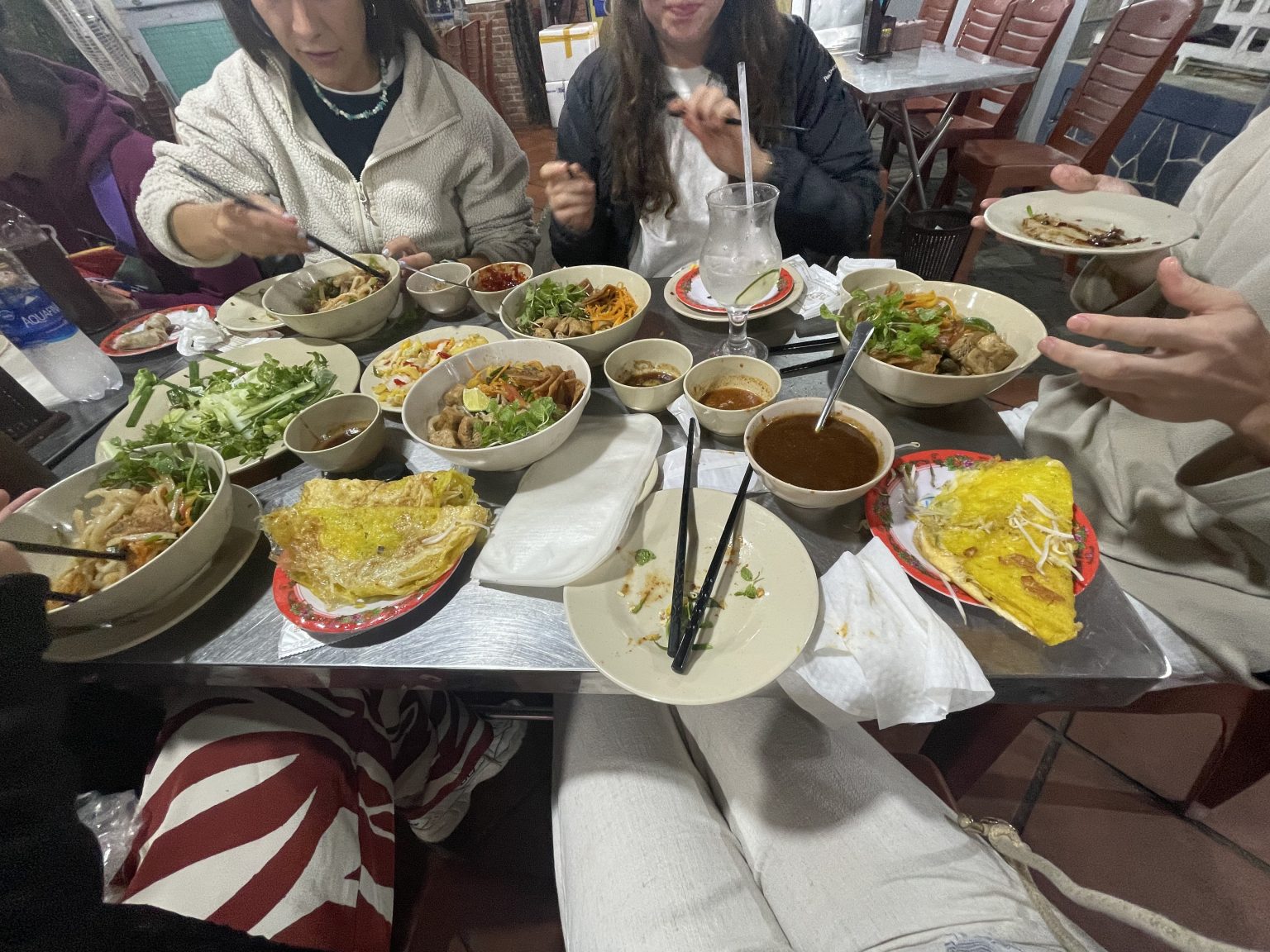
    We ended up doing ‘family dinners’, nights out, language lessons, co-working sessions, and simply roaming around the city together, with the help of our excellent host. There was something very restorative about falling into temporary routines with strangers after the intensity of Ho Chi Minh City, especially as I’d had such a brilliant time with the Koh Rong gang.

    If you’re travelling alone (and are a bit older), I’d avoid the big-brand hostels and search for smaller ones offering activities, because it often results in a much better experience.

    Is there a nomad scene?

    As to whether there is a “nomad scene”, it’s hard to say because I wasn’t there long, but like I said – it’s common for remote workers in this part of the world to split their time between Chiang Mai and Da Nang, which is very close to Hoi An, so there will be some crossover.

    Luckily I had met some of them in Chiang Mai, which meant I had some connections locally, and I took a day trip to Da Nang waterfalls with a group of people living in a newly opened co-living space.

    There’s clearly some long-time nomads in Asia making a special effort behind the scenes to create a sense of community for remotees, which I really admire. It’s difficult moving abroad, so if this is something you plan to do, make an effort to search for those people – whether it’s via flyers, reddit, or chats over coffee – and get networking!

    Cafés, co-working and coconut coffees

    No matter if there’s a big scene or not, behind those lantern-lit fronts are a ton of modern bars, bistros, and cafés, which are perfect for people needing a bit of work downtime. There are loads of veggie and vegan spots too, some even built with yoga and co-working in mind. You really don’t need to pay for spenny yoga retreats when you’re in Asia – just do it yourself!

    For the authentic views – try Hub Hoi An

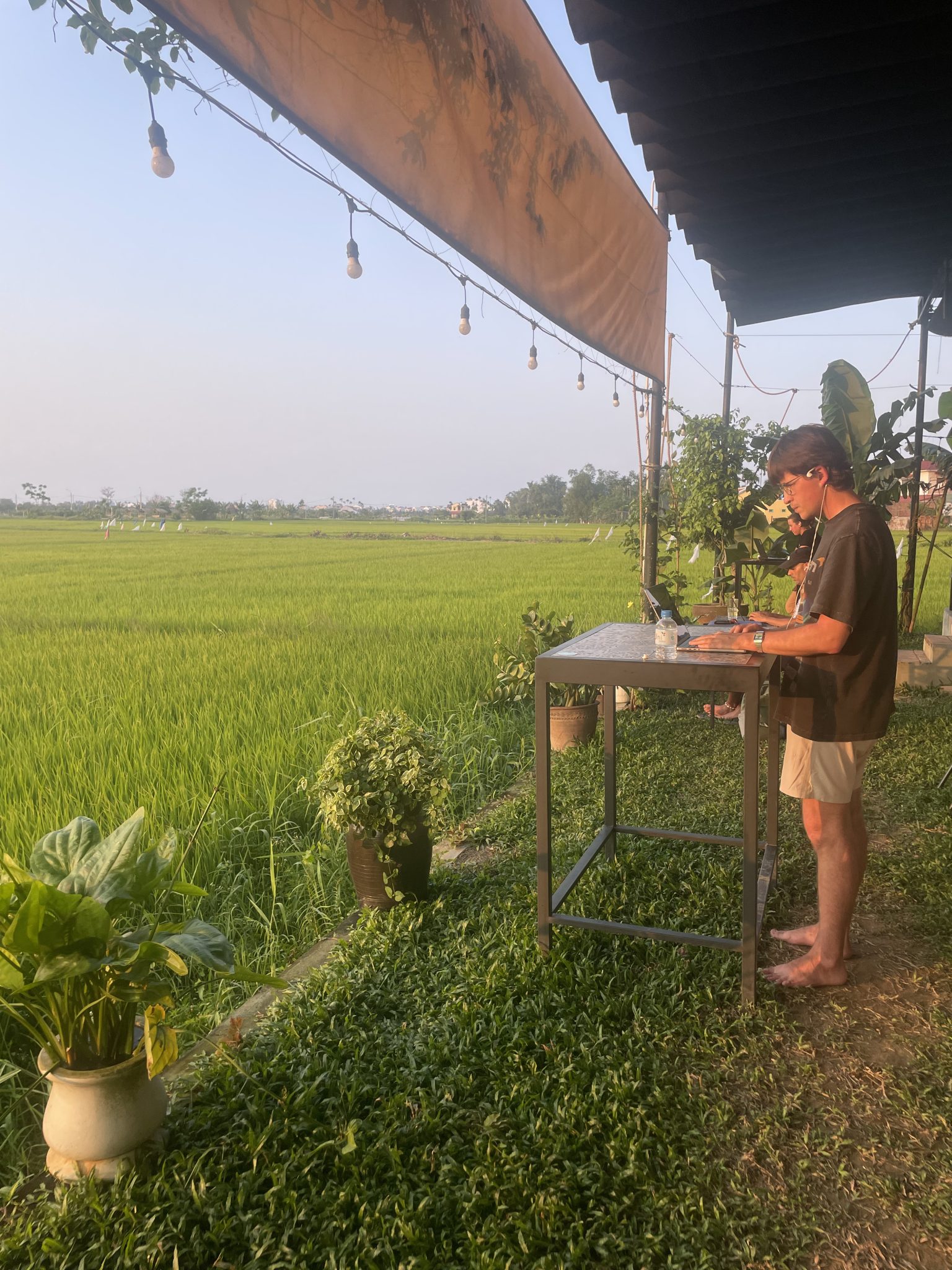
    Few things on social media are as wonderful in reality, but that can’t be said for Hub Hoi An. Set right in the middle of electric green rice paddy fields, it fosters an authentic, off-grid feeling whilst running like a proper co-working space, with all the facilities you’d need and community events to boot. I’d highly recommend coming here if you plan to stay for a while and want to make friends. Shout out to Matt for recommending it.

    For slow breakfasts and laptop hours – Nourish Eatery

    This place is fab for a big breakfast or brunch (think £4-5 for a hug meal). There’s a decent upstairs area for laptops and yoga during the week too (although it’s closed on Mondays).

    For escaping the hustle – The Inner Hoian

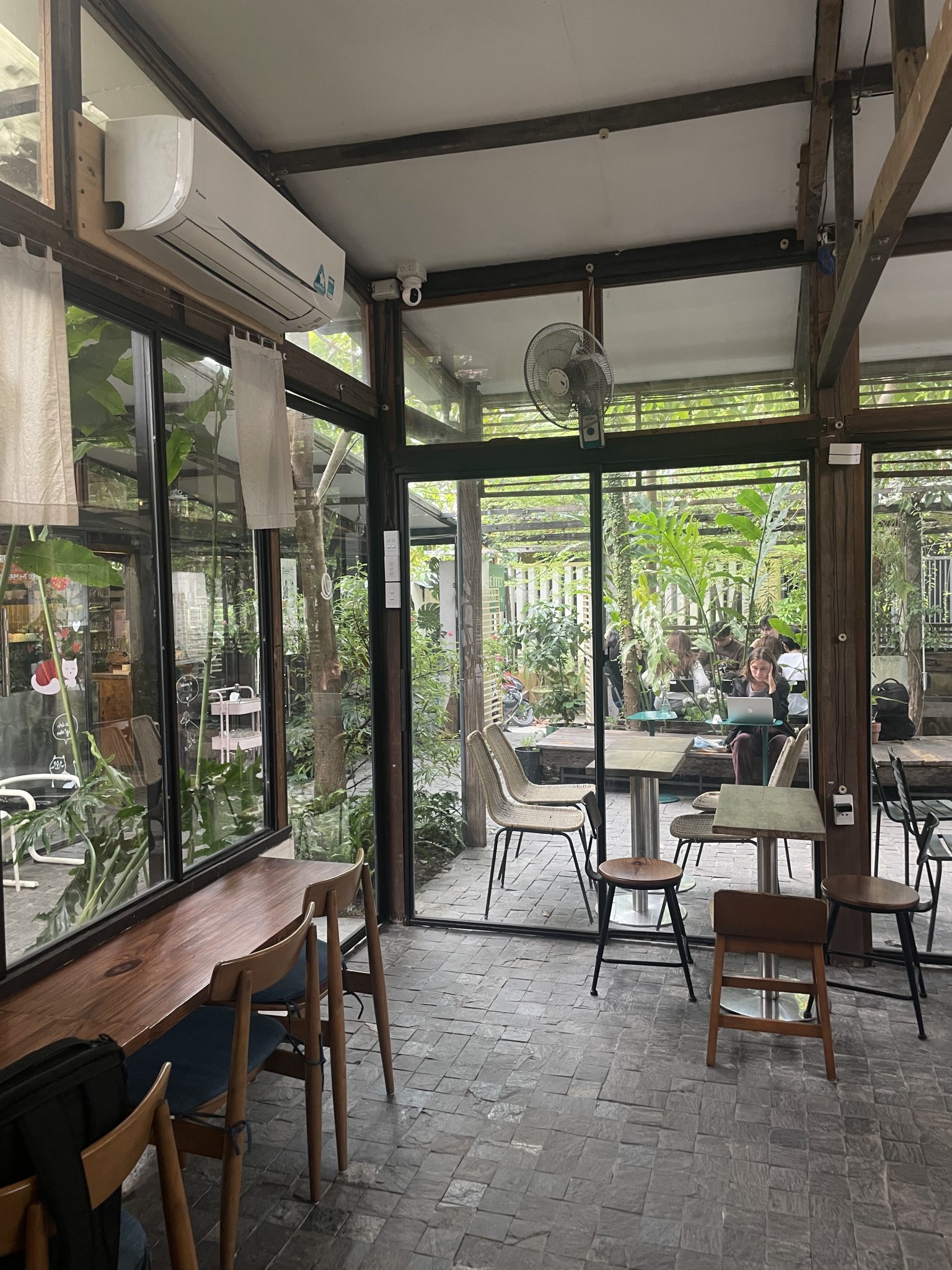
    Such a cute café, hidden down a side street and surrounded by lush greenery. It felt like the sort of place you accidentally spend three hours in without realising. Also has a very dangerous little gift shop if you’re a tote bag person. Very calming energy.

    Where everyone settles in for the afternoon – Goodeats Hoi An

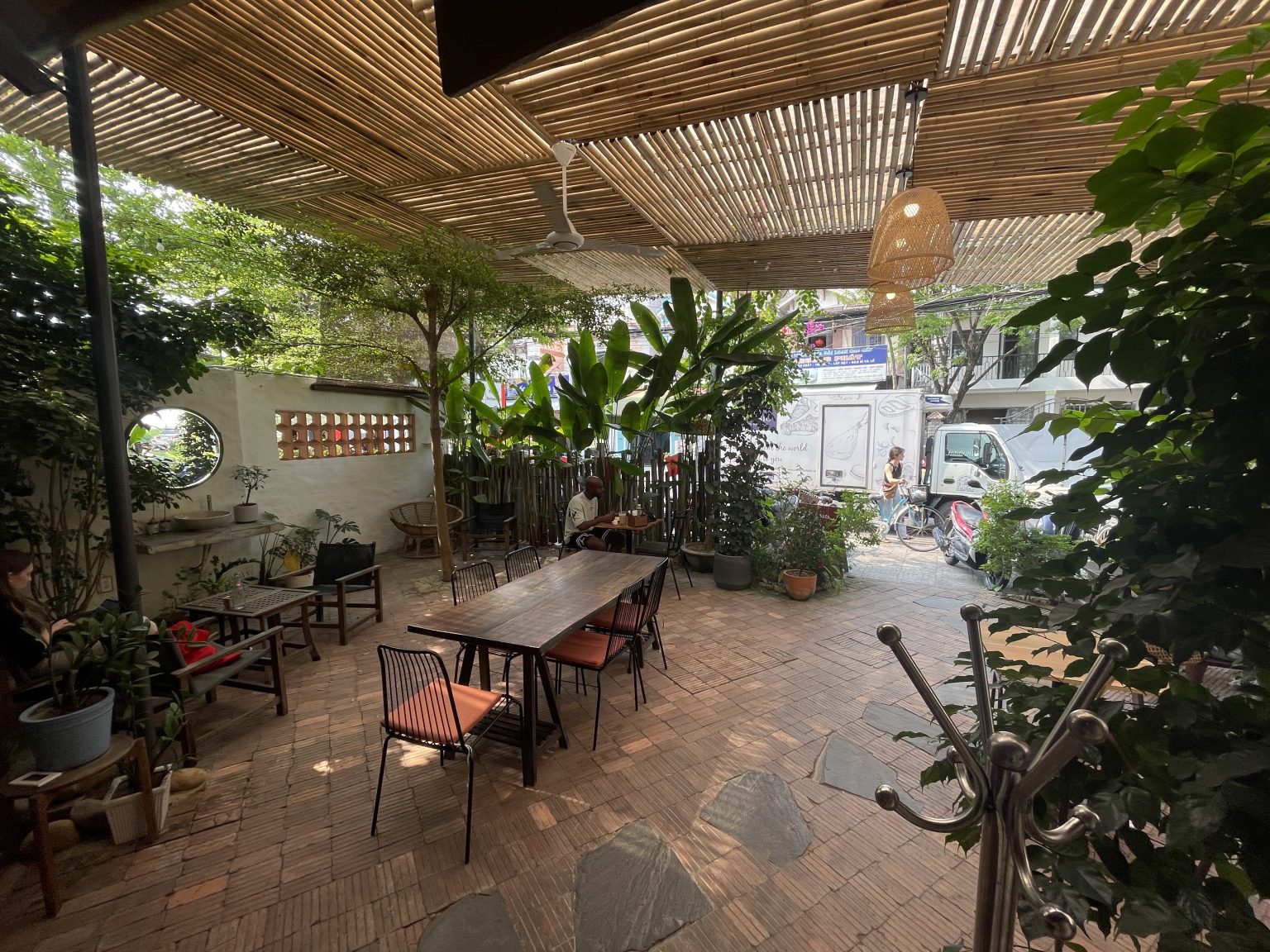
    This spot is super relaxed and remote-work friendly, but I also noticed lots of families hanging out here too. One of those places where everyone seems to naturally settle in for the afternoon.

    For the best iced coffee – Hoian Roastery

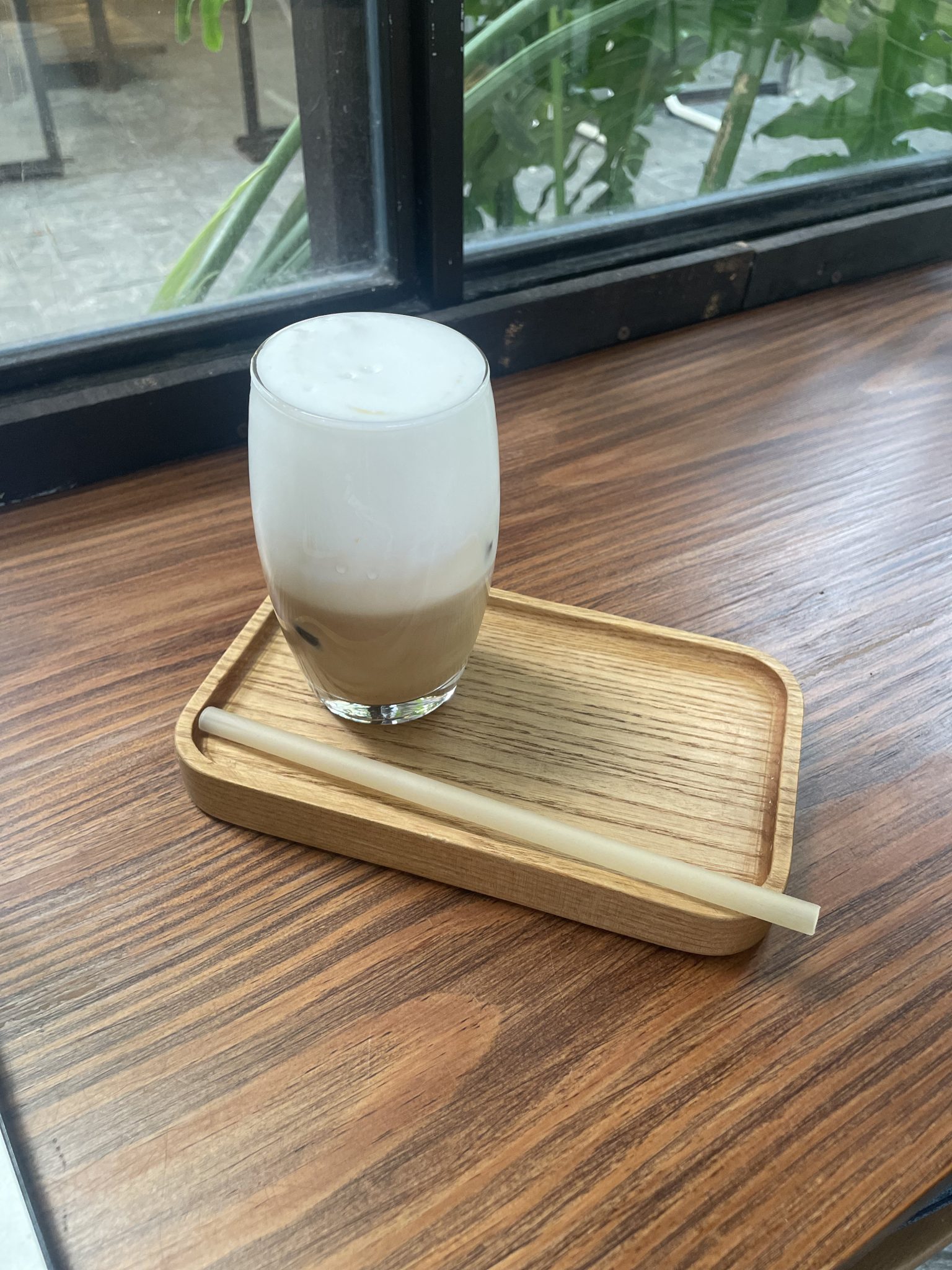
    Home to the best iced coconut coffee I had in Vietnam, and the most accommodating manager.

    Instagram reality check

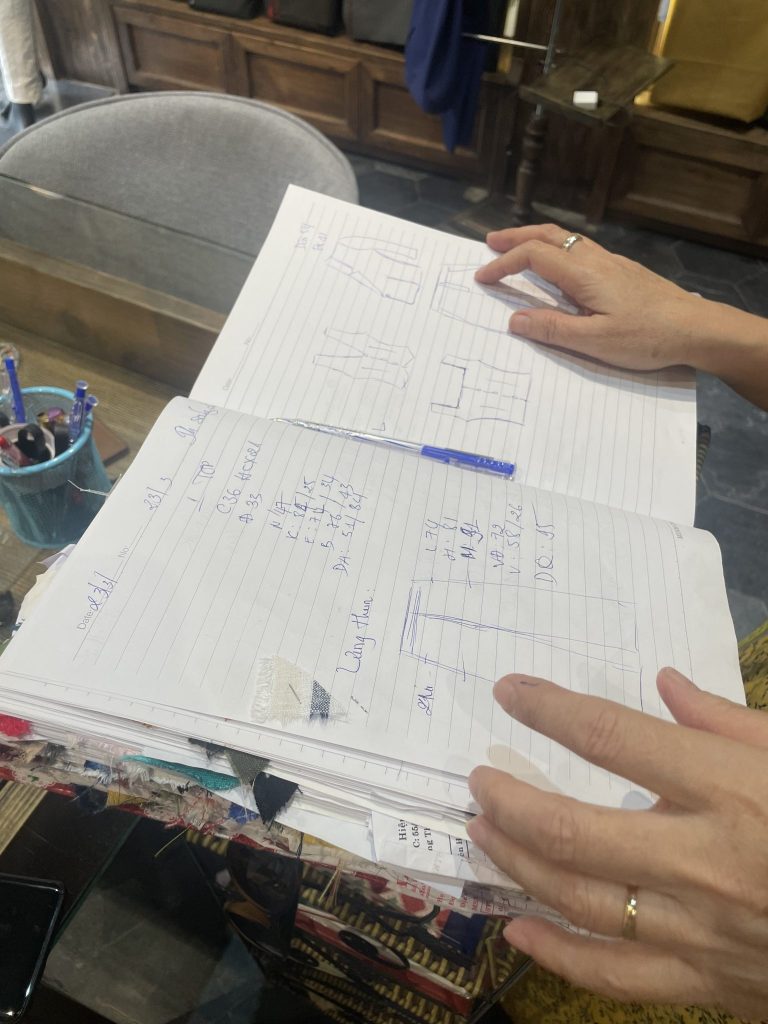
    Taking a bike through the paddy fields at sunrise, sampling cafés, and hunting for the best bánh mìs – this is the kind of thing that brings me joy. But like most spots in Asia, the town also offers the option of taking cooking classes, coffee-making workshops, visiting the nearby coast at Da Nang, or getting a dress or suit made (which I did do, although I’m yet to wear her).

    That said, like all places in Asia, it would be remiss of me not to do the old “Instagram v reality” wake-up call. Some fun, but slightly overrated, activities for me were:

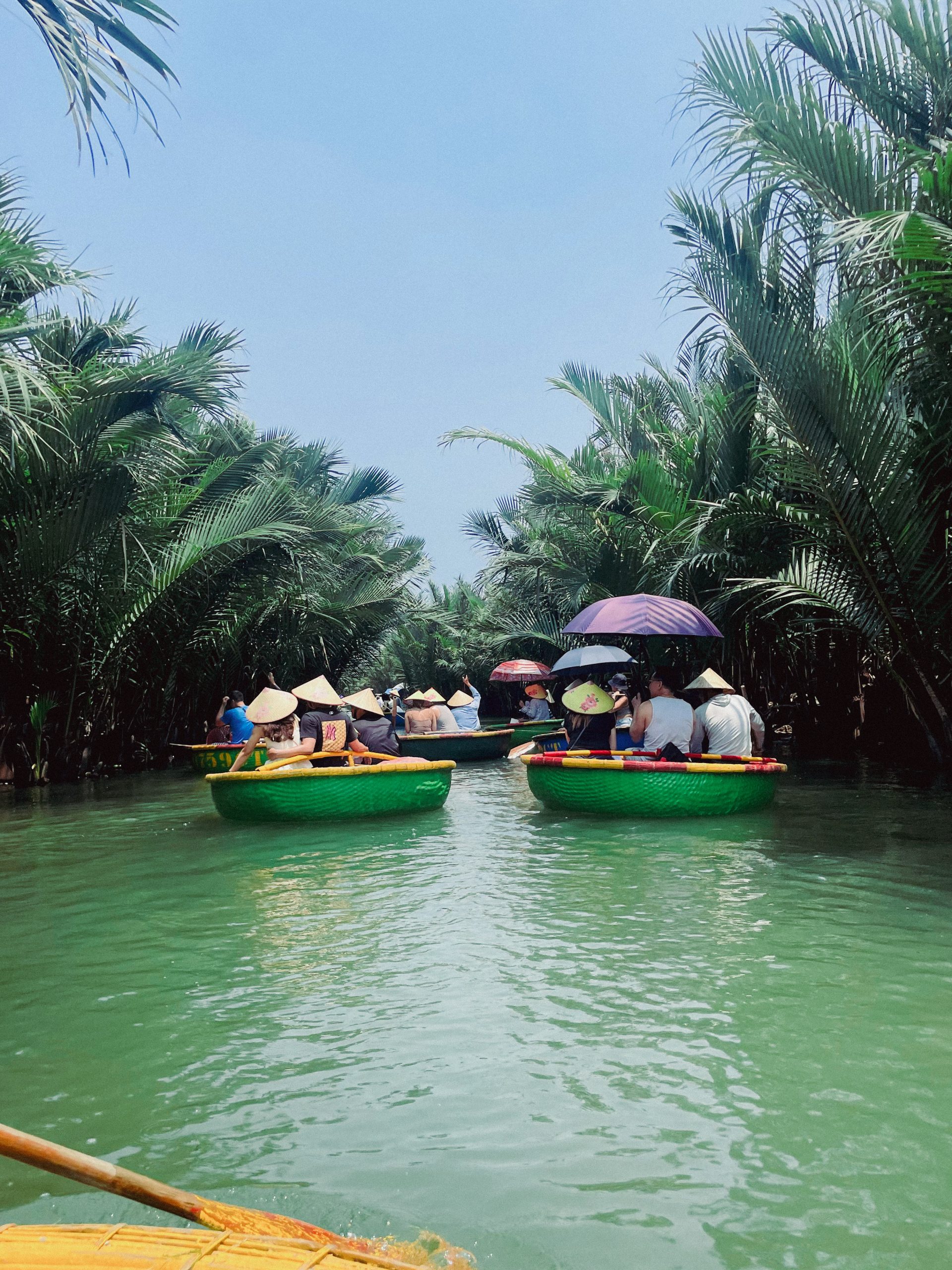
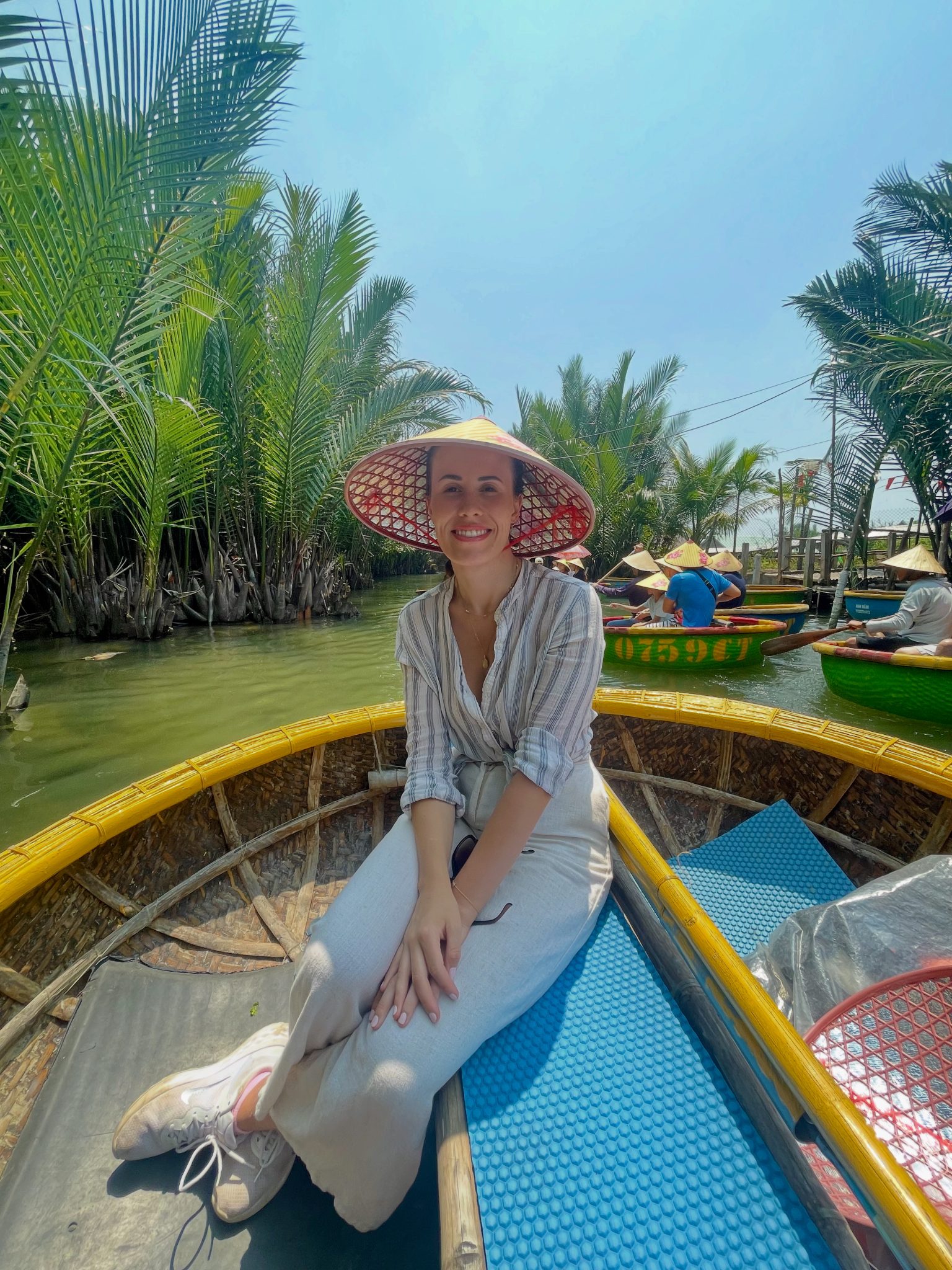
    The coconut boats

    I had a feeling they wouldn’t really be my thing, but I did them anyway because they’re so iconic. It’s cheap and only takes about an hour, but the whole thing does feel a bit tourist-trappy. You’re basically spun around while people sing and ask for tips. That said, the area itself is beautiful, and it’s nice to spend some time in such an important natural space.

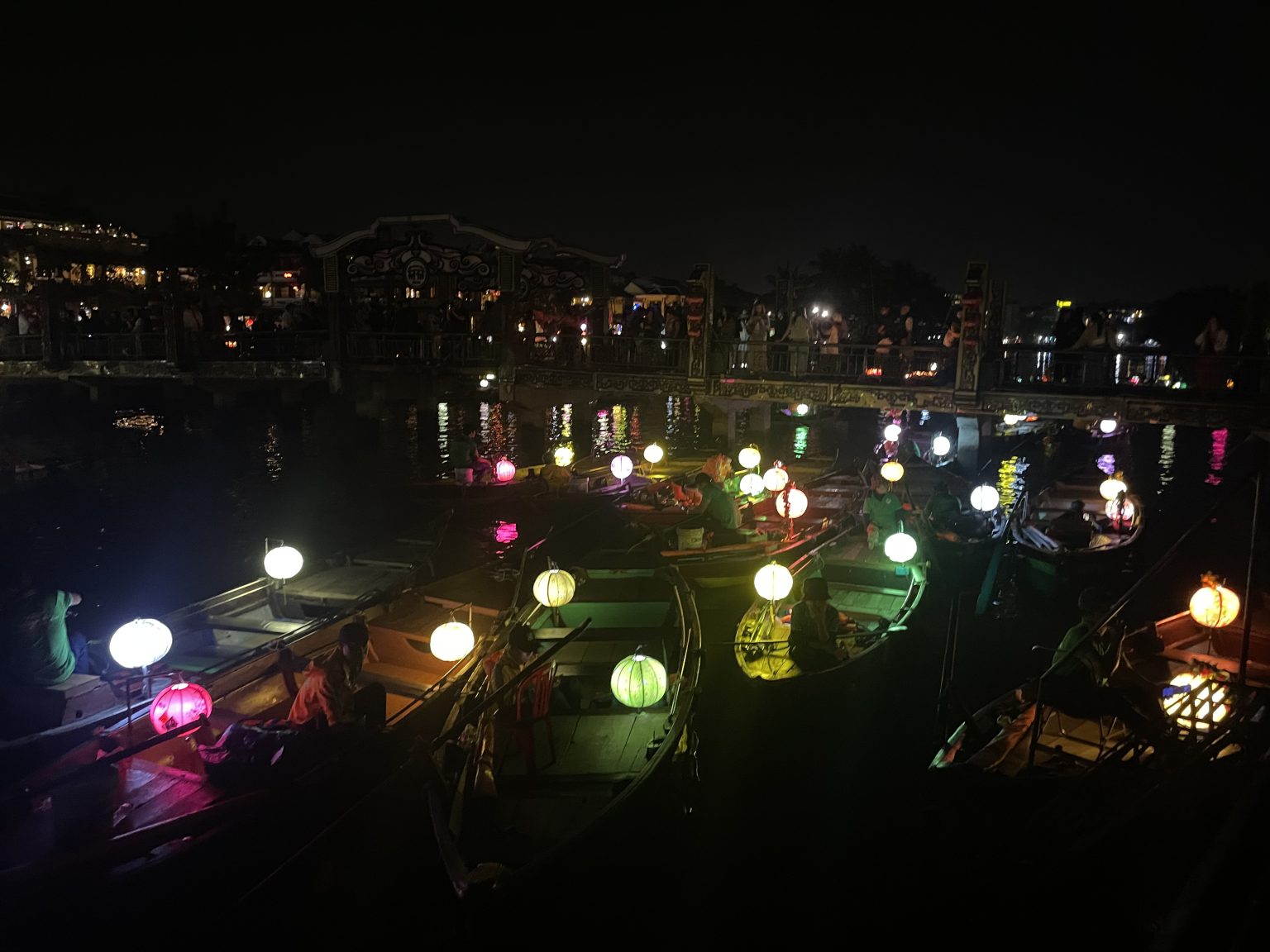
    The lantern parade

    The multicoloured canal boats are pretty enough to look at, that’s for sure. But this isn’t exactly the sweet, idyllic scene you see on TikTok. It was busy, loud, and a bit chaotic, being right by the strip with all the bars and nightlife.

    I also can’t help but feel that lighting lanterns is an unsustainable practice, which really put me off. Perhaps in future there can be a way to do this that is kinder for the waterways and surrounding environment, but until then, I’m unsure how I feel about it.

    Despite the slightly overrated tourist-grabbing activities – which is true for any location – I found Hoi An overall, to be as cute as a button, and ended up staying for a week (though three days is probably plenty if you’re a tourist or short on time). The chaos of Ho Chi Minh City felt miles away, replaced by the hum of scooters, the cluck of chickens, and the buzz of baristas whipping up coconut coffees.

    Heading there in mid-March felt like the perfect time, as we caught a slightly cooler weather window. After March and April, it gets really hot, then really rainy, before cooling down again in January and February. (Central Vietnam can also see flooding in the later months, so check conditions before you travel.) North Vietnam gets properly cold in the early part of the year too, so plan your trip with that in mind – and do not underestimate its weird weather!

  • Serendipity at Sanloem – what a week in the Cambodian islands taught me about gratitude

    “Trust me, it’s paradise.”

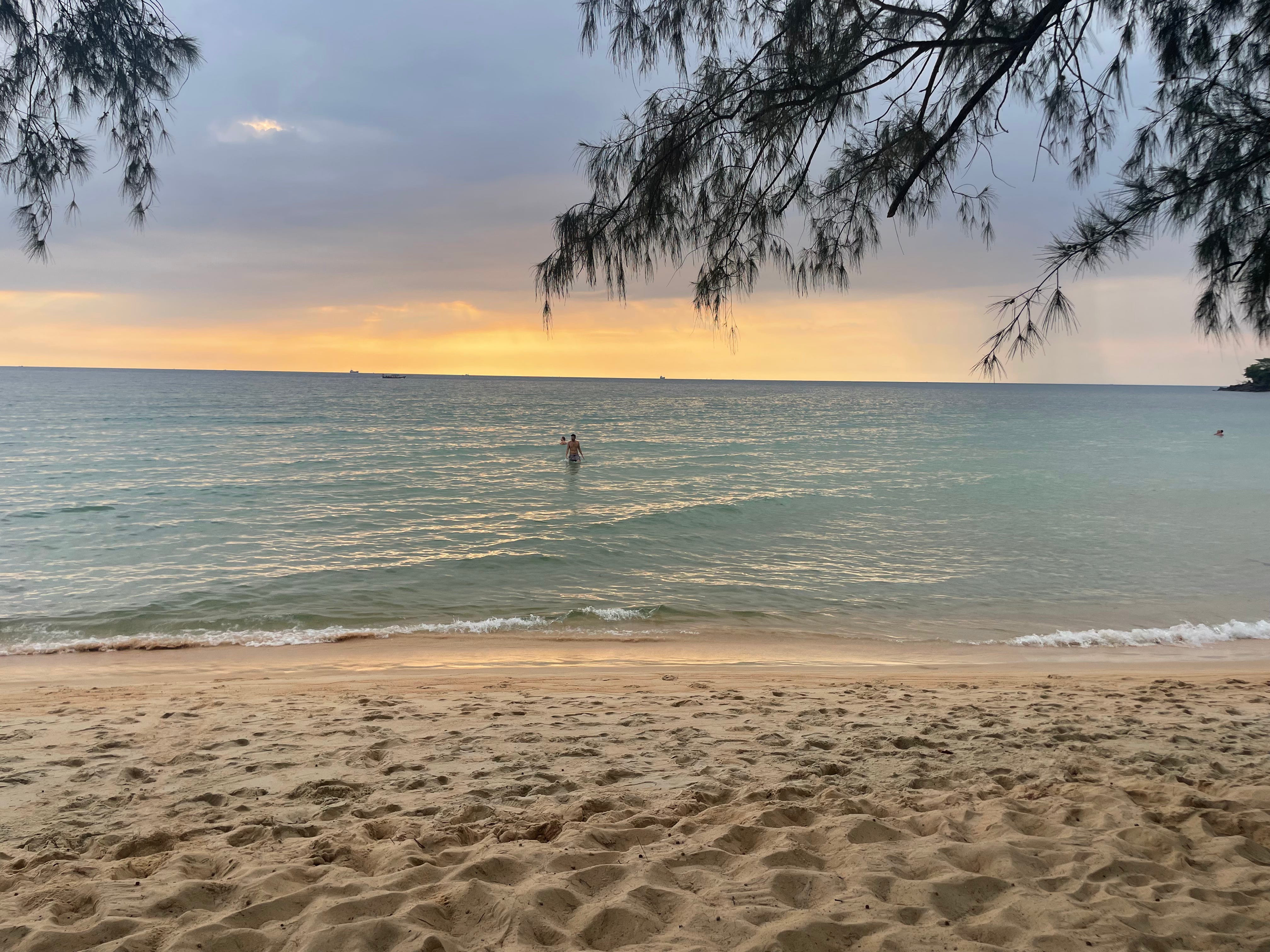
    Beach bliss at Koh Rong Samloem

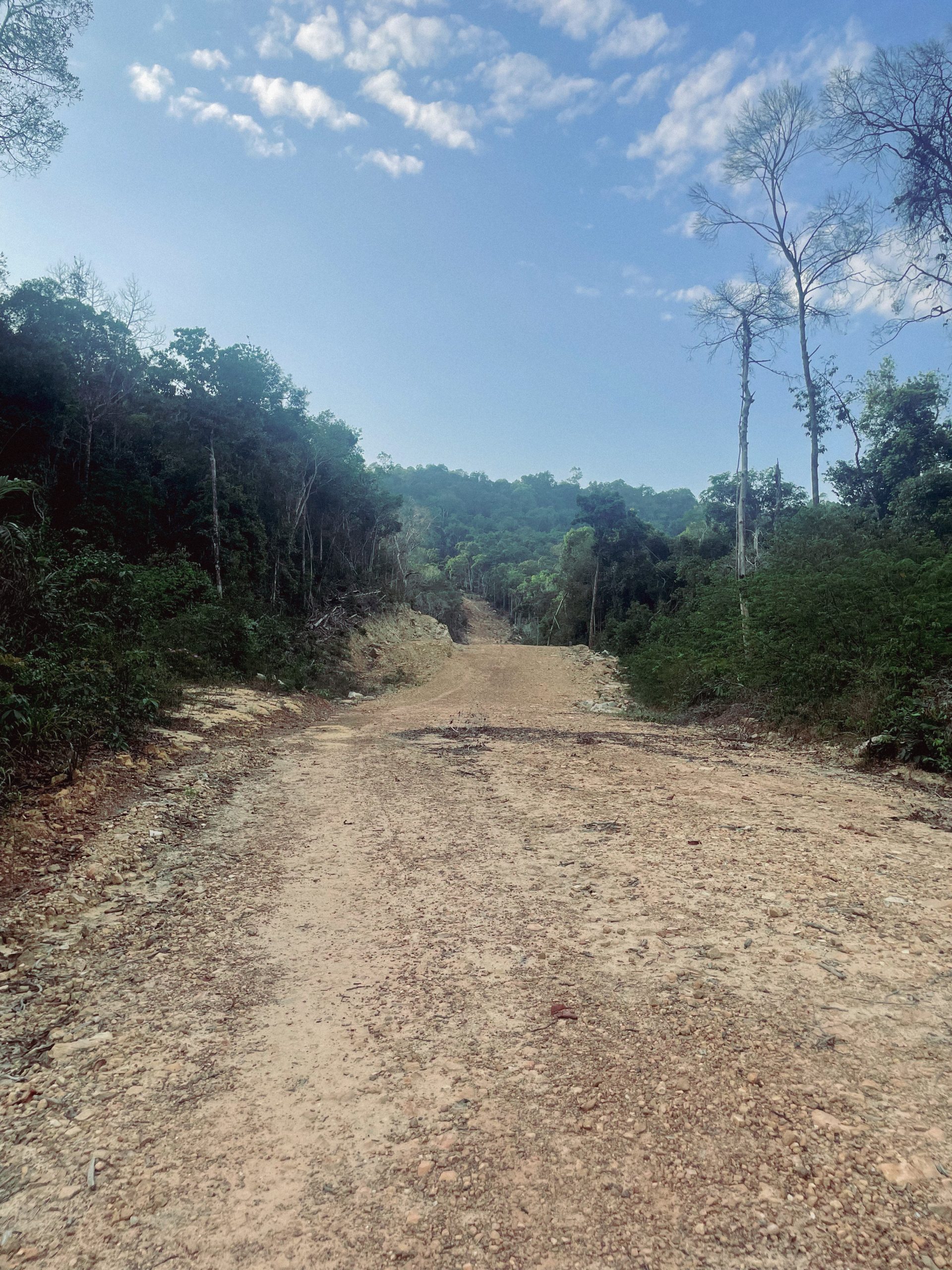
    “Why have I done this?” I thought, looking up at the dirt track ahead of me. Some thirty minutes earlier, I’d left the gleaming white sands of Saracen Bay, on the Cambodian island of Koh Rong Sanloem. Now I was headed to the other side of the island for a digital detox. But I hadn’t expected the inner landscape to be so – well – natural.

    With no internet connection, I was relying on a screenshot of the map to get me through the brush before dusk. Noticing how late it was, I pulled my backpack higher on my shoulders, and ploughed onward.

    Crossing from Saracen Bay to Sunset Beach on the other side

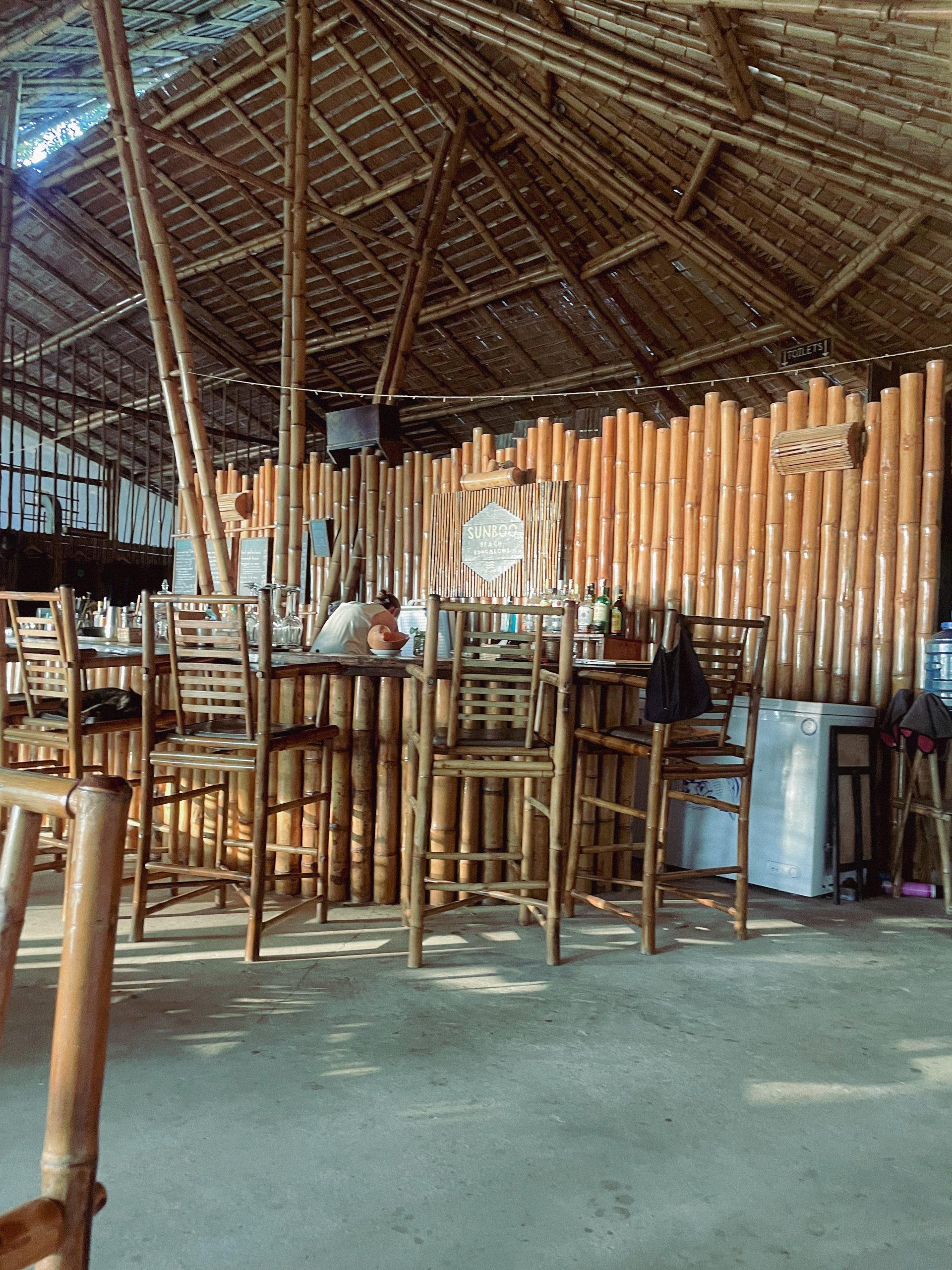
    Bingo. A bit further along, someone had painted ‘Sunset Beach’ on a piece of wood, pointing down to the right. I headed into a copse of trees and started clambering back down toward the coastline. Five minutes later, I arrived at a big bamboo structure. Sunboo Beach Bungalows. “This better be worth it.” I thought.

    Saved by the board

    “Georgina! Welcome!” A voice stopped me in my tracks. It was Paulo, the owner. “I’ve got you a lemonade.” Gasping with gratitude, I gulped down the liquid and thus began an adventure that would leave me reflecting deeply on the power of serendipity.

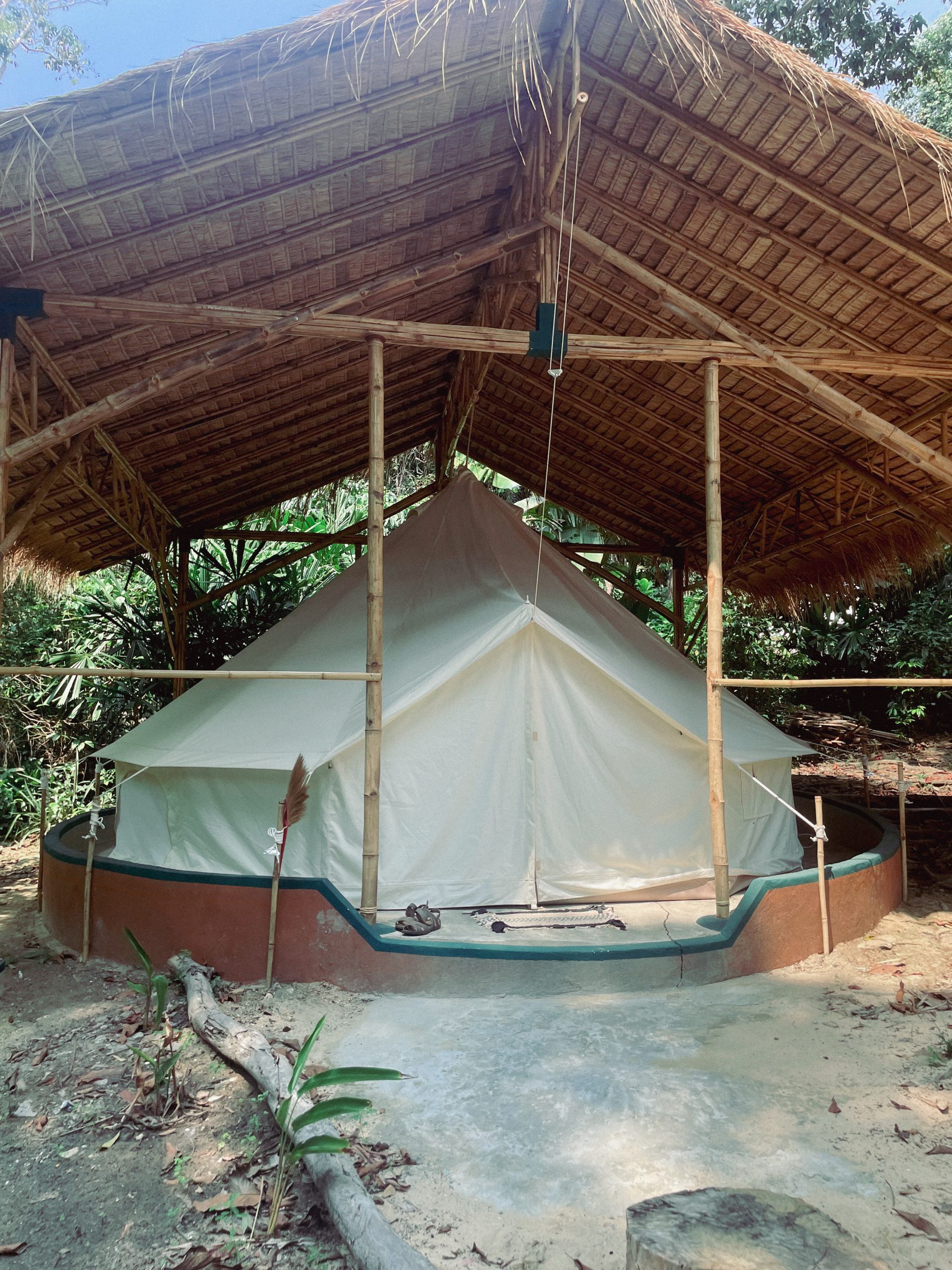
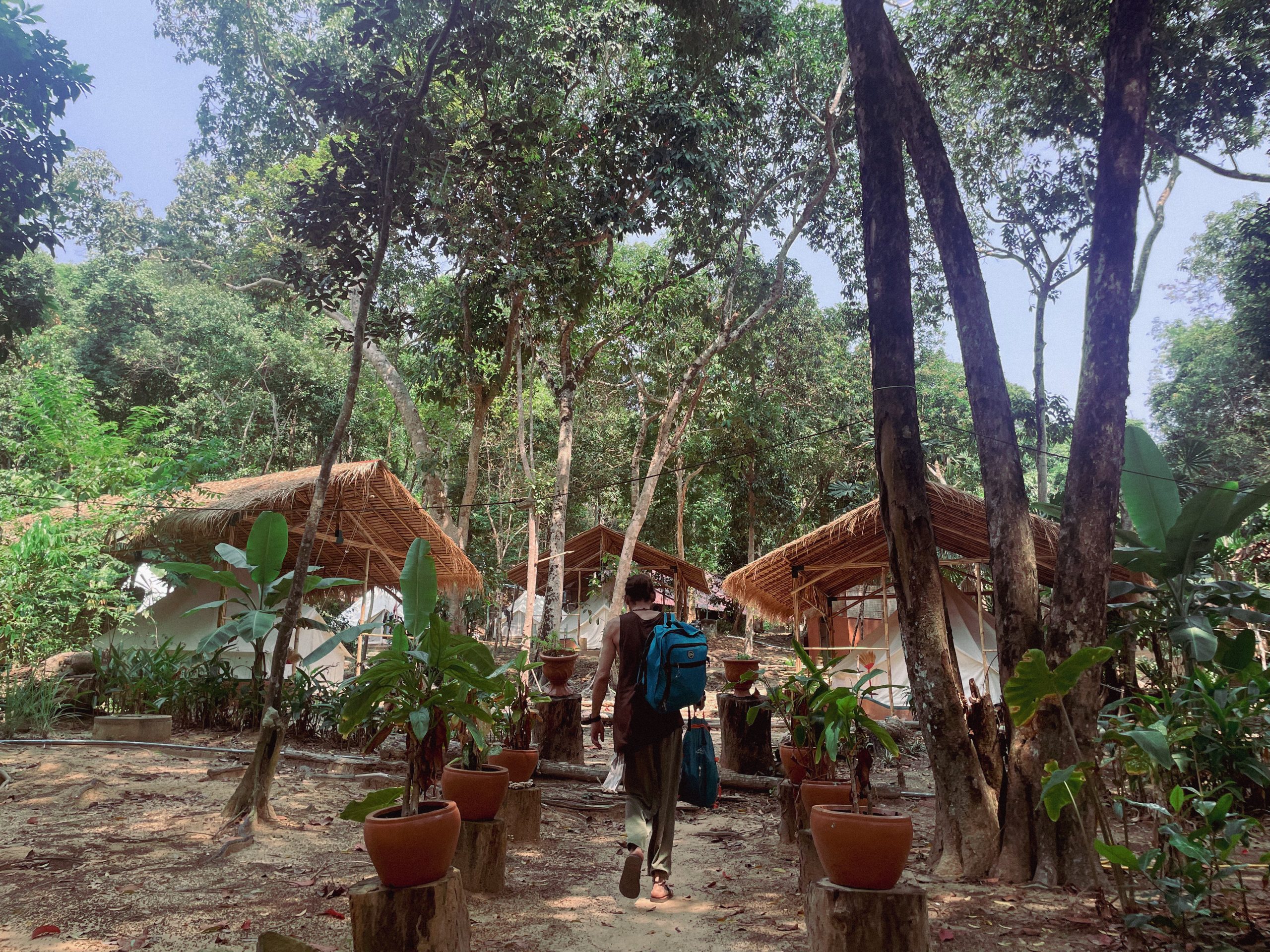
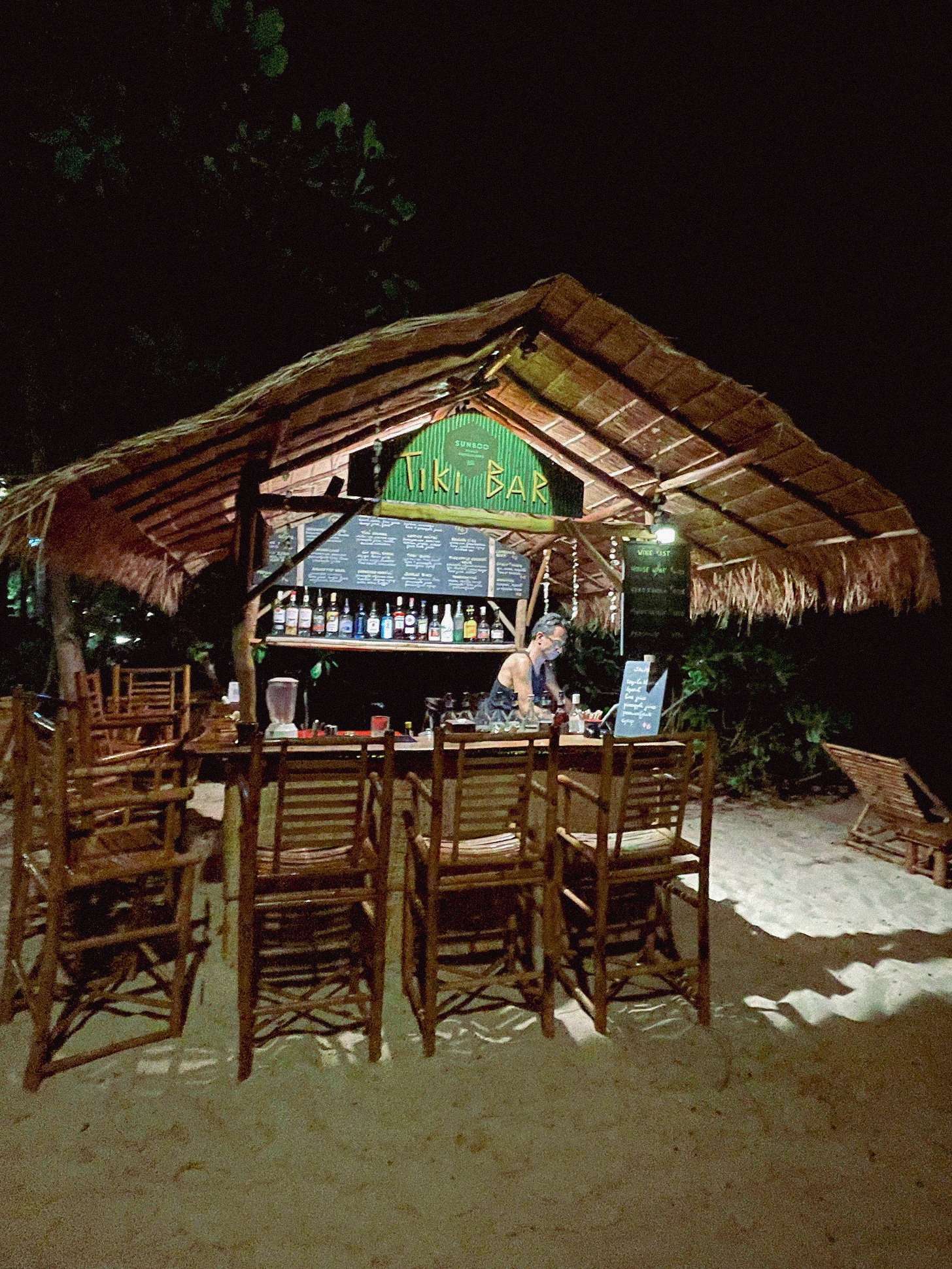
    “A decade ago, nothing was here.” Paulo told me. Portuguese by birth, he came to Sunset Beach around this time to support a friend launching a hotel business. The result was Sunboo, a mix of tipis and bamboo dorms situated right on the beach (thank you, solar power) complete with a restaurant, kitchen, yoga platform, tiki bar and hammocks.

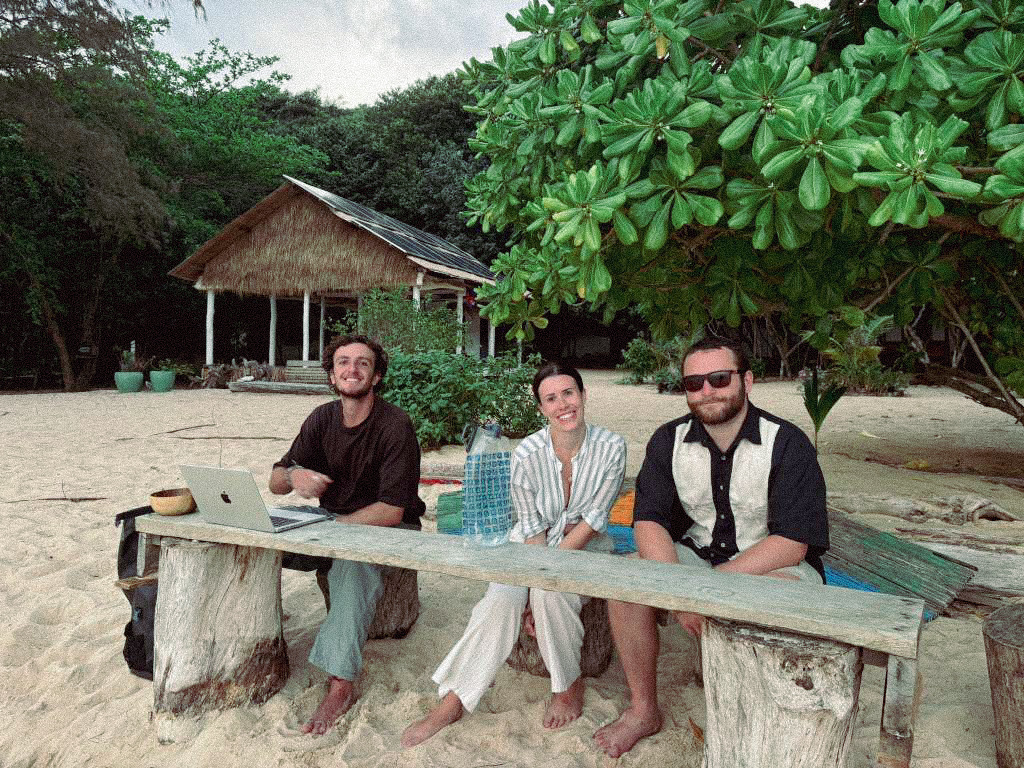
    Despite feeling luxurious, there’s nothing posey about Sunboo. It has a cosy, rustic feel, led in part by its small team, who have been there since the start. It’s the kind of place where you’ll find yourself chatting to them all by name (and vice versa) and actively spending time with the staff during the week. You’re not just a faceless guest here, which felt very reassuring to me, after six weeks alone.

    Robinson Crusoe eat your heart out

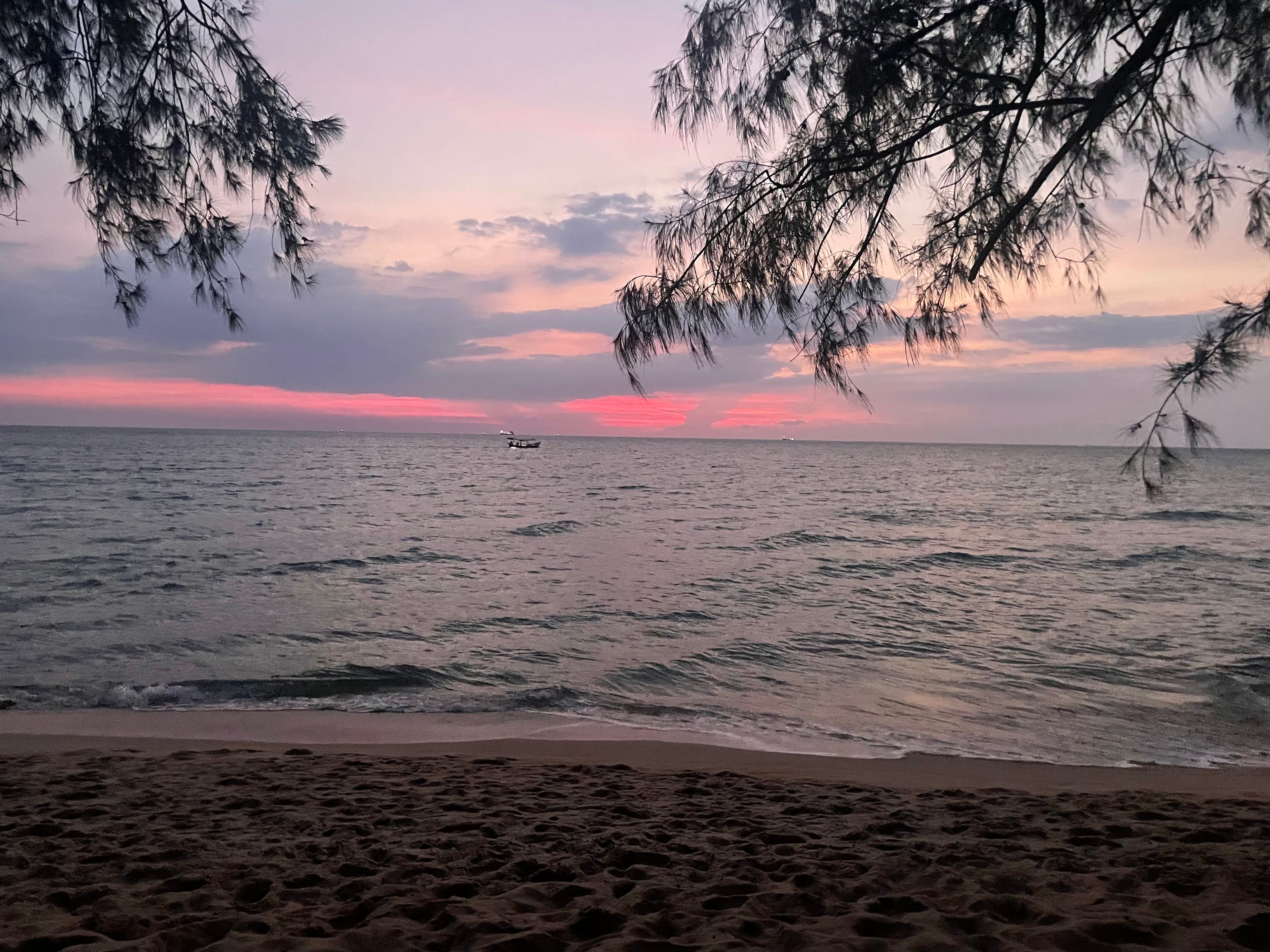
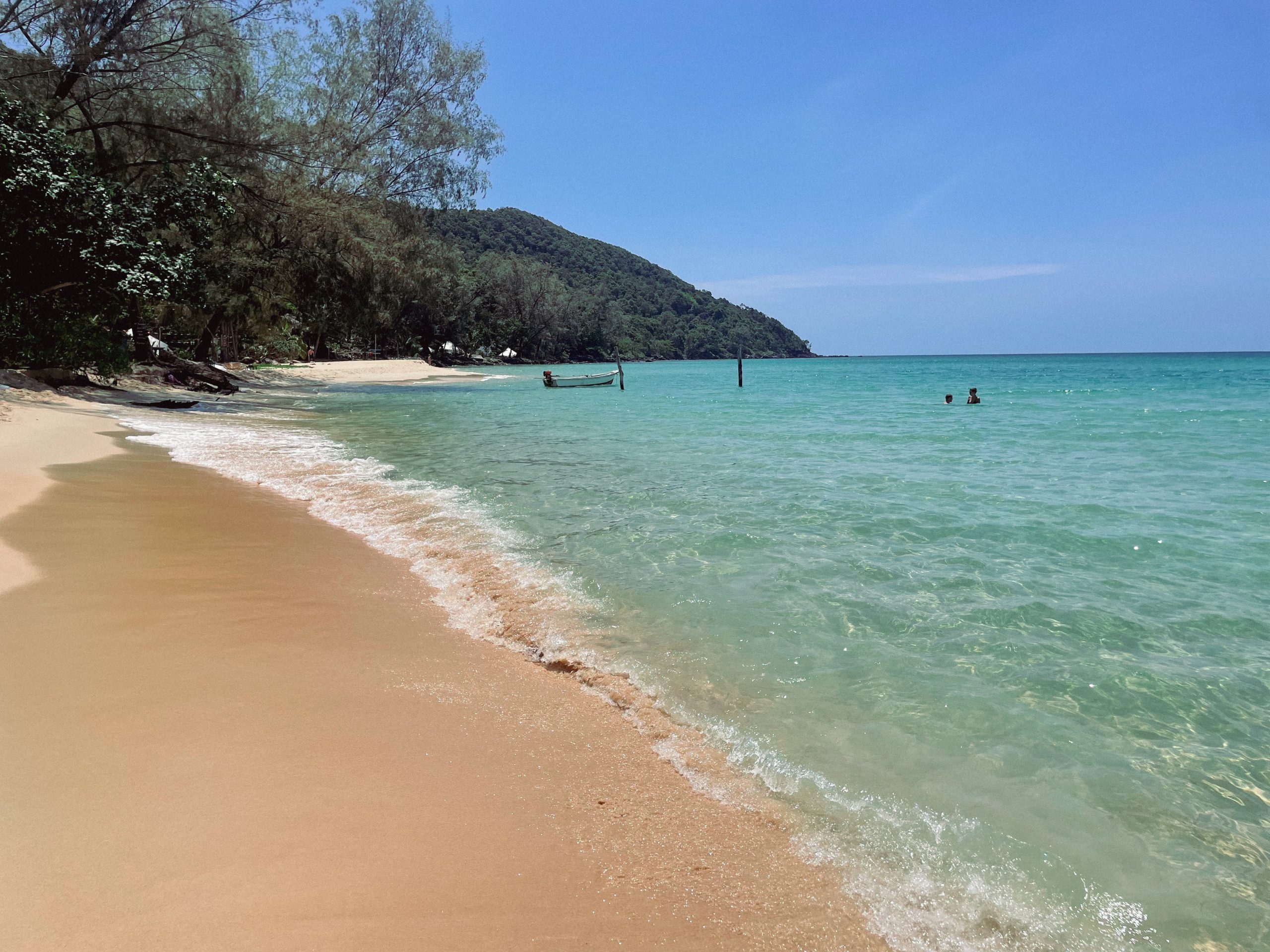
    The bay itself, with its pink, green, blue and yellow hues, is otherworldly. At only 500 metres long, it feels like a safe little cocoon. Every evening, people come together on the beach to watch the sunsets, which are the best on the island (expect different colours depending on the weather).

    Hues of heaven – the view from Sunboo

    Flanked either side of Sunboo, is a handful of other small businesses including a surf and dive shop, some small restaurants, and some other places to stay. Paulo was quick to inform me who they are, and what they do: “we help each other out.” He said.

    For instance, Sunboo doesn’t provide WiFi, but we could get a little bit next door as long as we bought a coffee (fair). Later in the week we found ourselves swapping games with another place down the beach: “ah, Kamaku has it!” They said. If they couldn’t fit you into the dorm another night, they’d see who else has a free room. Everyone worked together as opposed to against each other.

    I was particularly lucky the week I was there. There were only a handful of guests, and they were mostly solo like me.

    One day I was watching the bright white lighting on the beach from a blacked out hut, before seeking refuge at Sunboo’s protective bamboo fortress.

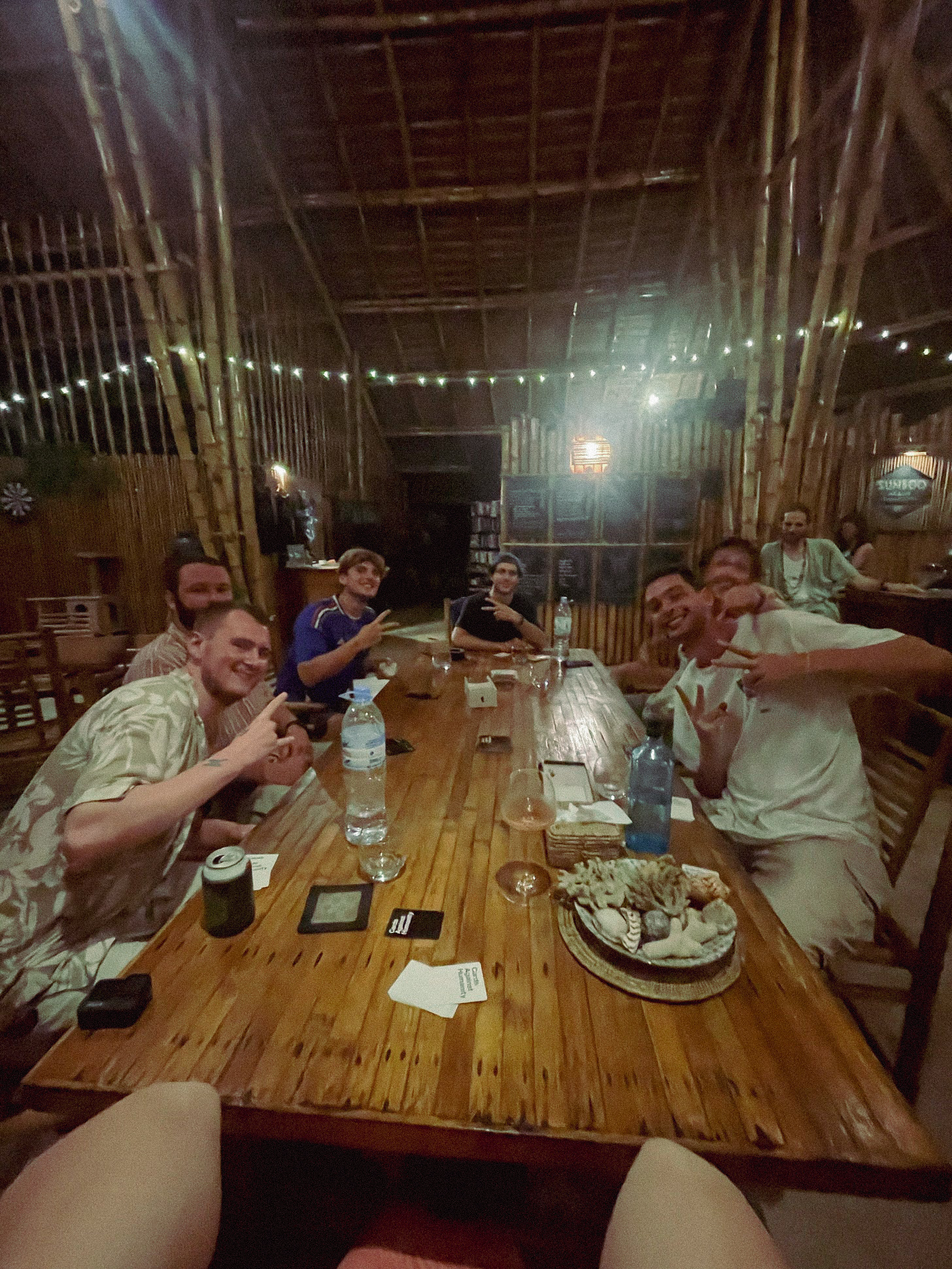
    As the hot, heavy rain hit the sand, Paulo, Nadia and Cori (spearheading yoga) sealed the walls with material shutters, and we settled in for a pizza from Sunboo’s incredible kitchen, and a cosy game of Catan.

    Taking shelter from the storm

    Forming a fast bond after that, we spent eight glorious days doing yoga, playing games, eating fresh fish, snorkelling, kayaking, reading and getting progressively drunk at the Tiki Bar with Hiro.

    Ready for my nightcap

    It was the highlight of my time in South East Asia and it all happened by chance.

    I’d actually made plans to visit the Thai islands instead, but changed my mind after spending a rather depressing day in Phnom Penh seeing the Killing Fields and S21 (essential learning).

    Then it was a choice of Koh Rong or Koh Rong Sanloem. I knew nothing about either of them, but had heard that the latter is smaller, less developed and had just gotten an internet connection a couple of months prior (and that’s only at Saracen Bay.) After a miserable bout of food poisoning in Vang Vieng, Laos, it felt like the right decision.

    Whether it was the setting, timing, or company, our special week was the result of many factors working in quiet harmony. And that analogy speaks to Sunset Beach as well.

    Yes it’s beautiful. But that’s not the only thing that makes it stand out. It’s the history; the mix of Cambodian and international businesses; the relationships that have been formed over years. The people all come with a unique story and personality, adding colour to the place that is their home. And this blend of ingredients cannot be replaced or taken for granted.

    Devastatingly though, it is. Because the businesses here have been asked to pack up and leave within the next four years to make way for developments.

    Whilst they’re hopeful for more time, if the landlord decides to sell the land to investors, the bamboo structure, which the founders of Sunboo lovingly and painstakingly assembled into their home and livelihood, will be dismantled.

    The hammocks will be taken down, the games packed away, and this magical community divided. All to make way for bigger, glossier, pricier hotels.

    We’ve probably all read or watched The Beach by Alex Garland.

    As I looked out at the Gulf of Thailand one day, I thought about how that story captured hearts, and its parallels to Sunset Beach. Despite descending into darkness, the concept of a legendary self-contained community fascinates people. As a result, many tourists went searching for it – ultimately destroying the “real” magic Maya Bay in Thailand, where it was filmed.

    You cannot recreate the lived experience, the serendipity, or connections that make a place alive.

    That’s why the idea of wiping out Sunset Beach in favour of a bunch of soulless hotels feels appalling. Meaningful places, whether for travel or in everyday life, are rarely manufactured. They are nurtured over time, by people, stories, and happenstance – so they need to be appreciated for what they are, in the moment.

    Because I stayed longer than anticipated, on my second to last day, I had to return to Saracen Bay to work. After another thirty minute walk across the island to Sunset Beach, I arrived once again at the uphill dirt track. But I wasn’t frustrated this time. I was energised. Because I knew, on the other side I’d be met with a cold lemonade and a slice of paradise.

  • Petsitting from Porto – my side hustle expands internationally

    Plus, how does Lisbon’s cool sister fair for remote workers?

    Following an inaugural three-month stint as a digital nomad in Asia in early 2025, I returned home invigorated – but a little exhausted – by my new freelance lifestyle. Curious to understand what the European scene looked like, I started exploring options closer to the UK.

    Europe is, unsurprisingly, not as cheap as Asia or South America for nomads; but some countries are waking up to the advantages of hosting foreign remote workers. Portugal is one of them.

    Home to the first so-called “digital nomad village” on Madeira island, the country has made a concerted effort to attract location-independent workers. In 2026, it even introduced a dedicated D8 visa to make living and working there easier. With around 16,000 foreign remote workers, Lisbon has become so popular that the influx is now proving controversial, with concerns around gentrification and a siloed economy growing (see my blog about Chiang Mai in Thailand, where I touch on this).

    Outside of these hotspots, though, I hadn’t heard much about Portugal’s second favourite city, Porto. Porto sits on the west coast, in the north of Portugal; around three hours away from Lisbon by train. In olden times, Portugal was one of England’s more important allies, according to my favourite podcast, The Rest Is History. Nowadays, it’s best known for its Douro wines (including Port), pastries and (love her or hate her) J.K. Rowling, who lived there in the nineties.

    Curious, and having already had some success with pet sitting in the UK, I managed to secure a sit in Porto during October (full blog on how to get into this coming soon); making for a far more affordable trip. So, off I trotted for a week of exploration in the country’s wine capital.

    Is there a nomad scene?

    Unlike Lisbon, which has flourished as a long-term base for remote workers, Porto tends to attract fewer digital nomads setting up here permanently, it seems.

    Based on my time there, my sense is that this is partly cultural; many cafés don’t encourage laptops for long stretches, and the nomad community isn’t yet large enough to sustain the same density of coworking spaces and regular meetups. Some nomads will no doubt disagree – but for now, Porto feels less geared towards full-time remote work. Of course, that may well change if Lisbon continues to feel over-saturated.

    Coming at this from the perspective of someone who isn’t working full time, I found Porto to be a pleasant and peaceful location to work from, however. There’s reliable Wi-Fi, comfortable places to dip in and out of work (that allow for at least a few hours of focused work), and I felt like I was merging with local life. For freelancers, creatives, or anyone balancing work with travel (perhaps for shorter periods like me) – rather than clocking a strict nine-to-five – it was a good setup.

    How I spent my time in Porto

    There’s plenty to do in Porto, and it felt like a truly liveable city to me. Visiting in October meant it was mild (but a little rainy!) and wasn’t overrun with tourists. Locals were incredibly friendly and keen to make conversation, which really struck me. Here are some fun activities to add to your list if you’re visiting:

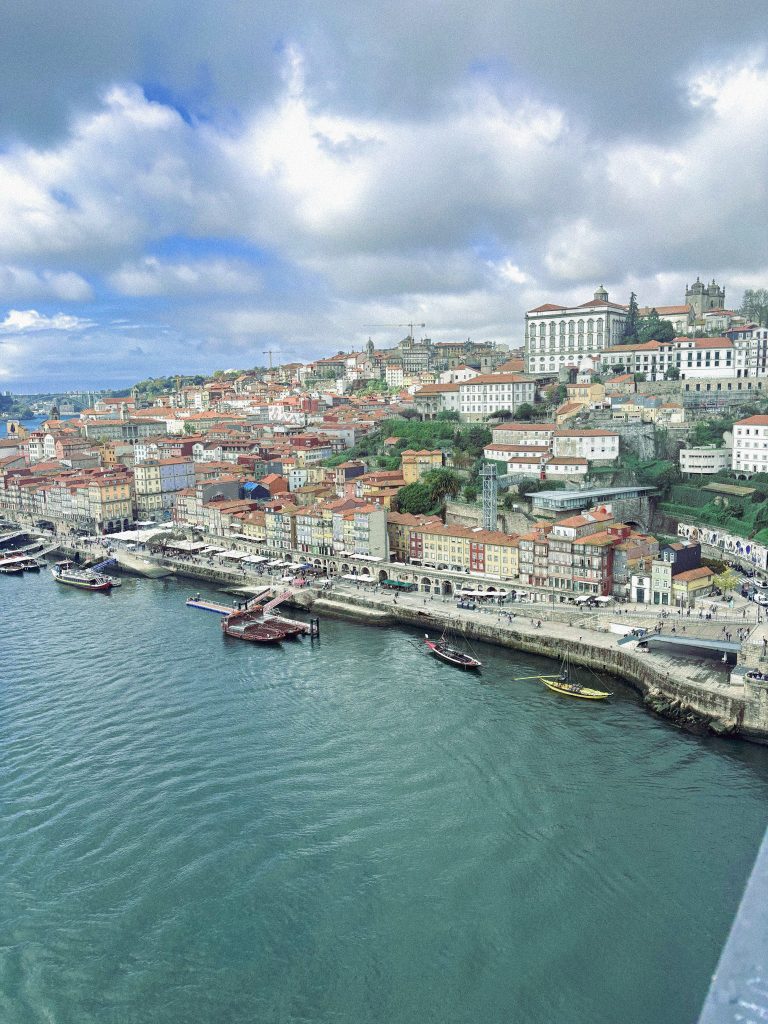
    Admire the terracotta rooftops from the Dom Luis Bridge

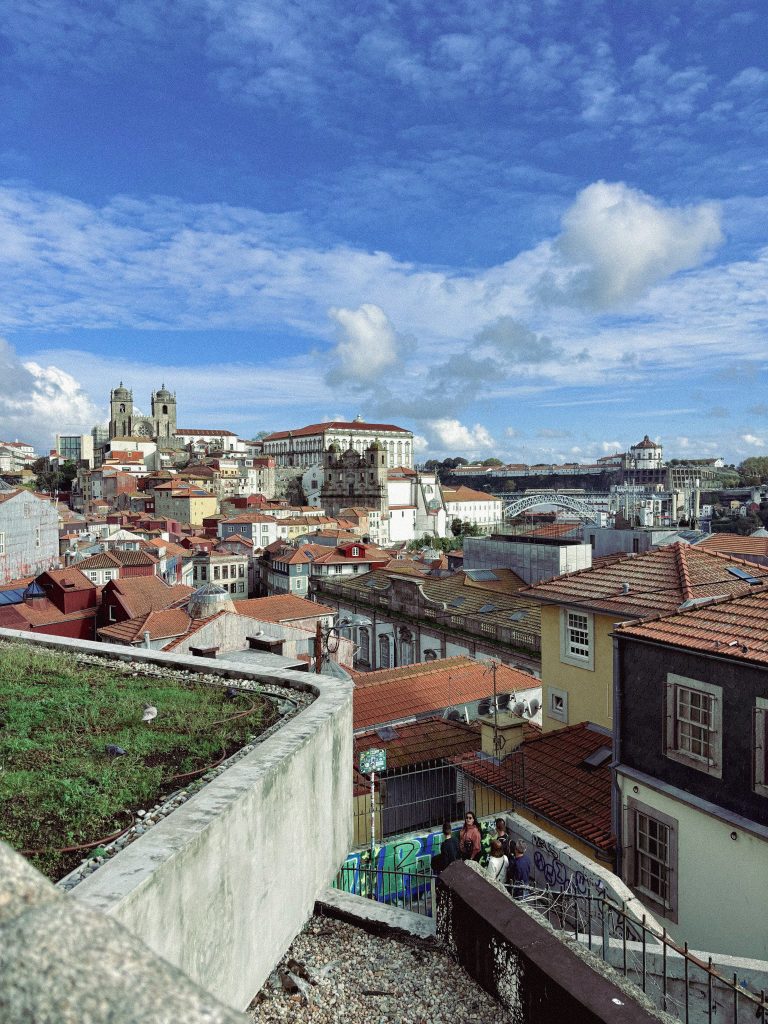
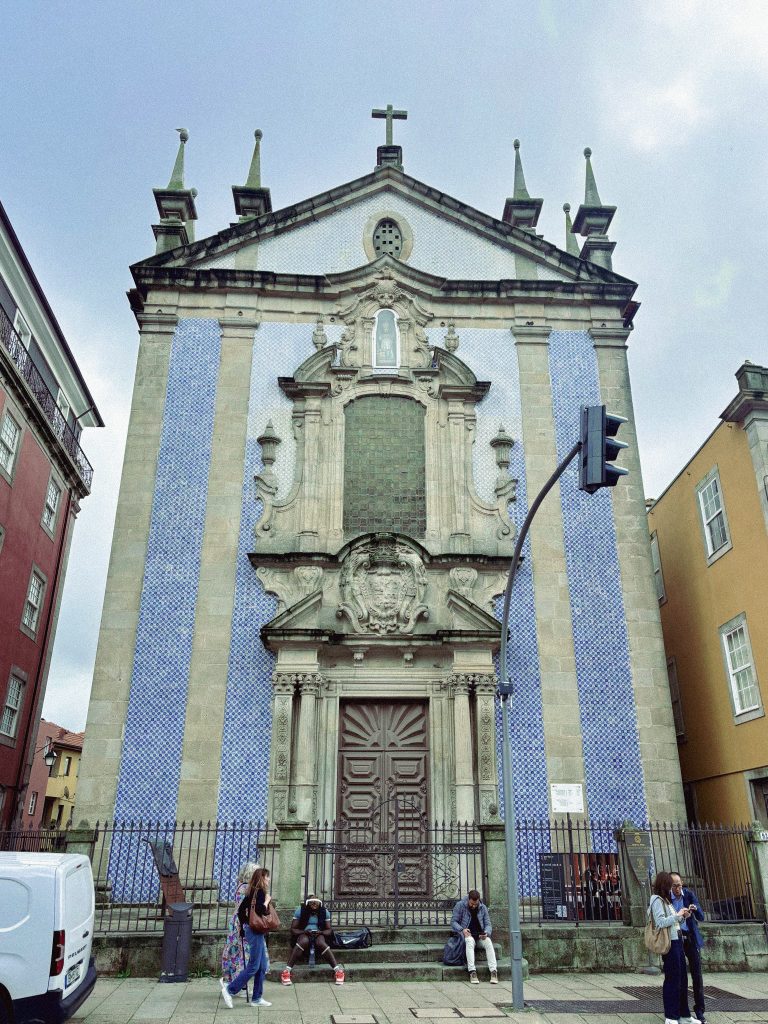
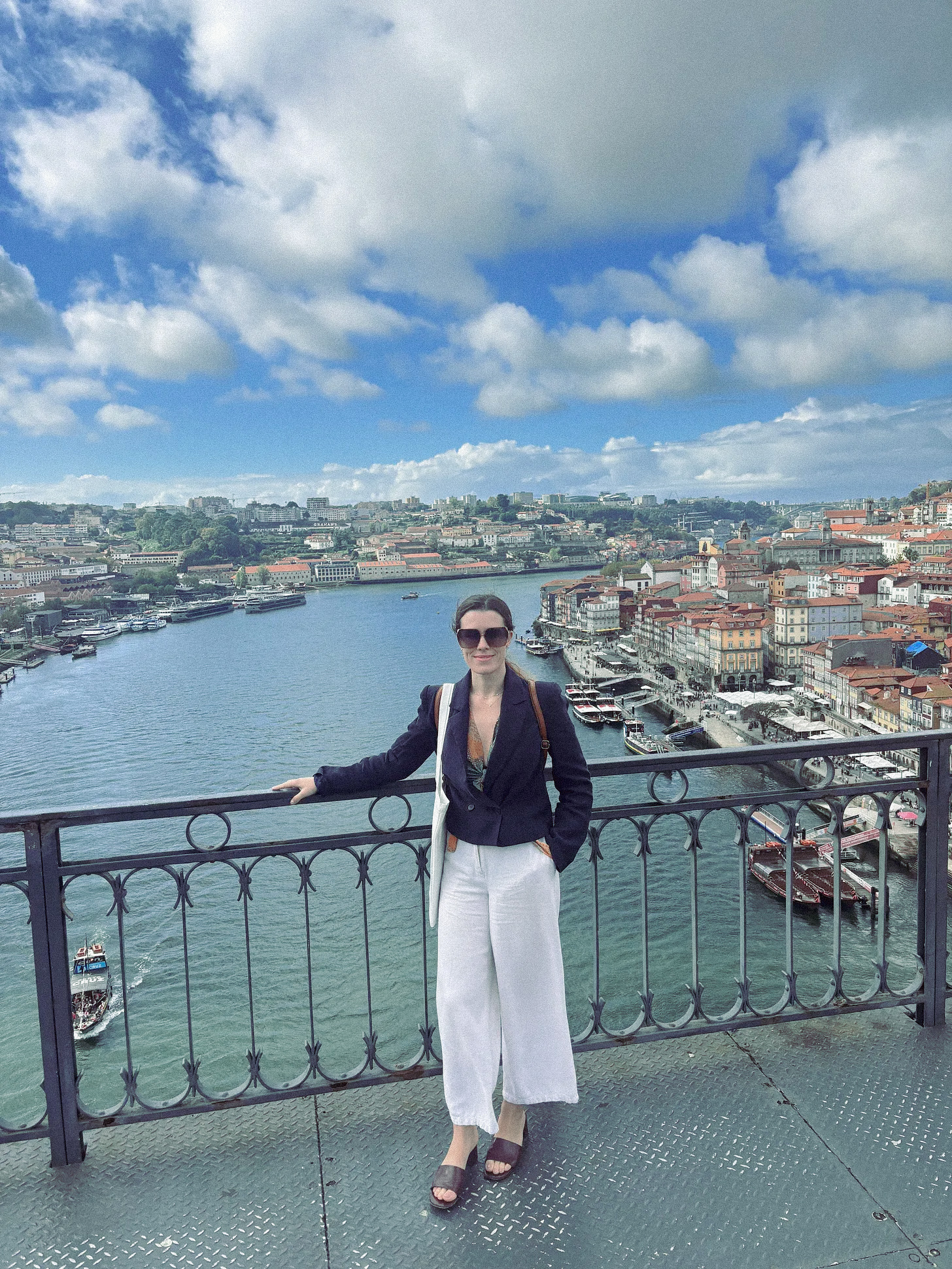
    Personally, the first thing I look for on a city break or solo trip is a walking tour. I booked one via my hostel, which took us around the local sites, including the fanciest McDonald’s in the world (which is nothing to write home about, but fun to see) and some beautiful viewing spots, including Sé (Porto’s cathedral) and the Dom Luís bridge, which crossed the Douro River.

    The mix of ageing white and amber buildings lining the riverbank in the Ribeira district makes for a gorgeous sight and you’ll even find that the famous amber roofs sparkling in the sunlight, thanks to the sharp seagull deterrents. Magic!

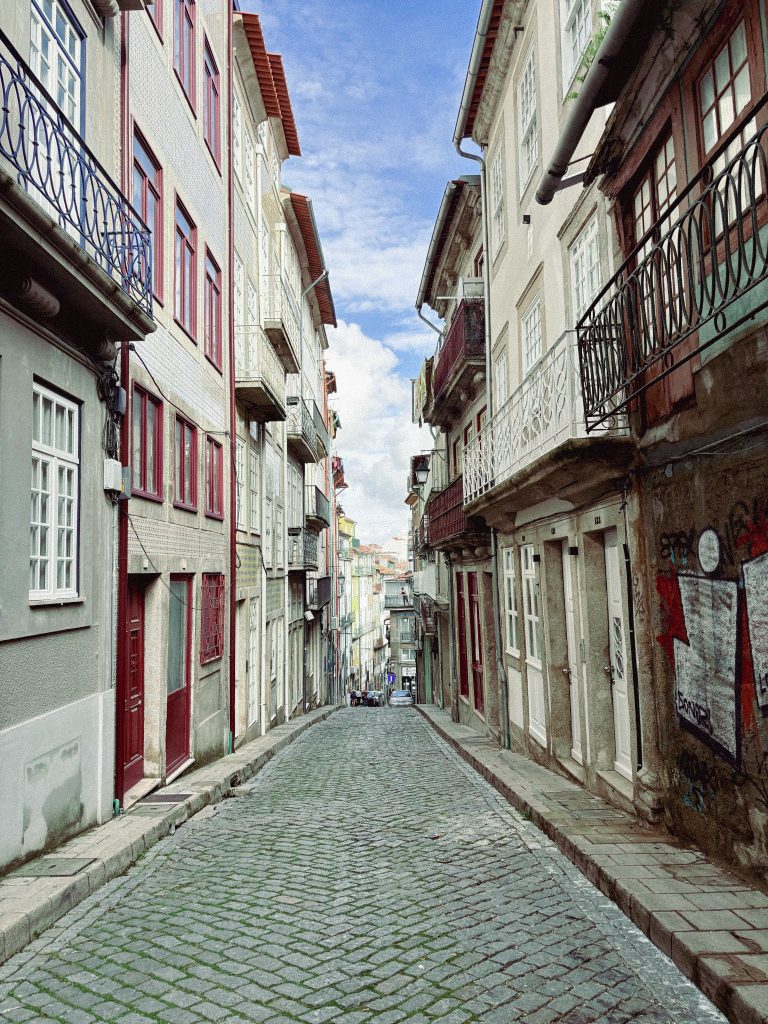
    Worth noting that Porto sits on a steep slope beside the river; its narrow roads and staircases don’t make it easy to manoeuvre around – even with Ubers – so bear this in mind if you have health or mobility issues.

    Try a Francesinha

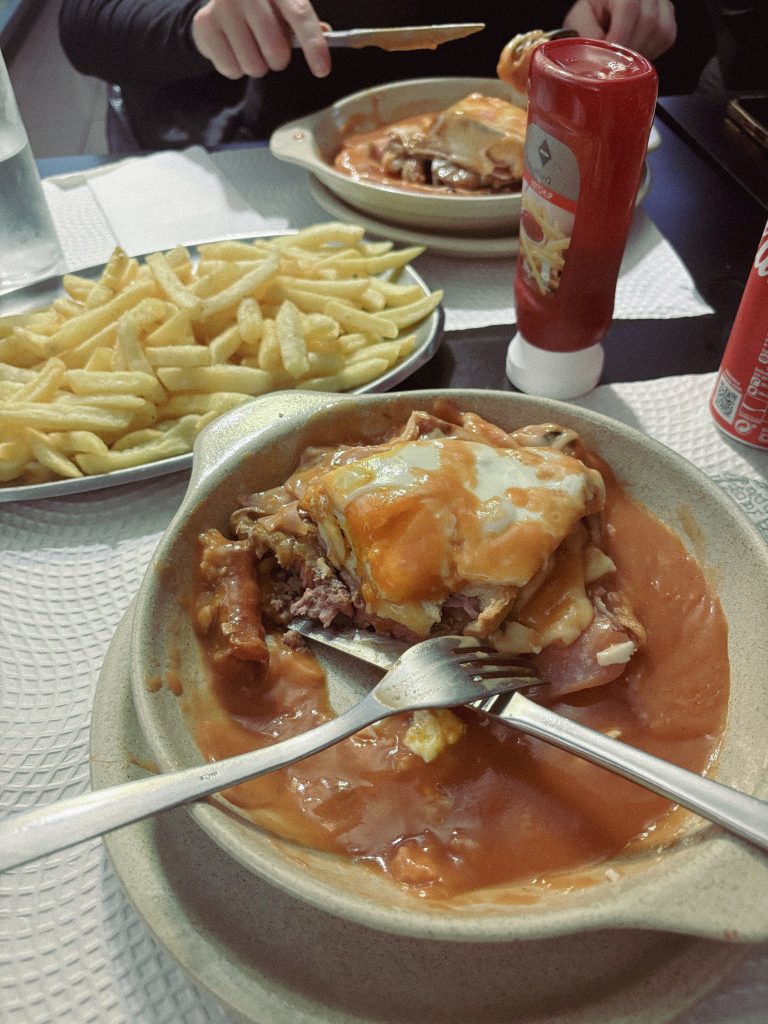
    I hadn’t put much planning at all into this trip, but luckily a pal of mine was in Porto at the same time visiting a local pal. After sharing a couple of bottles of rosé at a bar called Bosco (recommended for its views of the city!), she advised that we head out for something called a Francesinha.

    This is an indulgent Portuguese sandwich originating from Porto, featuring layers of bread, steak, ham, linguiça (sausage) and chipolata, smothered in melted cheese and a thick, savoury beer-and-tomato sauce. It tastes like eating a ham sandwich covered in spaghetti hoops. Bit weird, but sort of a must-try whilst in Porto.

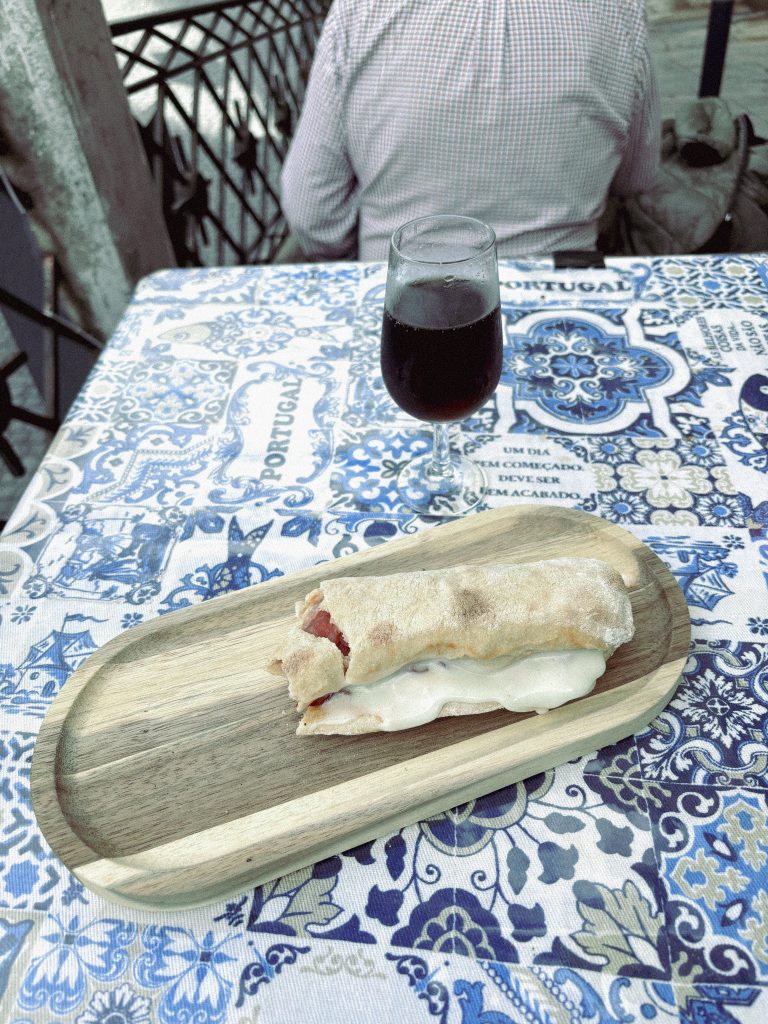
    Aside from the Francesinha, I can recommend the warm pork and cheese sandwich from Bó Tá Quente on R. do Souto – another good spot for traditional cuisine.

    Sample the pastries

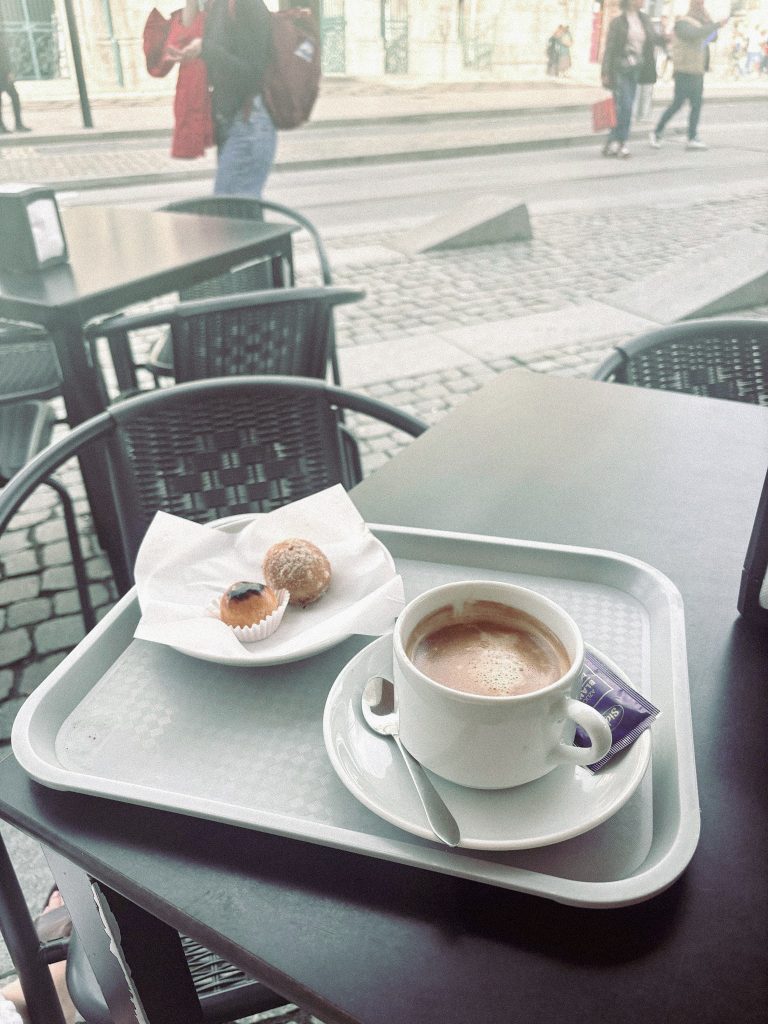
    People like to celebrate French pastries, but wow do the Portuguese know a thing or two about sweet, flaky snacks.

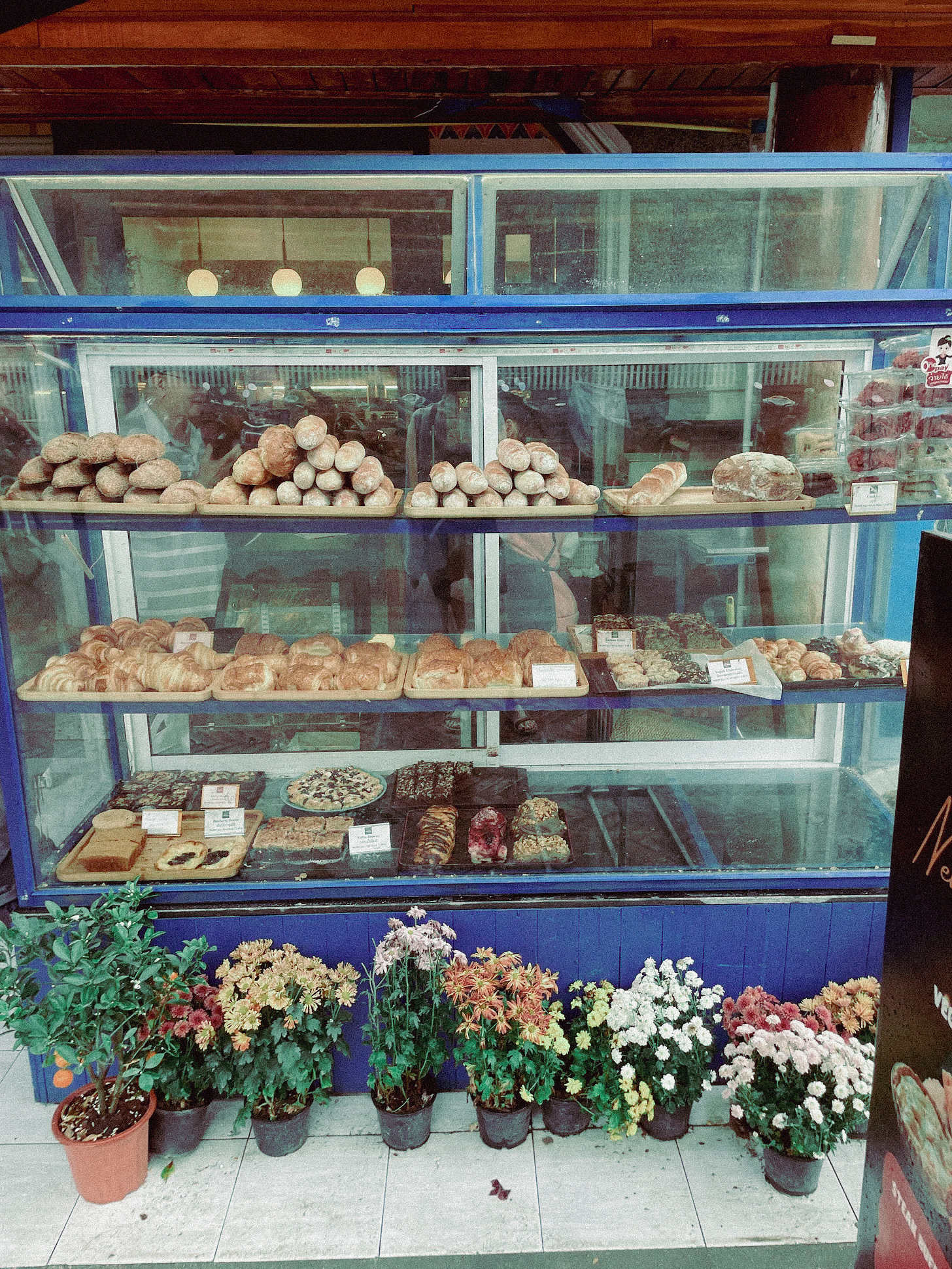
    One of the joyful things about Porto is that you don’t need to look far for a good pastry selection; although Confeitaria de Bolhão was busy, and had a big spread of goodies to choose from. Highlights have to be the pastel de nata (custard tarts with blistered pastry) and the ovos moles (a soft, sweet egg-yolk filling, traditionally wrapped in rice paper).

    Visit the Mercado de Balhao

    Described as a “recovered gem” following its restoration in 2023, this is a bustling indoor food market open every day other than Sunday. It’s a great place to grab a coffee and sample local treats, as well as do a bit of gift shopping.

    On my list for next time

    Walking the Camino

    Ah, the famous walking pilgrimage. This is on my wish list this year, although I’m still undecided on my route. The Camino Portugués from Porto offers three main, well-marked routes to Santiago de Compostela – Coastal, Central and Litoral – all starting at the Sé Cathedral. The Coastal and Litoral routes feature ocean views, while the Central goes inland through historic towns. All routes typically converge in Redondela, Spain, before reaching Santiago.

    Visit the Douro wine region

    It’s not just fortified wine made in Porto. Northern Portugal is famous for its Douro Valley, a UNESCO World Heritage site that’s easily accessible from the city. If you’re a wine fan, it’s easy to take day trips to the vineyards (which sit alongside the river) from the city.

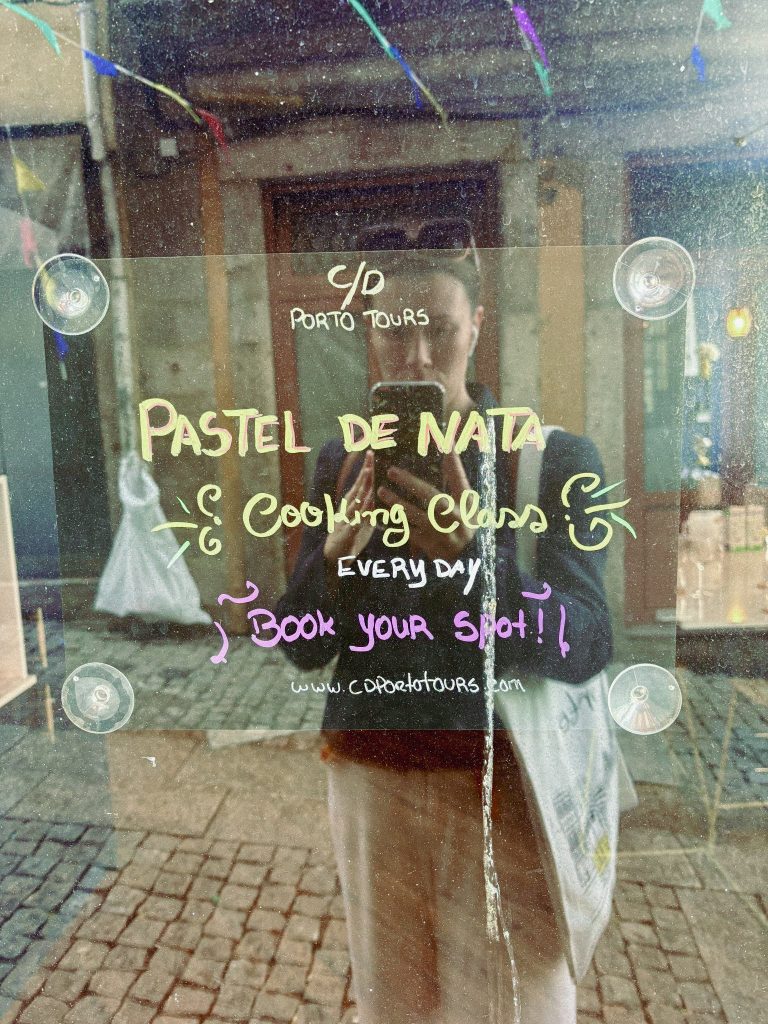
    Pastel de nata cooking class

    Why not find out how to make the wee eggy tarts yourself? I spotted an advertisement for this in the city and it struck me as a fun thing to do. I’d be genuinely fascinated to know how they’re made but sadly ran out of time for this, myself.

  • What impact are nomad communities having in places like Chiang Mai?

    After my week of work in Chiang Mai, I wonder – is a Bali-esque boom and bust on the horizon?

    It’s no secret that Thailand is popular with digital nomads. Interest in the Destination Thailand Visa (DTV) underscores this appeal – offering a five-year, multiple-entry visa, it surpassed 35,000 applicants when it launched last year (2025). Aimed at remote workers and location-independent professionals, the DTV offers an affordable and flexible long-term stay, making it a central pillar of Thailand’s strategy to boost tourism and strengthen its economy.

    With great prices, food, weather, and landscape, Thailand does appear to have it all. But having worked from several international “nomad” hotspots in the last year, I have found myself becoming less interested in what I can get out of the places I visit, and more concerned with the impact I’m having there.

    Definitions of digital nomads have changed, after all. The 2010 “stereotype” was that of a “joyful millennial working from a laptop on a beach” (Hart, 2015; Spinks, 2015). A handful of people were doing it, many of whom were bloggers, making it pretty harmless.

    Now, an era of flexible working, long-term visas, and steep rents in places like Sydney and London mean people are choosing to work remotely abroad for the long haul, (coined as “slowmadism”).

    Western incomes stretch further abroad, and that money benefits local economies. But academics worry there could be broader ramifications for destinations in the Global South already experiencing forms of transnational gentrification, as a result of remote workers.

    Chiang Mai’s appeal might also be its downfall

    Chiang Mai, a city in the northern mountains of Thailand, has attracted thousands of digital nomads in recent years. The effects of this migration are already being felt, with this case study suggesting the long-term nomad presence is reshaping neighbourhoods, increasing demand for foreign-facing businesses, and driving up rents – factors which affect both visitors and locals.
    I observed some of this myself when I visited in February 2025. There’s still a ton of local food spots, of course, but it seemed that many of the cafés, services, juice bars, and co-working spaces had been created for foreigners (or those with laptops).

    My lovely host in Chiang Mai

    Fon, a restaurant owner, confirmed that even local food stops have “increased their prices by 5–10 Baht” since the 2020 pandemic. Whilst the minimum wage has increased slightly too, it is unclear whether it’s enough, or what the future repercussions could be over time.

    What about integration? Of the nomads I met in Chiang Mai, some worked in tourism or as teachers, and others were learning Thai. Billy, an American who moved to Chiang Mai two years ago, loves his life here as a teacher. He said that despite the number of expats from Myanmar, China, and Western countries, local people still strongly embrace their mai pen rai – a “no worries” attitude – and hold tightly to their Lanna cultural identity. On the trips he’s been on, there’s just as many Thai locals as there are nomads and expats, he says.

    Whilst that is reassuring, having spoken to a lot of nomads working from businesses based outside Thailand, most treated the city as a satellite office, and were there to enjoy the comfort and low costs rather than integrate into the fabric of the place. I can’t help but wonder how sustainable that is – especially given that most nomads leave in the early part of each year during “burning season” – which must affect rental competition, business, and the vibe.

    Meals cost £1-3

    Based on my chats with people there, part of Chiang Mai’s appeal – compared to say, the Thai islands – is that it feels more “authentic,” or at least less mediated by mass tourism. Fon is from Prachinburi, and moved here five years ago. “People from here have a strong sense of culture, pride, and local traditions,” she said. This is in part due to the highly esteemed university and active student culture.

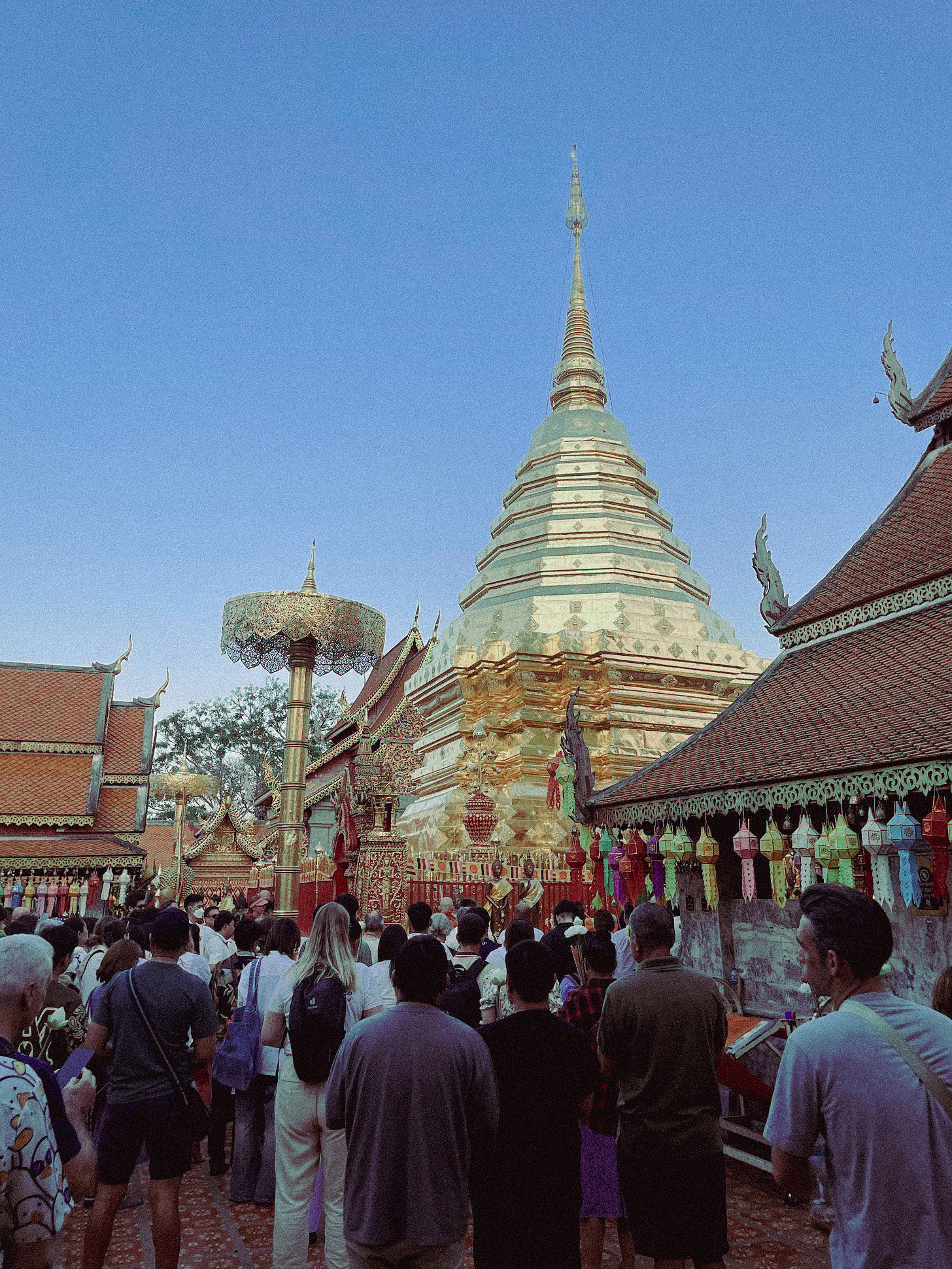
    Evening chants at Doi Suthep are popular

    As more people move here to work, however – which is likely, in the wake of this visa – I suspect local businesses and authorities will keep shaping things to meet foreign interests, expectations and spending habits.

    After all, nomads are not tourists in the traditional sense. They need a more fixed base, comfort, friends, places to live, reliable internet access, and familiar home comforts. I went for dinner with people from a newly launched co-living residence, for example – something that’s becoming more common, and speaks to the desire for permanence.

    Another challenge that comes with growing numbers of long-term visitors, is waste management. Chiang Mai already feels stretched in terms of infrastructure, and more people inevitably means more rubbish. Bali, for example, is grappling with a well-documented waste crisis, and while I wasn’t able to investigate in depth here, this blog provides some interesting context about recycling and waste handling in Thailand.

    I tried hard to minimise my footprint by carrying a Grayl water filter bottle and a foldable dog bowl for takeaway food, but the broader issue is harder to tackle. How the city will cope with more residents and their impact on waste, water, and energy systems remains to be seen. “Waste and water management have not kept up with growth,” said Fon.
    Is it overcrowded already?

    In terms of capacity – like I said, it already feels quite busy, and judging by comments on Reddit forums from long-term nomads, that seems to be the case. I found myself standing at traffic lights for around ten minutes in Nimman, trying to cross the road, for instance.

    All the Grab drivers wore masks to protect themselves from the terrible air quality, which will surely worsen as traffic increases. Electricity wires hung about precariously, which had me wondering how much additional strain the desire for faster internet was putting on infrastructure.

    According to Fon, my observations were valid. “The cost of utilities has risen dramatically,” she said. “The condition of the roads is abysmal, and there’s no real public transportation despite the demand. There are more vehicles on the roads each year as a result.”
    A lot Chiang Mai is undeniably charming, and you can tell why people like it here. The Old Town is beautiful, a square of ancient walls, temples, lanterns, and slow, warm evenings. I really enjoyed my first few days staying just south of it, near Wua Lai Walking Street Market, a quieter part of town that still felt full of character.

    There are some beautiful hikes nearby, and lots of stunning wats to explore – I even spent one day speaking to monks when I visited (you can read my blog about this here).

    Overall though, I seemed to leave Chiang Mai with more questions than answers. It will be interesting to see how it changes over the next decade, and how the Thai government will manage the steady influx of people (or indeed, decline, if that happens). Is another Bali boom and bust on the horizon?

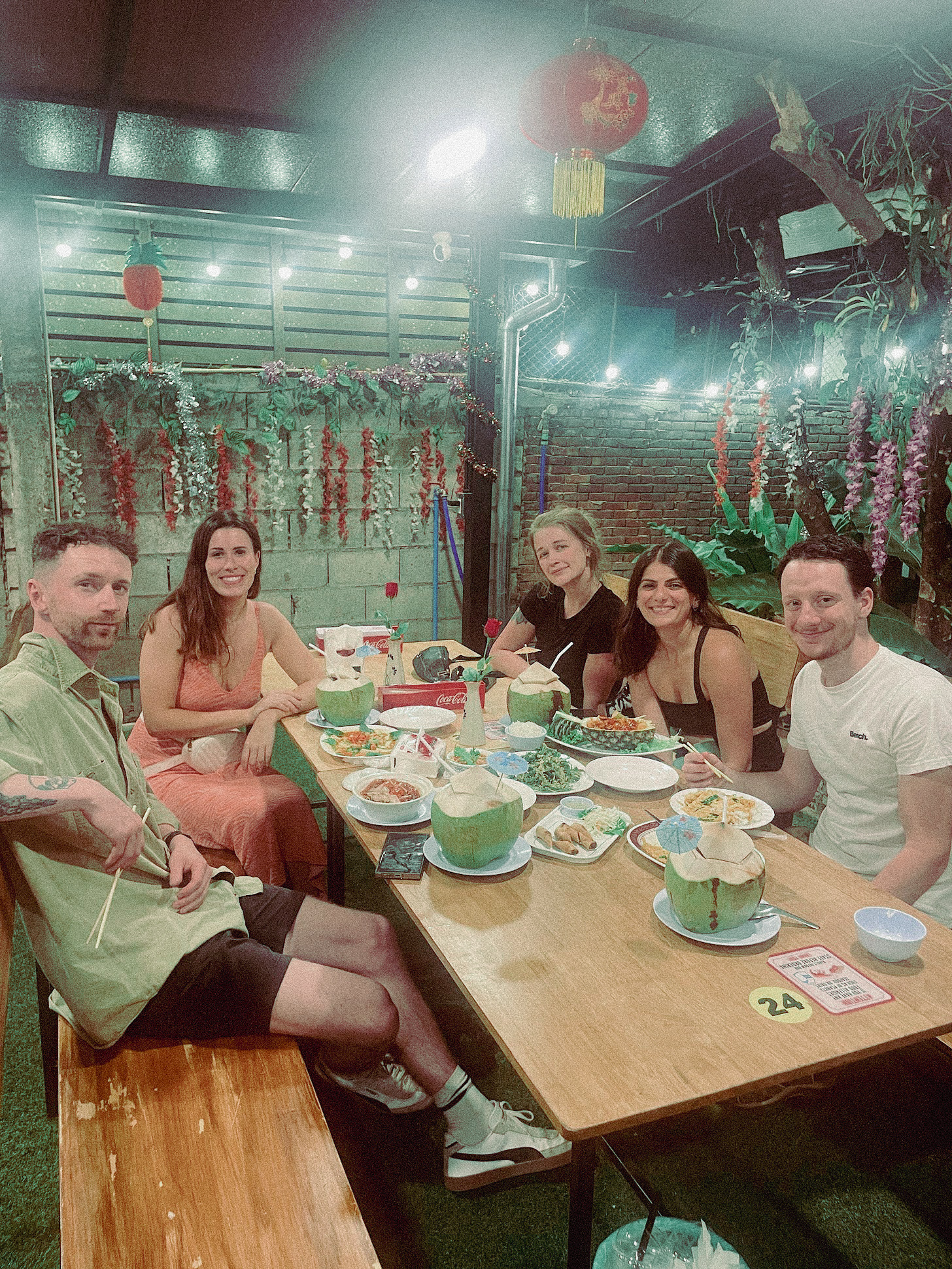
    Dinner with a gang of travellers I befriended

    Exploring the local temples

  • Is Luang Prabang better than Chiang Mai for digital nomads?

    Why this Laotian town is an unexpected delight.

    After giving up full-time work in the UK in early 2025, I travelled around South East Asia for two and a half months as a freelancer, spending time in a number of well-known digital nomad hubs across Thailand, Laos, Cambodia and Vietnam.

    Because of its long-established digital nomad scene, Chiang Mai in northern Thailand was a place I was particularly interested in visiting. It’s often held up as one of the best cities in the region for remote work, so I arrived with fairly high expectations.

    But despite spending a week there, I didn’t find myself overly impressed with it (read this blog to find out why).

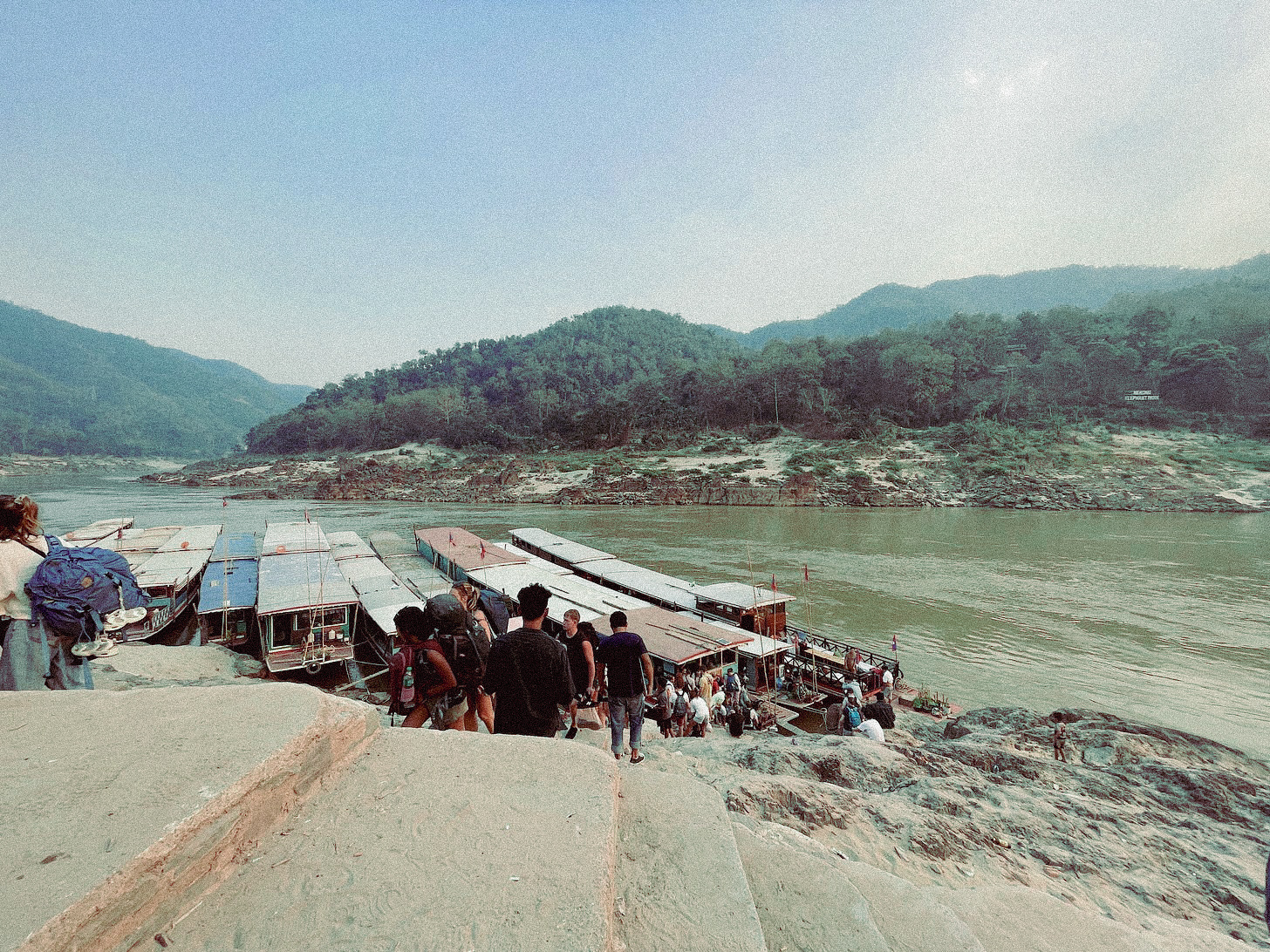
    From Chiang Mai, I crossed the Thai–Laos Friendship Bridge into Laos and spent three days doing the Gibbon Experience in Nam Kan national park. After an intense and memorable few days in the jungle, I needed to knuckle down again and get some work done, so I took a slow boat down the Mekong River towards the town of Luang Prabang.

    Having not really planned this leg of the trip, I arrived with zero expectations, but was pleasantly surprised by how much I enjoyed Luang Prabang – and would even argue that it’s more desirable for digital nomads than Chiang Mai.

    Firstwhere is Laos and what’s Luang Prabang like?

    Laos is the long thin country between Thailand and Vietnam. It was part of French Indochina from the late 1800s to the 1950s, and very heavily bombed in the 60s by the US. As a result, the country is pretty poor, and still deeply affected by unexploded ordnance.

    You won’t see that in Luang Prabang, however. Here, the mix of French and local influence gives the town a very distinct feel. It’s very pretty with its leafy avenues, low-rise temples, and colourful wooden houses, in a way that I really didn’t expect after a 48 hour ride down the Mekong.

    The town has a quiet, leisurely vibe (typical of Laos), with lots of cute french-style bakeries and Laotian markets and eateries. I spent five days or so working from the cafes, having massages, and doing yoga. On the additional days, I visited Kuang Si Waterfall, and took a two day excursion to the towns of Nong Khiaw and Muang Ngoi (details on all that, to come).

    Comparison to Chiang Mai?

    One of the reasons Chiang Mai is consistently ranked as one of Southeast Asia’s top digital nomad hubs, is due to its fast and reliable internet (often cited at 100–300 Mbps), large established nomad community, and abundance of coworking spaces and long-stay accommodation.

    In Luang Prabang, average internet speeds are significantly slower (often cited at under 10 Mbps), and the remote-worker community is small and informal (i.e. not organised around coworking hubs).

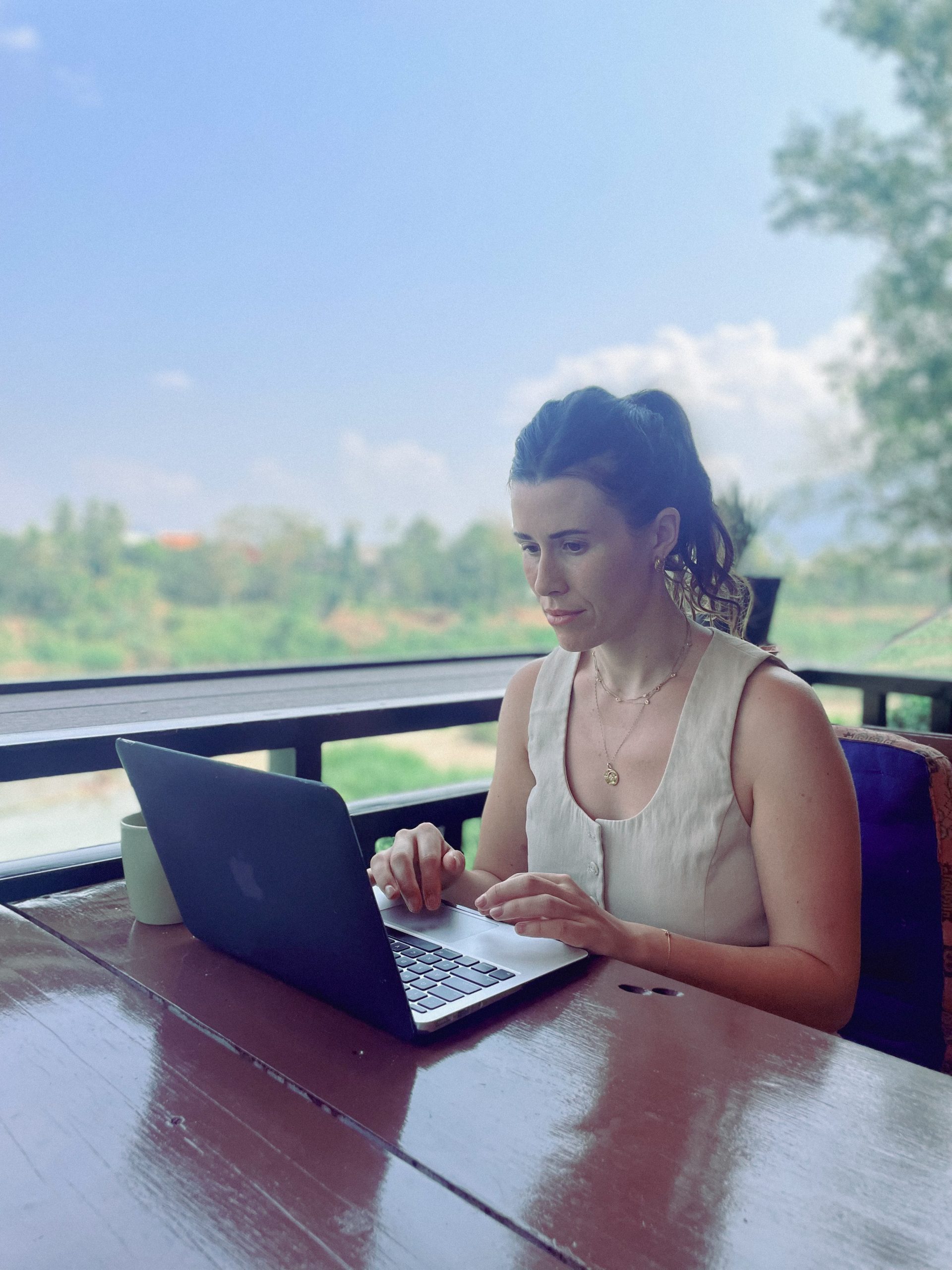
    But if you prioritise calm, beauty and balance over infrastructure and networking, Luang Prabang might appeal to you more. Having spent a week in both places, Luang Prabang felt far less busy, and like it hadn’t been manufactured for tourists. I had an easy time taking video calls, sending emails and uploading and downloading word documents.

    I didn’t make an effort to investigate the long-term situation (e.g. Facebook groups etc), but did see and overhear a lot of people speaking English on calls and using their laptops. Overall, my Reddit research suggests Luang Prabang is becoming more popular with digital nomads, but it does not appear to be swamped by them.

    My recommendations

    Luang Prabang is the kind of place where you’ll leave feeling you left no stone unturned, which I personally enjoy. Here’s what I tried and loved there:

    Excursions

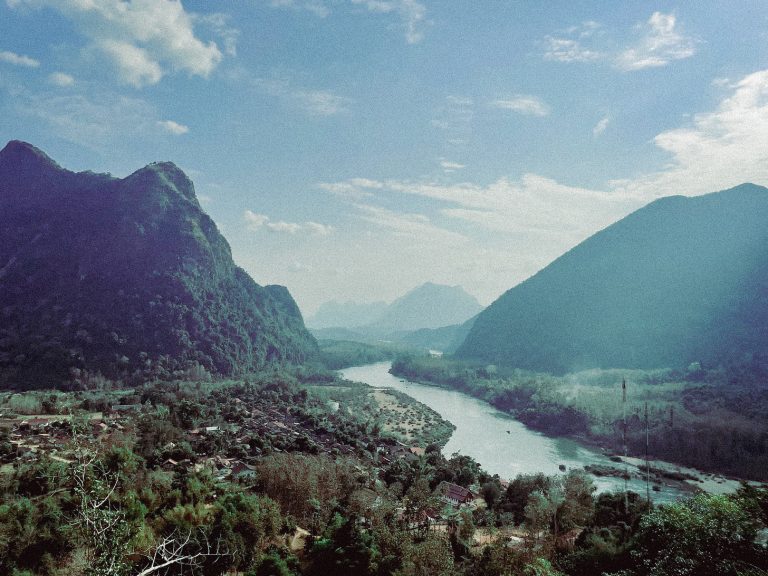
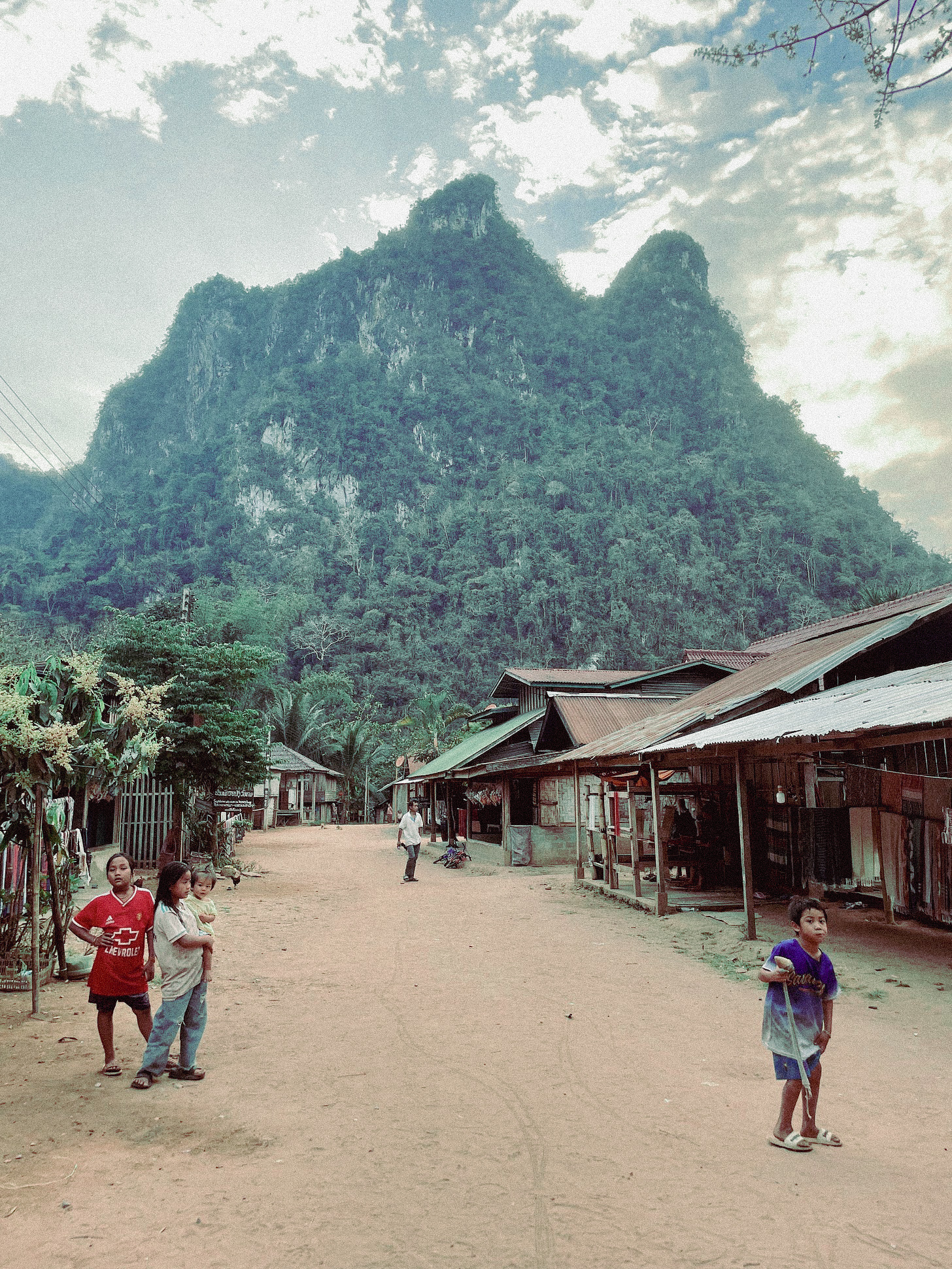
    Nong Khiaw and Pha Daeng Peak – this was one of my absolute highlights in Laos, second to the Gibbon Experience. The village is based a few hours north from Luang Prabang, on the Nam Ou river, and is famous for its Jurassic Park worthy karst mountains. You can climb the Pha Daeng Peak viewpoint relatively quickly (although it is very tiring!) and – if on a tour – sleep at the top to catch the sunset and sunrise. If you’re lucky, you’ll wake up at 6am to see a magnificent cloud inversion hugging the cliff top. Word of warning though, I nearly froze to death at the top (in March) – so bring layers clothes for night time.

    Muang Ngoi – this is another, smaller village just down the river from Nong Khiaw. Whilst tourists can and do go there, it’s very traditional. You can only get there by boat which controls tourist traffic. That’s why it’s so charming. I went as part of a group trip that included an overnight stay in a home stay. We ended up having *quite a few* beers and playing petanque with the residents, and it became one of my more memorable nights out, that’s for sure! The beer could really be felt the next day, as our guide took us for another hike up the cliff (in his flip flops) and we almost passed away at the top.

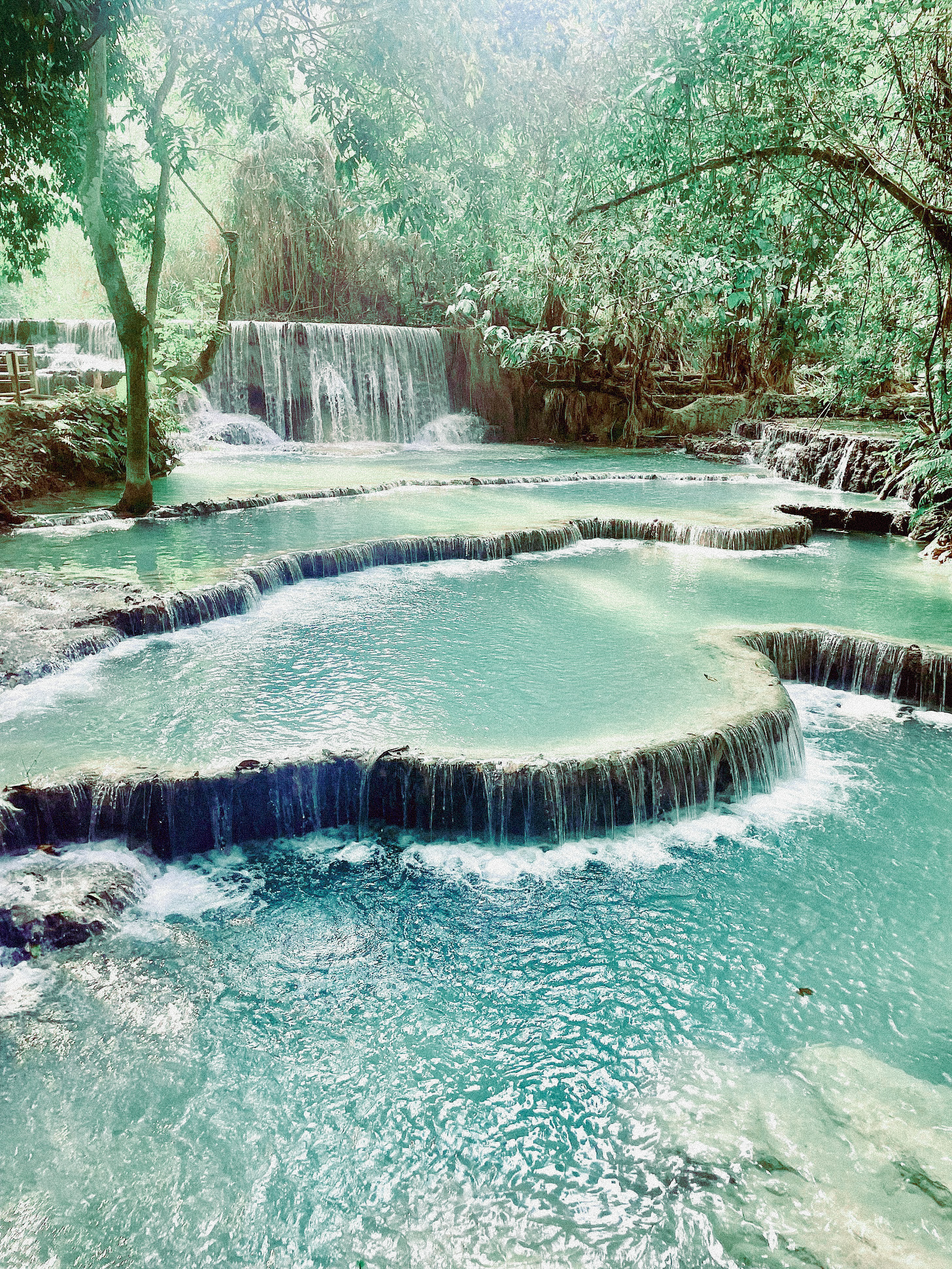
    Kuang Si Waterfall – this is an incredible multi-tiered waterfall about 29km south of Luang Prabang. You can share a tuktuk to the waterfront pretty easily. It’s one of those Instagram spots that attracts a lot of tourists and posers, sadly. But if you arrive at around 4pm, just before closing, most people will have gone and you can use the hour to swim and take photos. As far as natural waterfalls go, this is one you won’t want to miss.

    Cafés and restaurants

    Essential experiences for every tourist or nomad, and Luang Prabang really delivered on this front. Some of my favourites from the week included:

    • Saffron Coffee – right on the Mekong, great for a slow morning, and laptop friendly
    • Two Little Birds – a delicious vegan spot
    • Atsalin Restaurant – excellent mix of local food. Laos is so cheap, just order it all (I ended up sharing it with a girl next to me and we had a nice chinwag)

    Spas

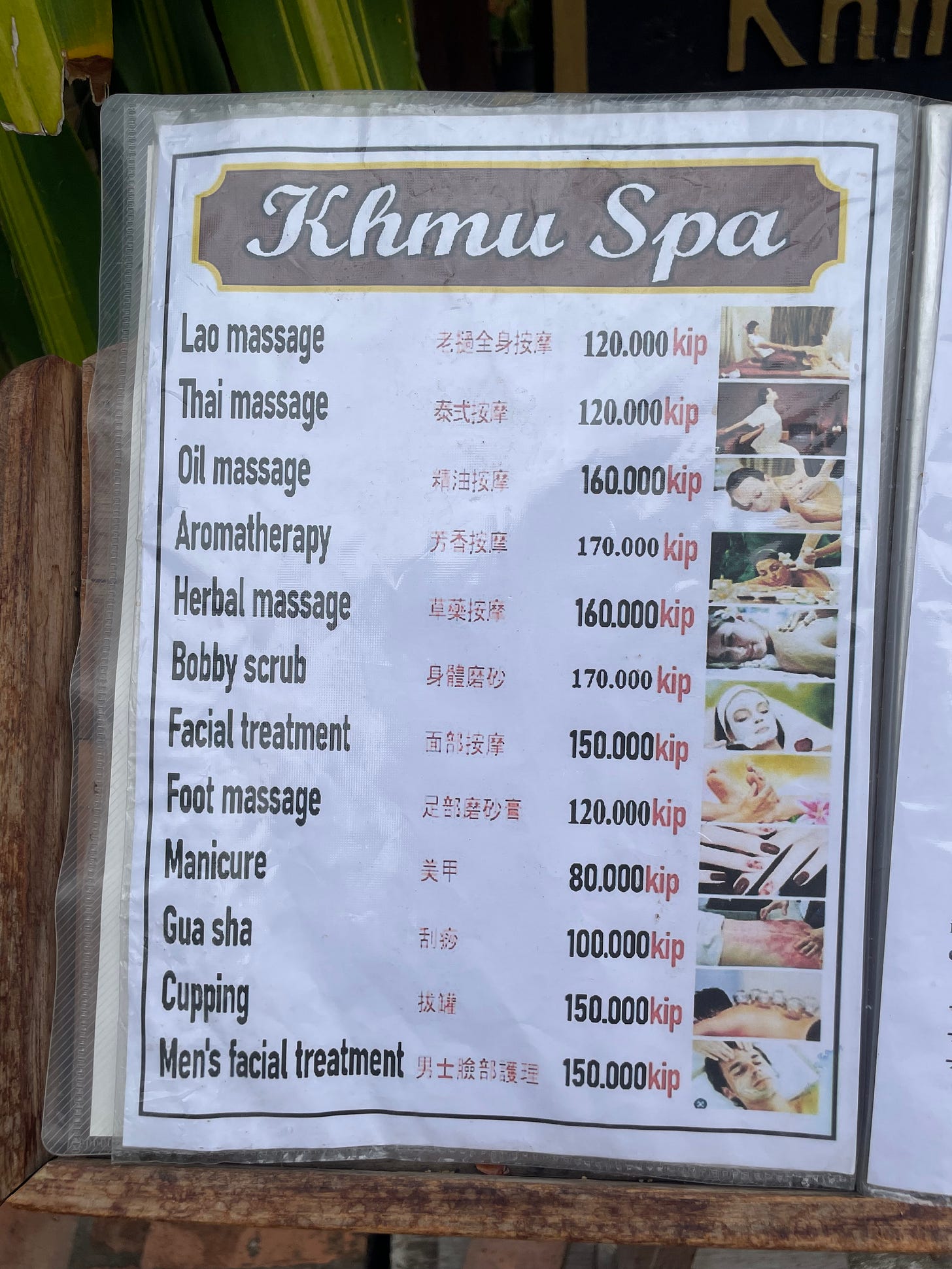
    To get a facial for under £40 is impossible in the UK, so I treated myself every week pretty much, whilst in Asia! Highlights from Luang Prabang include:

    • MK Spa – This was a great little spa. I had a massage and body scrub. It was very affordable and really well done
    • KHMU Spa – More central. I had a decent massage here, and there’s a little heritage house next door worth popping into

    Prices range from £8-15.

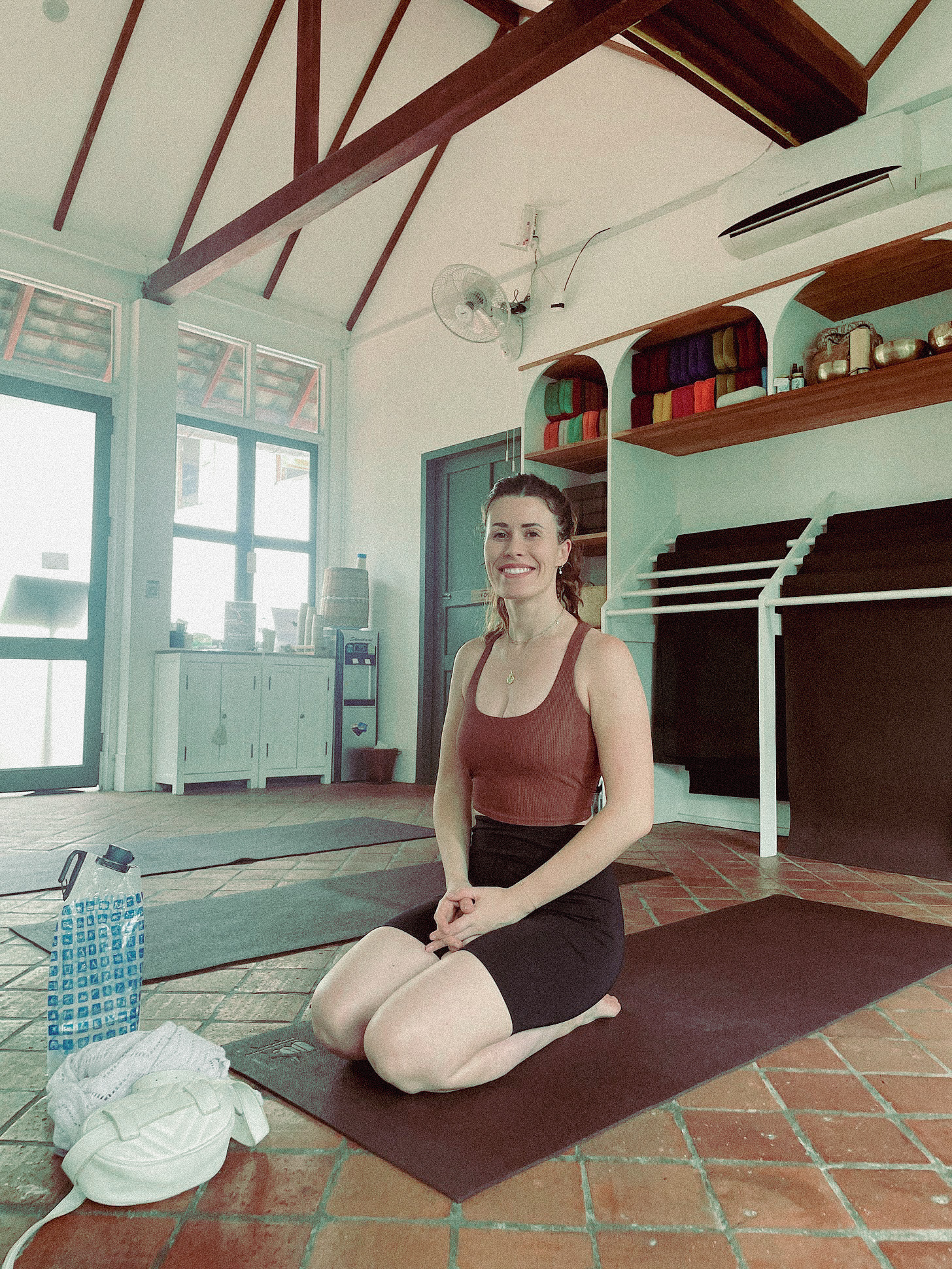
    Yoga

    I tried two studios:

    • Yoga Grasshopper Yoga
    • Luang Prabang Yoga

    Both felt modern, and were run by Europeans. They had full schedules, with cafés attached and regular events so I imagine it would be a nice place to make friends.

    Nightlife

    There’s not much of a clubbing vibe in Luang Prabang, but the cocktail bars are genuinely lovely. I went for drinks with a friend at Sisavangvong Road, which is perfect for a chilled evening and felt like a classy ‘strip’.

    If you’re backpacking, there’s also a weirdly famous bowling alley that everyone goes to at night. It sounds odd, but it was actually pretty fun and a nice change from the basic backpacker bars.

    Final Thoughts

    I wouldn’t say Luang Prabang is unmissable; but if you have the time and leisure, you won’t regret adding it to your itinerary – especially if you’re travelling from North to South Laos (or vice versa).

    Prepare for a few days of good coffee, pampering, peaceful (and modest) temples, and easy trips into some of the most beautiful scenery in Southeast Asia.

    It’s calm, welcoming, and – for me – was the perfect place to catch up on work and recover following the Gibbon Experience in Huay Xai. And did I mention the pastries?

  • I swapped London for nomad life in Asia. Was it worth it?

    In early 2025, I left London and headed to Southeast Asia to see what life was really like as a digital nomad. One year on, was it worth it?

    FEBRUARY 24, 2026 WOMEN MEETS WORLD

    I recently read a BBC interview with Julie Williams, an IT consultant from Birkdale on Merseyside. She had decided to make a ball pit in her spare room, rather than rent it. Why? For fun. ‘You can never be sad in a ball pit.’

    Stories like this are important because they remind you of your free will. Julie’s is especially unique because the ball pit came at the expense of financial gain.

    For most people, that’s just not the default position – whether they need the cash or not.

    I found myself thinking a lot about free will when I turned 30. I’ve never really clung to traditional milestones (house, baby, marriage, divorce), and count climbing out of credit card debt as the maturest moment in my adult life to date.

    But the flood of birthday invites from friends – right before the hen dos – gave me pause to reflect. Was I happy? Had I challenged myself enough? Was I excited about the next decade?

    Who am I?

    Not to get too Lewis Carroll about it, but this last question was the catalyst for me in late 2024. In a way, I felt that I didn’t know myself anymore, or at least not all the versions of myself – just the city-shaped, university-fied version. And she was restless.

    Meanwhile, semi-remote work in London had become my new normal. The days of spilling out to the pub every week with colleagues had gone. I had a lovely team in my PR job, but rotating schedules meant it took too long to get past the pleasantries.

    People generally – and I include myself in this – seem to have become more protective of their time since I moved to London in 2017 (and perhaps all over the country).

    I don’t think this is a bad thing. Hell, if you’re going to replace me with AI, at least give me another 30 minutes in bed / to read to my kids / paint / write / support a charity / or stare into the abyss.

    Having one foot in, one foot out, however, began to wear on me amidst the rising cost of living in the capital. I still considered myself a creative and curious person, but did I really want my days to be defined by the price of flat whites and whether a Soho House membership was cost effective?

    I take comfort from water cooler culture as much as everyone else, so I’m not bashing these things – they’re part of the fun.

    But when I found myself googling ‘Martin Lewis wife’, something had to give.

    Was it burnout? I’m not sure. But in need of a change of scene and some inspiration, I decided to give this digital nomad lark a go, beginning with three months in South East Asia in early 2025.

    Who knew what would happen after that. But I’d work less, and live more, often with strangers – which would at least break me out of my comfort zone.

    I’m not alone in seeing the attraction of nomadism, especially if your job allows it. According to a report by CV builder website LiveCareer UK, an estimated 165,000 UK professionals have relocated abroad to work remotely in recent years, seduced by better weather and (they hope) greater work-life balance.

    Some roam around, as I did, making the most of the opportunity to see the world. Others seek stability in well-established hotspots that offer structured visa policies, tax incentives and ready-made communities.

    To cut a long story short, I didn’t end up moving permanently abroad. But I did see a lot of cool things, regain a sense of direction, and create a stable freelance set up that now allows me to travel whenever and wherever I want, whilst keeping roots in the UK (which is how I like it).

    Giving up a normal routine has not been without its challenges – anyone that’s become a nomad, travelled alone, or even that’s relocated will agree with that, I’m sure. But between the relentlessly positive portrayals of nomadism on social media and the often sceptical narratives found in the UK press, there is a lot of middle ground.

    As a thirty-something experiencing this lifestyle for the first time, I hope this blog provides a balanced account of what it’s really like as work and life become increasingly flexible and multihyphenated.

    Happy reading.

    Chiang Mai, Thailand (February 2025)

    Blue Mountains, Sydney, Australia (April 2025)

    Porto, Portugal (September 2025)

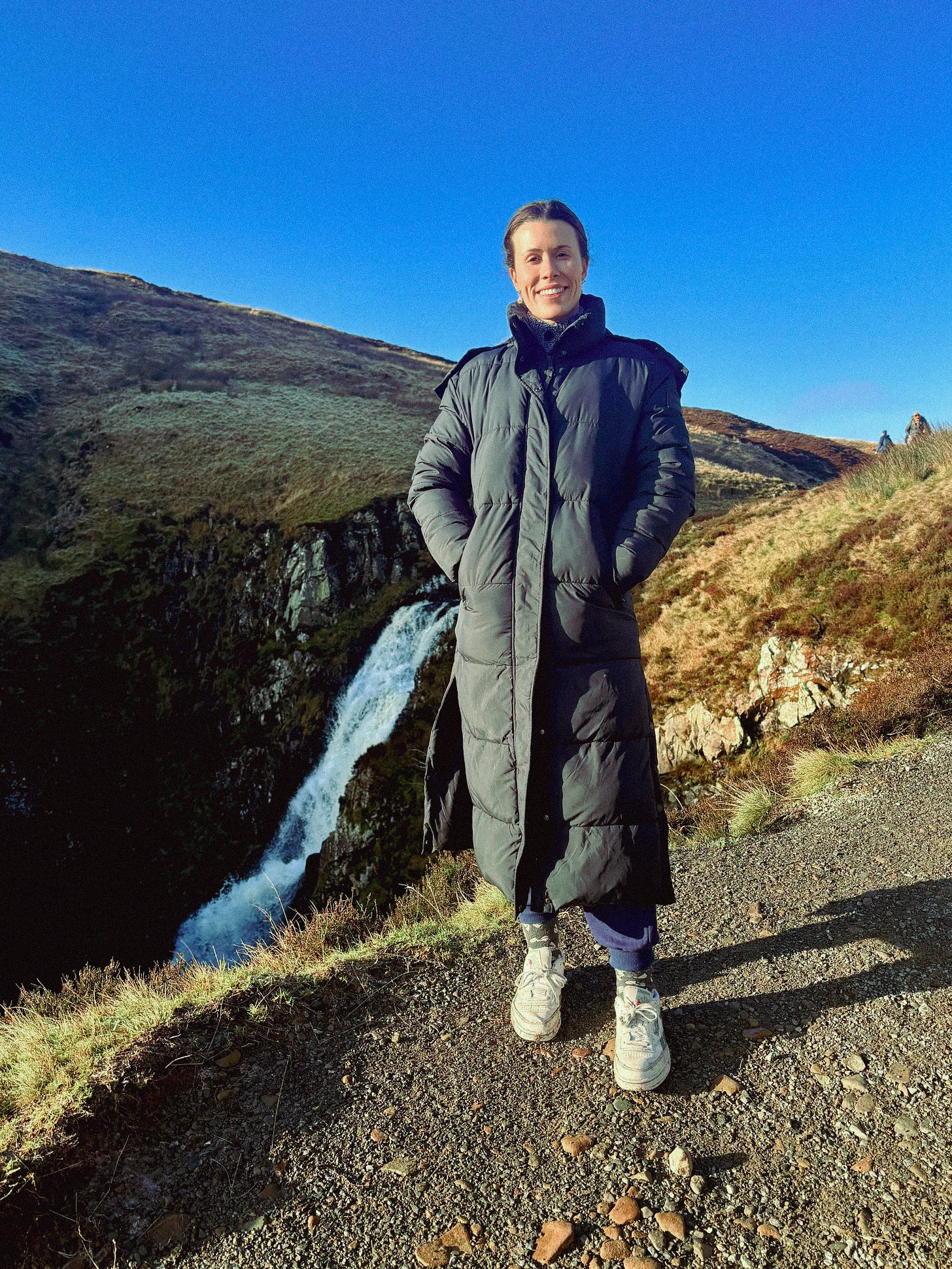
    Moffat, Scotland (December 2025)

Leave a Reply

Your email address will not be published. Required fields are marked *