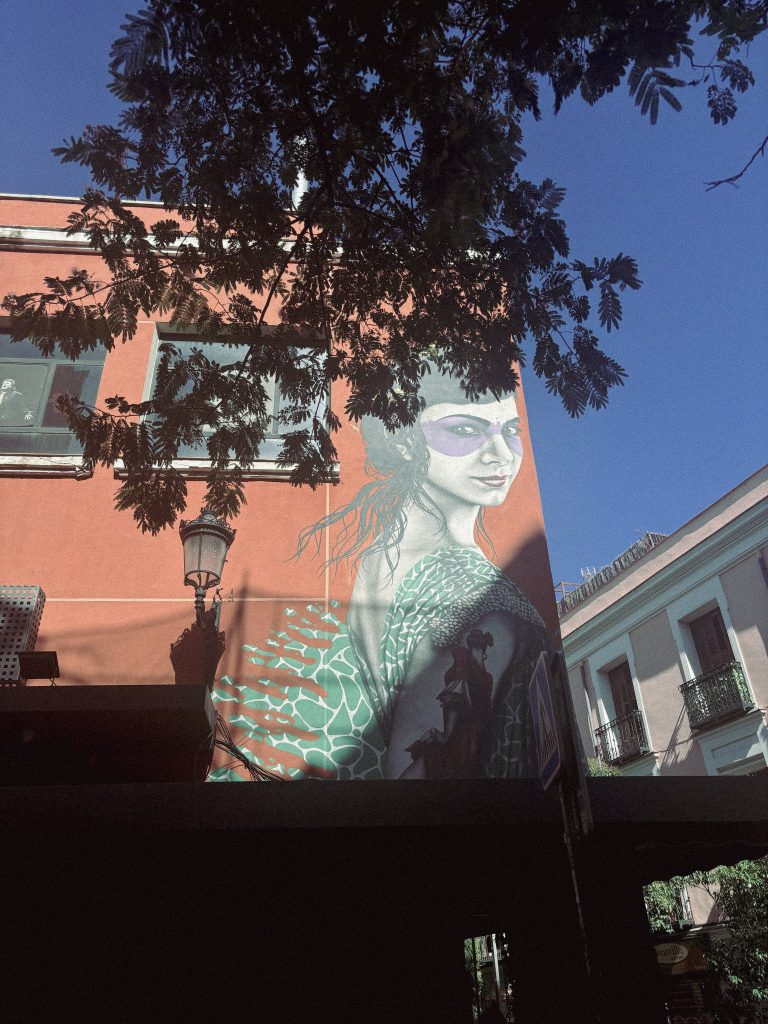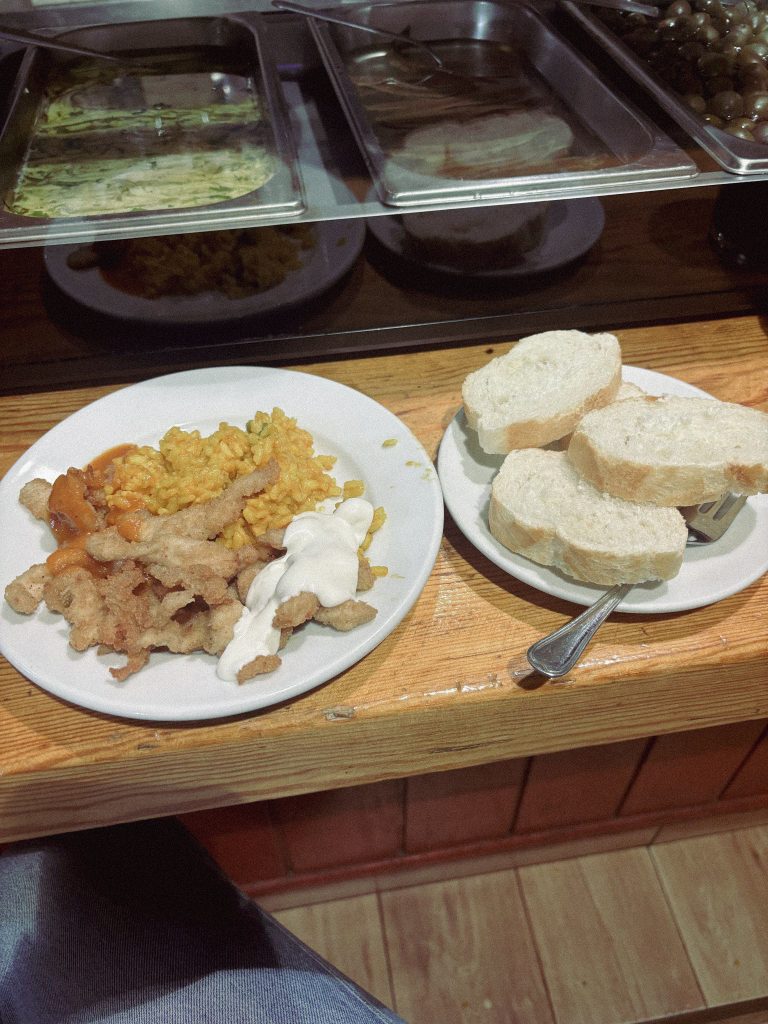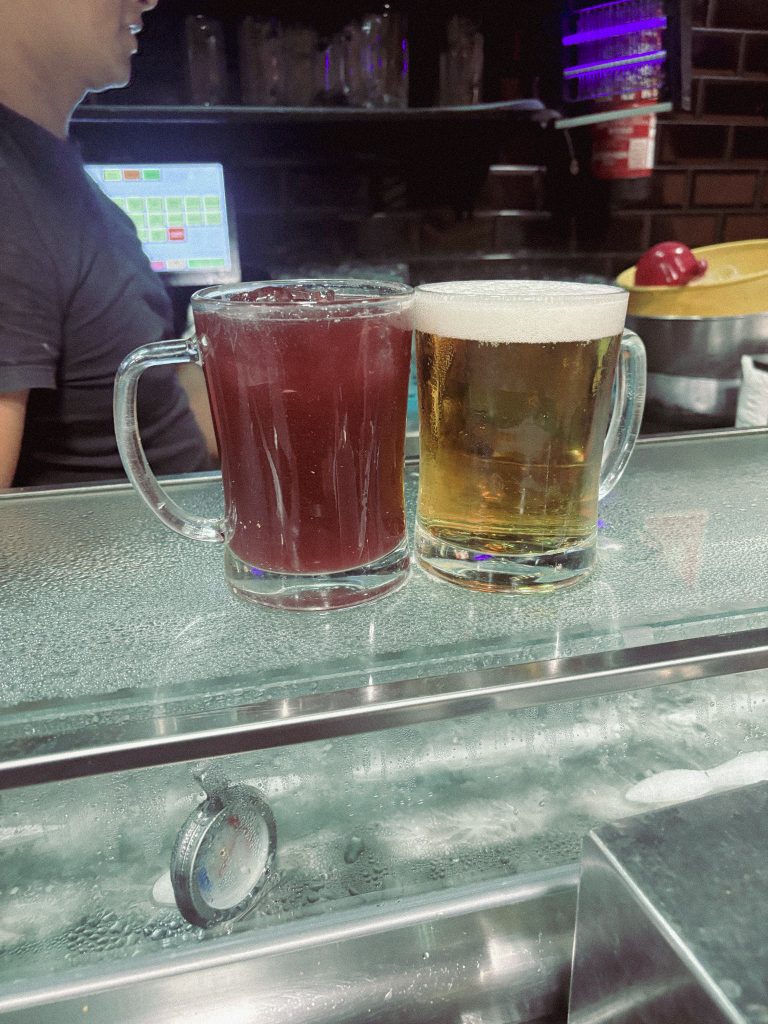
Touching down in Oz – our beautiful bank holiday in Sydney’s Blue Mountains

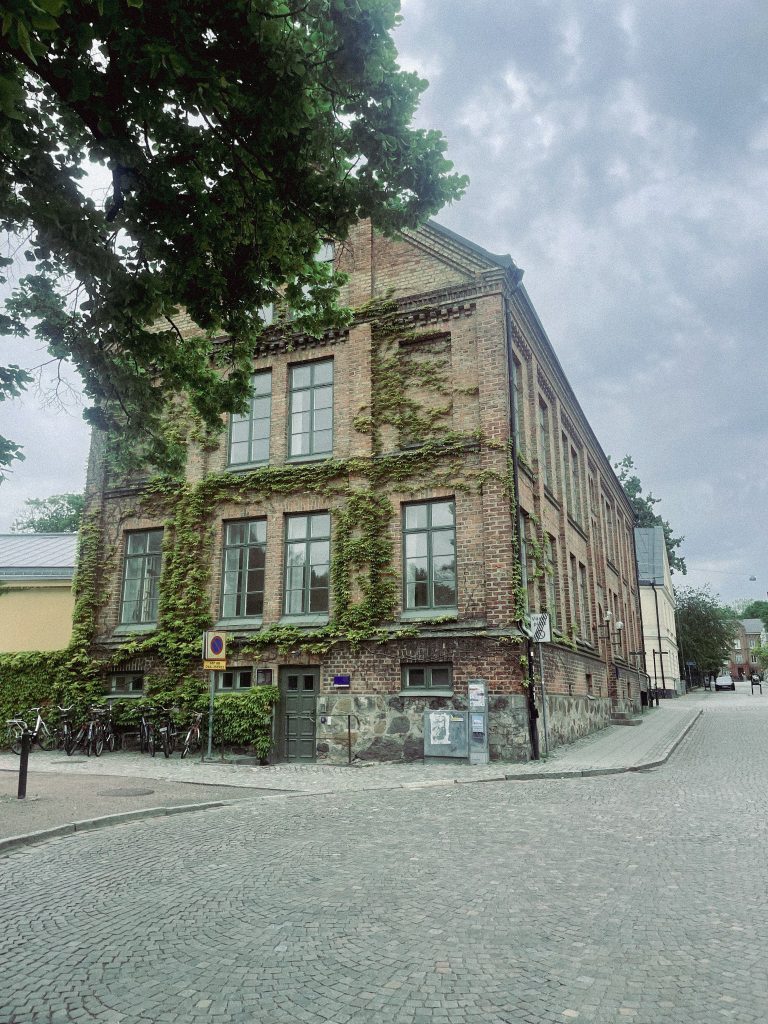
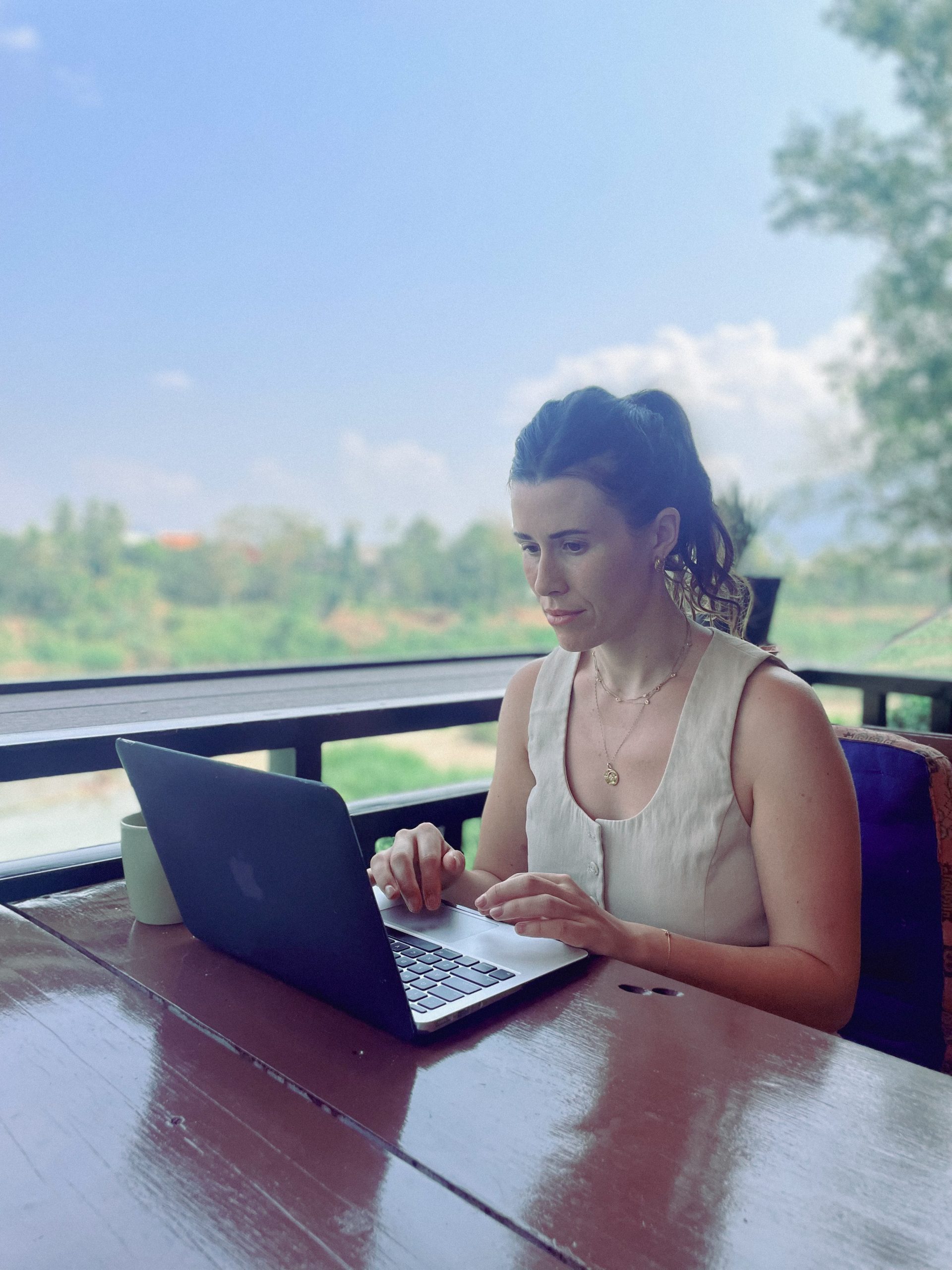
And a “work from home” day at the State library.

I arrived in Australia at the end of April, when the temperature was in the low 20s. I’d always wanted to visit, but with over seven million square kilometres to choose from, planning a trip to this vast country requires a fair bit of thought.

I only had ten days to spare this time, with a couple reserved for a new freelance project that had come my way. So I kept things simple, splitting my time between Sydney (New South Wales) and Melbourne (Victoria), close to where my friend – who I was visiting – now lives.

Flying into Sydney from the lush jungles of Bali, I wasn’t particularly interested in spending time in the CBD (the city centre, basically). With a bank holiday approaching, my friend suggested we visit the Blue Mountains National Park instead.

This is a dramatic sandstone landscape around 60km outside the city. Imagine a vast basin, ringed by cliffs, with deep valleys and rock formations throughout – a bit like an alien crop circle.
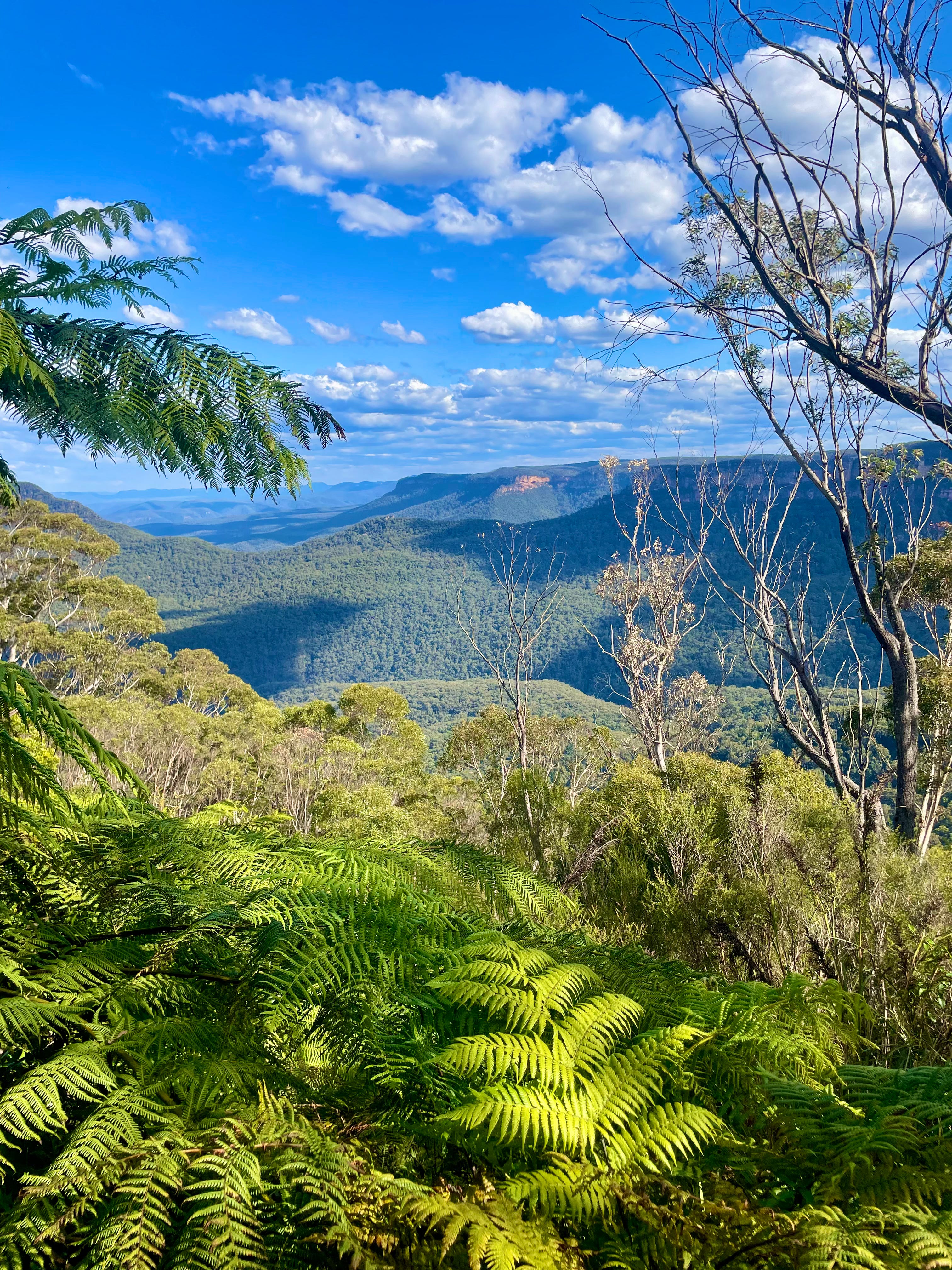
The Blue Mountains is a rugged, World Heritage-listed region in New South Wales, Australia, located about 50 km west of Sydney

Why is it blue, you ask? If you look closely at the distant trees, you can make out a faint blue haze caused by the eucalyptus leaves releasing oil into the air. It’s a beautiful place, and a fantastic location for hiking. Cue a 90-minute train ride from Sydney’s Central Station, and we found ourselves back in nature once again.

There are a number of towns dotted around the park, including Katoomba (what a name!). This is the main town and administrative centre of the Blue Mountains. It doesn’t feel big, but there are plenty of cafés and restaurants – we even went to the cinema – and most importantly, the national park is easily accessible by public transport.

We made this our base for two days, booking a four-bed room at the YHA Blue Mountains Katoomba.

I must have stayed in around 50 hostels since my first solo trip in 2023, and I’m a huge advocate for them.

YHA has a long heritage, and this one in particular housed a lot of families, which gave it a safe, cosy feel. There’s a large kitchen and movie room, books and games to borrow – and like most good hostels, the staff had encyclopaedic knowledge of the area.

Becca doesn’t “hostel” much, and even she enjoyed it, especially given it cost us around £130 each in total for four nights.

As for the mountains themselves, there’s a reason Tourism NSW uses them so heavily in its imagery. They’re unlike any mountain range I’ve seen before, with plenty of easily accessible walking routes, many of them fairly flat, offering sweeping views in all directions. More challenging hikes are available too, so pack plenty of food. Nothing beats eating your sandwiches perched on a cliff edge!
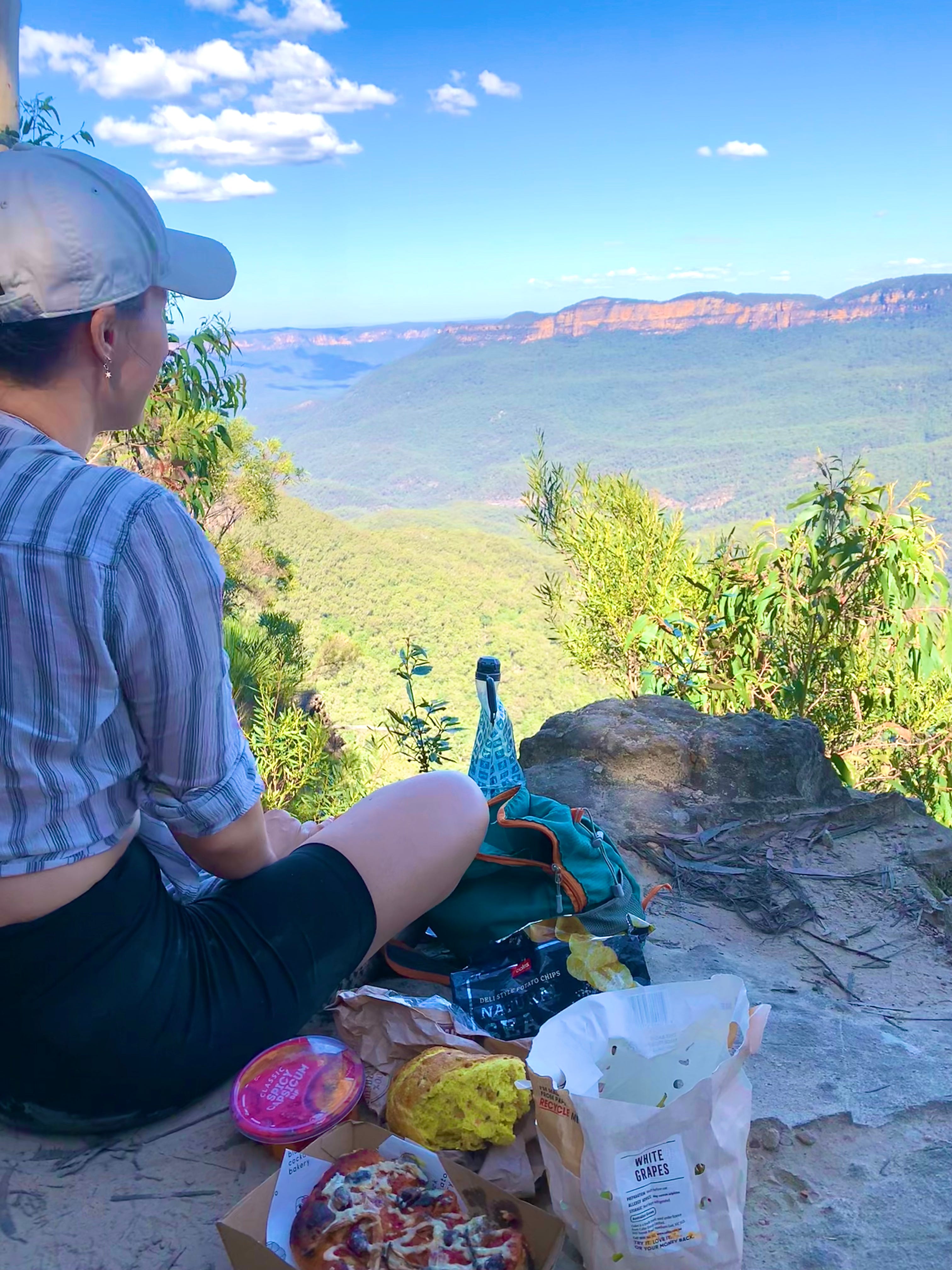
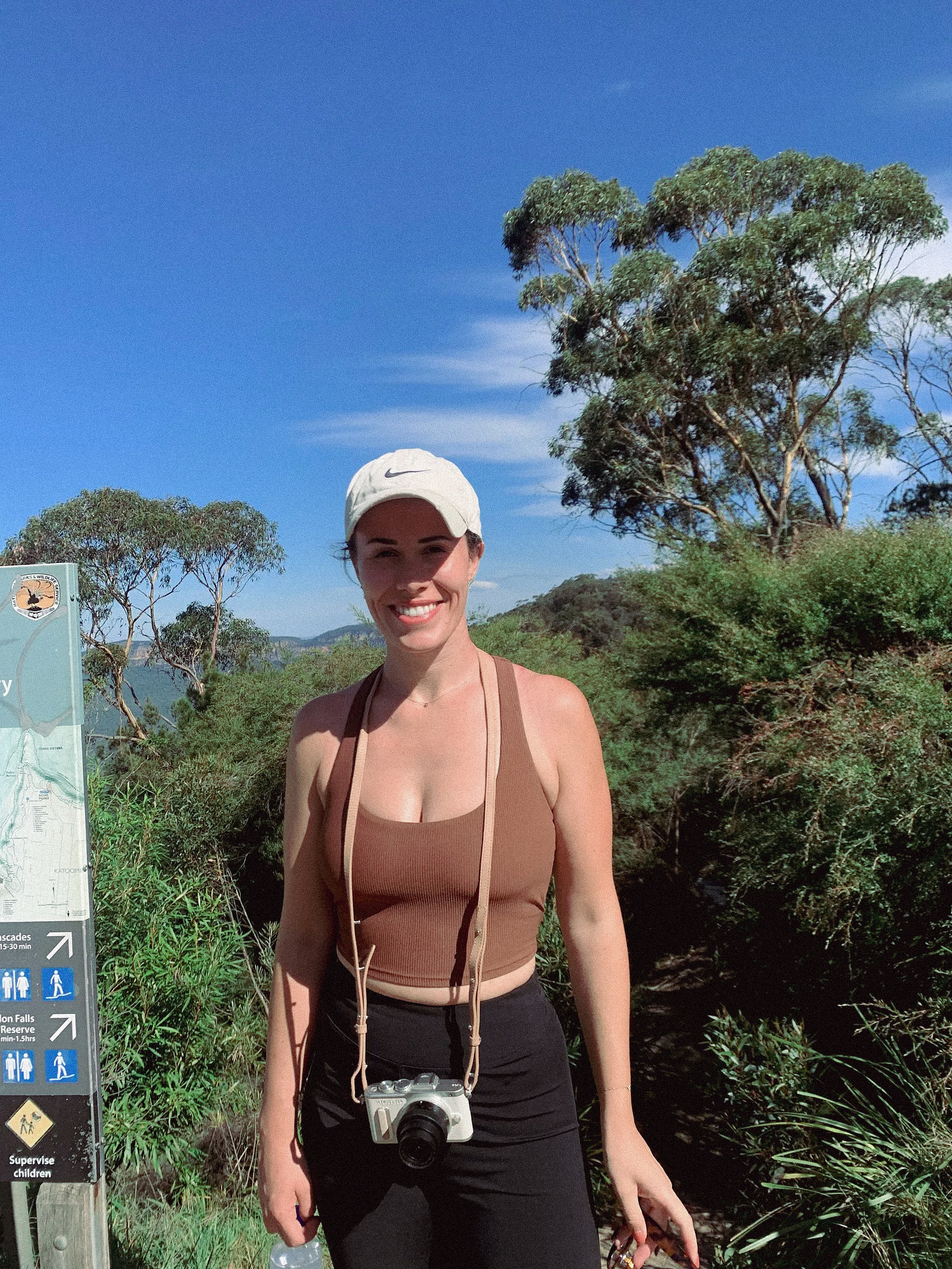
We spent a couple of days navigating different trails, and on Becca’s recommendation, saved one morning to visit Scenic World. This cable-car attraction takes you down to the forest floor and across the famous Three Sisters rock formation, with views out towards Wentworth Falls.

It’s a fun way to access parts of the landscape you don’t see from the clifftops alone. That said, locals flock here on bank holidays, so my main tip would be to book accommodation and attractions in advance, as everything was fully booked when we tried our luck on the first day.
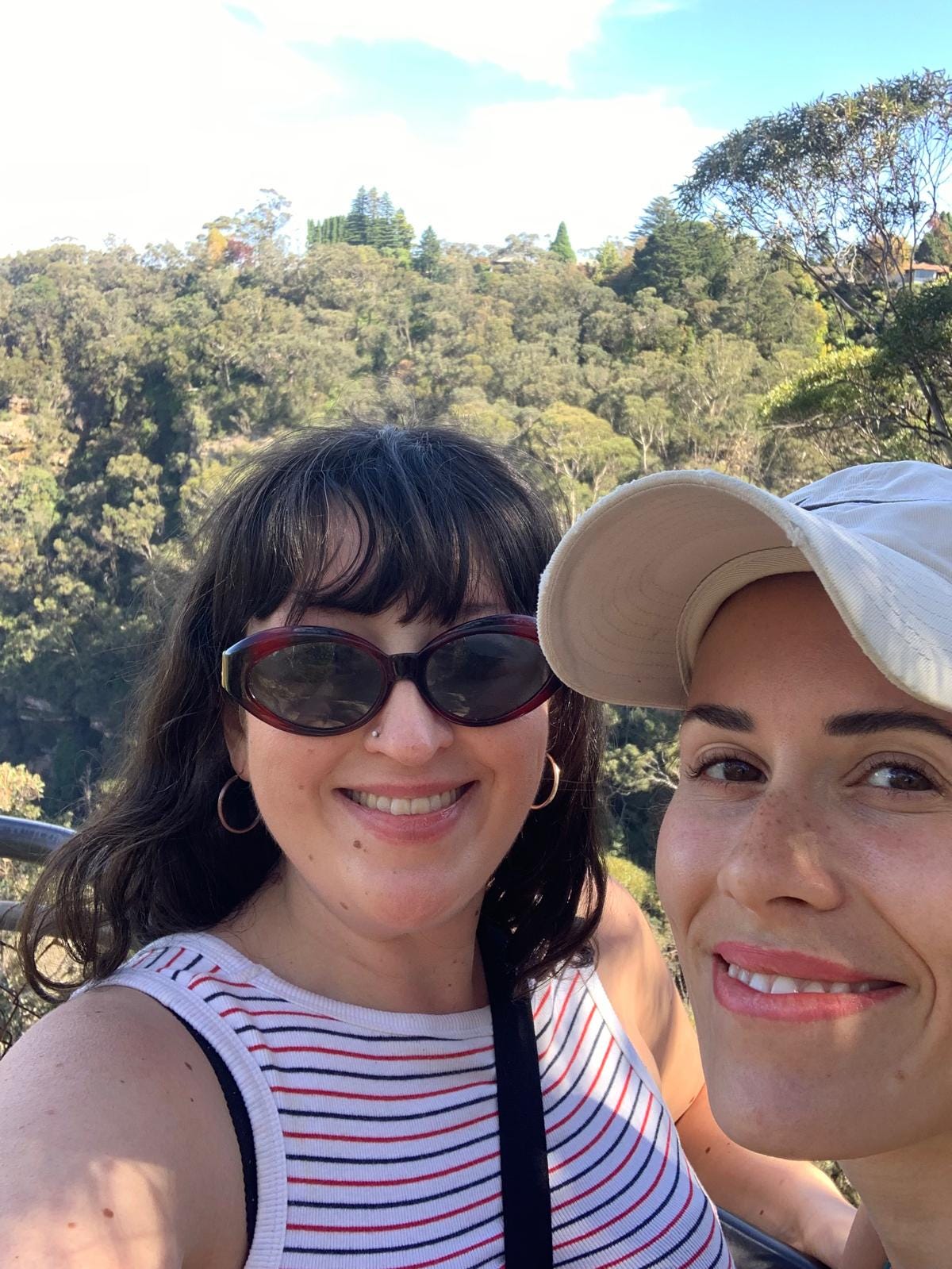
The good weather held for another day once we returned to Sydney, and after plenty of walking, we spent a glorious evening scoffing chips and watching the sun set behind the Sydney Opera House. I also made time to watch the wild waves rolling in at Bondi Beach.
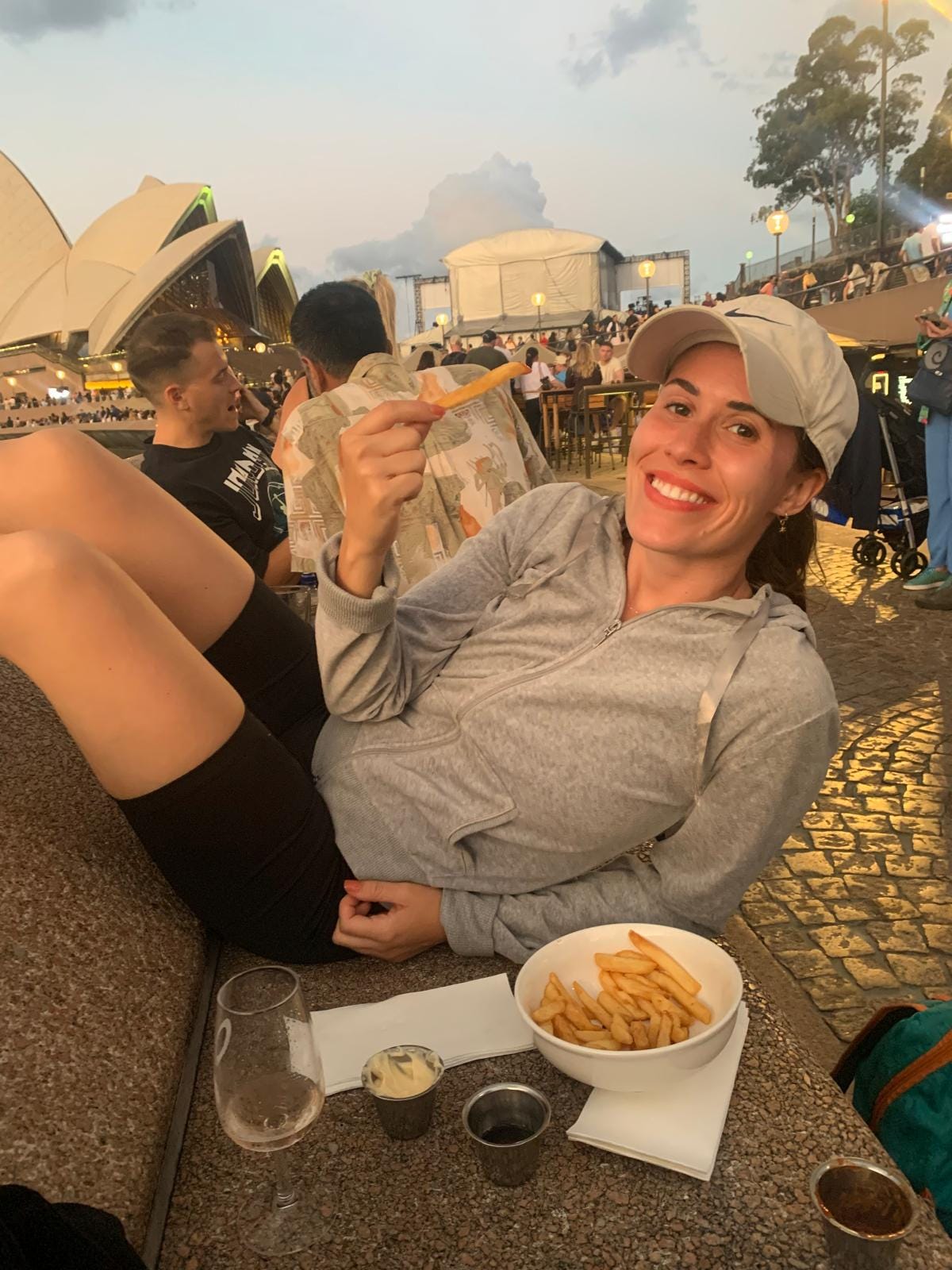
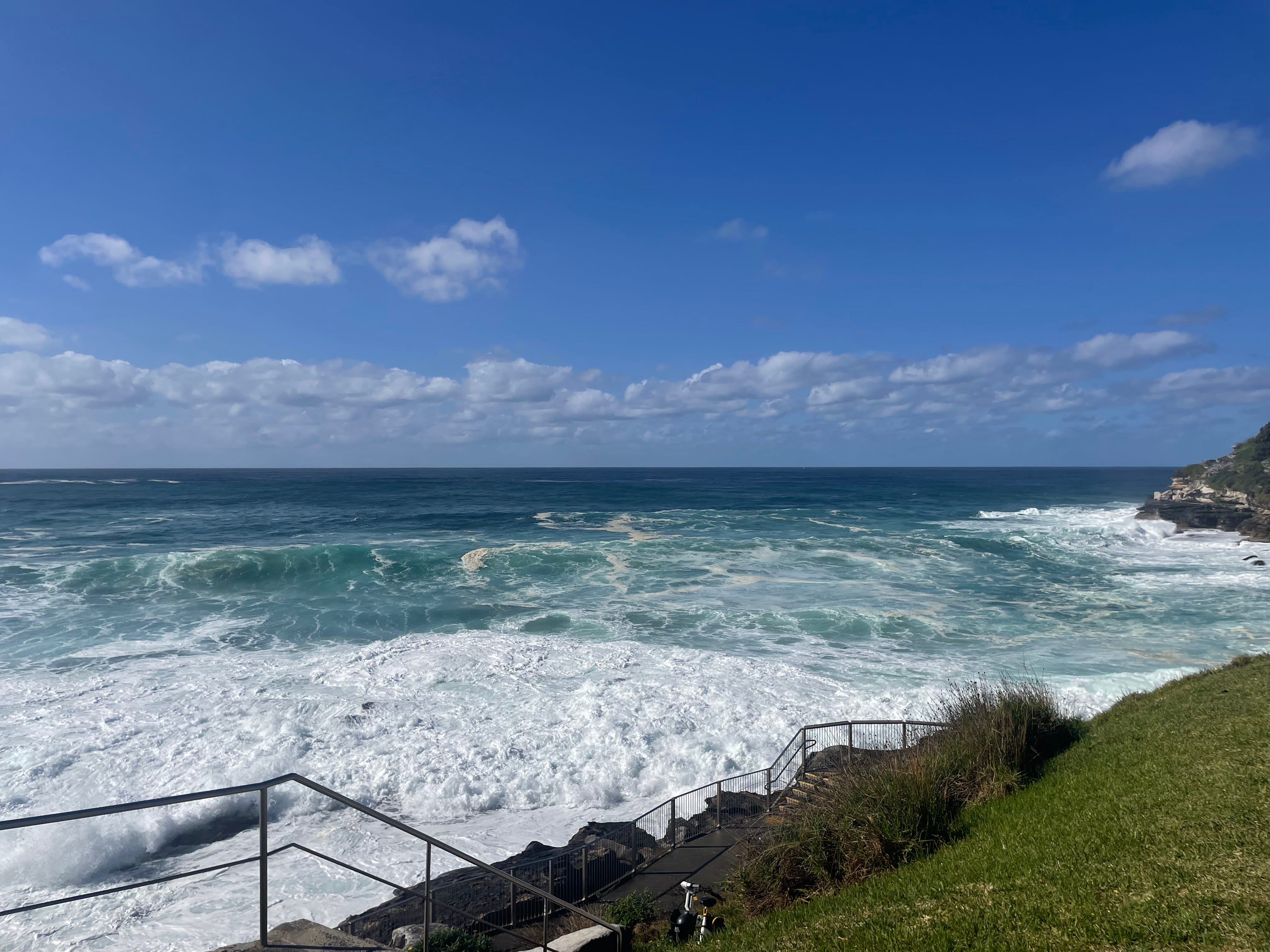
Wacky waves at Bondi Beach

A day later, the heavens opened. I sought shelter in the State Library of New South Wales, tucked beside the Botanic Gardens (also worth a gander!) and got a solid chunk of work done for the week.

After two months in Asia, this felt like a real change of pace – and having access to a desktop computer was a small luxury I didn’t take for granted. Sydney has some beautiful libraries (check out this blog post by The Rachellist if you happen to be in need of one). If you’re a remote worker like me, I’ll always advocate for libraries, and this one is particularly lovely.
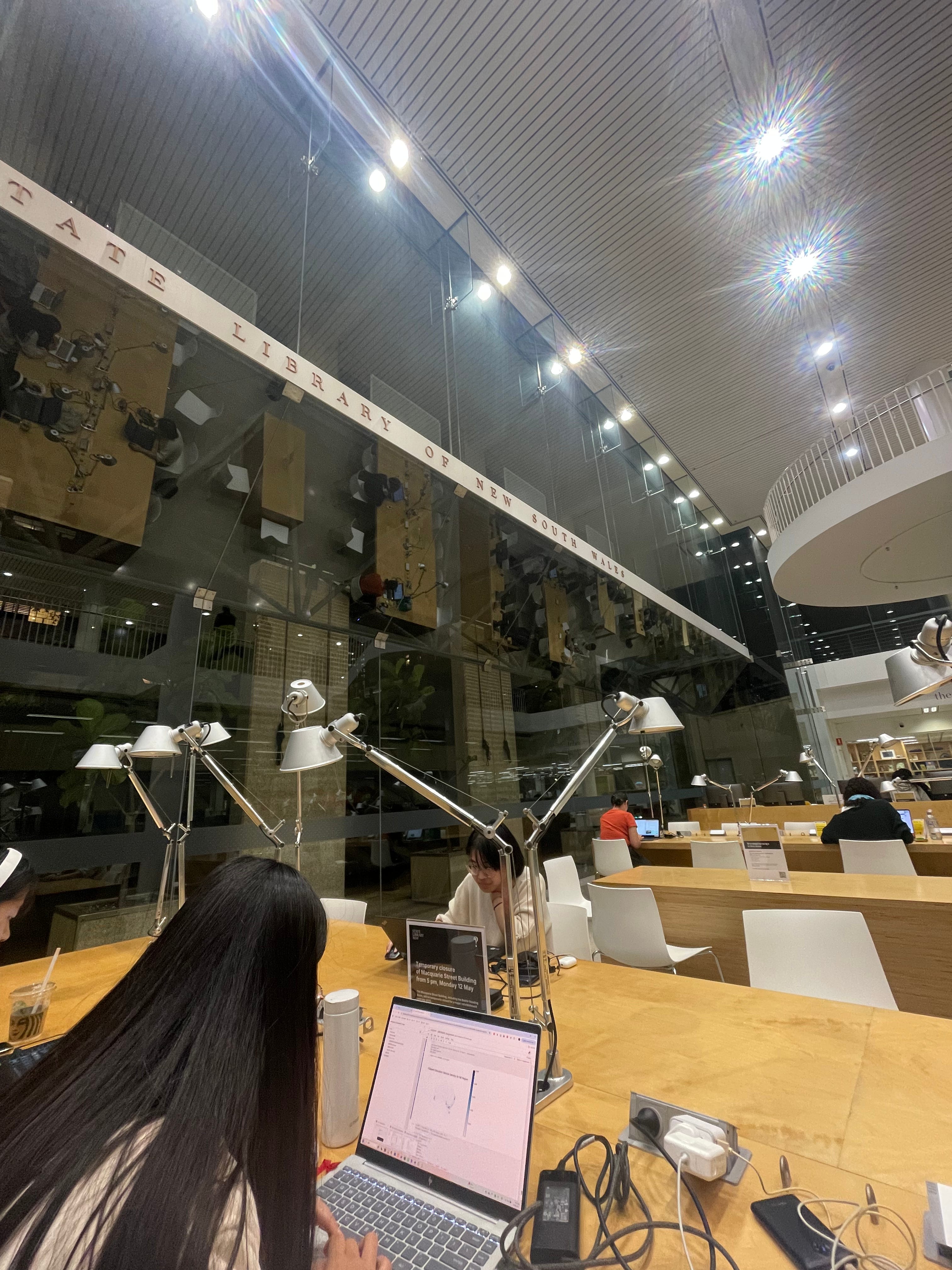
Seeking refuge from the rain at the State library of New South Wales

Working while travelling might sound dull to some, but for me, visiting Australia was a reminder of how grateful I am to work remotely. Better still, freelancing means I’m not working every day.

We’re lucky in the UK to have a decent annual leave allowance compared to some countries, but a ten-day trip to Australia would still have eaten up a third of it – and probably delayed my decision to come at all. Knowing I can (hopefully) return made the whole experience feel lighter, calmer, and far less rushed.
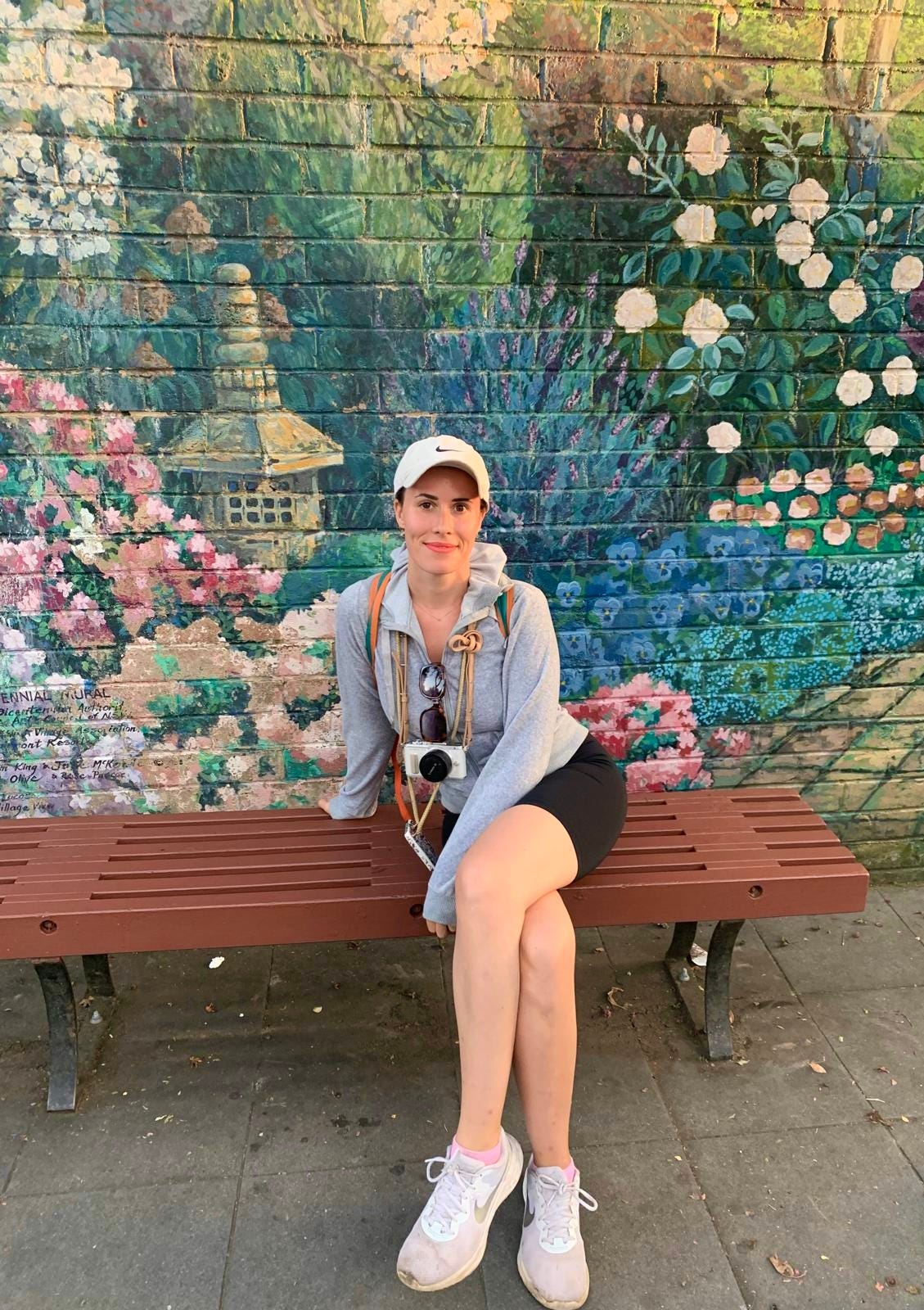
Cooling off in Katoomba, the main town of the Blue Mountains
Similar Posts

  • Can you watch Netflix? Lessons from my Chiang Mai “Monk Chat” experience
    It’s what the people want to know, right?
    Whether it was a war, invasion, or act of terror, ideological conflicts dominated the news agenda when I was in school. Keen to understand more, I took Religious Studies to A level, studying the world’s major faiths in relative depth.

    At their core, they share similar moral frameworks. But between the lack of wars, focus on selflessness and preservation of animal life, Buddhism was the easiest one to actively “lean into” (and – critically – didn’t involve worshipping some bloke).

    So when I visited Thailand earlier this year to experience life as a digital nomad, I was excited to hear that you can book time to speak to monks there, as part of a nationwide scheme called “Monk Chat“.

    How prevalent is Buddhism in Thailand?

    With a temple around every corner, it’s not hard to see that Buddhism is still the dominant religion in Thailand. The country is home to around 200,000 monks and 85,000 novices at most times of the year, according to Buddhanet.

    Strikingly for me, is the fact that most Thai men ordain at least once in their lives. They’ll typically join a wat (monastery) before starting work or university – sometimes even returning mid way through life – and can leave, or rejoin, whenever they want. Like spiritual rehab.

    If you’re interested in why (and perhaps what the effect of this is) take a look at this article.

    The “Monk Chat” scheme specifically, allows people to learn how monastic life shapes Thai society, in exchange for a bit of English language practice. Chiang Mai – in the North – is considered the centre of the movement, so I booked a half-day meditation retreat at Wat Suan Dok, in the centre of the old town, when I visited last February.

    Introduction to Buddhism

    After a quick cup of tea, our teacher, the head monk, began by outlining the basic history and core principles of Buddhism.

    A lot of people assume Buddhists worship Buddha, but that is not true. They do not worship a creator God or idol – not even the Buddha himself, although his journey toward enlightenment, and teaching of Nirvana, is central to the philosophy.

    Instead, Buddhism is better understood as a practice rather than a belief-based religion. “Train against doing bad; train to do good; and train to purify the mind,” he wrote on the whiteboard, summarising its ethical framework. Simple, right?

    It’s all about balance

    As to how much of this the average Thai person follows, I’m not sure. But it’s widely understood that 90% of the population define themselves as Buddhist, and pay close attention to the main principles.

    Meditation specifically, our teacher explained, is a tool for observing and regulating emotional responses, helping practitioners return to these principles rather than act against them in moments of difficulty.

    We then had a go at this ourselves – sitting for no less than 40 minutes – as he guided us through a seated meditation. I’ve always found meditation easier in a group, and after an emotionally charged first ten days of travel, the enforced stillness provided a rare opportunity to switch off.

    Question time

    Following this introduction, there was a group Q&A where you’re allowed to speak to the junior monks. I’ve been looking forward to this the most because I was genuinely interested in their way of life.

    Can you watch Netflix? Can you discuss the news? Play video games in your spare time? We found ourselves asking.

    I really wanted to understand what their habitual lives are like – especially at a novice level – as well as the role that monks play in the community. If I compare to the UK, for example, the Church is very active, and runs sort of like a charity / business. And who could forget the Benedictine’s at Buckfast Abbey? They’re making booze!

    We didn’t get far with these questions. Our hosts were happy to talk about the importance of meditation but overall, I felt there was a slightly missed opportunity to understand the social contribution that monks make in the modern age.

    But I guess it’s not their job to explain some of this, and we wanted to be respectful. There was also a language barrier, which is fair and understandable.

    What about the women?

    We did make headway on the topic of female monks (nuns), which felt significant, because they are not officially recognised by the state.

    According to a 2019 article I read in Reuters, though, more Thai Buddhist women are seeking to become full-fledged “bhikkunis”, or female monks, by getting ordained overseas, usually in Sri Lanka or India.

    Our companion clearly viewed these women as legitimate, but explained that nuns are required to follow 311 rules, compared with 227 for their male counterparts. This distinction comes from the Vinaya Pitaka – specifically the Pāṭimokkha – which sets out the monastic code of conduct. Like the men, women shave their heads and eyebrows upon ordination.

    This interview on the topic expands on why this is, and how this landscape is shifting. I’ve also added some videos from the sessions on my instagram (@womanmeetsw0rld).

    Is it worth attending?

    If you’re curious to understand Buddhism and meditation at a surface level, I’d absolutely recommend trying Monk Chat whilst in Chiang Mai.

    I’m interested in religious teachings and philosophies without any real intention to practise, so this half-day experience suited me well – though more in-depth meditation retreats are available for those looking to go deeper.

    It’s a donation-based scheme offered at numerous temples across Thailand, and I imagine each one feels slightly different: some more open and modern, others more structured and traditional.

    It was a genuinely enjoyable thing to do in Chiang Mai, and even if the session felt a little too focused on meditation for me personally, I found myself reflecting deeply on the topics covered afterwards.

    It’s not a bad way to spend a day off from work, is it?

    Trapped by traffic in Nimman, Chiang Mai

  • Travel fatigue in Ho Chi Minh city: my sixth week as a digital nomad in Asia

    Reality bites (me) in the Vietnamese capital

    Most people go to Vietnam with intention – whether that’s to enjoy the history, the food or the landscapes. But too much planning can kill the thrill of travel, so when I arrived in April 2025, following a week of pure luxury on the golden sands of Koh Rong Sanloem in Cambodia I didn’t have much of a view as to what to expect.

    What I did know is that it would be very busy (or “cognitively demanding” as this article puts it) – and pulling into Saigon after eight days on a paradise island was certainly an assault on the senses.

    Real life Mario Kart

    In some ways, my biggest takeaway from those first few days was simply the traffic. I’d been quite cavalier about jumping on motorcycles (Grabs) through Thailand, Laos and Cambodia so didn’t change my routine initially. But if you’re going to Ho Chi Minh City, I’d actually advise taking cars wherever you can (see my instagram reel for chaos in 4K).

    The density of traffic here is some of the worst in the world, and whilst the idea of playing real-life Mario Kart sounds fun, it’s best enjoyed against friends from the sofa in my book and I wish I’d been more careful (though I clearly survived to tell the tale!). Don’t risk your life to save a couple of pounds on a Grab. I’d also think twice before riding your own bike in Ho Chi Minh (!) unless you truly understand this part of the world. 

    If you need more convincing, even my Uber driver was visibly scared picking me up during rush hour. And crossing the road? Don’t even try it. Saigon does not stop for you, and I nearly learned that the hard way.

    A long overdue history lesson

    Anyone that’s spent time in Asian cities will understand how overwhelming they can be. Rather than attempt to get to know Ho Chi Minh in much detail, I preserved my energy with visits to two of the city’s most important historic attractions – the War Remnants Museum and the Cu Chi tunnels.

    I’d been having a great time on my trip, soaking up the recent history of Laos and Cambodia. The Vietnam war – or as they’d call it, the “American war” – is something I was never really taught at school, and I felt a pull to understand it better. 

    If you like to dig into the weeds of things like I do, my biggest tip for the museum would be to go there with some background context. On the 9 hour coach trip from Sihanoukville, I had been listening to The Rest Is History series on the conflict (something I continued with whilst on the Ha Giang Loop) which gave me a helpful grounding in the events leading up to it. Otherwise, it could feel overwhelming – it did go on for twenty years, after all!

    In my naivety, I didn’t expect the museum to be so anti American. It’s obviously curated from a communist Vietnamese perspective, and being able to compare the two narratives side by side, was one of the most interesting parts of the experience. Whilst it helped me hold both viewpoints in balance, the long and short of it is that it was a painfully drawn out shit show, especially right at the end.

    Keen to deepen my knowledge, I took a tour to the Cu Chi tunnels, where the Viet Cong (communist resistance) lived underground during the war. Crawling through the tunnels, and hearing about how terrible it was for them (and also the soldiers they killed) really provides a reality check of how brutal that conflict must have been. I noticed a lot of Vietnamese people I spoke to still used the name Saigon to describe the city, which speaks to the differing political viewpoints people there still have. 

    Re-energising myself with a cooked breaky

    But aside from my history lessons – and some very good vegan bánh mì – I didn’t spend a huge amount of time exploring Ho Chi Minh, so apologies that I can’t give more of a deep dive. Simply put, ‘travel fatigue’ had set in, and it was especially acute given I’d just had a wonderful time in Cambodia.

    I’d been travelling around Asia as a digital nomad for about six weeks. I wasn’t working full-time, but moving constantly, leaving people behind, meeting new ones, and planning every next step was a lot to process, both mentally and physically. At just over a month in, it was starting to take its toll, and I simply didn’t have the same energy for new experiences as I had at the beginning.

    Rightly or wrongly, this most likely shaped my first impressions of Vietnam. For an insight into my head space – on my second morning, I got in an Uber and asked to be taken to Melbourne Café for a fry-up. My first Western meal of the trip, in Vietnam! Some might find that sacrilege, but you’ve got to have those home comforts some times. I’d never been so happy to see a baked bean, but I assure you that I went straight back to eating local food after that.

    Breakfast at the Melbourne Cafe in Ho Chi Minh

    It’s good to know your limits, and given that so much ‘nomad’ content is overly positive, I’m happy to share that perspective. After all, I want this blog to be an honest reflection of my experience. So, after two days, I headed north, arriving in the lantern-lit streets of Hoi An – where things immediately brightened up.

  • Cooling off in Copenhagen

    Is this the best city break in Europe?

    Following three months visiting Asia, Bali and Australia in early 2025, I was craving less stimulation and more structure for my next trip from the UK. After eight years as a Londoner, there comes a point where you want to trade a backpack for a trench coat and boots, and with a friends’ wedding in Sweden approaching in May, it made sense for us to visit Copenhagen first.

    I’d been curious about the Danish capital for some time. My parents spent their honeymoon there in the 80s and nearly always have Scandi drama on the go. I also recall having nightmares from a made-for-TV version of The Little Mermaid which, true to Hans Christian Andersen’s style, is far darker than Disney would suggest. 

    Luckily this trauma was corrected during my visit, and I left thinking Copenhagen might be one of my favourite city breaks so far. Maybe that was because, after the sensory sprawl of the far east, it felt so refreshingly calm and considered, with its wide pavements, seamless cycle lanes, and reliable public transport. Like a lot of Scandinavia, everything seems designed – not in a showy way, but in a cool, collected way.

    Keep reading for food highlights, what to do, and the best day trips from the city.

    What to eat in Copenhagen

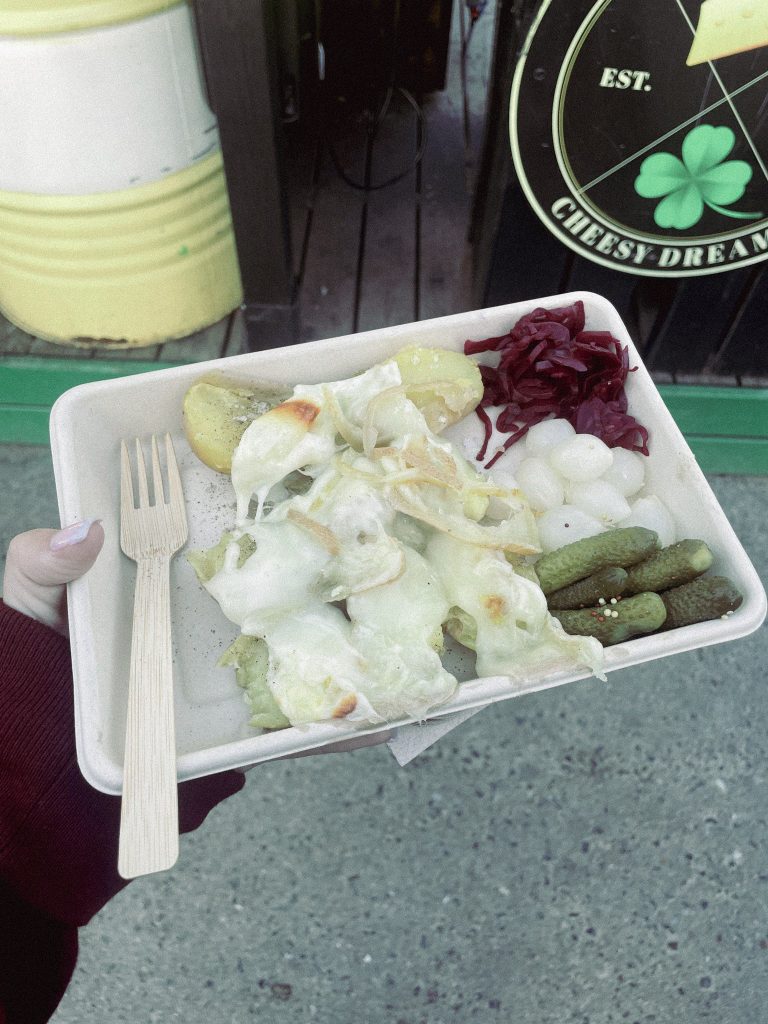
    Copenhagen is a bit of a foodie dream – which sort of surprised me – so prepare to go with an empty belly and a ready palate. Here’s a suggestion for you to spend your day eating around the city: 

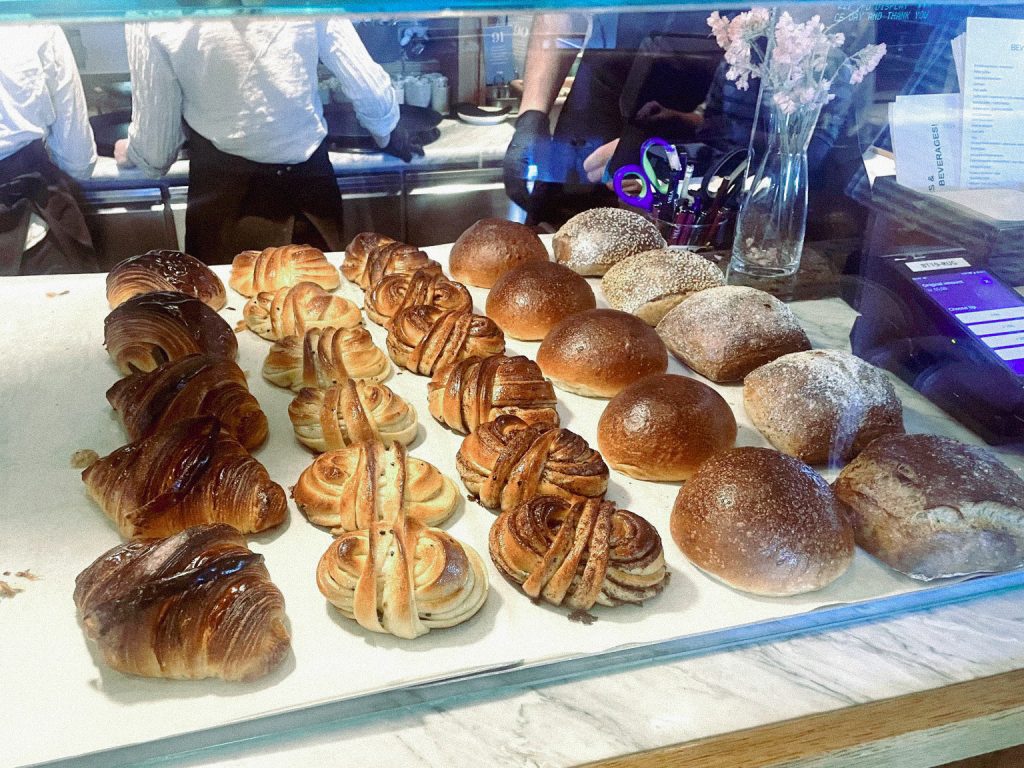
    First – bakery breakfast 

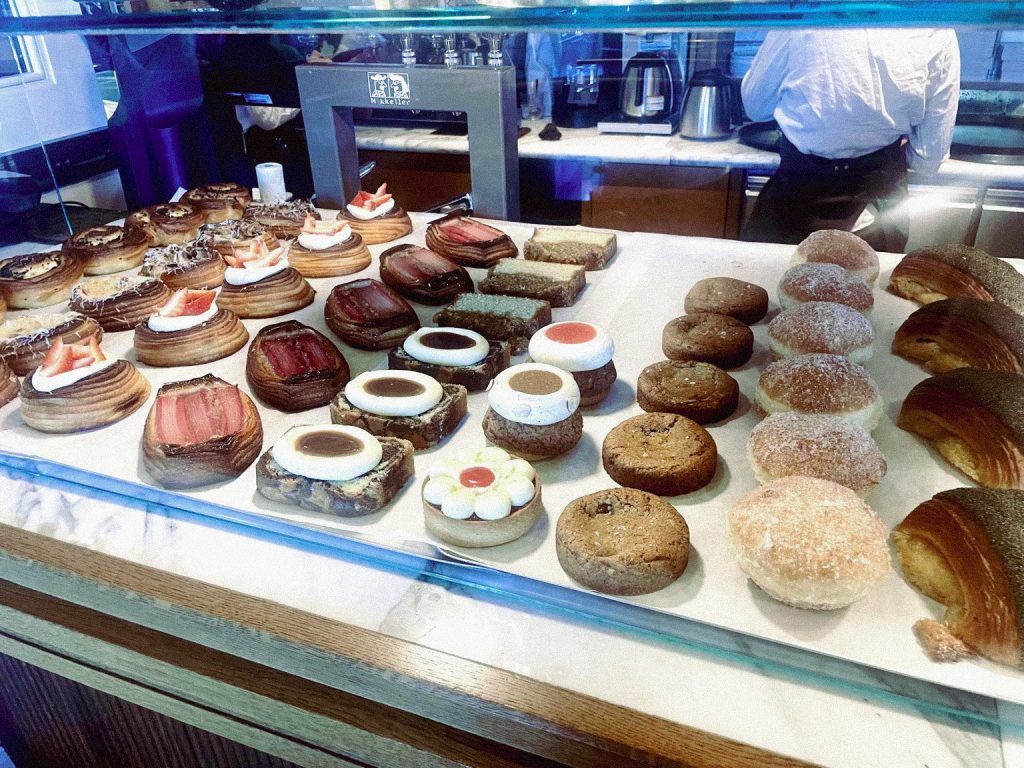
    Skip the hotel buffet and head to Rug or Hart Bakery for some beautifully curated baked goods. They’re quite upmarket places with spaces to sit down and enjoy your loot. Bring a friend so you can split a bunch of them between you (or pig out alone!) 

    Next – Smørrebrød and beers for lunch

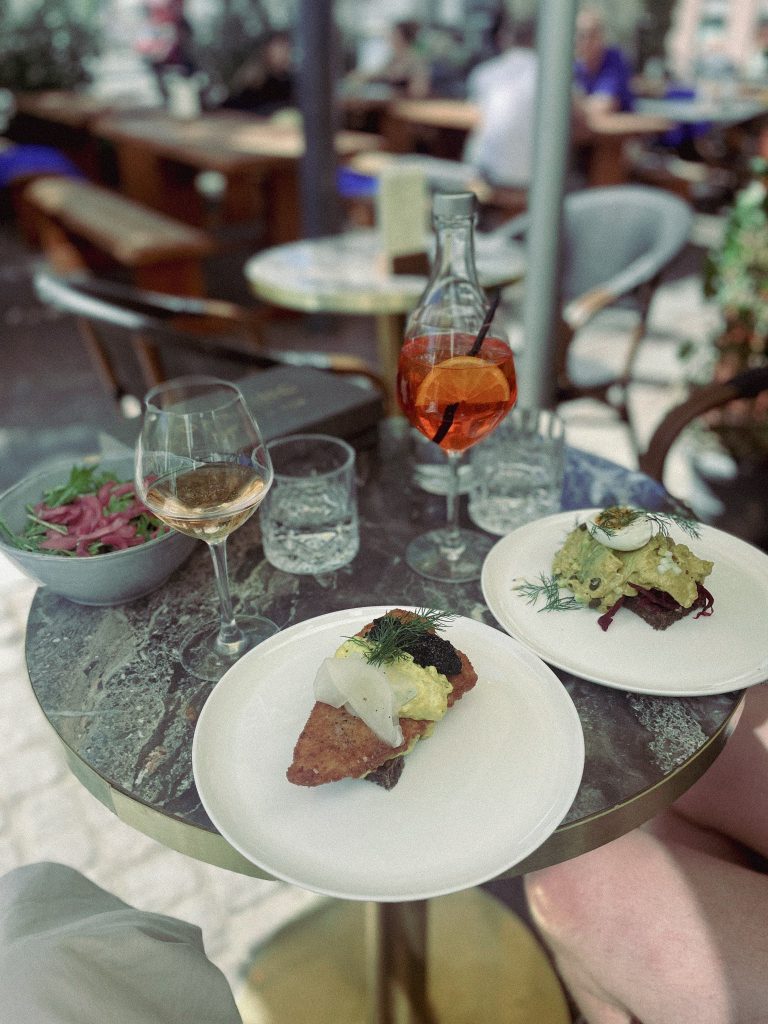
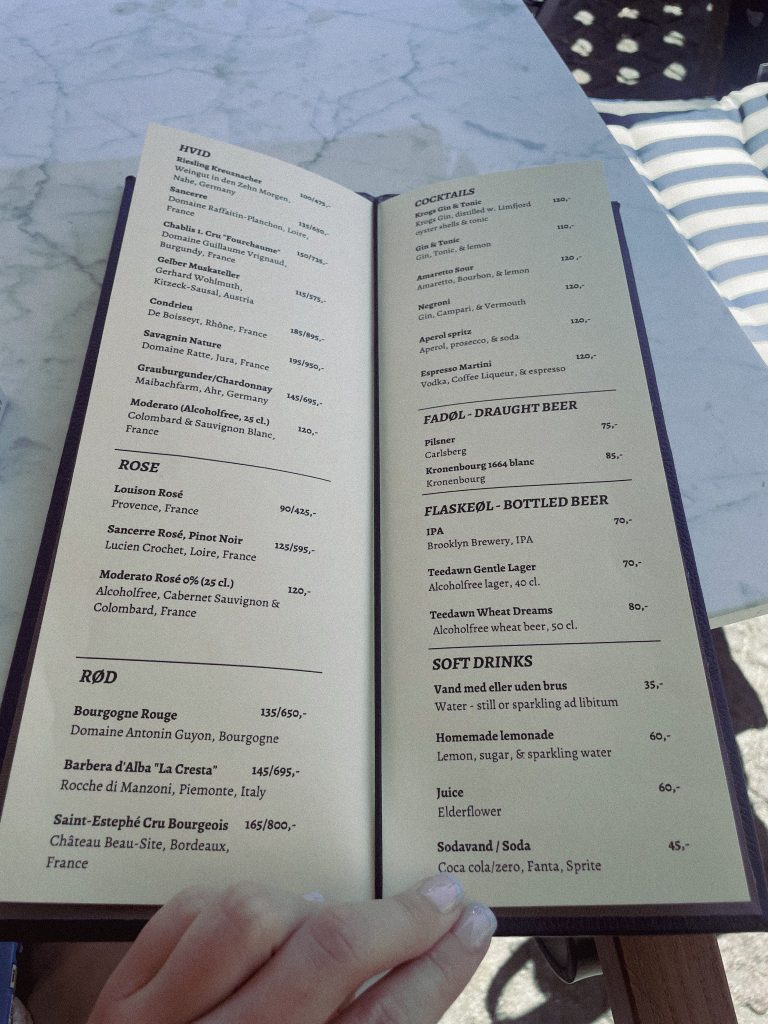
    Smørrebrød is a classic Danish open sandwich – sort of like oversized tapas. Imagine a base of tangy rye bread, topped with smoked fish and pickled veg. We stopped on Gammel Strand, but you can find them all over the city. They’re delicious but not cheap, so order a selection and split them between you. Wash down with a beer (Carlsberg or Mikkeller). I can also recommend Bird cocktail bar in the city centre for a classier beverage.

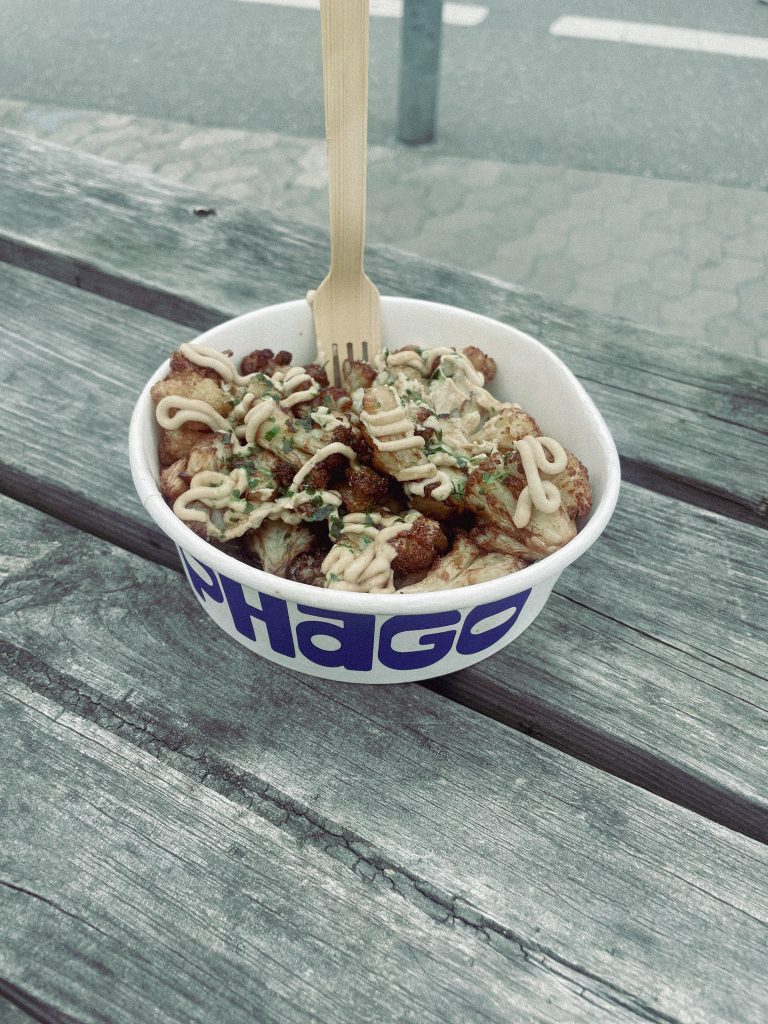
    Then – snacks at Broens Street Food

    Sitting opposite the Inderhavnsbroen bridge, this is another cool food market from whence to snack, but you could also have lunch or dinner here. It is located on the Greenlandic Trade Square where the traders from Greenland, Iceland, the Faroe Islands and Denmark used to arrive after long journeys across the oceans. It’s a lovely spot from which to look over the water. Opening back up in March, it even offers yoga, social dining and other events to enjoy.

    Finally – dinner and drinks at Reffen Street Food Market

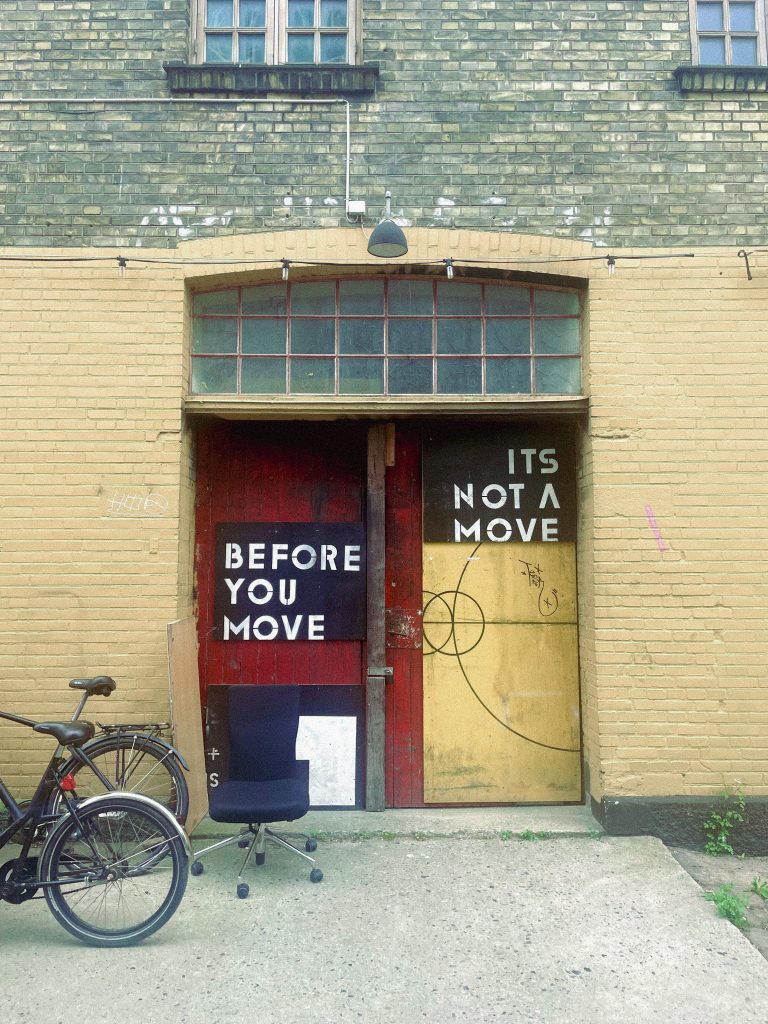
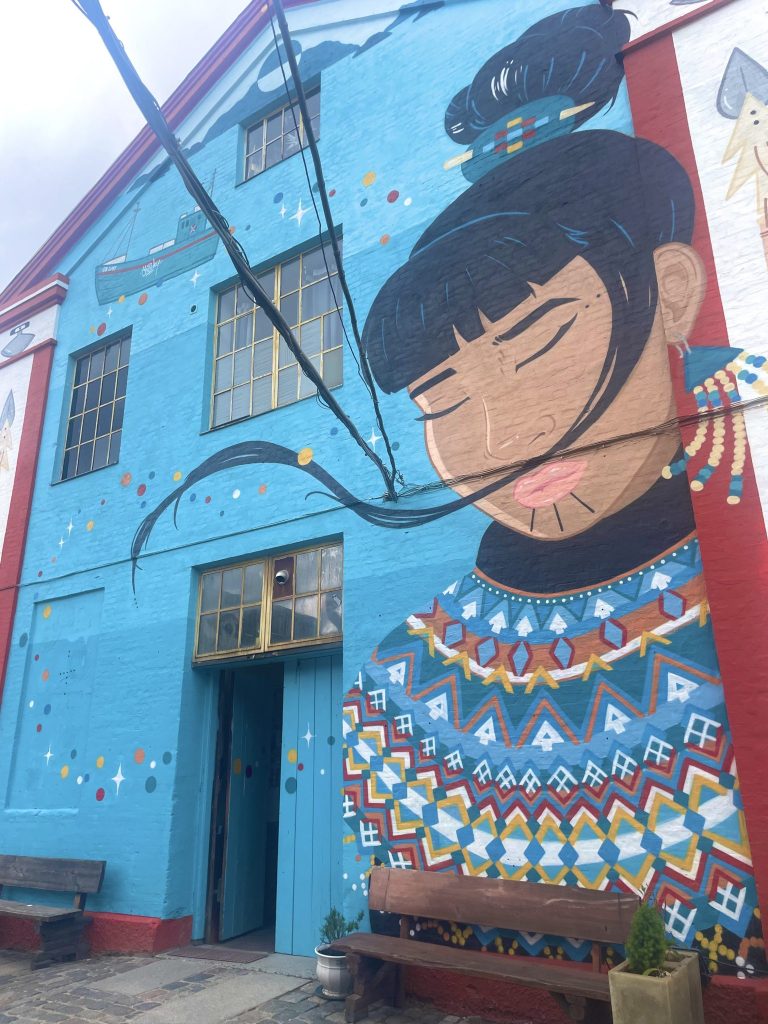
    Proclaiming itself as the “largest street food market in Northern Europe”, this is another buzzing food market on the waterfront, hosting food stalls from around the world. For Londoners, it has a bit of a Hackney Wick vibe, complete with beautiful street art. Like Broens, it opens again in March and offers regular events that I’m always ogling on Instagram. A perfect way to see the sunset.

    What to Do in Copenhagen

    Most guides will suggest visiting Copenhagen for four days, which feels reasonable to me, although I stayed longer and felt there was plenty to see.

    Here’s fun activities I’d recommend adding to your trip itinerary.

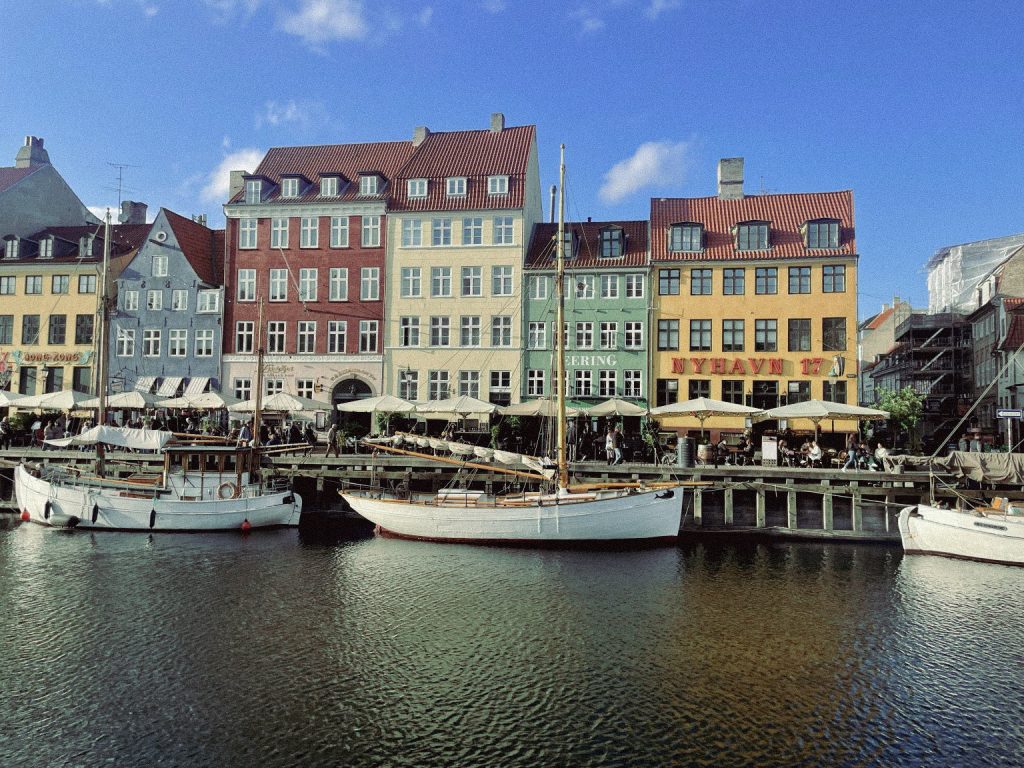
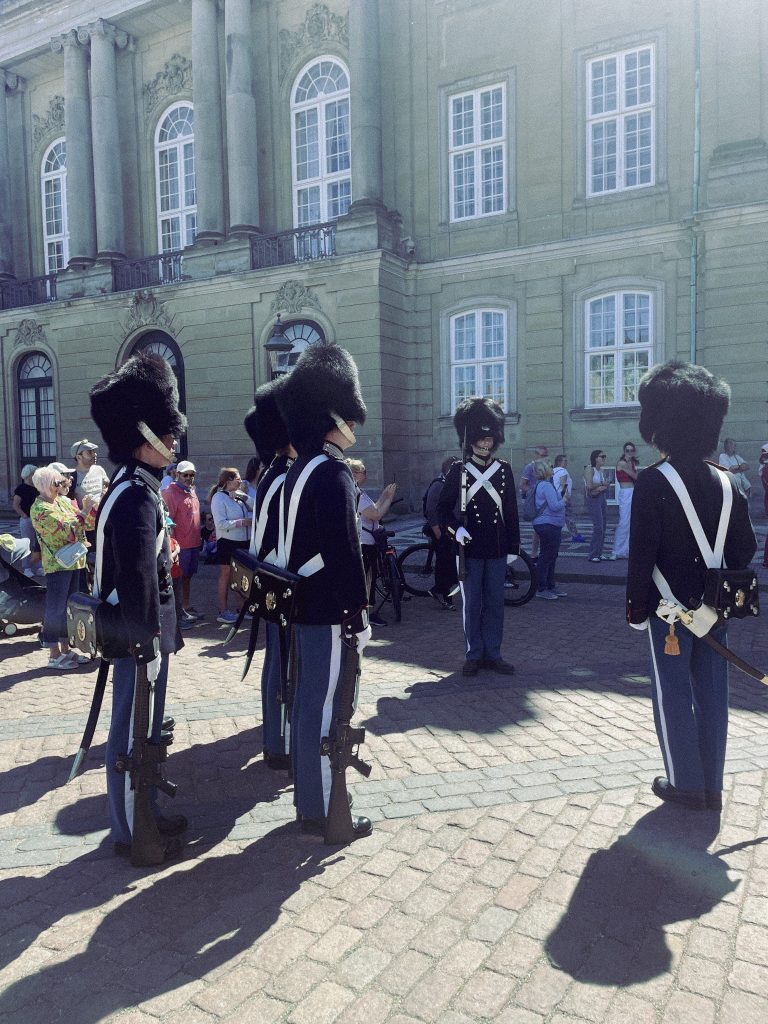
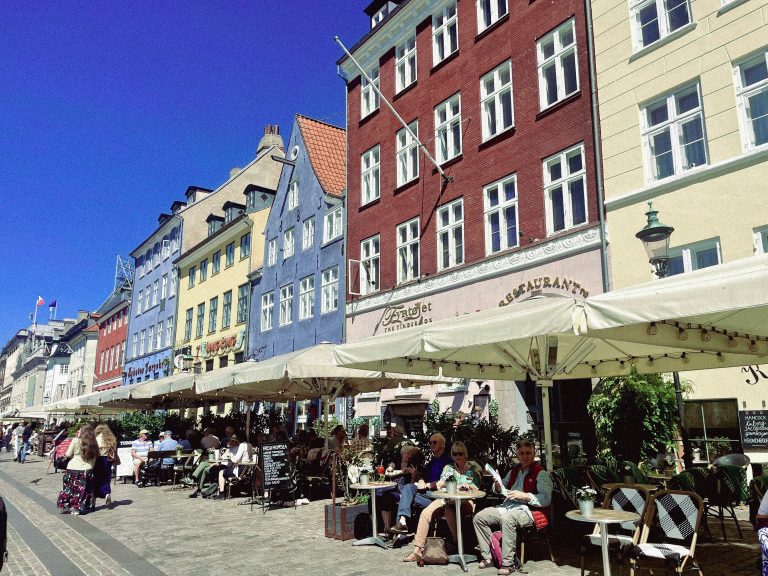
    Take photos at Nyhavn

    Spend some time walking about the iconic 17th-century waterfront, canal and entertainment district. Despite being a little touristy and expensive, it’s a great spot for photos. Just look at those gorgeous buildings.

    Learn about hygge at the Happiness Museum

    The Danes are pretty well known for their commitment to hygge – but what does that actually mean? Well you can learn all about it at The Happiness Museum, curated by Denmark’s Happiness Research Institute. Lots of fascinating takeaways from this place about how different cultures measure happiness and I found myself reflecting deeply afterwards. All millennials (or anyone feeling slightly lost in life) should come here!

    Marvel at chairs at the Design Museum

    I cut my teeth doing design PR, so I couldn’t miss this and it totally delivered. Who knew so much thought went into the development of a chair? If you get satisfaction from efficiency and beautiful problem-solving, you’ll love spending a couple of hours at the Design Museum. 

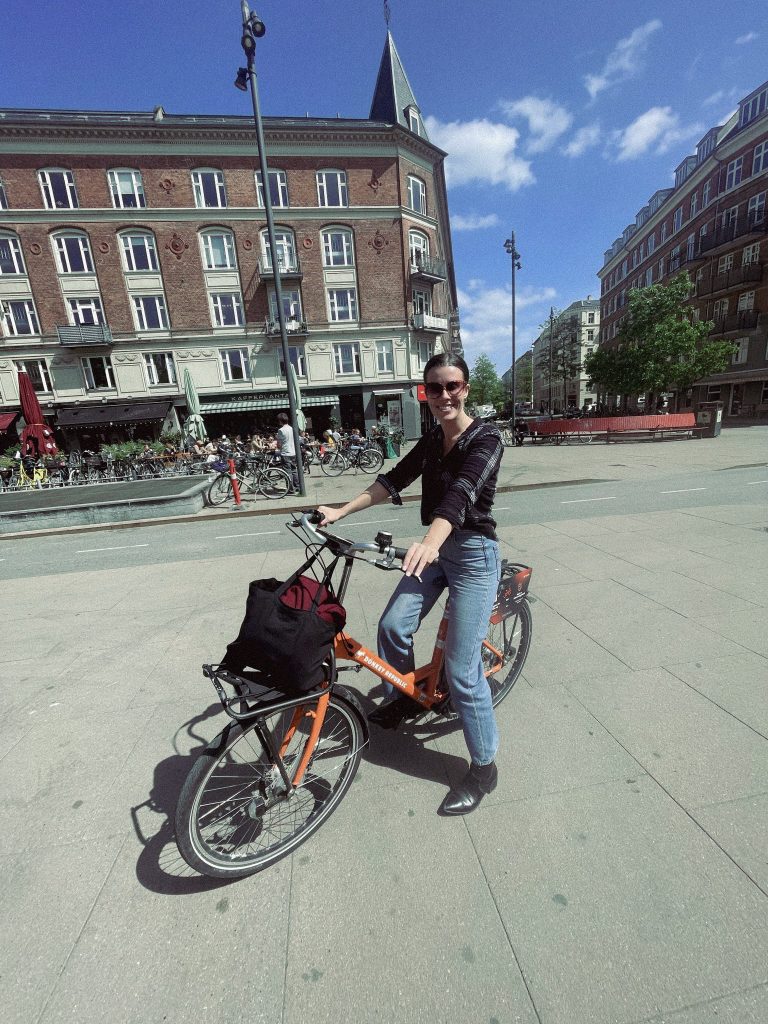
    Shake off the chill with a cycle about the city

    Probably the best way to see Copenhagen – especially between May and September. Use the app Donkey Republic to hire bikes.

    Do a walking Tour

    A great way to understand the city’s history. Every tour is different, but ours covered the royal family and Denmark’s WWII experience. If you’re not booking via your hostel or hotel, try Get your Guide or Guru Walks.

    Visit the Little Mermaid statue

    Emphasis on “little”. She’s teeny but powerful – just look at her Disney empire! The statue is an ode to one of Denmark’s most famous writers, Hans Christian Anderson and sits in edge of the Langelinie promenade, making an excuse for a nice walk.

    Ride around Tivoli Gardens

    Continuing the Disney link – I recently discovered during this podcast by The Rest is History, that Tivoli gardens amusement park was Walt Disney’s original inspiration for the disney parks. Feels a bit random having a theme park bang in the centre of a city but if you fancy an adrenalin rush, it’s typically open from March.

    Art appreciation at Freetown Christiania

    Describing itself as an “intentional community”, Freetown Christiania is a separate community in Copenhagen with a history dating back to the 1970s. It has its own laws, flag and way of life. Visitors can enjoy the cafes, art, and market, and it seems there’s often live music and other arty things going on. It’s definitely worth seeing for a different side of the city.

    Cross the Bridge to Malmö or Lund

    Why not cross the bridge from The Bridge and head into Sweden?

    Copenhagen sits right on the border, and it’s just a short train ride across the Øresund Bridge into Malmö in Sweden. From there, Lund is around an hour away.

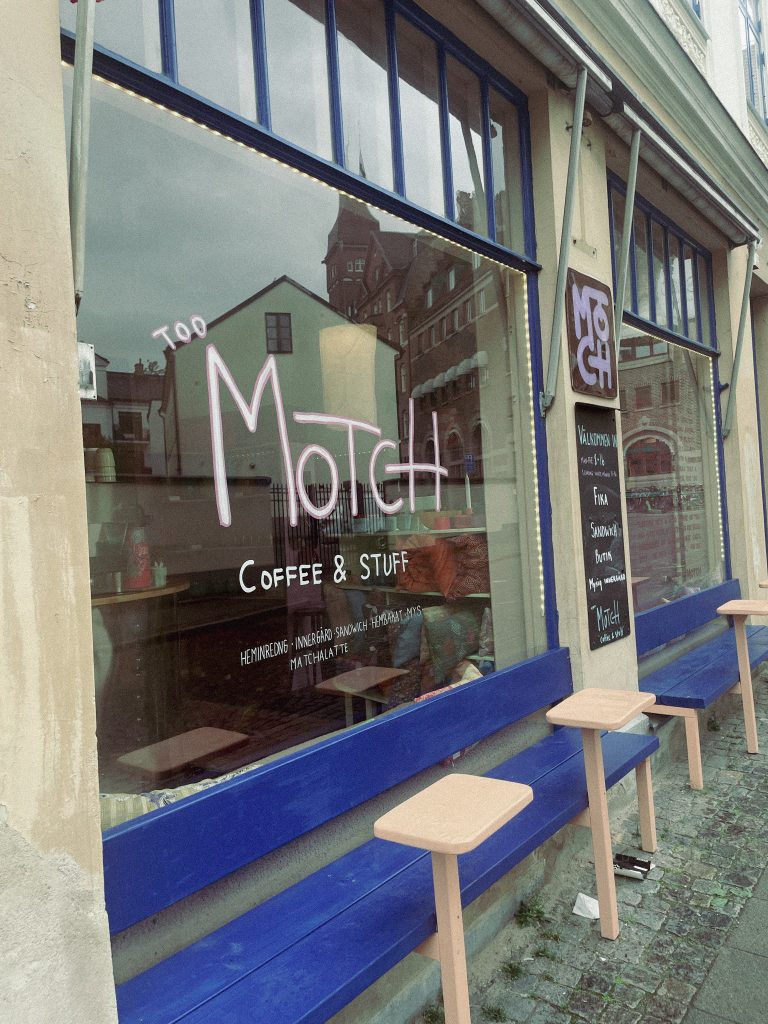
    Lund – home of the Oatly factory – is a charming university town and worth stopping in for a night or two to sample the café culture and wander around the historic university buildings. I spent a lovely two days checking out the vintage shops and cafe hopping here. Some favourites included Broder Jakobs and Too Motch.

    I didn’t particularly love Malmö, but the Disgusting Food Museum is admittedly a fun (if slightly grim) stop if you’re in the area.

    A place of quality not quantity  

    Copenhagen isn’t the cheapest city break but if you want somewhere that combines good food, thoughtful design and just enough culture to feel smug about it afterwards, the Danish capital is hard to beat. Between the pastries, museums, harbour swims and slightly intimidatingly stylish locals, it’s a city that feels both relaxed and quietly inspiring. I went with friends, but also had some days alone, and found it very well suited to solo travelling (for more solo city break inspo, read my Porto blog). If you’re into looking like you belong on a design mood board, visit between May and September when the city really comes alive. I’d be intrigued to see what it’s like in winter – maybe another time! 

  • I swapped London for nomad life in Asia. Was it worth it?

    In early 2025, I left London and headed to Southeast Asia to see what life was really like as a digital nomad. One year on, was it worth it?

    FEBRUARY 24, 2026 WOMEN MEETS WORLD

    I recently read a BBC interview with Julie Williams, an IT consultant from Birkdale on Merseyside. She had decided to make a ball pit in her spare room, rather than rent it. Why? For fun. ‘You can never be sad in a ball pit.’

    Stories like this are important because they remind you of your free will. Julie’s is especially unique because the ball pit came at the expense of financial gain.

    For most people, that’s just not the default position – whether they need the cash or not.

    I found myself thinking a lot about free will when I turned 30. I’ve never really clung to traditional milestones (house, baby, marriage, divorce), and count climbing out of credit card debt as the maturest moment in my adult life to date.

    But the flood of birthday invites from friends – right before the hen dos – gave me pause to reflect. Was I happy? Had I challenged myself enough? Was I excited about the next decade?

    Who am I?

    Not to get too Lewis Carroll about it, but this last question was the catalyst for me in late 2024. In a way, I felt that I didn’t know myself anymore, or at least not all the versions of myself – just the city-shaped, university-fied version. And she was restless.

    Meanwhile, semi-remote work in London had become my new normal. The days of spilling out to the pub every week with colleagues had gone. I had a lovely team in my PR job, but rotating schedules meant it took too long to get past the pleasantries.

    People generally – and I include myself in this – seem to have become more protective of their time since I moved to London in 2017 (and perhaps all over the country).

    I don’t think this is a bad thing. Hell, if you’re going to replace me with AI, at least give me another 30 minutes in bed / to read to my kids / paint / write / support a charity / or stare into the abyss.

    Having one foot in, one foot out, however, began to wear on me amidst the rising cost of living in the capital. I still considered myself a creative and curious person, but did I really want my days to be defined by the price of flat whites and whether a Soho House membership was cost effective?

    I take comfort from water cooler culture as much as everyone else, so I’m not bashing these things – they’re part of the fun.

    But when I found myself googling ‘Martin Lewis wife’, something had to give.

    Was it burnout? I’m not sure. But in need of a change of scene and some inspiration, I decided to give this digital nomad lark a go, beginning with three months in South East Asia in early 2025.

    Who knew what would happen after that. But I’d work less, and live more, often with strangers – which would at least break me out of my comfort zone.

    I’m not alone in seeing the attraction of nomadism, especially if your job allows it. According to a report by CV builder website LiveCareer UK, an estimated 165,000 UK professionals have relocated abroad to work remotely in recent years, seduced by better weather and (they hope) greater work-life balance.

    Some roam around, as I did, making the most of the opportunity to see the world. Others seek stability in well-established hotspots that offer structured visa policies, tax incentives and ready-made communities.

    To cut a long story short, I didn’t end up moving permanently abroad. But I did see a lot of cool things, regain a sense of direction, and create a stable freelance set up that now allows me to travel whenever and wherever I want, whilst keeping roots in the UK (which is how I like it).

    Giving up a normal routine has not been without its challenges – anyone that’s become a nomad, travelled alone, or even that’s relocated will agree with that, I’m sure. But between the relentlessly positive portrayals of nomadism on social media and the often sceptical narratives found in the UK press, there is a lot of middle ground.

    As a thirty-something experiencing this lifestyle for the first time, I hope this blog provides a balanced account of what it’s really like as work and life become increasingly flexible and multihyphenated.

    Happy reading.

    Chiang Mai, Thailand (February 2025)

    Blue Mountains, Sydney, Australia (April 2025)

    Porto, Portugal (September 2025)

    Moffat, Scotland (December 2025)

  • My Singapore stopover – is there more to this city than meets the eye?

    Finding biophilic joy in the financial capital.

    I arrived in Singapore at the end of a three-month trip from the UK to Asia. By then, my interest in forward planning was at rock bottom, but my confidence in my own tastes and intuition was sky-high.

    Singapore is a small island sitting just south of Malaysia, and one of the world’s most densely populated countries. It’s been independent since the 60s and, with historic links to British colonial rule via the British East India Company, is now a global financial hub.

    It’s also become known as a bit of a stopover city. Typically, you’re flying in or out for a meeting, or in order to get somewhere else – which usually means you’re tired, jet-lagged, and possibly dragging a big suitcase behind you.

    Sights from the Singapore Skyline

    Luckily, it’s teeny-weeny. At around twice the size of the Isle of Wight – and roughly 2.5 times smaller than Greater London – you can enjoy what it has to offer within 24–48 hours, if you’re realistic about what’s achievable (spoiler – it’s not just skyscrapers!).

    Depending on the length of your layover, bear in mind that the airport is around 30–45 minutes from the city (longer at peak times). I took a taxi, which cost around £20, or $32 Singapore dollars.

    Here’s how I spent a perfect two days.

    First of all – sleep. I flew in from Sydney, so it was a relatively short flight, arriving late at night. I decided to stay in an area called Kampong Glam, Singapore’s historic Malay–Muslim quarter (more on this shortly).

    After a good night’s sleep, I spotted a sign for kaya toast. This is a traditional breakfast in the country, so I decided to check it out.

    Kaya toast – a traditional Singaporean breakfast – is usually set alongside runny, soft-boiled eggs and local coffee (kopi)

    It looks and tastes a bit like a peanut butter sandwich, but the filling is actually a sweet coconut–pandan jam (kaya). It’s served with soft-boiled eggs, soy sauce and pepper, alongside a strong coffee (kopi).

    I didn’t really know what I was doing, but a kindly stranger advised that you’re meant to dip the toast into the egg and sort of lap it up.

    I enjoyed it – but if you’re after something more Western (which might be the case after a long trip away), there are plenty of cafés offering cooked breakfasts too. It’s a cosmopolitan city, at the end of the day.

    Next, spend some time exploring the old town – Kampong Glam in particular. Even before you’ve done any Googling, you can tell this is the ‘cool bit’.

    Sights from Kampong Glam, Singapore’s Muslim Quarter – now a vibrant shopping and eating area

    Unlike the modern high-rises typical of the Singaporean skyline, this small cluster of streets is made up of shorter, squatter buildings packed closely together, many adorned with colourful street art.

    Walking around in the daytime, it was full of a mix of older and more modern cafés (including places like % Arabica, one of my favourites in Hackney), lots of cute shops, and the beautiful Sultan Mosque – the largest in Singapore.

    Kampong Glam is made for Instagram, so if you’re a talented photographer (unlike me), you’ll want to kill some time here like I did exploring the artwork, buying trinkets and hopping between cafés and ice-cream shops.

    By this point, it’ll be pretty hot.

    So, after seeking shade in a market, I took the train into the centre, heading towards the Singapore Botanic Gardens. The gardens provide welcome relief from the chaos and closeness of the surrounding streets and buildings and – fun fact – are the first and only tropical botanic garden on UNESCO’s World Heritage List. No idea why that is, but it’s blooming nice.

    I passed a peaceful couple of hours here watching otters and lizards, and stopping for lunch at the café, before the heat finally overwhelmed me.

    Towards evening, I swung by Marina Bay Sands for a hot chocolate and a seat by the water to watch the evening light and water show, Spectra. It runs at 8pm and 9pm (with later shows on weekends). It’s genuinely impressive, and worth sitting down to watch before wandering along the marina.

    If there’s time, you can also head next door to Gardens by the Bay for the Garden Rhapsody show at the Supertree Grove. If you’ve ever seen photos of Singapore, chances are you’ll have seen images of these huge illuminated tree-like structures. I’m a dummy and missed it, but I hear it’s fantastic.

    Singapore is known for its iconic hotels, including Marina Bay Sands

    After the light shows, I advocate for taking a nice walk along the bay, soaking up the buzz of the city, or grabbing a drink nearby.

    Finally – don’t forget the airport!

    It’s a spectacle in itself. I had a midday flight the next day, so I arrived a couple of hours earlier than strictly necessary. You can head to Jewel Changi Airport, a kind of ‘lifestyle hub’ that feels more like a futuristic indoor jungle than an airport. At its centre is the Rain Vortex – the world’s tallest indoor waterfall – surrounded by layered greenery and walkways. If you’re going to make an airport, make it pretty right?

    Whether or leaving or entering Asia – don’t sleep on Singapore. A day or two in the country is plenty, so if you’re around this way, split your flight, dump your bag and let the city show you what it’s good at.

    Gardens by the Bay, Singapore

Leave a Reply

Your email address will not be published. Required fields are marked *