Vietnam’s Ha Giang Loop: is this dangerous route worth the journey?

A brutally honest review of Vietnam’s best-known excursion

Written March 2026 – updated April 2026*

UPDATED – The text below was written in March 2026 about my experience in March 2025. Whilst I have not changed the article, I have expanded some points with footnotes and further info at the bottom. This is in response to questions I have received after the death of a Welsh teenager on the loop this April.

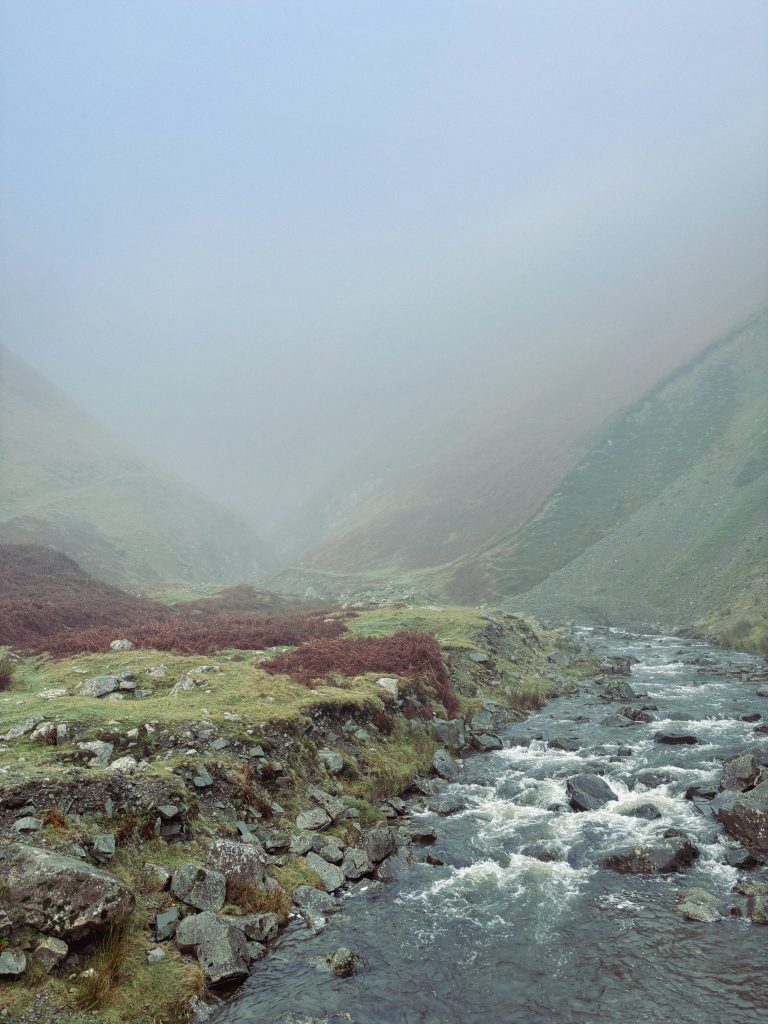
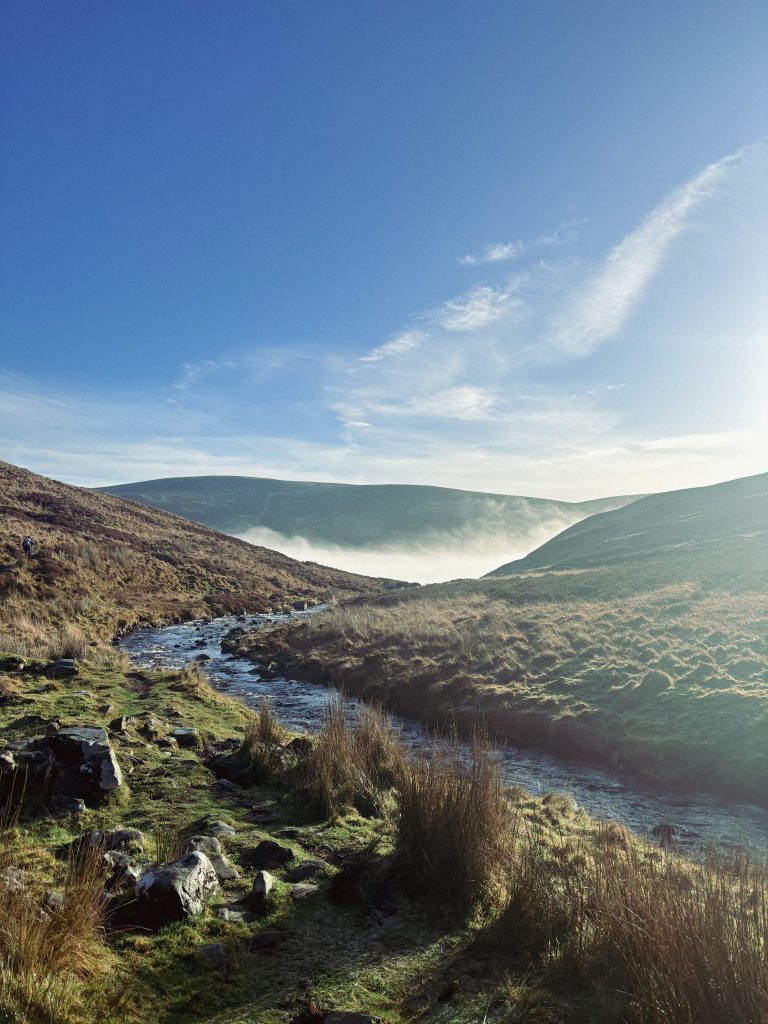
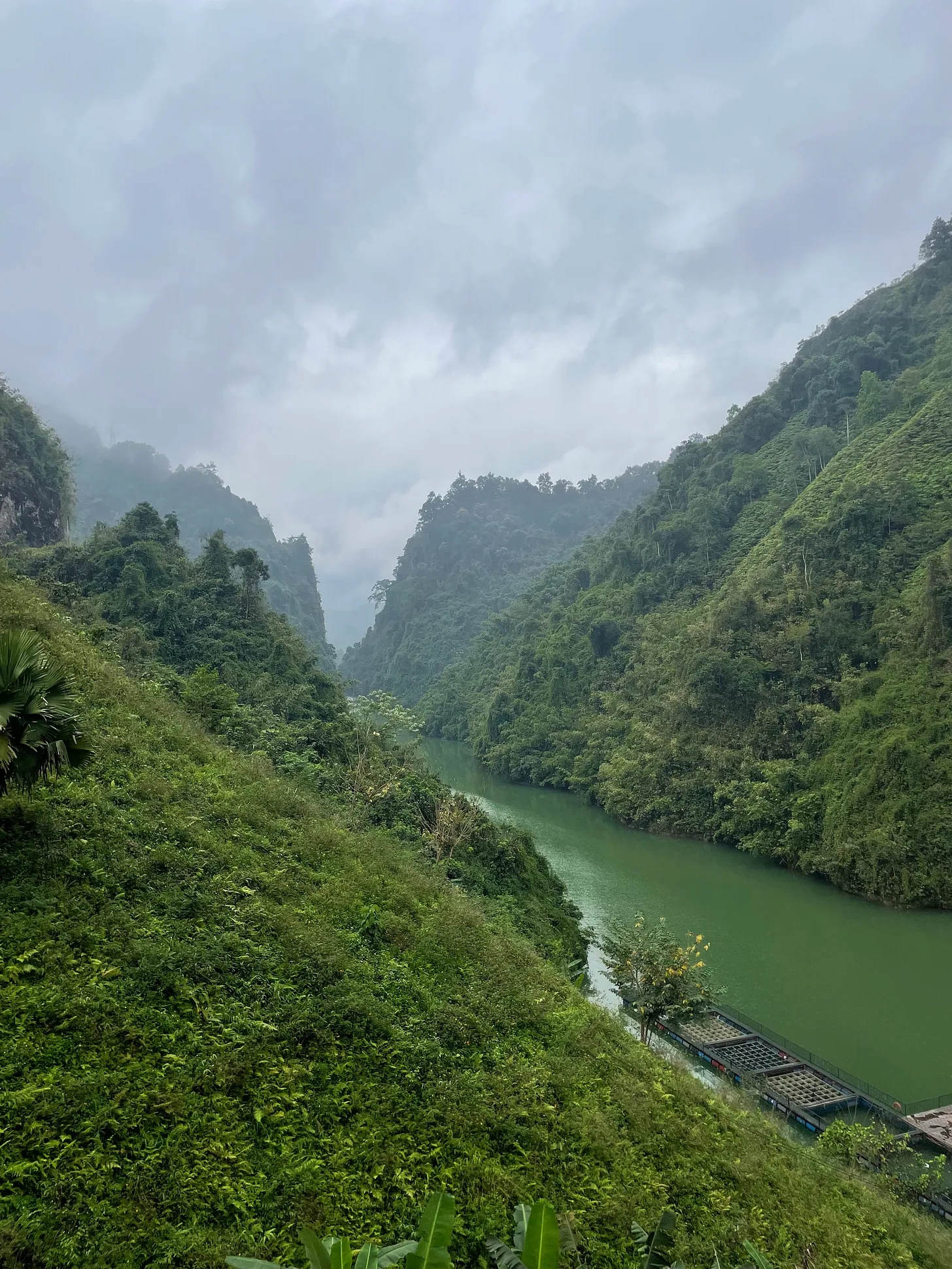
It was a quiet day in March 2025 when I found myself in Hanoi, panic-buying warm clothes in anticipation for the Ha Giang loop. This is a stunning motorcycle pilgrimage into the northernmost mountains of Vietnam, known for its forested limestone and granite mountains, and unique Dong Van Karst Plateau.

It had been much lauded by backpackers throughout my three weeks in Vietnam, building a sense of anticipation that I had learned not to trust too much. It could be my age – could be jealousy – but I do not trust TikTokers that never have a bad word to say about anything.

You’ll be jaded soon enough, bitches.*1

Curiosity bites though, and I booked an organised tour with an easy rider (a hired driver). After two months of working and travelling in Asia, my capacity for careful planning had reached its maximum, and not bothering to analyse my options in detail, I opted for Bong Hostel. As someone who likes their peace protected, I sensed this could bite me in the bum..and it sort of did.

I rocked up in the evening with my loot of newly purchased thermals (essential even in March), hustled for a few quid, and caught the six-hour bus to Ha Giang.

As we pulled out, a German lad next to me threw a loud and prolonged tantrum to his pals (and in fact all of us) about the lack of USB ports on the bus. Whilst he wept over his dead phone, I smugly thanked my stars for my power bank and increasingly well-developed foresight.

There was a quick overnight stop and early breakfast before we split into groups of ten. We were then introduced to our drivers and escorted promptly into the mountains on the bikes.

This is when my heart sank a little. Noticing a sea of matching T-shirts ahead of me, I recognised that I’d been put in a group with eight or nine people who already knew each other from another travel stop.
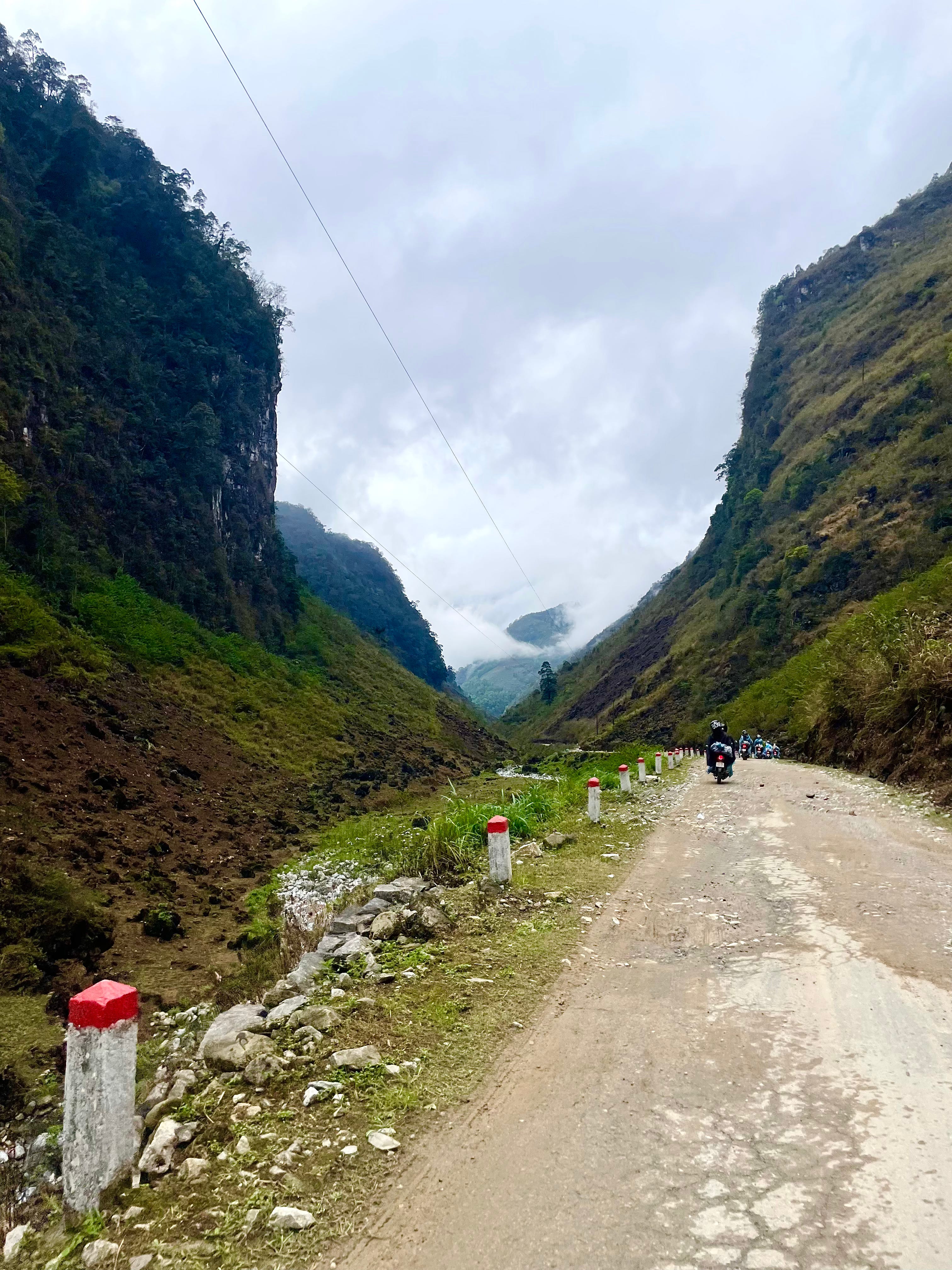
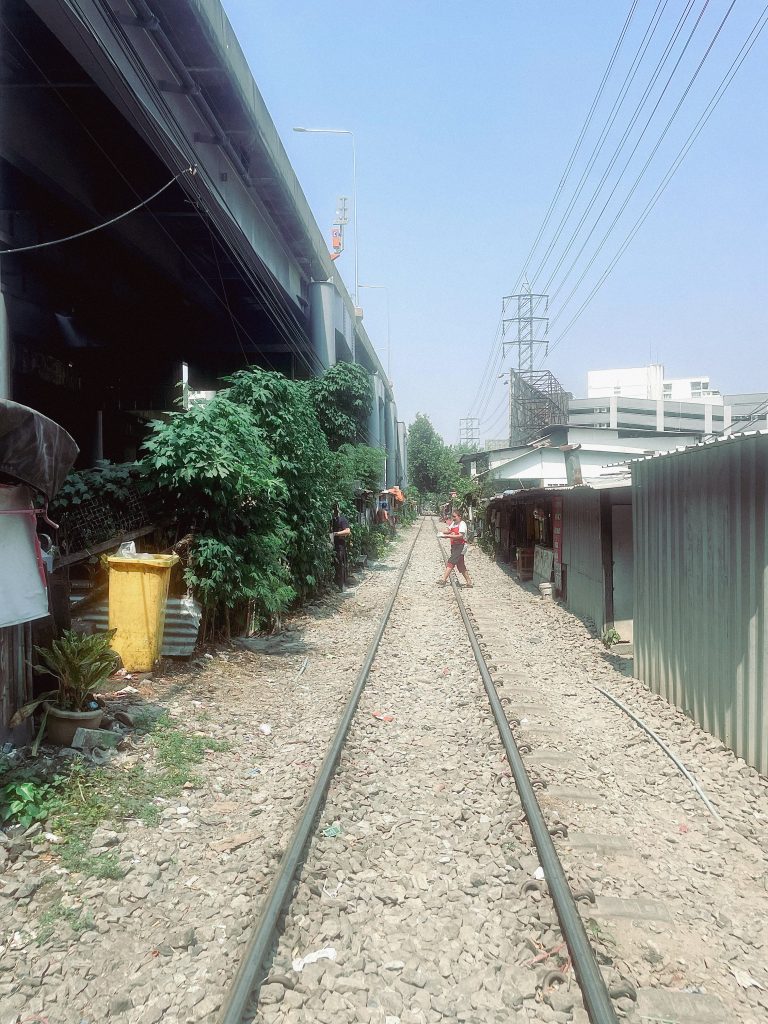
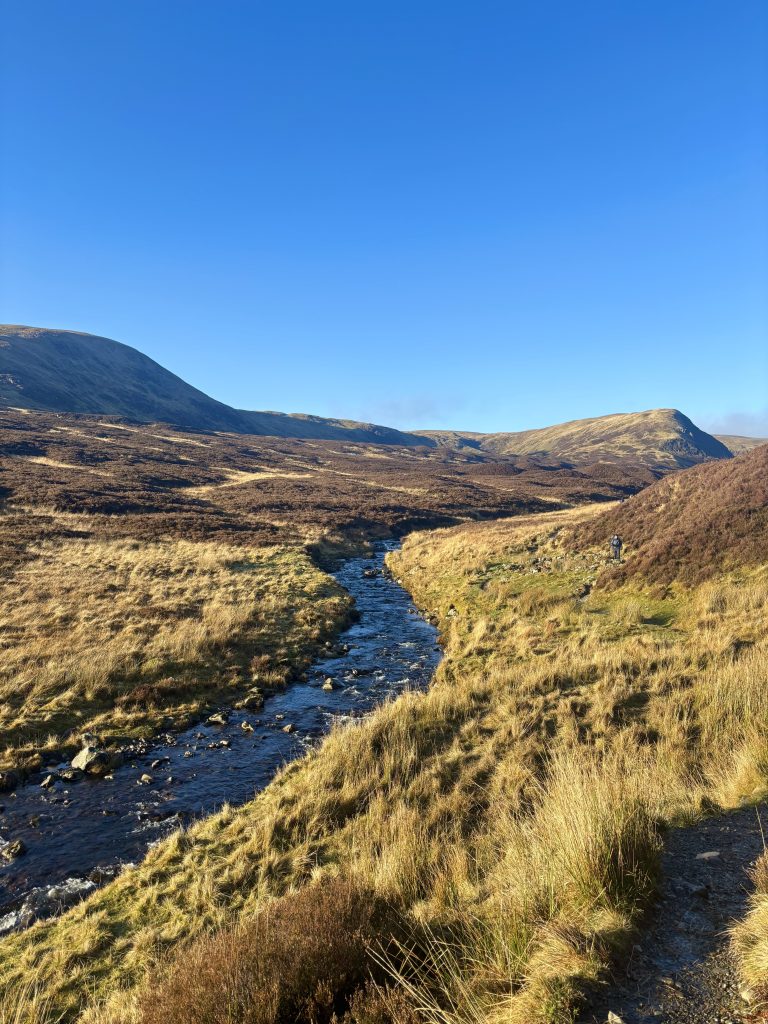
Scenes from the Ha Giang Loop, Vietnam

They were a nice bunch, but situations like this make for an inevitably more challenging time, especially if your social battery is low (or if you struggle with English). It’s just more effort. That’s one of the challenges with going on a trip with a bigger hostel, but it’s also something you just have to get used to with trips like this, I’ve learned.

As we climbed the mountain, I revelled in the bliss of being able to enjoy the wonderful scenery on the back of a bike, driven by someone that knows the route inside out. With steep, winding roads, the loop is dangerous to ride, and hiring your own bike is not generally advised (although Bong does offer the chance to drive alone, with guides in tow)2.

There is a sweet serenity to popping in your headphones and soaking up the natural world with the feel of the wind in your ha- OH wait. We’re stopping already, are we? Hold on, just let me take my helmet off (again). Staggers off bike.

Thus began our routine. For the next four days, every thirty minutes or so, we would stop at a café for a lollypop, photo, and a game of Đá cầu (“foot badminton”), Vietnam’s national sport.

A couple of times a day, the pitstops were welcomed. Đá cầu was a lot of fun. But after a while, the routine started to grate on me. Am I the only one? “No, we agree,” said the girls in my group. “Way too much stopping. Let’s just keep going!” I’m all for a viewpoint, particularly on a trip like this, but the continuous stopping was giving me whiplash.

There are a ton of other groups on the loop, so it could be to do with traffic control3, but it felt a little forced. Obviously they want you to buy something at every stop, too. It’s economics.
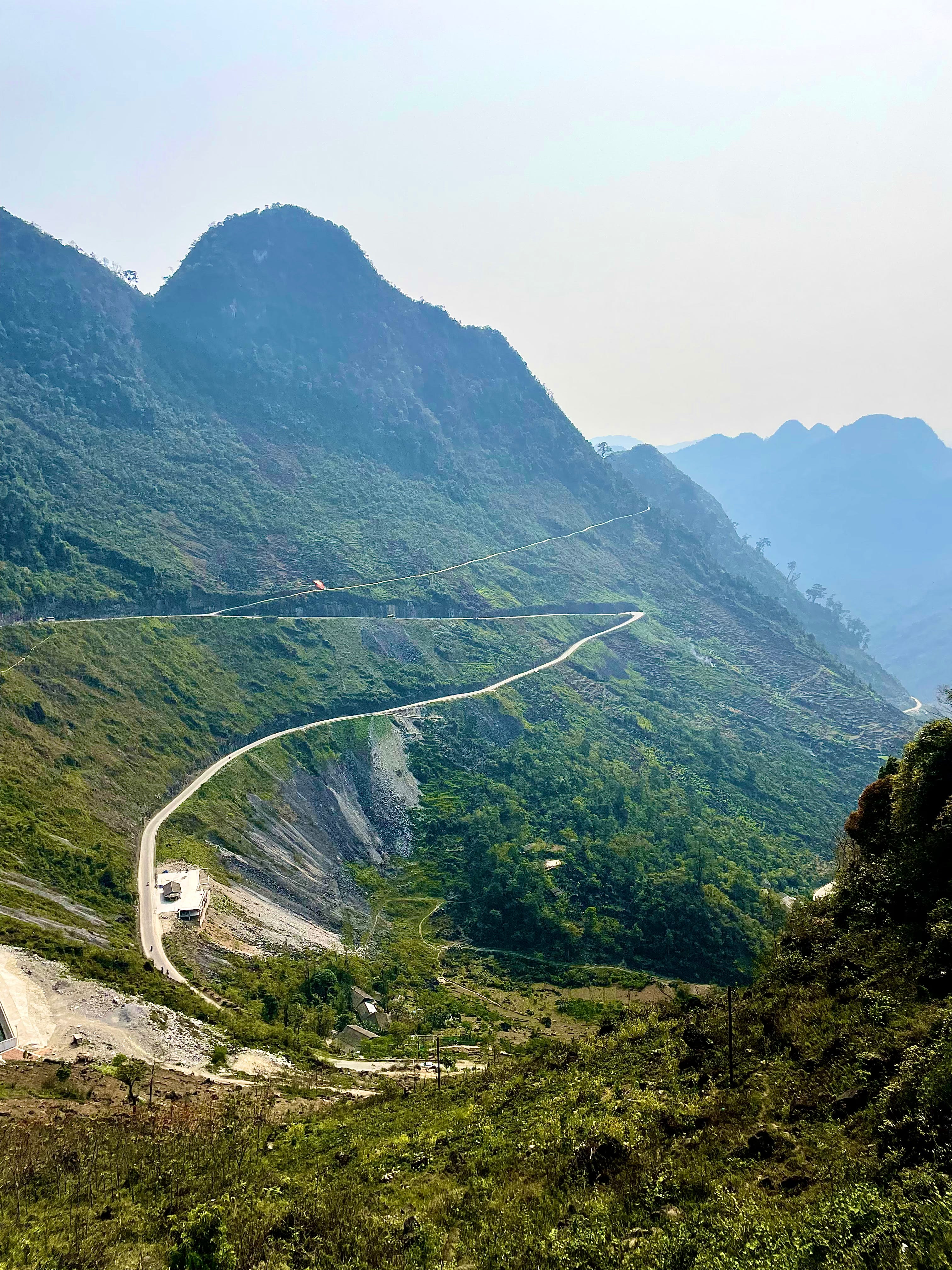
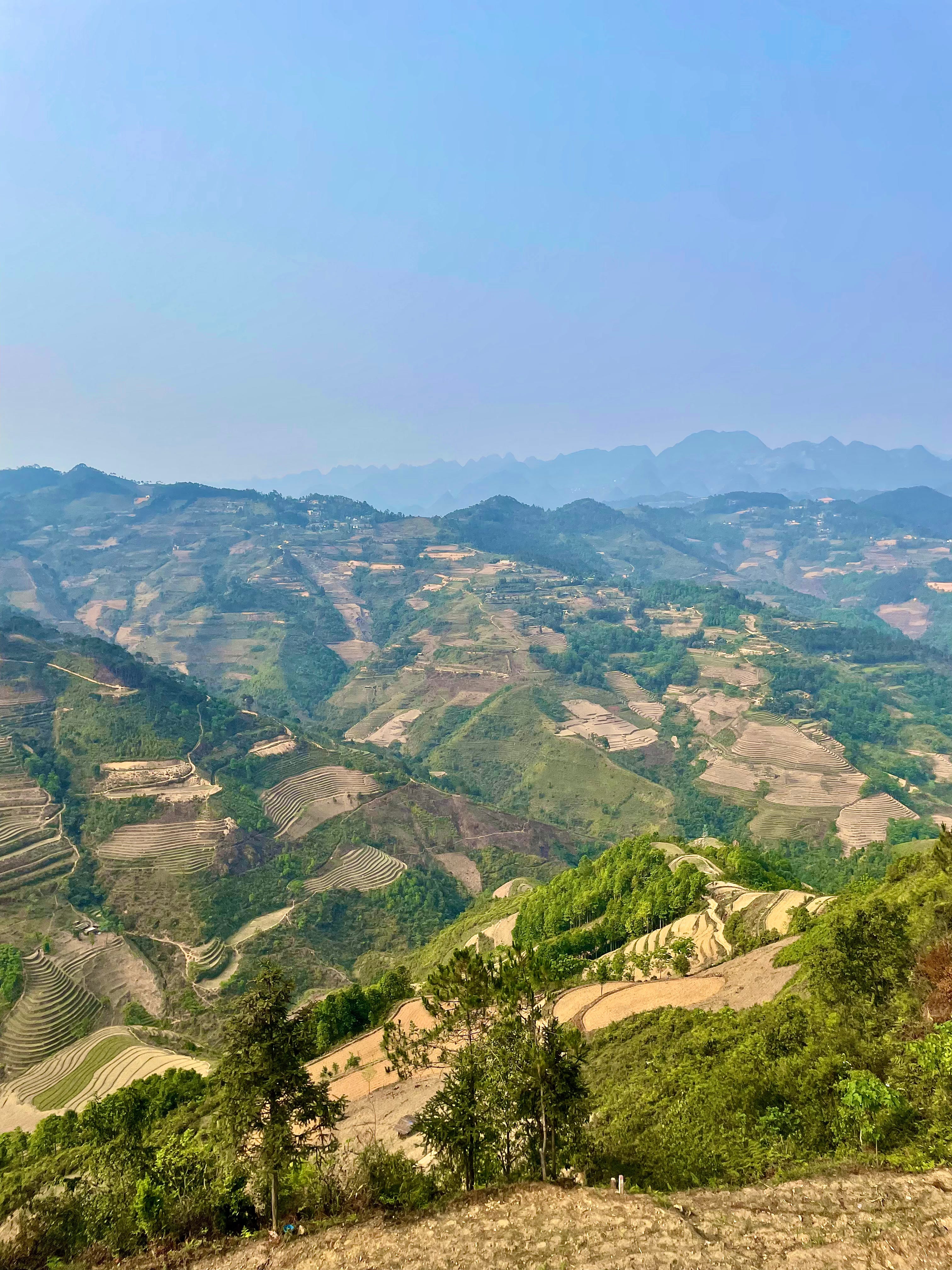
Some of the cafés were really sweet, and enjoying a tea or coffee over a terrific view is truly special. I reckon doing the loop yourself and taking your time with it would be perfect, if you’re confident. Other establishments were a little more interesting – think karaoke on a cliff edge at 10am type stuff. That’s the deal in Vietnam though. They live loudly, even in the mountains!

Every evening, we would pull up at a hostel and settle in for dinner. The hostels we stayed at were very clean and comfortable, and we were extremely well fed, I must say.

However, before each meal, our drivers sat behind our chairs and forced us to repeat the Vietnamese drinking chant whilst knocking back shots of rice wine4. This was novel the first night – less so by night two – and by night three, I was ready to smash the shot glass and swallow the pieces.

By some twist of fate, it seems, my driver and I were spiritually aligned because he seemed as awkward and uncomfortable as me about the whole thing. “Are you an Aquarius?” I said on Google Translate. “Yes!” he said. As a rather awkward Aquarius rising myself, the immediate kinship was a comfort, especially when I saw him sneaking off to bed to avoid the singing.

On our last day, we stopped by a lake and went for a swim in the cave. That was a lot of fun and a nice way to end the experience. Apparently this is only available if you book the four day excursion. Everyone online suggested that I book the longer tour, so I did – but to be honest, you’ll get to see as much as you need to from the shorter trip, I reckon.
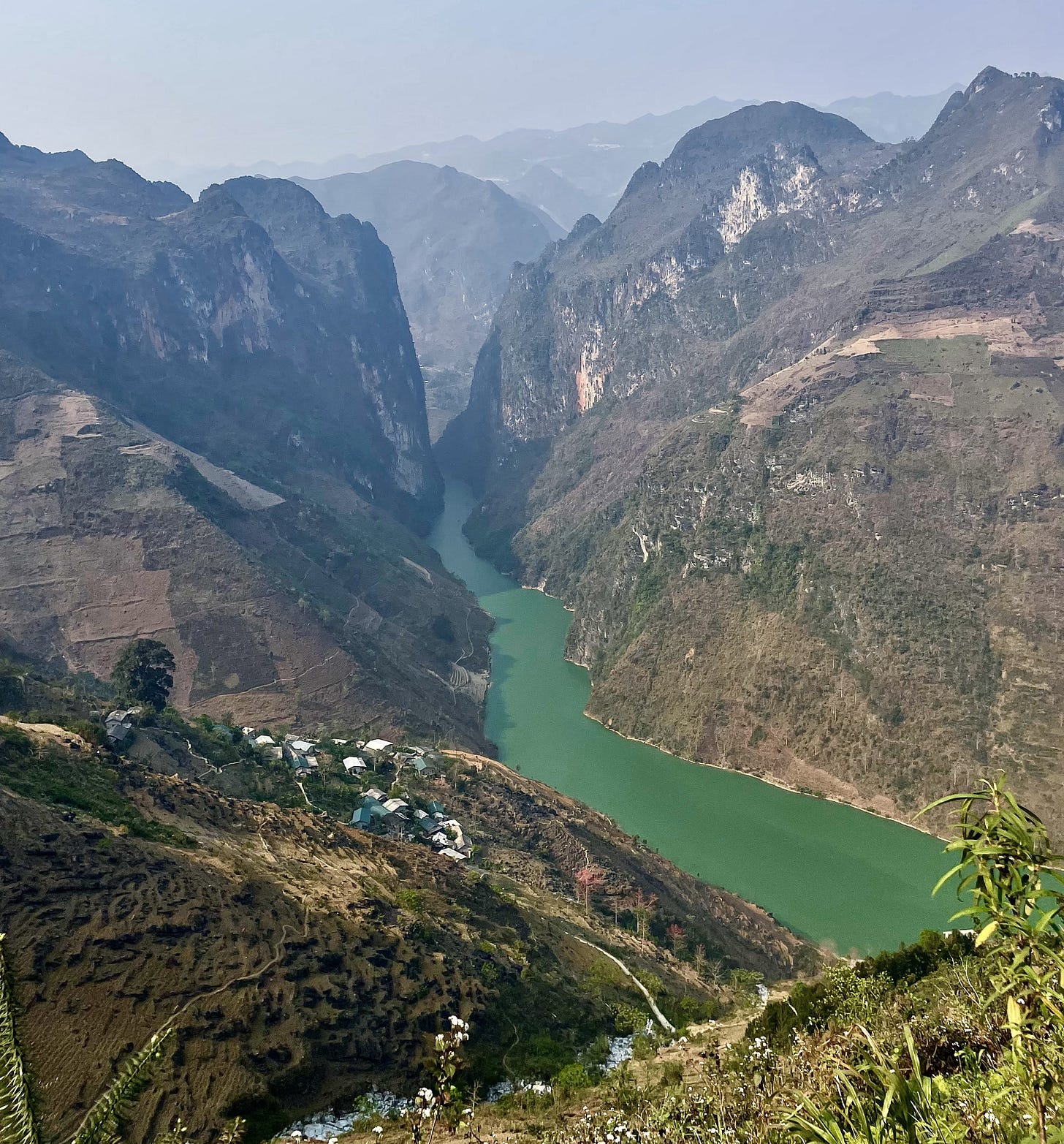
I’m a grumpy bugger at times, and had been backpacking for a while at this point, so don’t let my review put you off doing the Ha Giang Loop. I still had fun, and the scenery is wonderful – that cannot be overstated. It’s also very affordable, costing around £150, so not pricey at all for what you get to experience.

I am also a realist though, so do want to be honest about the fact that this trip won’t be for everyone. If I had my time again, I would travel with a smaller, quieter group5. Due to the young age range with Bong, there was way too much forced partying, and they couldn’t seem to read the room that we didn’t want that experience every night, given the 7am starts. On the other hand, I felt very safe, everything was prompt, the drivers were nice and it was very well organised.

My top tips for making the most of it as a solo traveller are:

Check in with yourself before booking. What size group would you rather go with? You’ll likely bond more in a smaller group, but everyone’s different.

Dress warm. This is so important. Check the weather, message people already there, ask on Reddit or Hostelworld. Find out what the temperature is like just before hand.

Bring cash. For tips and snacks.

Bring earplugs (I opt for Loops) to drown out the karaoke if you need an early night.

UPDATED April 2026* – Expanding on the above, given some questions I’ve had from people following the death of a British teenager in April this year.

I have not edited the blog post above, because it was my authentic experience. But following the death of a British teenager in April this year, I wanted to elaborate on some points of consideration for those of you considering the loop. I am not a journalist, so can only speak from my experience and opinion.

  1. HYPE – my point about travel Tiktokers in the first paragraph still stands. Please remember that they are not journalists, or critical thinkers. Most are just looking for clout. That doesn’t mean they’re lying, of course, but my advice before booking any travel experience – especially a dangerous one – would be to use a variety of travel sources, including reviews, blogs, news articles, and books. If you don’t think you will be able to relax and enjoy it, just don’t go. ↩︎
  2. SAFETY – Hundreds of people ride the loop every day, and the majority of them are fine. But there ARE accidents and deaths. I had a friend of a friend who died on the loop a few years back, which I was aware of before booking. I am not going to pretend to be a reporter, but this problem is clearly coming to light now in the press. I would encourage anyone reading to take notice of the stats if they can find them, and make a judgement call based on their research ↩︎
  3. TRAFFIC – There’s a LOT of people on the loop. I personally did not feel that this was a massive issue on my trip, but it was clearly something that the local groups tried to manage (and, I believe, a reason for the continuous stopping). I imagine it’s only getting busier as social media pushes people to visit this part of the world. All those videos of girls with long hair throwing their arms up on the back of a bike? Picture hundreds of them at once, crowding the same roads and bends. ↩︎
  4. ALCOHOL – As I said above – Bong (like many hostels) encouraged drinking in the evenings, which really bothered me. I had a really nice, sensible driver, but this cannot be said for all of them. It speaks to a party culture that just doesn’t feel appropriate on a dangerous journey. I had the sense that the Vietnamese think that this is what people want, so they push it hard. You just have to trust that the drivers know their limits, and that is scary. It’s also not just the easy riders you need to think about – consider that other drivers on the loop (fellow travellers) might have been drinking too, and may or may not be ready to go the next day. ↩︎
  5. VIBES – If any part of what I have said is a concern for you, my advice would be to find a smaller group aimed at an older age group (no matter your age). There is no shame in it. ↩︎
Similar Posts

  • Swinging from the tree tops at The Gibbon Experience, Laos

    I cross from Thailand to Laos, for a proper weekend off.

    I wasn’t even planning to visit Laos during my South East Asia trip last year. Then one day in November, whilst hunched over my desk planning my route, I saw a deeply enticing picture – a wooden treehouse, surrounded by leaves, and doused in sunshine.

    It was a snap from The Gibbon Experience – a tourism-based conservation programme that allows people to stay in tree houses and zip wire across Nam Kan national park in Northern Laos.

    The organisation protects the area from logging by creating an alternative income, and gives the locals here a way of life. Guests that come here have a small chance of spotting endangered black-crested Gibbons (did we see them? Read on to find out).

    After a quick scan of reddit and TripAdvisor – my go-to for travel advice – it seemed legit. And as luck would have it, there was availability during the weekend I had planned to leave Chiang Mai (but not before – so book at least three months ahead!).

    Without much further thought, I booked a two night stay (the “Classic” tour) for around £300. This was the most expensive thing I bought during my time in South East Asia, where I worked for three months as a digital nomad – so I didn’t hold back. How else does one spend their weekends off in Asia?

    Entering Laos via the Thai Laos Friendship Bridge

    First of all, I had to get from Chiang Mai in Thailand – where I’d been working for the week – to Laos. That meant crossing the Thai Laos Friendship Bridge.

    This was my first land border crossing of the trip, so I was a little nervous, especially as I’ve mostly travelled in Europe which is pretty straightforward as a Brit.

    But having my passport photos and PRINTED e-visa in hand, made the process pretty simple. If you don’t bring this with you, ensure you have $50 crisp dollar notes so that you can pay for your visa.

    Laos is a developing nation, so a little preparation goes far.

    Most people heading into Laos this way will stop first at the nearest small town, Huay Xai (pronounced “Hox Aye”). Once I had crossed the border, a couple of buses took us into the town, making the process fairly straightforward and easy to navigate as a solo traveller.

    Luckily, you don’t need to get Lao kip (LAK) before entering the country – they accept Thai baht, and sometimes even US dollars. So do NOT use up all your Baht when leaving Thailand. You’ll need some to pay for the bus over the Friendship Bridge, and the driver in Laos (it cost us around 200 baht each).

    Once your baht is gone though, you’ll need cash. The kip isn’t a strong currency, and the country is cheap as chips – a clean dorm bed will set you back around £6–8, and meals are £1–3. The max you can get out of the ATM is 2M kip (around £70), so just grab the lot, and use it up – don’t get little amounts.

    Another big tip – the ATMs in Laos can’t be trusted. Take your money from the machine as soon as it comes out. I was with a girl whose cash got swallowed back in and one took my bank card later in Vang Vieng (a story for another time).

    Laos feels much smaller and rural after Thailand, because it is. Memories of the first five minutes include being overtaken by children on motorbikes, and wall to wall adverts for Beerlao.

    With this in mind, I had pre-booked a dorm room at “Little Hostel”. I needed a good night’s sleep, and wanted somewhere clean and comfortable.

    It really delivered, and the girl running it (who spoke excellent English) even made us a wonderful porridge breakfast. There’s a number of nice options for dinner too, but bear in mind, service will be VERY slow. That’s just what it’s like in Laos!

    Heading to the park, and facing my fear of heights

    The Gibbon Experience office is easy to find, and we headed there at around 8am to swap our bigger bags for overnight packs. After a rather glitchy safety video, we put our lives in the hands of the staff and started the two hour drive up the mountains.

    The next four hours was a blur that consisted of weeing in holes in the ground (common all over Laos), swapping extremely rudimentary small talk with our guides (mostly just smiling and nodding) and not looking each other in the eye until we stopped at the Gibbon Exp. Headquarters for lunch.

    There were eight people in my group (just three couples, and two solo travellers, including me), and after a filling lunch of glass noodles, we started to wake up, and managed to exchange names and back stories (long story short, we had a wonderful time together).

    Stopping for lunch at the headquarters

    The trip requires a fair bit of hiking, so be prepared

    We then took a shortish trek into the forest, where we were taught how to use the zip lines.

    It was a little nerve wracking to begin with, because – if you’ve seen the footage from my instagram – you’re extremely high up. In the tree tops, no less! In addition, neither of our guides spoke good English. For full transparency, there was a death in 2017, but since then, the organisation has tightened it’s health and safety (and critically, weight limit). I knew this ahead of time and felt comfortable, but do your research and consider what feels right to you.

    I’m actually slightly afraid of heights, but the minute I jumped off the ledge, I was just buzzing. Nothing can prepare you for the incredible views of the canopies, and the quiet sound of the forest around you as you’re speeding along the wire – that’s for sure.

    After a couple of hours, we zip wired towards our treehouse and retired for the evening (at around 4pm).

    Dinner at our treehouse

    As the sun started setting, it was time to explore our home for the weekend.

    The treehouses, raised over 40 metres off the ground, are wonderful. It was just like being in Swallows and Amazons, but with modern accompaniments. I’m talking a flushing toilet, electric lights, and a waterfall shower. Yes it’s cold – but it comes with a view of the jungle, so compromises must be made!

    Dinner consisted of spring rolls, eggs, rice, noodles and coffee, and was wired in by the guides, who also joined us for traditional shots of rice wine.

    Zip wiring for days on end is tiring, so when the guides left, after helping us with our beds, we deftly located the biscuit box and guzzled them down whilst playing card games.

    When darkness truly fell, the six of us turned off the lights and listened to the sounds of the dense wildlife, before getting into our enclosed ‘bed tents’ and settling into a deeply comfortable sleep.

    The forest is noisy at night, so bring ear plugs if that bothers you (I quite enjoyed it).

    Bonding with the wildlife

    Up at 7am for brekky, which – given it was a repeat of the last evening – was a bit of a shock to the European tummy. The food remained the same for the next 3 days, with slight variations each time, and allowances for the vegans in the group.

    After coffee, we were back out on the zip lines until 11.30, with a fair bit of hiking in between. Not unmanageable, but something to keep in mind – you don’t slow down much, and even our group (20s–30s) was getting tired. Luckily we had a solid three-hour break back at treehouse five for lunch and a nap.

    In the afternoon we explored the other treehouses – the 50m-high one, the big 11-person one, and the honeymoon suite where we met a lovely retired couple that had met in Cambodia. All were wonderful, but we still felt that ours had the best view.

    We spent the evening looking at the giant spiders in the rafters and trying to catch a rat we saw deep-throating our ketchup bottle. There were also some bats flying through – they didn’t bother us, but definitely get your rabies jabs before coming. I will stress that the sleeping situation unnerved me before I left, but the mosquito nets around our tents were solid, and nothing was getting in. It was plenty warm, and pretty cosy!

    After another brilliant sunset, we were up at 5.30 the next morning for a final hike to the viewpoint. This time we headed toward a special viewpoint where the gibbons tend to feed. Unfortunately, despite lingering for some time, we did not see any – but we did hear them singing in the distance, which was a highlight.

    We packed in a little more ziplining that day, and by midday, we were back at the village for lunch, photo swapping, and the journey home. We were absolutely shattered by this point, but having bonded on the trip, much laughter was had on the way home – a sea change from the way there!

    It really was a wonderful and unique experience, for not that much money by UK standards. You can take a one night trip, but the “Classic” two night tour is less popular, more intimate, and only slightly more expensive, so I would suggest doing this. Just ensure that you book well ahead (at least three months in advance).

    My top tips:

    • Bed sharing – As a solo traveller, I did have to share a bed with a guy my age. I was comfortable with this because we got on very well, but some people might not be
    • Wildlife – Whilst I was anxious about spiders and rats, they didn’t prove to be a problem. The beds are really secure, and as long as you put your net right around it (which we did), you’ll be fine. For the spiders, my advice is to simply not look at the rafters. We did see a rat but the experience turned out to be more amusing than scary. Don’t bring snacks though, as they will eat through your bag. There are bats flying around, so get your rabies jab!
    • Games – Bring card games for evening time. I advocate for Monopoly deal
    • Timing – I’d opt for dry season, but the trips do run in the rainy season too
    • Clothes – Pack as little as you can manage, but long sleeves for the evening (I went in dry season / February). Bikini for the shower (although there is a curtain)
    • Gibbons – Accept that you probably won’t see them, but you’ll still have fun
    • Length – Do the Classic / longer tour (not the Giant Loop)! It’s a more intimate group and you see a lot more

  • I swapped London for nomad life in Asia. Was it worth it?

    In early 2025, I left London and headed to Southeast Asia to see what life was really like as a digital nomad. One year on, was it worth it?

    FEBRUARY 24, 2026 WOMEN MEETS WORLD

    I recently read a BBC interview with Julie Williams, an IT consultant from Birkdale on Merseyside. She had decided to make a ball pit in her spare room, rather than rent it. Why? For fun. ‘You can never be sad in a ball pit.’

    Stories like this are important because they remind you of your free will. Julie’s is especially unique because the ball pit came at the expense of financial gain.

    For most people, that’s just not the default position – whether they need the cash or not.

    I found myself thinking a lot about free will when I turned 30. I’ve never really clung to traditional milestones (house, baby, marriage, divorce), and count climbing out of credit card debt as the maturest moment in my adult life to date.

    But the flood of birthday invites from friends – right before the hen dos – gave me pause to reflect. Was I happy? Had I challenged myself enough? Was I excited about the next decade?

    Who am I?

    Not to get too Lewis Carroll about it, but this last question was the catalyst for me in late 2024. In a way, I felt that I didn’t know myself anymore, or at least not all the versions of myself – just the city-shaped, university-fied version. And she was restless.

    Meanwhile, semi-remote work in London had become my new normal. The days of spilling out to the pub every week with colleagues had gone. I had a lovely team in my PR job, but rotating schedules meant it took too long to get past the pleasantries.

    People generally – and I include myself in this – seem to have become more protective of their time since I moved to London in 2017 (and perhaps all over the country).

    I don’t think this is a bad thing. Hell, if you’re going to replace me with AI, at least give me another 30 minutes in bed / to read to my kids / paint / write / support a charity / or stare into the abyss.

    Having one foot in, one foot out, however, began to wear on me amidst the rising cost of living in the capital. I still considered myself a creative and curious person, but did I really want my days to be defined by the price of flat whites and whether a Soho House membership was cost effective?

    I take comfort from water cooler culture as much as everyone else, so I’m not bashing these things – they’re part of the fun.

    But when I found myself googling ‘Martin Lewis wife’, something had to give.

    Was it burnout? I’m not sure. But in need of a change of scene and some inspiration, I decided to give this digital nomad lark a go, beginning with three months in South East Asia in early 2025.

    Who knew what would happen after that. But I’d work less, and live more, often with strangers – which would at least break me out of my comfort zone.

    I’m not alone in seeing the attraction of nomadism, especially if your job allows it. According to a report by CV builder website LiveCareer UK, an estimated 165,000 UK professionals have relocated abroad to work remotely in recent years, seduced by better weather and (they hope) greater work-life balance.

    Some roam around, as I did, making the most of the opportunity to see the world. Others seek stability in well-established hotspots that offer structured visa policies, tax incentives and ready-made communities.

    To cut a long story short, I didn’t end up moving permanently abroad. But I did see a lot of cool things, regain a sense of direction, and create a stable freelance set up that now allows me to travel whenever and wherever I want, whilst keeping roots in the UK (which is how I like it).

    Giving up a normal routine has not been without its challenges – anyone that’s become a nomad, travelled alone, or even that’s relocated will agree with that, I’m sure. But between the relentlessly positive portrayals of nomadism on social media and the often sceptical narratives found in the UK press, there is a lot of middle ground.

    As a thirty-something experiencing this lifestyle for the first time, I hope this blog provides a balanced account of what it’s really like as work and life become increasingly flexible and multihyphenated.

    Happy reading.

    Chiang Mai, Thailand (February 2025)

    Blue Mountains, Sydney, Australia (April 2025)

    Porto, Portugal (September 2025)

    Moffat, Scotland (December 2025)

  • Petsitting from Porto – my side hustle expands internationally

    Plus, how does Lisbon’s cool sister fair for remote workers?

    Following an inaugural three-month stint as a digital nomad in Asia in early 2025, I returned home invigorated – but a little exhausted – by my new freelance lifestyle. Curious to understand what the European scene looked like, I started exploring options closer to the UK.

    Europe is, unsurprisingly, not as cheap as Asia or South America for nomads; but some countries are waking up to the advantages of hosting foreign remote workers. Portugal is one of them.

    Home to the first so-called “digital nomad village” on Madeira island, the country has made a concerted effort to attract location-independent workers. In 2026, it even introduced a dedicated D8 visa to make living and working there easier. With around 16,000 foreign remote workers, Lisbon has become so popular that the influx is now proving controversial, with concerns around gentrification and a siloed economy growing (see my blog about Chiang Mai in Thailand, where I touch on this).

    Outside of these hotspots, though, I hadn’t heard much about Portugal’s second favourite city, Porto. Porto sits on the west coast, in the north of Portugal; around three hours away from Lisbon by train. In olden times, Portugal was one of England’s more important allies, according to my favourite podcast, The Rest Is History. Nowadays, it’s best known for its Douro wines (including Port), pastries and (love her or hate her) J.K. Rowling, who lived there in the nineties.

    Curious, and having already had some success with pet sitting in the UK, I managed to secure a sit in Porto during October (full blog on how to get into this coming soon); making for a far more affordable trip. So, off I trotted for a week of exploration in the country’s wine capital.

    Is there a nomad scene?

    Unlike Lisbon, which has flourished as a long-term base for remote workers, Porto tends to attract fewer digital nomads setting up here permanently, it seems.

    Based on my time there, my sense is that this is partly cultural; many cafés don’t encourage laptops for long stretches, and the nomad community isn’t yet large enough to sustain the same density of coworking spaces and regular meetups. Some nomads will no doubt disagree – but for now, Porto feels less geared towards full-time remote work. Of course, that may well change if Lisbon continues to feel over-saturated.

    Coming at this from the perspective of someone who isn’t working full time, I found Porto to be a pleasant and peaceful location to work from, however. There’s reliable Wi-Fi, comfortable places to dip in and out of work (that allow for at least a few hours of focused work), and I felt like I was merging with local life. For freelancers, creatives, or anyone balancing work with travel (perhaps for shorter periods like me) – rather than clocking a strict nine-to-five – it was a good setup.

    How I spent my time in Porto

    There’s plenty to do in Porto, and it felt like a truly liveable city to me. Visiting in October meant it was mild (but a little rainy!) and wasn’t overrun with tourists. Locals were incredibly friendly and keen to make conversation, which really struck me. Here are some fun activities to add to your list if you’re visiting:

    Admire the terracotta rooftops from the Dom Luis Bridge

    Personally, the first thing I look for on a city break or solo trip is a walking tour. I booked one via my hostel, which took us around the local sites, including the fanciest McDonald’s in the world (which is nothing to write home about, but fun to see) and some beautiful viewing spots, including Sé (Porto’s cathedral) and the Dom Luís bridge, which crossed the Douro River.

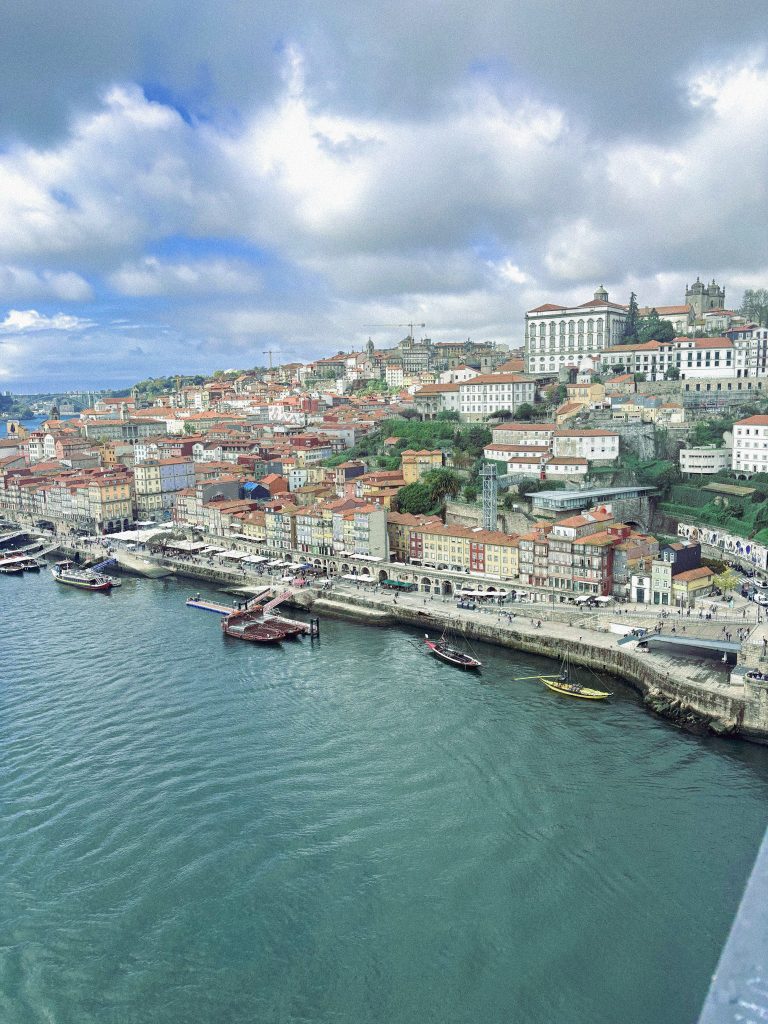
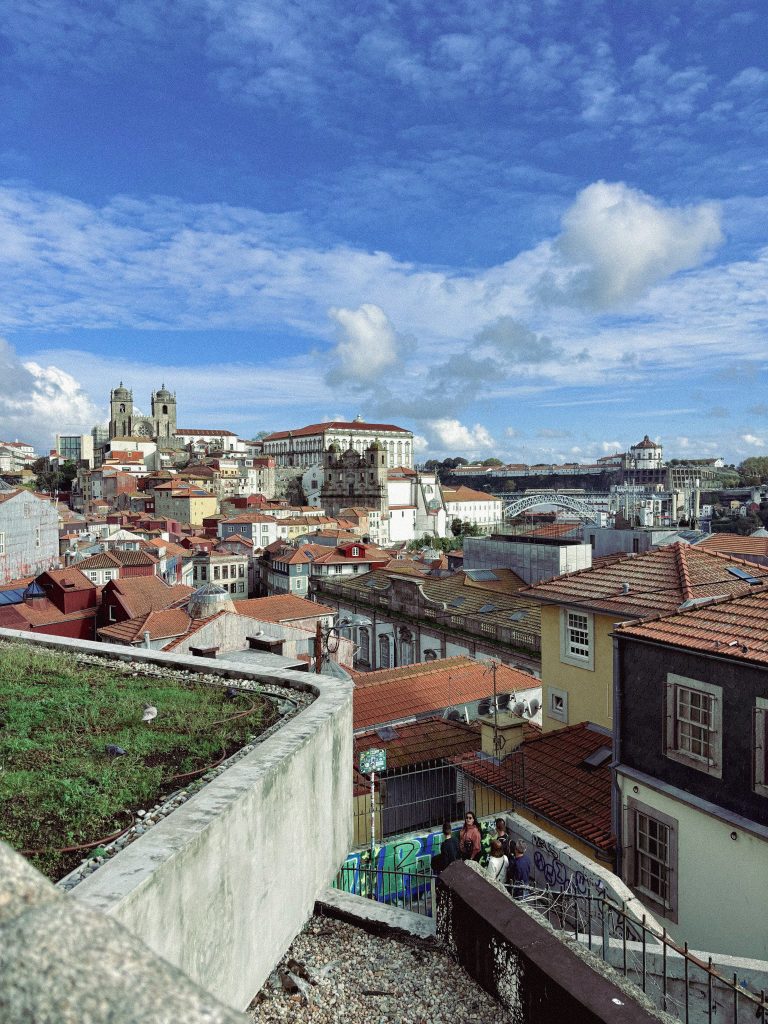
    The mix of ageing white and amber buildings lining the riverbank in the Ribeira district makes for a gorgeous sight and you’ll even find that the famous amber roofs sparkling in the sunlight, thanks to the sharp seagull deterrents. Magic!

    Worth noting that Porto sits on a steep slope beside the river; its narrow roads and staircases don’t make it easy to manoeuvre around – even with Ubers – so bear this in mind if you have health or mobility issues.

    Try a Francesinha

    I hadn’t put much planning at all into this trip, but luckily a pal of mine was in Porto at the same time visiting a local pal. After sharing a couple of bottles of rosé at a bar called Bosco (recommended for its views of the city!), she advised that we head out for something called a Francesinha.

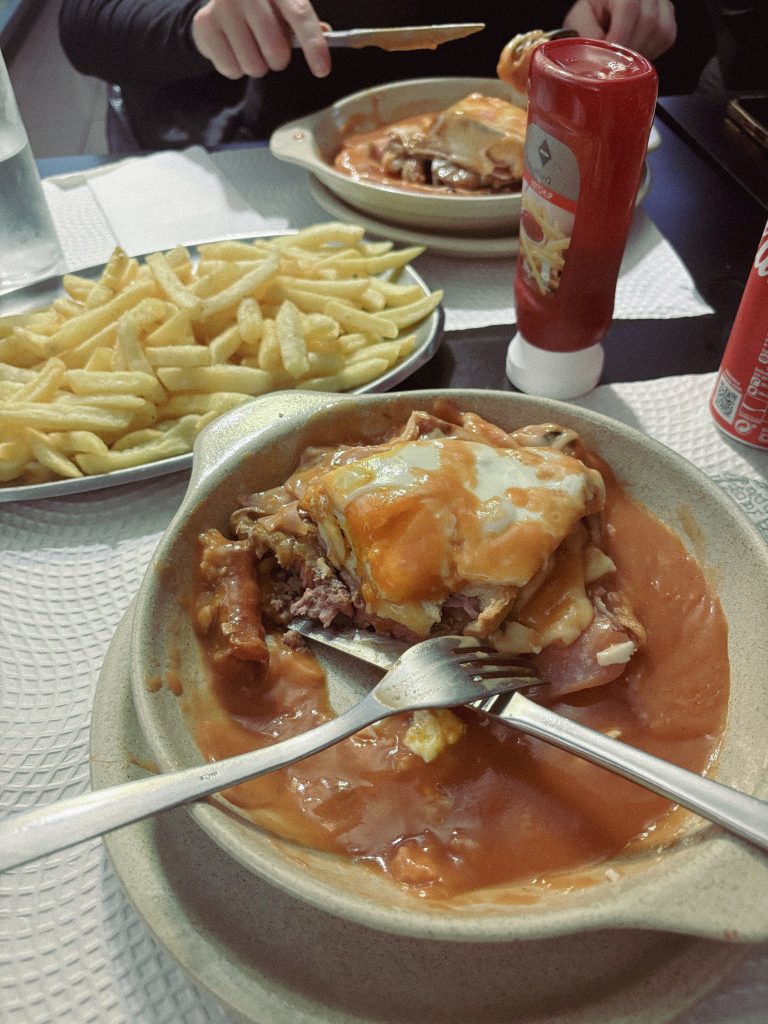
    This is an indulgent Portuguese sandwich originating from Porto, featuring layers of bread, steak, ham, linguiça (sausage) and chipolata, smothered in melted cheese and a thick, savoury beer-and-tomato sauce. It tastes like eating a ham sandwich covered in spaghetti hoops. Bit weird, but sort of a must-try whilst in Porto.

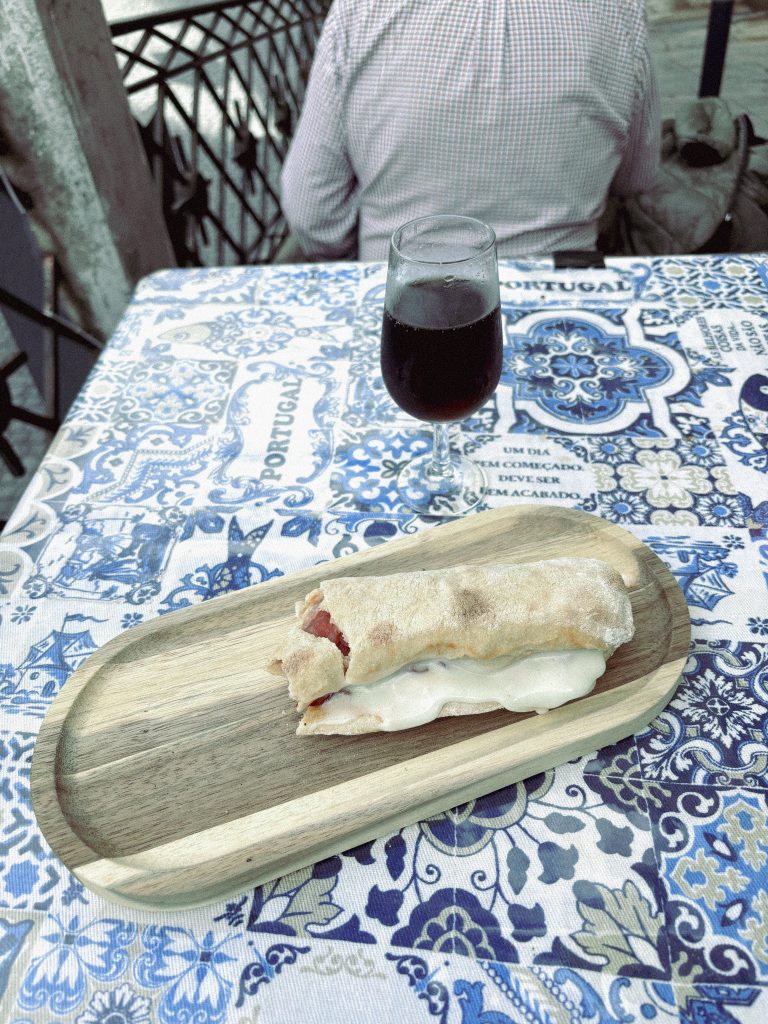
    Aside from the Francesinha, I can recommend the warm pork and cheese sandwich from Bó Tá Quente on R. do Souto – another good spot for traditional cuisine.

    Sample the pastries

    People like to celebrate French pastries, but wow do the Portuguese know a thing or two about sweet, flaky snacks.

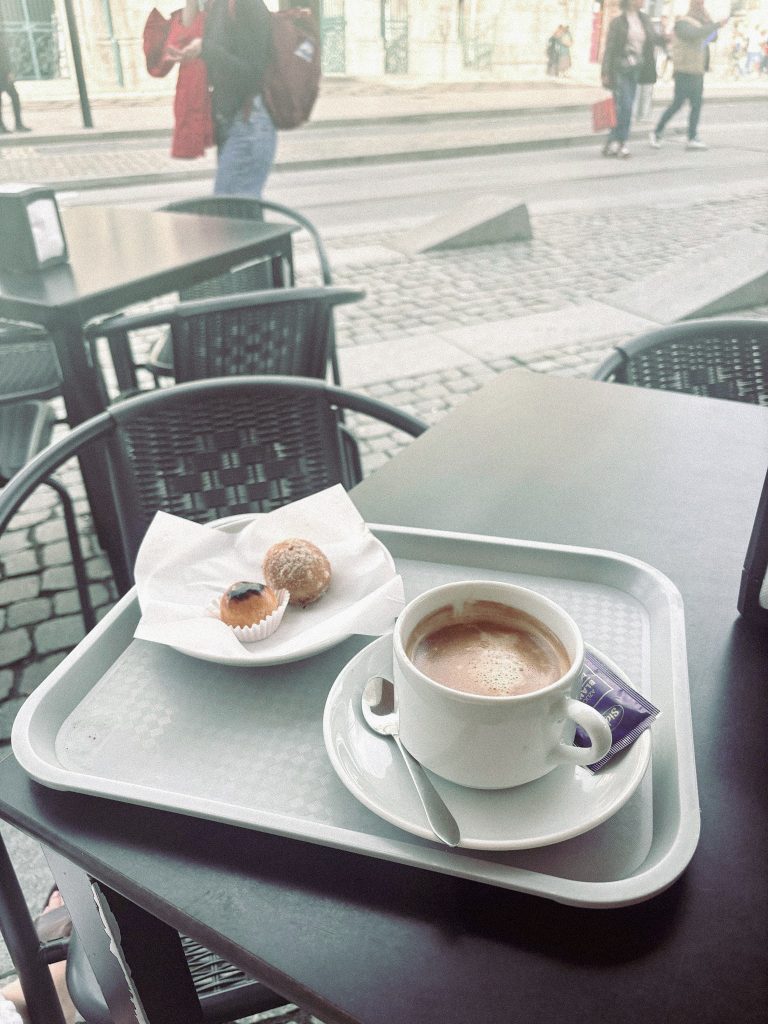
    One of the joyful things about Porto is that you don’t need to look far for a good pastry selection; although Confeitaria de Bolhão was busy, and had a big spread of goodies to choose from. Highlights have to be the pastel de nata (custard tarts with blistered pastry) and the ovos moles (a soft, sweet egg-yolk filling, traditionally wrapped in rice paper).

    Visit the Mercado de Balhao

    Described as a “recovered gem” following its restoration in 2023, this is a bustling indoor food market open every day other than Sunday. It’s a great place to grab a coffee and sample local treats, as well as do a bit of gift shopping.

    On my list for next time

    Walking the Camino

    Ah, the famous walking pilgrimage. This is on my wish list this year, although I’m still undecided on my route. The Camino Portugués from Porto offers three main, well-marked routes to Santiago de Compostela – Coastal, Central and Litoral – all starting at the Sé Cathedral. The Coastal and Litoral routes feature ocean views, while the Central goes inland through historic towns. All routes typically converge in Redondela, Spain, before reaching Santiago.

    Visit the Douro wine region

    It’s not just fortified wine made in Porto. Northern Portugal is famous for its Douro Valley, a UNESCO World Heritage site that’s easily accessible from the city. If you’re a wine fan, it’s easy to take day trips to the vineyards (which sit alongside the river) from the city.

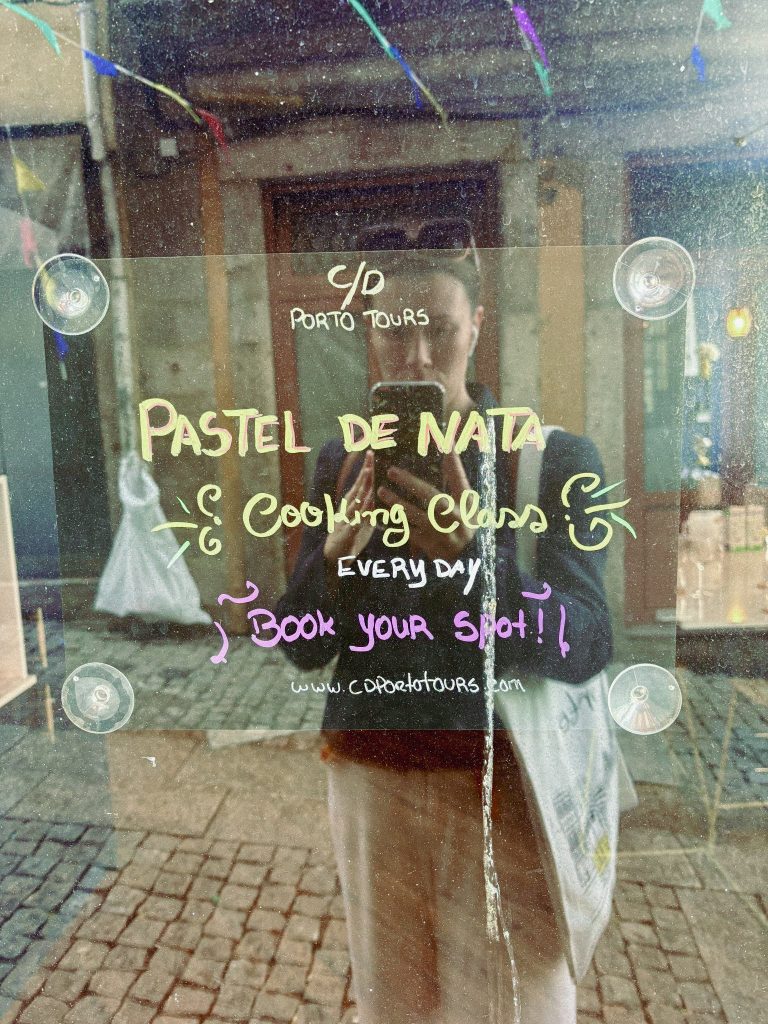
    Pastel de nata cooking class

    Why not find out how to make the wee eggy tarts yourself? I spotted an advertisement for this in the city and it struck me as a fun thing to do. I’d be genuinely fascinated to know how they’re made but sadly ran out of time for this, myself.

  • Can you watch Netflix? Lessons from my Chiang Mai “Monk Chat” experience

    It’s what the people want to know, right?

    Whether it was a war, invasion, or act of terror, ideological conflicts dominated the news agenda when I was in school. Keen to understand more, I took Religious Studies to A level, studying the world’s major faiths in relative depth.

    At their core, they share similar moral frameworks. But between the lack of wars, focus on selflessness and preservation of animal life, Buddhism was the easiest one to actively “lean into” (and – critically – didn’t involve worshipping some bloke).

    So when I visited Thailand earlier this year to experience life as a digital nomad, I was excited to hear that you can book time to speak to monks there, as part of a nationwide scheme called “Monk Chat“.

    How prevalent is Buddhism in Thailand?

    With a temple around every corner, it’s not hard to see that Buddhism is still the dominant religion in Thailand. The country is home to around 200,000 monks and 85,000 novices at most times of the year, according to Buddhanet.

    Strikingly for me, is the fact that most Thai men ordain at least once in their lives. They’ll typically join a wat (monastery) before starting work or university – sometimes even returning mid way through life – and can leave, or rejoin, whenever they want. Like spiritual rehab.

    If you’re interested in why (and perhaps what the effect of this is) take a look at this article.

    The “Monk Chat” scheme specifically, allows people to learn how monastic life shapes Thai society, in exchange for a bit of English language practice. Chiang Mai – in the North – is considered the centre of the movement, so I booked a half-day meditation retreat at Wat Suan Dok, in the centre of the old town, when I visited last February.

    Introduction to Buddhism

    After a quick cup of tea, our teacher, the head monk, began by outlining the basic history and core principles of Buddhism.

    A lot of people assume Buddhists worship Buddha, but that is not true. They do not worship a creator God or idol – not even the Buddha himself, although his journey toward enlightenment, and teaching of Nirvana, is central to the philosophy.

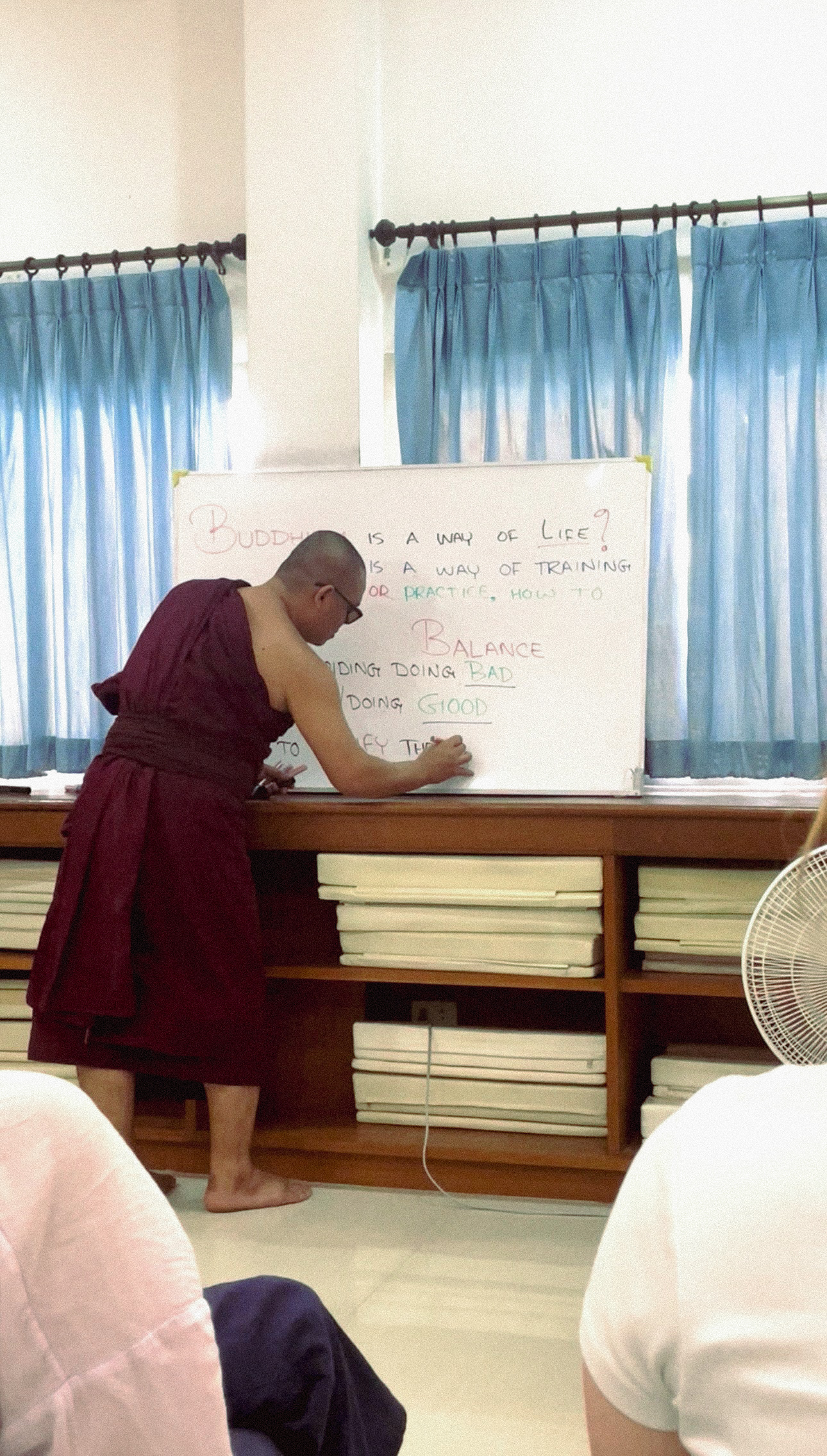
    Instead, Buddhism is better understood as a practice rather than a belief-based religion. “Train against doing bad; train to do good; and train to purify the mind,” he wrote on the whiteboard, summarising its ethical framework. Simple, right?

    It’s all about balance

    As to how much of this the average Thai person follows, I’m not sure. But it’s widely understood that 90% of the population define themselves as Buddhist, and pay close attention to the main principles.

    Meditation specifically, our teacher explained, is a tool for observing and regulating emotional responses, helping practitioners return to these principles rather than act against them in moments of difficulty.

    We then had a go at this ourselves – sitting for no less than 40 minutes – as he guided us through a seated meditation. I’ve always found meditation easier in a group, and after an emotionally charged first ten days of travel, the enforced stillness provided a rare opportunity to switch off.

    Question time

    Following this introduction, there was a group Q&A where you’re allowed to speak to the junior monks. I’ve been looking forward to this the most because I was genuinely interested in their way of life.

    Can you watch Netflix? Can you discuss the news? Play video games in your spare time? We found ourselves asking.

    I really wanted to understand what their habitual lives are like – especially at a novice level – as well as the role that monks play in the community. If I compare to the UK, for example, the Church is very active, and runs sort of like a charity / business. And who could forget the Benedictine’s at Buckfast Abbey? They’re making booze!

    We didn’t get far with these questions. Our hosts were happy to talk about the importance of meditation but overall, I felt there was a slightly missed opportunity to understand the social contribution that monks make in the modern age.

    But I guess it’s not their job to explain some of this, and we wanted to be respectful. There was also a language barrier, which is fair and understandable.

    What about the women?

    We did make headway on the topic of female monks (nuns), which felt significant, because they are not officially recognised by the state.

    According to a 2019 article I read in Reuters, though, more Thai Buddhist women are seeking to become full-fledged “bhikkunis”, or female monks, by getting ordained overseas, usually in Sri Lanka or India.

    Our companion clearly viewed these women as legitimate, but explained that nuns are required to follow 311 rules, compared with 227 for their male counterparts. This distinction comes from the Vinaya Pitaka – specifically the Pāṭimokkha – which sets out the monastic code of conduct. Like the men, women shave their heads and eyebrows upon ordination.

    This interview on the topic expands on why this is, and how this landscape is shifting. I’ve also added some videos from the sessions on my instagram (@womanmeetsw0rld).

    Is it worth attending?

    If you’re curious to understand Buddhism and meditation at a surface level, I’d absolutely recommend trying Monk Chat whilst in Chiang Mai.

    I’m interested in religious teachings and philosophies without any real intention to practise, so this half-day experience suited me well – though more in-depth meditation retreats are available for those looking to go deeper.

    It’s a donation-based scheme offered at numerous temples across Thailand, and I imagine each one feels slightly different: some more open and modern, others more structured and traditional.

    It was a genuinely enjoyable thing to do in Chiang Mai, and even if the session felt a little too focused on meditation for me personally, I found myself reflecting deeply on the topics covered afterwards.

    It’s not a bad way to spend a day off from work, is it?

    Trapped by traffic in Nimman, Chiang Mai

  • Cooling off in Copenhagen

    Is this the best city break in Europe?

    Following three months visiting Asia, Bali and Australia in early 2025, I was craving less stimulation and more structure for my next trip from the UK. After eight years as a Londoner, there comes a point where you want to trade a backpack for a trench coat and boots, and with a friends’ wedding in Sweden approaching in May, it made sense for us to visit Copenhagen first.

    I’d been curious about the Danish capital for some time. My parents spent their honeymoon there in the 80s and nearly always have Scandi drama on the go. I also recall having nightmares from a made-for-TV version of The Little Mermaid which, true to Hans Christian Andersen’s style, is far darker than Disney would suggest. 

    Luckily this trauma was corrected during my visit, and I left thinking Copenhagen might be one of my favourite city breaks so far. Maybe that was because, after the sensory sprawl of the far east, it felt so refreshingly calm and considered, with its wide pavements, seamless cycle lanes, and reliable public transport. Like a lot of Scandinavia, everything seems designed – not in a showy way, but in a cool, collected way.

    Keep reading for food highlights, what to do, and the best day trips from the city.

    What to eat in Copenhagen

    Copenhagen is a bit of a foodie dream – which sort of surprised me – so prepare to go with an empty belly and a ready palate. Here’s a suggestion for you to spend your day eating around the city: 

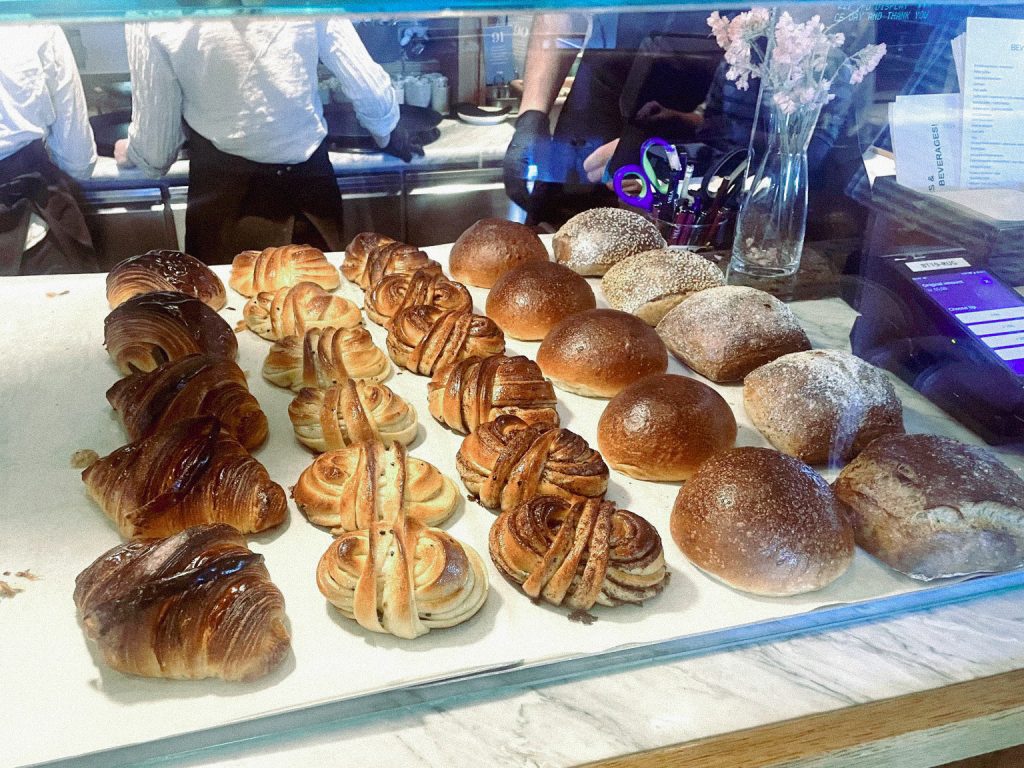
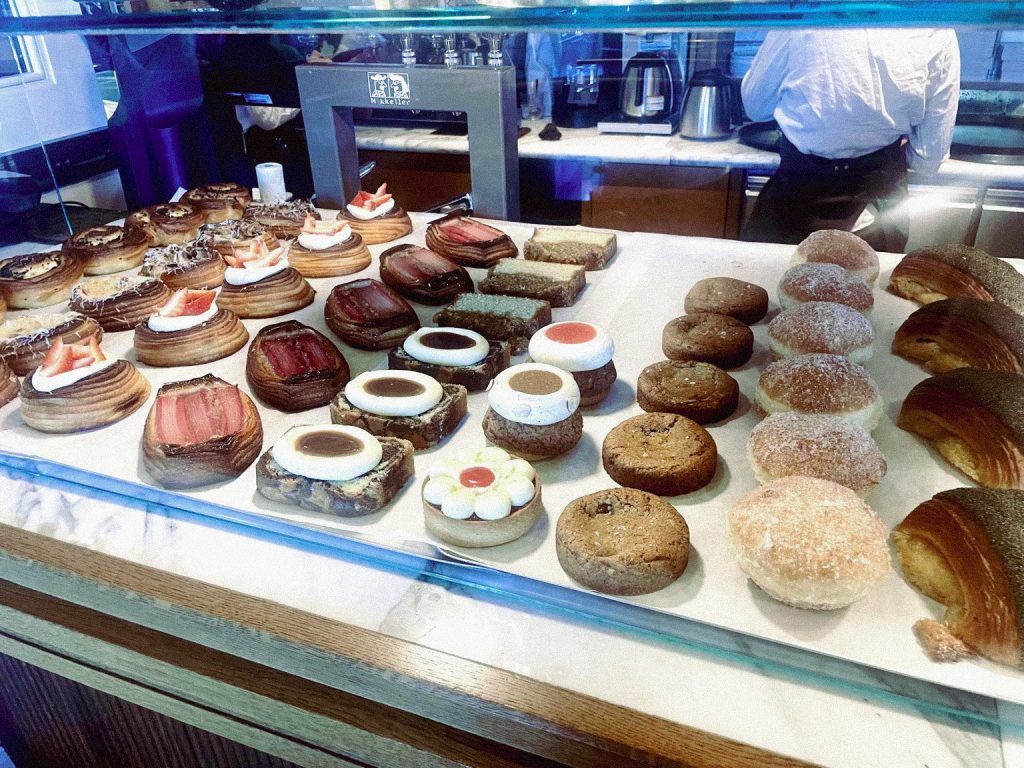
    First – bakery breakfast 

    Skip the hotel buffet and head to Rug or Hart Bakery for some beautifully curated baked goods. They’re quite upmarket places with spaces to sit down and enjoy your loot. Bring a friend so you can split a bunch of them between you (or pig out alone!) 

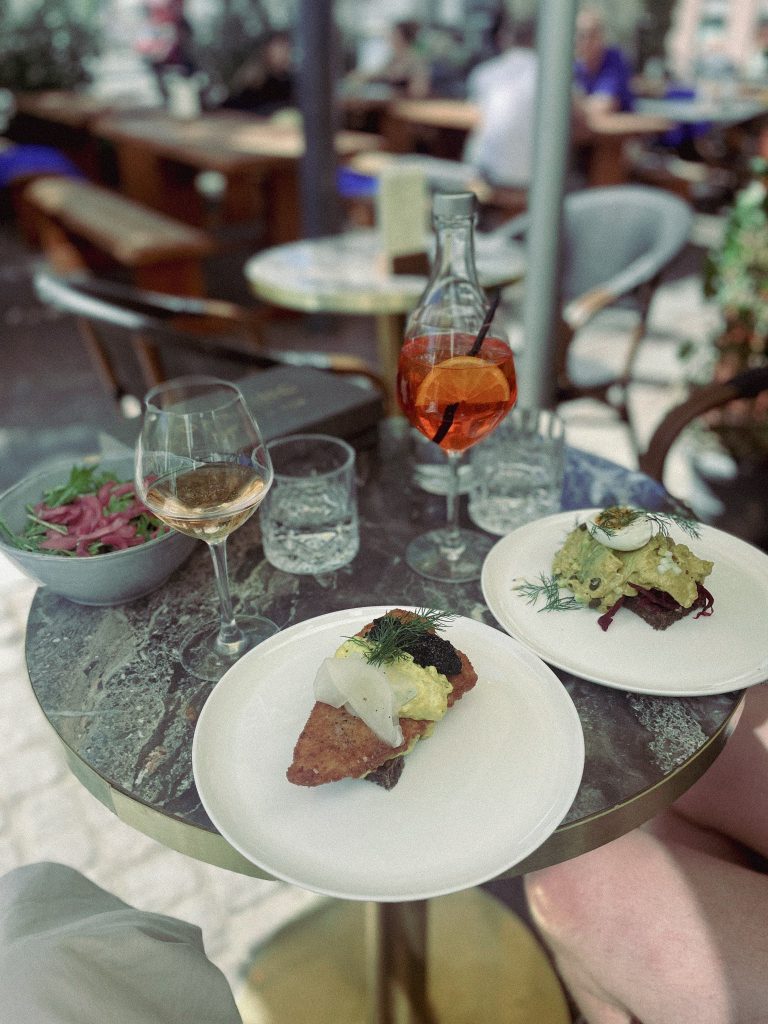
    Next – Smørrebrød and beers for lunch

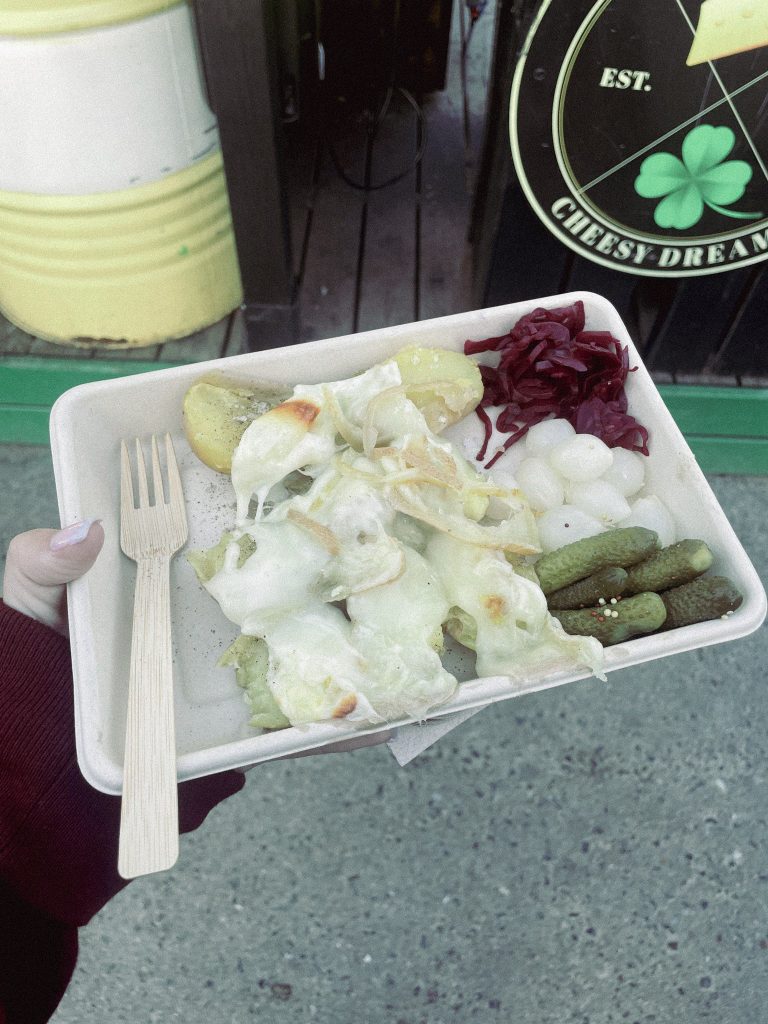
    Smørrebrød is a classic Danish open sandwich – sort of like oversized tapas. Imagine a base of tangy rye bread, topped with smoked fish and pickled veg. We stopped on Gammel Strand, but you can find them all over the city. They’re delicious but not cheap, so order a selection and split them between you. Wash down with a beer (Carlsberg or Mikkeller). I can also recommend Bird cocktail bar in the city centre for a classier beverage.

    Then – snacks at Broens Street Food

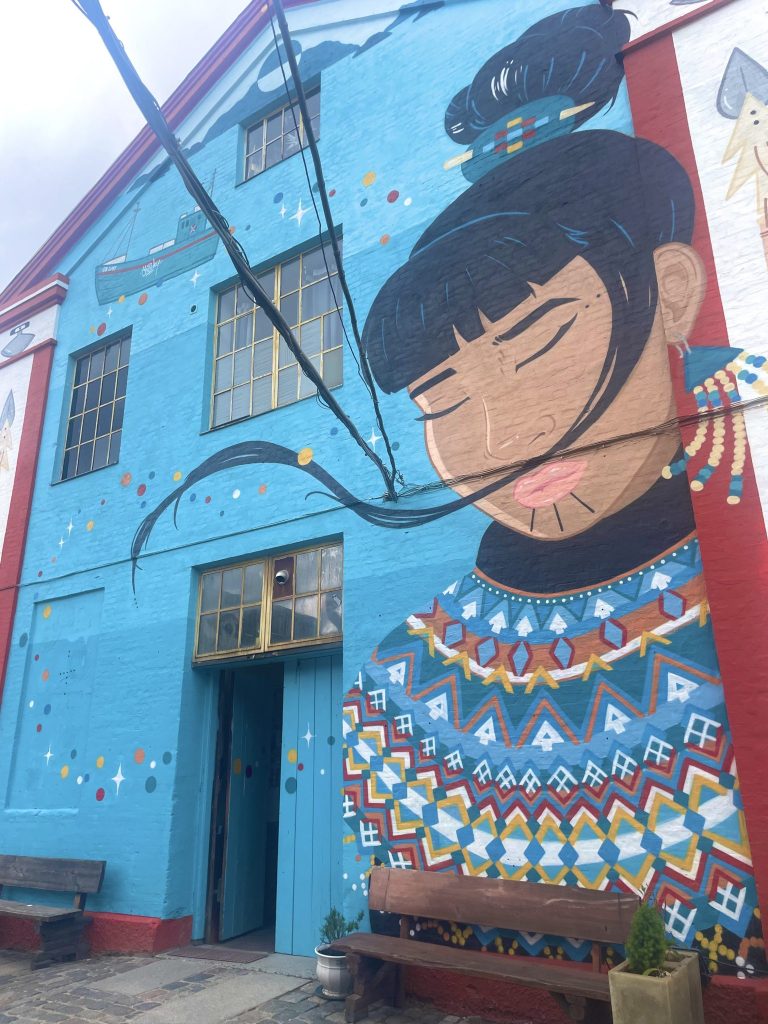
    Sitting opposite the Inderhavnsbroen bridge, this is another cool food market from whence to snack, but you could also have lunch or dinner here. It is located on the Greenlandic Trade Square where the traders from Greenland, Iceland, the Faroe Islands and Denmark used to arrive after long journeys across the oceans. It’s a lovely spot from which to look over the water. Opening back up in March, it even offers yoga, social dining and other events to enjoy.

    Finally – dinner and drinks at Reffen Street Food Market

    Proclaiming itself as the “largest street food market in Northern Europe”, this is another buzzing food market on the waterfront, hosting food stalls from around the world. For Londoners, it has a bit of a Hackney Wick vibe, complete with beautiful street art. Like Broens, it opens again in March and offers regular events that I’m always ogling on Instagram. A perfect way to see the sunset.

    What to Do in Copenhagen

    Most guides will suggest visiting Copenhagen for four days, which feels reasonable to me, although I stayed longer and felt there was plenty to see.

    Here’s fun activities I’d recommend adding to your trip itinerary.

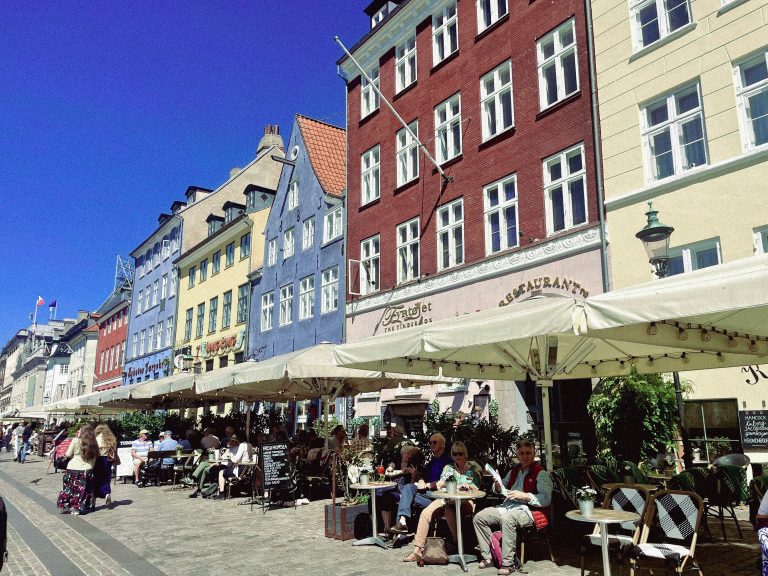
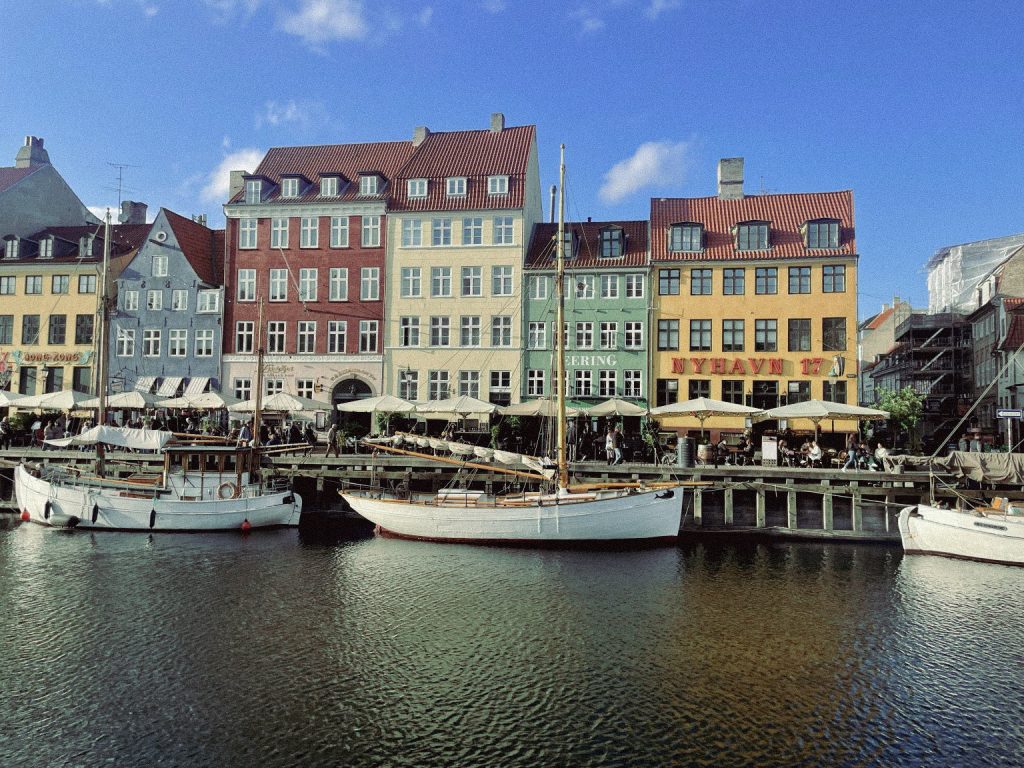
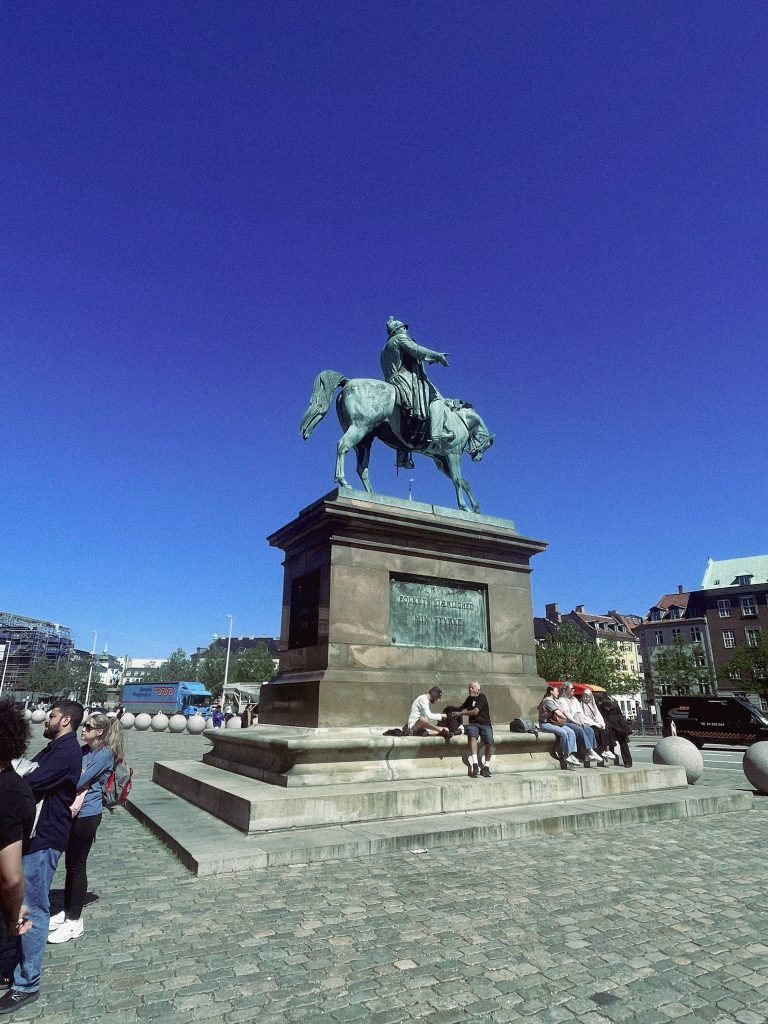
    Take photos at Nyhavn

    Spend some time walking about the iconic 17th-century waterfront, canal and entertainment district. Despite being a little touristy and expensive, it’s a great spot for photos. Just look at those gorgeous buildings.

    Learn about hygge at the Happiness Museum

    The Danes are pretty well known for their commitment to hygge – but what does that actually mean? Well you can learn all about it at The Happiness Museum, curated by Denmark’s Happiness Research Institute. Lots of fascinating takeaways from this place about how different cultures measure happiness and I found myself reflecting deeply afterwards. All millennials (or anyone feeling slightly lost in life) should come here!

    Marvel at chairs at the Design Museum

    I cut my teeth doing design PR, so I couldn’t miss this and it totally delivered. Who knew so much thought went into the development of a chair? If you get satisfaction from efficiency and beautiful problem-solving, you’ll love spending a couple of hours at the Design Museum. 

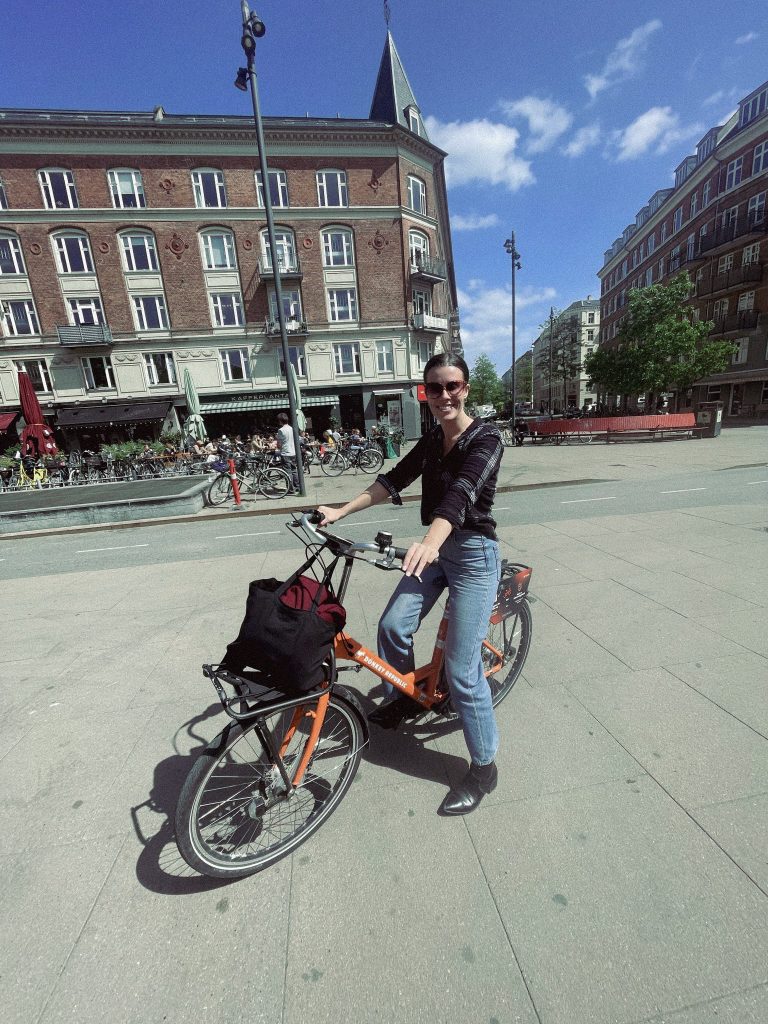
    Shake off the chill with a cycle about the city

    Probably the best way to see Copenhagen – especially between May and September. Use the app Donkey Republic to hire bikes.

    Do a walking Tour

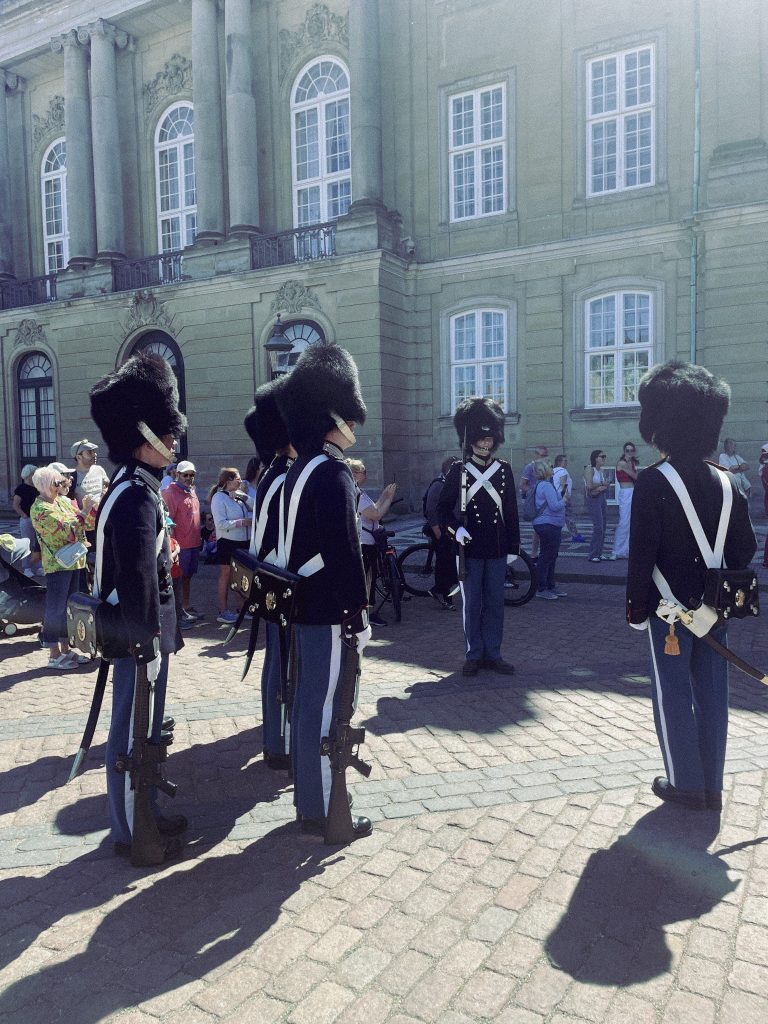
    A great way to understand the city’s history. Every tour is different, but ours covered the royal family and Denmark’s WWII experience. If you’re not booking via your hostel or hotel, try Get your Guide or Guru Walks.

    Visit the Little Mermaid statue

    Emphasis on “little”. She’s teeny but powerful – just look at her Disney empire! The statue is an ode to one of Denmark’s most famous writers, Hans Christian Anderson and sits in edge of the Langelinie promenade, making an excuse for a nice walk.

    Ride around Tivoli Gardens

    Continuing the Disney link – I recently discovered during this podcast by The Rest is History, that Tivoli gardens amusement park was Walt Disney’s original inspiration for the disney parks. Feels a bit random having a theme park bang in the centre of a city but if you fancy an adrenalin rush, it’s typically open from March.

    Art appreciation at Freetown Christiania

    Describing itself as an “intentional community”, Freetown Christiania is a separate community in Copenhagen with a history dating back to the 1970s. It has its own laws, flag and way of life. Visitors can enjoy the cafes, art, and market, and it seems there’s often live music and other arty things going on. It’s definitely worth seeing for a different side of the city.

    Cross the Bridge to Malmö or Lund

    Why not cross the bridge from The Bridge and head into Sweden?

    Copenhagen sits right on the border, and it’s just a short train ride across the Øresund Bridge into Malmö in Sweden. From there, Lund is around an hour away.

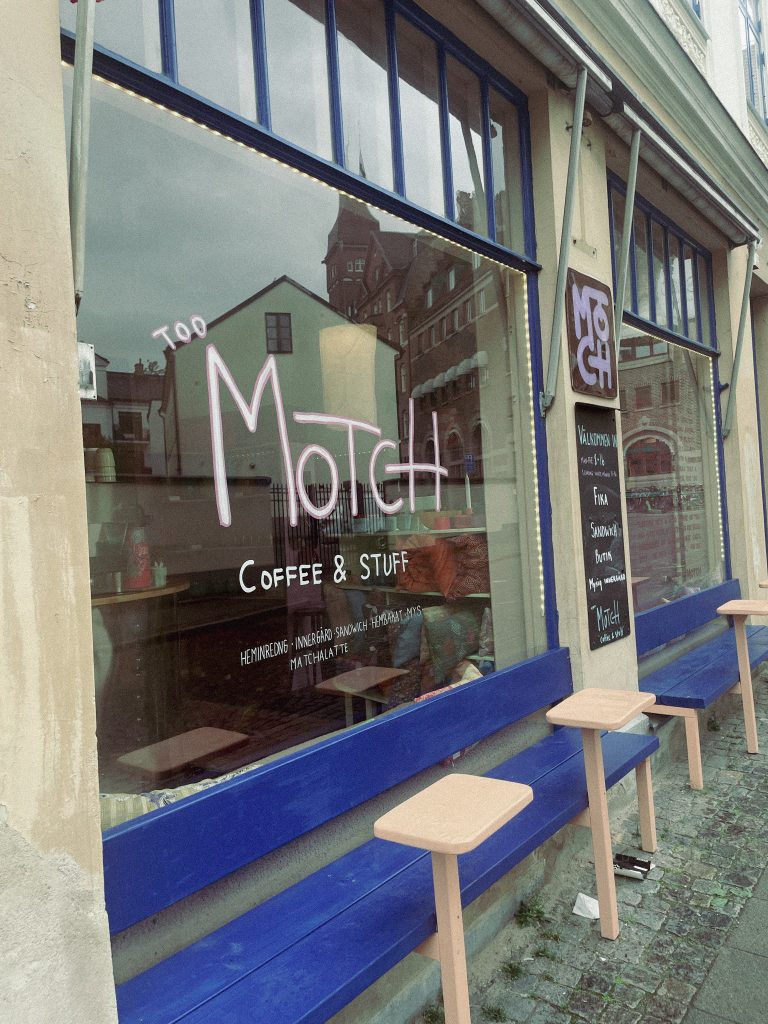
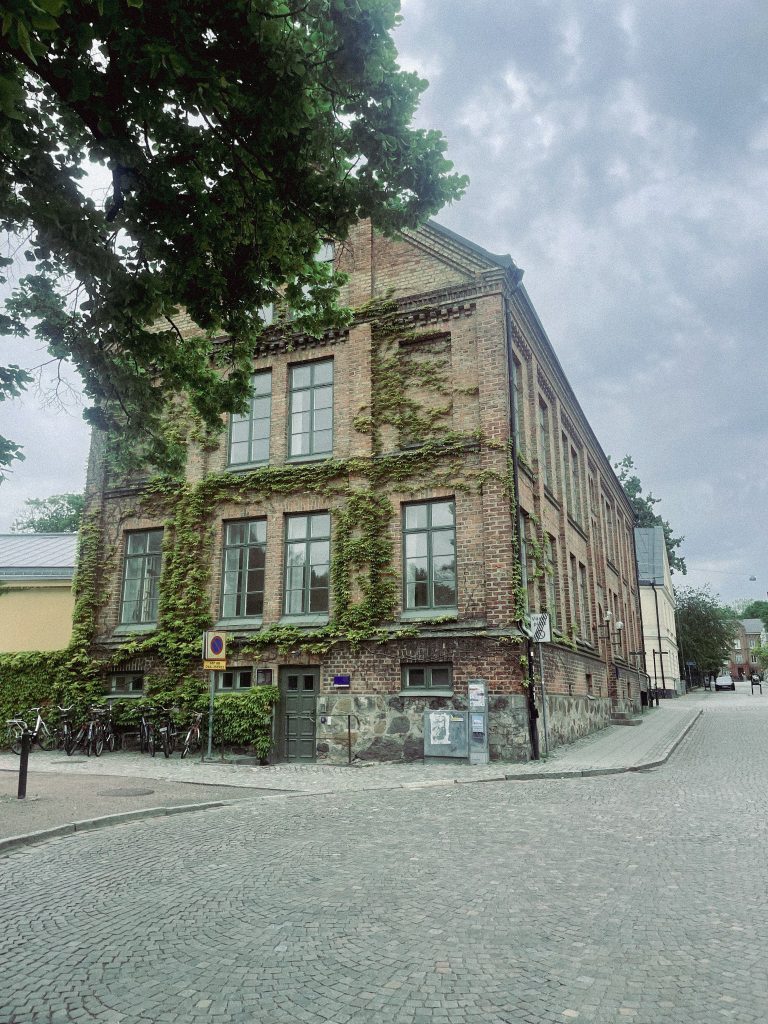
    Lund – home of the Oatly factory – is a charming university town and worth stopping in for a night or two to sample the café culture and wander around the historic university buildings. I spent a lovely two days checking out the vintage shops and cafe hopping here. Some favourites included Broder Jakobs and Too Motch.

    I didn’t particularly love Malmö, but the Disgusting Food Museum is admittedly a fun (if slightly grim) stop if you’re in the area.

    A place of quality not quantity  

    Copenhagen isn’t the cheapest city break but if you want somewhere that combines good food, thoughtful design and just enough culture to feel smug about it afterwards, the Danish capital is hard to beat. Between the pastries, museums, harbour swims and slightly intimidatingly stylish locals, it’s a city that feels both relaxed and quietly inspiring. I went with friends, but also had some days alone, and found it very well suited to solo travelling (for more solo city break inspo, read my Porto blog). If you’re into looking like you belong on a design mood board, visit between May and September when the city really comes alive. I’d be intrigued to see what it’s like in winter – maybe another time! 

  • What impact are nomad communities having in places like Chiang Mai?

    After my week of work in Chiang Mai, I wonder – is a Bali-esque boom and bust on the horizon?

    It’s no secret that Thailand is popular with digital nomads. Interest in the Destination Thailand Visa (DTV) underscores this appeal – offering a five-year, multiple-entry visa, it surpassed 35,000 applicants when it launched last year (2025). Aimed at remote workers and location-independent professionals, the DTV offers an affordable and flexible long-term stay, making it a central pillar of Thailand’s strategy to boost tourism and strengthen its economy.

    With great prices, food, weather, and landscape, Thailand does appear to have it all. But having worked from several international “nomad” hotspots in the last year, I have found myself becoming less interested in what I can get out of the places I visit, and more concerned with the impact I’m having there.

    Definitions of digital nomads have changed, after all. The 2010 “stereotype” was that of a “joyful millennial working from a laptop on a beach” (Hart, 2015; Spinks, 2015). A handful of people were doing it, many of whom were bloggers, making it pretty harmless.

    Now, an era of flexible working, long-term visas, and steep rents in places like Sydney and London mean people are choosing to work remotely abroad for the long haul, (coined as “slowmadism”).

    Western incomes stretch further abroad, and that money benefits local economies. But academics worry there could be broader ramifications for destinations in the Global South already experiencing forms of transnational gentrification, as a result of remote workers.

    Chiang Mai’s appeal might also be its downfall

    Chiang Mai, a city in the northern mountains of Thailand, has attracted thousands of digital nomads in recent years. The effects of this migration are already being felt, with this case study suggesting the long-term nomad presence is reshaping neighbourhoods, increasing demand for foreign-facing businesses, and driving up rents – factors which affect both visitors and locals.

    I observed some of this myself when I visited in February 2025. There’s still a ton of local food spots, of course, but it seemed that many of the cafés, services, juice bars, and co-working spaces had been created for foreigners (or those with laptops).

    My lovely host in Chiang Mai

    Fon, a restaurant owner, confirmed that even local food stops have “increased their prices by 5–10 Baht” since the 2020 pandemic. Whilst the minimum wage has increased slightly too, it is unclear whether it’s enough, or what the future repercussions could be over time.

    What about integration? Of the nomads I met in Chiang Mai, some worked in tourism or as teachers, and others were learning Thai. Billy, an American who moved to Chiang Mai two years ago, loves his life here as a teacher. He said that despite the number of expats from Myanmar, China, and Western countries, local people still strongly embrace their mai pen rai – a “no worries” attitude – and hold tightly to their Lanna cultural identity. On the trips he’s been on, there’s just as many Thai locals as there are nomads and expats, he says.

    Whilst that is reassuring, having spoken to a lot of nomads working from businesses based outside Thailand, most treated the city as a satellite office, and were there to enjoy the comfort and low costs rather than integrate into the fabric of the place. I can’t help but wonder how sustainable that is – especially given that most nomads leave in the early part of each year during “burning season” – which must affect rental competition, business, and the vibe.

    Meals cost £1-3

    Based on my chats with people there, part of Chiang Mai’s appeal – compared to say, the Thai islands – is that it feels more “authentic,” or at least less mediated by mass tourism. Fon is from Prachinburi, and moved here five years ago. “People from here have a strong sense of culture, pride, and local traditions,” she said. This is in part due to the highly esteemed university and active student culture.

    Evening chants at Doi Suthep are popular

    As more people move here to work, however – which is likely, in the wake of this visa – I suspect local businesses and authorities will keep shaping things to meet foreign interests, expectations and spending habits.

    After all, nomads are not tourists in the traditional sense. They need a more fixed base, comfort, friends, places to live, reliable internet access, and familiar home comforts. I went for dinner with people from a newly launched co-living residence, for example – something that’s becoming more common, and speaks to the desire for permanence.

    Another challenge that comes with growing numbers of long-term visitors, is waste management. Chiang Mai already feels stretched in terms of infrastructure, and more people inevitably means more rubbish. Bali, for example, is grappling with a well-documented waste crisis, and while I wasn’t able to investigate in depth here, this blog provides some interesting context about recycling and waste handling in Thailand.

    I tried hard to minimise my footprint by carrying a Grayl water filter bottle and a foldable dog bowl for takeaway food, but the broader issue is harder to tackle. How the city will cope with more residents and their impact on waste, water, and energy systems remains to be seen. “Waste and water management have not kept up with growth,” said Fon.

    Is it overcrowded already?

    In terms of capacity – like I said, it already feels quite busy, and judging by comments on Reddit forums from long-term nomads, that seems to be the case. I found myself standing at traffic lights for around ten minutes in Nimman, trying to cross the road, for instance.

    All the Grab drivers wore masks to protect themselves from the terrible air quality, which will surely worsen as traffic increases. Electricity wires hung about precariously, which had me wondering how much additional strain the desire for faster internet was putting on infrastructure.

    According to Fon, my observations were valid. “The cost of utilities has risen dramatically,” she said. “The condition of the roads is abysmal, and there’s no real public transportation despite the demand. There are more vehicles on the roads each year as a result.”

    A lot Chiang Mai is undeniably charming, and you can tell why people like it here. The Old Town is beautiful, a square of ancient walls, temples, lanterns, and slow, warm evenings. I really enjoyed my first few days staying just south of it, near Wua Lai Walking Street Market, a quieter part of town that still felt full of character.

    There are some beautiful hikes nearby, and lots of stunning wats to explore – I even spent one day speaking to monks when I visited (you can read my blog about this here).

    Overall though, I seemed to leave Chiang Mai with more questions than answers. It will be interesting to see how it changes over the next decade, and how the Thai government will manage the steady influx of people (or indeed, decline, if that happens). Is another Bali boom and bust on the horizon?

    Dinner with a gang of travellers I befriended

    Exploring the local temples

Leave a Reply

Your email address will not be published. Required fields are marked *