
Petsitting from Porto – my side hustle expands internationally
Plus, how does Lisbon’s cool sister fair for remote workers?
Following an inaugural three-month stint as a digital nomad in Asia in early 2025, I returned home invigorated – but a little exhausted – by my new freelance lifestyle. Curious to understand what the European scene looked like, I started exploring options closer to the UK.
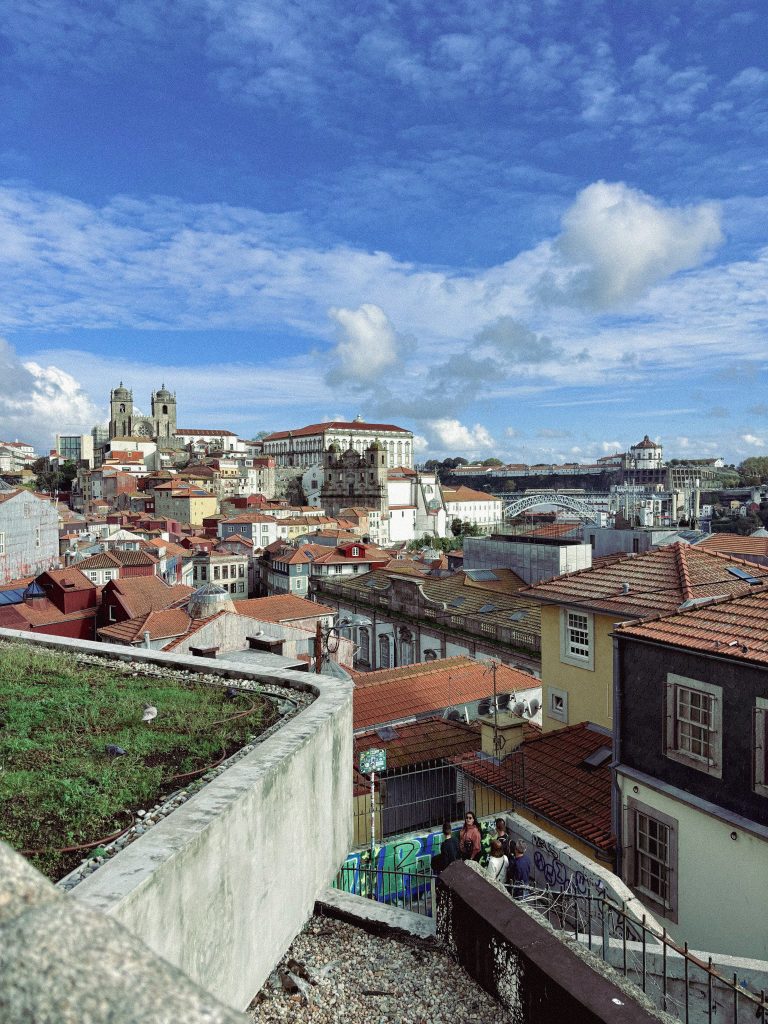

Europe is, unsurprisingly, not as cheap as Asia or South America for nomads; but some countries are waking up to the advantages of hosting foreign remote workers. Portugal is one of them.
Home to the first so-called “digital nomad village” on Madeira island, the country has made a concerted effort to attract location-independent workers. In 2026, it even introduced a dedicated D8 visa to make living and working there easier. With around 16,000 foreign remote workers, Lisbon has become so popular that the influx is now proving controversial, with concerns around gentrification and a siloed economy growing (see my blog about Chiang Mai in Thailand, where I touch on this).
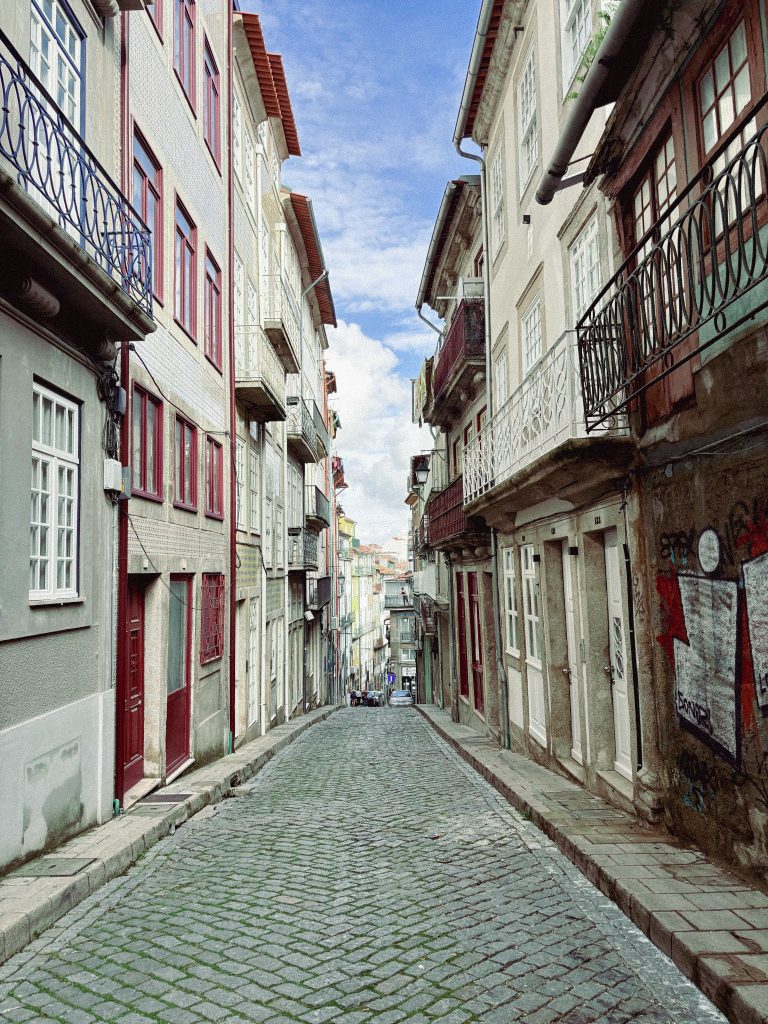
Outside of these hotspots, though, I hadn’t heard much about Portugal’s second favourite city, Porto. Porto sits on the west coast, in the north of Portugal; around three hours away from Lisbon by train. In olden times, Portugal was one of England’s more important allies, according to my favourite podcast, The Rest Is History. Nowadays, it’s best known for its Douro wines (including Port), pastries and (love her or hate her) J.K. Rowling, who lived there in the nineties.
Curious, and having already had some success with pet sitting in the UK, I managed to secure a sit in Porto during October (full blog on how to get into this coming soon); making for a far more affordable trip. So, off I trotted for a week of exploration in the country’s wine capital.
Is there a nomad scene?
Unlike Lisbon, which has flourished as a long-term base for remote workers, Porto tends to attract fewer digital nomads setting up here permanently, it seems.
Based on my time there, my sense is that this is partly cultural; many cafés don’t encourage laptops for long stretches, and the nomad community isn’t yet large enough to sustain the same density of coworking spaces and regular meetups. Some nomads will no doubt disagree – but for now, Porto feels less geared towards full-time remote work. Of course, that may well change if Lisbon continues to feel over-saturated.
Coming at this from the perspective of someone who isn’t working full time, I found Porto to be a pleasant and peaceful location to work from, however. There’s reliable Wi-Fi, comfortable places to dip in and out of work (that allow for at least a few hours of focused work), and I felt like I was merging with local life. For freelancers, creatives, or anyone balancing work with travel (perhaps for shorter periods like me) – rather than clocking a strict nine-to-five – it was a good setup.
How I spent my time in Porto

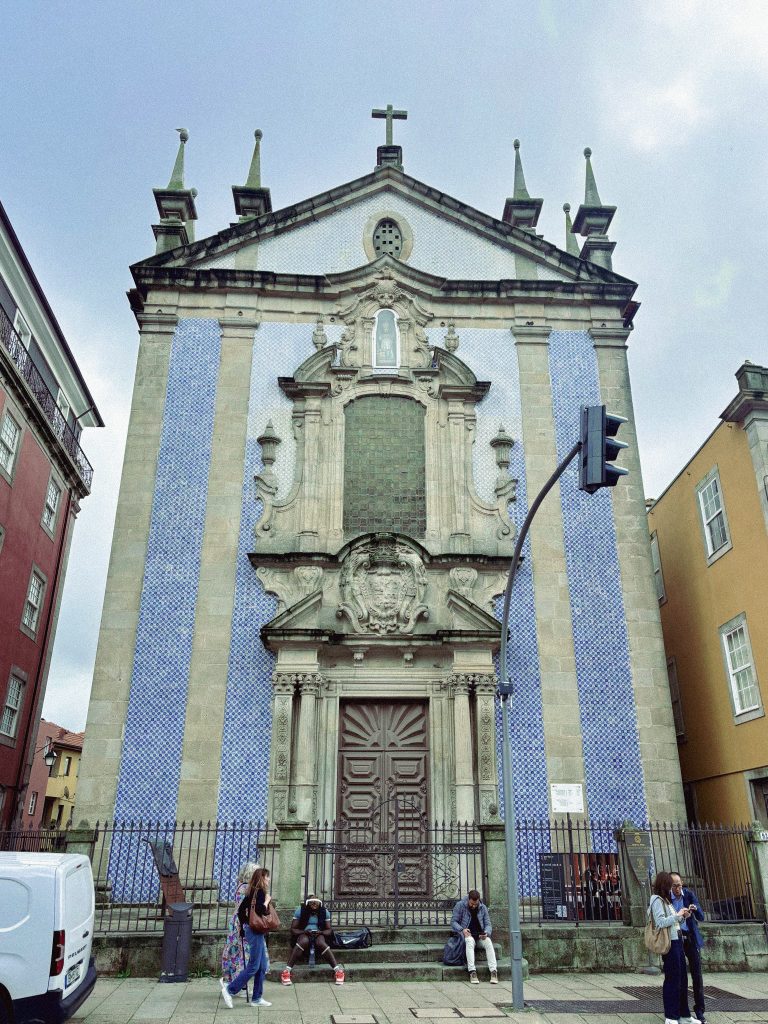
There’s plenty to do in Porto, and it felt like a truly liveable city to me. Visiting in October meant it was mild (but a little rainy!) and wasn’t overrun with tourists. Locals were incredibly friendly and keen to make conversation, which really struck me. Here are some fun activities to add to your list if you’re visiting:
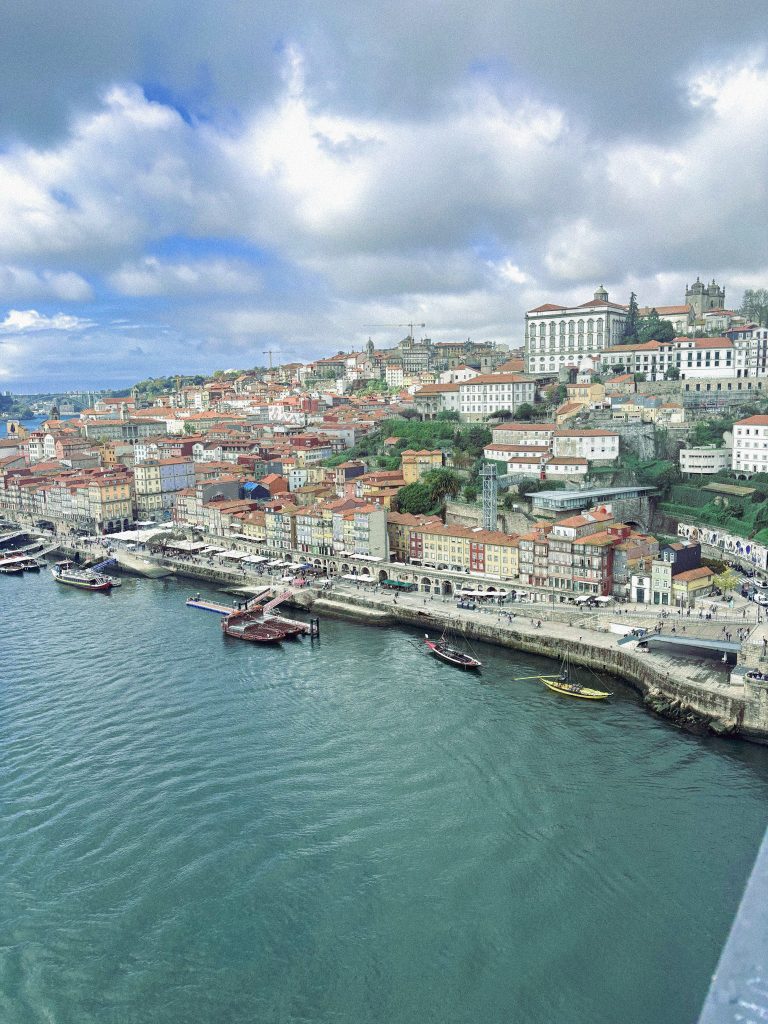
Admire the terracotta rooftops from the Dom Luis Bridge
Personally, the first thing I look for on a city break or solo trip is a walking tour. I booked one via my hostel, which took us around the local sites, including the fanciest McDonald’s in the world (which is nothing to write home about, but fun to see) and some beautiful viewing spots, including Sé (Porto’s cathedral) and the Dom Luís bridge, which crossed the Douro River.
The mix of ageing white and amber buildings lining the riverbank in the Ribeira district makes for a gorgeous sight and you’ll even find that the famous amber roofs sparkling in the sunlight, thanks to the sharp seagull deterrents. Magic!
Worth noting that Porto sits on a steep slope beside the river; its narrow roads and staircases don’t make it easy to manoeuvre around – even with Ubers – so bear this in mind if you have health or mobility issues.
Try a Francesinha
I hadn’t put much planning at all into this trip, but luckily a pal of mine was in Porto at the same time visiting a local pal. After sharing a couple of bottles of rosé at a bar called Bosco (recommended for its views of the city!), she advised that we head out for something called a Francesinha.


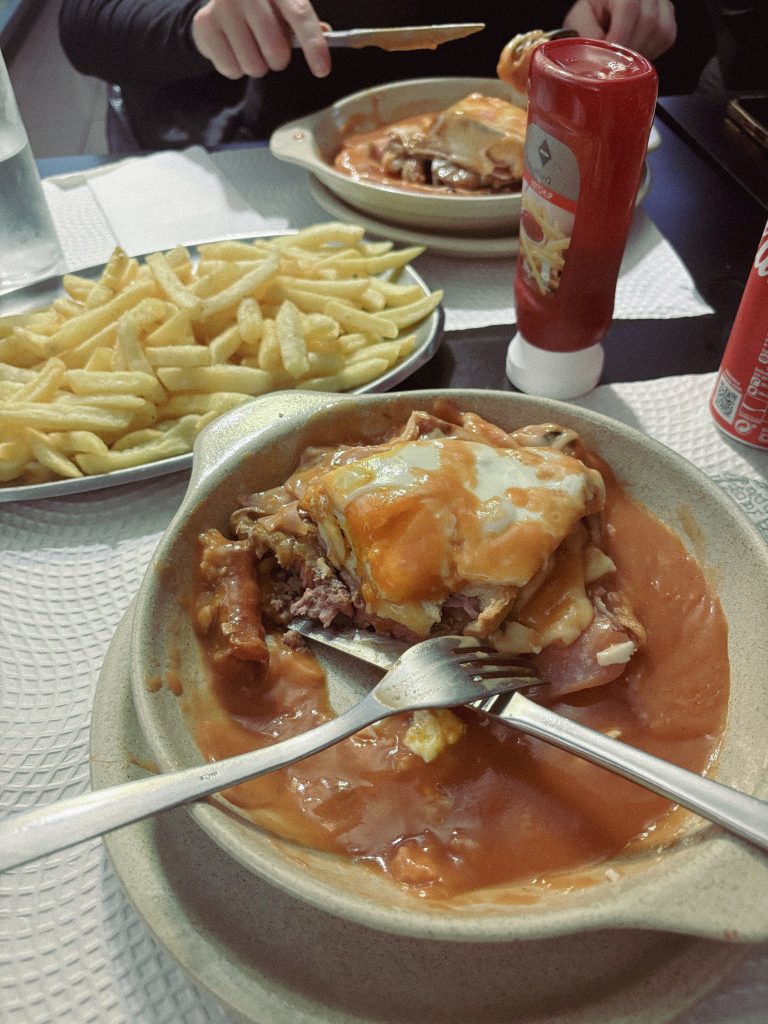
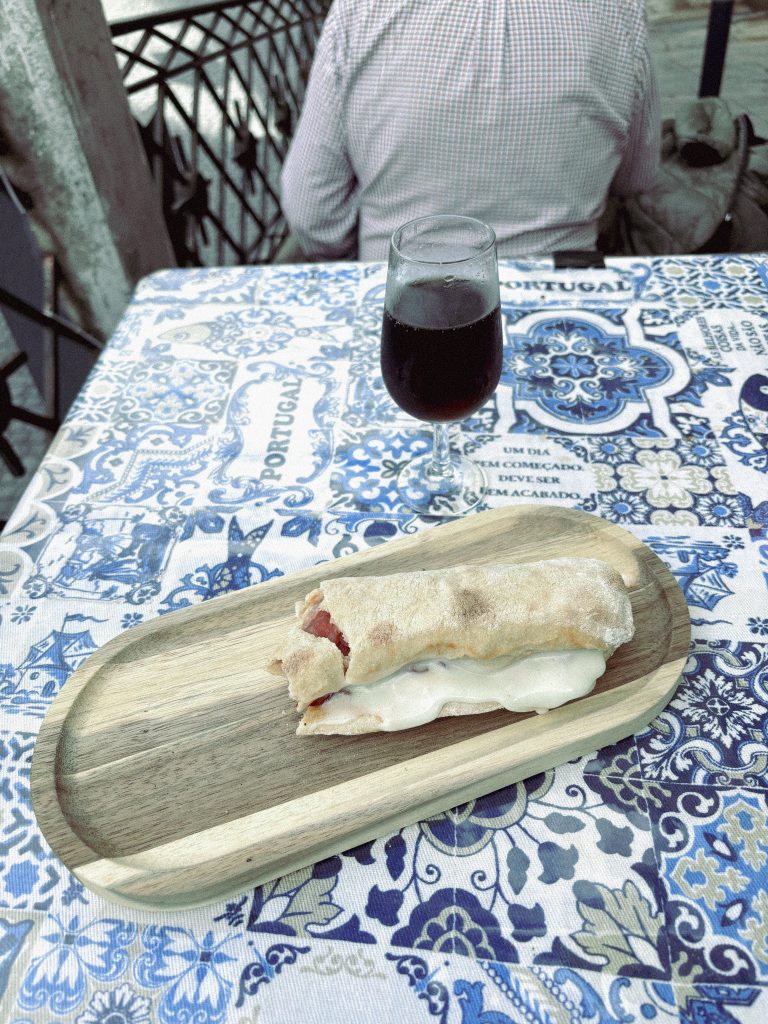
This is an indulgent Portuguese sandwich originating from Porto, featuring layers of bread, steak, ham, linguiça (sausage) and chipolata, smothered in melted cheese and a thick, savoury beer-and-tomato sauce. It tastes like eating a ham sandwich covered in spaghetti hoops. Bit weird, but sort of a must-try whilst in Porto.
Aside from the Francesinha, I can recommend the warm pork and cheese sandwich from Bó Tá Quente on R. do Souto – another good spot for traditional cuisine.
Sample the pastries
People like to celebrate French pastries, but wow do the Portuguese know a thing or two about sweet, flaky snacks.
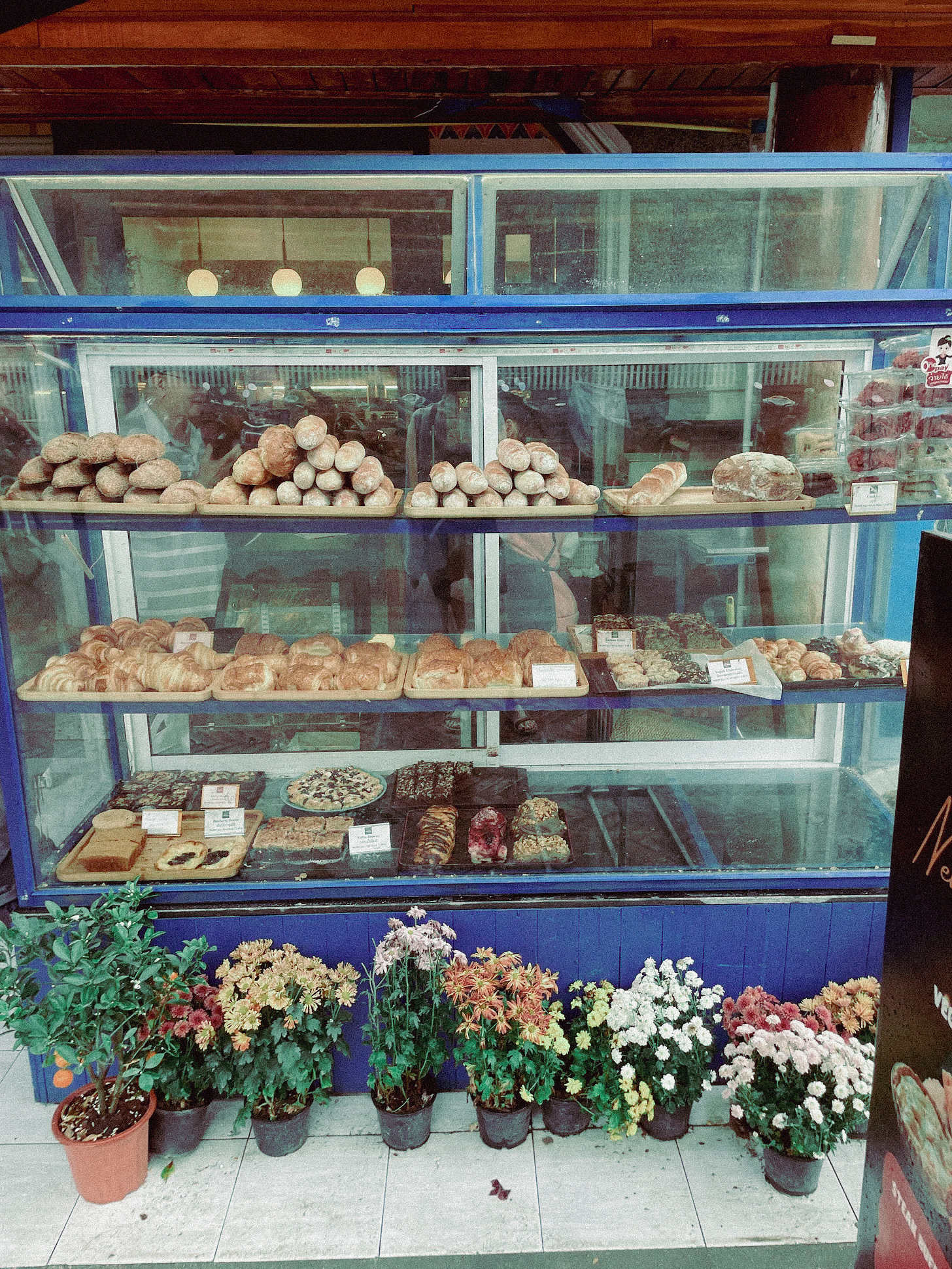
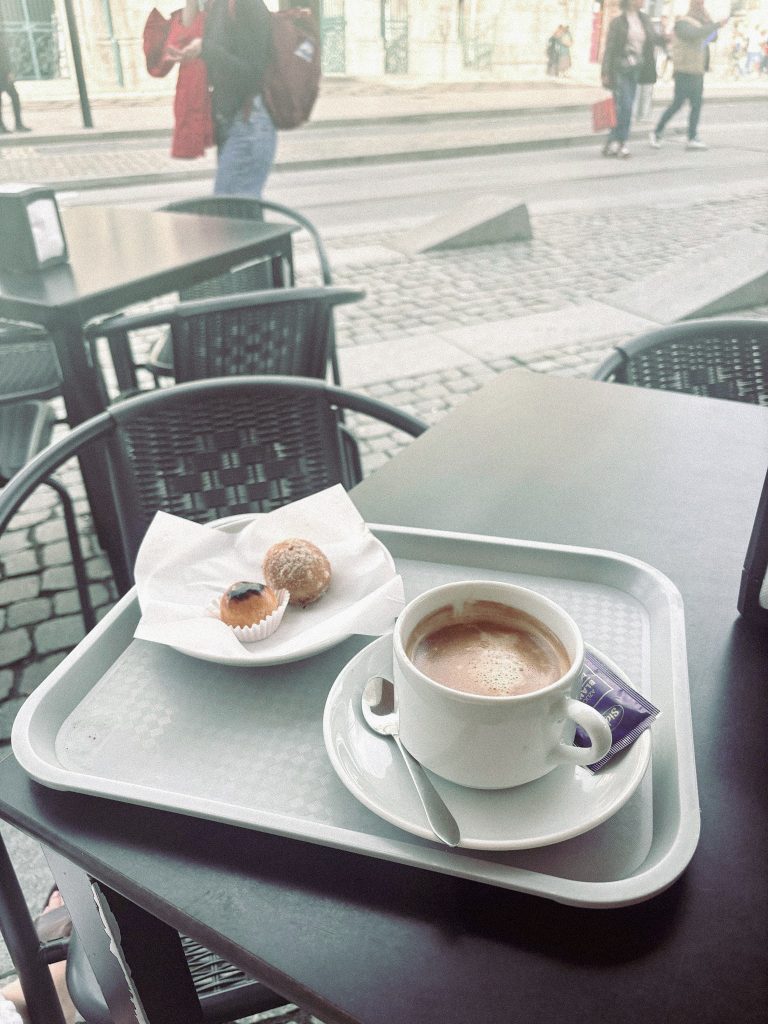
One of the joyful things about Porto is that you don’t need to look far for a good pastry selection; although Confeitaria de Bolhão was busy, and had a big spread of goodies to choose from. Highlights have to be the pastel de nata (custard tarts with blistered pastry) and the ovos moles (a soft, sweet egg-yolk filling, traditionally wrapped in rice paper).


Visit the Mercado de Balhao
Described as a “recovered gem” following its restoration in 2023, this is a bustling indoor food market open every day other than Sunday. It’s a great place to grab a coffee and sample local treats, as well as do a bit of gift shopping.
On my list for next time
Walking the Camino
Ah, the famous walking pilgrimage. This is on my wish list this year, although I’m still undecided on my route. The Camino Portugués from Porto offers three main, well-marked routes to Santiago de Compostela – Coastal, Central and Litoral – all starting at the Sé Cathedral. The Coastal and Litoral routes feature ocean views, while the Central goes inland through historic towns. All routes typically converge in Redondela, Spain, before reaching Santiago.
Visit the Douro wine region
It’s not just fortified wine made in Porto. Northern Portugal is famous for its Douro Valley, a UNESCO World Heritage site that’s easily accessible from the city. If you’re a wine fan, it’s easy to take day trips to the vineyards (which sit alongside the river) from the city.
Pastel de nata cooking class
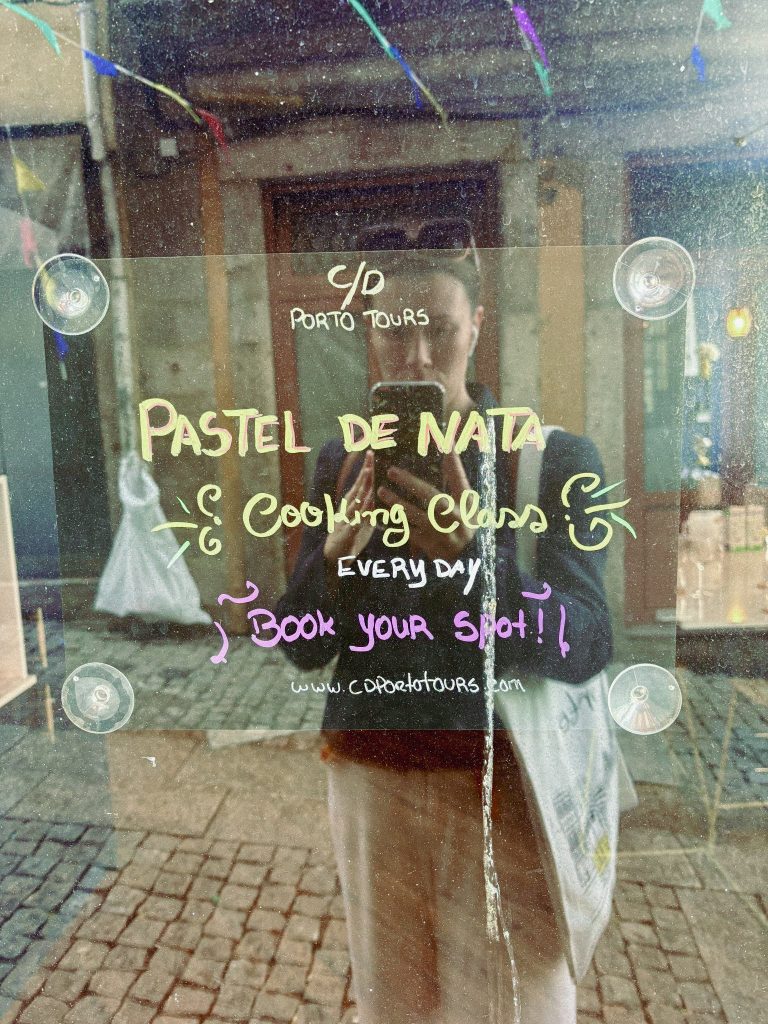
Why not find out how to make the wee eggy tarts yourself? I spotted an advertisement for this in the city and it struck me as a fun thing to do. I’d be genuinely fascinated to know how they’re made but sadly ran out of time for this, myself.
Final thoughts: don’t let the lack of “scene” put you off
So, is Porto digital-nomad friendly? Certainly – but I wouldn’t call it a “hub”.
If you’re looking for a slick coworking scene, endless laptop cafés and a ready-made remote-work community, Lisbon will likely suit you better.
But if your work fits around travel – a few focused hours here and there – Porto offers something quieter, more grounded and perhaps less performative. I’m looking forward to visiting Lisbon soon so I can compare them.