What impact are nomad communities having in places like Chiang Mai?
After my week of work in Chiang Mai, I wonder – is a Bali-esque boom and bust on the horizon?

It’s no secret that Thailand is popular with digital nomads. Interest in the Destination Thailand Visa (DTV) underscores this appeal – offering a five-year, multiple-entry visa, it surpassed 35,000 applicants when it launched last year (2025). Aimed at remote workers and location-independent professionals, the DTV offers an affordable and flexible long-term stay, making it a central pillar of Thailand’s strategy to boost tourism and strengthen its economy.
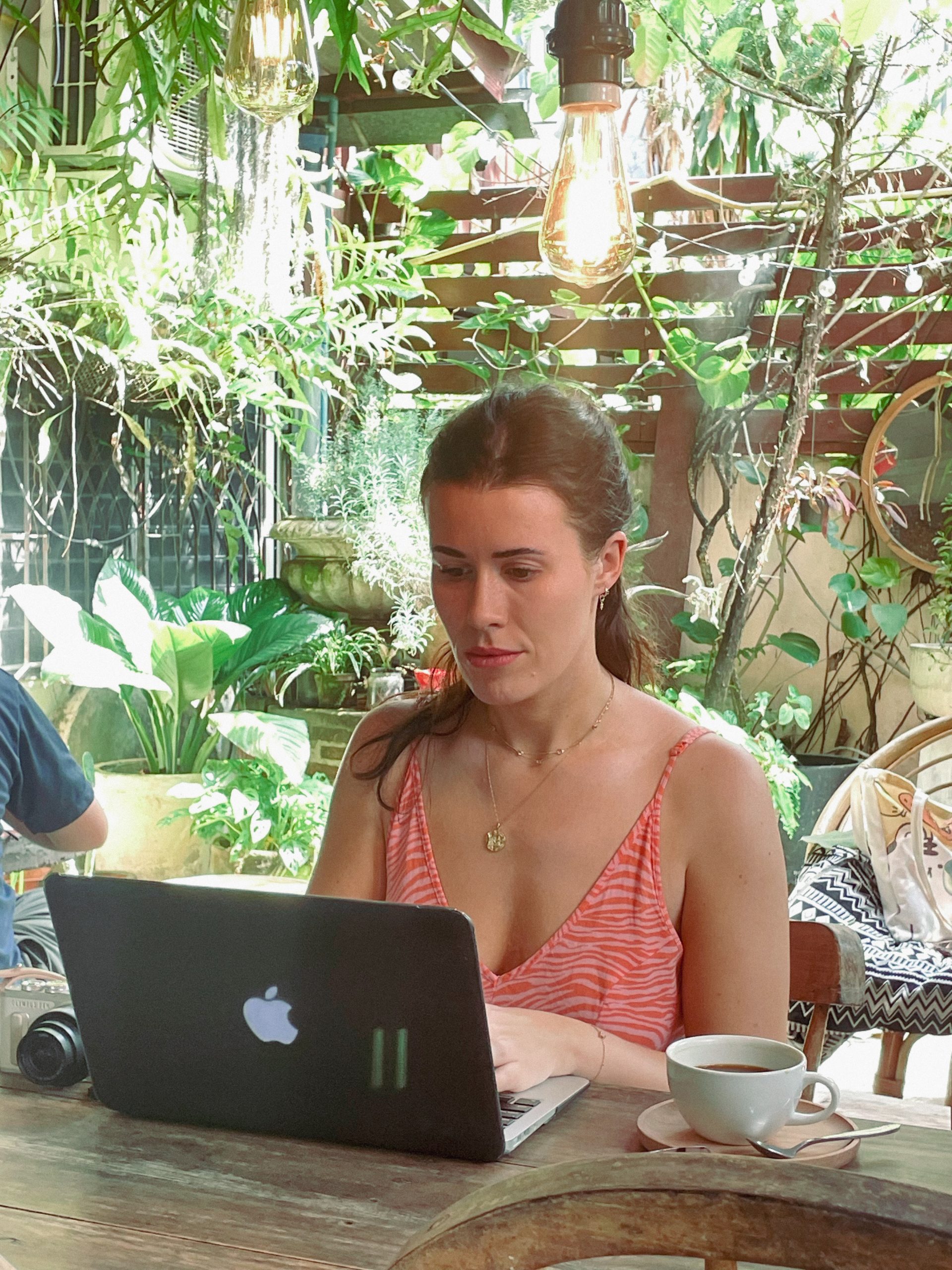
With great prices, food, weather, and landscape, Thailand does appear to have it all. But having worked from several international “nomad” hotspots in the last year, I have found myself becoming less interested in what I can get out of the places I visit, and more concerned with the impact I’m having there.
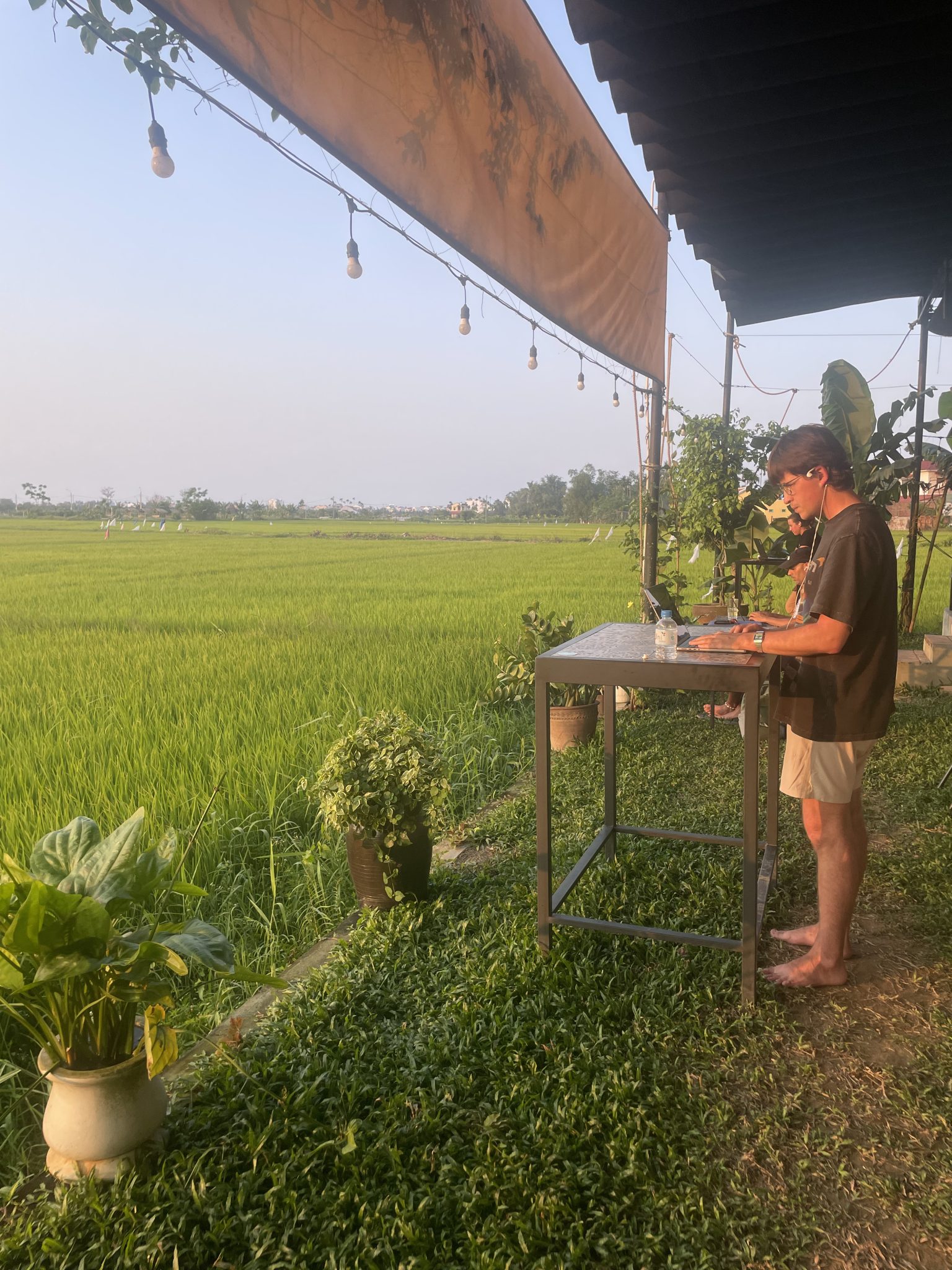
Definitions of digital nomads have changed, after all. The 2010 “stereotype” was that of a “joyful millennial working from a laptop on a beach” (Hart, 2015; Spinks, 2015). A handful of people were doing it, many of whom were bloggers, making it pretty harmless.
Now, an era of flexible working, long-term visas, and steep rents in places like Sydney and London mean people are choosing to work remotely abroad for the long haul, (coined as “slowmadism”).
Western incomes stretch further abroad, and that money benefits local economies. But academics worry there could be broader ramifications for destinations in the Global South already experiencing forms of transnational gentrification, as a result of remote workers.
Chiang Mai’s appeal might also be its downfall
Chiang Mai, a city in the northern mountains of Thailand, has attracted thousands of digital nomads in recent years. The effects of this migration are already being felt, with this case study suggesting the long-term nomad presence is reshaping neighbourhoods, increasing demand for foreign-facing businesses, and driving up rents – factors which affect both visitors and locals.
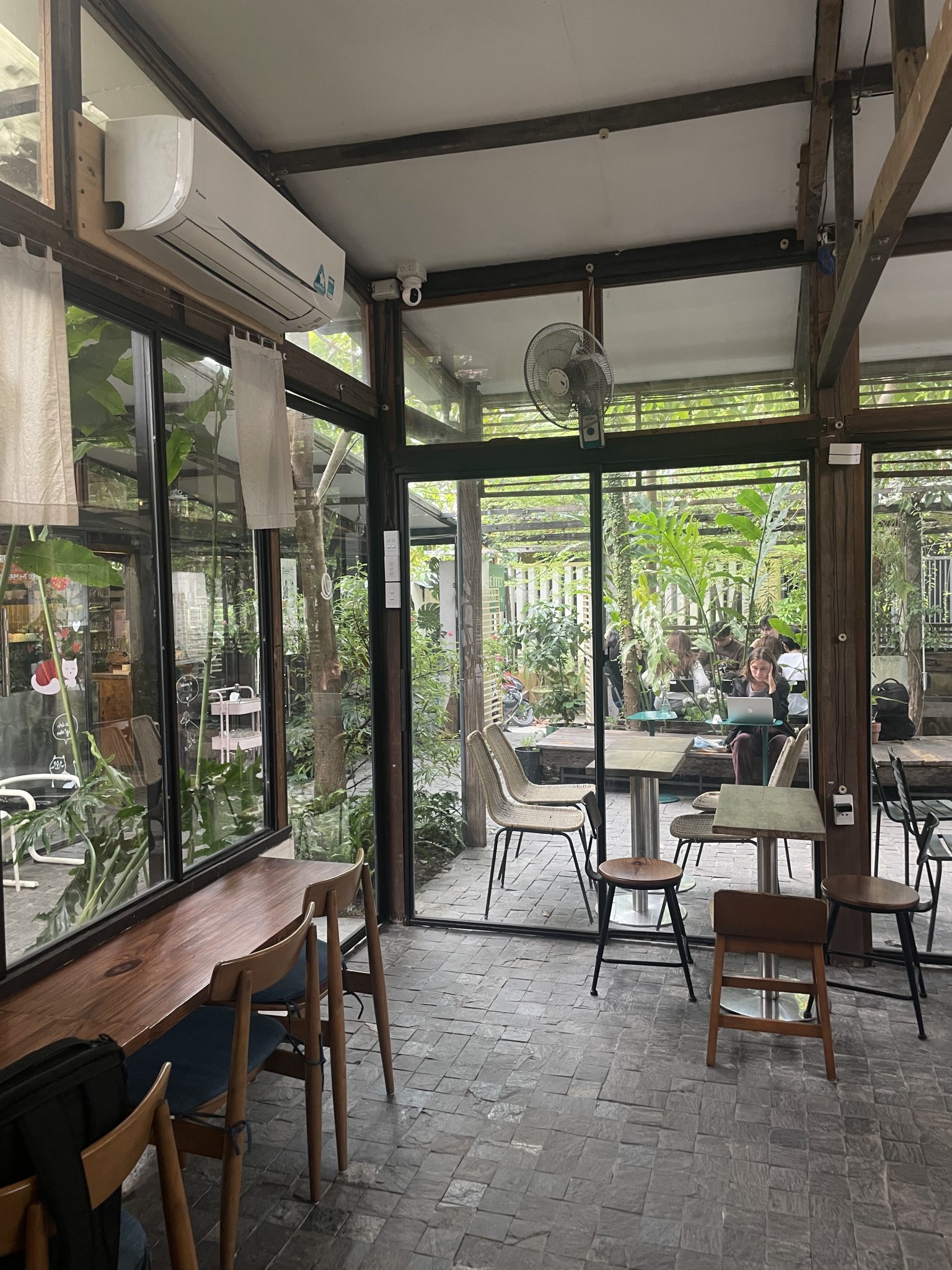
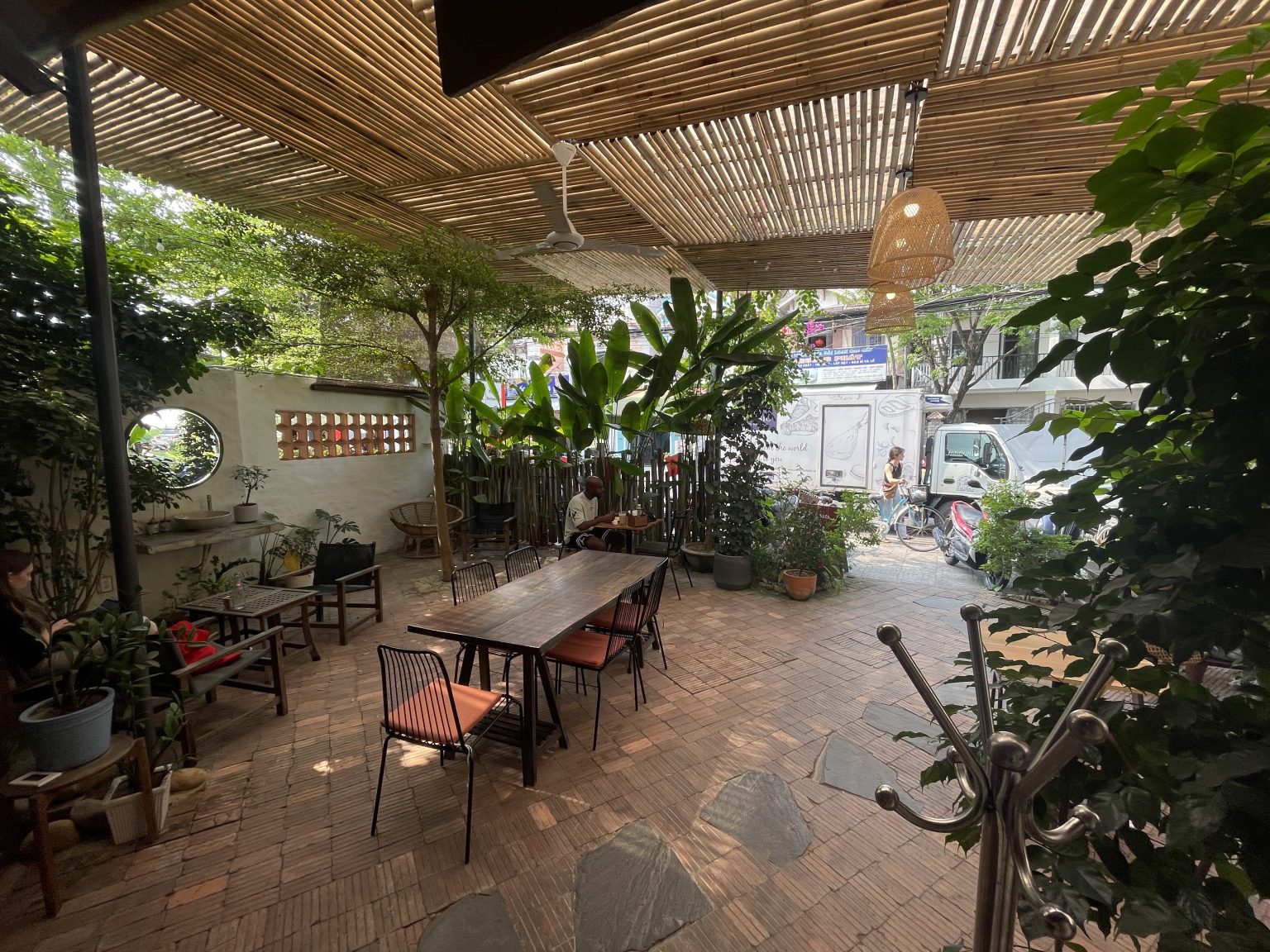
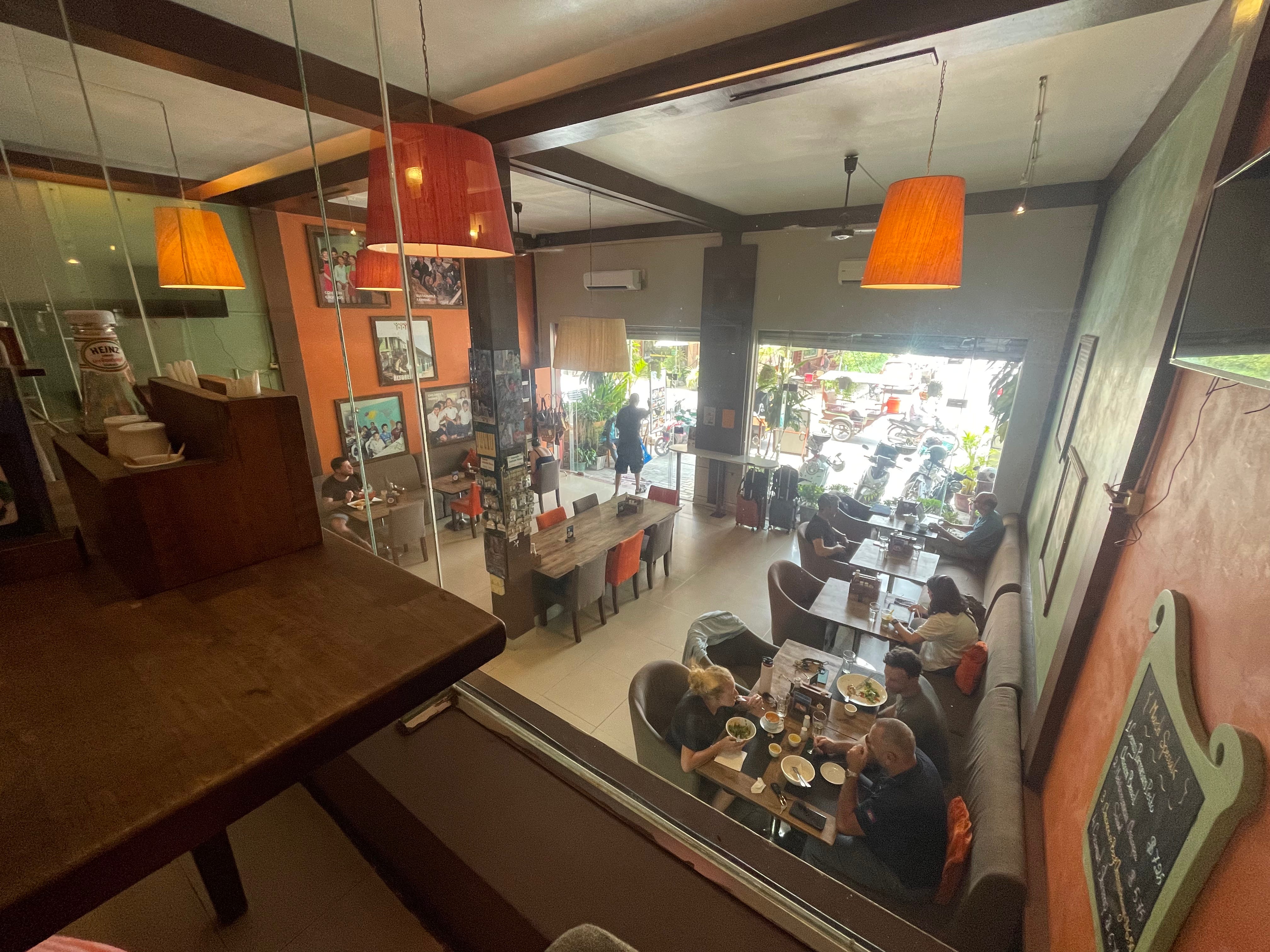
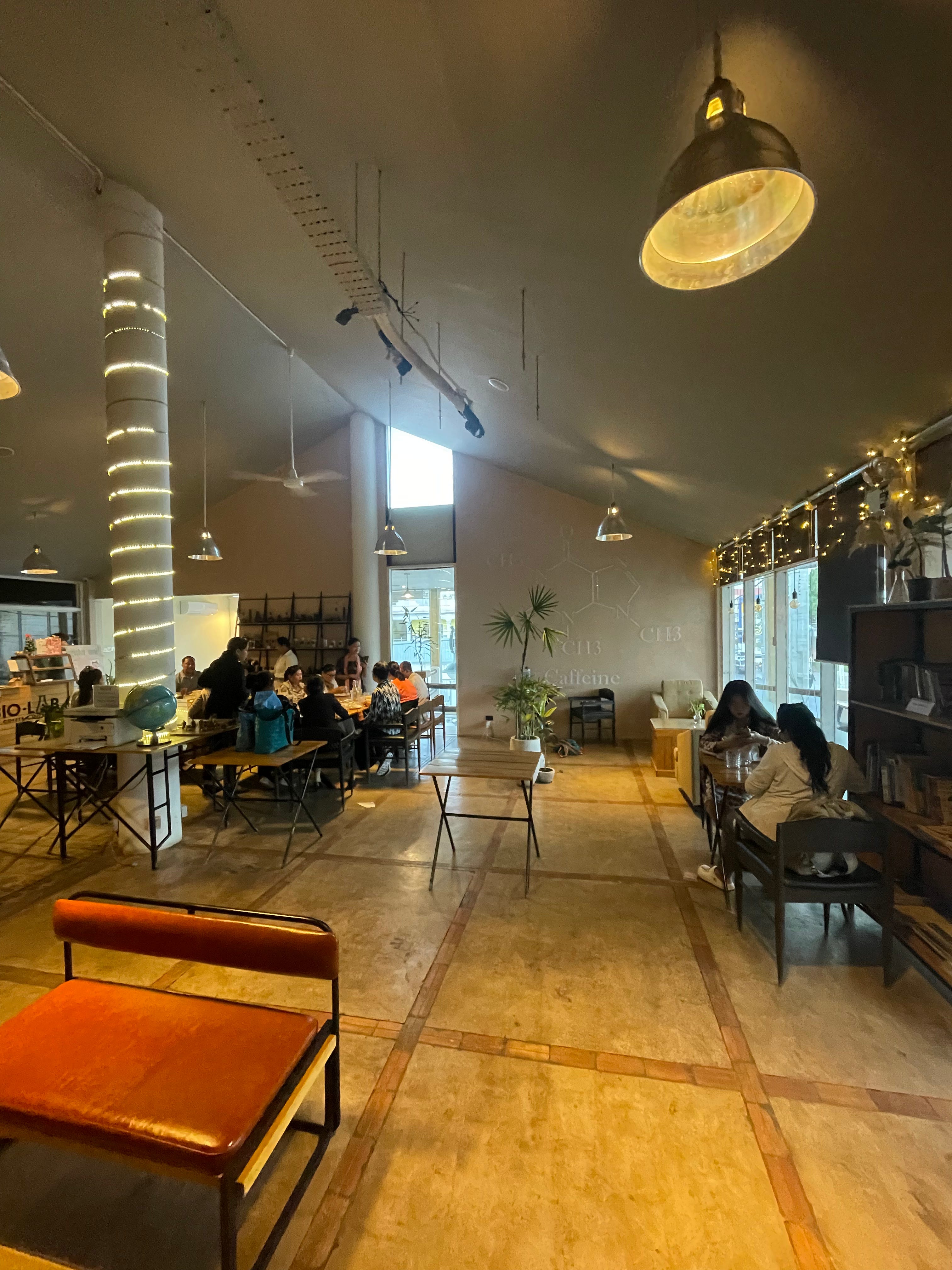
I observed some of this myself when I visited in February 2025. There’s still a ton of local food spots, of course, but it seemed that many of the cafés, services, juice bars, and co-working spaces had been created for foreigners (or those with laptops).
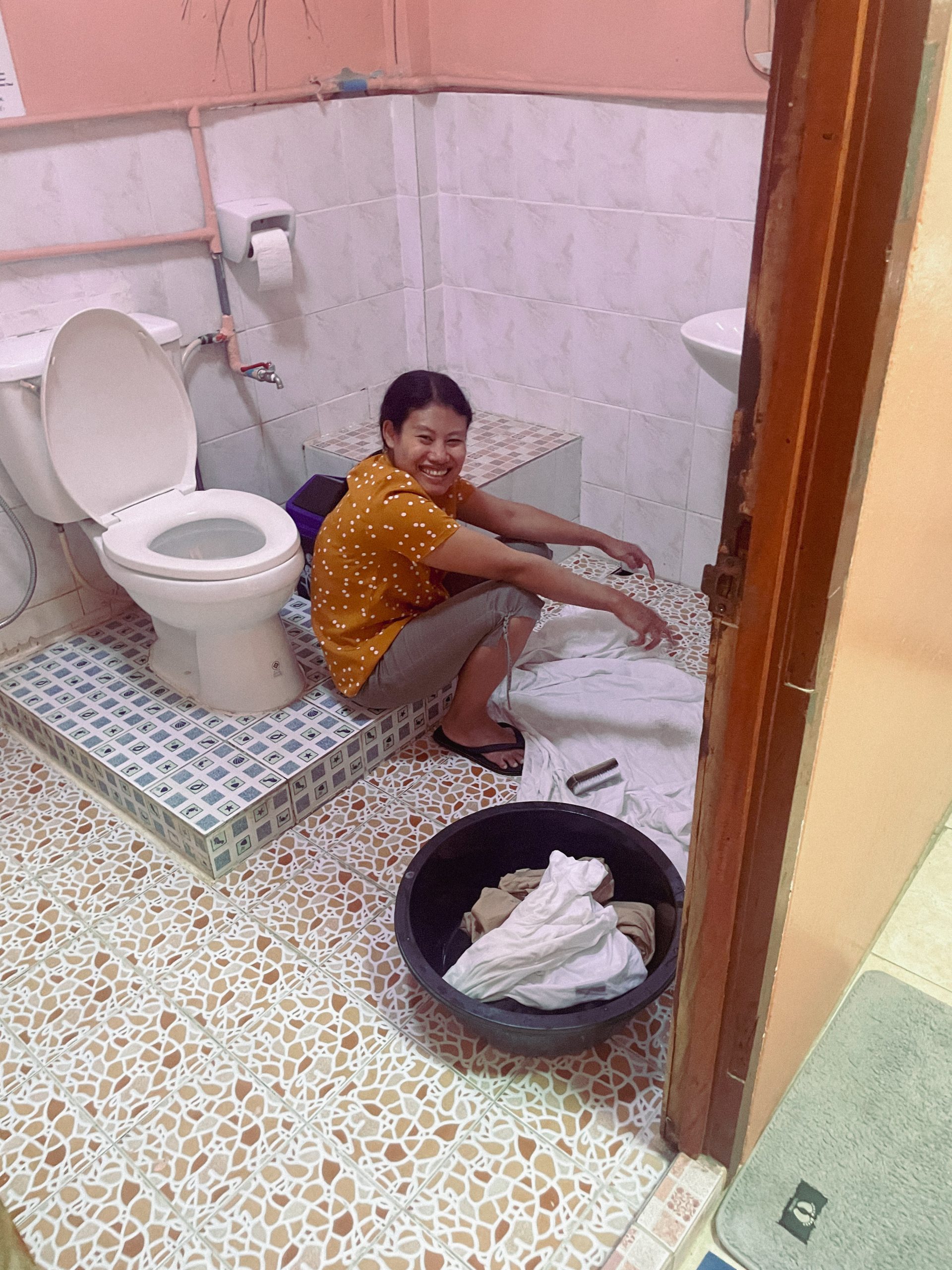
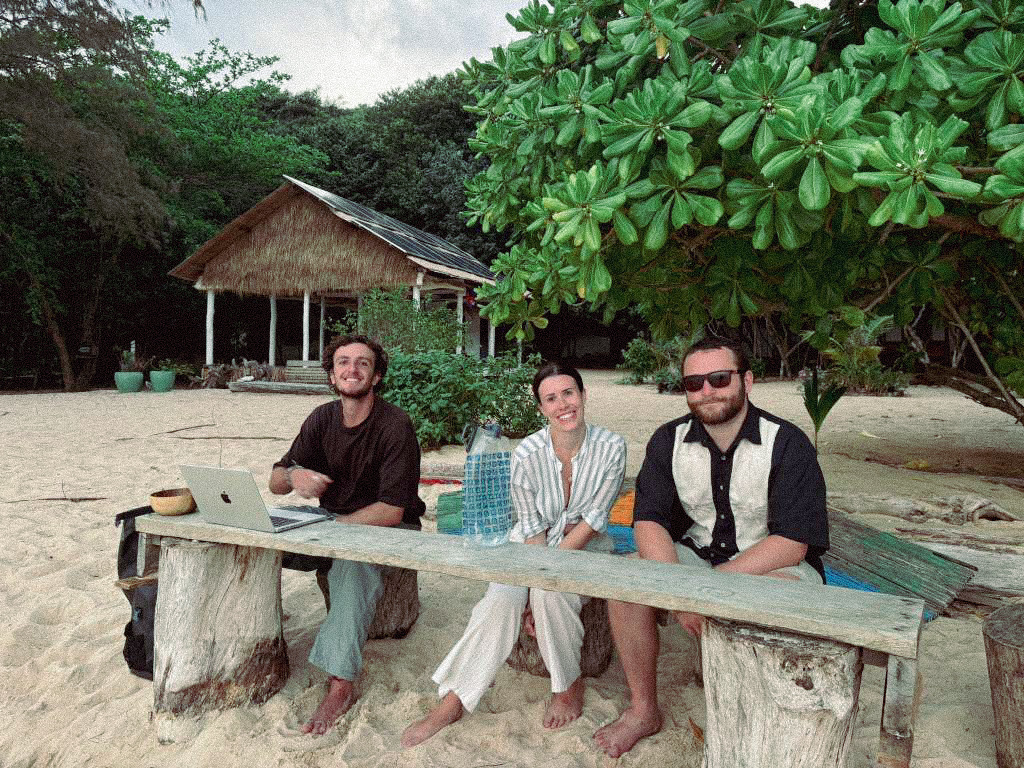
My lovely host in Chiang Mai
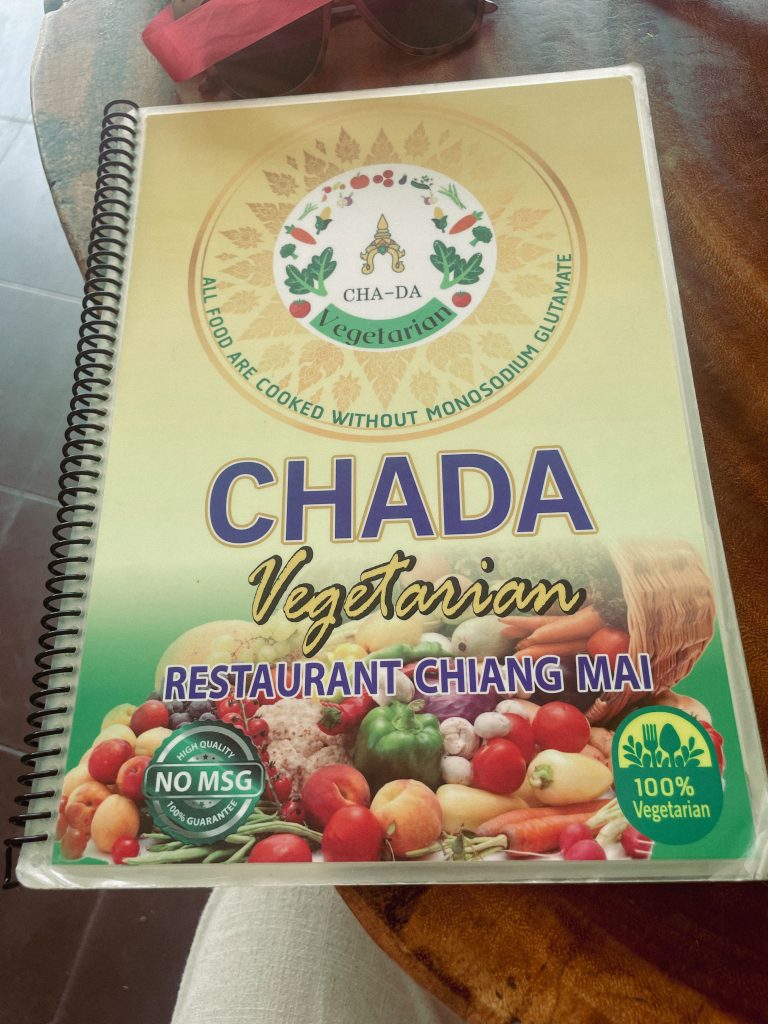
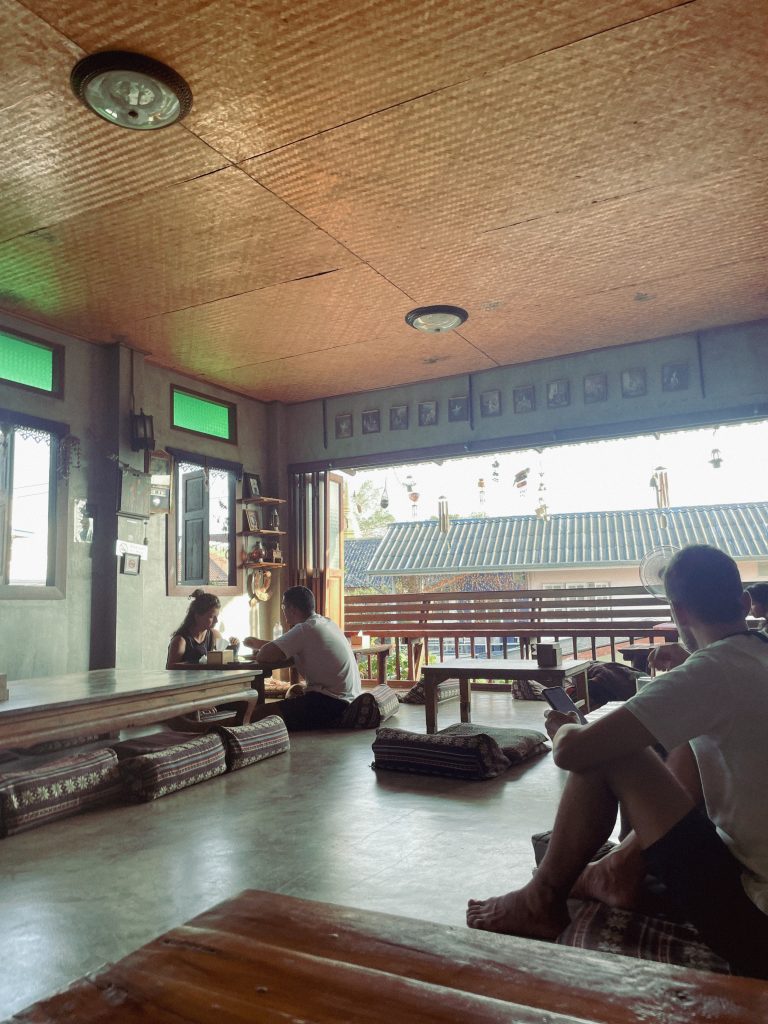
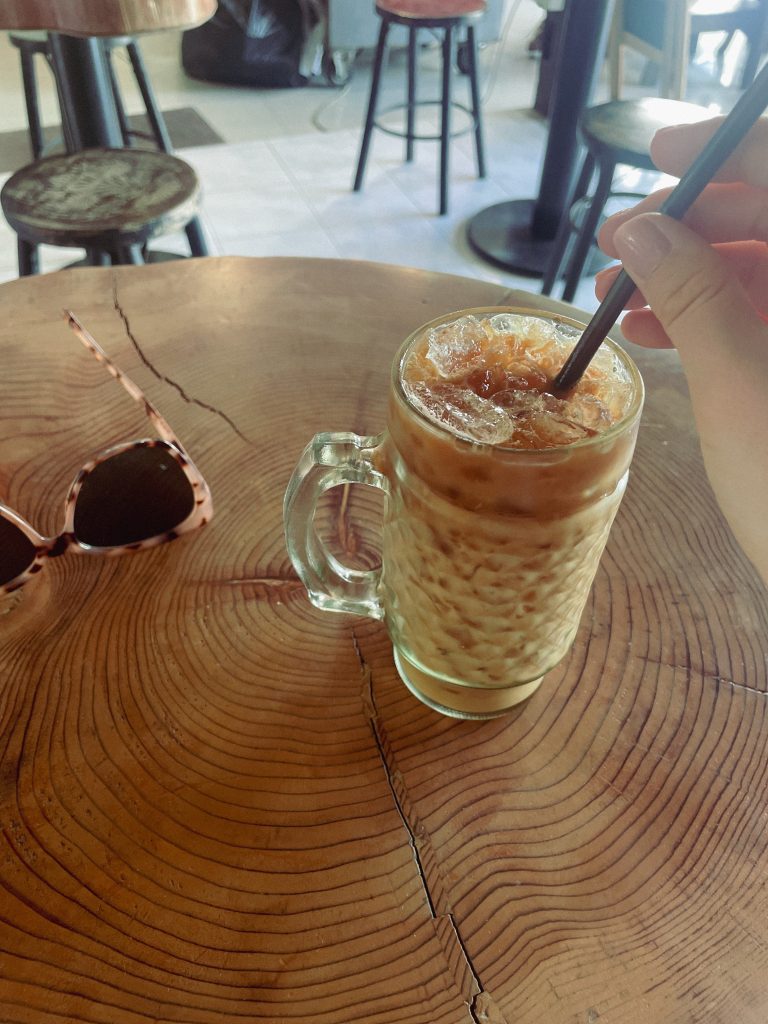
Fon, a restaurant owner, confirmed that even local food stops have “increased their prices by 5–10 Baht” since the 2020 pandemic. Whilst the minimum wage has increased slightly too, it is unclear whether it’s enough, or what the future repercussions could be over time.
What about integration? Of the nomads I met in Chiang Mai, some worked in tourism or as teachers, and others were learning Thai. Billy, an American who moved to Chiang Mai two years ago, loves his life here as a teacher. He said that despite the number of expats from Myanmar, China, and Western countries, local people still strongly embrace their mai pen rai – a “no worries” attitude – and hold tightly to their Lanna cultural identity. On the trips he’s been on, there’s just as many Thai locals as there are nomads and expats, he says.
Whilst that is reassuring, having spoken to a lot of nomads working from businesses based outside Thailand, most treated the city as a satellite office, and were there to enjoy the comfort and low costs rather than integrate into the fabric of the place. I can’t help but wonder how sustainable that is – especially given that most nomads leave in the early part of each year during “burning season” – which must affect rental competition, business, and the vibe.

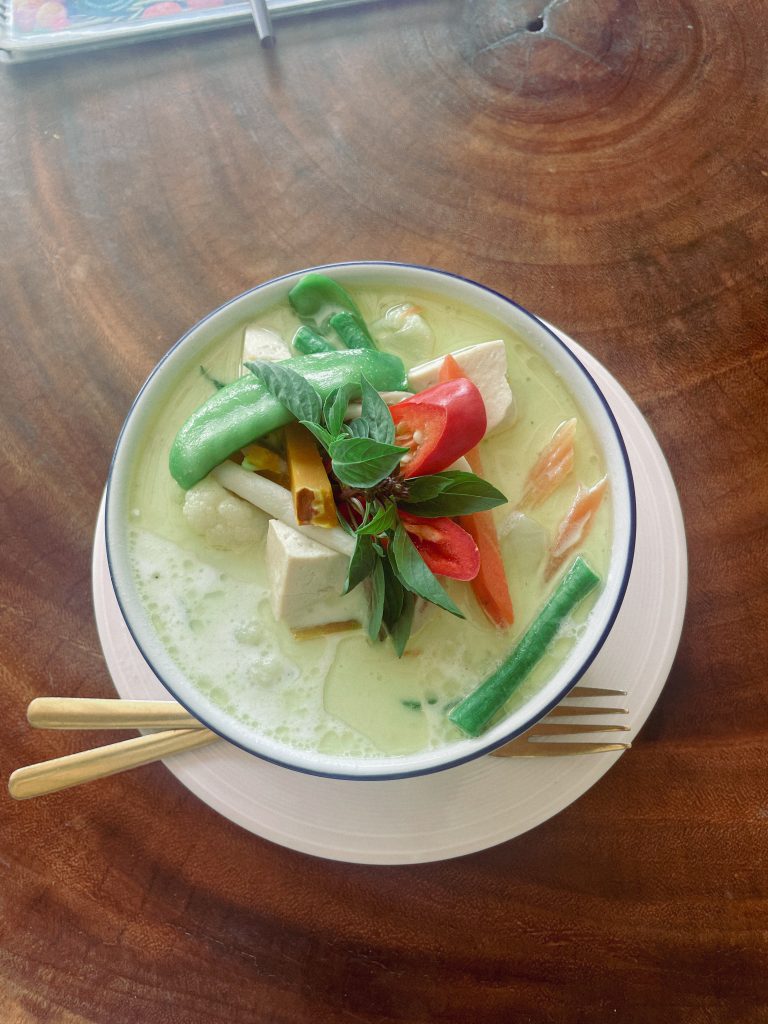
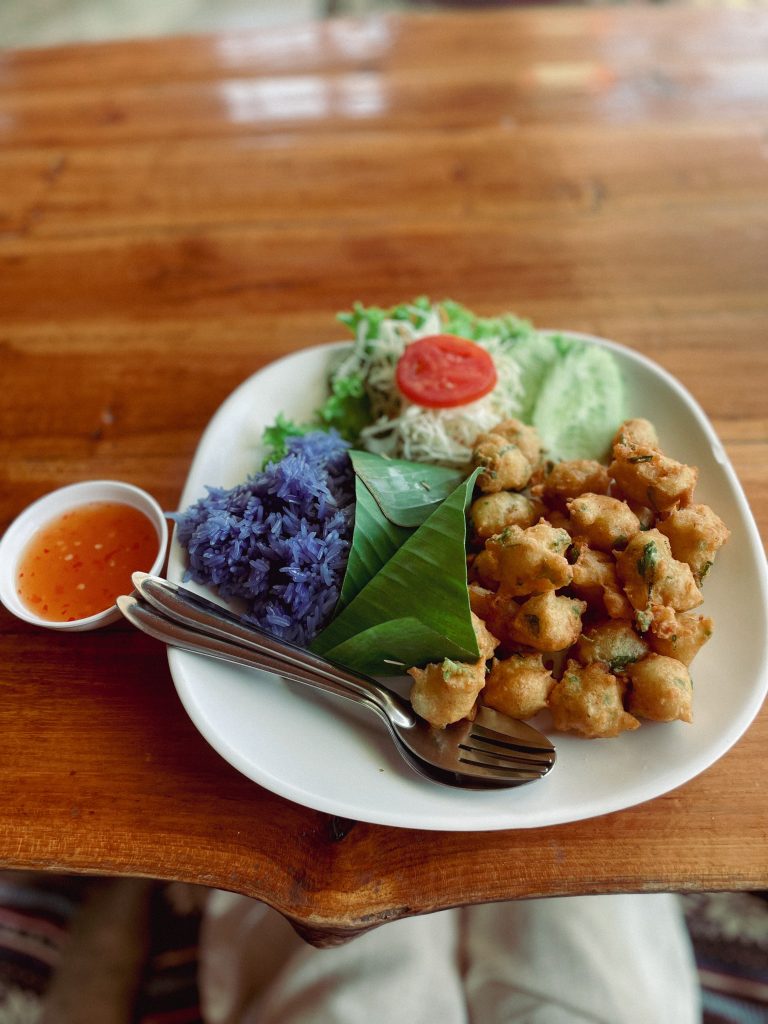
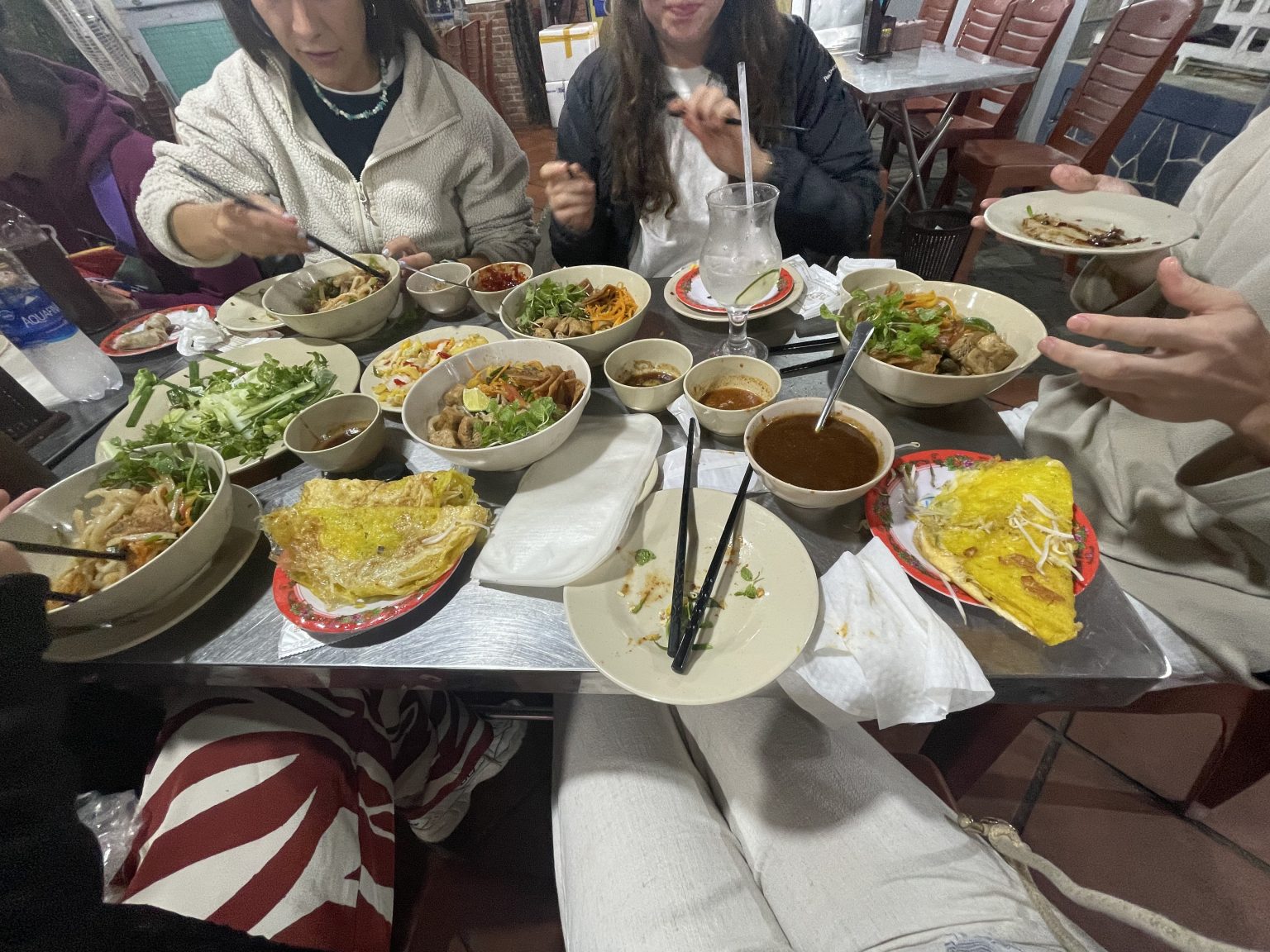
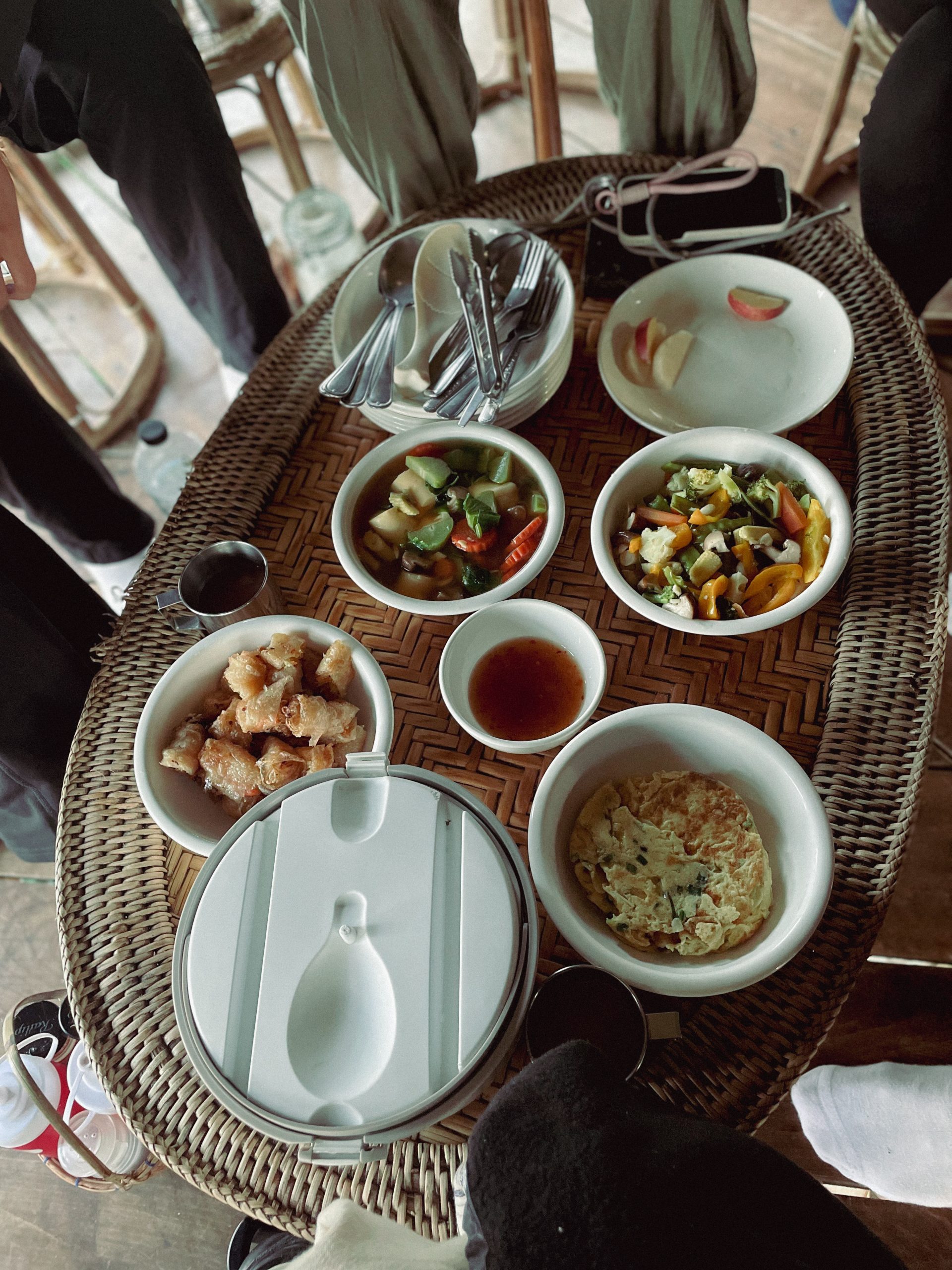
Meals cost £1-3
Based on my chats with people there, part of Chiang Mai’s appeal – compared to say, the Thai islands – is that it feels more “authentic,” or at least less mediated by mass tourism. Fon is from Prachinburi, and moved here five years ago. “People from here have a strong sense of culture, pride, and local traditions,” she said. This is in part due to the highly esteemed university and active student culture.
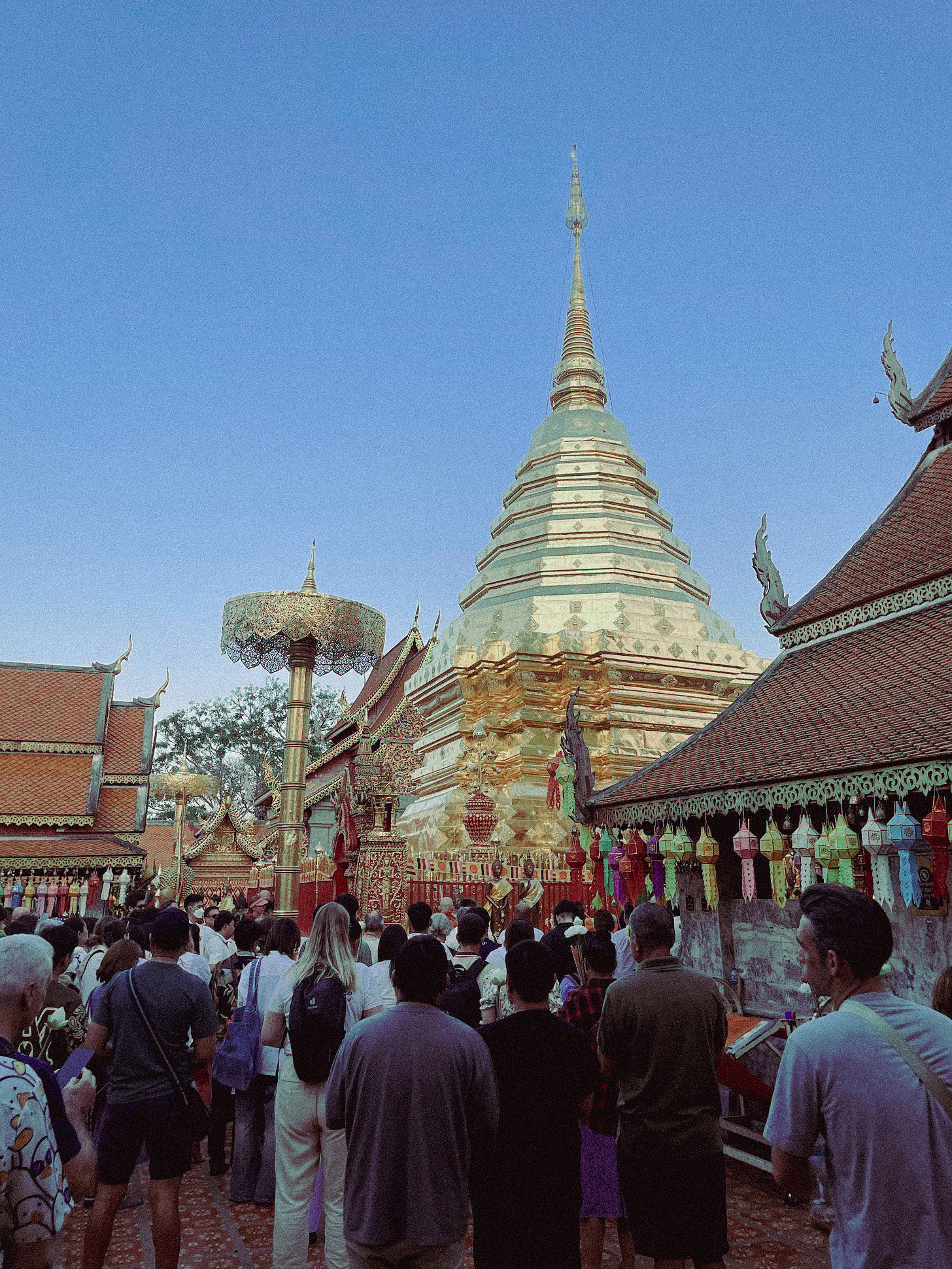
Evening chants at Doi Suthep are popular
As more people move here to work, however – which is likely, in the wake of this visa – I suspect local businesses and authorities will keep shaping things to meet foreign interests, expectations and spending habits.
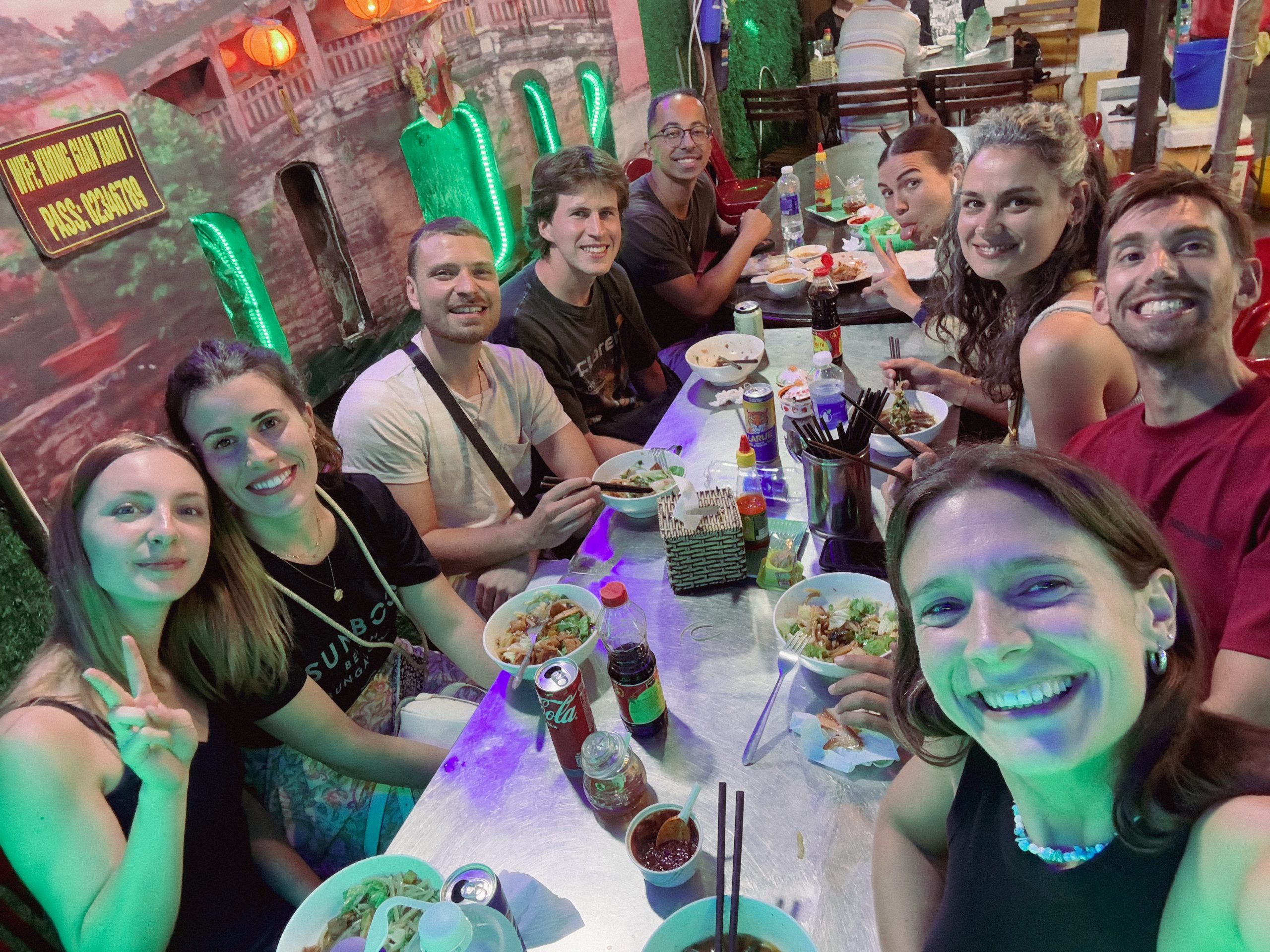
After all, nomads are not tourists in the traditional sense. They need a more fixed base, comfort, friends, places to live, reliable internet access, and familiar home comforts. I went for dinner with people from a newly launched co-living residence, for example – something that’s becoming more common, and speaks to the desire for permanence.
Another challenge that comes with growing numbers of long-term visitors, is waste management. Chiang Mai already feels stretched in terms of infrastructure, and more people inevitably means more rubbish. Bali, for example, is grappling with a well-documented waste crisis, and while I wasn’t able to investigate in depth here, this blog provides some interesting context about recycling and waste handling in Thailand.
I tried hard to minimise my footprint by carrying a Grayl water filter bottle and a foldable dog bowl for takeaway food, but the broader issue is harder to tackle. How the city will cope with more residents and their impact on waste, water, and energy systems remains to be seen. “Waste and water management have not kept up with growth,” said Fon.
Is it overcrowded already?
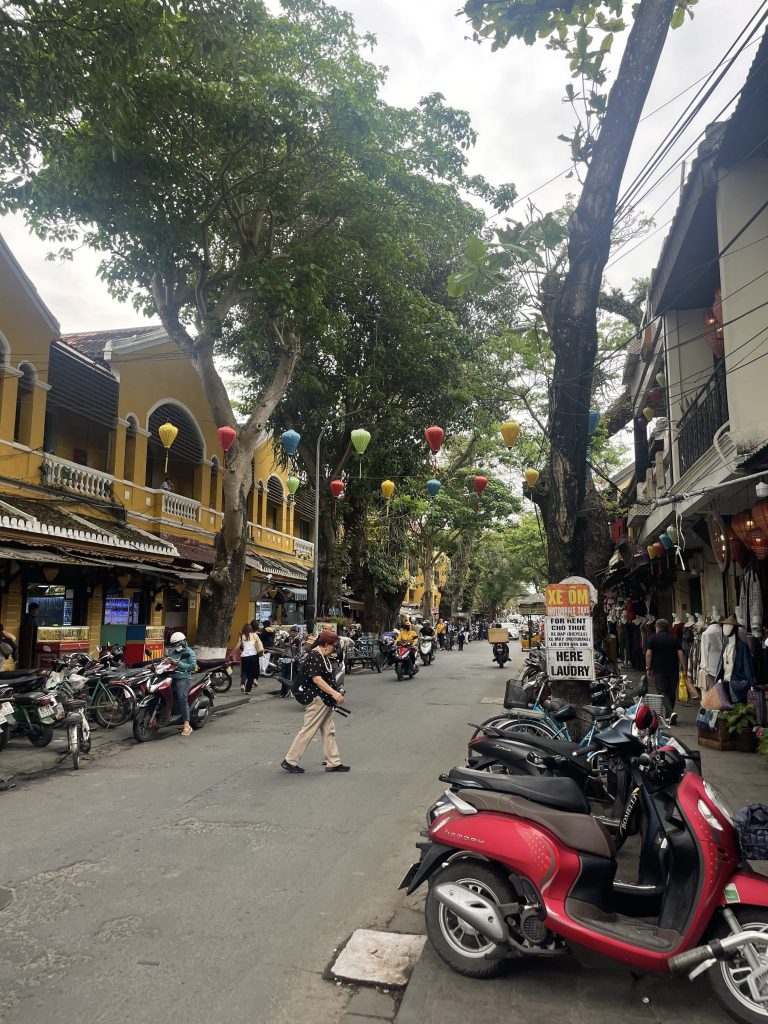
In terms of capacity – like I said, it already feels quite busy, and judging by comments on Reddit forums from long-term nomads, that seems to be the case. I found myself standing at traffic lights for around ten minutes in Nimman, trying to cross the road, for instance.
All the Grab drivers wore masks to protect themselves from the terrible air quality, which will surely worsen as traffic increases. Electricity wires hung about precariously, which had me wondering how much additional strain the desire for faster internet was putting on infrastructure.
According to Fon, my observations were valid. “The cost of utilities has risen dramatically,” she said. “The condition of the roads is abysmal, and there’s no real public transportation despite the demand. There are more vehicles on the roads each year as a result.”
A lot Chiang Mai is undeniably charming, and you can tell why people like it here. The Old Town is beautiful, a square of ancient walls, temples, lanterns, and slow, warm evenings. I really enjoyed my first few days staying just south of it, near Wua Lai Walking Street Market, a quieter part of town that still felt full of character.
There are some beautiful hikes nearby, and lots of stunning wats to explore – I even spent one day speaking to monks when I visited (you can read my blog about this here).
Overall though, I seemed to leave Chiang Mai with more questions than answers. It will be interesting to see how it changes over the next decade, and how the Thai government will manage the steady influx of people (or indeed, decline, if that happens). Is another Bali boom and bust on the horizon?
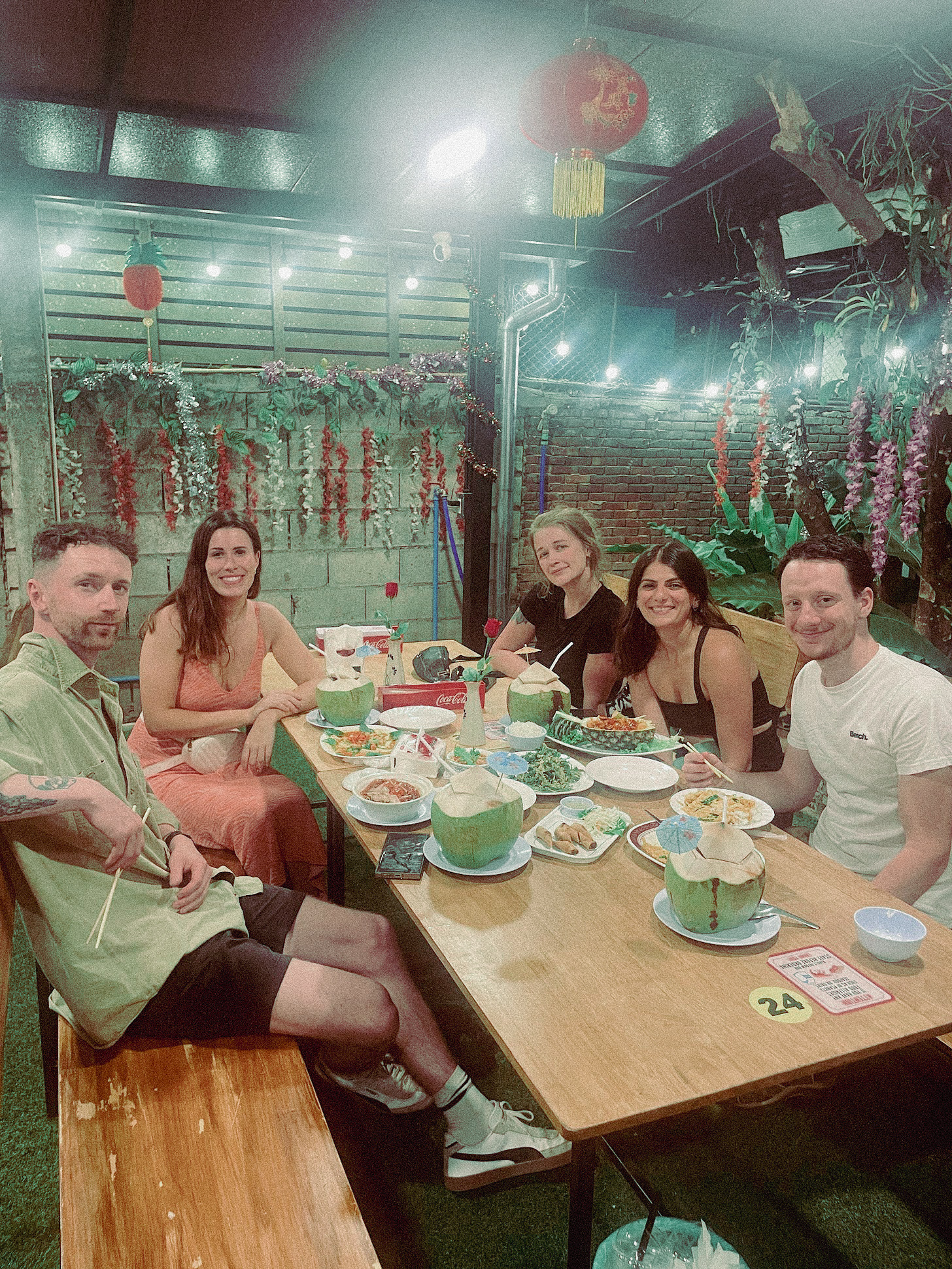
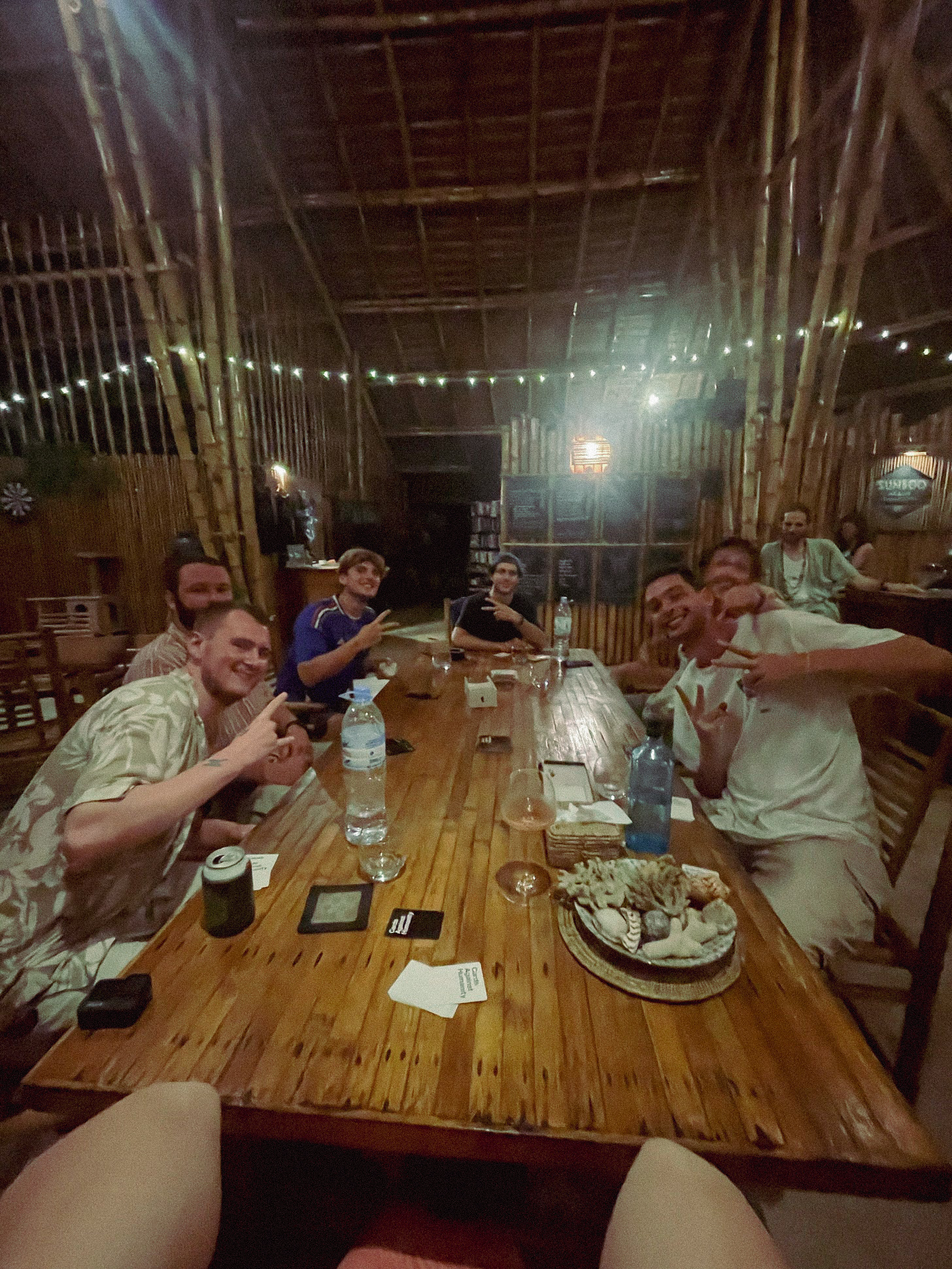
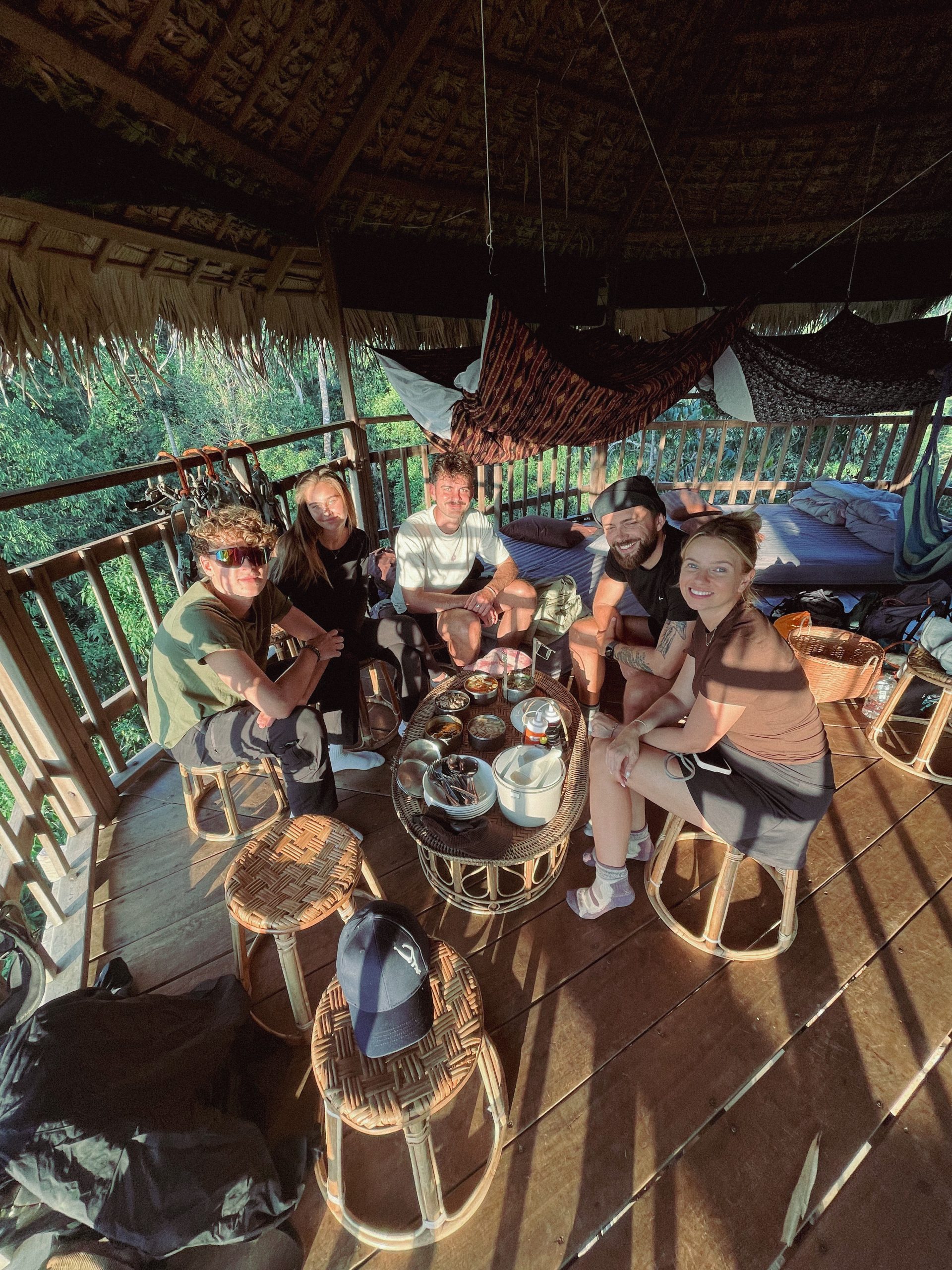
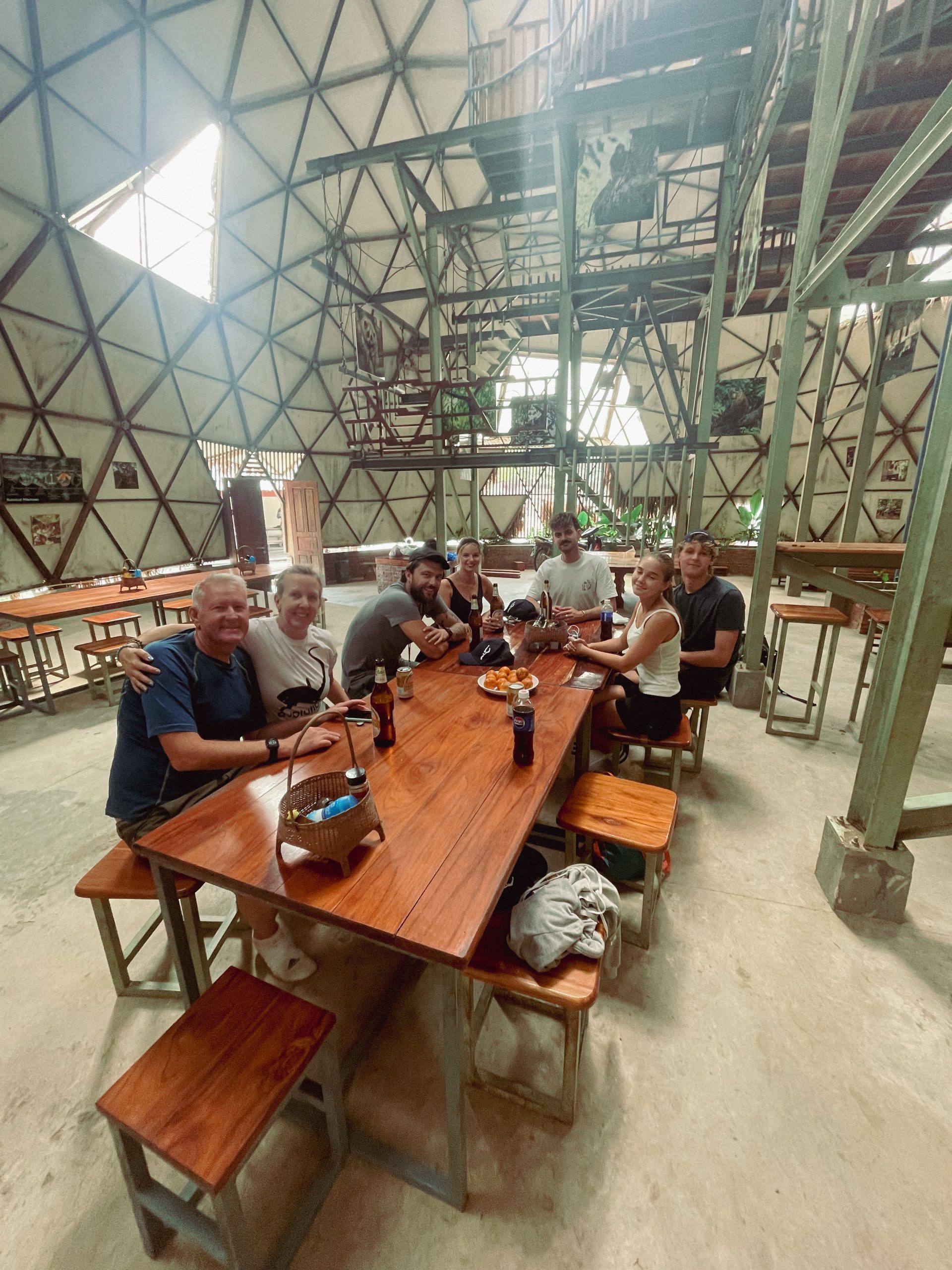
Dinner with a gang of travellers I befriended
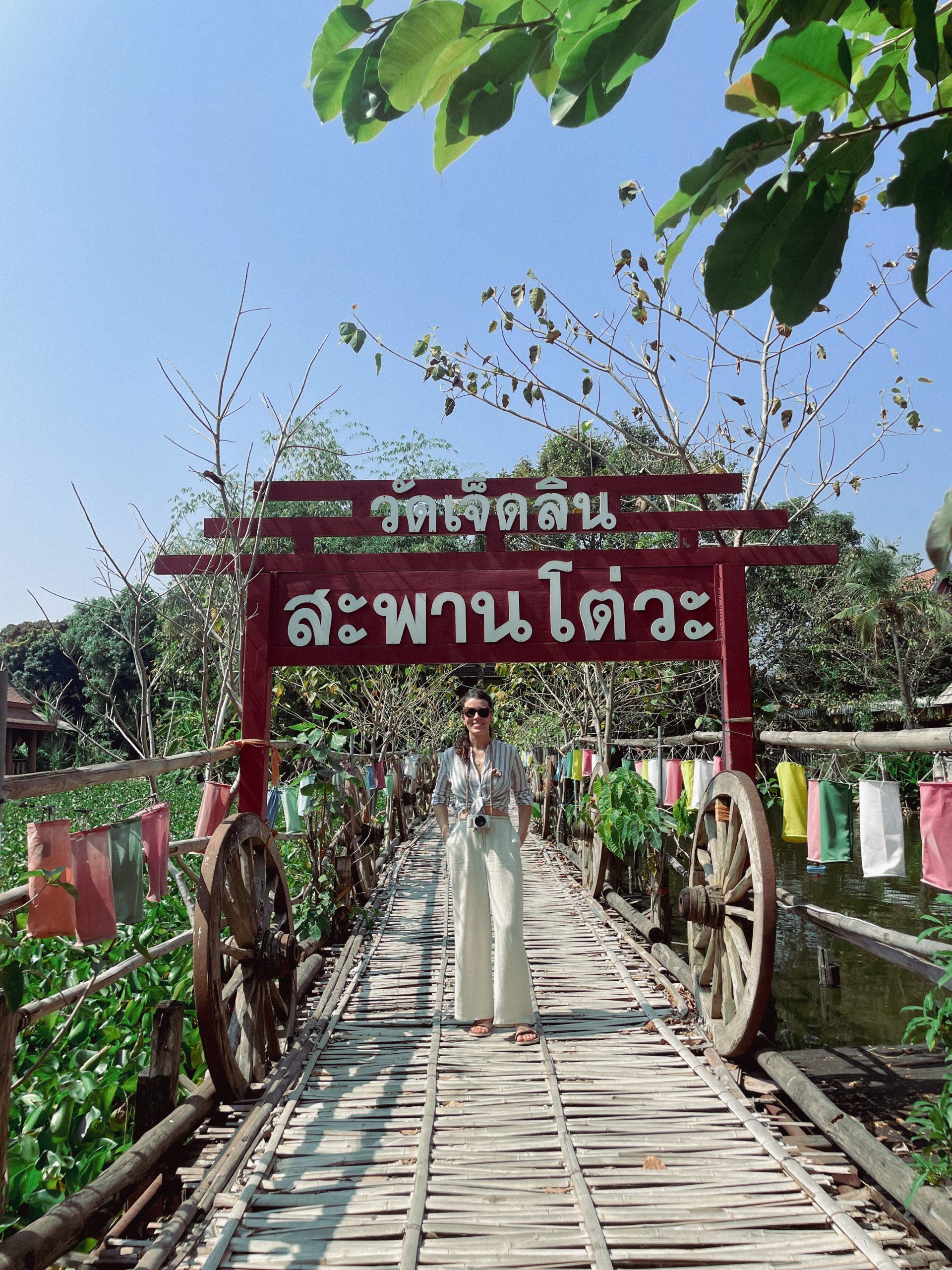
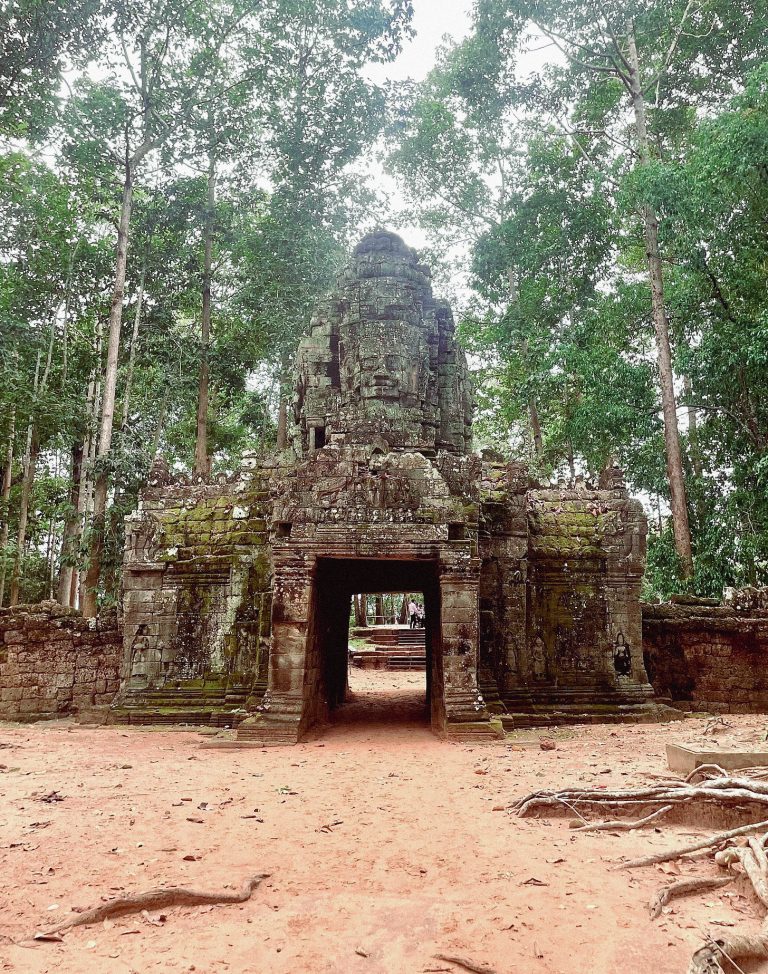
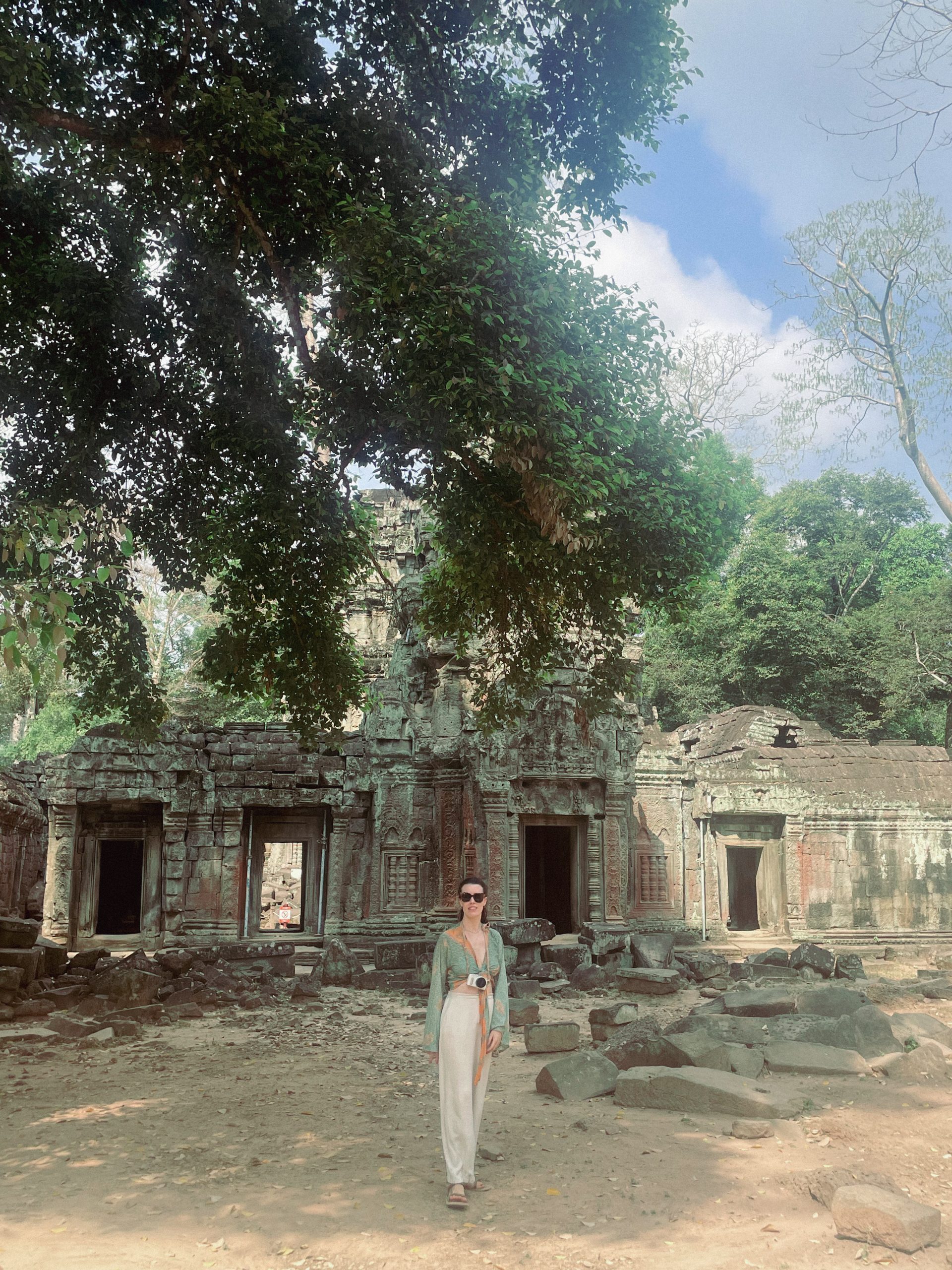
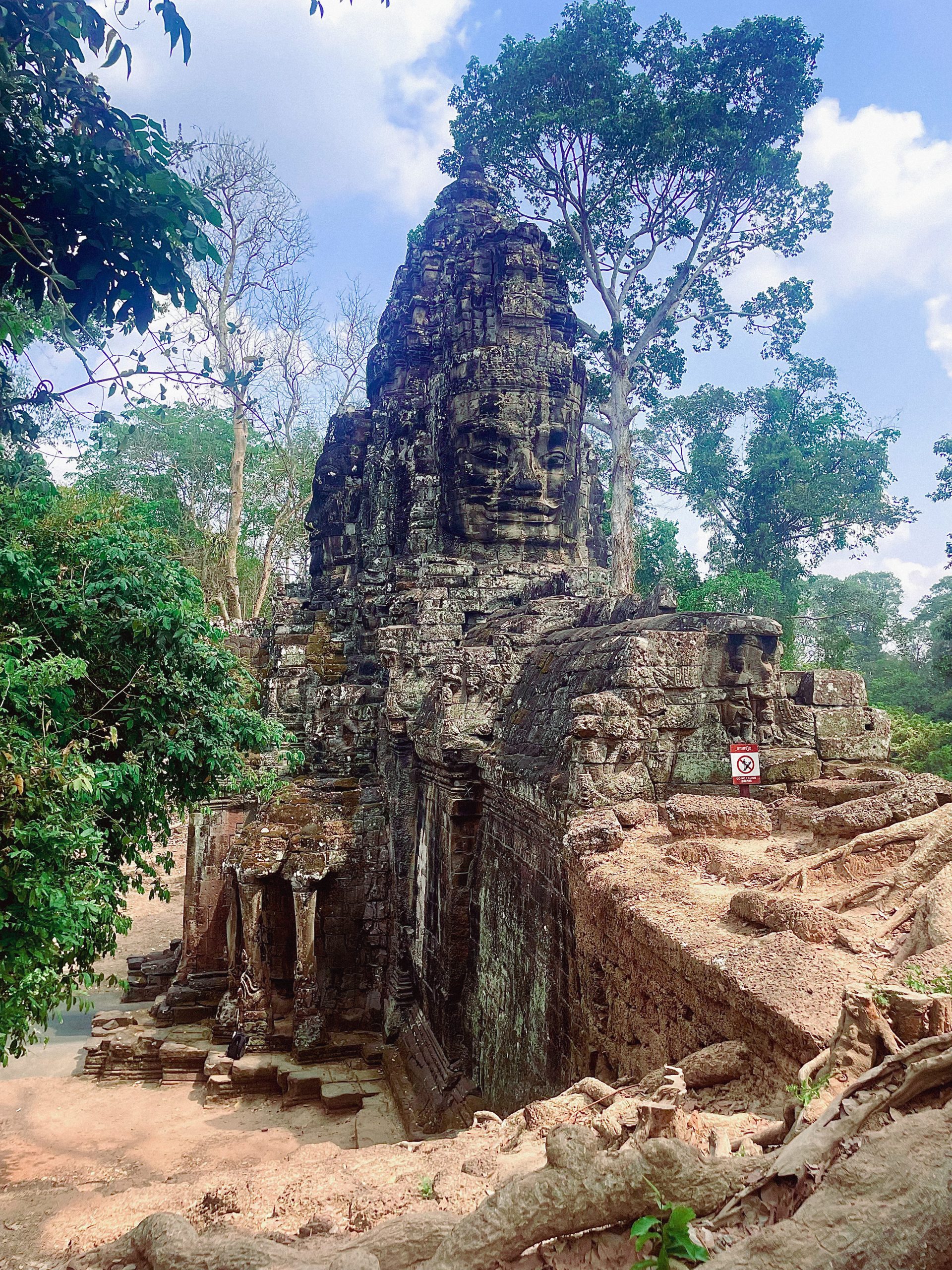
Exploring the local temples