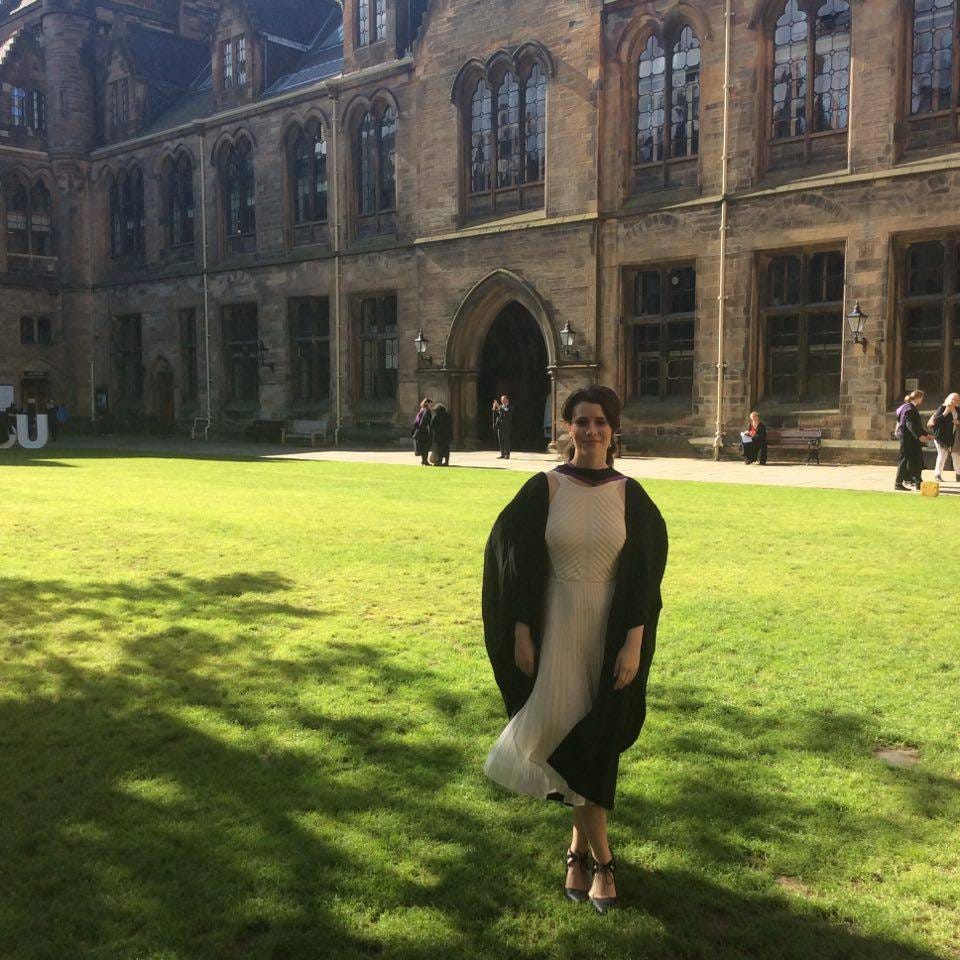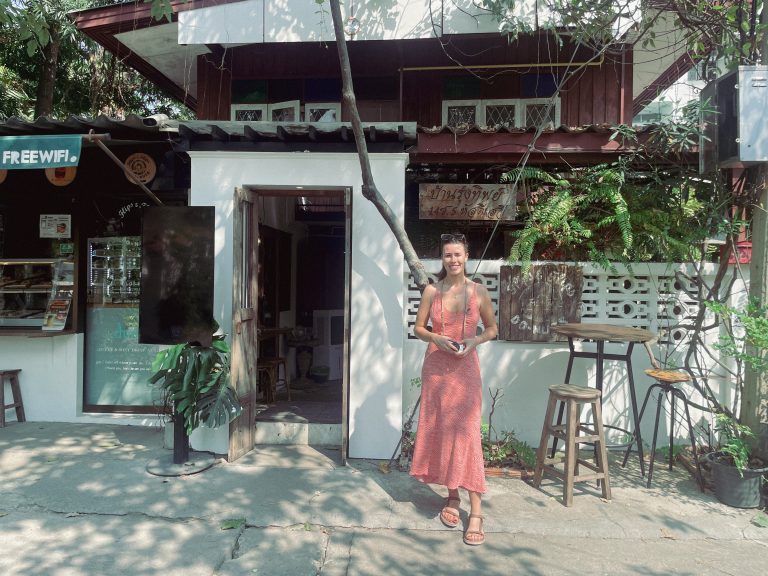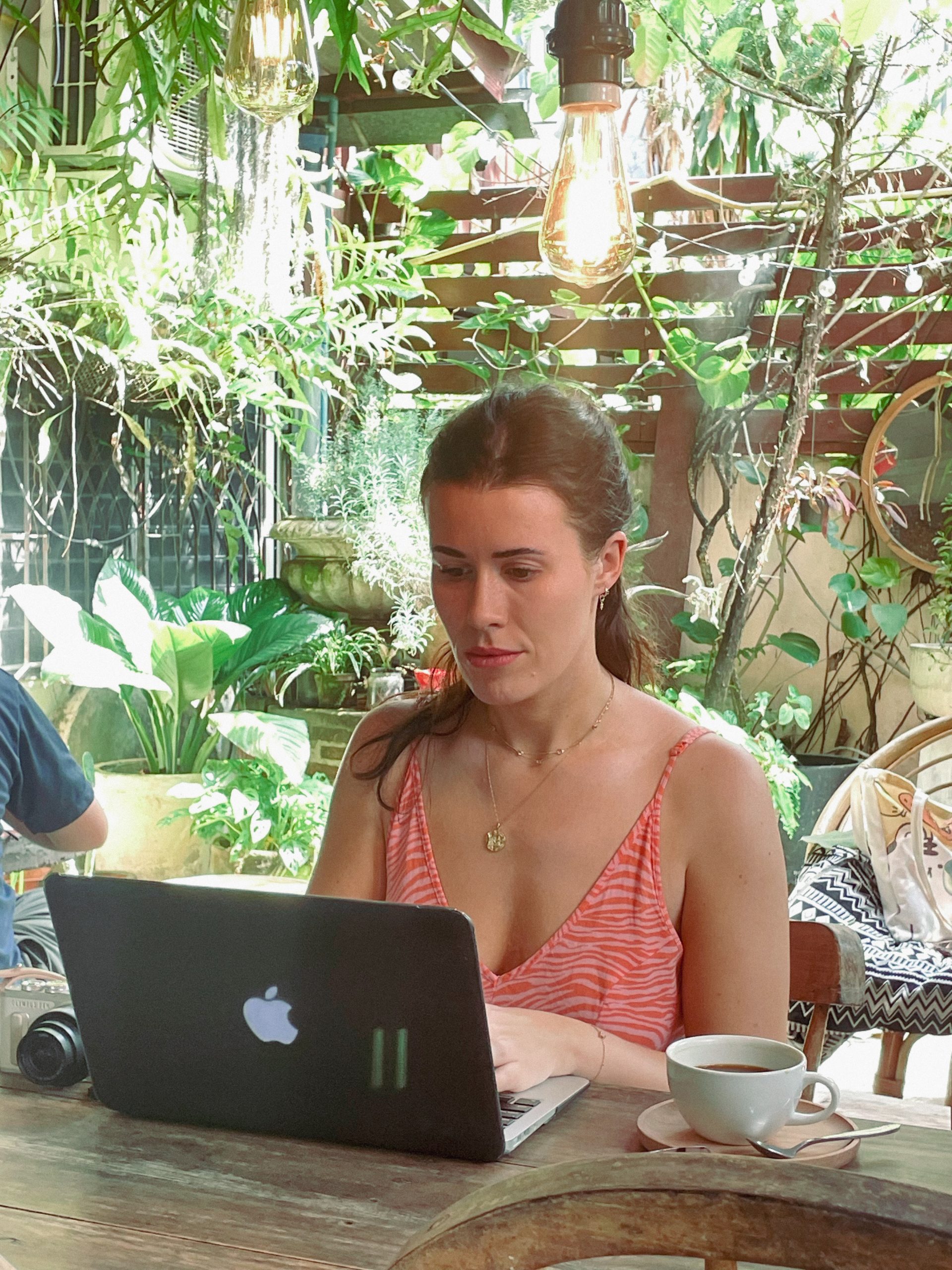
Swinging from the tree tops at The Gibbon Experience, Laos

I cross from Thailand to Laos, for a proper weekend off.

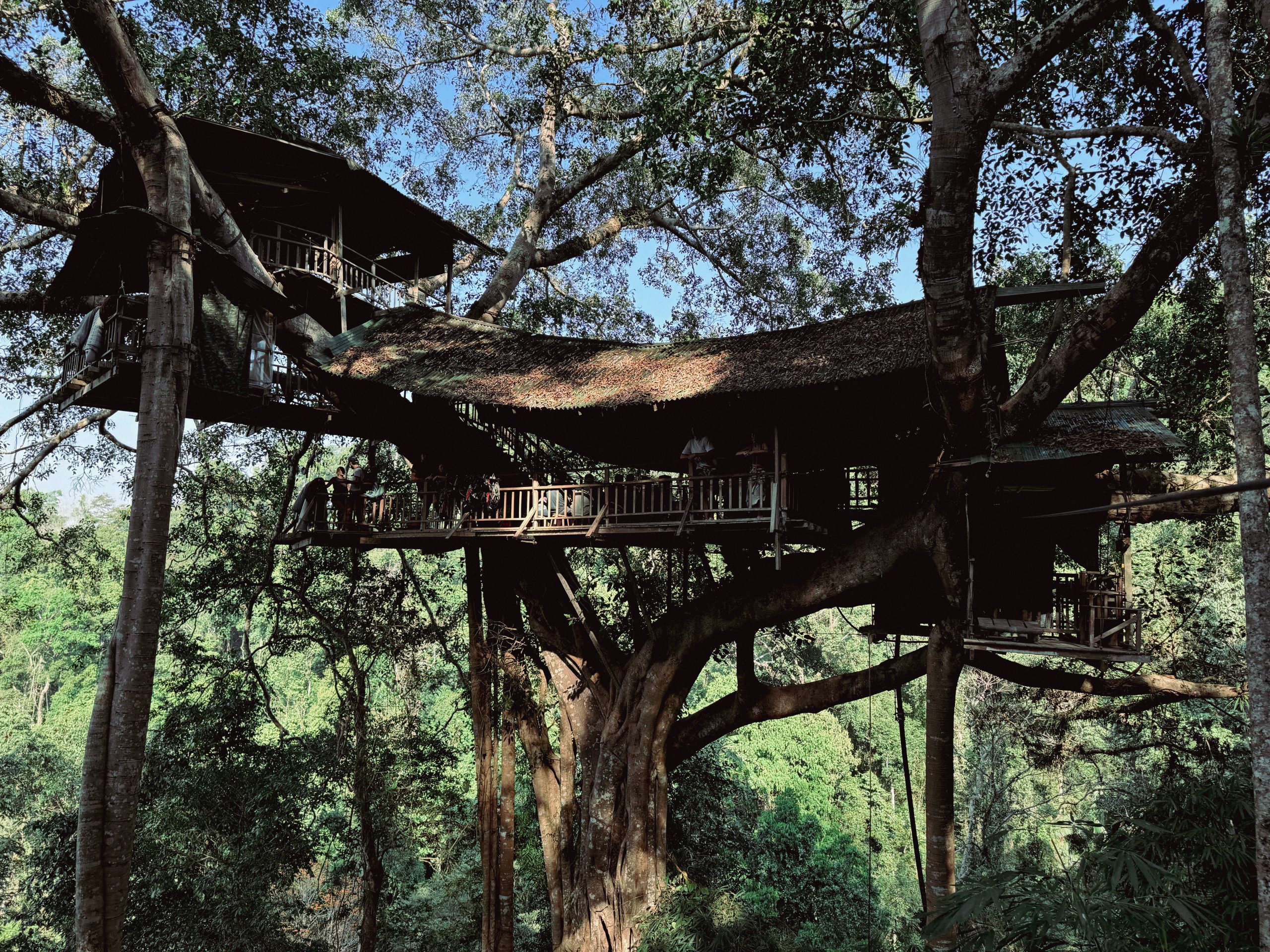
I wasn’t even planning to visit Laos during my South East Asia trip last year. Then one day in November, whilst hunched over my desk planning my route, I saw a deeply enticing picture – a wooden treehouse, surrounded by leaves, and doused in sunshine.

It was a snap from The Gibbon Experience – a tourism-based conservation programme that allows people to stay in tree houses and zip wire across Nam Kan national park in Northern Laos.

The organisation protects the area from logging by creating an alternative income, and gives the locals here a way of life. Guests that come here have a small chance of spotting endangered black-crested Gibbons (did we see them? Read on to find out).

After a quick scan of reddit and TripAdvisor – my go-to for travel advice – it seemed legit. And as luck would have it, there was availability during the weekend I had planned to leave Chiang Mai (but not before – so book at least three months ahead!).

Without much further thought, I booked a two night stay (the “Classic” tour) for around £300. This was the most expensive thing I bought during my time in South East Asia, where I worked for three months as a digital nomad – so I didn’t hold back. How else does one spend their weekends off in Asia?

Entering Laos via the Thai Laos Friendship Bridge

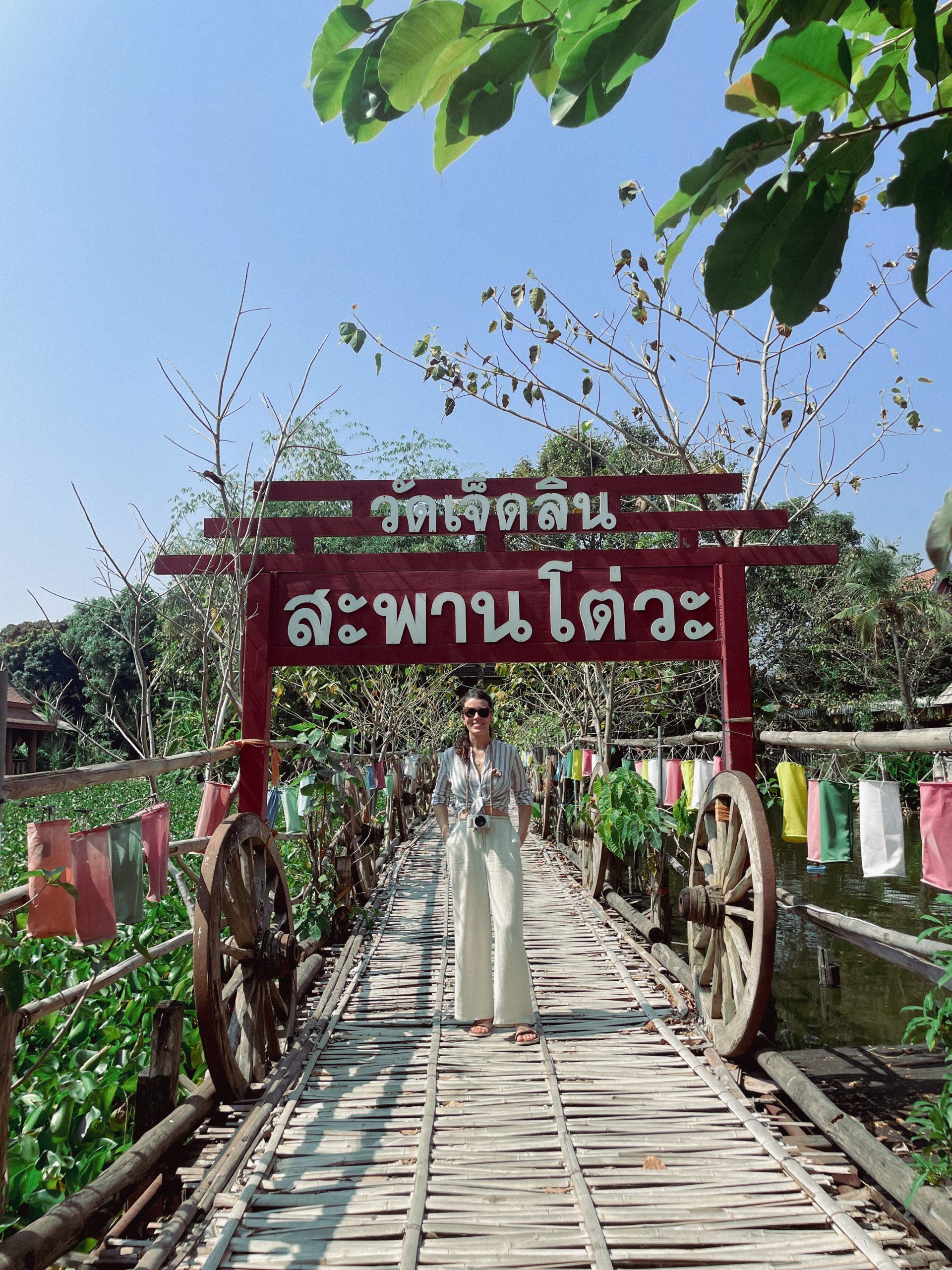
First of all, I had to get from Chiang Mai in Thailand – where I’d been working for the week – to Laos. That meant crossing the Thai Laos Friendship Bridge.

This was my first land border crossing of the trip, so I was a little nervous, especially as I’ve mostly travelled in Europe which is pretty straightforward as a Brit.

But having my passport photos and PRINTED e-visa in hand, made the process pretty simple. If you don’t bring this with you, ensure you have $50 crisp dollar notes so that you can pay for your visa.

Laos is a developing nation, so a little preparation goes far.

Most people heading into Laos this way will stop first at the nearest small town, Huay Xai (pronounced “Hox Aye”). Once I had crossed the border, a couple of buses took us into the town, making the process fairly straightforward and easy to navigate as a solo traveller.

Luckily, you don’t need to get Lao kip (LAK) before entering the country – they accept Thai baht, and sometimes even US dollars. So do NOT use up all your Baht when leaving Thailand. You’ll need some to pay for the bus over the Friendship Bridge, and the driver in Laos (it cost us around 200 baht each).

Once your baht is gone though, you’ll need cash. The kip isn’t a strong currency, and the country is cheap as chips – a clean dorm bed will set you back around £6–8, and meals are £1–3. The max you can get out of the ATM is 2M kip (around £70), so just grab the lot, and use it up – don’t get little amounts.

Another big tip – the ATMs in Laos can’t be trusted. Take your money from the machine as soon as it comes out. I was with a girl whose cash got swallowed back in and one took my bank card later in Vang Vieng (a story for another time).

Laos feels much smaller and rural after Thailand, because it is. Memories of the first five minutes include being overtaken by children on motorbikes, and wall to wall adverts for Beerlao.

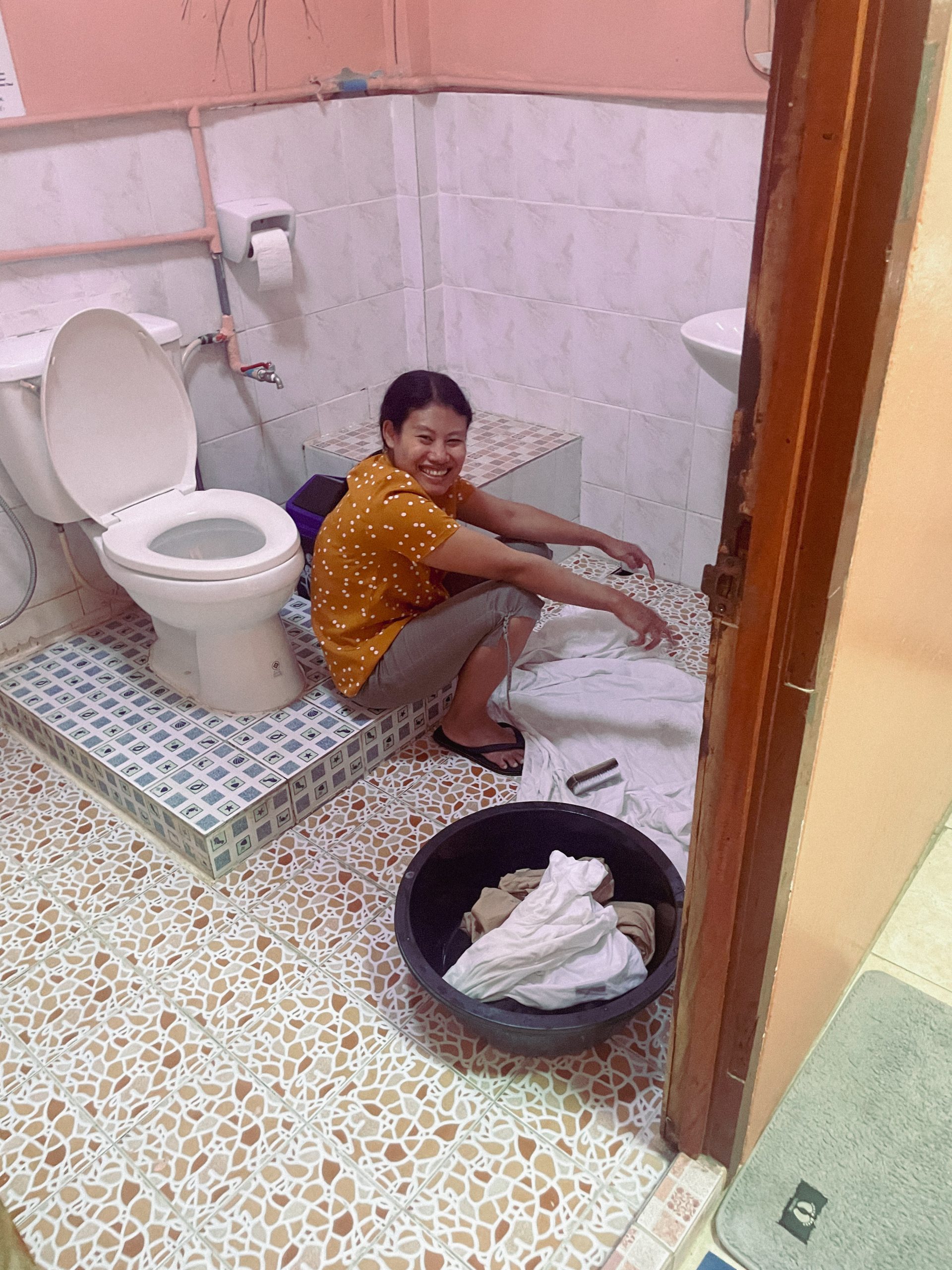
With this in mind, I had pre-booked a dorm room at “Little Hostel”. I needed a good night’s sleep, and wanted somewhere clean and comfortable.

It really delivered, and the girl running it (who spoke excellent English) even made us a wonderful porridge breakfast. There’s a number of nice options for dinner too, but bear in mind, service will be VERY slow. That’s just what it’s like in Laos!

Heading to the park, and facing my fear of heights

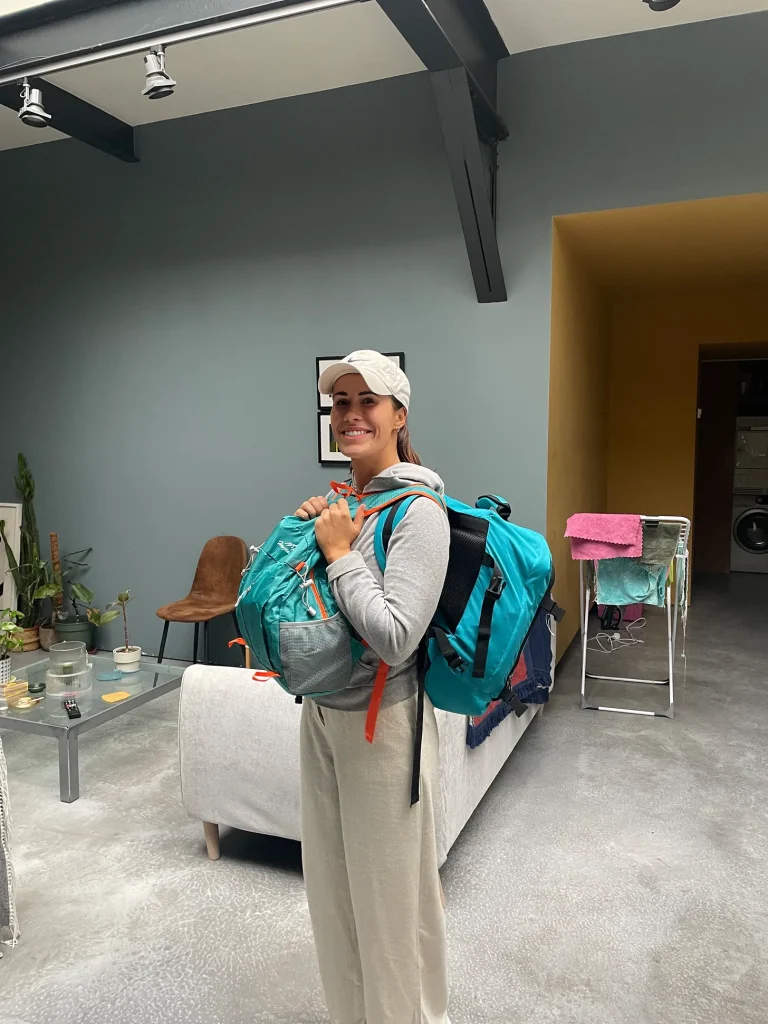
The Gibbon Experience office is easy to find, and we headed there at around 8am to swap our bigger bags for overnight packs. After a rather glitchy safety video, we put our lives in the hands of the staff and started the two hour drive up the mountains.

The next four hours was a blur that consisted of weeing in holes in the ground (common all over Laos), swapping extremely rudimentary small talk with our guides (mostly just smiling and nodding) and not looking each other in the eye until we stopped at the Gibbon Exp. Headquarters for lunch.

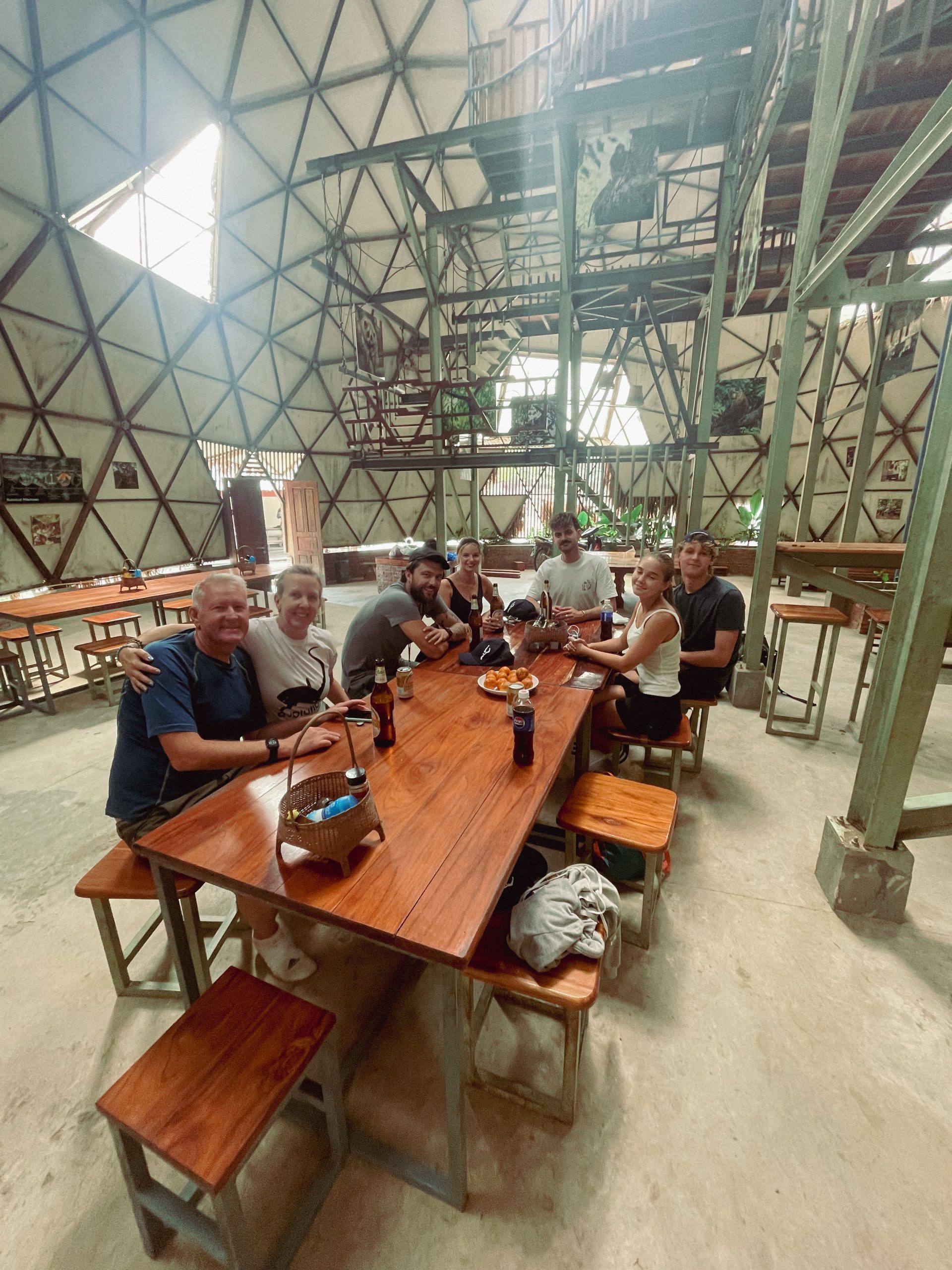
There were eight people in my group (just three couples, and two solo travellers, including me), and after a filling lunch of glass noodles, we started to wake up, and managed to exchange names and back stories (long story short, we had a wonderful time together).
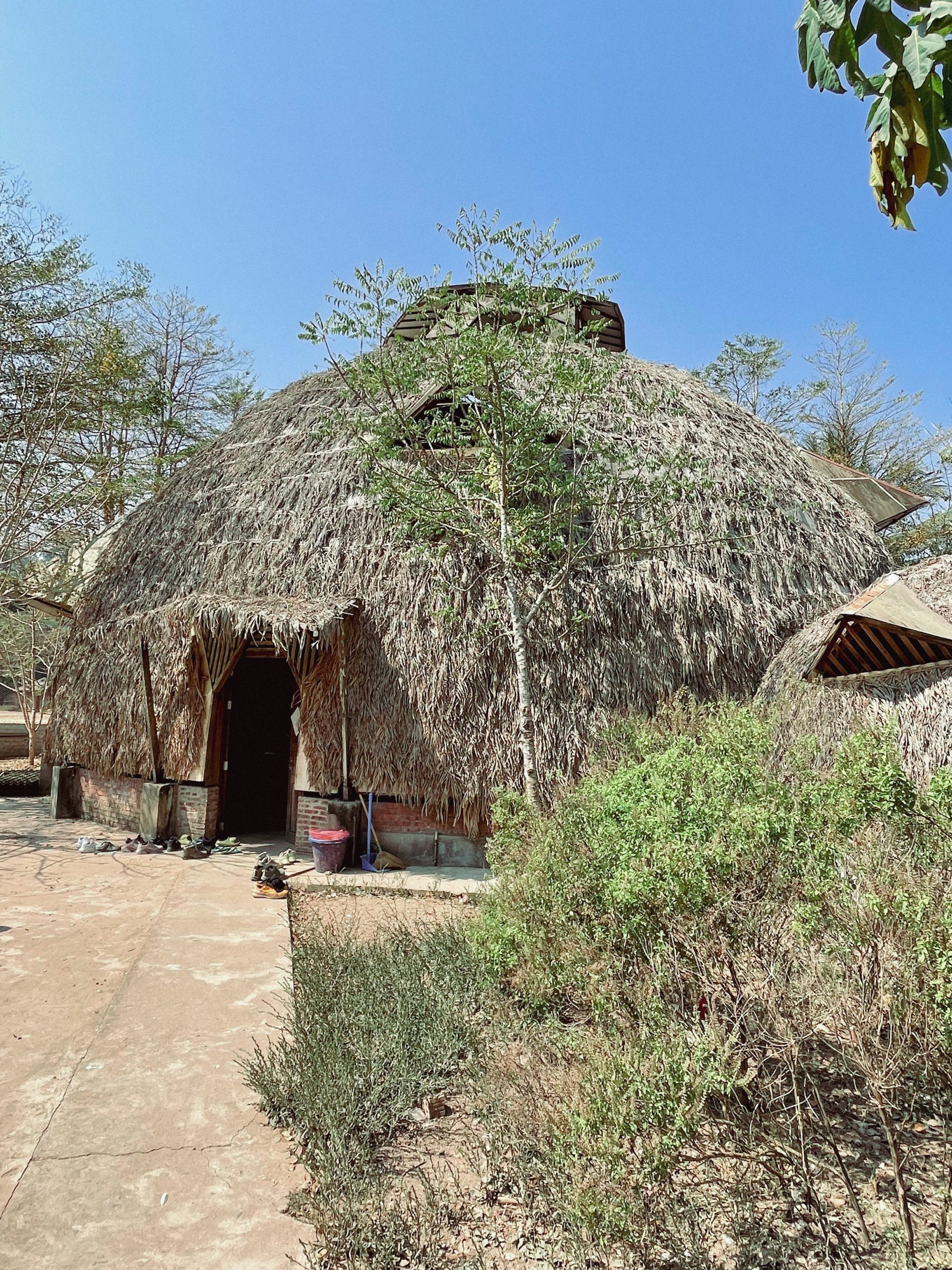
Stopping for lunch at the headquarters
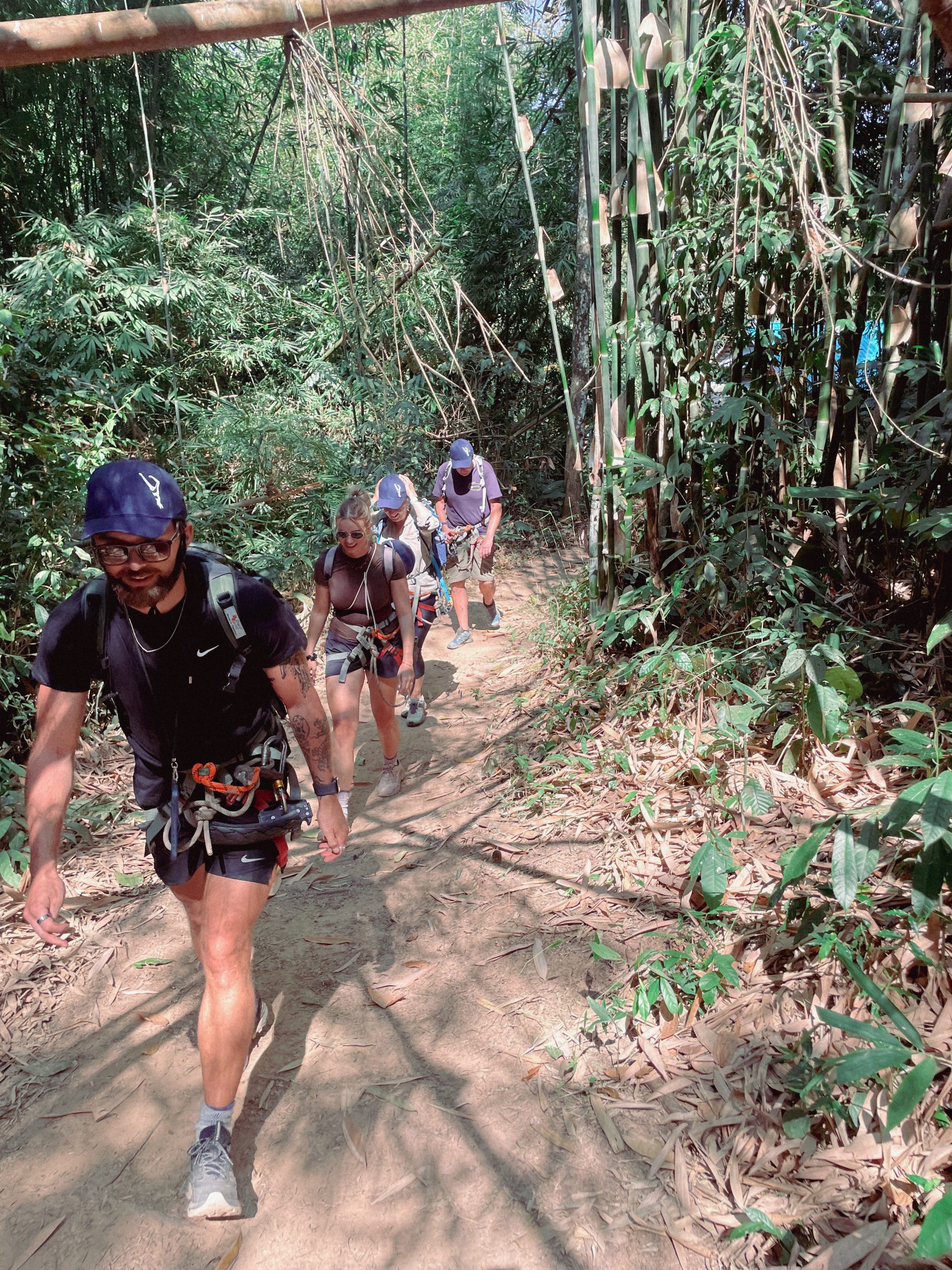
The trip requires a fair bit of hiking, so be prepared

We then took a shortish trek into the forest, where we were taught how to use the zip lines.

It was a little nerve wracking to begin with, because – if you’ve seen the footage from my instagram – you’re extremely high up. In the tree tops, no less! In addition, neither of our guides spoke good English. For full transparency, there was a death in 2017, but since then, the organisation has tightened it’s health and safety (and critically, weight limit). I knew this ahead of time and felt comfortable, but do your research and consider what feels right to you.

I’m actually slightly afraid of heights, but the minute I jumped off the ledge, I was just buzzing. Nothing can prepare you for the incredible views of the canopies, and the quiet sound of the forest around you as you’re speeding along the wire – that’s for sure.

After a couple of hours, we zip wired towards our treehouse and retired for the evening (at around 4pm).

Dinner at our treehouse

As the sun started setting, it was time to explore our home for the weekend.

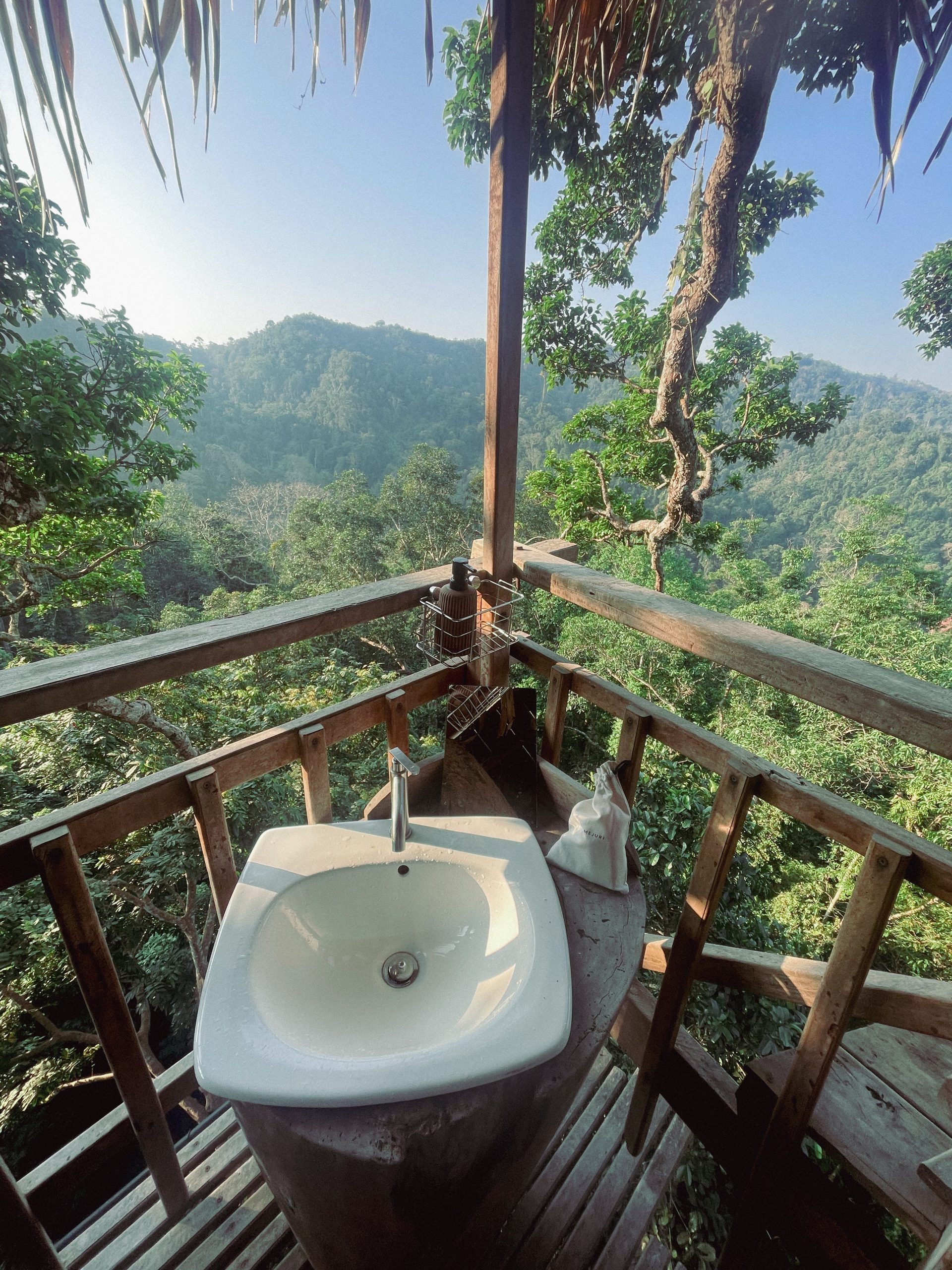
The treehouses, raised over 40 metres off the ground, are wonderful. It was just like being in Swallows and Amazons, but with modern accompaniments. I’m talking a flushing toilet, electric lights, and a waterfall shower. Yes it’s cold – but it comes with a view of the jungle, so compromises must be made!
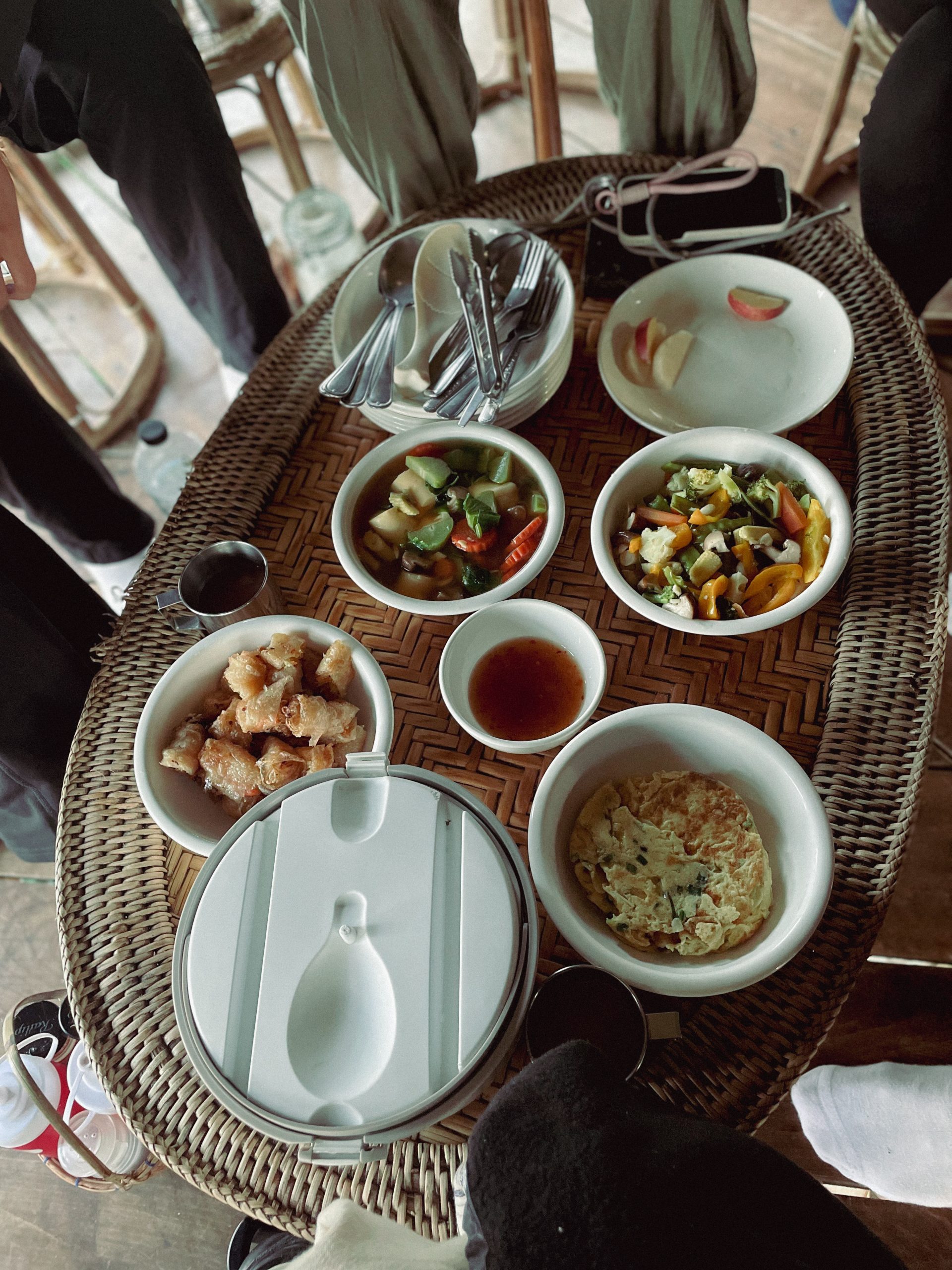
Dinner consisted of spring rolls, eggs, rice, noodles and coffee, and was wired in by the guides, who also joined us for traditional shots of rice wine.

Zip wiring for days on end is tiring, so when the guides left, after helping us with our beds, we deftly located the biscuit box and guzzled them down whilst playing card games.
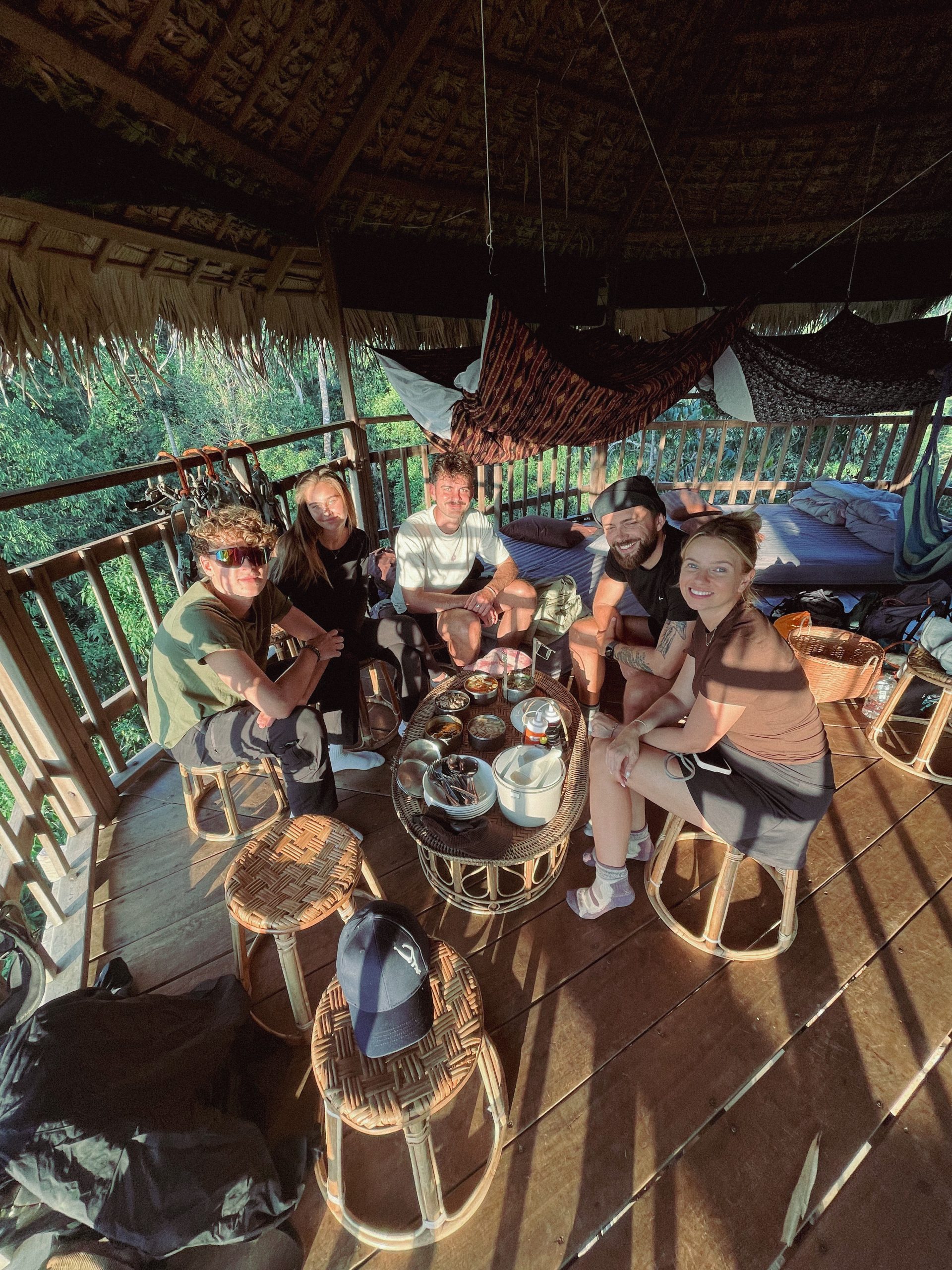
When darkness truly fell, the six of us turned off the lights and listened to the sounds of the dense wildlife, before getting into our enclosed ‘bed tents’ and settling into a deeply comfortable sleep.
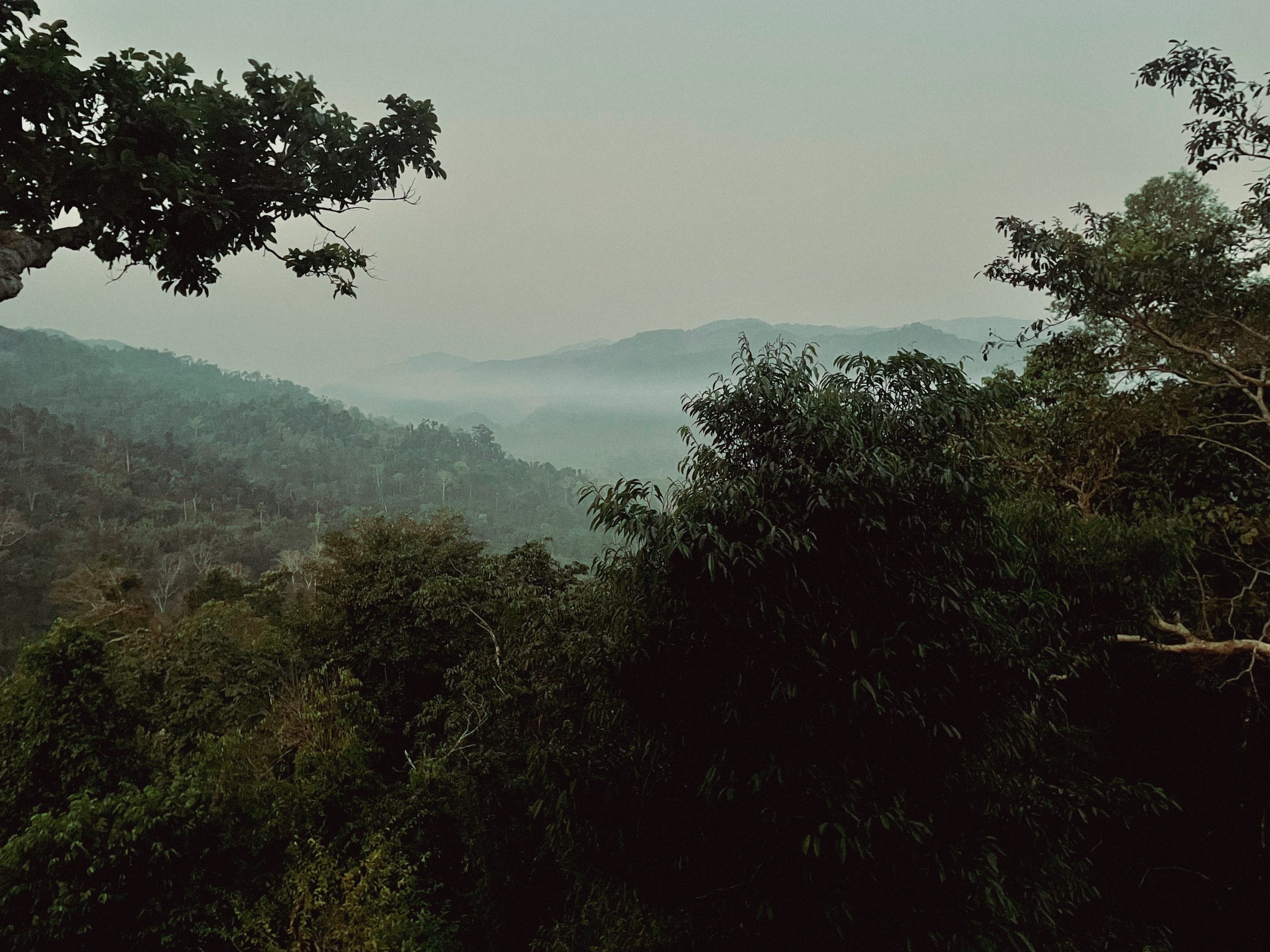
The forest is noisy at night, so bring ear plugs if that bothers you (I quite enjoyed it).

Bonding with the wildlife

Up at 7am for brekky, which – given it was a repeat of the last evening – was a bit of a shock to the European tummy. The food remained the same for the next 3 days, with slight variations each time, and allowances for the vegans in the group.
After coffee, we were back out on the zip lines until 11.30, with a fair bit of hiking in between. Not unmanageable, but something to keep in mind – you don’t slow down much, and even our group (20s–30s) was getting tired. Luckily we had a solid three-hour break back at treehouse five for lunch and a nap.

In the afternoon we explored the other treehouses – the 50m-high one, the big 11-person one, and the honeymoon suite where we met a lovely retired couple that had met in Cambodia. All were wonderful, but we still felt that ours had the best view.

We spent the evening looking at the giant spiders in the rafters and trying to catch a rat we saw deep-throating our ketchup bottle. There were also some bats flying through – they didn’t bother us, but definitely get your rabies jabs before coming. I will stress that the sleeping situation unnerved me before I left, but the mosquito nets around our tents were solid, and nothing was getting in. It was plenty warm, and pretty cosy!
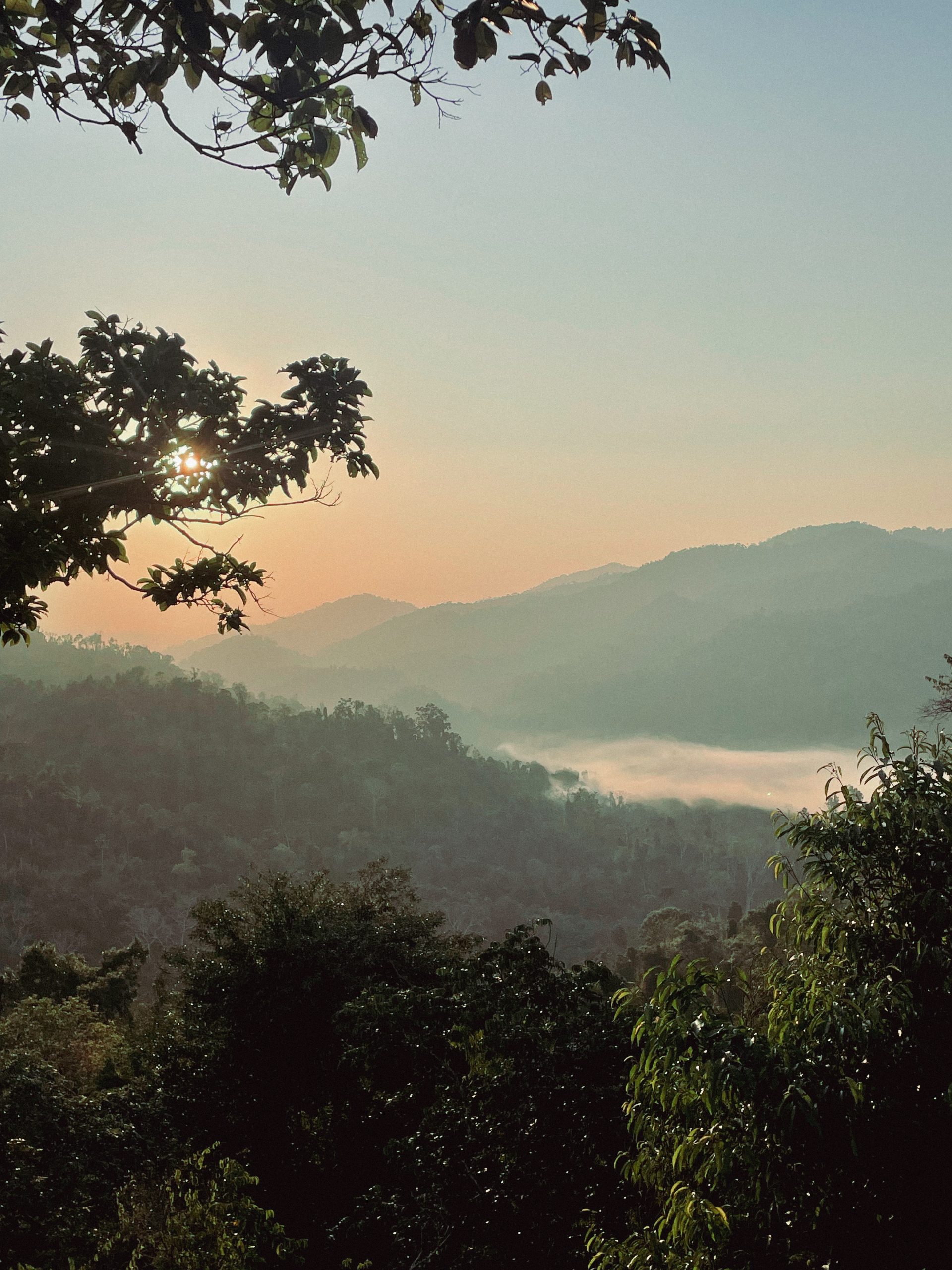
After another brilliant sunset, we were up at 5.30 the next morning for a final hike to the viewpoint. This time we headed toward a special viewpoint where the gibbons tend to feed. Unfortunately, despite lingering for some time, we did not see any – but we did hear them singing in the distance, which was a highlight.

We packed in a little more ziplining that day, and by midday, we were back at the village for lunch, photo swapping, and the journey home. We were absolutely shattered by this point, but having bonded on the trip, much laughter was had on the way home – a sea change from the way there!

It really was a wonderful and unique experience, for not that much money by UK standards. You can take a one night trip, but the “Classic” two night tour is less popular, more intimate, and only slightly more expensive, so I would suggest doing this. Just ensure that you book well ahead (at least three months in advance).
My top tips:

  • Bed sharing – As a solo traveller, I did have to share a bed with a guy my age. I was comfortable with this because we got on very well, but some people might not be
  • Wildlife – Whilst I was anxious about spiders and rats, they didn’t prove to be a problem. The beds are really secure, and as long as you put your net right around it (which we did), you’ll be fine. For the spiders, my advice is to simply not look at the rafters. We did see a rat but the experience turned out to be more amusing than scary. Don’t bring snacks though, as they will eat through your bag. There are bats flying around, so get your rabies jab!
  • Games – Bring card games for evening time. I advocate for Monopoly deal
  • Timing – I’d opt for dry season, but the trips do run in the rainy season too
  • Clothes – Pack as little as you can manage, but long sleeves for the evening (I went in dry season / February). Bikini for the shower (although there is a curtain)
  • Gibbons – Accept that you probably won’t see them, but you’ll still have fun
  • Length – Do the Classic / longer tour (not the Giant Loop)! It’s a more intimate group and you see a lot more
Similar Posts

  • My Singapore stopover – is there more to this city than meets the eye?
    Finding biophilic joy in the Asia’s financial capital.

    I arrived in Singapore at the end of a three-month trip from the UK to Asia. By then, my interest in forward planning was at rock bottom, but my confidence in my own tastes and intuition was sky-high.

    Singapore is a small island sitting just south of Malaysia, and one of the world’s most densely populated countries. It’s been independent since the 60s and, with historic links to British colonial rule via the British East India Company, is now a global financial hub.

    It’s also become known as a bit of a stopover city. Typically, you’re flying in or out for a meeting, or in order to get somewhere else – which usually means you’re tired, jet-lagged, and possibly dragging a big suitcase behind you.

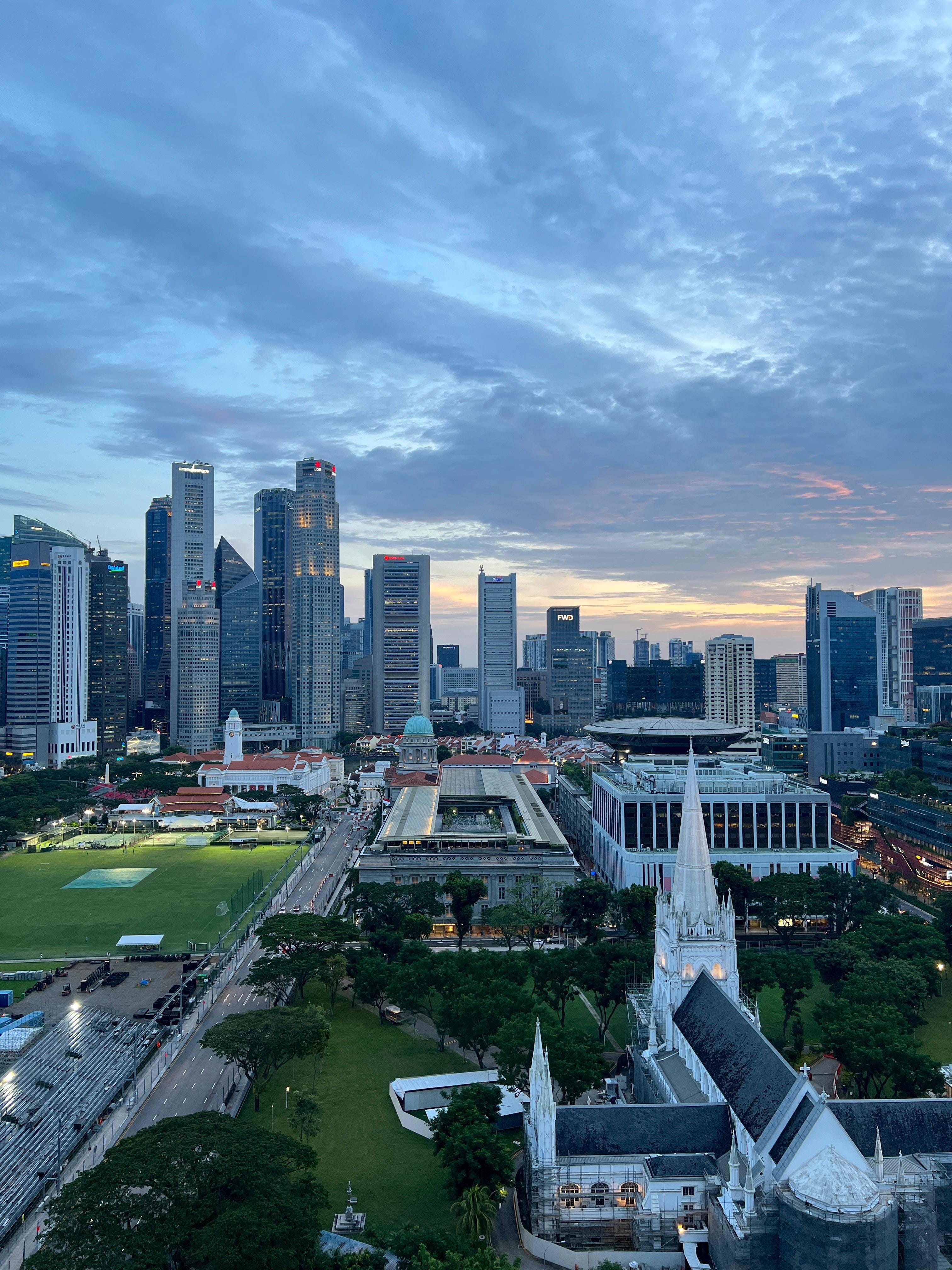
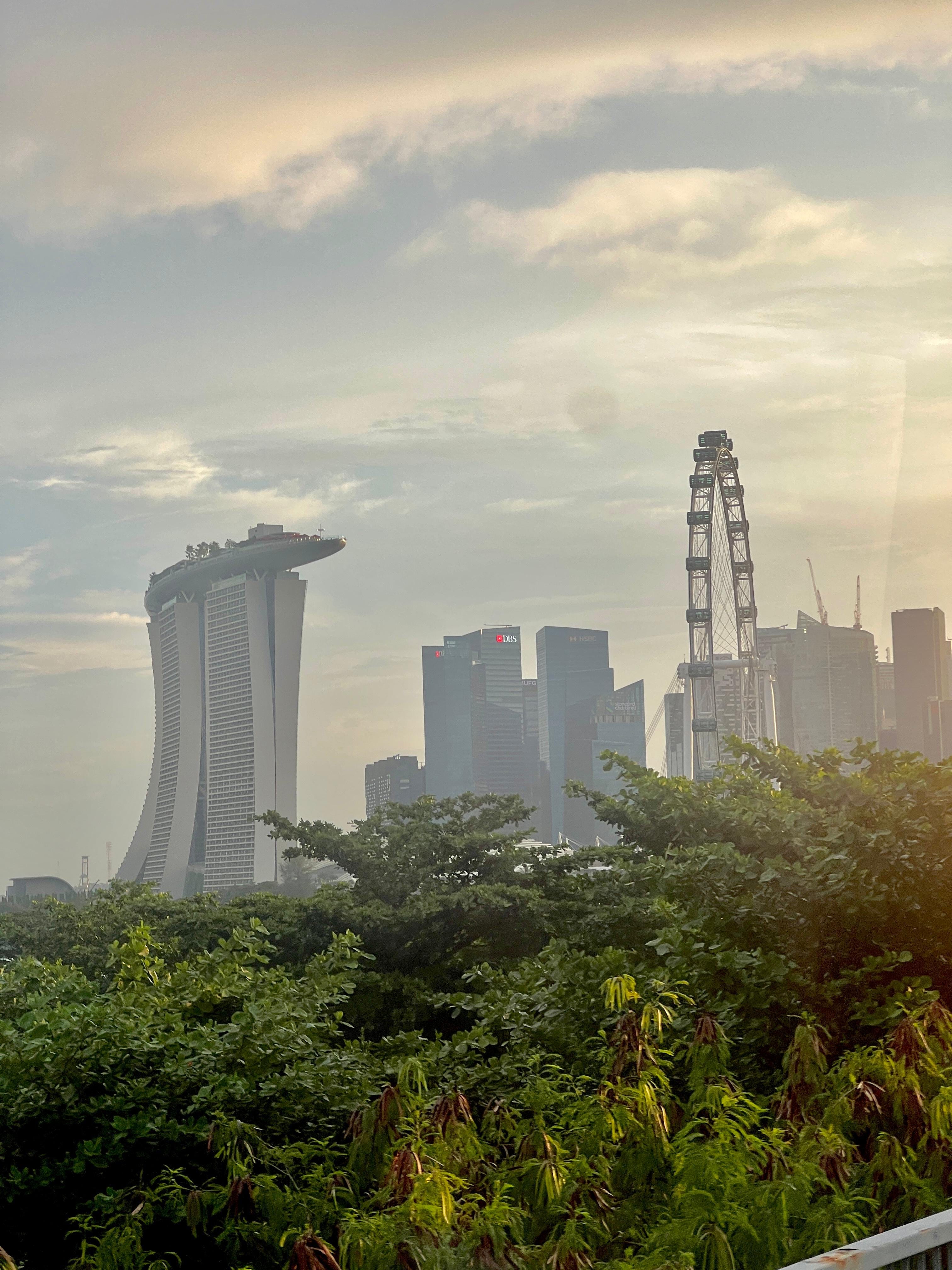
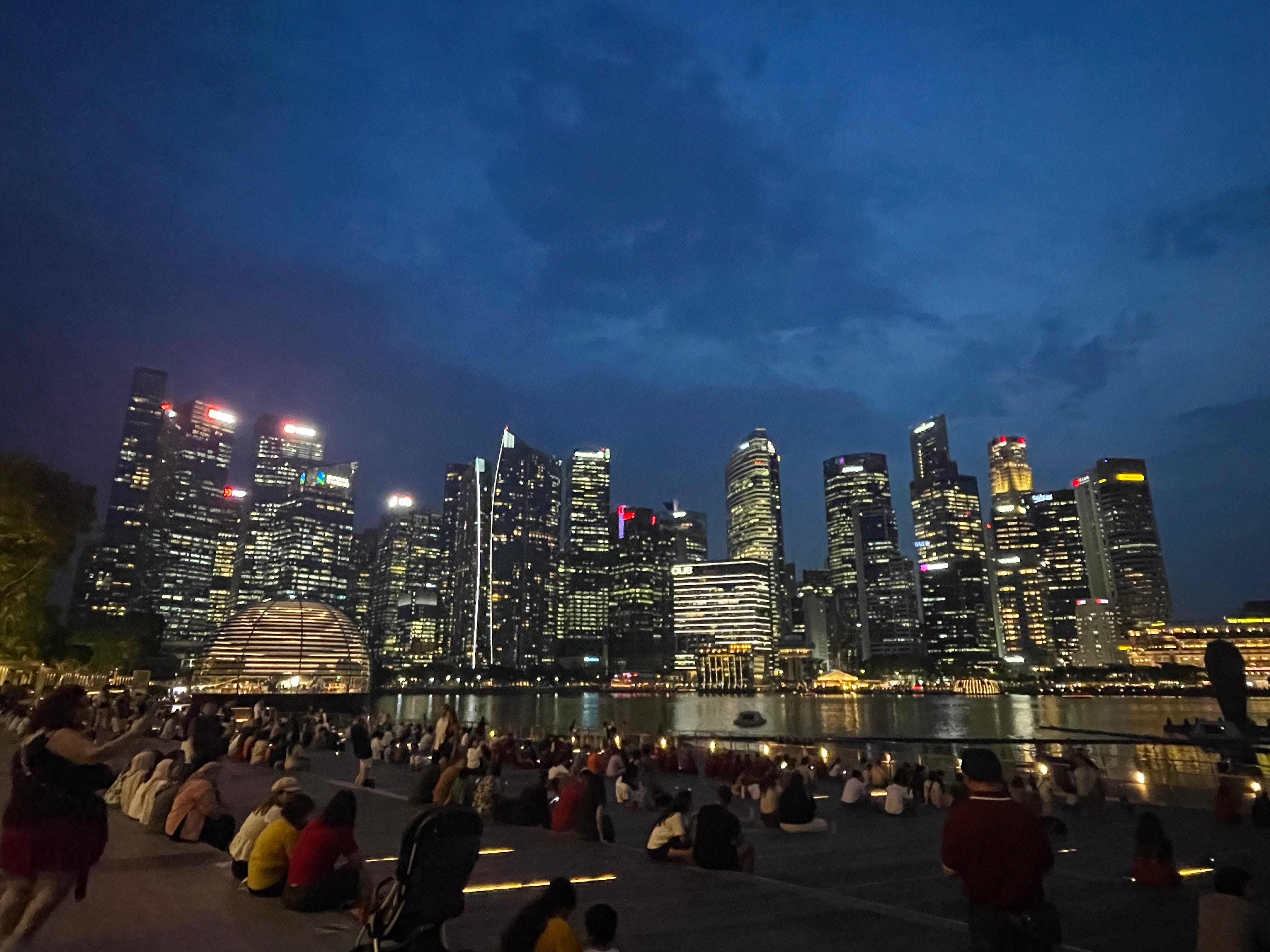
    Sights from the Singapore Skyline

    Luckily, it’s teeny-weeny. At around twice the size of the Isle of Wight – and roughly 2.5 times smaller than Greater London – you can enjoy what it has to offer within 24–48 hours, if you’re realistic about what’s achievable (spoiler – it’s not just skyscrapers!).

    Depending on the length of your layover, bear in mind that the airport is around 30–45 minutes from the city (longer at peak times). I took a taxi, which cost around £20, or $32 Singapore dollars.

    Here’s how I spent a perfect two days.

    First of all – sleep. I flew in from Sydney, so it was a relatively short flight, arriving late at night. I decided to stay in an area called Kampong Glam, Singapore’s historic Malay–Muslim quarter (more on this shortly).
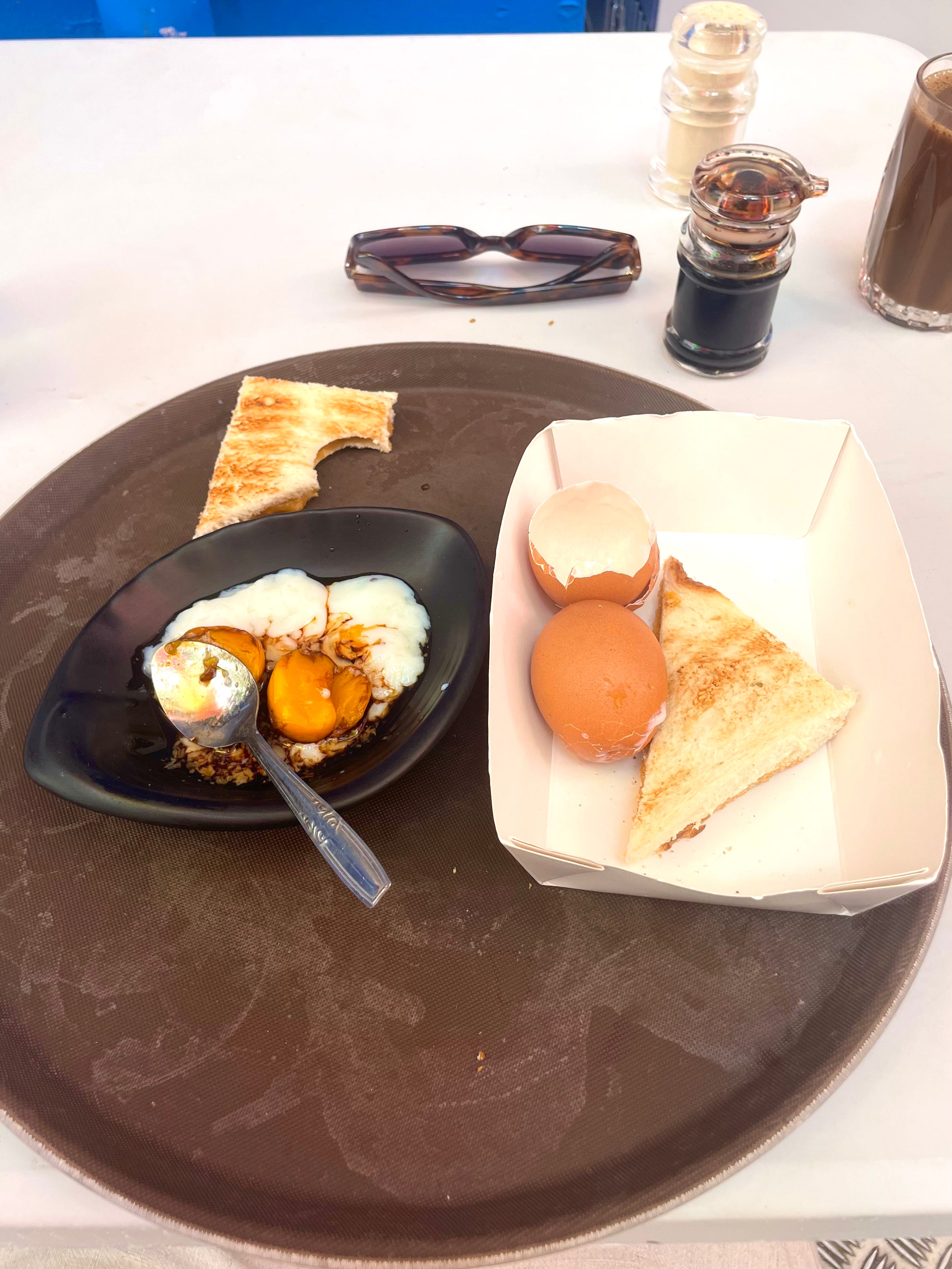
    After a good night’s sleep, I spotted a sign for kaya toast. This is a traditional breakfast in the country, so I decided to check it out.

    Kaya toast – a traditional Singaporean breakfast – is usually set alongside runny, soft-boiled eggs and local coffee (kopi)

    It looks and tastes a bit like a peanut butter sandwich, but the filling is actually a sweet coconut–pandan jam (kaya). It’s served with soft-boiled eggs, soy sauce and pepper, alongside a strong coffee (kopi).

    I didn’t really know what I was doing, but a kindly stranger advised that you’re meant to dip the toast into the egg and sort of lap it up.

    I enjoyed it – but if you’re after something more Western (which might be the case after a long trip away), there are plenty of cafés offering cooked breakfasts too. It’s a cosmopolitan city, at the end of the day.
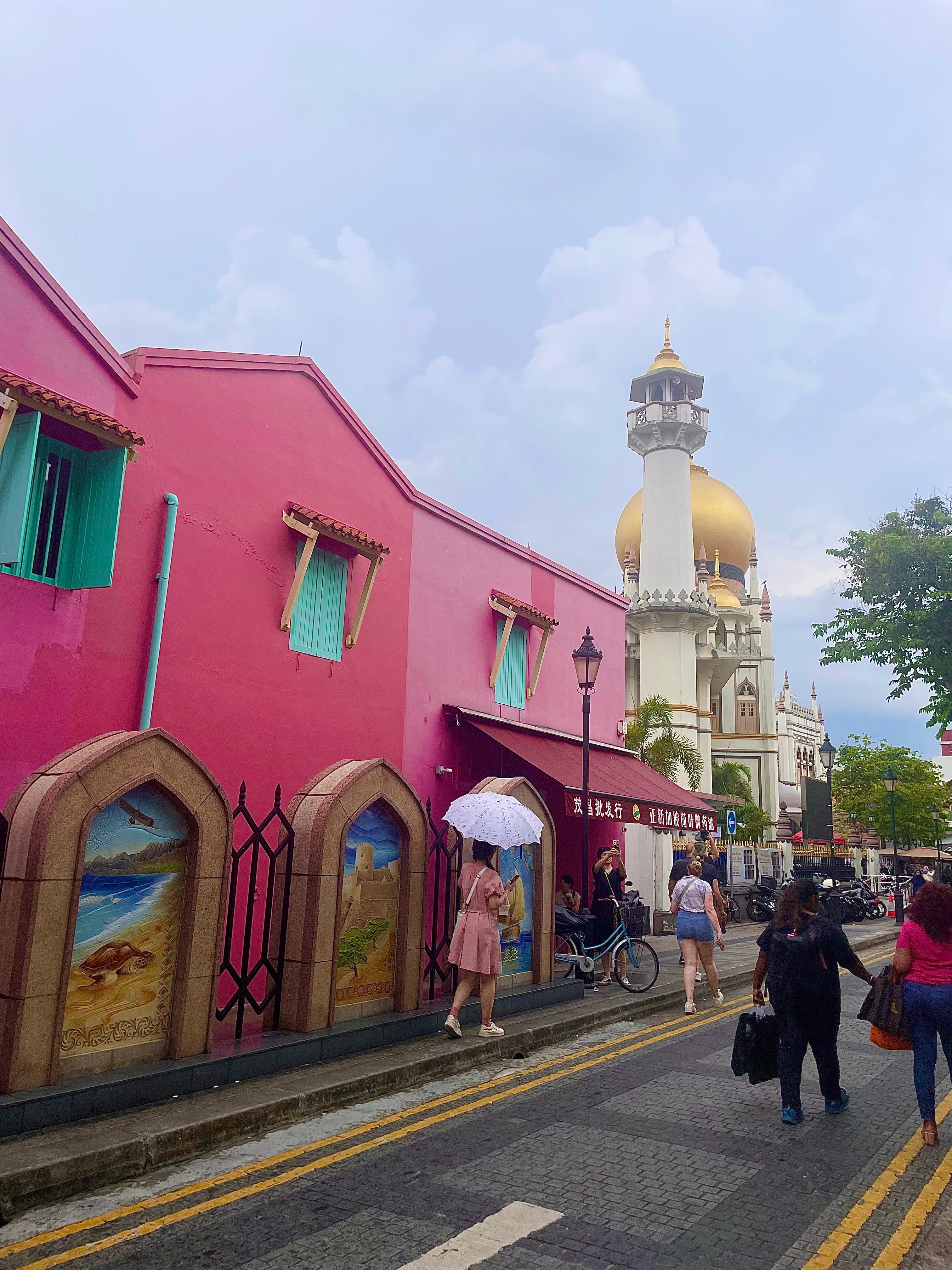
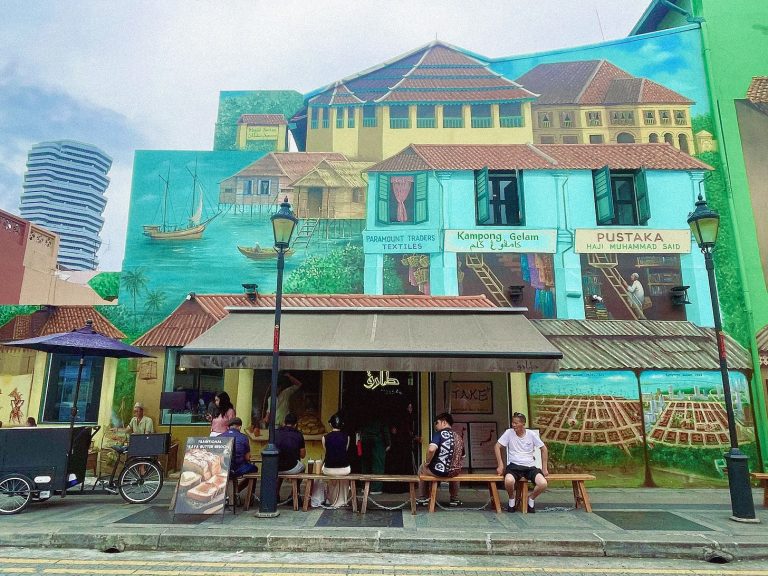
    Next, spend some time exploring the old town – Kampong Glam in particular. Even before you’ve done any Googling, you can tell this is the ‘cool bit’.

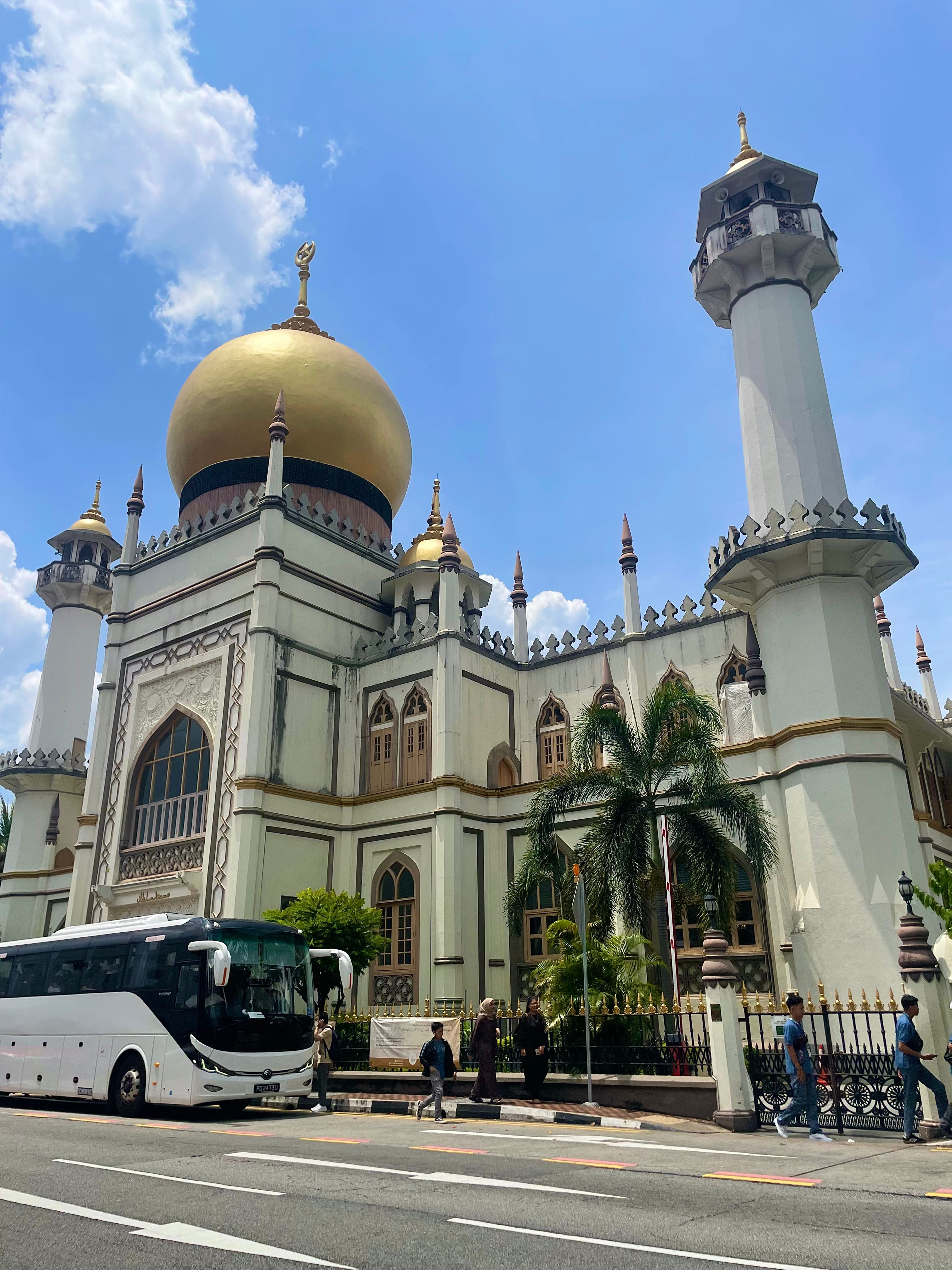
    Sights from Kampong Glam, Singapore’s Muslim Quarter – now a vibrant shopping and eating area

    Unlike the modern high-rises typical of the Singaporean skyline, this small cluster of streets is made up of shorter, squatter buildings packed closely together, many adorned with colourful street art.

    Walking around in the daytime, it was full of a mix of older and more modern cafés (including places like % Arabica, one of my favourites in Hackney), lots of cute shops, and the beautiful Sultan Mosque – the largest in Singapore.

    Kampong Glam is made for Instagram, so if you’re a talented photographer (unlike me), you’ll want to kill some time here like I did exploring the artwork, buying trinkets and hopping between cafés and ice-cream shops.

    By this point, it’ll be pretty hot.

    So, after seeking shade in a market, I took the train into the centre, heading towards the Singapore Botanic Gardens. The gardens provide welcome relief from the chaos and closeness of the surrounding streets and buildings and – fun fact – are the first and only tropical botanic garden on UNESCO’s World Heritage List. No idea why that is, but it’s blooming nice.

    I passed a peaceful couple of hours here watching otters and lizards, and stopping for lunch at the café, before the heat finally overwhelmed me.

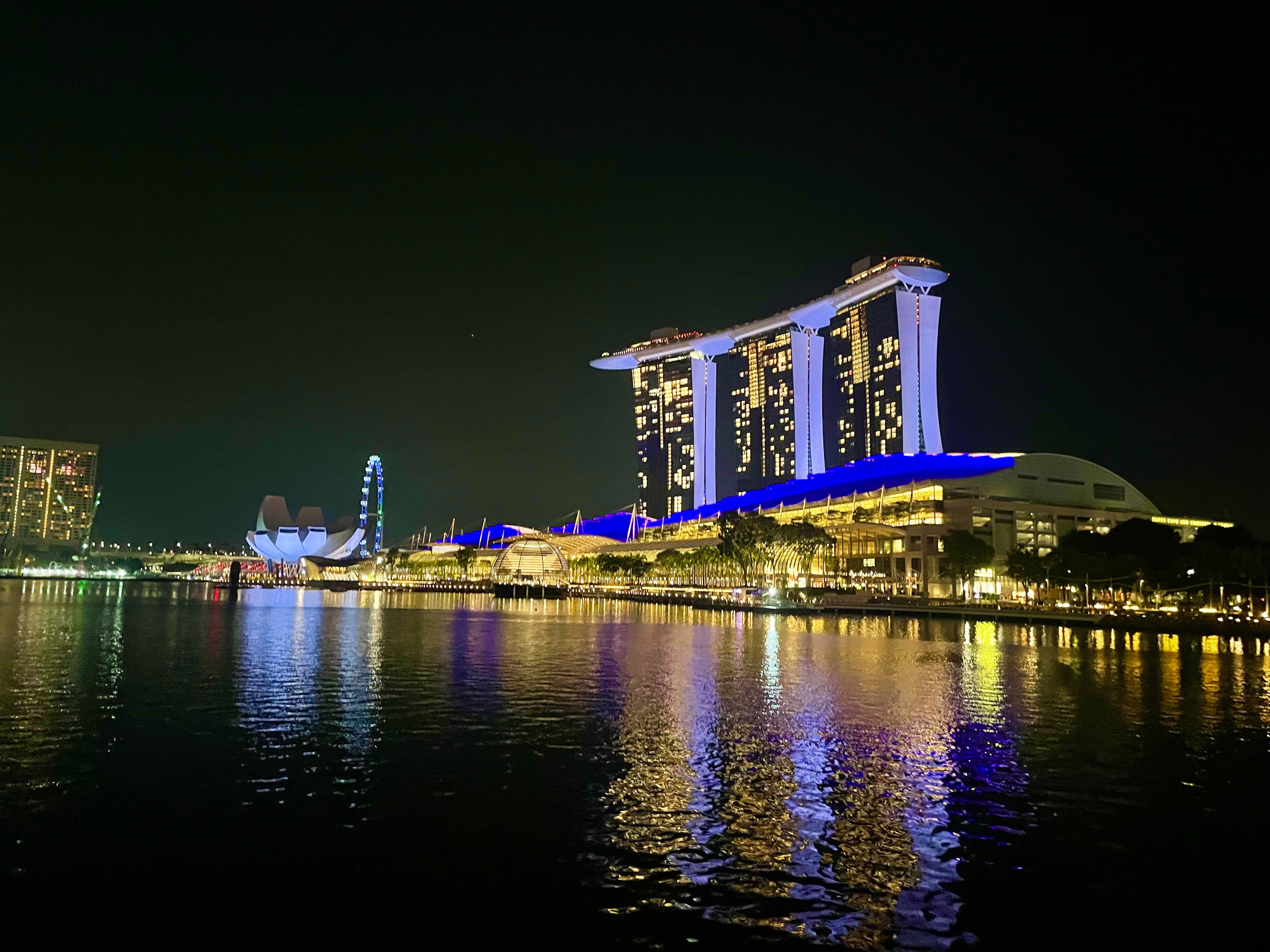
    Towards evening, I swung by Marina Bay Sands for a hot chocolate and a seat by the water to watch the evening light and water show, Spectra. It runs at 8pm and 9pm (with later shows on weekends). It’s genuinely impressive, and worth sitting down to watch before wandering along the marina.

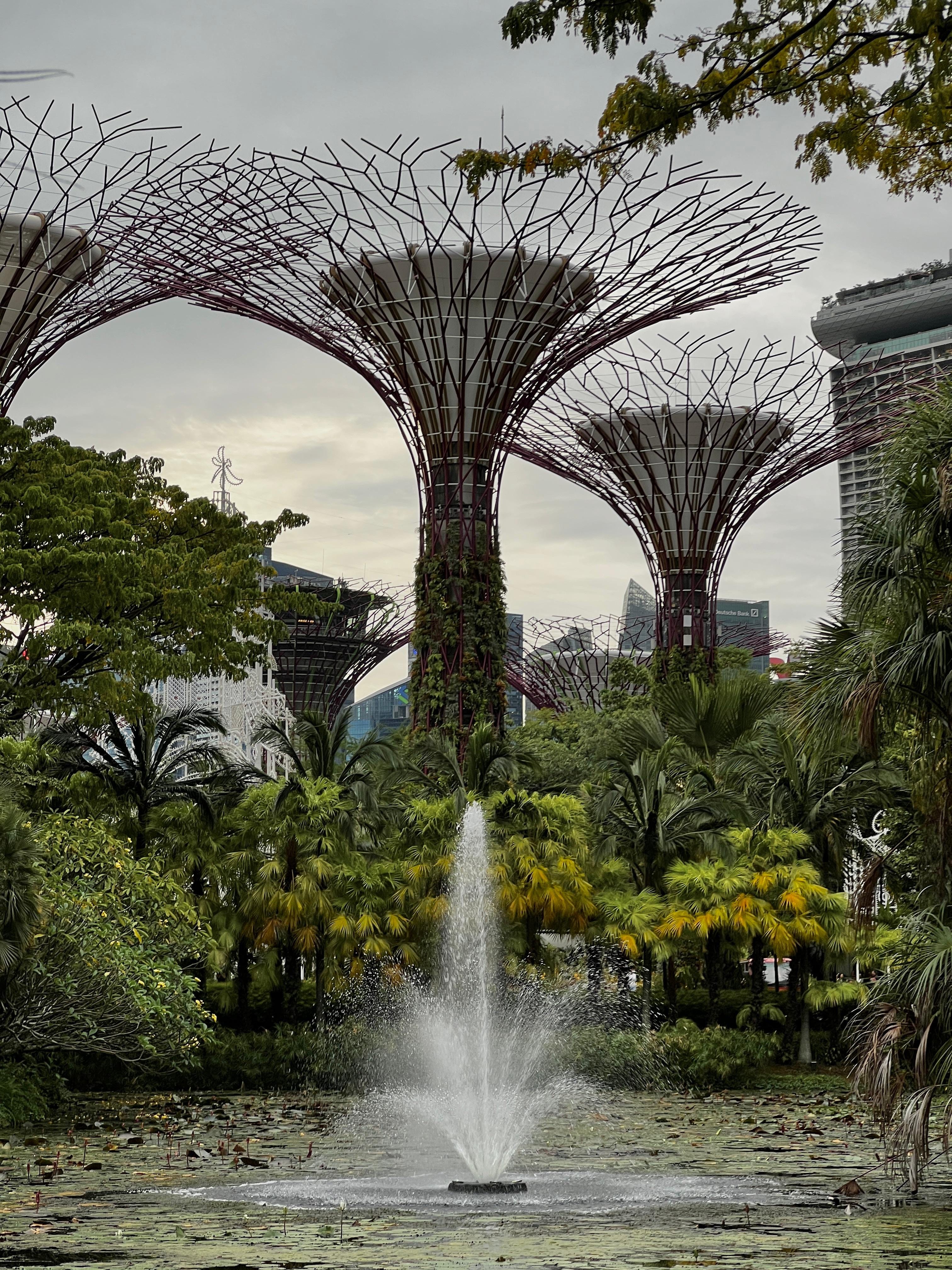
    If there’s time, you can also head next door to Gardens by the Bay for the Garden Rhapsody show at the Supertree Grove. If you’ve ever seen photos of Singapore, chances are you’ll have seen images of these huge illuminated tree-like structures. I’m a dummy and missed it, but I hear it’s fantastic.

    Singapore is known for its iconic hotels, including Marina Bay Sands

    After the light shows, I advocate for taking a nice walk along the bay, soaking up the buzz of the city, or grabbing a drink nearby.

    Finally – don’t forget the airport!

    It’s a spectacle in itself. I had a midday flight the next day, so I arrived a couple of hours earlier than strictly necessary. You can head to Jewel Changi Airport, a kind of ‘lifestyle hub’ that feels more like a futuristic indoor jungle than an airport. At its centre is the Rain Vortex – the world’s tallest indoor waterfall – surrounded by layered greenery and walkways. If you’re going to make an airport, make it pretty right?

    Whether or leaving or entering Asia – don’t sleep on Singapore. A day or two in the country is plenty, so if you’re around this way, split your flight, dump your bag and let the city show you what it’s good at.

    Gardens by the Bay, Singapore

  • Is uni a con? Reflections from my week in Oxford

    When being an Oink works in your favour

    Feb 2025

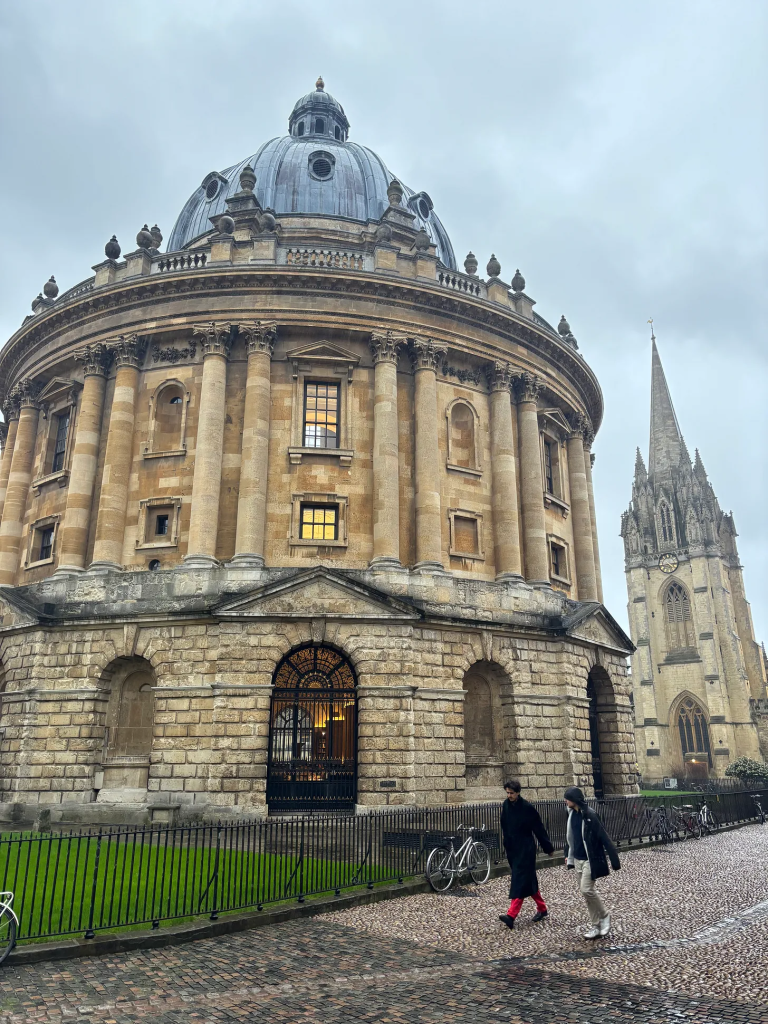
    Now that I’m not chained to city living or an office, I’ve been booking more pet sits in the countryside and taking nice long walks. My most recent booking took me to Oxford, to care for a lovely dog called Murphy, and had me reflecting on the romanticism of university life.

    I had been rejected from Oxford and UCL at 18 to study English Literature – the year student loans rose from £3k to £9k per year. I didn’t have a clue about the working world, the cost of living, or wages at this point.

    I don’t even remember thinking about university in much detail, and actually wanted to go to drama school. No one in my family went to uni. But the influence of parents, teachers, Jack Wills and Evelyn Waugh, soon had me applying, even with the massive hike in tuition fees.

    Champagne was swapped for Bucky after I accepted a place at the University of Glasgow, which offered me a four-year degree at £27K, as opposed to the £36K I’d have paid at Edinburgh. Bargain!

    10 years later, I still owe Student Finance England £60K and live out of a suitcase.

    In the context of rising youth unemployment, potential student loan increases, and the growing use of AI in entry-level roles, this had me thinking – would I go to university now?

    I could definitely write press releases at 18, but I didn’t start earning a pay cheque until I was 23 (before that, I worked for three months for free as an “intern”).

    If the opportunity had been presented, I could have joined a PR agency after school, learned the ropes, and generated a lot of earning power in that five-year gap. I can’t think of one agency that offers this option, but I’m happy to be contradicted on this.

    Maybe I’d have done a part-time degree later. Maybe I’d have changed career paths. Who knows. But I might have built financial stability earlier – whether that meant savings, a deposit, or simply more flexibility. Not that life is just about those markers, but they do shape your options.

    Instead, at 32, I’m roaming from house to house as a full time pet sitter. Not because I have to, but because I made a choice to redesign my overheads. “Best to do it whilst I’m an OINK, Dad!”, I remember saying (one income, no kids). Hey, I may as well turn single life into an earner.

    Pet sitting saves me around £1,000 per month. That dramatically lowers my fixed costs, which means I can freelance fewer days, build other skillsets, and reduce the repayments that rise and fall with my income.

    As a result, my repayments reduce by around £3K per year, too.

    According to a report from the Education reporter Hazel Shearing on the BBC today, I’m not the only millennial thinking like this.

    One person featured in the report today (24th Feb) cut his working week to four days so that he could spend more time doing up his house. The extra day cost him around £80 per week due to the smaller repayment, but he also saved money by not commuting to work – and gained time.

    Obviously I recognise that in order to gain that privilege, you need a job first. But university isn’t the only path to competence or stability anymore. There are many ways to earn and live these days that don’t require you to spend £50k before you’ve entered the payroll – paths that have always been there, but maybe didn’t seem as “glamorous” at 18.

    I feel a lot of compassion for recent graduates struggling to get jobs and it’ll be interesting to see what the knock-on effect of their experience will be for lifestyles, workplaces and cities.

    But I’m hopeful. Necessity is the mother of invention, after all, and if any generation has proven the power of the phrase “work smarter, not harder”, it’s them.

  • What impact are nomad communities having in places like Chiang Mai?

    After my week of work in Chiang Mai, I wonder – is a Bali-esque boom and bust on the horizon?

    It’s no secret that Thailand is popular with digital nomads. Interest in the Destination Thailand Visa (DTV) underscores this appeal – offering a five-year, multiple-entry visa, it surpassed 35,000 applicants when it launched last year (2025). Aimed at remote workers and location-independent professionals, the DTV offers an affordable and flexible long-term stay, making it a central pillar of Thailand’s strategy to boost tourism and strengthen its economy.

    With great prices, food, weather, and landscape, Thailand does appear to have it all. But having worked from several international “nomad” hotspots in the last year, I have found myself becoming less interested in what I can get out of the places I visit, and more concerned with the impact I’m having there.

    Definitions of digital nomads have changed, after all. The 2010 “stereotype” was that of a “joyful millennial working from a laptop on a beach” (Hart, 2015; Spinks, 2015). A handful of people were doing it, many of whom were bloggers, making it pretty harmless.

    Now, an era of flexible working, long-term visas, and steep rents in places like Sydney and London mean people are choosing to work remotely abroad for the long haul, (coined as “slowmadism”).

    Western incomes stretch further abroad, and that money benefits local economies. But academics worry there could be broader ramifications for destinations in the Global South already experiencing forms of transnational gentrification, as a result of remote workers.

    Chiang Mai’s appeal might also be its downfall

    Chiang Mai, a city in the northern mountains of Thailand, has attracted thousands of digital nomads in recent years. The effects of this migration are already being felt, with this case study suggesting the long-term nomad presence is reshaping neighbourhoods, increasing demand for foreign-facing businesses, and driving up rents – factors which affect both visitors and locals.

    I observed some of this myself when I visited in February 2025. There’s still a ton of local food spots, of course, but it seemed that many of the cafés, services, juice bars, and co-working spaces had been created for foreigners (or those with laptops).

    My lovely host in Chiang Mai

    Fon, a restaurant owner, confirmed that even local food stops have “increased their prices by 5–10 Baht” since the 2020 pandemic. Whilst the minimum wage has increased slightly too, it is unclear whether it’s enough, or what the future repercussions could be over time.

    What about integration? Of the nomads I met in Chiang Mai, some worked in tourism or as teachers, and others were learning Thai. Billy, an American who moved to Chiang Mai two years ago, loves his life here as a teacher. He said that despite the number of expats from Myanmar, China, and Western countries, local people still strongly embrace their mai pen rai – a “no worries” attitude – and hold tightly to their Lanna cultural identity. On the trips he’s been on, there’s just as many Thai locals as there are nomads and expats, he says.

    Whilst that is reassuring, having spoken to a lot of nomads working from businesses based outside Thailand, most treated the city as a satellite office, and were there to enjoy the comfort and low costs rather than integrate into the fabric of the place. I can’t help but wonder how sustainable that is – especially given that most nomads leave in the early part of each year during “burning season” – which must affect rental competition, business, and the vibe.

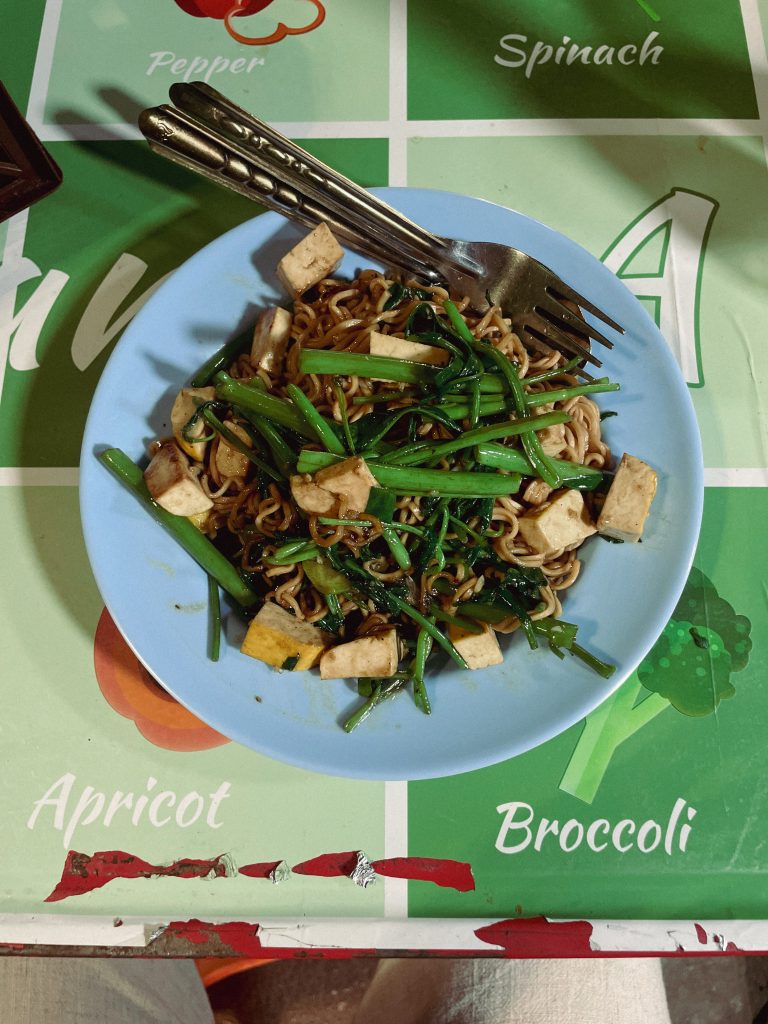
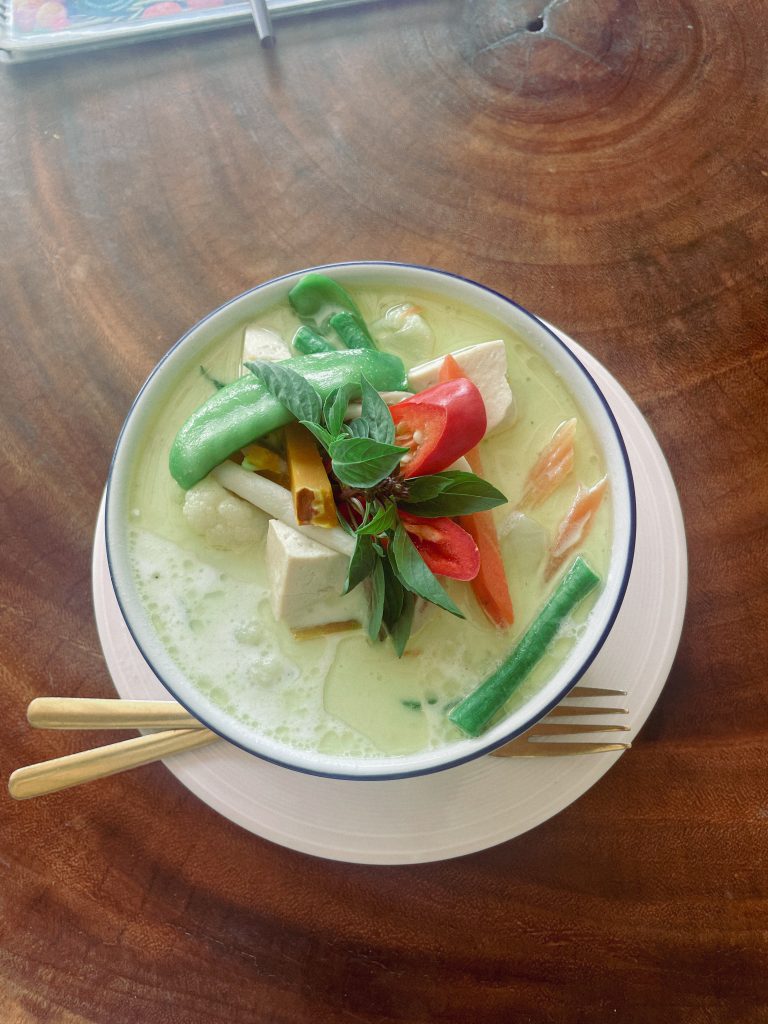
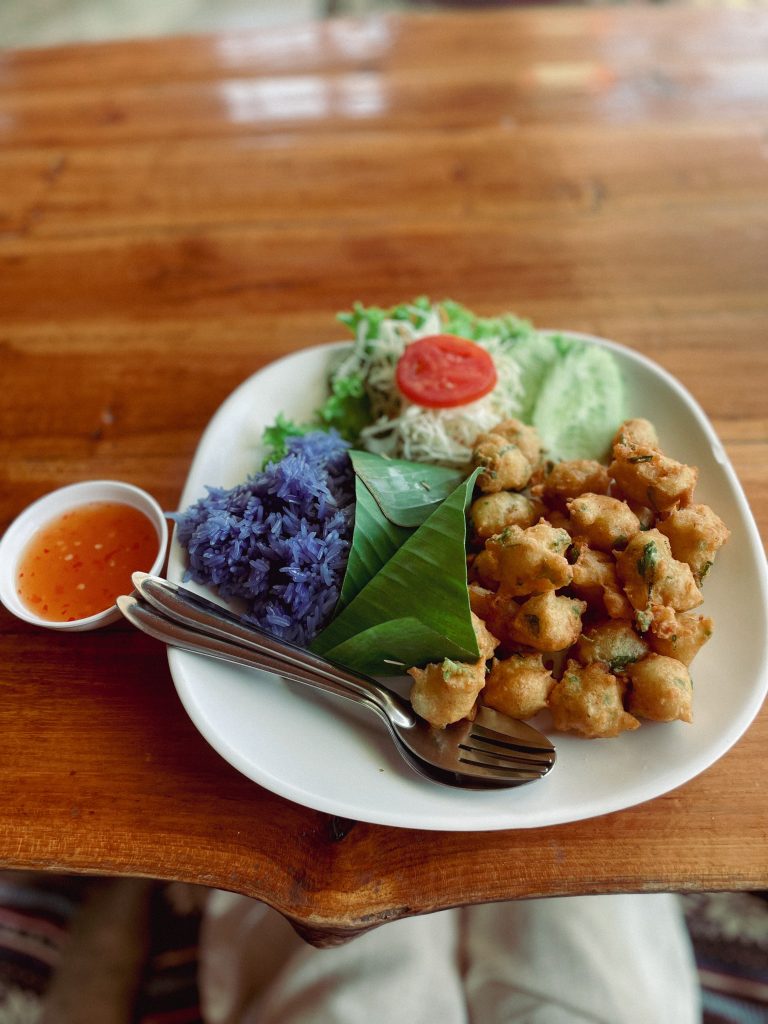
    Meals cost £1-3

    Based on my chats with people there, part of Chiang Mai’s appeal – compared to say, the Thai islands – is that it feels more “authentic,” or at least less mediated by mass tourism. Fon is from Prachinburi, and moved here five years ago. “People from here have a strong sense of culture, pride, and local traditions,” she said. This is in part due to the highly esteemed university and active student culture.

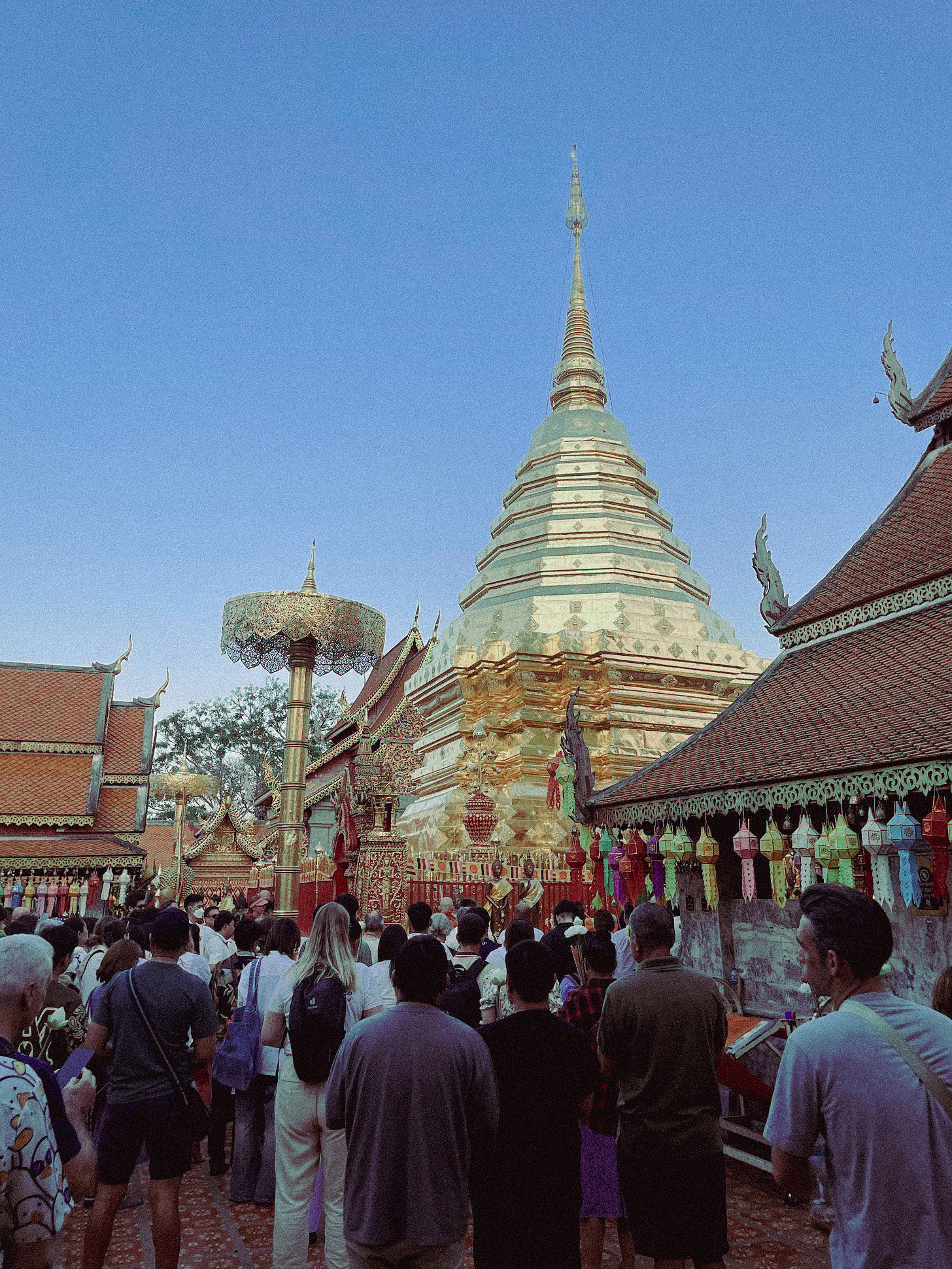
    Evening chants at Doi Suthep are popular

    As more people move here to work, however – which is likely, in the wake of this visa – I suspect local businesses and authorities will keep shaping things to meet foreign interests, expectations and spending habits.

    After all, nomads are not tourists in the traditional sense. They need a more fixed base, comfort, friends, places to live, reliable internet access, and familiar home comforts. I went for dinner with people from a newly launched co-living residence, for example – something that’s becoming more common, and speaks to the desire for permanence.

    Another challenge that comes with growing numbers of long-term visitors, is waste management. Chiang Mai already feels stretched in terms of infrastructure, and more people inevitably means more rubbish. Bali, for example, is grappling with a well-documented waste crisis, and while I wasn’t able to investigate in depth here, this blog provides some interesting context about recycling and waste handling in Thailand.

    I tried hard to minimise my footprint by carrying a Grayl water filter bottle and a foldable dog bowl for takeaway food, but the broader issue is harder to tackle. How the city will cope with more residents and their impact on waste, water, and energy systems remains to be seen. “Waste and water management have not kept up with growth,” said Fon.

    Is it overcrowded already?

    In terms of capacity – like I said, it already feels quite busy, and judging by comments on Reddit forums from long-term nomads, that seems to be the case. I found myself standing at traffic lights for around ten minutes in Nimman, trying to cross the road, for instance.

    All the Grab drivers wore masks to protect themselves from the terrible air quality, which will surely worsen as traffic increases. Electricity wires hung about precariously, which had me wondering how much additional strain the desire for faster internet was putting on infrastructure.

    According to Fon, my observations were valid. “The cost of utilities has risen dramatically,” she said. “The condition of the roads is abysmal, and there’s no real public transportation despite the demand. There are more vehicles on the roads each year as a result.”

    A lot Chiang Mai is undeniably charming, and you can tell why people like it here. The Old Town is beautiful, a square of ancient walls, temples, lanterns, and slow, warm evenings. I really enjoyed my first few days staying just south of it, near Wua Lai Walking Street Market, a quieter part of town that still felt full of character.

    There are some beautiful hikes nearby, and lots of stunning wats to explore – I even spent one day speaking to monks when I visited (you can read my blog about this here).

    Overall though, I seemed to leave Chiang Mai with more questions than answers. It will be interesting to see how it changes over the next decade, and how the Thai government will manage the steady influx of people (or indeed, decline, if that happens). Is another Bali boom and bust on the horizon?

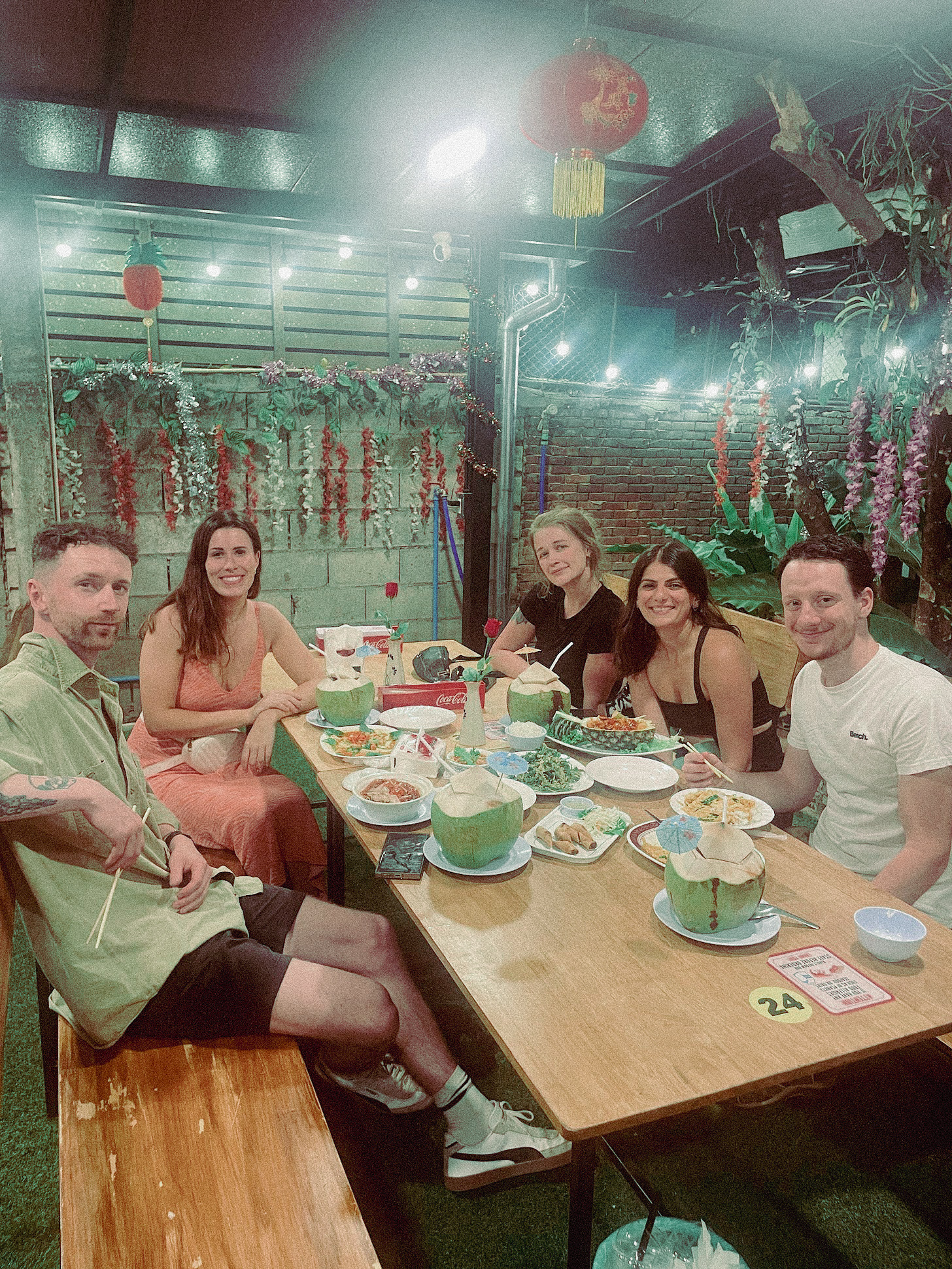
    Dinner with a gang of travellers I befriended

    Exploring the local temples

  • Is Luang Prabang better than Chiang Mai for digital nomads?

    Why this Laotian town is an unexpected delight.

    After giving up full-time work in the UK in early 2025, I travelled around South East Asia for two and a half months as a freelancer, spending time in a number of well-known digital nomad hubs across Thailand, Laos, Cambodia and Vietnam.

    Because of its long-established digital nomad scene, Chiang Mai in northern Thailand was a place I was particularly interested in visiting. It’s often held up as one of the best cities in the region for remote work, so I arrived with fairly high expectations.

    But despite spending a week there, I didn’t find myself overly impressed with it (read this blog to find out why).

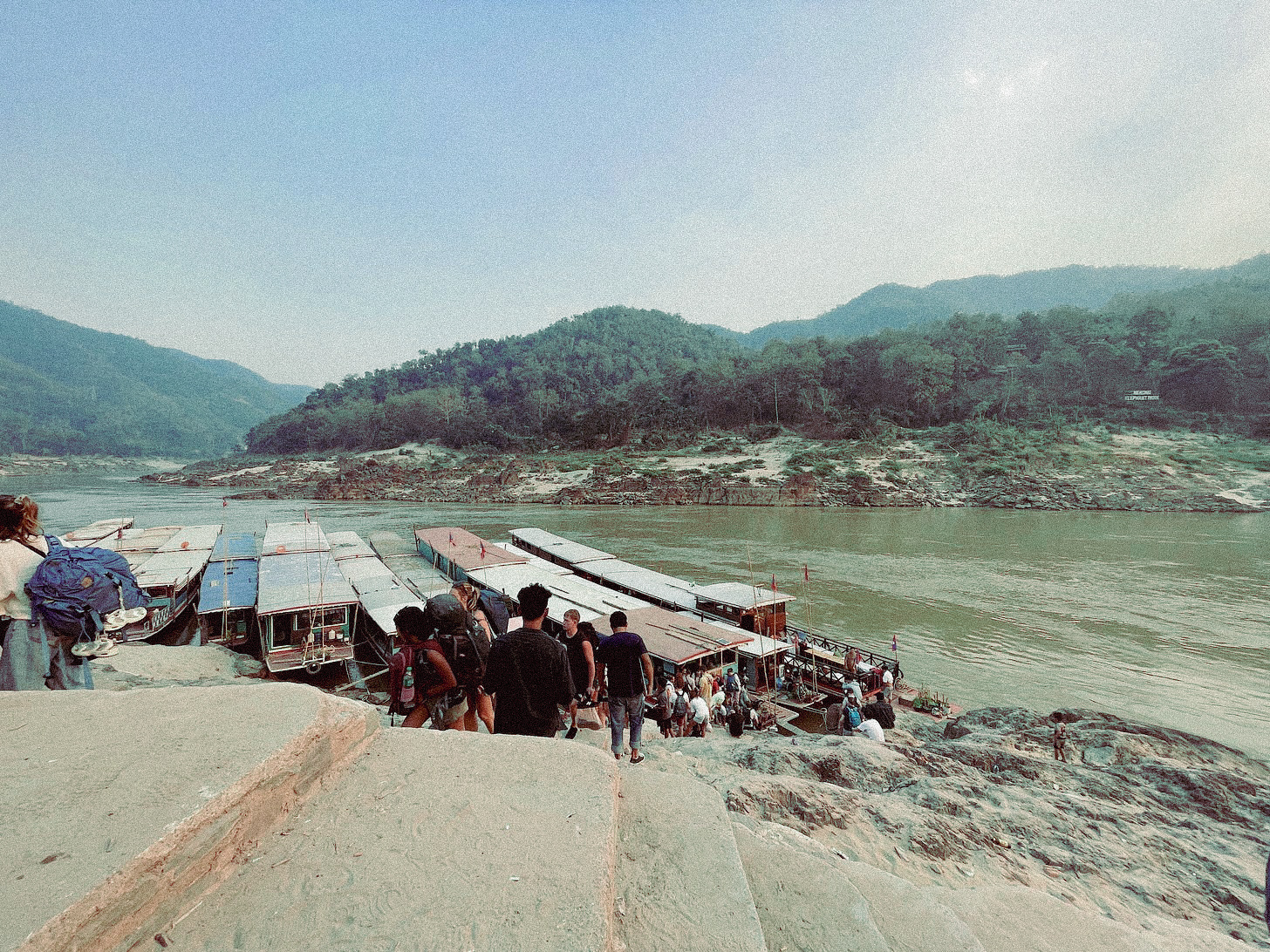
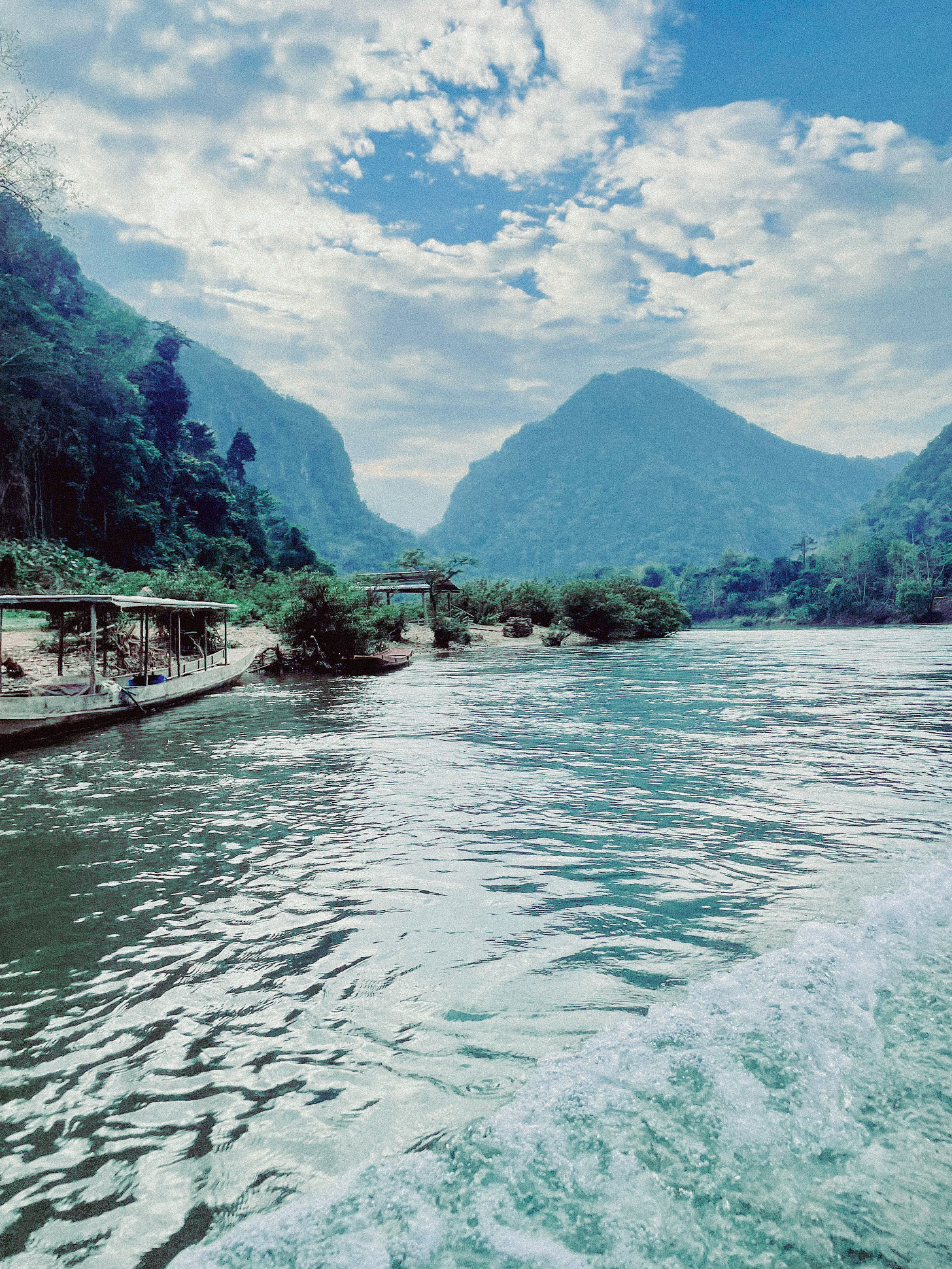
    From Chiang Mai, I crossed the Thai–Laos Friendship Bridge into Laos and spent three days doing the Gibbon Experience in Nam Kan national park. After an intense and memorable few days in the jungle, I needed to knuckle down again and get some work done, so I took a slow boat down the Mekong River towards the town of Luang Prabang.

    Having not really planned this leg of the trip, I arrived with zero expectations, but was pleasantly surprised by how much I enjoyed Luang Prabang – and would even argue that it’s more desirable for digital nomads than Chiang Mai.

    Firstwhere is Laos and what’s Luang Prabang like?

    Laos is the long thin country between Thailand and Vietnam. It was part of French Indochina from the late 1800s to the 1950s, and very heavily bombed in the 60s by the US. As a result, the country is pretty poor, and still deeply affected by unexploded ordnance.

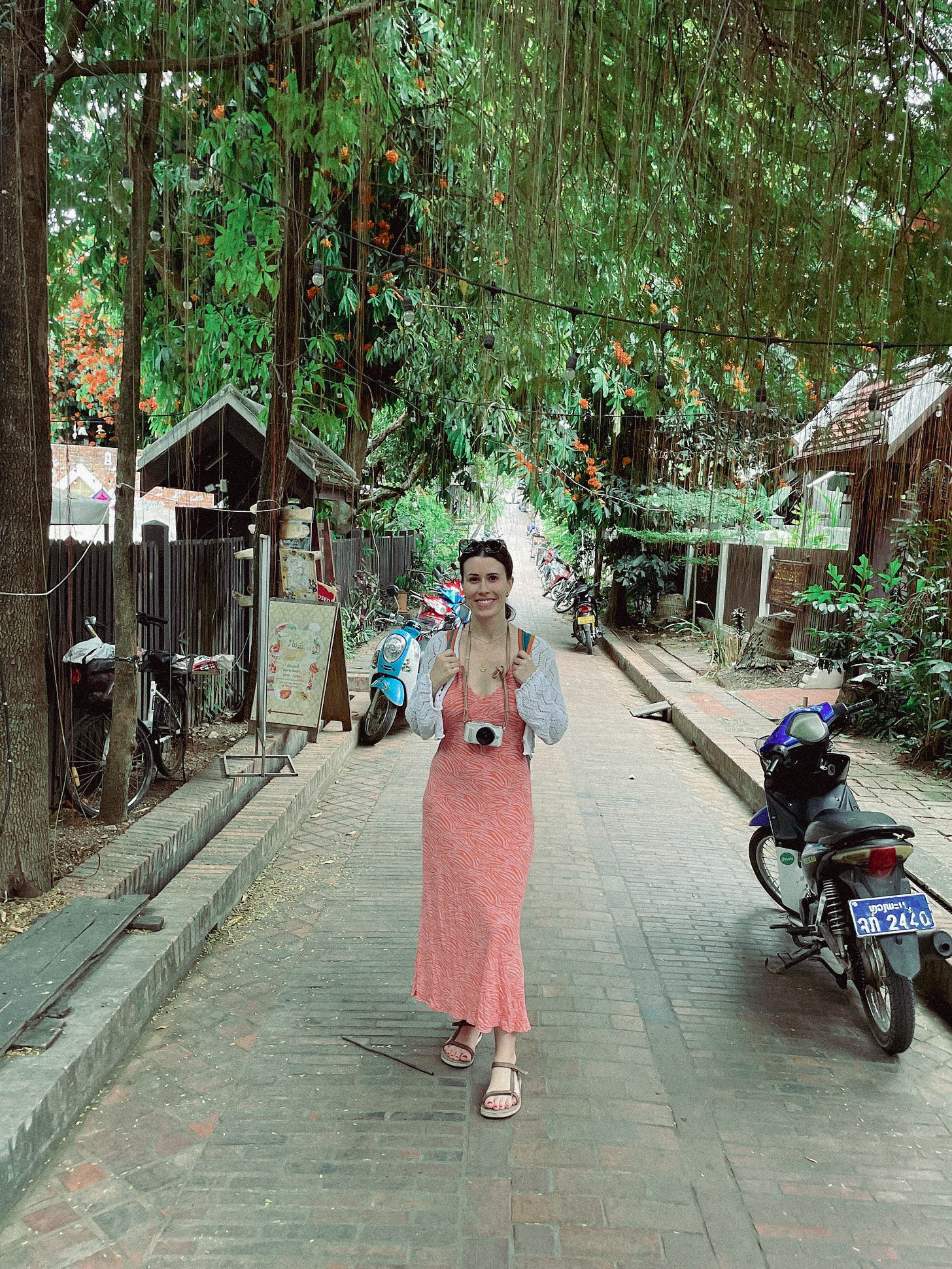
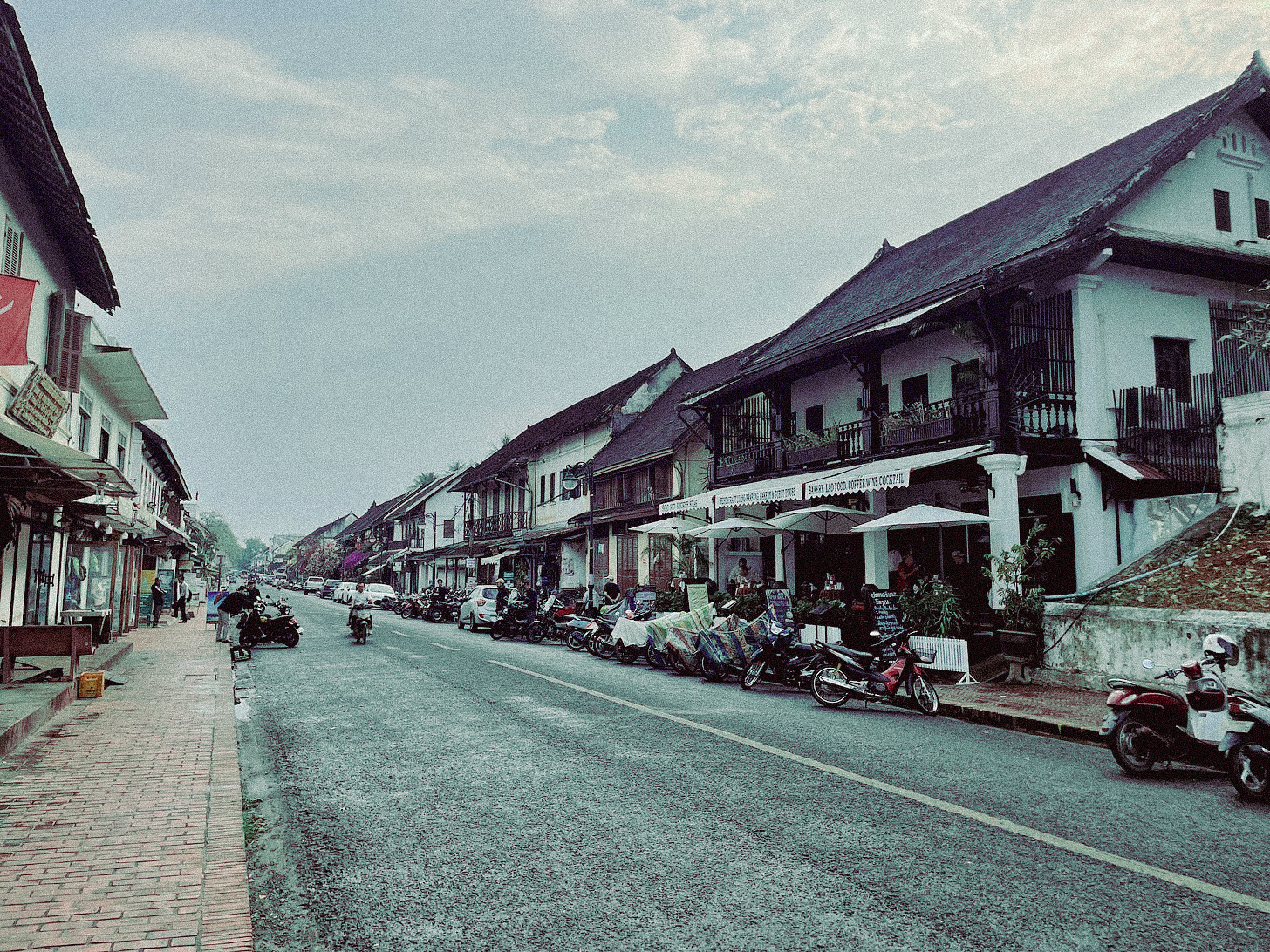
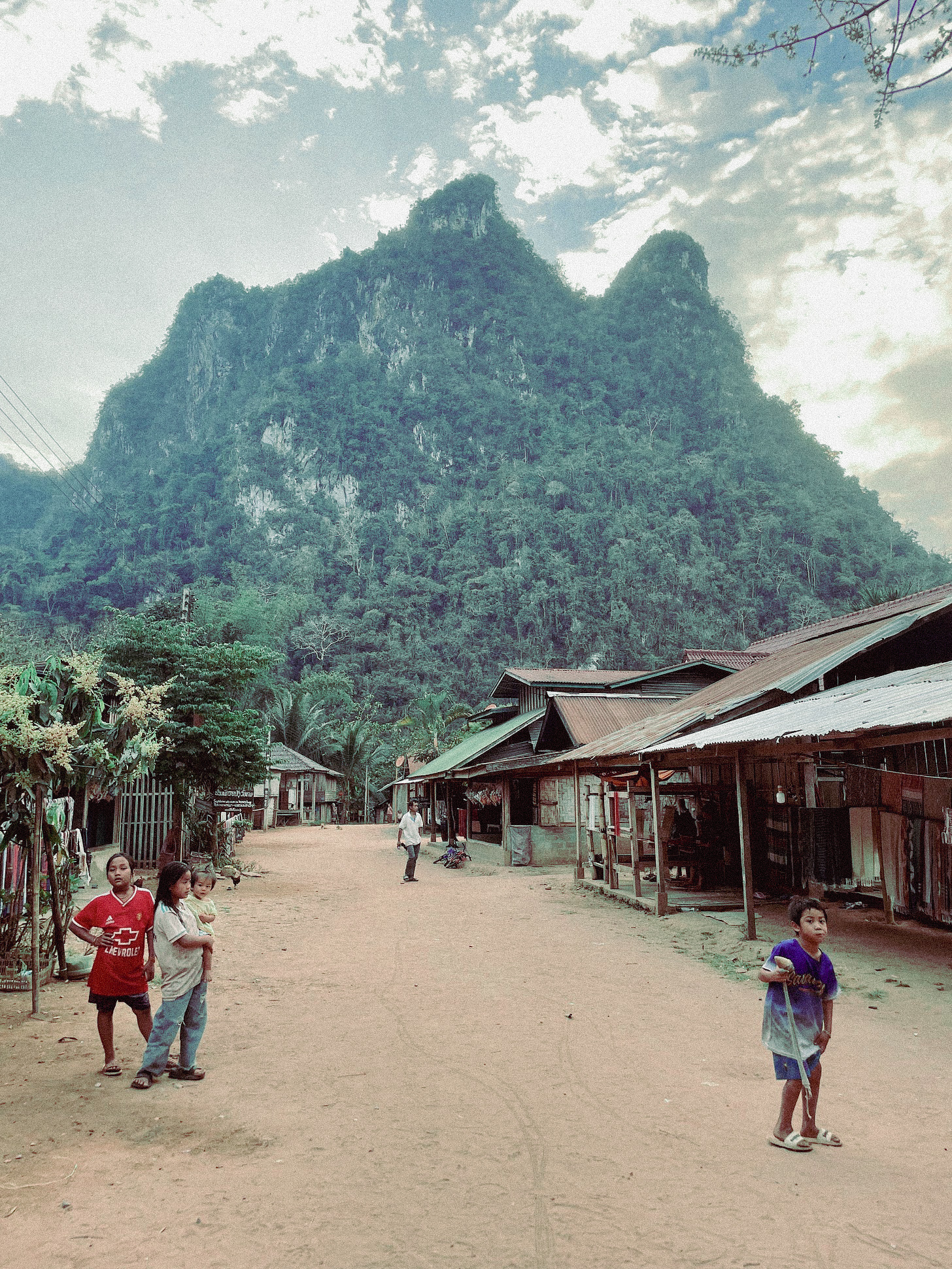
    You won’t see that in Luang Prabang, however. Here, the mix of French and local influence gives the town a very distinct feel. It’s very pretty with its leafy avenues, low-rise temples, and colourful wooden houses, in a way that I really didn’t expect after a 48 hour ride down the Mekong.

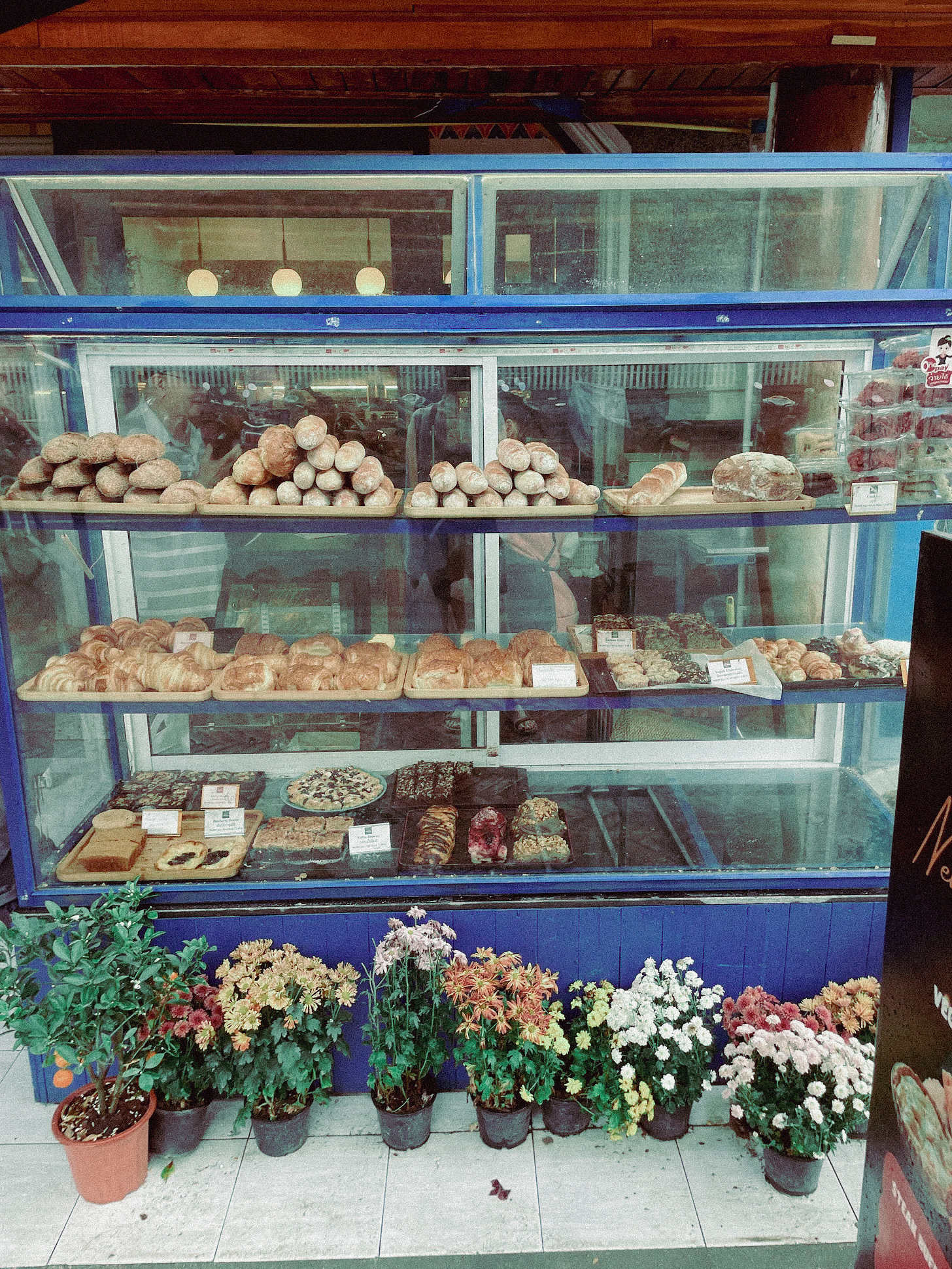
    The town has a quiet, leisurely vibe (typical of Laos), with lots of cute french-style bakeries and Laotian markets and eateries. I spent five days or so working from the cafes, having massages, and doing yoga. On the additional days, I visited Kuang Si Waterfall, and took a two day excursion to the towns of Nong Khiaw and Muang Ngoi (details on all that, to come).

    Comparison to Chiang Mai?

    One of the reasons Chiang Mai is consistently ranked as one of Southeast Asia’s top digital nomad hubs, is due to its fast and reliable internet (often cited at 100–300 Mbps), large established nomad community, and abundance of coworking spaces and long-stay accommodation.

    In Luang Prabang, average internet speeds are significantly slower (often cited at under 10 Mbps), and the remote-worker community is small and informal (i.e. not organised around coworking hubs).

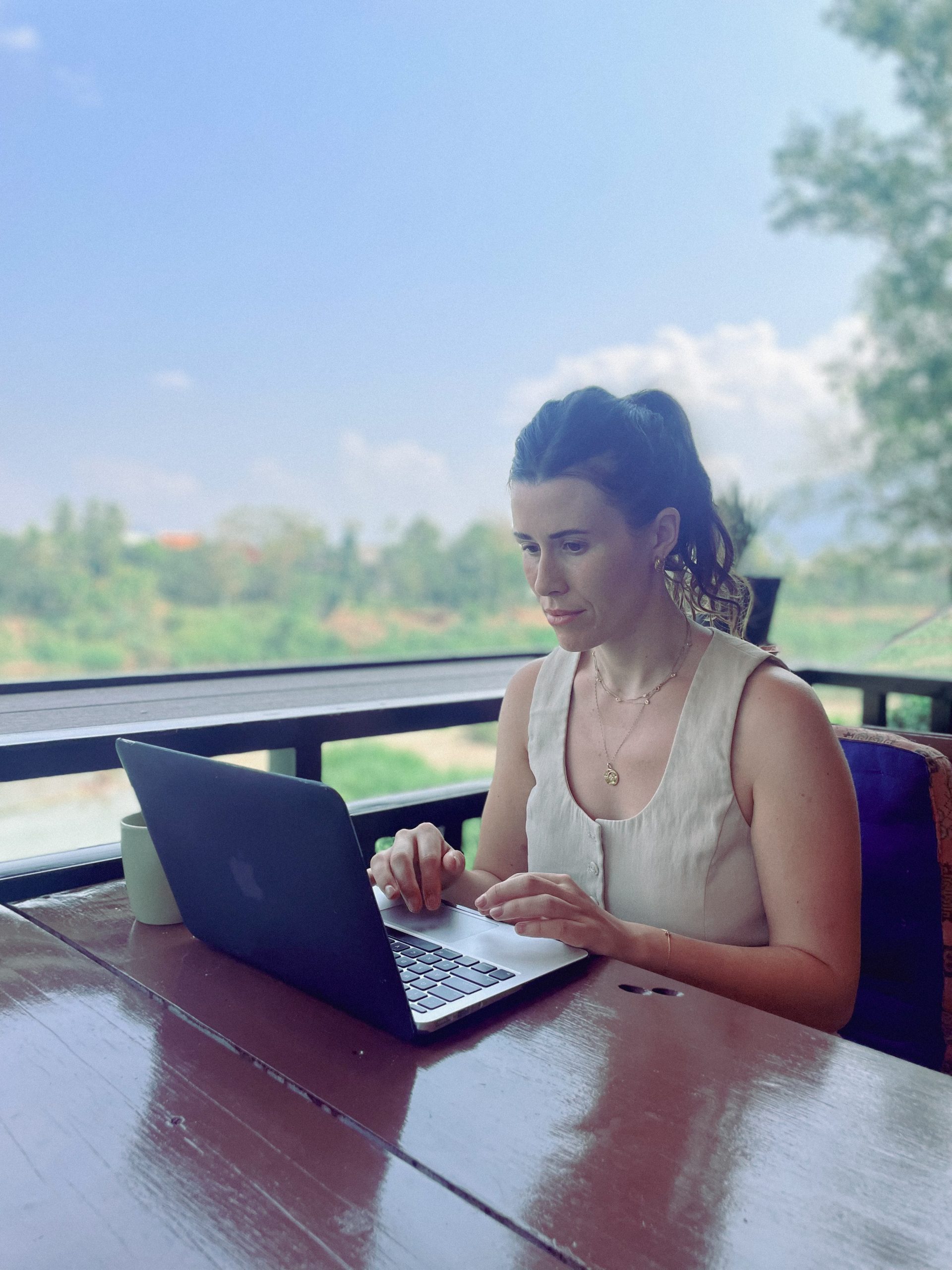
    But if you prioritise calm, beauty and balance over infrastructure and networking, Luang Prabang might appeal to you more. Having spent a week in both places, Luang Prabang felt far less busy, and like it hadn’t been manufactured for tourists. I had an easy time taking video calls, sending emails and uploading and downloading word documents.

    I didn’t make an effort to investigate the long-term situation (e.g. Facebook groups etc), but did see and overhear a lot of people speaking English on calls and using their laptops. Overall, my Reddit research suggests Luang Prabang is becoming more popular with digital nomads, but it does not appear to be swamped by them.

    My recommendations

    Luang Prabang is the kind of place where you’ll leave feeling you left no stone unturned, which I personally enjoy. Here’s what I tried and loved there:

    Excursions

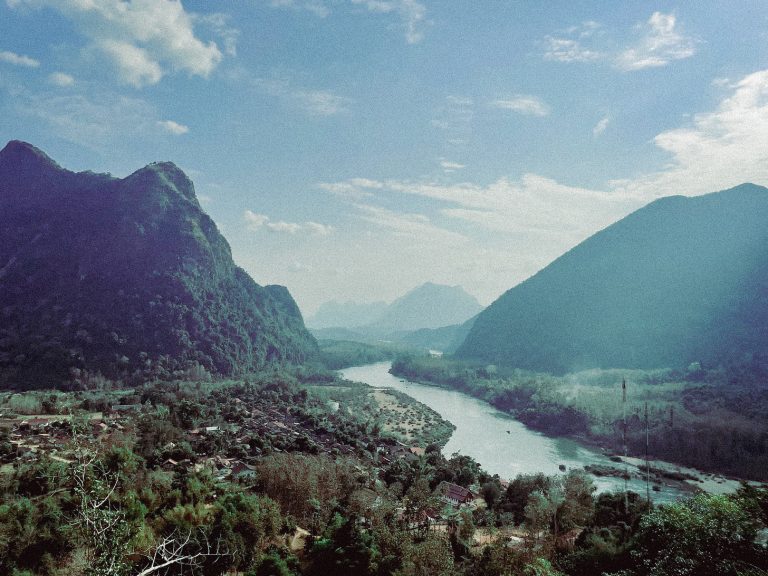
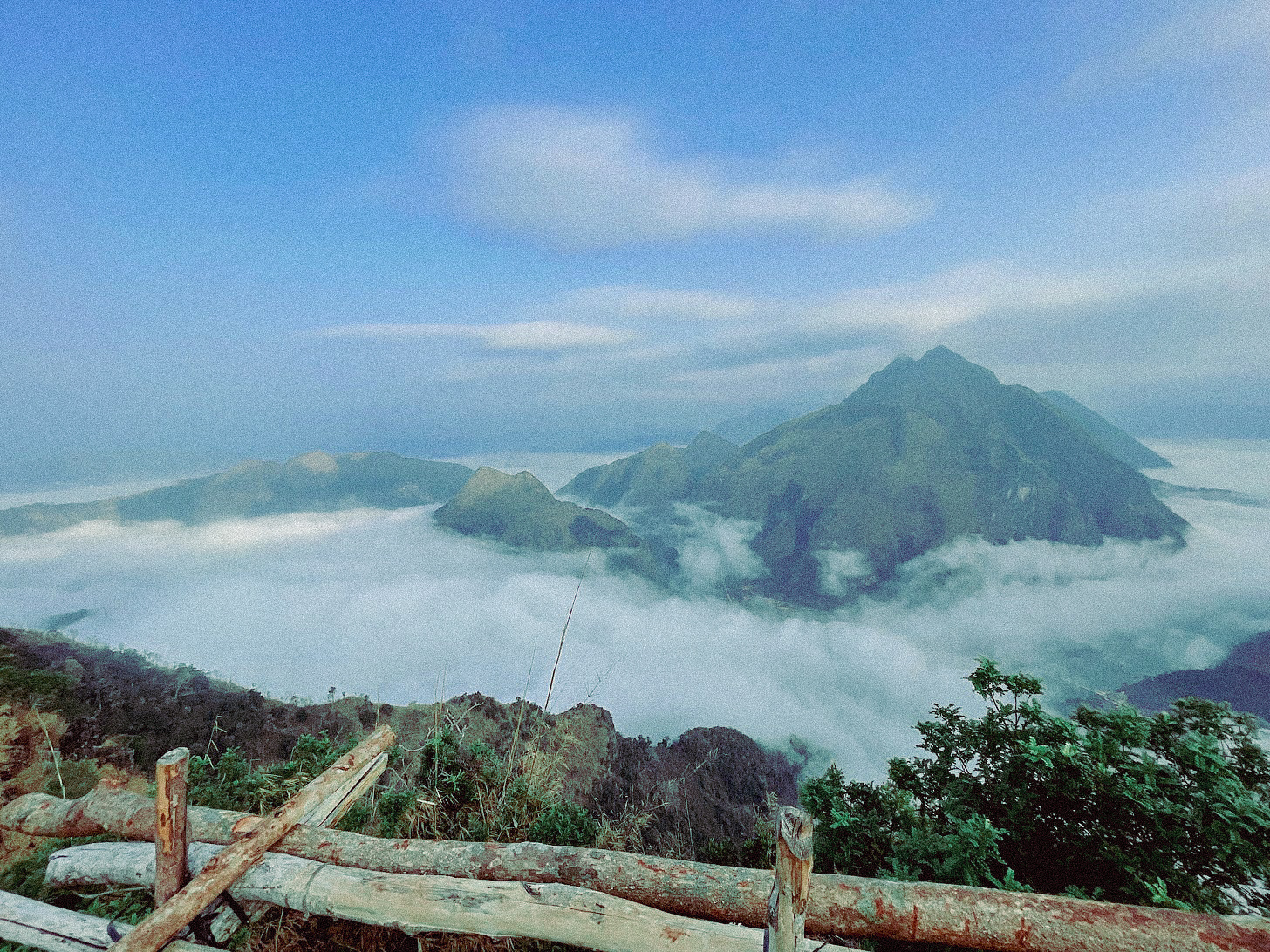
    Nong Khiaw and Pha Daeng Peak – this was one of my absolute highlights in Laos, second to the Gibbon Experience. The village is based a few hours north from Luang Prabang, on the Nam Ou river, and is famous for its Jurassic Park worthy karst mountains. You can climb the Pha Daeng Peak viewpoint relatively quickly (although it is very tiring!) and – if on a tour – sleep at the top to catch the sunset and sunrise. If you’re lucky, you’ll wake up at 6am to see a magnificent cloud inversion hugging the cliff top. Word of warning though, I nearly froze to death at the top (in March) – so bring layers clothes for night time.

    Muang Ngoi – this is another, smaller village just down the river from Nong Khiaw. Whilst tourists can and do go there, it’s very traditional. You can only get there by boat which controls tourist traffic. That’s why it’s so charming. I went as part of a group trip that included an overnight stay in a home stay. We ended up having *quite a few* beers and playing petanque with the residents, and it became one of my more memorable nights out, that’s for sure! The beer could really be felt the next day, as our guide took us for another hike up the cliff (in his flip flops) and we almost passed away at the top.

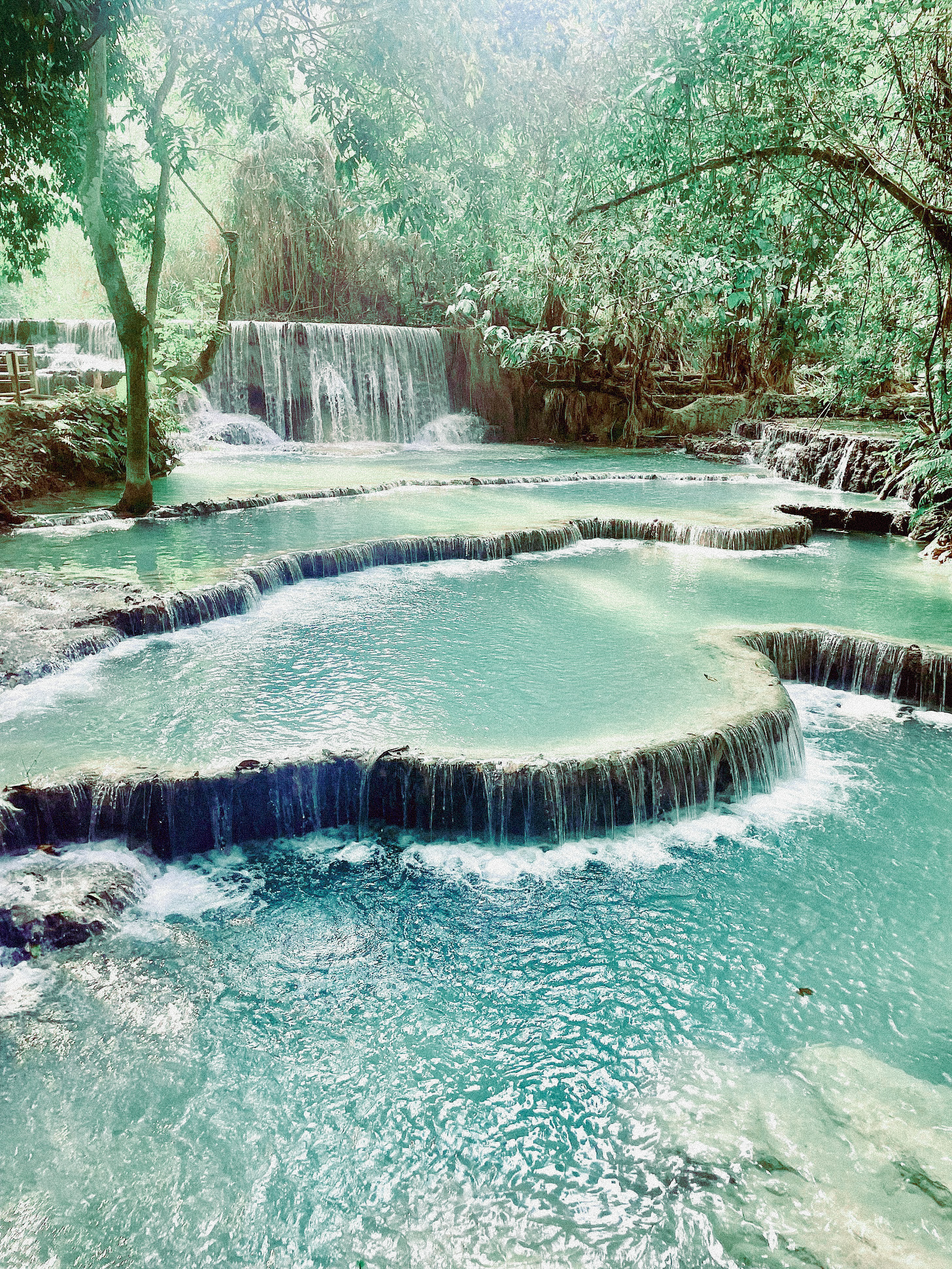
    Kuang Si Waterfall – this is an incredible multi-tiered waterfall about 29km south of Luang Prabang. You can share a tuktuk to the waterfront pretty easily. It’s one of those Instagram spots that attracts a lot of tourists and posers, sadly. But if you arrive at around 4pm, just before closing, most people will have gone and you can use the hour to swim and take photos. As far as natural waterfalls go, this is one you won’t want to miss.

    Cafés and restaurants

    Essential experiences for every tourist or nomad, and Luang Prabang really delivered on this front. Some of my favourites from the week included:

    • Saffron Coffee – right on the Mekong, great for a slow morning, and laptop friendly
    • Two Little Birds – a delicious vegan spot
    • Atsalin Restaurant – excellent mix of local food. Laos is so cheap, just order it all (I ended up sharing it with a girl next to me and we had a nice chinwag)

    Spas

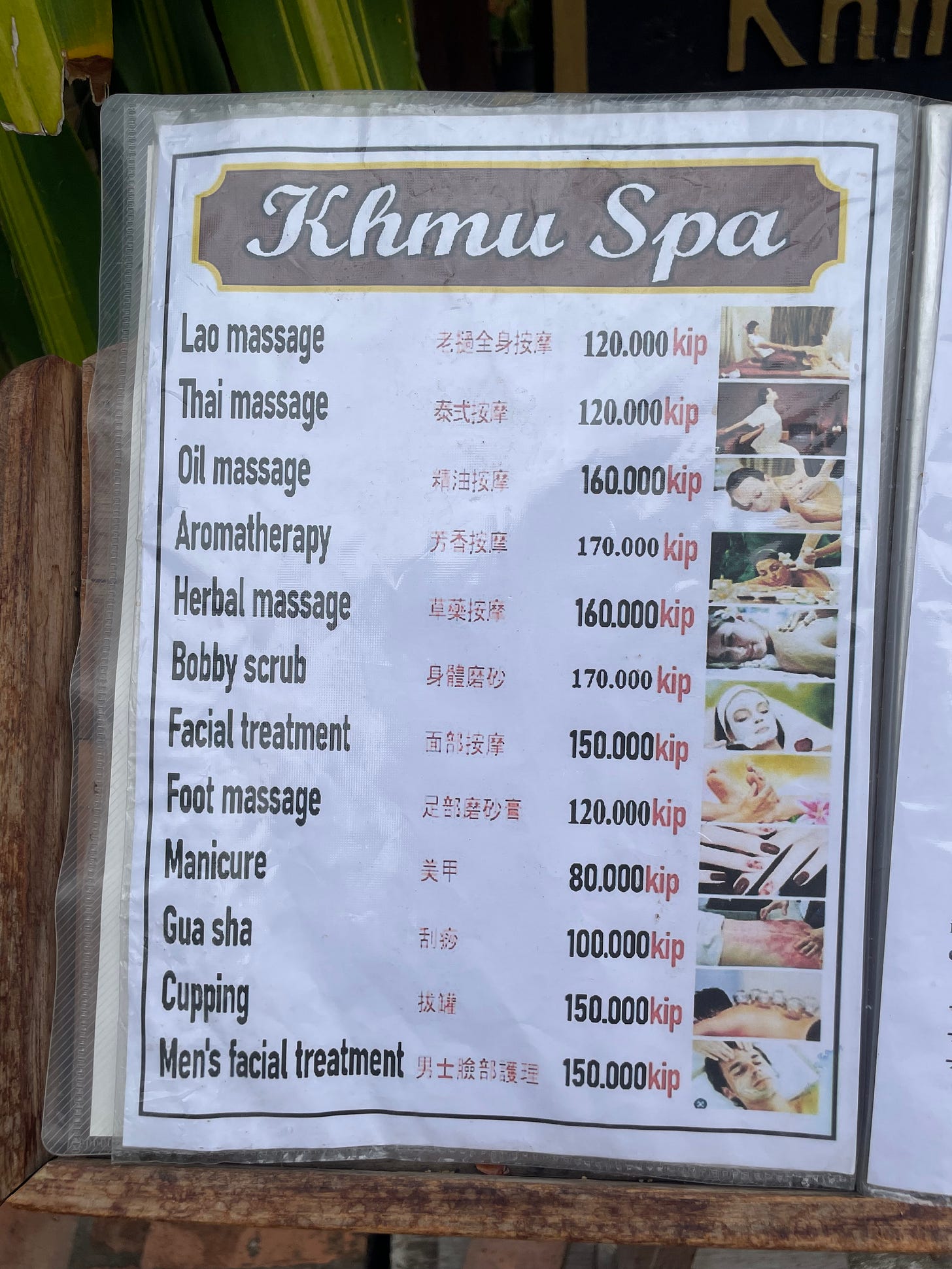
    To get a facial for under £40 is impossible in the UK, so I treated myself every week pretty much, whilst in Asia! Highlights from Luang Prabang include:

    • MK Spa – This was a great little spa. I had a massage and body scrub. It was very affordable and really well done
    • KHMU Spa – More central. I had a decent massage here, and there’s a little heritage house next door worth popping into

    Prices range from £8-15.

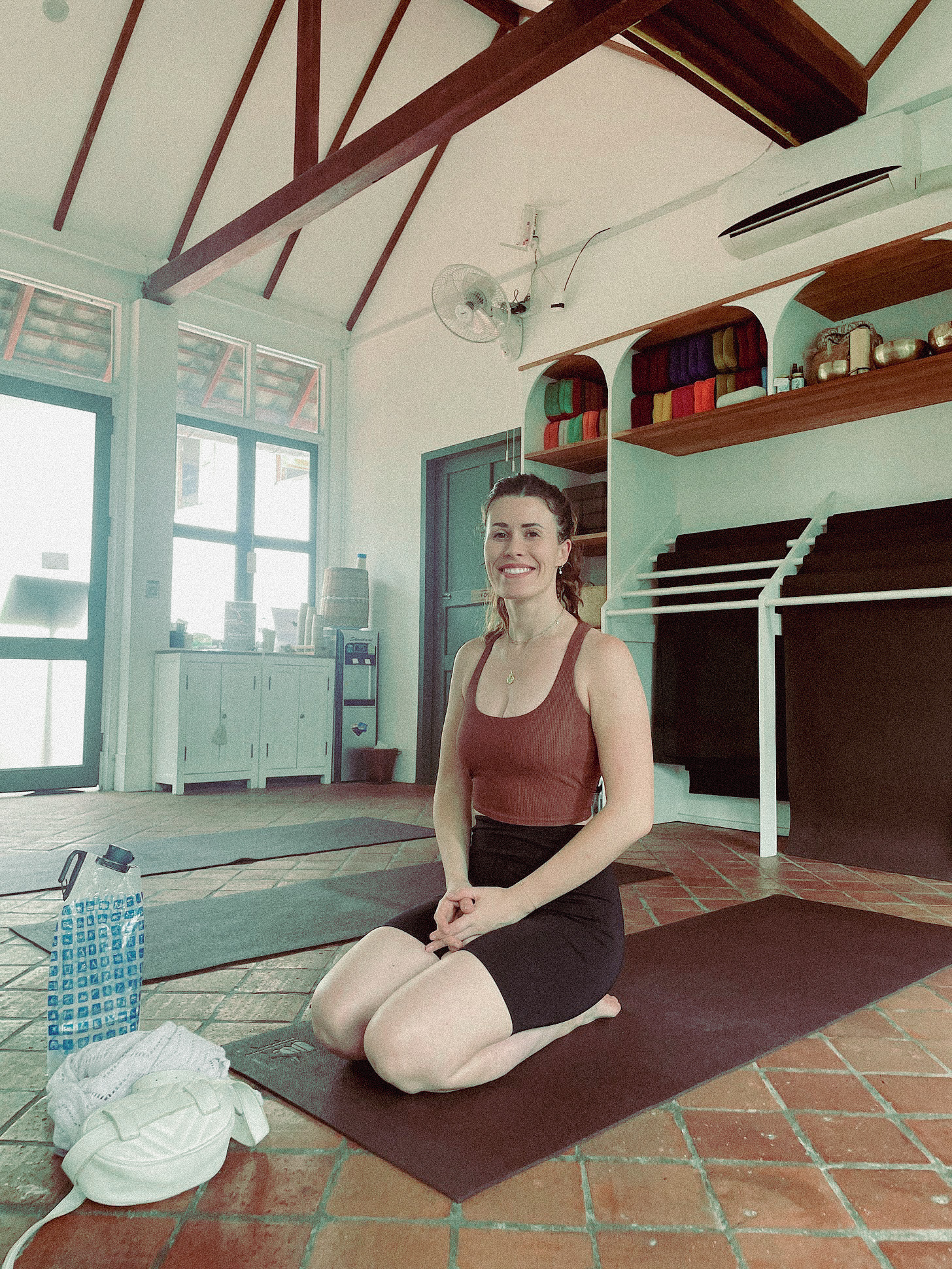
    Yoga

    I tried two studios:

    • Yoga Grasshopper Yoga
    • Luang Prabang Yoga

    Both felt modern, and were run by Europeans. They had full schedules, with cafés attached and regular events so I imagine it would be a nice place to make friends.

    Nightlife

    There’s not much of a clubbing vibe in Luang Prabang, but the cocktail bars are genuinely lovely. I went for drinks with a friend at Sisavangvong Road, which is perfect for a chilled evening and felt like a classy ‘strip’.

    If you’re backpacking, there’s also a weirdly famous bowling alley that everyone goes to at night. It sounds odd, but it was actually pretty fun and a nice change from the basic backpacker bars.

    Final Thoughts

    I wouldn’t say Luang Prabang is unmissable; but if you have the time and leisure, you won’t regret adding it to your itinerary – especially if you’re travelling from North to South Laos (or vice versa).

    Prepare for a few days of good coffee, pampering, peaceful (and modest) temples, and easy trips into some of the most beautiful scenery in Southeast Asia.

    It’s calm, welcoming, and – for me – was the perfect place to catch up on work and recover following the Gibbon Experience in Huay Xai. And did I mention the pastries?

  • Hiding out in Hoi An, Vietnam: two months as a nomad in Asia 

    I finally take a spin on those coconut boats.

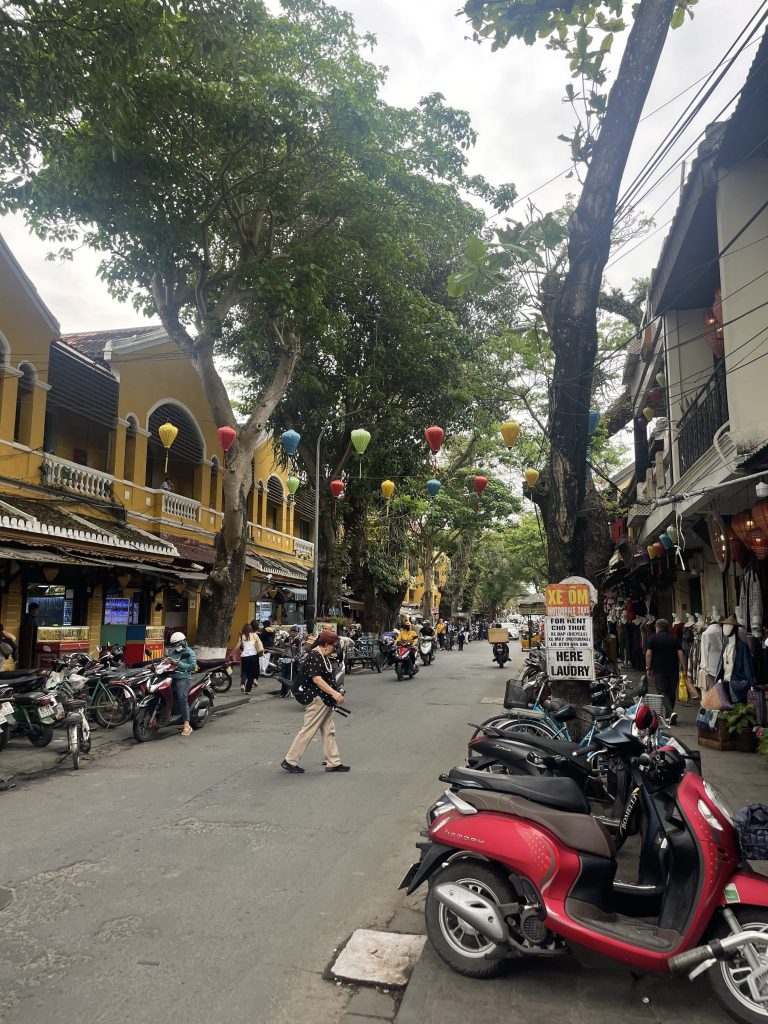
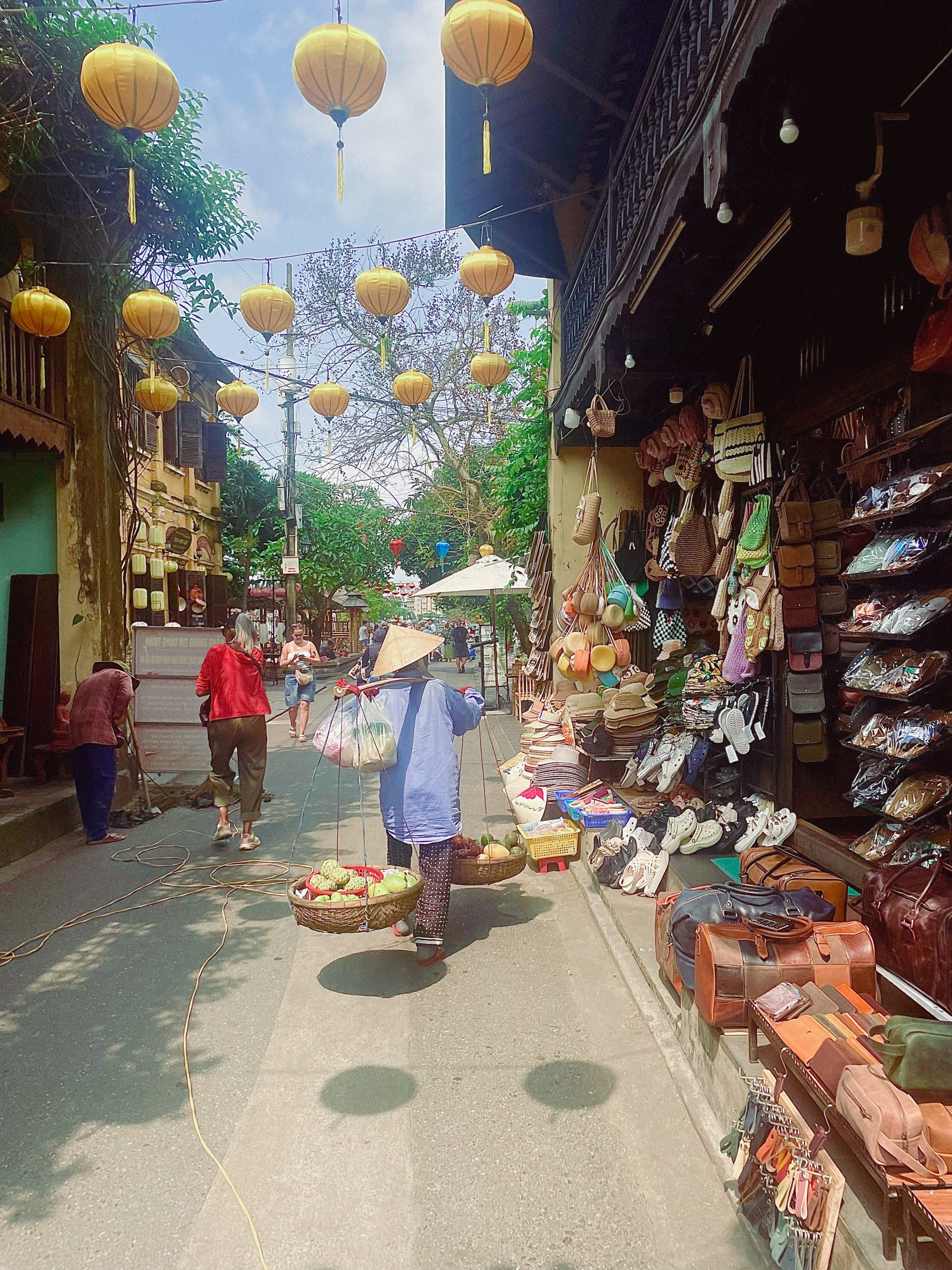
    After a whirlwind weekend in Ho Chi Minh City – my sixth week as a digital nomad in Asia – I took a short flight northward to the central coast of Vietnam. Having depleted my energy stocks in the capital, I was looking forward to some downtime in the cutesy, lantern-lit streets of Hội An.

    Sitting about halfway up the coast of Vietnam, this ancient coastal town is popular with tourists and, like any popular location, attracts mixed feedback from nomads. From people I spoke to, most tend to go to the nearby city of Da Nang because it’s right on the beach, a little more built up, and, I suspect, offers more to people wanting to build a life out here.

    Luckily though, I wasn’t planning on sticking around for long, so I could lean into being a tourist a bit. Everyone has a different goal when travelling, and the whole point of my trip was to take me out of my city comfort zone, dip my toe into nomad life, and take advantage of freelancing by seeing some of the places in the world I’d always wanted to. If that’s something you’re also considering, take a read of this blog where I talk about why I left London in early 2025.

    Where I stayed

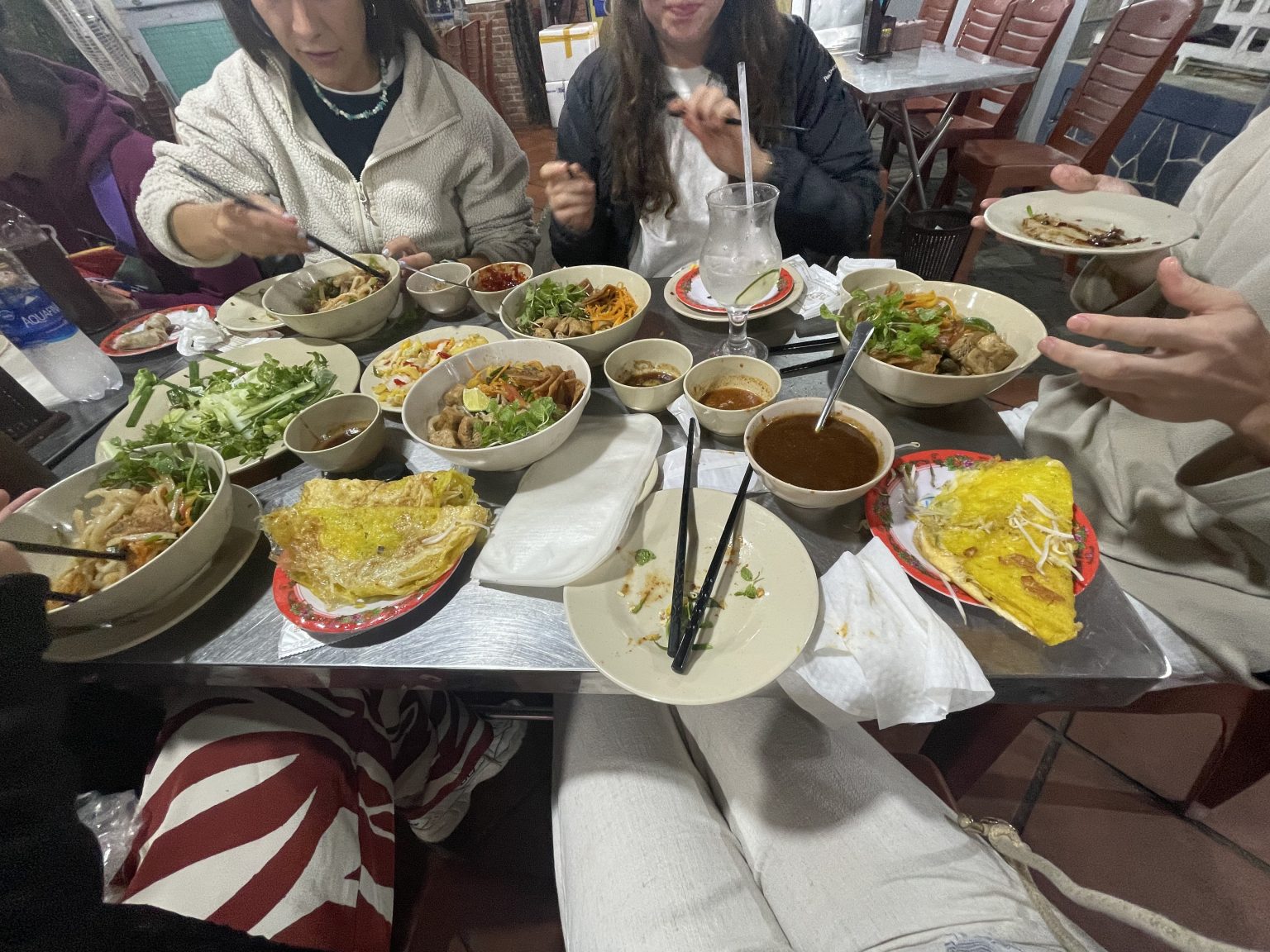
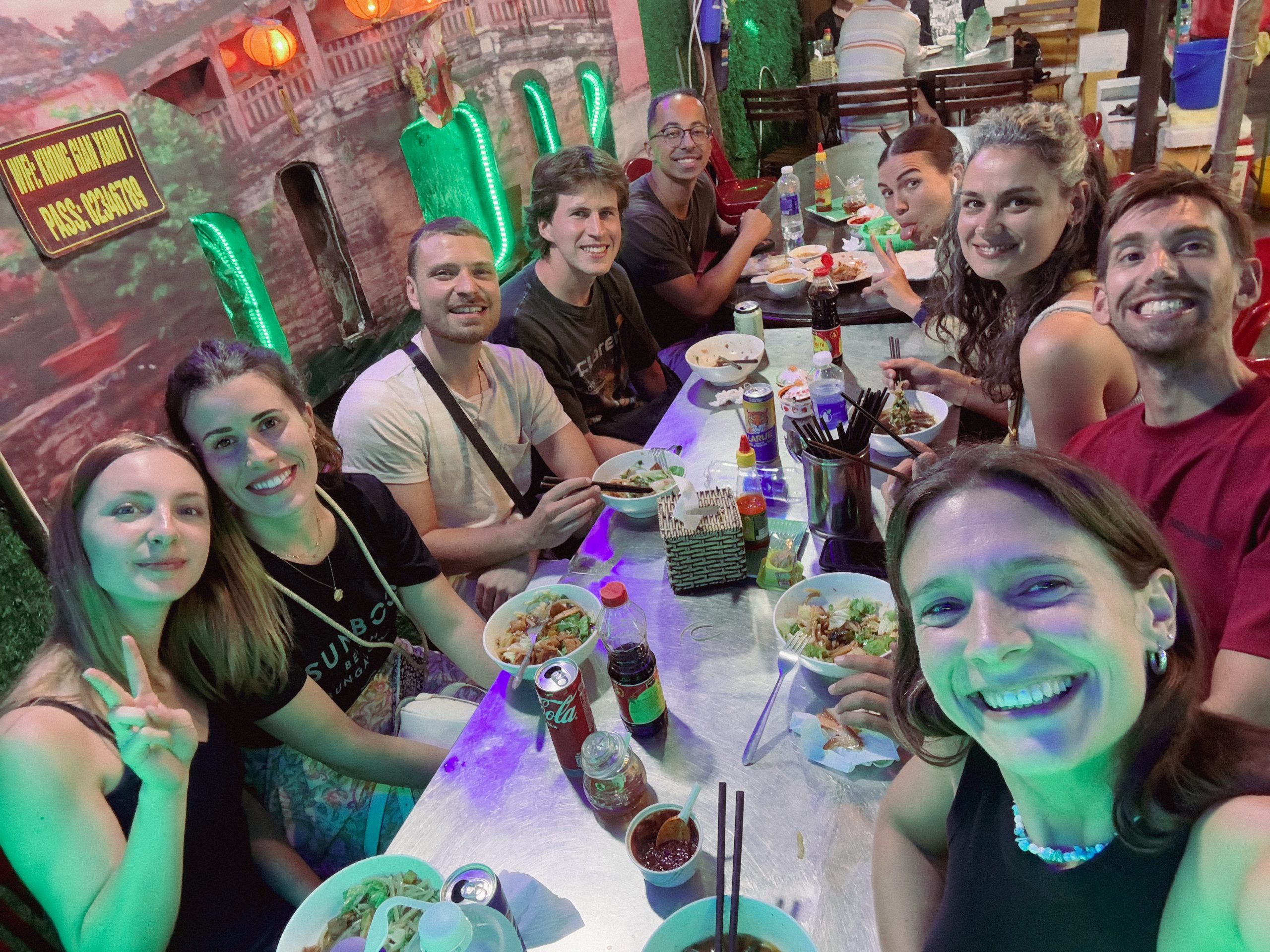
    Wanting to be with other travellers, I booked a dorm bed at the adorable Saclo Hostel, where I met the loveliest bunch of people. Like most hostels I stayed at during my trip, it played host to a mix of travellers and nomads in their twenties and thirties.

    We ended up doing ‘family dinners’, nights out, language lessons, co-working sessions, and simply roaming around the city together, with the help of our excellent host. There was something very restorative about falling into temporary routines with strangers after the intensity of Ho Chi Minh City, especially as I’d had such a brilliant time with the Koh Rong gang.

    If you’re travelling alone (and are a bit older), I’d avoid the big-brand hostels and search for smaller ones offering activities, because it often results in a much better experience.

    Is there a nomad scene?

    As to whether there is a “nomad scene”, it’s hard to say because I wasn’t there long, but like I said – it’s common for remote workers in this part of the world to split their time between Chiang Mai and Da Nang, which is very close to Hoi An, so there will be some crossover.

    Luckily I had met some of them in Chiang Mai, which meant I had some connections locally, and I took a day trip to Da Nang waterfalls with a group of people living in a newly opened co-living space.

    There’s clearly some long-time nomads in Asia making a special effort behind the scenes to create a sense of community for remotees, which I really admire. It’s difficult moving abroad, so if this is something you plan to do, make an effort to search for those people – whether it’s via flyers, reddit, or chats over coffee – and get networking!

    Cafés, co-working and coconut coffees

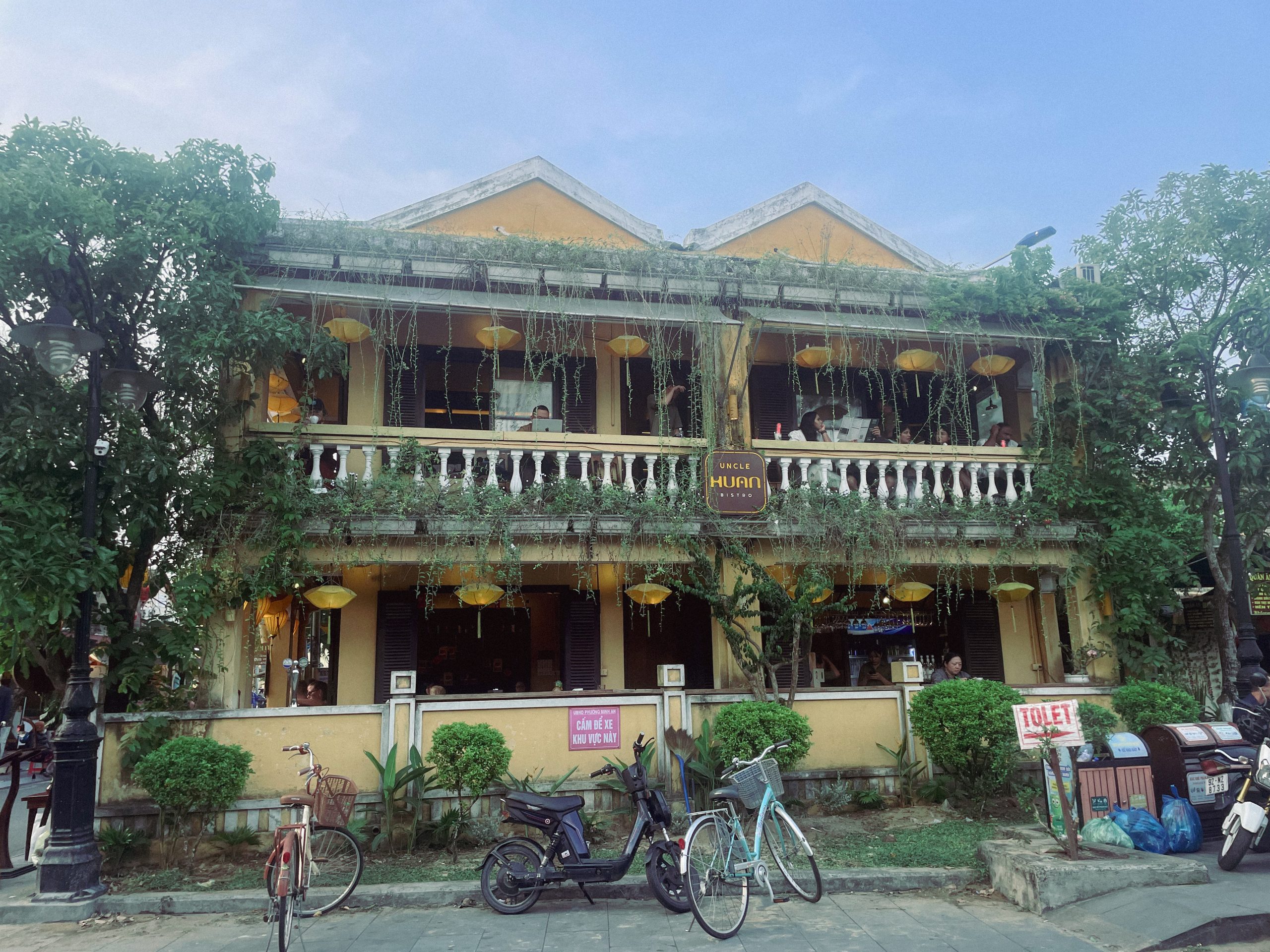
    No matter if there’s a big scene or not, behind those lantern-lit fronts are a ton of modern bars, bistros, and cafés, which are perfect for people needing a bit of work downtime. There are loads of veggie and vegan spots too, some even built with yoga and co-working in mind. You really don’t need to pay for spenny yoga retreats when you’re in Asia – just do it yourself!

    For the authentic views – try Hub Hoi An

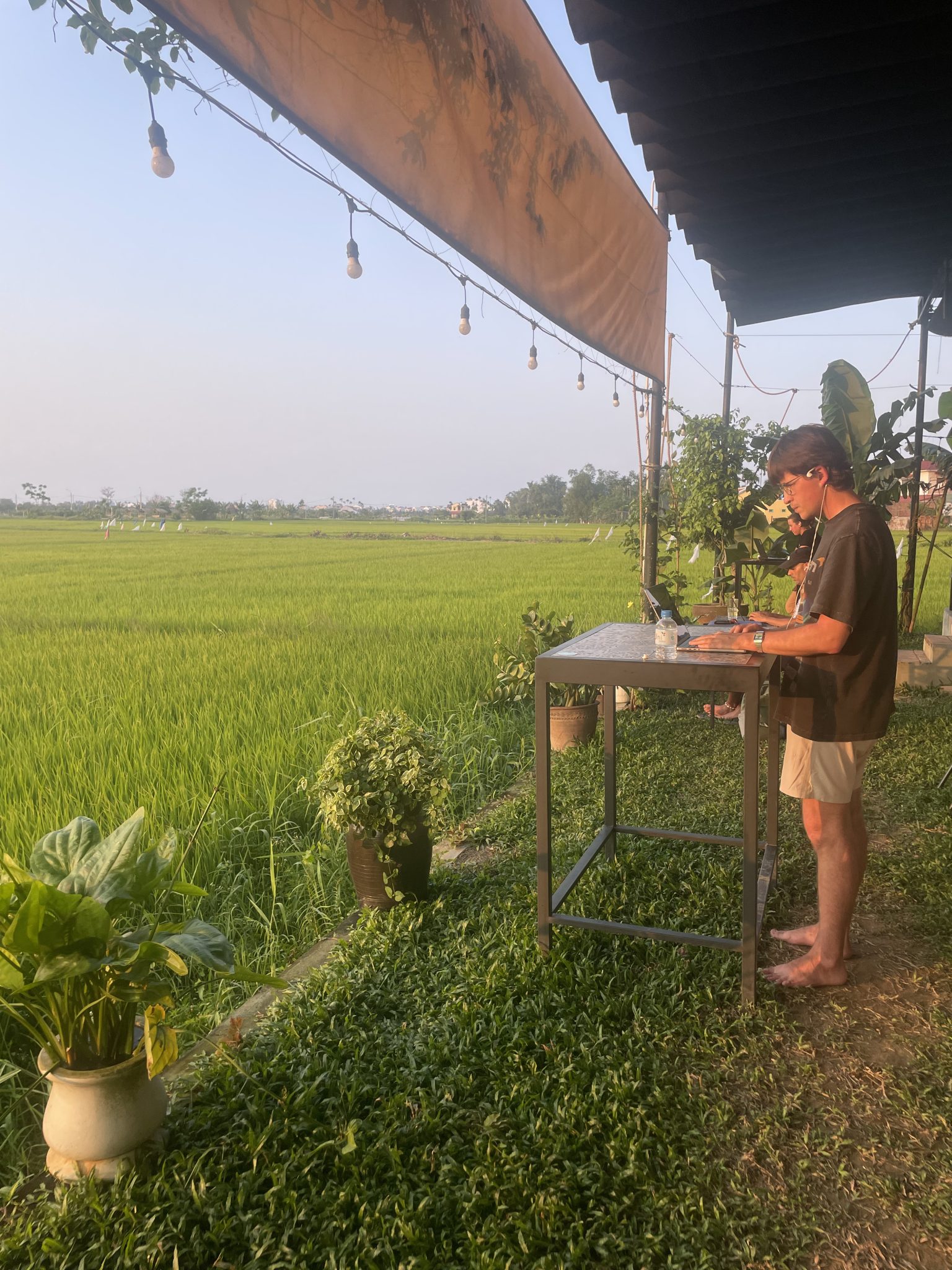
    Few things on social media are as wonderful in reality, but that can’t be said for Hub Hoi An. Set right in the middle of electric green rice paddy fields, it fosters an authentic, off-grid feeling whilst running like a proper co-working space, with all the facilities you’d need and community events to boot. I’d highly recommend coming here if you plan to stay for a while and want to make friends. Shout out to Matt for recommending it.

    For slow breakfasts and laptop hours – Nourish Eatery

    This place is fab for a big breakfast or brunch (think £4-5 for a hug meal). There’s a decent upstairs area for laptops and yoga during the week too (although it’s closed on Mondays).

    For escaping the hustle – The Inner Hoian

    Such a cute café, hidden down a side street and surrounded by lush greenery. It felt like the sort of place you accidentally spend three hours in without realising. Also has a very dangerous little gift shop if you’re a tote bag person. Very calming energy.

    Where everyone settles in for the afternoon – Goodeats Hoi An

    This spot is super relaxed and remote-work friendly, but I also noticed lots of families hanging out here too. One of those places where everyone seems to naturally settle in for the afternoon.

    For the best iced coffee – Hoian Roastery

    Home to the best iced coconut coffee I had in Vietnam, and the most accommodating manager.

    Instagram reality check

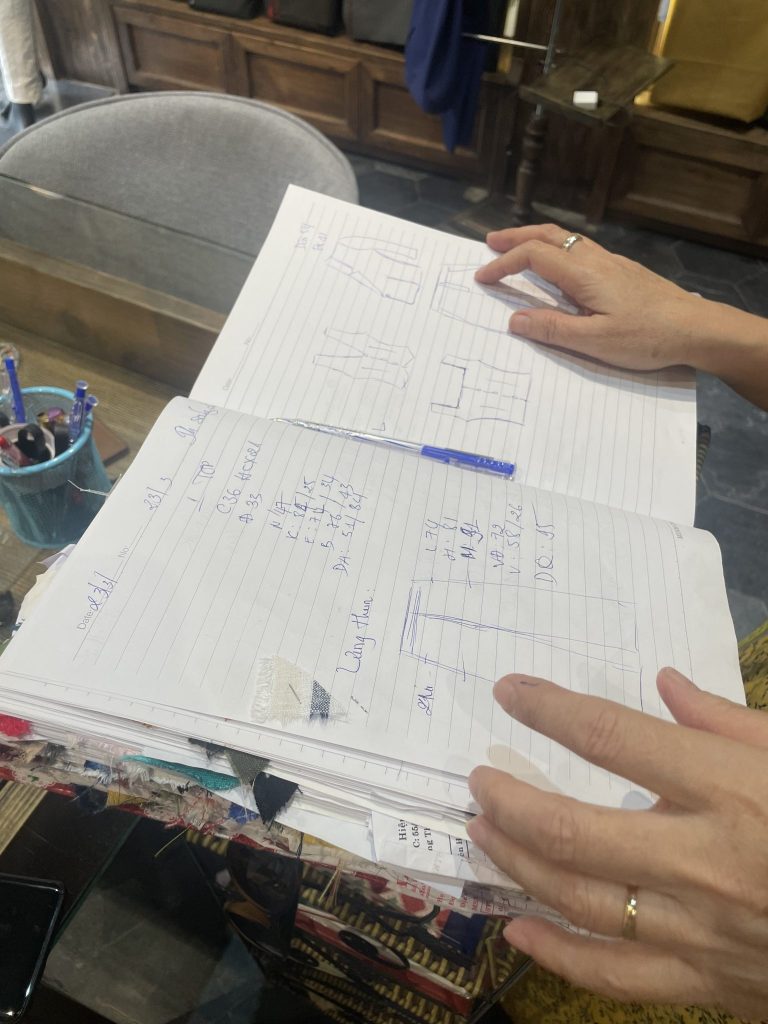
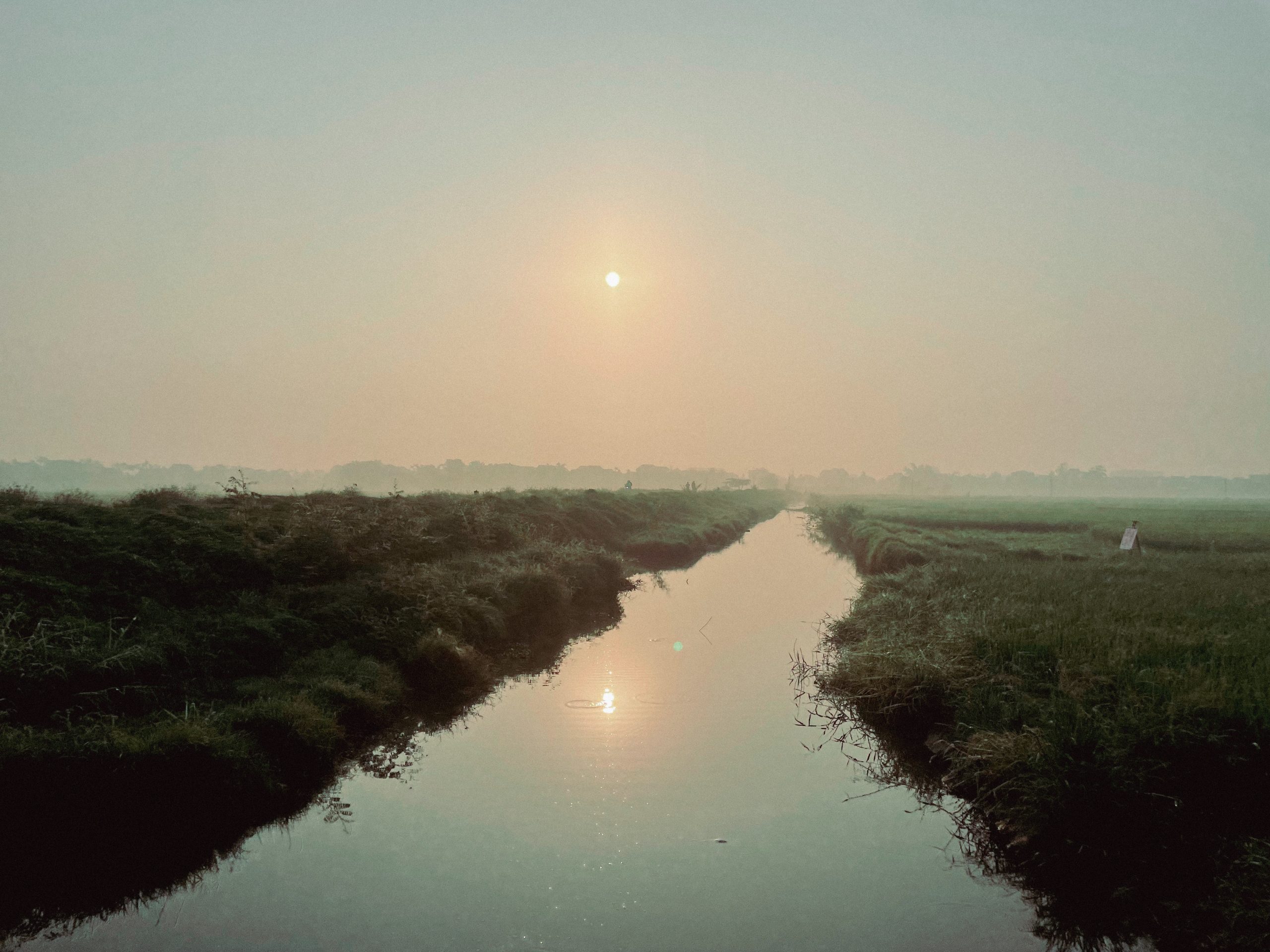
    Taking a bike through the paddy fields at sunrise, sampling cafés, and hunting for the best bánh mìs – this is the kind of thing that brings me joy. But like most spots in Asia, the town also offers the option of taking cooking classes, coffee-making workshops, visiting the nearby coast at Da Nang, or getting a dress or suit made (which I did do, although I’m yet to wear her).

    That said, like all places in Asia, it would be remiss of me not to do the old “Instagram v reality” wake-up call. Some fun, but slightly overrated, activities for me were:

    The coconut boats

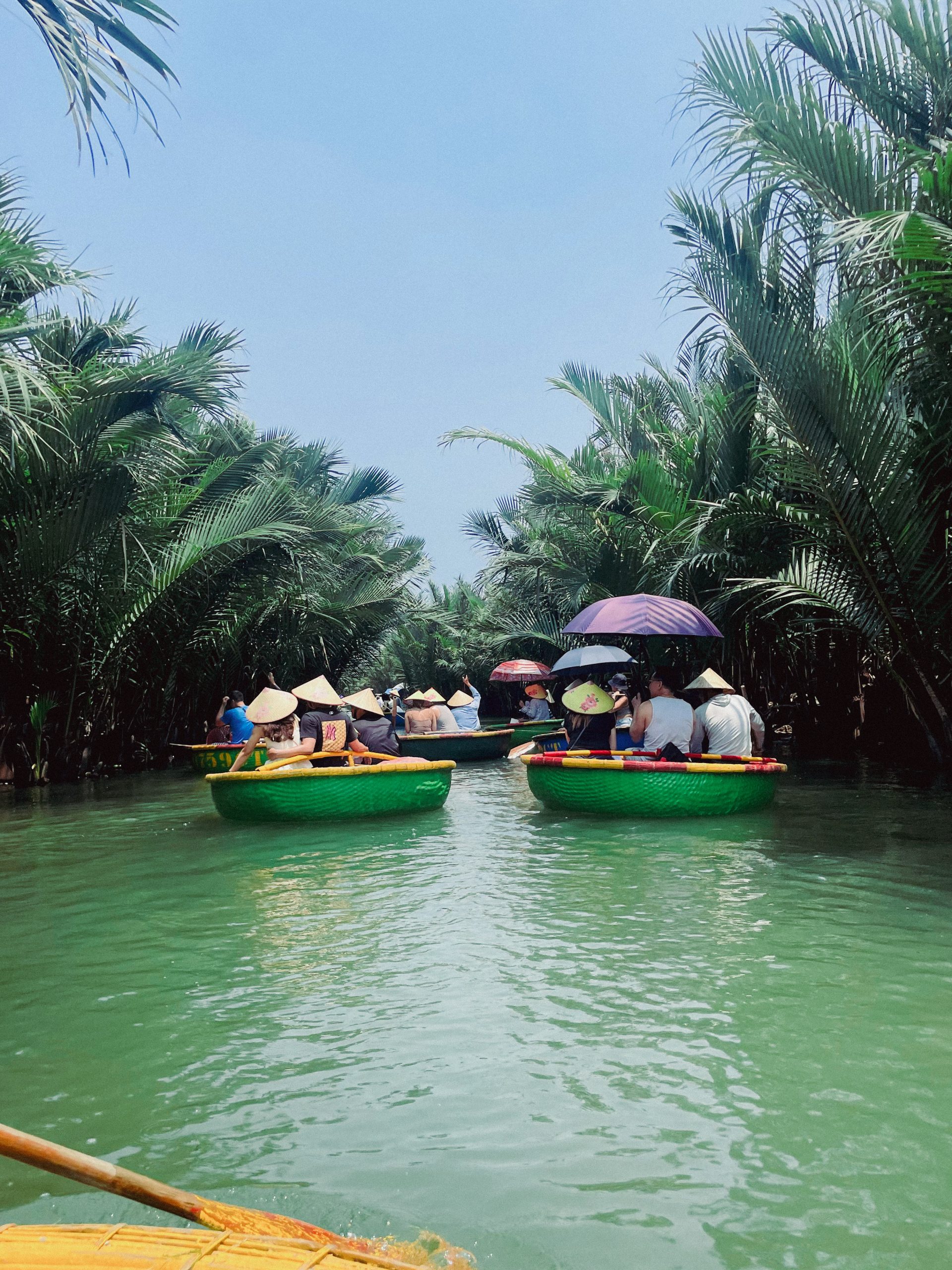
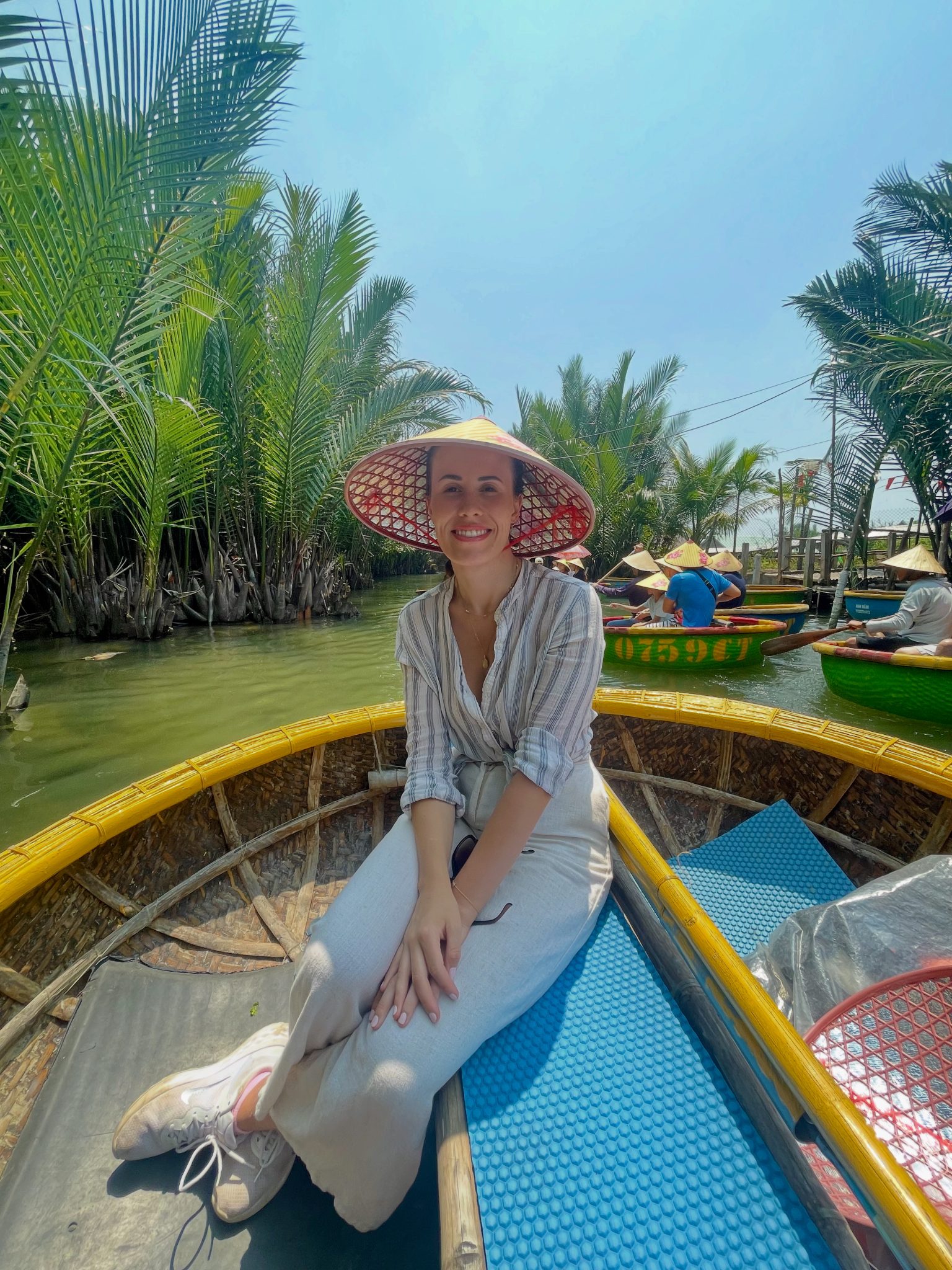
    I had a feeling they wouldn’t really be my thing, but I did them anyway because they’re so iconic. It’s cheap and only takes about an hour, but the whole thing does feel a bit tourist-trappy. You’re basically spun around while people sing and ask for tips. That said, the area itself is beautiful, and it’s nice to spend some time in such an important natural space.

    The lantern parade

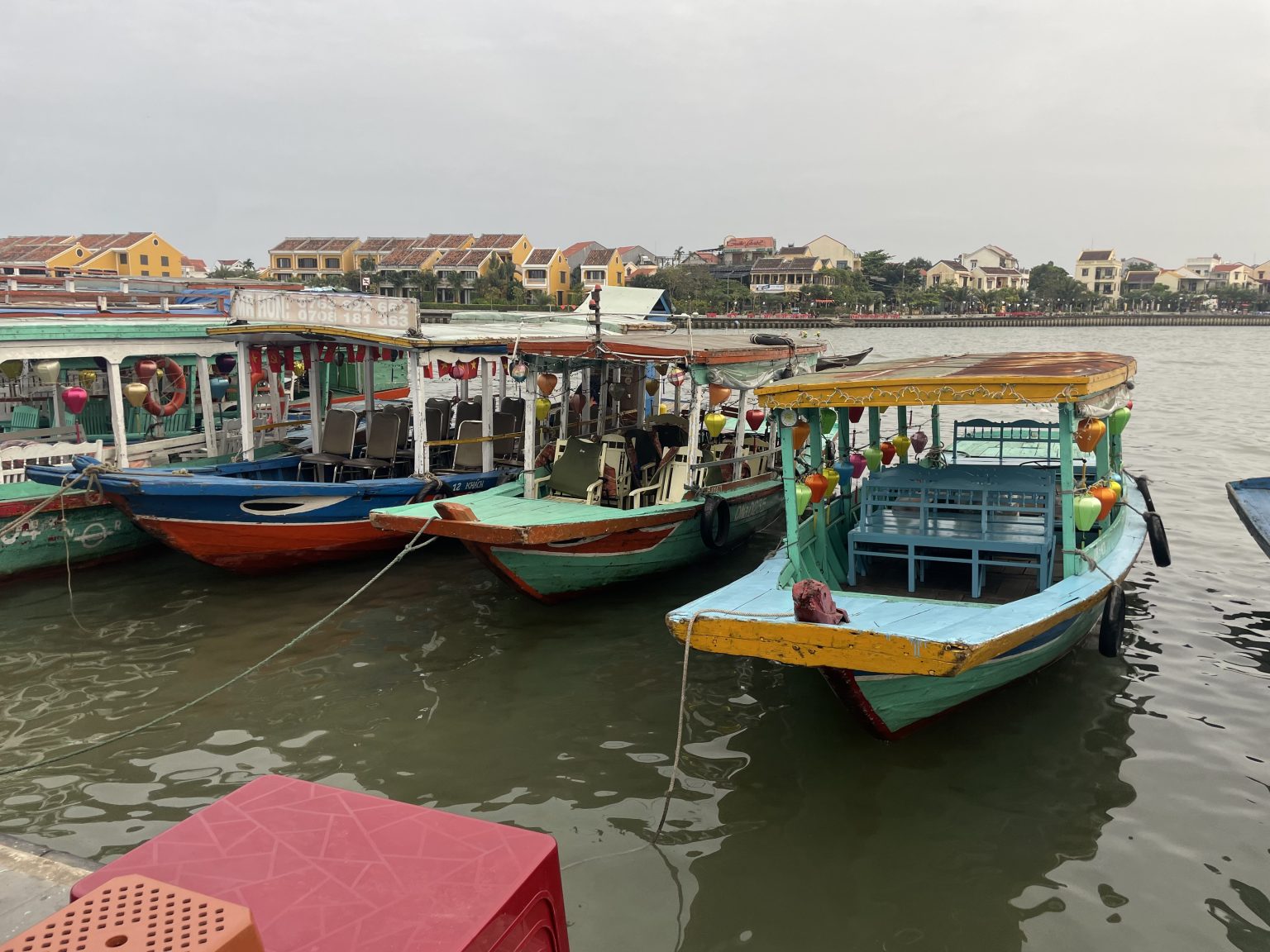
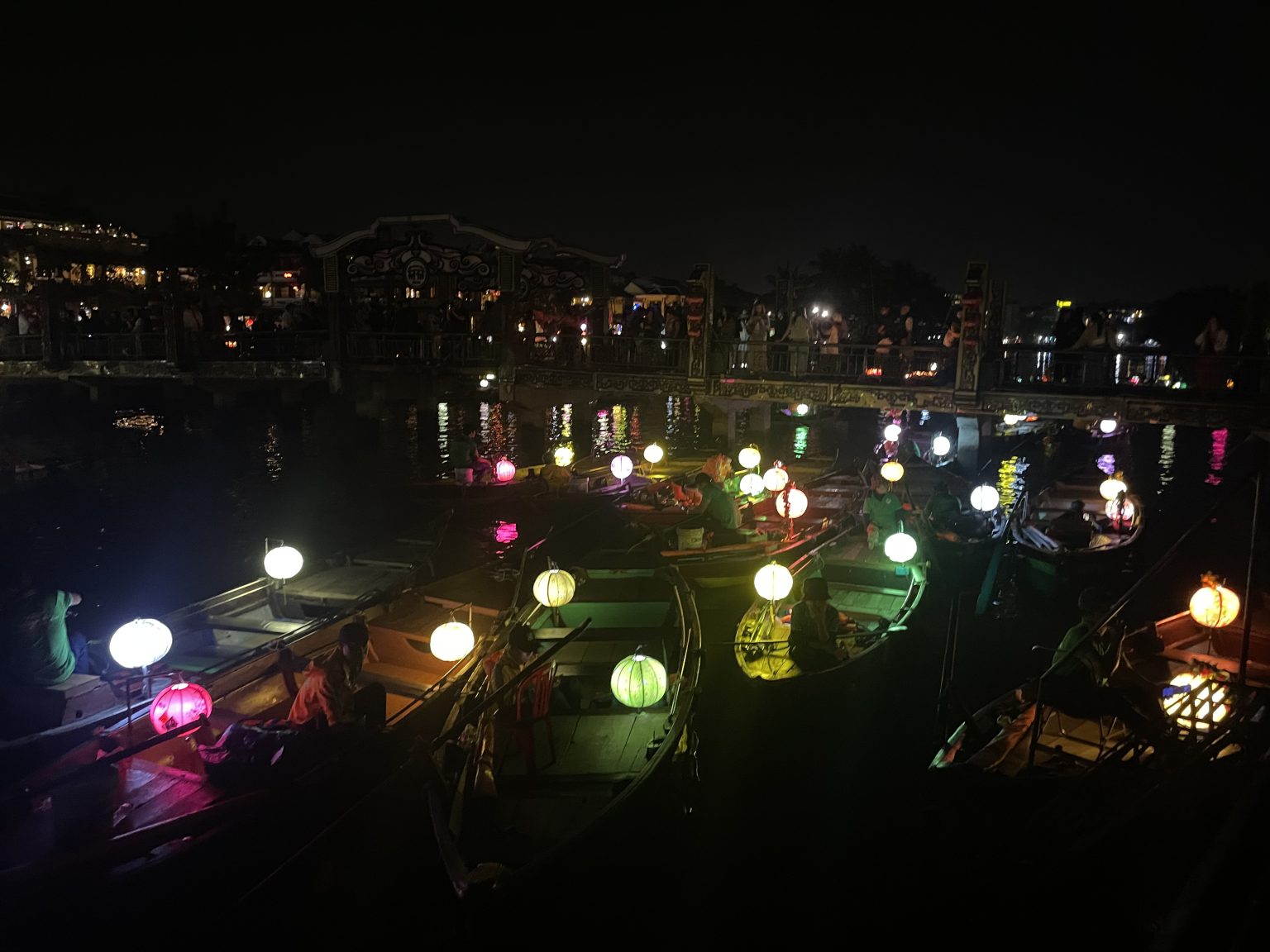
    The multicoloured canal boats are pretty enough to look at, that’s for sure. But this isn’t exactly the sweet, idyllic scene you see on TikTok. It was busy, loud, and a bit chaotic, being right by the strip with all the bars and nightlife.

    I also can’t help but feel that lighting lanterns is an unsustainable practice, which really put me off. Perhaps in future there can be a way to do this that is kinder for the waterways and surrounding environment, but until then, I’m unsure how I feel about it.

    Despite the slightly overrated tourist-grabbing activities – which is true for any location – I found Hoi An overall, to be as cute as a button, and ended up staying for a week (though three days is probably plenty if you’re a tourist or short on time). The chaos of Ho Chi Minh City felt miles away, replaced by the hum of scooters, the cluck of chickens, and the buzz of baristas whipping up coconut coffees.

    Heading there in mid-March felt like the perfect time, as we caught a slightly cooler weather window. After March and April, it gets really hot, then really rainy, before cooling down again in January and February. (Central Vietnam can also see flooding in the later months, so check conditions before you travel.) North Vietnam gets properly cold in the early part of the year too, so plan your trip with that in mind – and do not underestimate its weird weather!

Leave a Reply

Your email address will not be published. Required fields are marked *