Is the Ha Giang Loop overrated? (2025)

A brutally honest review of Vietnam’s best-known excursion (written March 2026 – updated April 2026*)

UPDATED – The text below was written in March 2026 about my experience in March 2025. Whilst I have not changed the article, I have expanded some points with footnotes and further info at the bottom. This is in response to questions I have received after the death of a Welsh teenager on the loop this April.

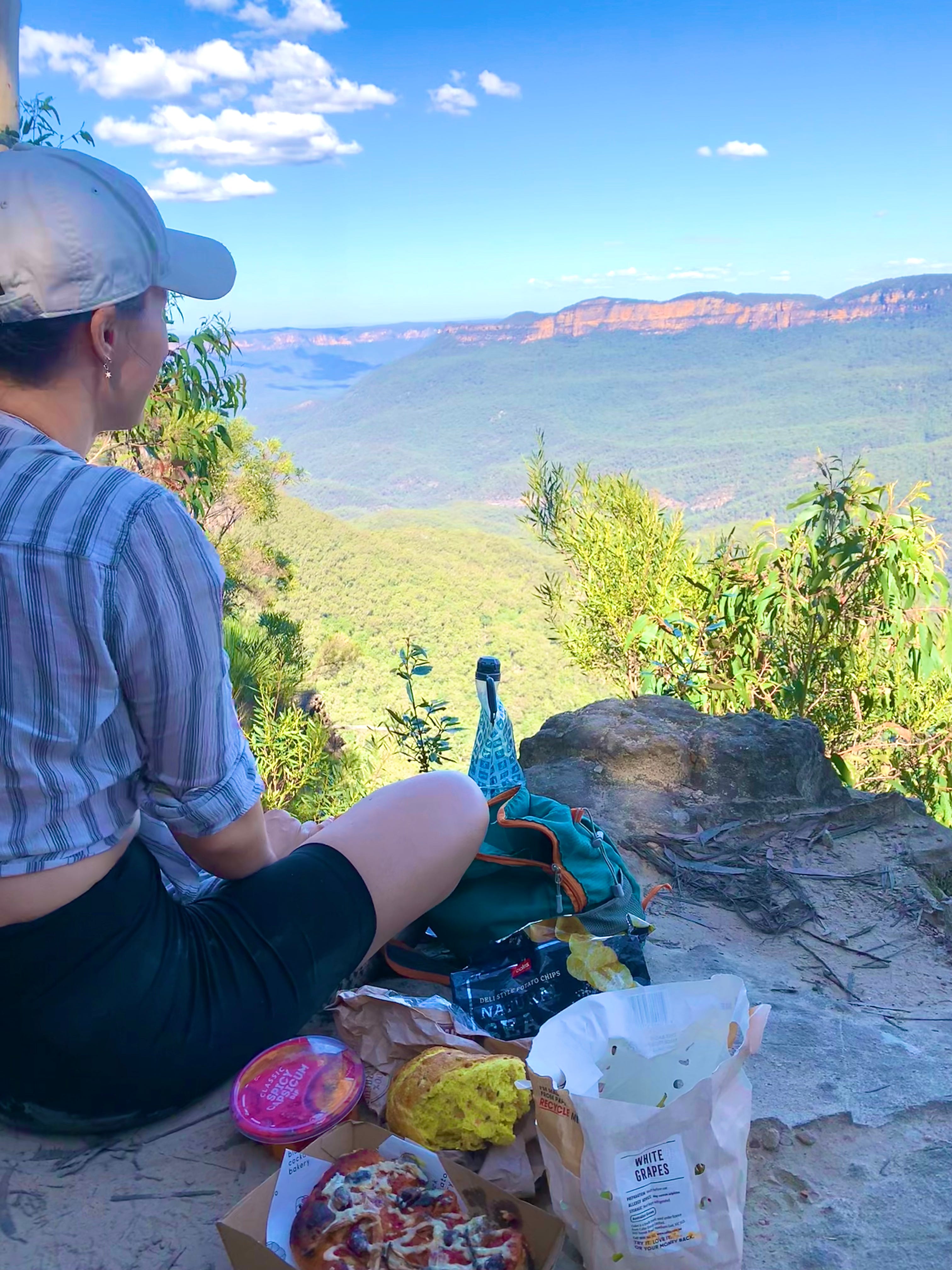
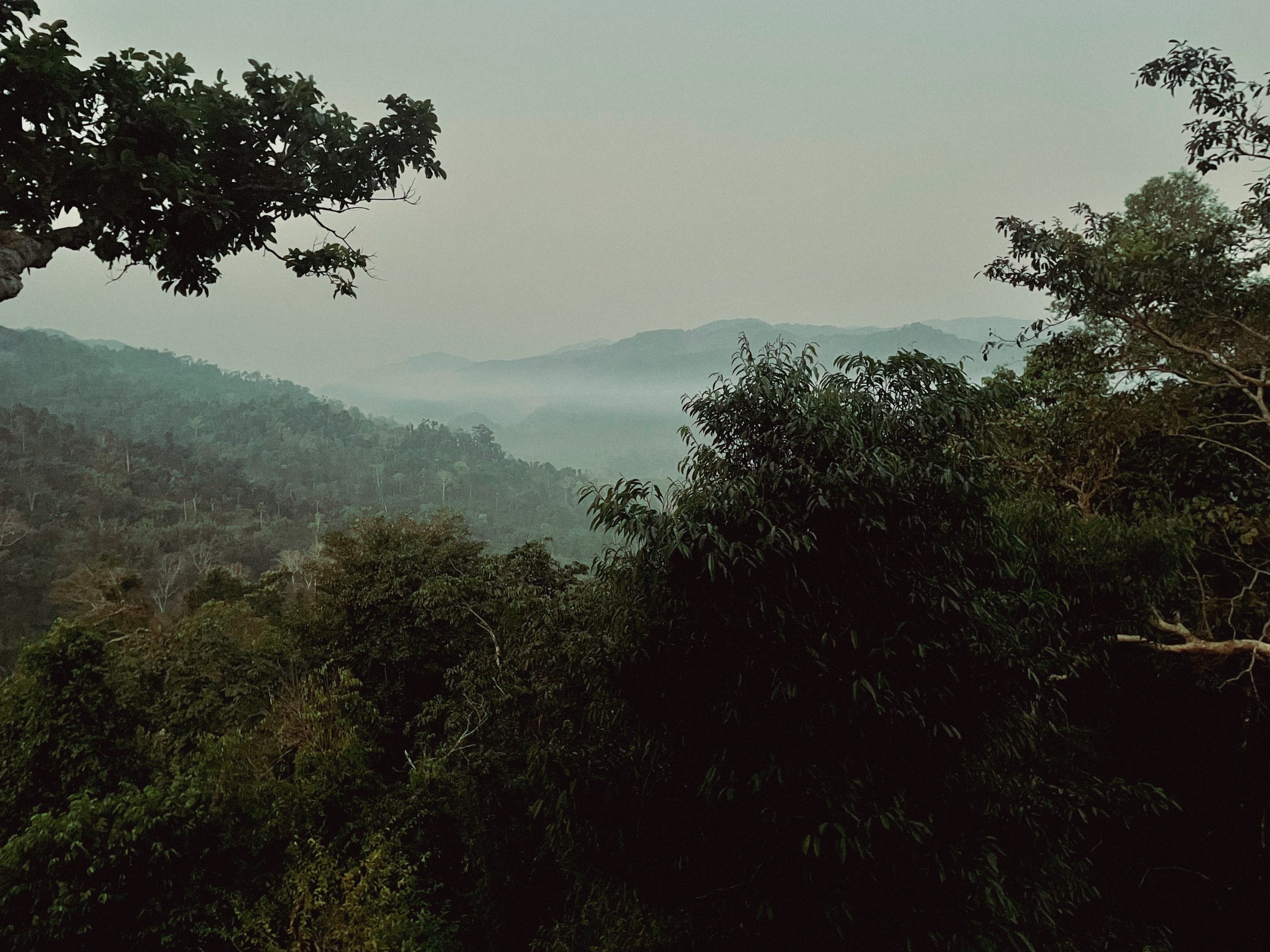
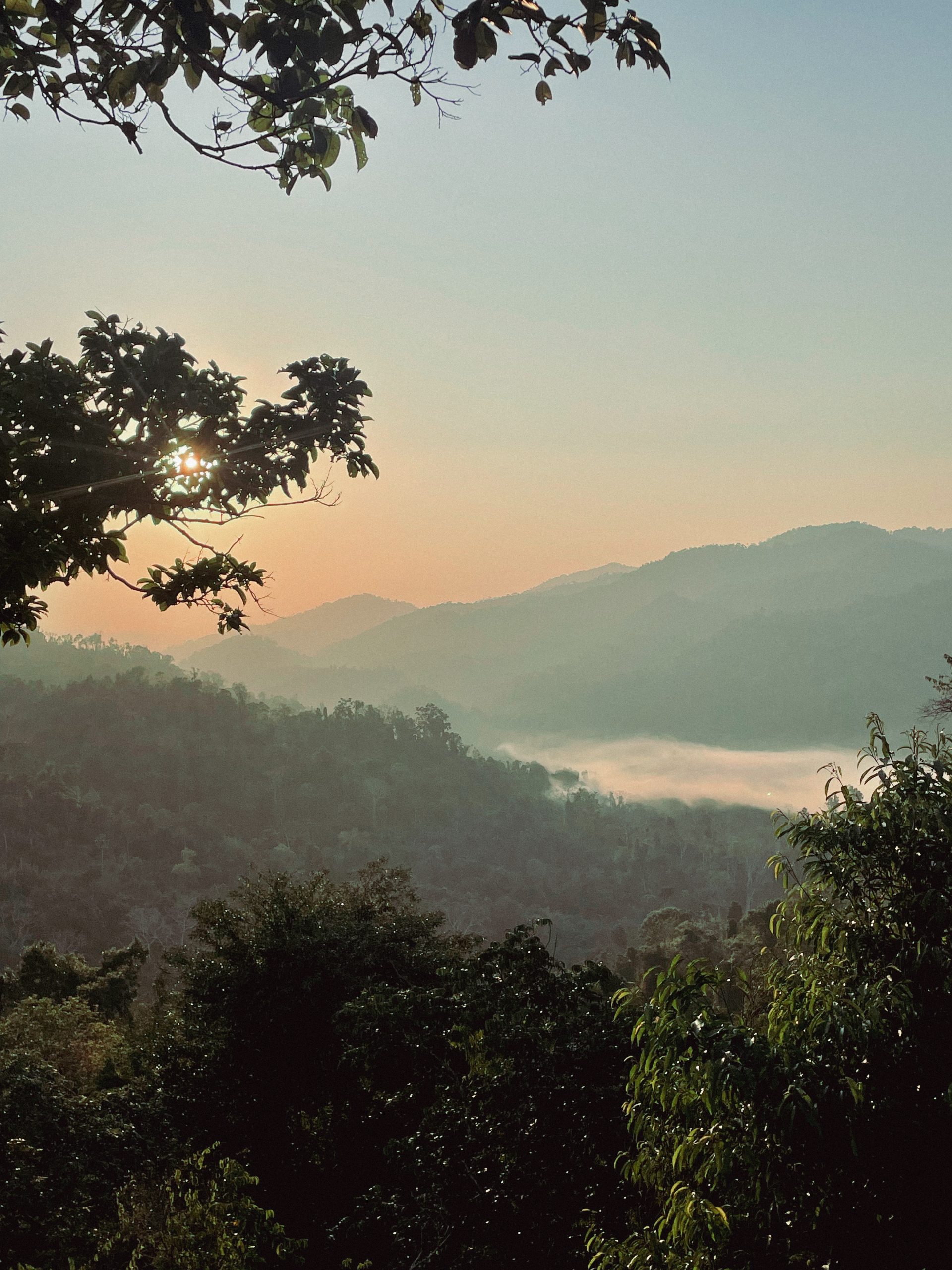
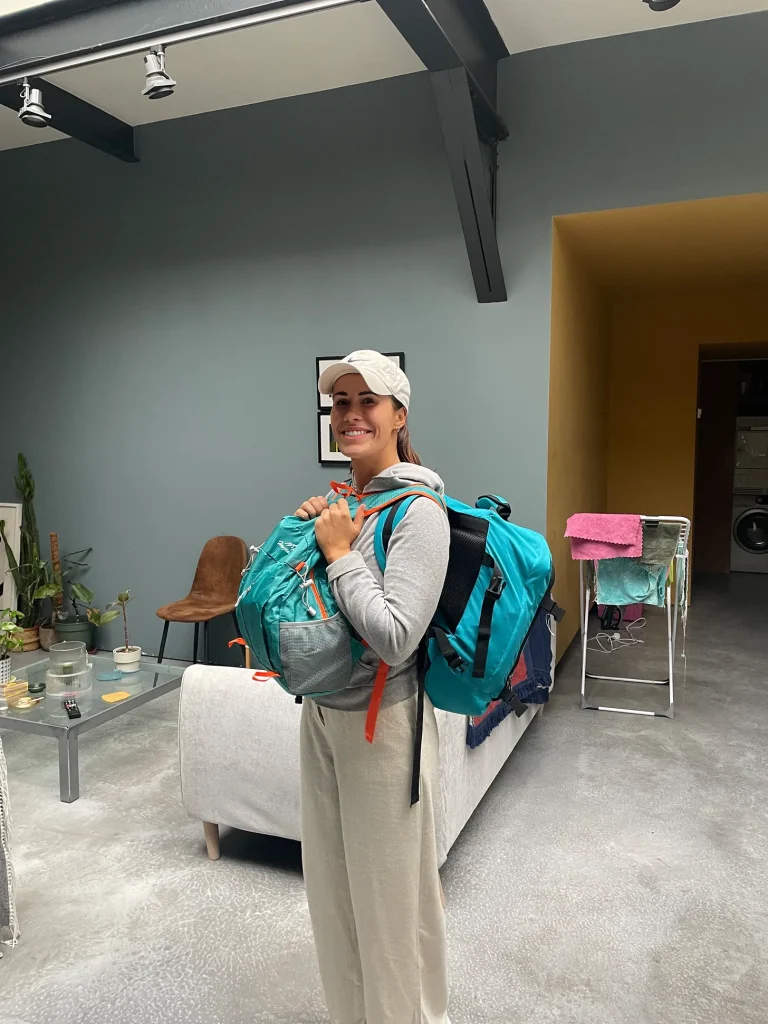
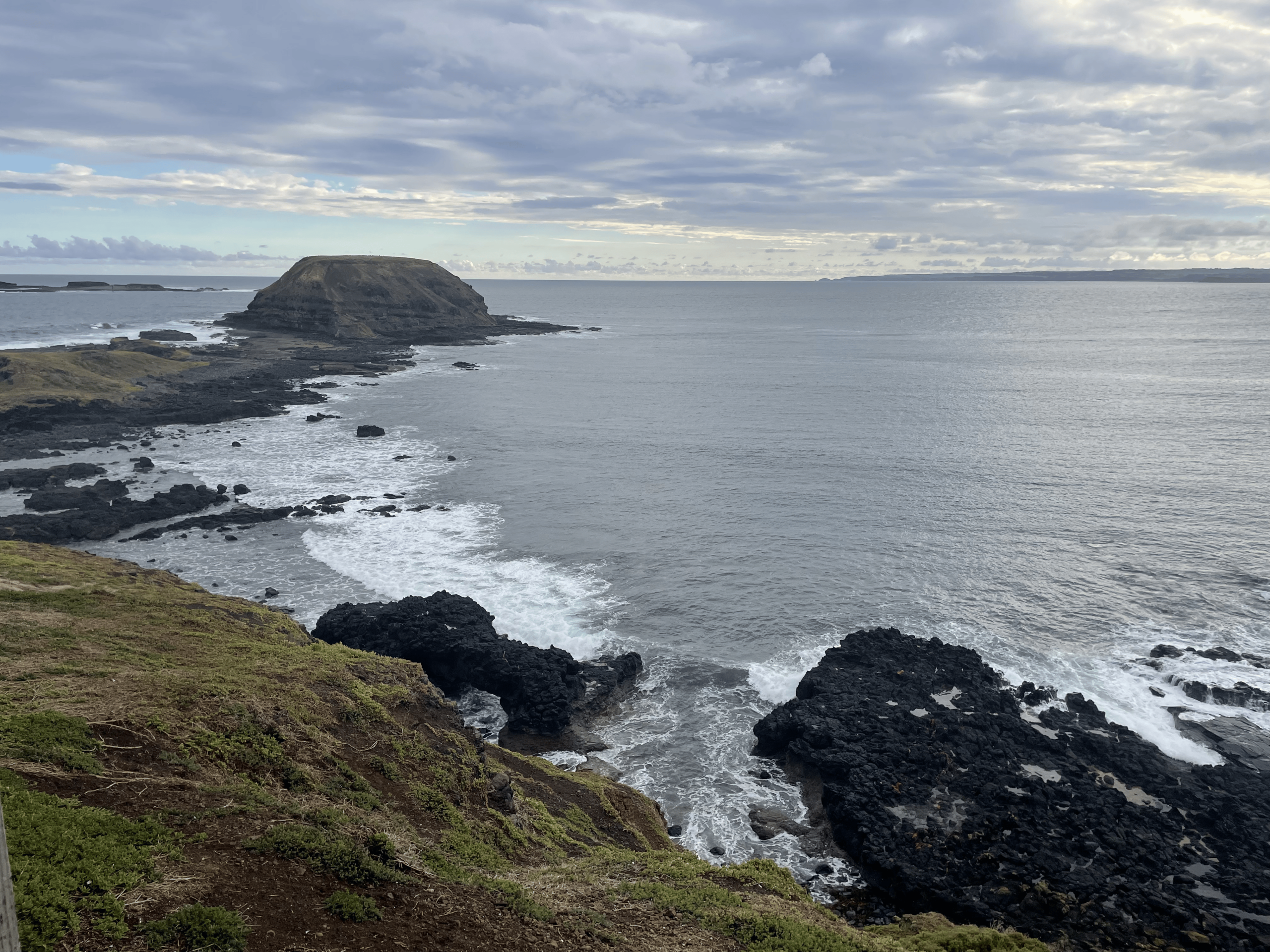
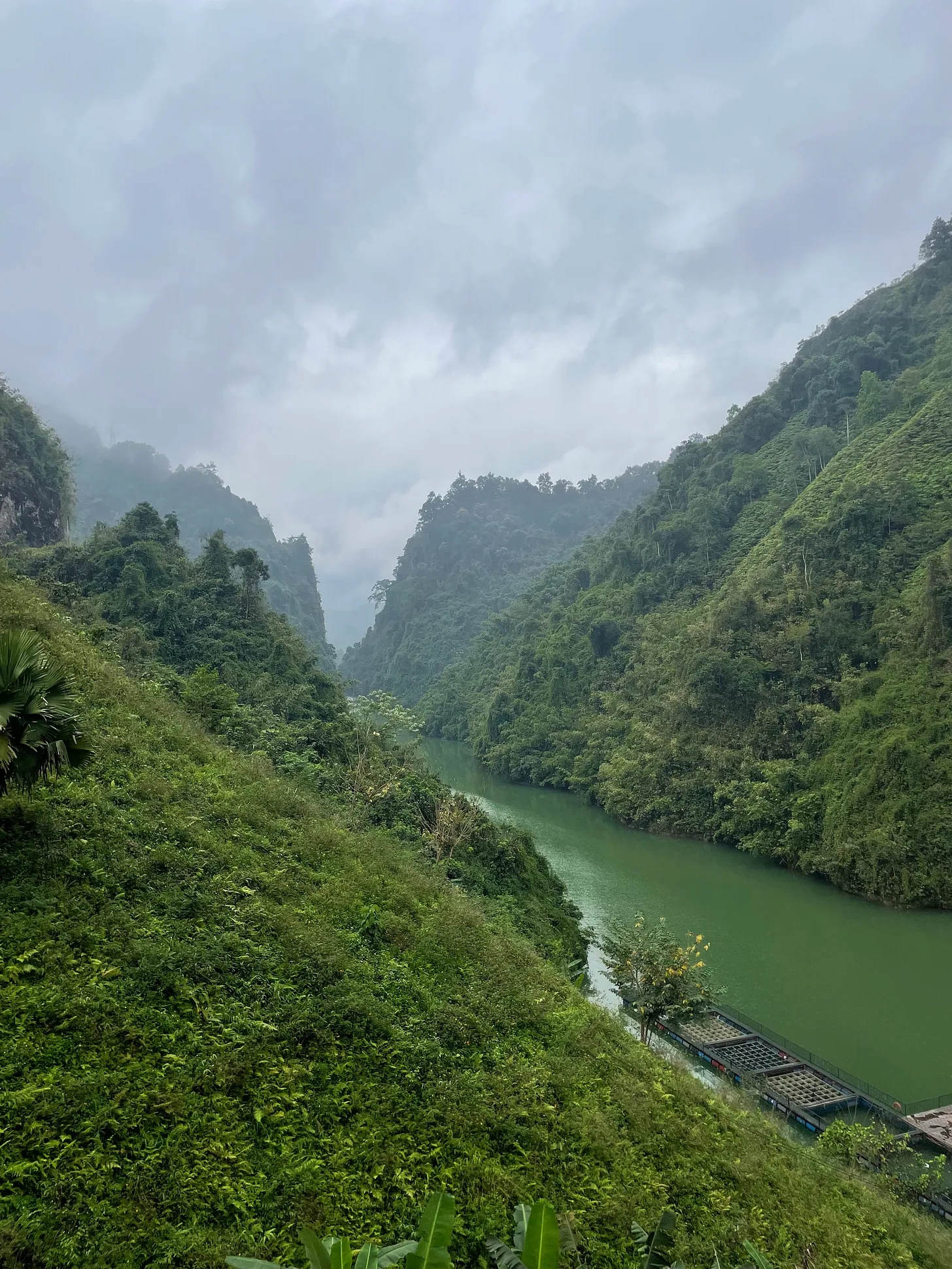
It was a quiet day in March 2025 when I found myself in Hanoi, panic-buying warm clothes in anticipation for the Ha Giang loop. This is a stunning motorcycle pilgrimage into the northernmost mountains of Vietnam, known for its forested limestone and granite mountains, and unique Dong Van Karst Plateau.

It had been much lauded by backpackers throughout my three weeks in Vietnam, building a sense of anticipation that I had learned not to trust too much. It could be my age – could be jealousy – but I do not trust TikTokers that never have a bad word to say about anything.

You’ll be jaded soon enough, bitches.*1

Curiosity bites though, and I booked an organised tour with an easy rider (a hired driver). After two months of working and travelling in Asia, my capacity for careful planning had reached its maximum, and not bothering to analyse my options in detail, I opted for Bong Hostel. As someone who likes their peace protected, I sensed this could bite me in the bum..and it sort of did.

I rocked up in the evening with my loot of newly purchased thermals (essential even in March), hustled for a few quid, and caught the six-hour bus to Ha Giang.

As we pulled out, a German lad next to me threw a loud and prolonged tantrum to his pals (and in fact all of us) about the lack of USB ports on the bus. Whilst he wept over his dead phone, I smugly thanked my stars for my power bank and increasingly well-developed foresight.

There was a quick overnight stop and early breakfast before we split into groups of ten. We were then introduced to our drivers and escorted promptly into the mountains on the bikes.

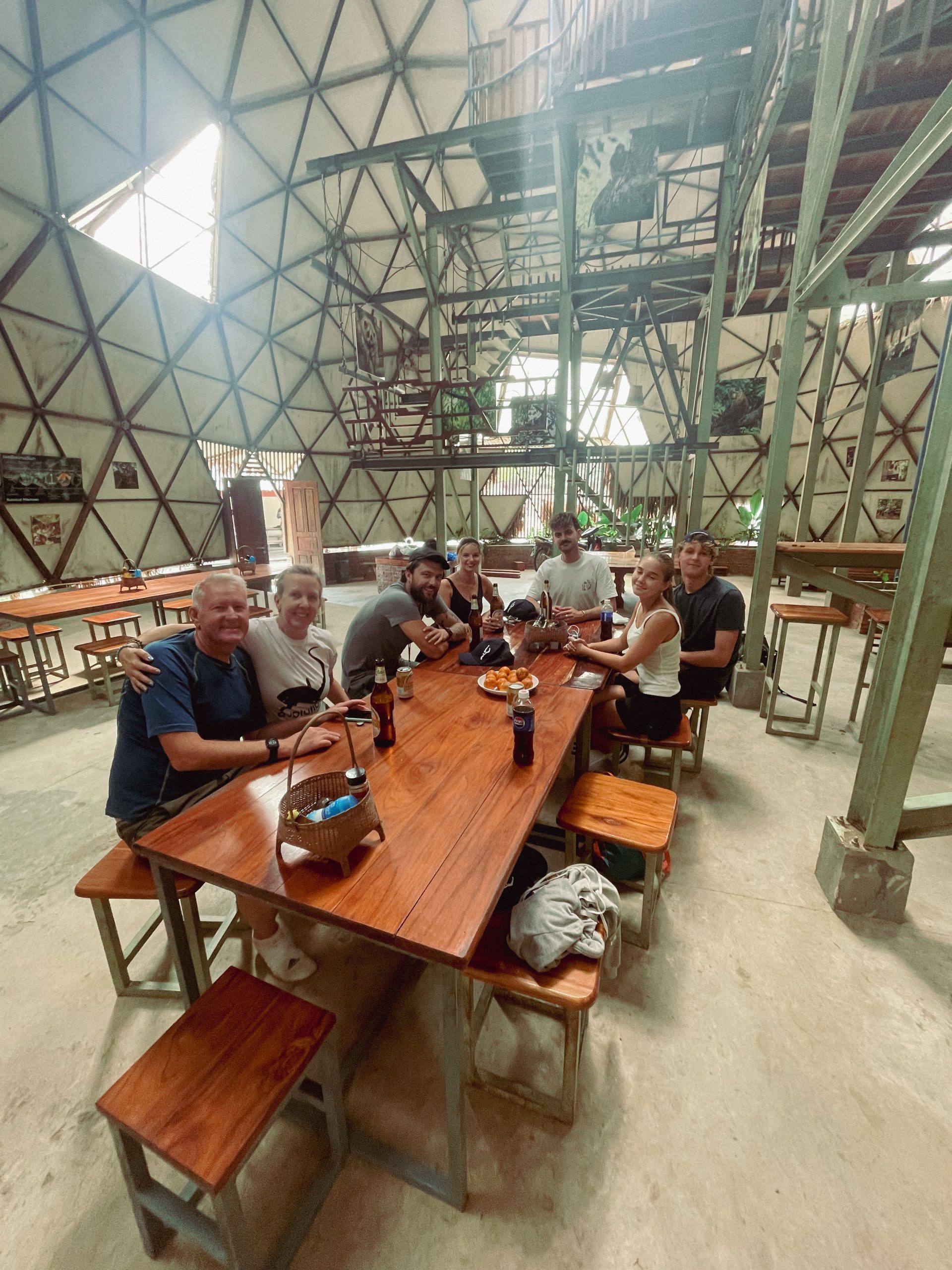
This is when my heart sank a little. Noticing a sea of matching T-shirts ahead of me, I recognised that I’d been put in a group with eight or nine people who already knew each other from another travel stop.
They were a nice bunch, but situations like this make for an inevitably more challenging time, especially if your social battery is low (or if you struggle with English). It’s just more effort. That’s one of the challenges with going on a trip with a bigger hostel, but it’s also something you just have to get used to with trips like this, I’ve learned.

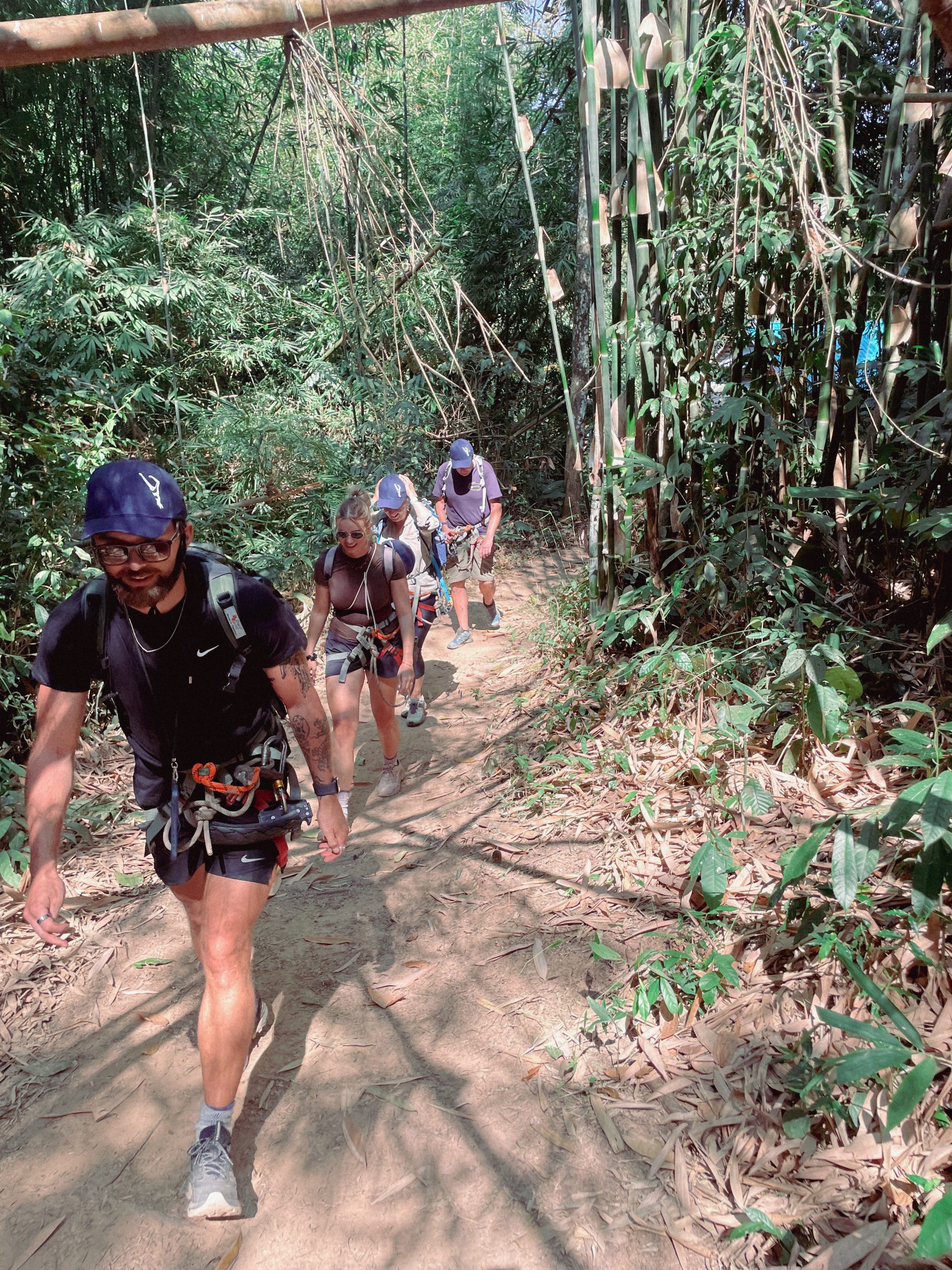
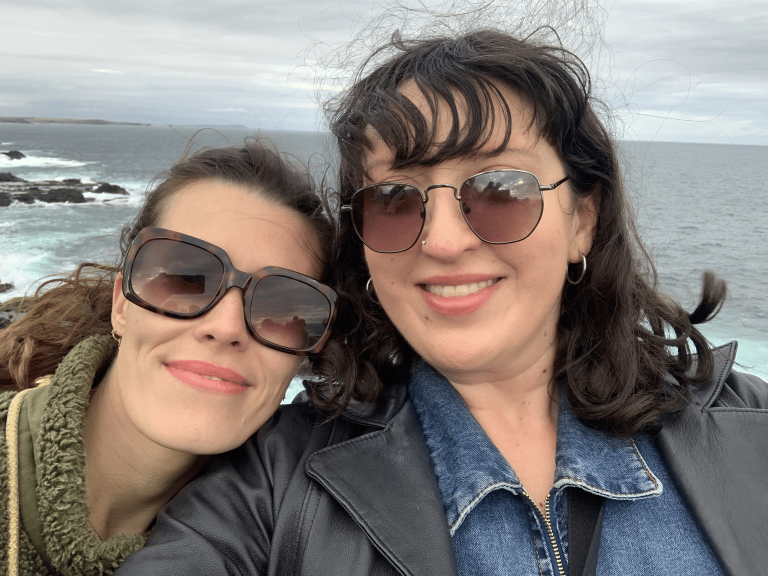
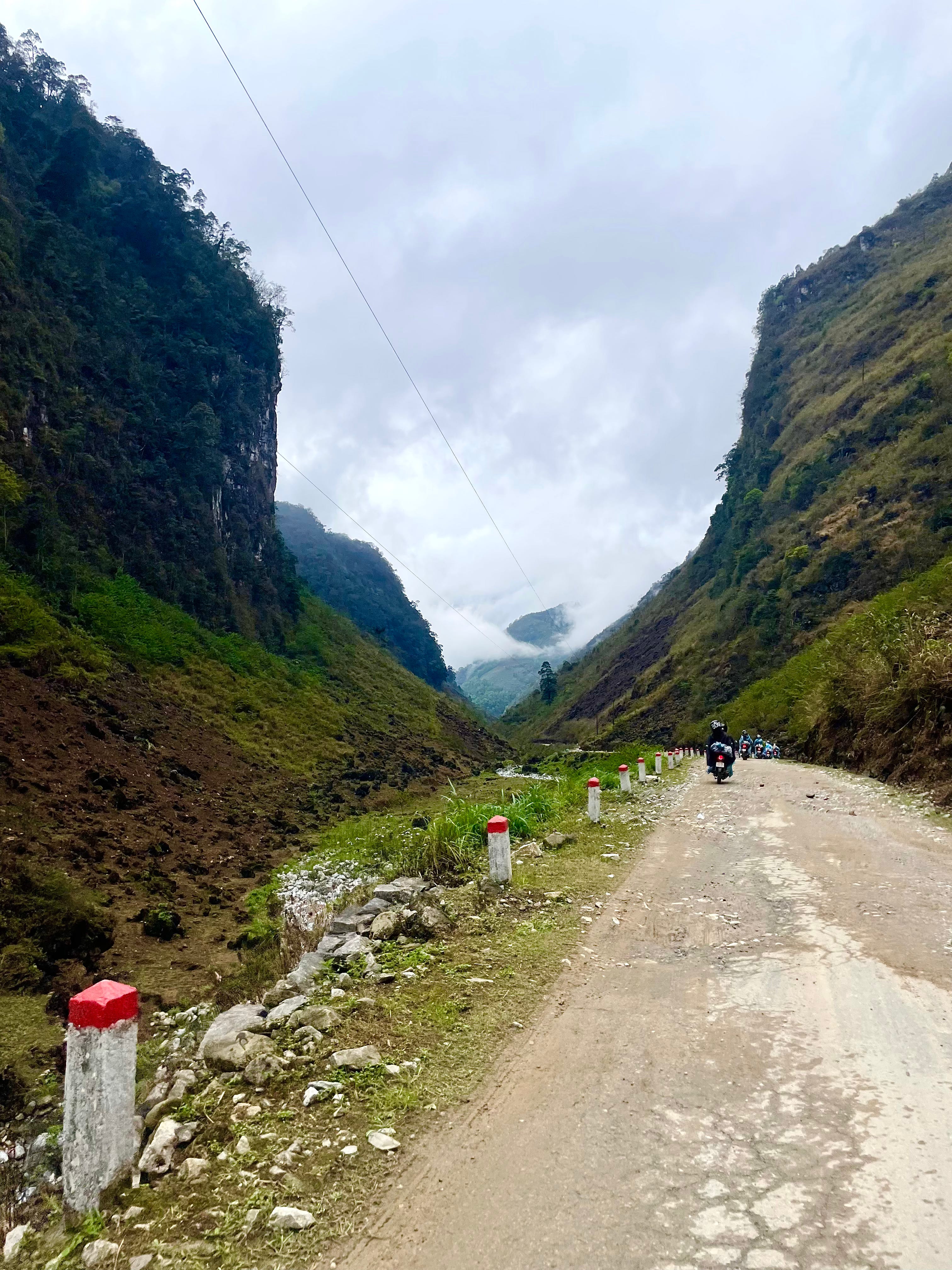
As we climbed the mountain, I revelled in the bliss of being able to enjoy the wonderful scenery on the back of a bike, driven by someone that knows the route inside out. With steep, winding roads, the loop is dangerous to ride, and hiring your own bike is not generally advised (although Bong does offer the chance to drive alone, with guides in tow)2.

There is a sweet serenity to popping in your headphones and soaking up the natural world with the feel of the wind in your ha- OH wait. We’re stopping already, are we? Hold on, just let me take my helmet off (again). Staggers off bike.

Thus began our routine. For the next four days, every thirty minutes or so, we would stop at a café for a lollypop, photo, and a game of Đá cầu (“foot badminton”), Vietnam’s national sport.

A couple of times a day, the pitstops were welcomed. Đá cầu was a lot of fun. But after a while, the routine started to grate on me. Am I the only one? “No, we agree,” said the girls in my group. “Way too much stopping. Let’s just keep going!” I’m all for a viewpoint, particularly on a trip like this, but the continuous stopping was giving me whiplash.

There are a ton of other groups on the loop, so it could be to do with traffic control3, but it felt a little forced. Obviously they want you to buy something at every stop, too. It’s economics.
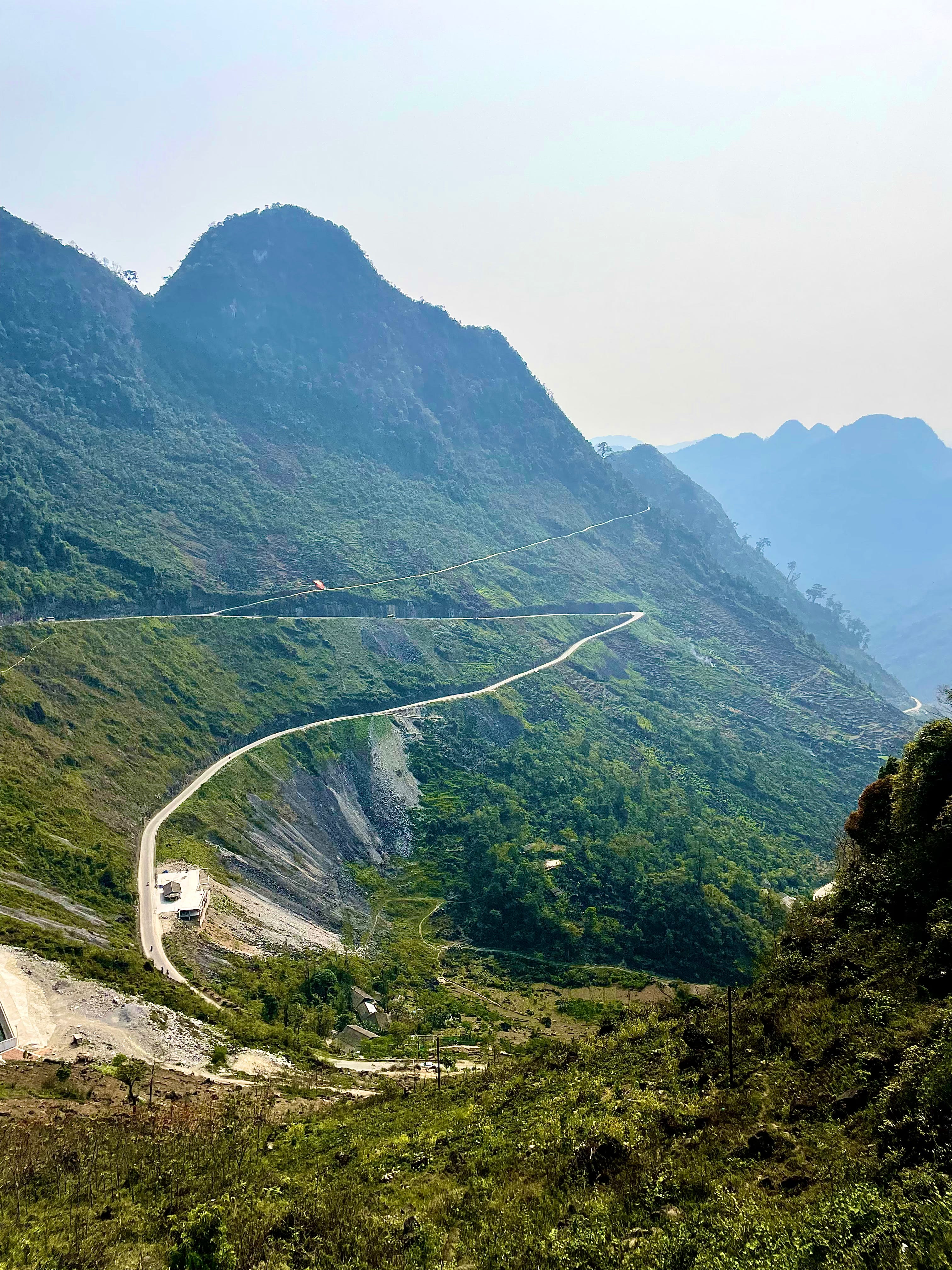
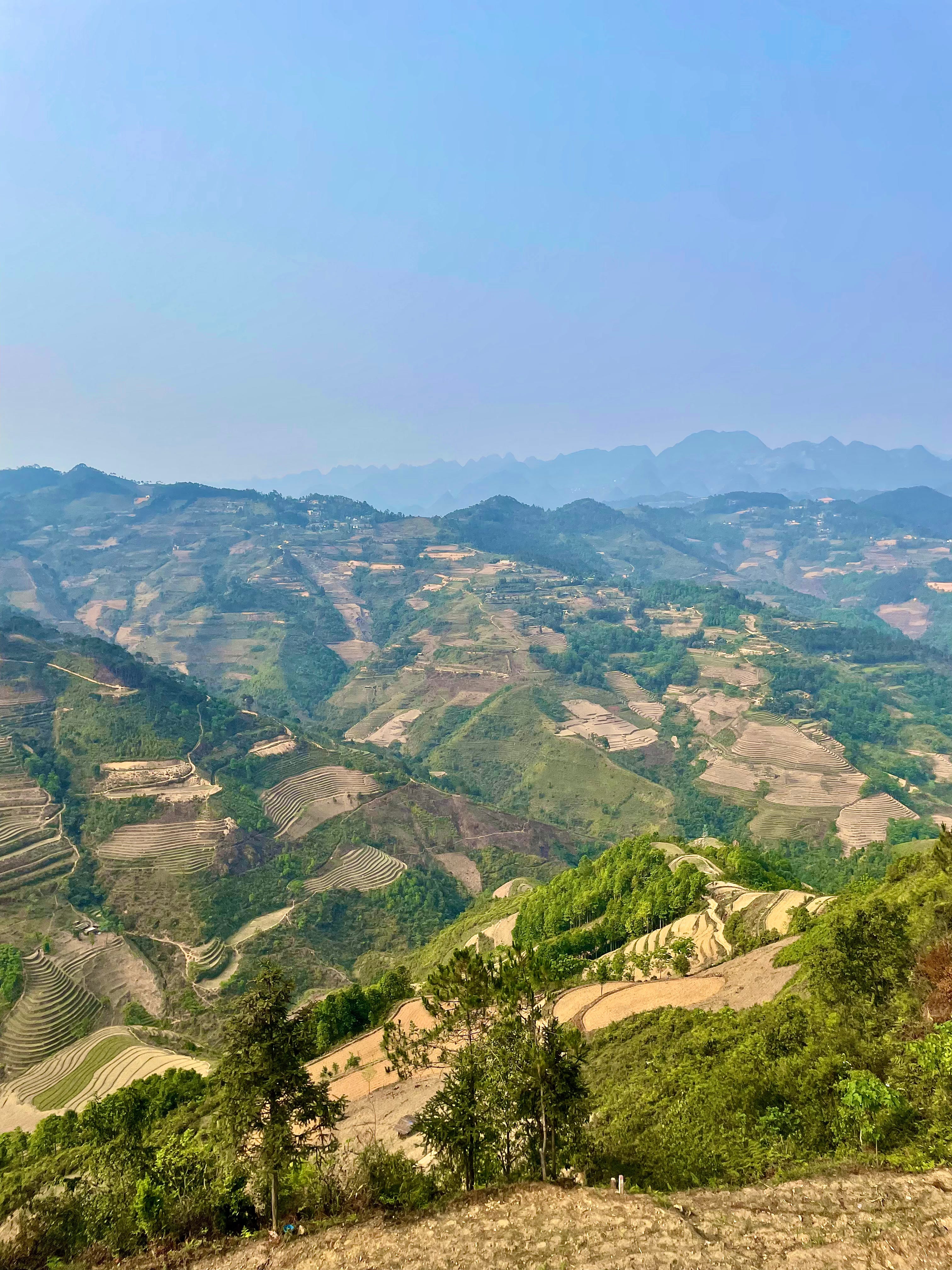
Some of the cafés were really sweet, and enjoying a tea or coffee over a terrific view is truly special. I reckon doing the loop yourself and taking your time with it would be perfect, if you’re confident. Other establishments were a little more interesting – think karaoke on a cliff edge at 10am type stuff. That’s the deal in Vietnam though. They live loudly, even in the mountains!

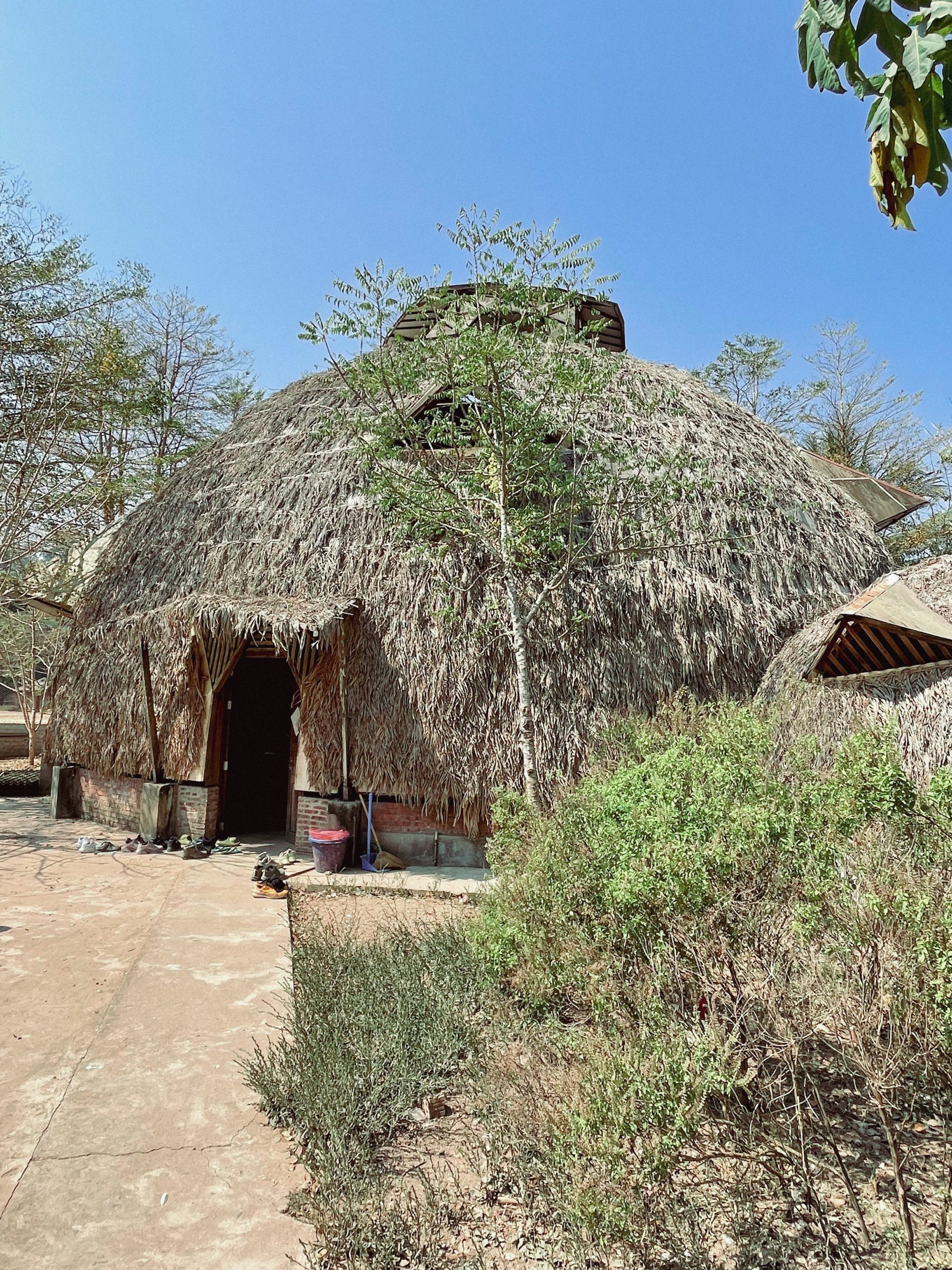
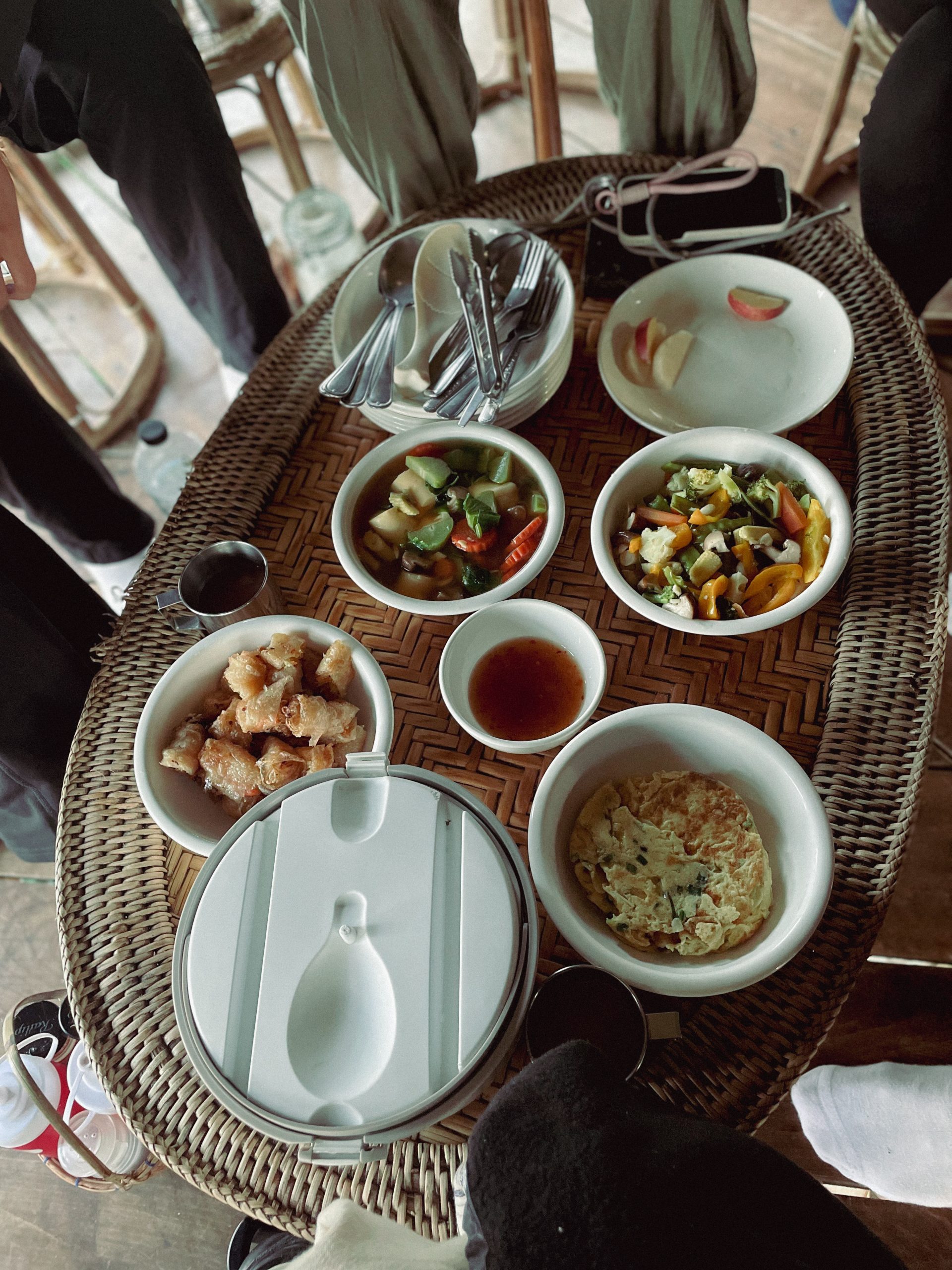
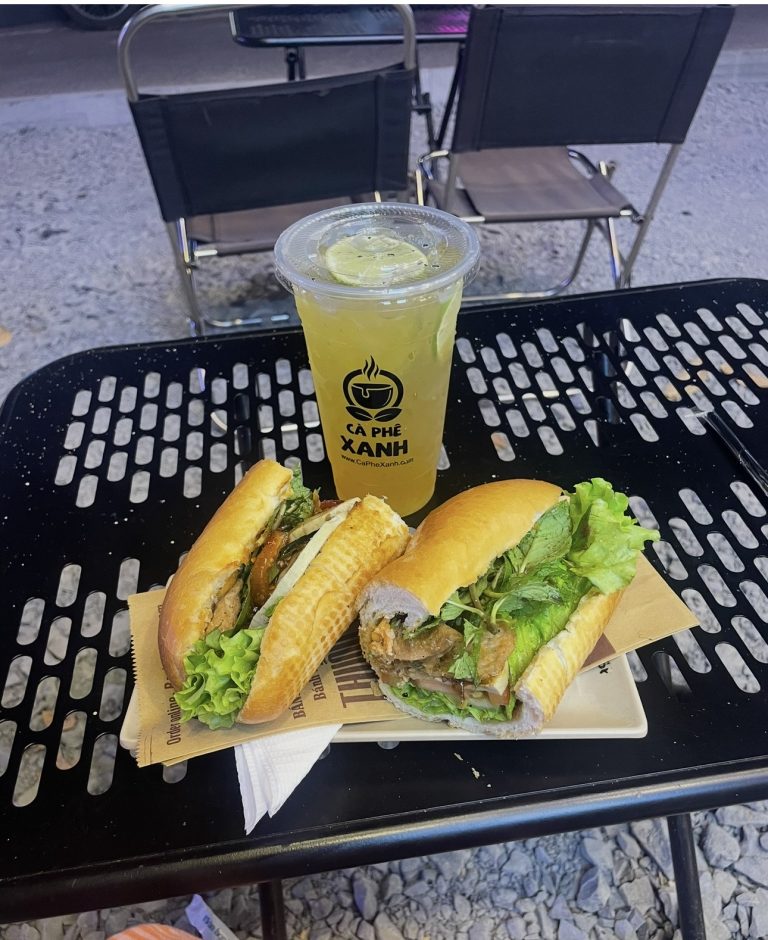
Every evening, we would pull up at a hostel and settle in for dinner. The hostels we stayed at were very clean and comfortable, and we were extremely well fed, I must say.

However, before each meal, our drivers sat behind our chairs and forced us to repeat the Vietnamese drinking chant whilst knocking back shots of rice wine4. This was novel the first night – less so by night two – and by night three, I was ready to smash the shot glass and swallow the pieces.

By some twist of fate, it seems, my driver and I were spiritually aligned because he seemed as awkward and uncomfortable as me about the whole thing. “Are you an Aquarius?” I said on Google Translate. “Yes!” he said. As a rather awkward Aquarius rising myself, the immediate kinship was a comfort, especially when I saw him sneaking off to bed to avoid the singing.

On our last day, we stopped by a lake and went for a swim in the cave. That was a lot of fun and a nice way to end the experience. Apparently this is only available if you book the four day excursion. Everyone online suggested that I book the longer tour, so I did – but to be honest, you’ll get to see as much as you need to from the shorter trip, I reckon.
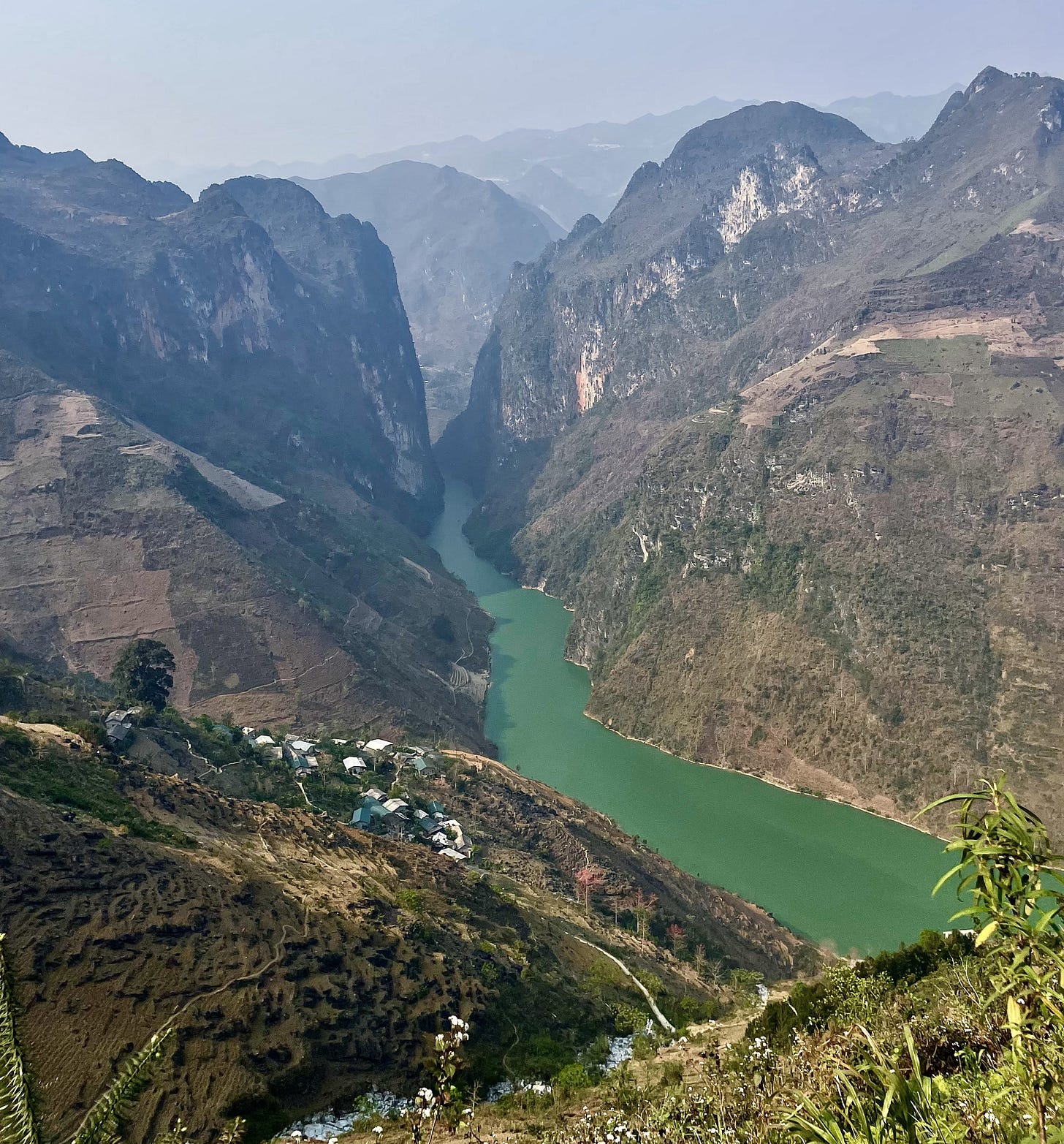
I’m a grumpy bugger at times, and had been backpacking for a while at this point, so don’t let my review put you off doing the Ha Giang Loop. I still had fun, and the scenery is wonderful – that cannot be overstated. It’s also very affordable, costing around £150, so not pricey at all for what you get to experience.

I am also a realist though, so do want to be honest about the fact that this trip won’t be for everyone. If I had my time again, I would travel with a smaller, quieter group5. Due to the young age range with Bong, there was way too much forced partying, and they couldn’t seem to read the room that we didn’t want that experience every night, given the 7am starts. On the other hand, I felt very safe, everything was prompt, the drivers were nice and it was very well organised.

My top tips for making the most of it as a solo traveller are:

Check in with yourself before booking. What size group would you rather go with? You’ll likely bond more in a smaller group, but everyone’s different.

Dress warm. This is so important. Check the weather, message people already there, ask on Reddit or Hostelworld. Find out what the temperature is like just before hand.

Bring cash. For tips and snacks.

Bring earplugs (I opt for Loops) to drown out the karaoke if you need an early night.

UPDATED April 2026* – Expanding on the above, given some questions I’ve had from people following the death of a British teenager in April this year.

I have not edited the blog post above, because it was my authentic experience. But following the death of a British teenager in April this year, I wanted to elaborate on some points of consideration for those of you considering the loop. I am not a journalist, so can only speak from my experience and opinion.

  1. HYPE – my point about travel Tiktokers in the first paragraph still stands. Please remember that they are not journalists, or critical thinkers. Most are just looking for clout. That doesn’t mean they’re lying, of course, but my advice before booking any travel experience – especially a dangerous one – would be to use a variety of travel sources, including reviews, blogs, news articles, and books. If you don’t think you will be able to relax and enjoy it, just don’t go. ↩︎
  2. SAFETY – Hundreds of people ride the loop every day, and the majority of them are fine. But there ARE accidents and deaths. I had a friend of a friend who died on the loop a few years back, which I was aware of before booking. I am not going to pretend to be a reporter, but this problem is clearly coming to light now in the press. I would encourage anyone reading to take notice of the stats if they can find them, and make a judgement call based on their research ↩︎
  3. TRAFFIC – There’s a LOT of people on the loop. I personally did not feel that this was a massive issue on my trip, but it was clearly something that the local groups tried to manage (and, I believe, a reason for the continuous stopping). I imagine it’s only getting busier as social media pushes people to visit this part of the world. All those videos of girls with long hair throwing their arms up on the back of a bike? Picture hundreds of them at once, crowding the same roads and bends. ↩︎
  4. ALCOHOL – As I said above – Bong (like many hostels) encouraged drinking in the evenings, which really bothered me. I had a really nice, sensible driver, but this cannot be said for all of them. It speaks to a party culture that just doesn’t feel appropriate on a dangerous journey. I had the sense that the Vietnamese think that this is what people want, so they push it hard. You just have to trust that the drivers know their limits, and that is scary. It’s also not just the easy riders you need to think about – consider that other drivers on the loop (fellow travellers) might have been drinking too, and may or may not be ready to go the next day. ↩︎
  5. VIBES – If any part of what I have said is a concern for you, my advice would be to find a smaller group aimed at an older age group (no matter your age). There is no shame in it. ↩︎

Similar Posts

  • Cooling off in Copenhagen (2025)

    Is this the best city break in Europe?

    May 2025

    Following three months visiting Asia, Bali and Australia in early 2025, I was craving less stimulation and more structure for my next trip from the UK. After eight years as a Londoner, there comes a point where you want to trade a backpack for a trench coat and boots, and with a friends’ wedding in Sweden approaching in May, it made sense for us to visit Copenhagen first.

    I’d been curious about the Danish capital for some time. My parents spent their honeymoon there in the 80s and nearly always have Scandi drama on the go. I also recall having nightmares from a made-for-TV version of The Little Mermaid which, true to Hans Christian Andersen’s style, is far darker than Disney would suggest. 

    Luckily this trauma was corrected during my visit, and I left thinking Copenhagen might be one of my favourite city breaks so far. Maybe that was because, after the sensory sprawl of the far east, it felt so refreshingly calm and considered, with its wide pavements, seamless cycle lanes, and reliable public transport. Like a lot of Scandinavia, everything seems designed – not in a showy way, but in a cool, collected way.

    Keep reading for food highlights, what to do, and the best day trips from the city.

    What to eat in Copenhagen

    Copenhagen is a bit of a foodie dream – which sort of surprised me – so prepare to go with an empty belly and a ready palate. Here’s a suggestion for you to spend your day eating around the city: 

    First – bakery breakfast 

    Skip the hotel buffet and head to Rug or Hart Bakery for some beautifully curated baked goods. They’re quite upmarket places with spaces to sit down and enjoy your loot. Bring a friend so you can split a bunch of them between you (or pig out alone!) 

    Next – Smørrebrød and beers for lunch

    Smørrebrød is a classic Danish open sandwich – sort of like oversized tapas. Imagine a base of tangy rye bread, topped with smoked fish and pickled veg. We stopped on Gammel Strand, but you can find them all over the city. They’re delicious but not cheap, so order a selection and split them between you. Wash down with a beer (Carlsberg or Mikkeller). I can also recommend Bird cocktail bar in the city centre for a classier beverage.

    Then – snacks at Broens Street Food

    Sitting opposite the Inderhavnsbroen bridge, this is another cool food market from whence to snack, but you could also have lunch or dinner here. It is located on the Greenlandic Trade Square where the traders from Greenland, Iceland, the Faroe Islands and Denmark used to arrive after long journeys across the oceans. It’s a lovely spot from which to look over the water. Opening back up in March, it even offers yoga, social dining and other events to enjoy.

    Finally – dinner and drinks at Reffen Street Food Market

    Proclaiming itself as the “largest street food market in Northern Europe”, this is another buzzing food market on the waterfront, hosting food stalls from around the world. For Londoners, it has a bit of a Hackney Wick vibe, complete with beautiful street art. Like Broens, it opens again in March and offers regular events that I’m always ogling on Instagram. A perfect way to see the sunset.

    What to Do in Copenhagen

    Most guides will suggest visiting Copenhagen for four days, which feels reasonable to me, although I stayed longer and felt there was plenty to see.

    Here’s fun activities I’d recommend adding to your trip itinerary.

    Take photos at Nyhavn

    Spend some time walking about the iconic 17th-century waterfront, canal and entertainment district. Despite being a little touristy and expensive, it’s a great spot for photos. Just look at those gorgeous buildings.

    Learn about hygge at the Happiness Museum

    The Danes are pretty well known for their commitment to hygge – but what does that actually mean? Well you can learn all about it at The Happiness Museum, curated by Denmark’s Happiness Research Institute. Lots of fascinating takeaways from this place about how different cultures measure happiness and I found myself reflecting deeply afterwards. All millennials (or anyone feeling slightly lost in life) should come here!

    Marvel at chairs at the Design Museum

    I cut my teeth doing design PR, so I couldn’t miss this and it totally delivered. Who knew so much thought went into the development of a chair? If you get satisfaction from efficiency and beautiful problem-solving, you’ll love spending a couple of hours at the Design Museum. 

    Shake off the chill with a cycle about the city

    Probably the best way to see Copenhagen – especially between May and September. Use the app Donkey Republic to hire bikes.

    Do a walking Tour

    A great way to understand the city’s history. Every tour is different, but ours covered the royal family and Denmark’s WWII experience. If you’re not booking via your hostel or hotel, try Get your Guide or Guru Walks.

    Visit the Little Mermaid statue

    Emphasis on “little”. She’s teeny but powerful – just look at her Disney empire! The statue is an ode to one of Denmark’s most famous writers, Hans Christian Anderson and sits in edge of the Langelinie promenade, making an excuse for a nice walk.

    Ride around Tivoli Gardens

    Continuing the Disney link – I recently discovered during this podcast by The Rest is History, that Tivoli gardens amusement park was Walt Disney’s original inspiration for the disney parks. Feels a bit random having a theme park bang in the centre of a city but if you fancy an adrenalin rush, it’s typically open from March.

    Art appreciation at Freetown Christiania

    Describing itself as an “intentional community”, Freetown Christiania is a separate community in Copenhagen with a history dating back to the 1970s. It has its own laws, flag and way of life. Visitors can enjoy the cafes, art, and market, and it seems there’s often live music and other arty things going on. It’s definitely worth seeing for a different side of the city.

    Cross the Bridge to Malmö or Lund

    Why not cross the bridge from The Bridge and head into Sweden?

    Copenhagen sits right on the border, and it’s just a short train ride across the Øresund Bridge into Malmö in Sweden. From there, Lund is around an hour away.

    Lund – home of the Oatly factory – is a charming university town and worth stopping in for a night or two to sample the café culture and wander around the historic university buildings. I spent a lovely two days checking out the vintage shops and cafe hopping here. Some favourites included Broder Jakobs and Too Motch.

    I didn’t particularly love Malmö, but the Disgusting Food Museum is admittedly a fun (if slightly grim) stop if you’re in the area.

    A place of quality not quantity  

    Copenhagen isn’t the cheapest city break but if you want somewhere that combines good food, thoughtful design and just enough culture to feel smug about it afterwards, the Danish capital is hard to beat. Between the pastries, museums, harbour swims and slightly intimidatingly stylish locals, it’s a city that feels both relaxed and quietly inspiring. I went with friends, but also had some days alone, and found it very well suited to solo travelling (for more solo city break inspo, read my Porto blog). If you’re into looking like you belong on a design mood board, visit between May and September when the city really comes alive. I’d be intrigued to see what it’s like in winter – maybe another time! 

  • Gilda girl tea in Madrid: a fun guide to the Spanish capital (2025)

    Why the Spanish capital is perfect for a spring time soiree.

    Sept 2025

    This will sound conceited, but as a child, I found myself slightly bored by Spain.

    I was born in the 90s, which means I’m very much a product of parents seduced by programmes like A Place in the Sun. TV at the time was obsessed with our hot neighbour, and – like a lot of people – Mum and Dad bought into the dream of becoming expats by investing in a small villa on the Costa Brava.

    In reality, this meant we spent a few weeks a year visiting what was essentially a building site near Alicante. And while it was obviously a huge privilege – and I do have really fond memories of those times with my family – the trips were hardly cultural experiences. You’re not exactly getting under the skin of Spain in those expat villages, especially as every second person is English.

    Fast forward a few years and I chose to study Spanish at A-level. Since then I’ve travelled a little more widely across the country and it turns out there’s a lot to love. Whilst Seville and Barcelona rank highly in my list of Spanish city breaks, in this guide, I’m making the case for its often-overlooked rival: Madrid.

    My memories of Madrid as a child mostly involve avoiding the excruciating mid-summer heat. But revisiting in September last year for my friend’s hen do made realise just how great a spot it is for a shoulder-month visit.

    So as April approaches, here’s my guide on how to spend the perfect short spring break in the Spanish capital.

    Day 1: Tapas and tortillas with a hint of history

    First of all, where should you stay? Well, consider that Madrid is Spain’s biggest city, and comes in at double the size of Barcelona. It’s a busy, urban spot, but if you want a neighbourhood feel, I can advocate for an area called Lavapiés.

    This is one of the city’s most characterful neighbourhoods; full of street art, independent cafés and, importantly, pockets of shade. I felt relatively safe there, although I would advise being vigilant at night (I usually check reddit for information about local safety!).

    Start your trip early by grabbing coffee and pastries from one of the local favourites such as Nomade Café or Hola Coffee, and enjoy the gorgeous murals.

    Then, from Lavapiés, take a 20–25 minute walk (or a short bus ride) into the historic centre.

    Head towards the Royal Palace of Madrid, passing through Plaza de Oriente on the way. This area feels like the “classic” Madrid you see in photos, and is nice for a little walk and photo snapping before the heat of the day sets in; I didn’t go inside the museum, but you can do so if you want (if you later join a walking tour, they’ll likely cover the history).

    For lunch, escape the heat and go in search of tortillas. Not the Mexican flatbread version, but the Spanish kind: thick, eggy, and often slightly gooey in the middle. I liked La Martinuca for its different variations (best enjoyed sitting inside), or Pez Tortilla on Calle de Espoz y Mina for somewhere more chaotic and buzzy; lots of locals crowded around standing tables.

    In the afternoon, ease into some culture at Museo Reina Sofía. If you time it right (after 4pm), entry is free, so head over at 3 to join the queue (perhaps with a beer in hand); this is an easy way to add something “cultural” without overcommitting your day.

    As evening sets in, lean into Madrid’s slightly chaotic energy by stopping for sangria and tapas at El Tigre or La Torre del Oro. These are traditional pubs known for generous – and borderline excessive – free food with drinks. You’ll be able to stuff your face and get a bit drunk as the heat cools.

    Teeter back towards Lavapiés, and reload on those calories with some more local snacks. If you’re alone or in a couple, grab a table at Bar Melos and try the croquetas.

    Day 2: All the art & a gilda girl tea

    Start your second day in the heart of historic Madrid. Book yourself a walking tour from Plaza Mayor, and build in thirty minutes to enjoy the traditional square earlier in the day before it gets too crowded.

    From here, take a 5-minute walk to the covered food market, Mercado de San Miguel. While this is not the cheapest spot in the city, it’s perfect for a grazing-style lunch; think gildas, croquetas, mini burgers, and a glass of something cold. My friend and I had great fun perusing the different stalls and oggling the giant fish.

    Then, stop at Chocolatería San Ginés just outside for churros and thick hot chocolate.

    In the afternoon, head to either Museo del Prado or Reina Sofía, whichever you missed yesterday. They’re about a 20-minute walk from Plaza Mayor, or a quick metro ride if it’s hot.

    Trying to do both in one day is ambitious and, honestly, unnecessary. I personally loved the Museo del Prado for its classical and religious works, from Velázquez to Goya; they really give you a sense of Spain’s artistic heritage. Reina Sofía, on the other hand, was a joy because of its surrealist highlights; Dali, Miró, and Picasso really get the mind going!

    Afterwards, what else – but more booze and food! Near the museum, there’s a cute side street with food stalls, including a place called La Consentida, where I enjoyed a happy hour washing an eclectic mix of gildas down with some rosé. This is a wonderful classic tapa, composed of a pickled Guindilla pepper, a salty anchovy fillet, and a green Manzanilla olive on a stick.

    On the way back, detour to La Pizzateca for a pizza slice; once in Lavapiés, finish with ice cream from Gelato Artesanal.

    Practical tips: Museums are free after 4pm (Reina Sofía) and 6pm (Prado Wed-Sat), so plan accordingly; weekdays are less crowded than weekends.

    Day 3: Pastries and park walks

    By day three, you might feel a little full and want to slow down, especially if you have a flight to catch.

    Begin, again, with coffee in Lavapiés. I advocate for pastries from Acid Café, but there’s a lot of cute places to sit down, too. If you want to stay in the area, I’d recommend reading this article for a full list of things to do.

    Eventually, make your way towards El Retiro Park near the Ibiza neighbourhood. Depending on where you’re starting, it’s roughly a 20–30 minute walk from the centre and worth doing on foot if you can.

    Ibiza is a busy spot, but good for more local eateries. I stumbled upon Parador del Jamón, known for traditional sandwiches (less useful if you’re vegetarian, but very “Madrid”), and there are plenty of other casual spots around.

    Retiro is where Madrid softens; tree-lined paths, rowboats, people reading in the shade – it’s less about sightseeing and more about just being there. Bring snacks, something to drink, and take your time. I was alone for this part of my trip, so put a podcast in, but it’s also lovely for a read in the sunshine. It’s a nice place to visit at golden hour.

    Following your park walk, settle down somewhere nearby for more tapas and Sangria. If you’re back in Lavapies, grab a table outside La Inquilina for wine and some delicious gildas.

    If you’re working remotely…

    If you’re mixing travel with work (like I am), Madrid makes it easy. I liked La Bicicleta Café and Federal Café as relaxed spots to spend a few hours; good coffee, good atmosphere, and no pressure to rush. Be aware though, that lots of cafes in Lavapiés do not allow laptops.

    Overall – Madrid is a feast for the mind and stomach

    Madrid can even feel a little overwhelming due to its pace and scale, especially compared to smaller Spanish cities. But don’t write it off for a mini break. Give it a couple of days – wander a bit, eat well, sit in the sun – and it starts to click. And once it does, it’s very easy to see why people keep coming back.

    If you’re looking for more Spring time city break ideas, why not read my piece about Copenhagen.

  • Hiding out in Hoi An, Vietnam: two months as a nomad in Asia  (2025)

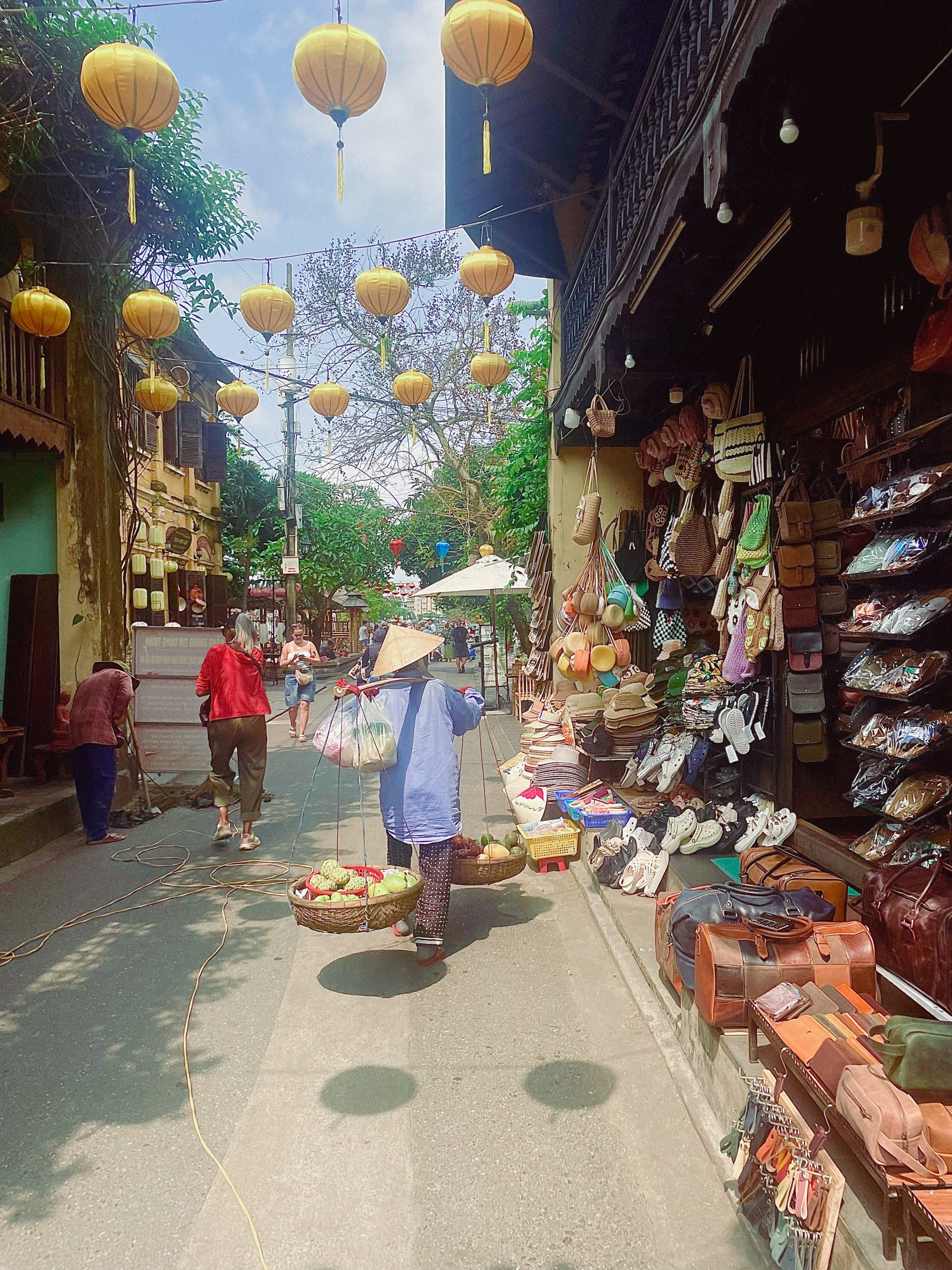
    After a whirlwind weekend in Ho Chi Minh City – my sixth week as a digital nomad in Asia – I took a short flight northward to the central coast of Vietnam. Having depleted my energy stocks in the capital, I was looking forward to some downtime in the cutesy, lantern-lit streets of Hội An.

    Sitting about halfway up the coast of Vietnam, this ancient coastal town is popular with tourists and, like any popular location, attracts mixed feedback from nomads. From people I spoke to, most tend to go to the nearby city of Da Nang because it’s right on the beach, a little more built up, and, I suspect, offers more to people wanting to build a life out here.

    Luckily though, I wasn’t planning on sticking around for long, so I could lean into being a tourist a bit. Everyone has a different goal when travelling, and the whole point of my trip was to take me out of my city comfort zone, dip my toe into nomad life, and take advantage of freelancing by seeing some of the places in the world I’d always wanted to. If that’s something you’re also considering, take a read of this blog where I talk about why I left London in early 2025.

    Where I stayed

    Wanting to be with other travellers, I booked a dorm bed at the adorable Saclo Hostel, where I met the loveliest bunch of people. Like most hostels I stayed at during my trip, it played host to a mix of travellers and nomads in their twenties and thirties.

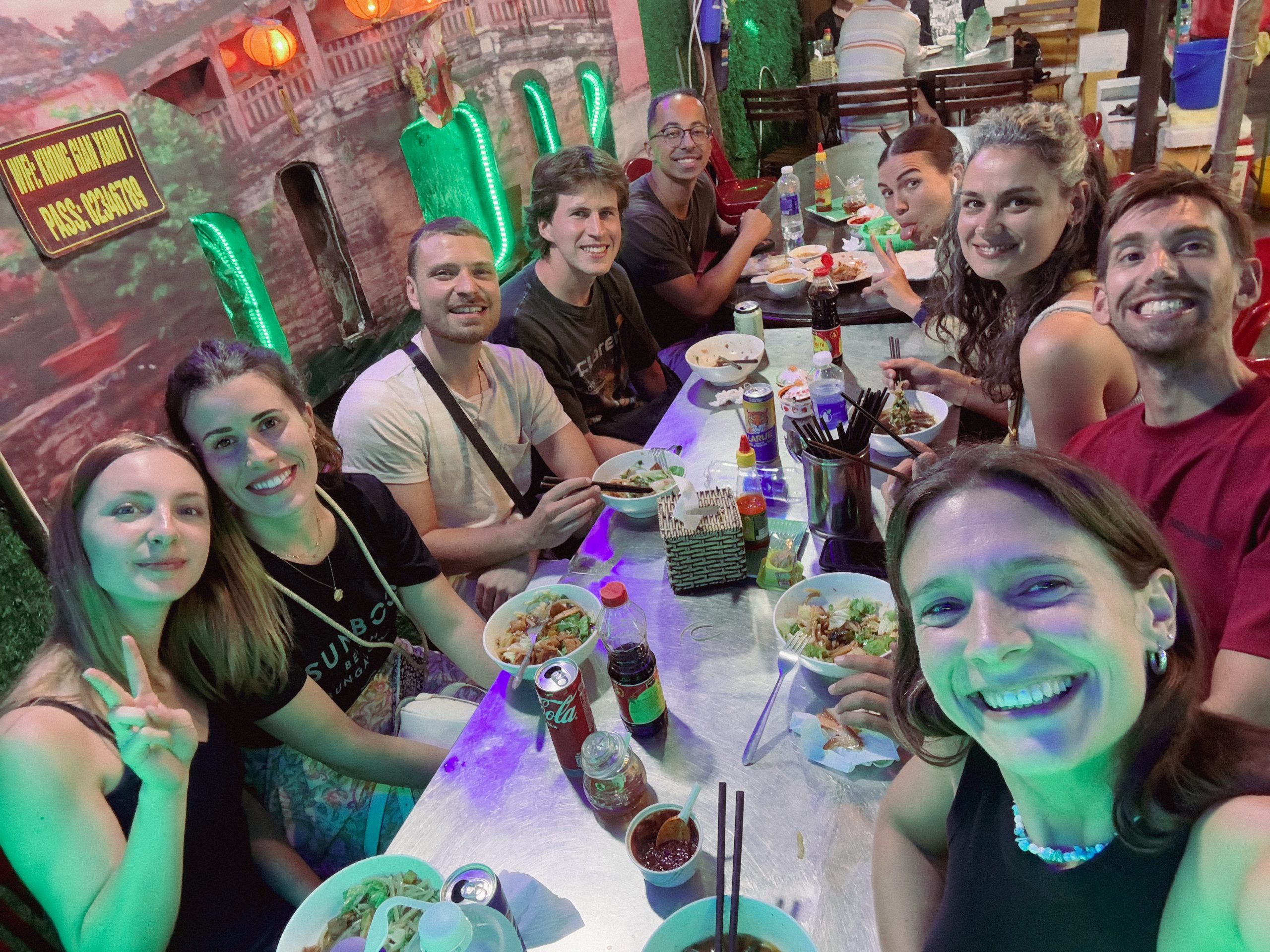
    We ended up doing ‘family dinners’, nights out, language lessons, co-working sessions, and simply roaming around the city together, with the help of our excellent host. There was something very restorative about falling into temporary routines with strangers after the intensity of Ho Chi Minh City, especially as I’d had such a brilliant time with the Koh Rong gang.

    If you’re travelling alone (and are a bit older), I’d avoid the big-brand hostels and search for smaller ones offering activities, because it often results in a much better experience.

    Is there a nomad scene?

    As to whether there is a “nomad scene”, it’s hard to say because I wasn’t there long, but like I said – it’s common for remote workers in this part of the world to split their time between Chiang Mai and Da Nang, which is very close to Hoi An, so there will be some crossover.

    Luckily I had met some of them in Chiang Mai, which meant I had some connections locally, and I took a day trip to Da Nang waterfalls with a group of people living in a newly opened co-living space.

    There’s clearly some long-time nomads in Asia making a special effort behind the scenes to create a sense of community for remotees, which I really admire. It’s difficult moving abroad, so if this is something you plan to do, make an effort to search for those people – whether it’s via flyers, reddit, or chats over coffee – and get networking!

    Cafés, co-working and coconut coffees

    No matter if there’s a big scene or not, behind those lantern-lit fronts are a ton of modern bars, bistros, and cafés, which are perfect for people needing a bit of work downtime. There are loads of veggie and vegan spots too, some even built with yoga and co-working in mind. You really don’t need to pay for spenny yoga retreats when you’re in Asia – just do it yourself!

    For the authentic views – try Hub Hoi An

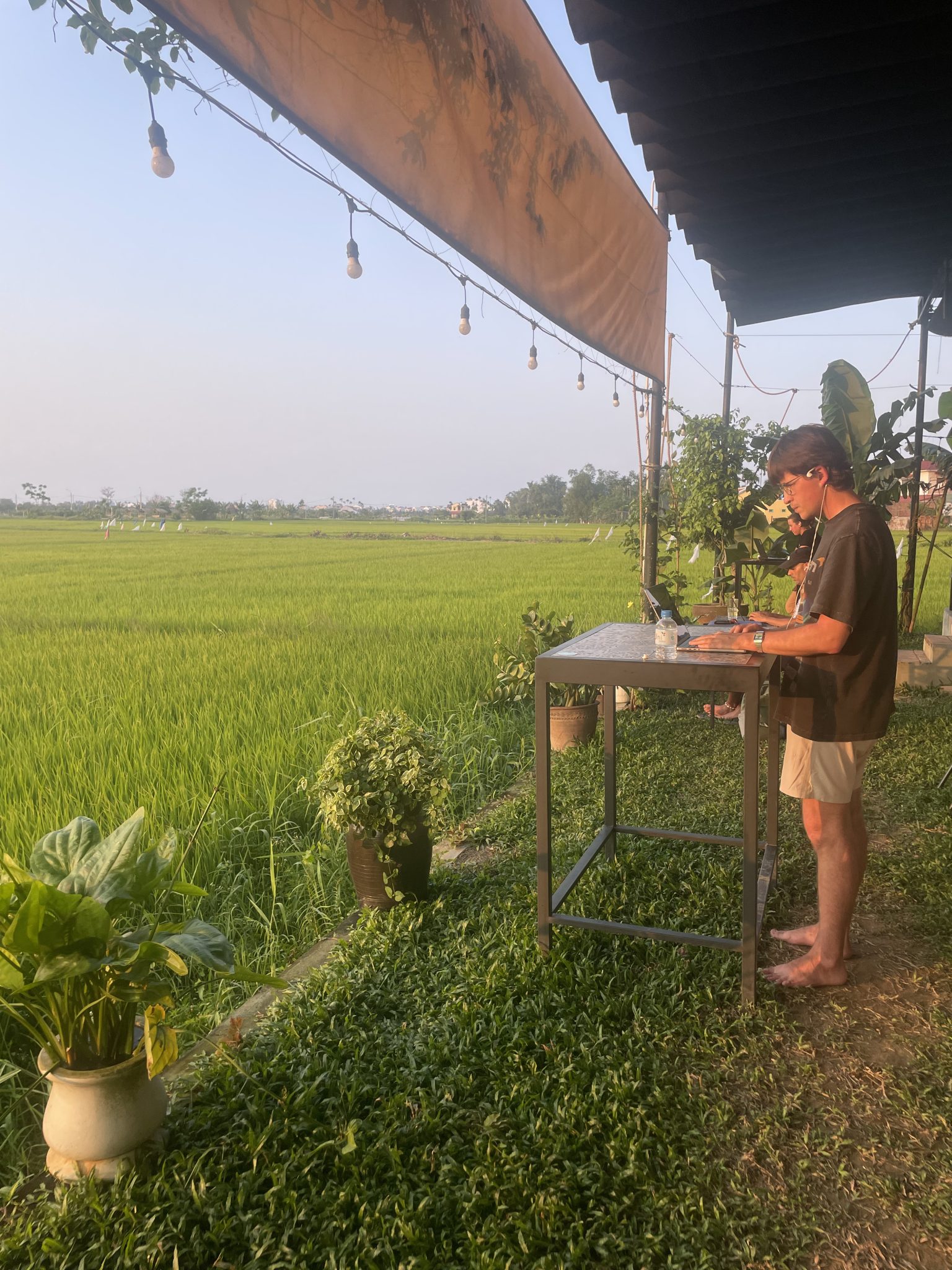
    Few things on social media are as wonderful in reality, but that can’t be said for Hub Hoi An. Set right in the middle of electric green rice paddy fields, it fosters an authentic, off-grid feeling whilst running like a proper co-working space, with all the facilities you’d need and community events to boot. I’d highly recommend coming here if you plan to stay for a while and want to make friends. Shout out to Matt for recommending it.

    For slow breakfasts and laptop hours – Nourish Eatery

    This place is fab for a big breakfast or brunch (think £4-5 for a hug meal). There’s a decent upstairs area for laptops and yoga during the week too (although it’s closed on Mondays).

    For escaping the hustle – The Inner Hoian

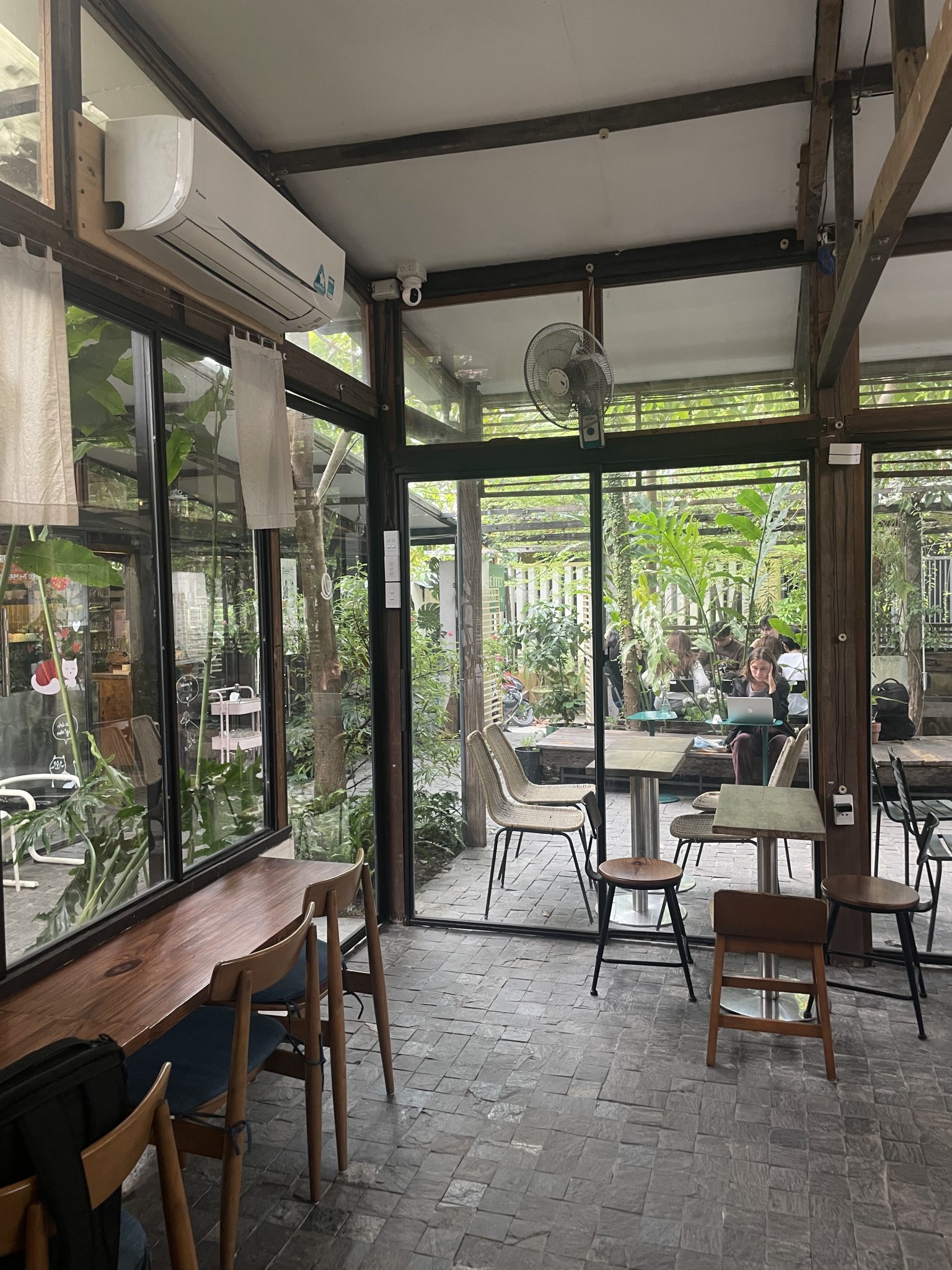
    Such a cute café, hidden down a side street and surrounded by lush greenery. It felt like the sort of place you accidentally spend three hours in without realising. Also has a very dangerous little gift shop if you’re a tote bag person. Very calming energy.

    Where everyone settles in for the afternoon – Goodeats Hoi An

    This spot is super relaxed and remote-work friendly, but I also noticed lots of families hanging out here too. One of those places where everyone seems to naturally settle in for the afternoon.

    For the best iced coffee – Hoian Roastery

    Home to the best iced coconut coffee I had in Vietnam, and the most accommodating manager.

    Instagram reality check

    Taking a bike through the paddy fields at sunrise, sampling cafés, and hunting for the best bánh mìs – this is the kind of thing that brings me joy. But like most spots in Asia, the town also offers the option of taking cooking classes, coffee-making workshops, visiting the nearby coast at Da Nang, or getting a dress or suit made (which I did do, although I’m yet to wear her).

    That said, like all places in Asia, it would be remiss of me not to do the old “Instagram v reality” wake-up call. Some fun, but slightly overrated, activities for me were:

    The coconut boats

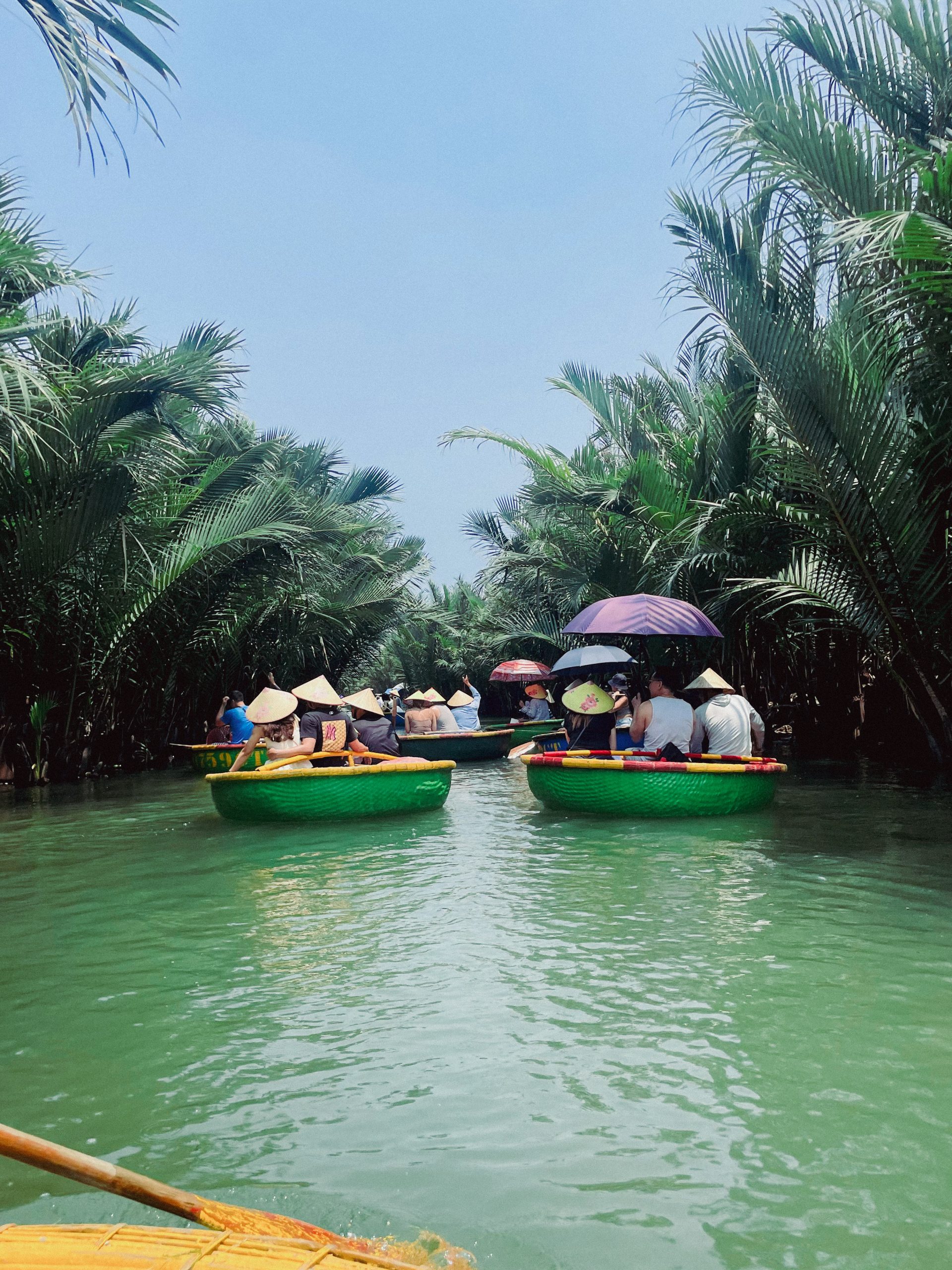
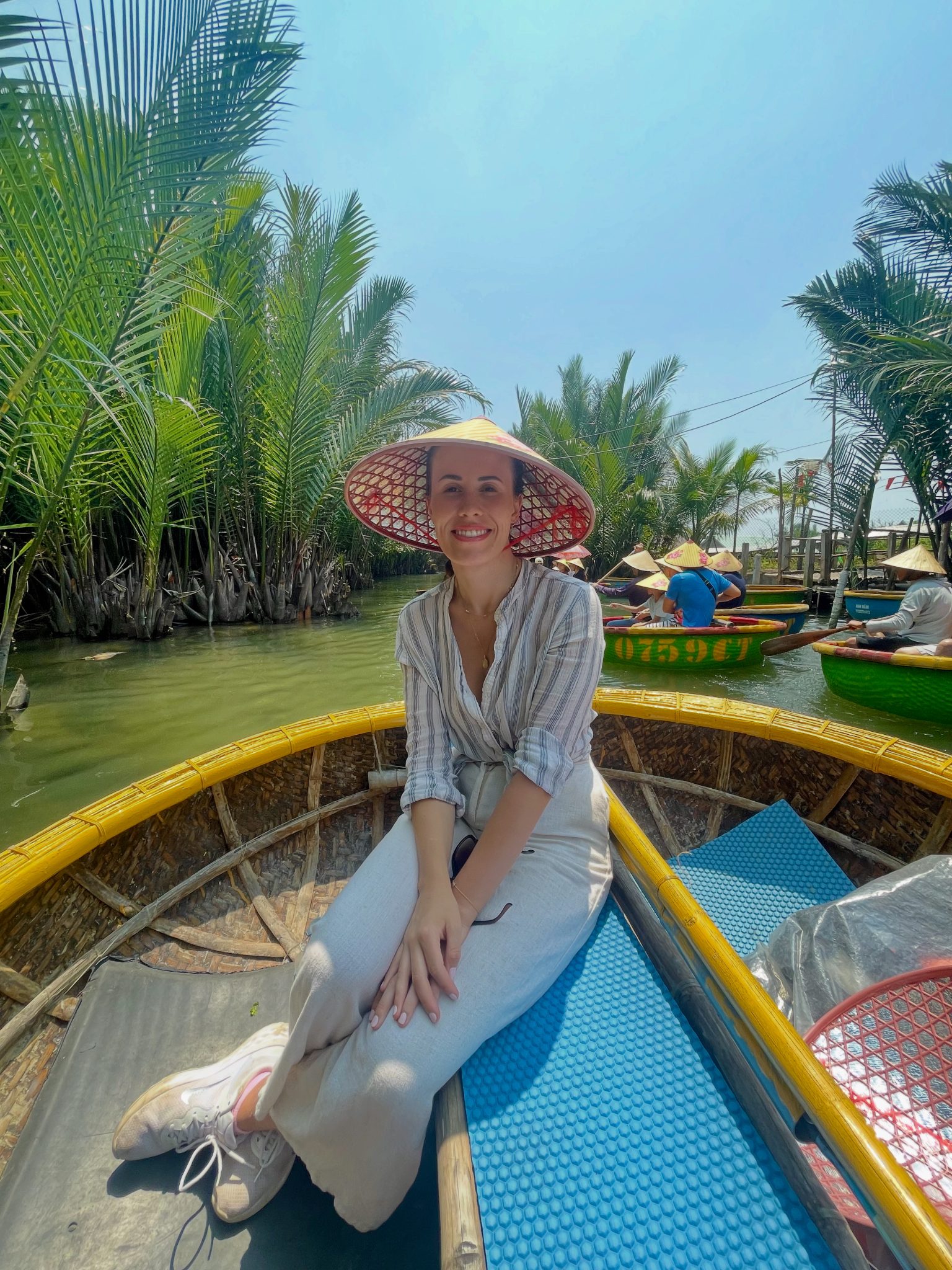
    I had a feeling they wouldn’t really be my thing, but I did them anyway because they’re so iconic. It’s cheap and only takes about an hour, but the whole thing does feel a bit tourist-trappy. You’re basically spun around while people sing and ask for tips. That said, the area itself is beautiful, and it’s nice to spend some time in such an important natural space.

    The lantern parade

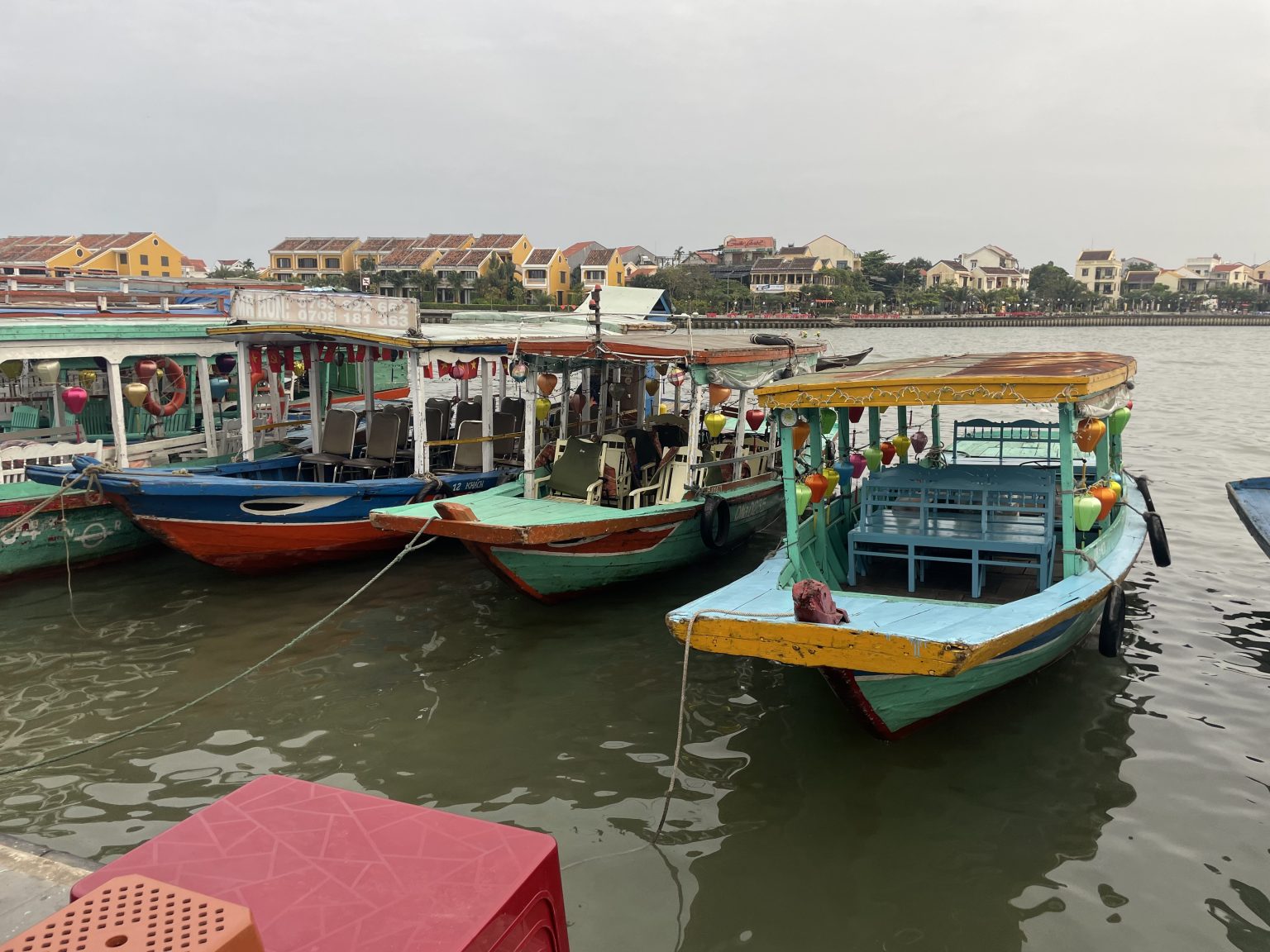
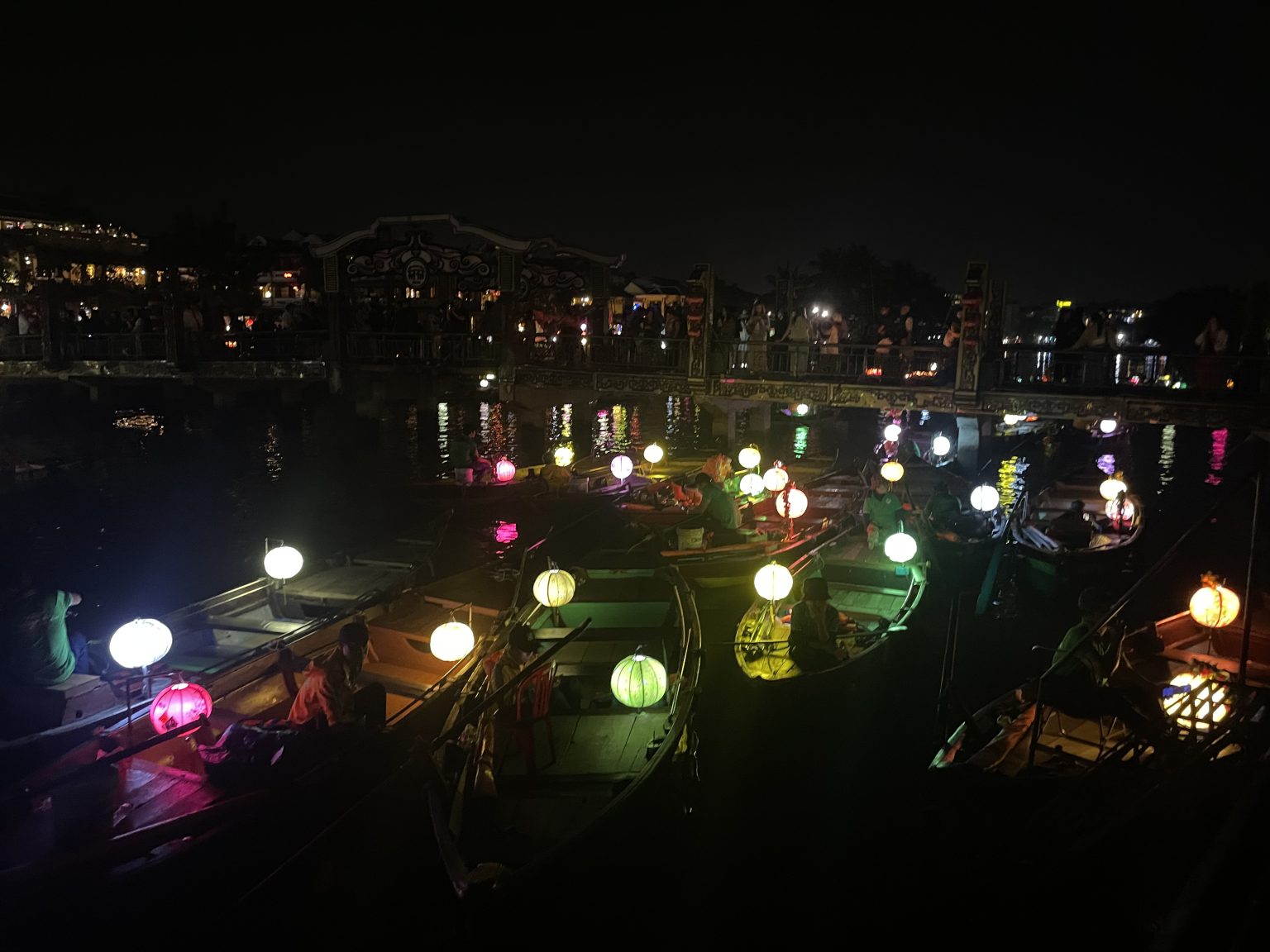
    The multicoloured canal boats are pretty enough to look at, that’s for sure. But this isn’t exactly the sweet, idyllic scene you see on TikTok. It was busy, loud, and a bit chaotic, being right by the strip with all the bars and nightlife.

    I also can’t help but feel that lighting lanterns is an unsustainable practice, which really put me off. Perhaps in future there can be a way to do this that is kinder for the waterways and surrounding environment, but until then, I’m unsure how I feel about it.

    Despite the slightly overrated tourist-grabbing activities – which is true for any location – I found Hoi An overall, to be as cute as a button, and ended up staying for a week (though three days is probably plenty if you’re a tourist or short on time). The chaos of Ho Chi Minh City felt miles away, replaced by the hum of scooters, the cluck of chickens, and the buzz of baristas whipping up coconut coffees.

    Heading there in mid-March felt like the perfect time, as we caught a slightly cooler weather window. After March and April, it gets really hot, then really rainy, before cooling down again in January and February. (Central Vietnam can also see flooding in the later months, so check conditions before you travel.) North Vietnam gets properly cold in the early part of the year too, so plan your trip with that in mind – and do not underestimate its weird weather!

  • Is Luang Prabang better than Chiang Mai for digital nomads? (2025)

    Why this Laotian town is an unexpected delight

    February 2026

    After giving up full-time work in the UK in early 2025, I travelled around South East Asia for two and a half months as a freelancer, spending time in a number of well-known digital nomad hubs across Thailand, Laos, Cambodia and Vietnam.

    Because of its long-established digital nomad scene, Chiang Mai in northern Thailand was a place I was particularly interested in visiting. It’s often held up as one of the best cities in the region for remote work, so I arrived with fairly high expectations.

    But despite spending a week there, I didn’t find myself overly impressed with it (read this blog to find out why).

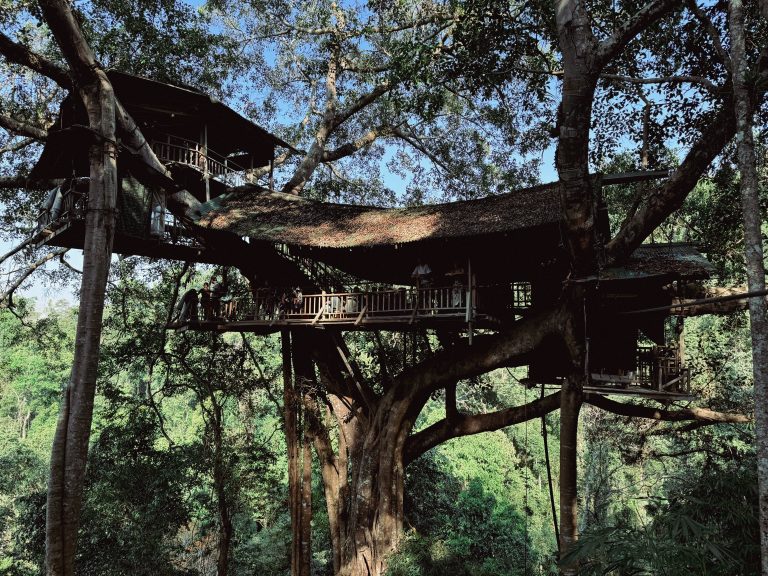
    From Chiang Mai, I crossed the Thai–Laos Friendship Bridge into Laos and spent three days doing the Gibbon Experience in Nam Kan national park. After an intense and memorable few days in the jungle, I needed to knuckle down again and get some work done, so I took a slow boat down the Mekong River towards the town of Luang Prabang.

    Having not really planned this leg of the trip, I arrived with zero expectations, but was pleasantly surprised by how much I enjoyed Luang Prabang – and would even argue that it’s more desirable for digital nomads than Chiang Mai.

    Firstwhere is Laos and what’s Luang Prabang like?

    Laos is the long thin country between Thailand and Vietnam. It was part of French Indochina from the late 1800s to the 1950s, and very heavily bombed in the 60s by the US. As a result, the country is pretty poor, and still deeply affected by unexploded ordnance.

    You won’t see that in Luang Prabang, however. Here, the mix of French and local influence gives the town a very distinct feel. It’s very pretty with its leafy avenues, low-rise temples, and colourful wooden houses, in a way that I really didn’t expect after a 48 hour ride down the Mekong.

    The town has a quiet, leisurely vibe (typical of Laos), with lots of cute french-style bakeries and Laotian markets and eateries. I spent five days or so working from the cafes, having massages, and doing yoga. On the additional days, I visited Kuang Si Waterfall, and took a two day excursion to the towns of Nong Khiaw and Muang Ngoi (details on all that, to come).

    Comparison to Chiang Mai?

    One of the reasons Chiang Mai is consistently ranked as one of Southeast Asia’s top digital nomad hubs, is due to its fast and reliable internet (often cited at 100–300 Mbps), large established nomad community, and abundance of coworking spaces and long-stay accommodation.

    In Luang Prabang, average internet speeds are significantly slower (often cited at under 10 Mbps), and the remote-worker community is small and informal (i.e. not organised around coworking hubs).

    But if you prioritise calm, beauty and balance over infrastructure and networking, Luang Prabang might appeal to you more. Having spent a week in both places, Luang Prabang felt far less busy, and like it hadn’t been manufactured for tourists. I had an easy time taking video calls, sending emails and uploading and downloading word documents.

    I didn’t make an effort to investigate the long-term situation (e.g. Facebook groups etc), but did see and overhear a lot of people speaking English on calls and using their laptops. Overall, my Reddit research suggests Luang Prabang is becoming more popular with digital nomads, but it does not appear to be swamped by them.

    My recommendations

    Luang Prabang is the kind of place where you’ll leave feeling you left no stone unturned, which I personally enjoy. Here’s what I tried and loved there:

    Excursions

    Nong Khiaw and Pha Daeng Peak – this was one of my absolute highlights in Laos, second to the Gibbon Experience. The village is based a few hours north from Luang Prabang, on the Nam Ou river, and is famous for its Jurassic Park worthy karst mountains. You can climb the Pha Daeng Peak viewpoint relatively quickly (although it is very tiring!) and – if on a tour – sleep at the top to catch the sunset and sunrise. If you’re lucky, you’ll wake up at 6am to see a magnificent cloud inversion hugging the cliff top. Word of warning though, I nearly froze to death at the top (in March) – so bring layers clothes for night time.

    Muang Ngoi – this is another, smaller village just down the river from Nong Khiaw. Whilst tourists can and do go there, it’s very traditional. You can only get there by boat which controls tourist traffic. That’s why it’s so charming. I went as part of a group trip that included an overnight stay in a home stay. We ended up having *quite a few* beers and playing petanque with the residents, and it became one of my more memorable nights out, that’s for sure! The beer could really be felt the next day, as our guide took us for another hike up the cliff (in his flip flops) and we almost passed away at the top.

    Kuang Si Waterfall – this is an incredible multi-tiered waterfall about 29km south of Luang Prabang. You can share a tuktuk to the waterfront pretty easily. It’s one of those Instagram spots that attracts a lot of tourists and posers, sadly. But if you arrive at around 4pm, just before closing, most people will have gone and you can use the hour to swim and take photos. As far as natural waterfalls go, this is one you won’t want to miss.

    Cafés and restaurants

    Essential experiences for every tourist or nomad, and Luang Prabang really delivered on this front. Some of my favourites from the week included:

    • Saffron Coffee – right on the Mekong, great for a slow morning, and laptop friendly
    • Two Little Birds – a delicious vegan spot
    • Atsalin Restaurant – excellent mix of local food. Laos is so cheap, just order it all (I ended up sharing it with a girl next to me and we had a nice chinwag)

    Spas

    To get a facial for under £40 is impossible in the UK, so I treated myself every week pretty much, whilst in Asia! Highlights from Luang Prabang include:

    • MK Spa – This was a great little spa. I had a massage and body scrub. It was very affordable and really well done
    • KHMU Spa – More central. I had a decent massage here, and there’s a little heritage house next door worth popping into

    Prices range from £8-15.

    Yoga

    I tried two studios:

    • Yoga Grasshopper Yoga
    • Luang Prabang Yoga

    Both felt modern, and were run by Europeans. They had full schedules, with cafés attached and regular events so I imagine it would be a nice place to make friends.

    Nightlife

    There’s not much of a clubbing vibe in Luang Prabang, but the cocktail bars are genuinely lovely. I went for drinks with a friend at Sisavangvong Road, which is perfect for a chilled evening and felt like a classy ‘strip’.

    If you’re backpacking, there’s also a weirdly famous bowling alley that everyone goes to at night. It sounds odd, but it was actually pretty fun and a nice change from the basic backpacker bars.

    Final Thoughts

    I wouldn’t say Luang Prabang is unmissable; but if you have the time and leisure, you won’t regret adding it to your itinerary – especially if you’re travelling from North to South Laos (or vice versa).

    Prepare for a few days of good coffee, pampering, peaceful (and modest) temples, and easy trips into some of the most beautiful scenery in Southeast Asia.

    It’s calm, welcoming, and – for me – was the perfect place to catch up on work and recover following the Gibbon Experience in Huay Xai. And did I mention the pastries?

  • Why nomads shouldn’t sleep on Siem Reap (2025)

    History meets modernity in this vibrant Cambodian city

    March 2025

    I didn’t really know what to expect from Siem Reap when I booked a flight there in early March. Obviously I’d heard of Angkor Wat, but the city itself didn’t seem to be talked about much in digital nomad circles online.

    At this point, I had been travelling around Southeast Asia as a freelance remote worker for four weeks. Having just wasted five days throwing up in Vang Vieng in Laos (don’t go there), I was keen to find somewhere I could properly base myself for a bit, get some work done, and have at least one significant cultural experience.

    I ended up spending a week in Siem Reap, working lightly from abroad, pampering myself, sampling the nightlife and visiting the historic sites. I have to say I was really pleasantly surprised by it and could have stayed longer – here’s why.

    A vibrant urban jungle

    First of all, it feels nothing like Bangkok or Hanoi, both of which I found a little overstimulating.

    Unlike Bangkok (where I started), the city is not full of high-rise buildings, and there seems to be a lot more space to roam around than there is in Hanoi – at least in the old French Quarter (in the centre). That’s partly due to a heritage rule that limits building heights, giving the city a less imposing, more town-like feel. In fact, it reminded me of a larger Luang Prabang (Laos).

    It’s also incredibly colourful. The first thing I did after leaving the airport was take an electric tuk-tuk into the city centre, about half an hour away. As we got closer, it seemed I was shaded by trees much of the time.

    The buildings are a mix of colonial-era French and traditional Khmer styles, as opposed to the more brutalist vibe of Phnom Penh, which is a constant reminder of Cambodia’s dark past. Many exteriors are covered in plants and foliage, giving the city a calm, verdant feel – something like an urban jungle, which I found quite soothing.

    Is there a nomad “scene”?

    There is definitely a remote-working community here, but it’s not massive. I overheard young English and European speakers chatting about their lives in cafes, and know people who are based there permanently as teachers.

    As a communications consultant, my work mostly consists of sending emails, writing articles, and taking video calls, so I cannot speak to wifi speeds in much depth – I defer to reddit forums for that kind of information.

    But a lot of the cafes were well set up for laptops, with decent WiFi, air conditioning, and private rooms to take calls, which is another giveaway.

    Some of my favourite spots to “plug in” in Siem Reap included:

    Footprint Cafe – feels like sitting in a small library. It has links to the University of Cambridge in the UK, and seemed like a good place to meet people.

    New Leaf Eatery – excellent vegan food, with noticeboards full of flyers for local events and clubs. The restaurant supports youth development in Siem Reap.

    Common Grounds – situated on one of the prettiest streets in the city, I came here twice for breakfast and the air conditioning. All profits support humanitarian and development work in Cambodia.

    Biolab Coffee – designed with nomads in mind, it also functions as a coworking space and is well set up for meetings.

    A conscious community

    Cambodia has a very painful recent past, which was one of the reasons I was keen to visit. During the late 20th century, the country suffered years of civil war, partly shaped by the wider conflict in neighbouring Vietnam.

    This was followed by the tyranny of Pol Pot and the Khmer Rouge, a brutally cruel regime that resulted in the deaths of around a third of Cambodia’s population. Because Pot targeted people he considered to be “intellectual”, after its collapse in 1979, the country faced a massive shortage of teachers and professionals. Illiteracy rates climbed to nearly 40%, and the education system had to be rebuilt from scratch.

    That history still feels present, and one noticeable outcome is how many businesses focus on reinvesting money and support back into the local community, as you’ll see from my descriptions about the cafes above.

    I talked a little in my Chiang Mai blog about the ethics of being a nomad, and the experience of being somewhere, whilst not totally immersed. The people of Siem Reap call you to do the opposite, and I really liked that about it.

    Which Wat is Wat?

    Another point of appeal for Siem Reap is that is is soaked in modern and ancient history – being home to the city of Angkor – so there’s quite a bit to get your teeth into on your days off.

    Built in the twelfth century, Angkor was the centre of the Khmer Empire, a powerful kingdom that once dominated much of Southeast Asia. At its peak, it was home to around a million people, making it the largest pre-industrial city known to exist.

    As the Khmer empire dissolved, Angkor became a ruin. Whilst it was known to the local community, it wasn’t until around 200 years ago that archeologists got their hands on it, and made it a major tourist attraction. It remains the largest religious (Hindu/Buddhist) monument in the world, at three times the size of the Vatican City, and a lot of it is still in tact.

    One or two days in Angkor?

    Because there’s so much to see, visitors can buy either a one-day ticket ($37), a three-day ticket ($62) or a seven-day ticket ($72).

    I’d heard sunrise or sunset were the best times to go, so on my first day, I set an alarm for 3am and joined a Get Your Guide tour. The tour cost around £10, including transport – which felt like a bargain.

    By 5am, I was standing in front of the iconic towers of Angkor Wat with about 20 thousand other tourists trying to get a photo of the sun rising over the “pine cones”. As it turns out, these are actually lotus buds, and represent purity, divinity, and fertility. Lovely!

    As someone with no background on the place, I was really amazed by the scale of Ankor, and the level of preservation, which is why so many people advise getting the three day pass (which I opted for). But I will go out on a limb and say that one day was enough for me.

    This is the very ancient past we’re talking about, and there’s only so much your brain can take in when you’re tired and hot. Our guide wasn’t brilliant at bringing it to life either – much unlike our guide in Phom Pehn (which I visited after Siem Reap), who did an incredible job at illustrating the horror of the killing fields and S21.

    I had learned by this point in my trip to just take in what I could manage, and then read or listen to something later in order to get the full picture. When I went back at sunset a couple of days later, I booked a tuk-tuk to take me around the key buildings I hadn’t yet seen (costing around £15 for the day) and it was far less busy. more relaxing and I was able to google things on the way.

    If you’re taking a tour, bring plenty of water. It gets hot very quickly!

    Visiting Kampong Phluk village on Tonlé Sap lake

    Another cool thing to do is go to Tonlé Sap lake, just outside of Siem Reap, to see a “floating” villages.

    What’s fascinating about Tonlé Sap is that its river system reverses twice a year. In the dry season it drains into the Mekong, but during the wet season, silt from the Mekong Delta causes the river to back up, flooding much of the country and expanding the lake. So a lot of the villages here are built on tall stilts to avoid the rising water.

    We visited one called Kampong Phluk. It was dry when we arrived, so we could walk about the village easily enough. It was very lively, with a wedding underway, a school in full swing, and music blaring. The houses are beautifully colourful, which apparently helps keep flies and mosquitoes away at night.

    The highlight was when we were taken by boat to a “floating restaurant” on the lake, where we spent a few hours chatting over beers and watching the sunset. You cannot see land for miles, so it’s quite surreal to be sitting on a raft in the middle of the water drinking beers. I believe there are crocodiles in the water though, so do not advise swimming in it!

    A day tour felt like plenty, but I know someone who stayed there for a month, so there’s clearly more to it for those who want to dig deeper.

    Lots to offer and well connected

    It might not be a headline digital nomad hub, but if you’re a remote worker looking for somewhere cheap, lively, and historically intriguing to linger, Siem Reap has a lot to offer.

    Not only is it a great mix of culture, calm, and coffee, Koh Rong, Koh Rong Sanloem and Phnom Penh are all reachable within the day, and it has its own airport in case you needed to hop out of the country quickly.

    Yes, price are a little higher than Thailand and Laos – roughly £3 to £5 for a meal, for instance – but still very affordable. I could have certainly stayed longer, but the islands were calling me, so I spent the following week decompressing on the beach. It’s a hard life being a nomad!

  • Singapore – more than just skyscrapers? (2025)

    Finding biophilic joy in the financial capital

    April 2025

    I arrived in Singapore at the end of a three-month trip from the UK to Asia. By then, my interest in forward planning was at rock bottom, but my confidence in my own tastes and intuition was sky-high.

    Singapore is a small island sitting just south of Malaysia, and one of the world’s most densely populated countries. It’s been independent since the 60s and, with historic links to British colonial rule via the British East India Company, is now a global financial hub.

    It’s also become known as a bit of a stopover city. Typically, you’re flying in or out for a meeting, or in order to get somewhere else – which usually means you’re tired, jet-lagged, and possibly dragging a big suitcase behind you.

    Luckily, it’s teeny-weeny. At around twice the size of the Isle of Wight – and roughly 2.5 times smaller than Greater London – you can enjoy what it has to offer within 24–48 hours, if you’re realistic about what’s achievable (spoiler – it’s not just skyscrapers!).

    Depending on the length of your layover, bear in mind that the airport is around 30–45 minutes from the city (longer at peak times). I took a taxi, which cost around £20, or $32 Singapore dollars.

    Here’s how I spent a perfect two days.

    First of all – sleep. I flew in from Sydney, so it was a relatively short flight, arriving late at night. I decided to stay in an area called Kampong Glam, Singapore’s historic Malay–Muslim quarter (more on this shortly).

    After a good night’s sleep, I spotted a sign for kaya toast. This is a traditional breakfast in the country, so I decided to check it out.

    It looks and tastes a bit like a peanut butter sandwich, but the filling is actually a sweet coconut–pandan jam (kaya). It’s served with soft-boiled eggs, soy sauce and pepper, alongside a strong coffee (kopi).

    I didn’t really know what I was doing, but a kindly stranger advised that you’re meant to dip the toast into the egg and sort of lap it up.

    I enjoyed it – but if you’re after something more Western (which might be the case after a long trip away), there are plenty of cafés offering cooked breakfasts too. It’s a cosmopolitan city, at the end of the day.

    Next, spend some time exploring the old town – Kampong Glam in particular. Even before you’ve done any Googling, you can tell this is the ‘cool bit’.

    Unlike the modern high-rises typical of the Singaporean skyline, this small cluster of streets is made up of shorter, squatter buildings packed closely together, many adorned with colourful street art.

    Walking around in the daytime, it was full of a mix of older and more modern cafés (including places like % Arabica, one of my favourites in Hackney), lots of cute shops, and the beautiful Sultan Mosque – the largest in Singapore.

    Kampong Glam is made for Instagram, so if you’re a talented photographer (unlike me), you’ll want to kill some time here like I did exploring the artwork, buying trinkets and hopping between cafés and ice-cream shops.

    By this point, it’ll be pretty hot.

    So, after seeking shade in a market, I took the train into the centre, heading towards the Singapore Botanic Gardens. The gardens provide welcome relief from the chaos and closeness of the surrounding streets and buildings and – fun fact – are the first and only tropical botanic garden on UNESCO’s World Heritage List. No idea why that is, but it’s blooming nice.

    I passed a peaceful couple of hours here watching otters and lizards, and stopping for lunch at the café, before the heat finally overwhelmed me.

    Towards evening, I swung by Marina Bay Sands for a hot chocolate and a seat by the water to watch the evening light and water show, Spectra. It runs at 8pm and 9pm (with later shows on weekends). It’s genuinely impressive, and worth sitting down to watch before wandering along the marina.

    If there’s time, you can also head next door to Gardens by the Bay for the Garden Rhapsody show at the Supertree Grove. If you’ve ever seen photos of Singapore, chances are you’ll have seen images of these huge illuminated tree-like structures. I’m a dummy and missed it, but I hear it’s fantastic.

    After the light shows, I advocate for taking a nice walk along the bay, soaking up the buzz of the city, or grabbing a drink nearby.

    Finally – don’t forget the airport!

    It’s a spectacle in itself. I had a midday flight the next day, so I arrived a couple of hours earlier than strictly necessary. You can head to Jewel Changi Airport, a kind of ‘lifestyle hub’ that feels more like a futuristic indoor jungle than an airport. At its centre is the Rain Vortex – the world’s tallest indoor waterfall – surrounded by layered greenery and walkways. If you’re going to make an airport, make it pretty right?

    Whether or leaving or entering Asia – don’t sleep on Singapore. A day or two in the country is plenty, so if you’re around this way, split your flight, dump your bag and let the city show you what it’s good at.

Leave a Reply

Your email address will not be published. Required fields are marked *