
Why nomads shouldn’t sleep on Siem Reap
History meets modernity in this vibrant Cambodian city.
I didn’t really know what to expect from Siem Reap when I booked a flight there in early March. Obviously I’d heard of Angkor Wat, but the city itself didn’t seem to be talked about much in digital nomad circles online.
At this point, I had been travelling around Southeast Asia as a freelance remote worker for four weeks. Having just wasted five days throwing up in Vang Vieng in Laos (don’t go there), I was keen to find somewhere I could properly base myself for a bit, get some work done, and have at least one significant cultural experience.
I ended up spending a week in Siem Reap, working lightly from abroad, pampering myself, sampling the nightlife and visiting the historic sites. I have to say I was really pleasantly surprised by it and could have stayed longer – here’s why.
A vibrant urban jungle
First of all, it feels nothing like Bangkok or Hanoi, both of which I found a little overstimulating.
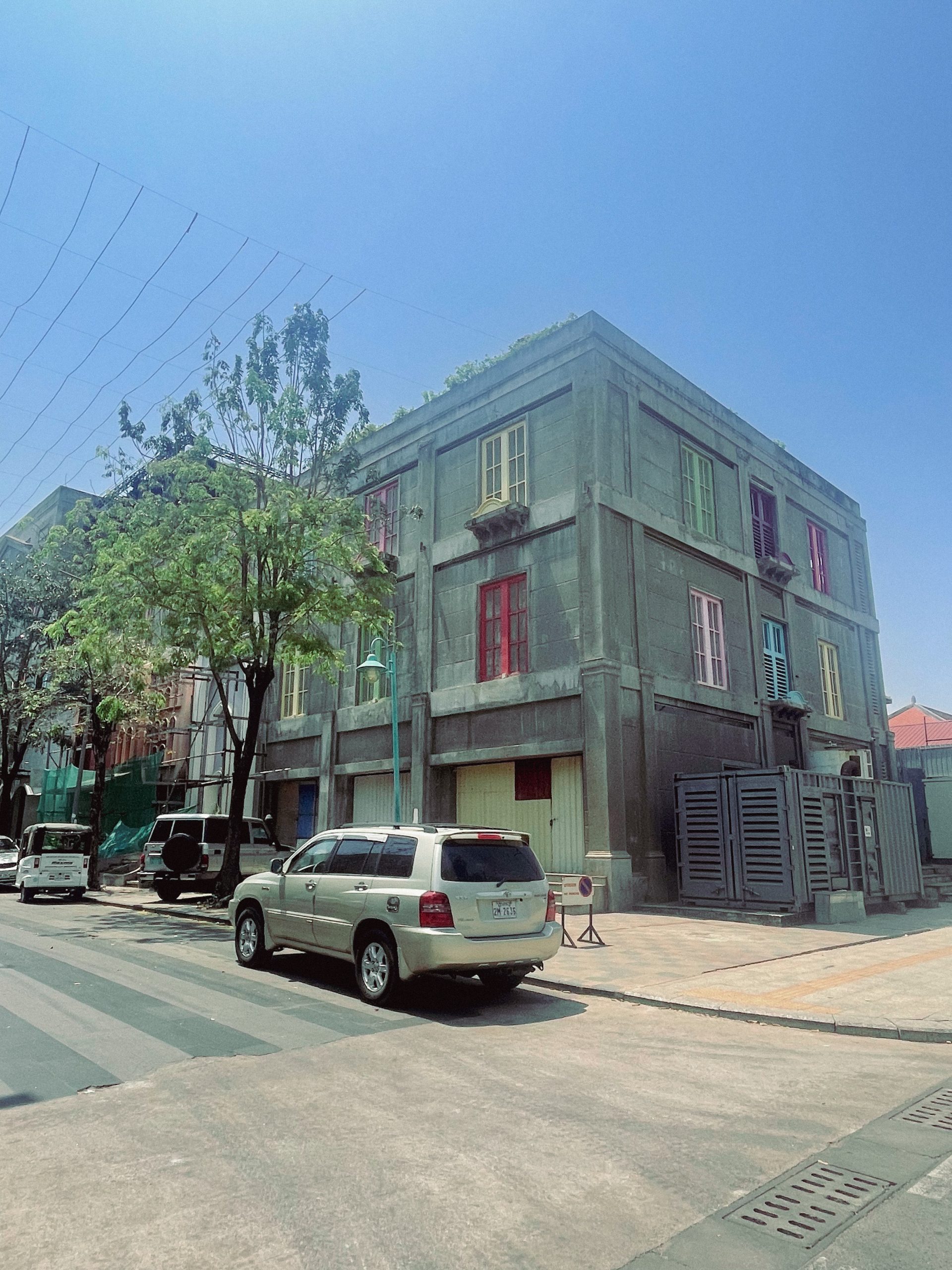
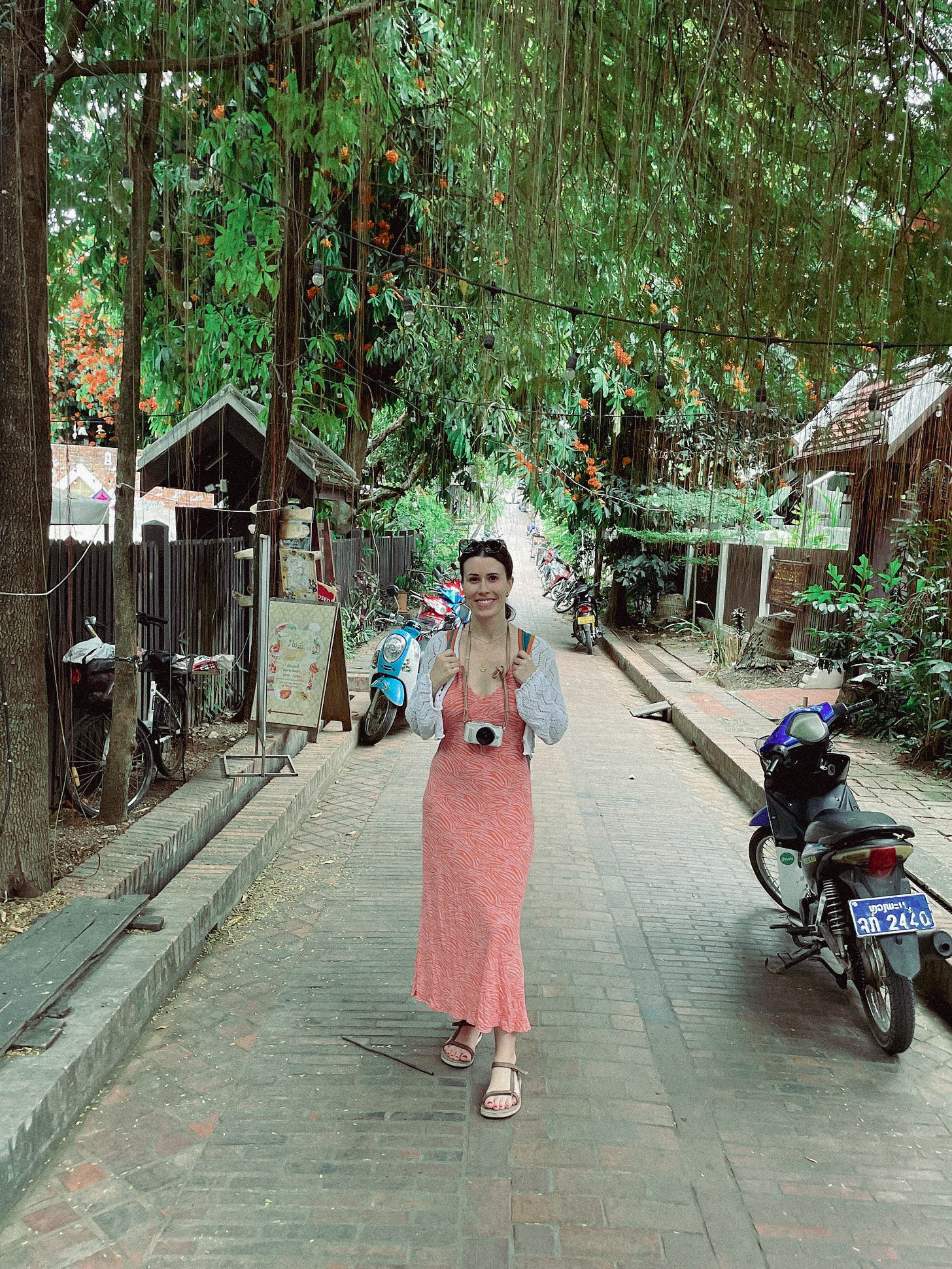
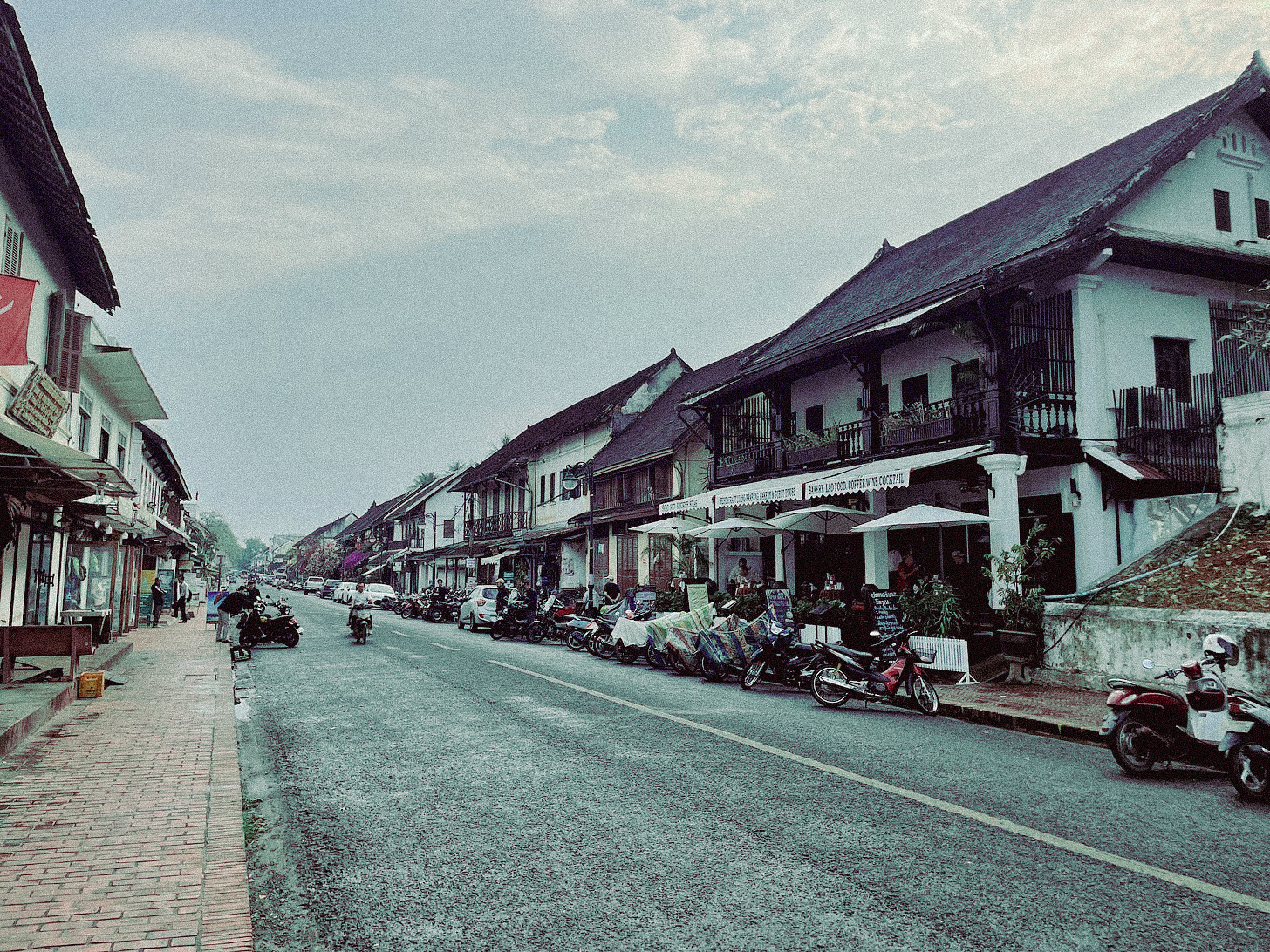
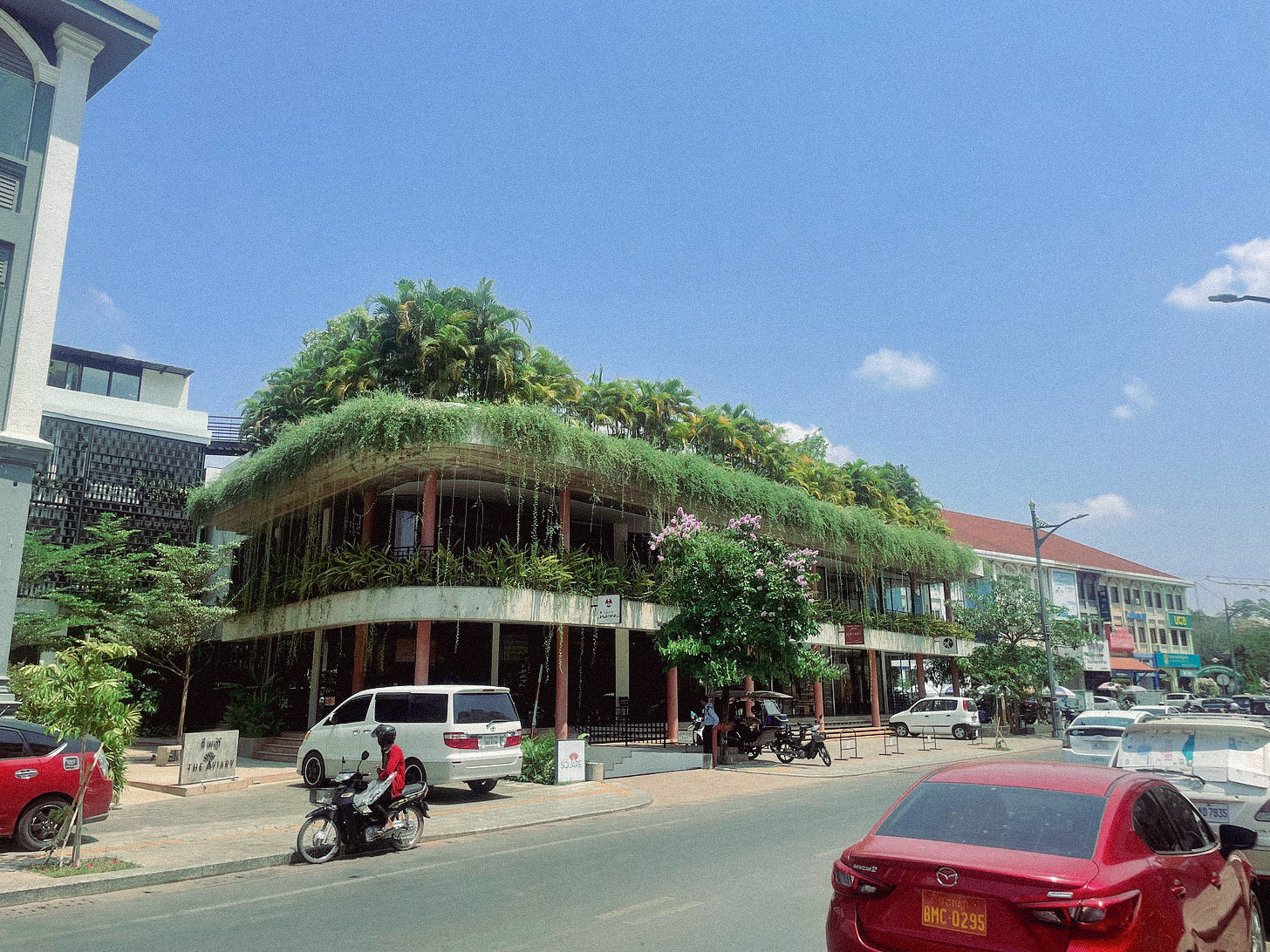
Unlike Bangkok (where I started), the city is not full of high-rise buildings, and there seems to be a lot more space to roam around than there is in Hanoi – at least in the old French Quarter (in the centre). That’s partly due to a heritage rule that limits building heights, giving the city a less imposing, more town-like feel. In fact, it reminded me of a larger Luang Prabang (Laos).
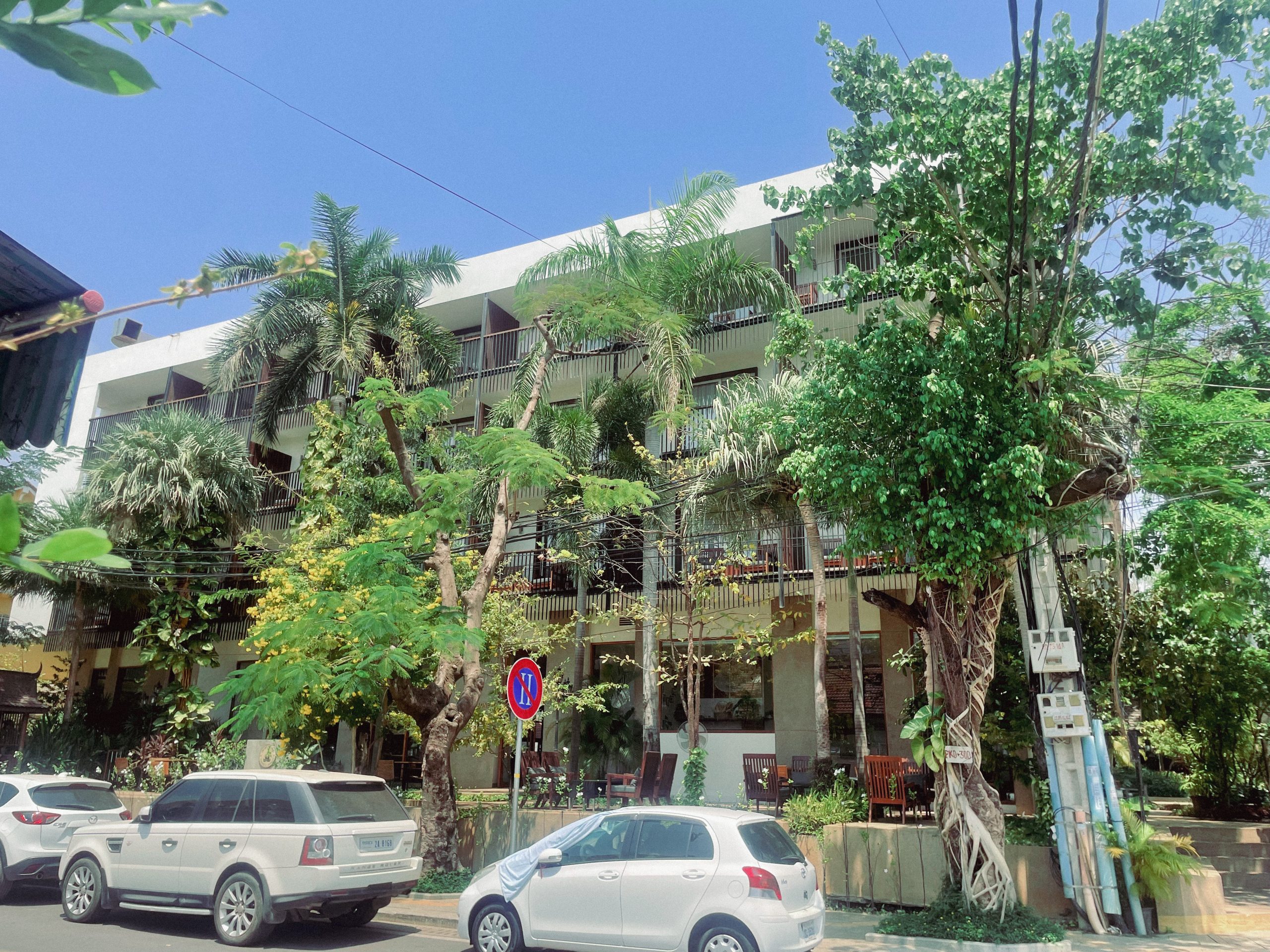
It’s also incredibly colourful. The first thing I did after leaving the airport was take an electric tuk-tuk into the city centre, about half an hour away. As we got closer, it seemed I was shaded by trees much of the time.
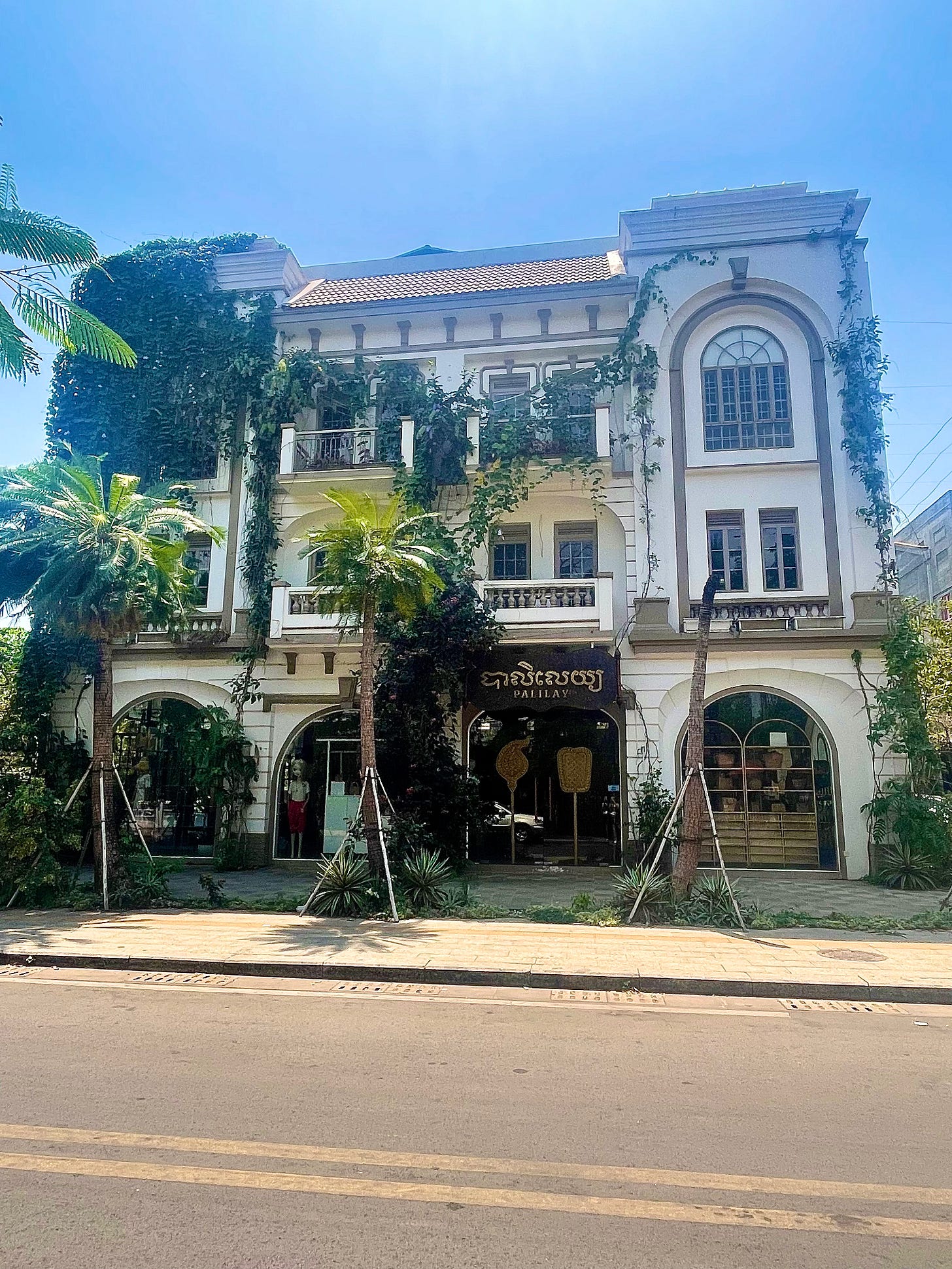
The buildings are a mix of colonial-era French and traditional Khmer styles, as opposed to the more brutalist vibe of Phnom Penh, which is a constant reminder of Cambodia’s dark past. Many exteriors are covered in plants and foliage, giving the city a calm, verdant feel – something like an urban jungle, which I found quite soothing.
Is there a nomad “scene”?
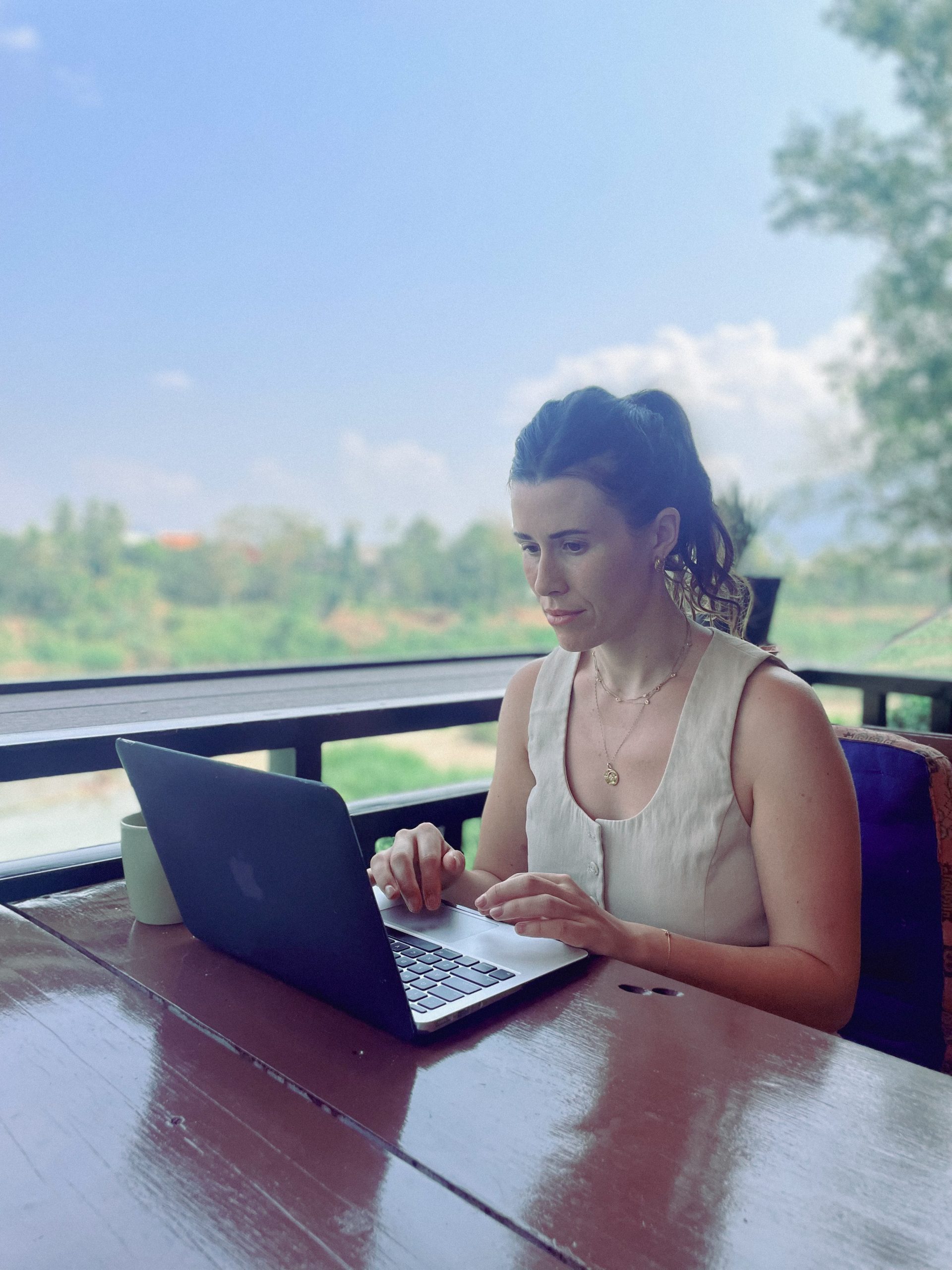
There is definitely a remote-working community here, but it’s not massive. I overheard young English and European speakers chatting about their lives in cafes, and know people who are based there permanently as teachers.
As a communications consultant, my work mostly consists of sending emails, writing articles, and taking video calls, so I cannot speak to wifi speeds in much depth – I defer to reddit forums for that kind of information.
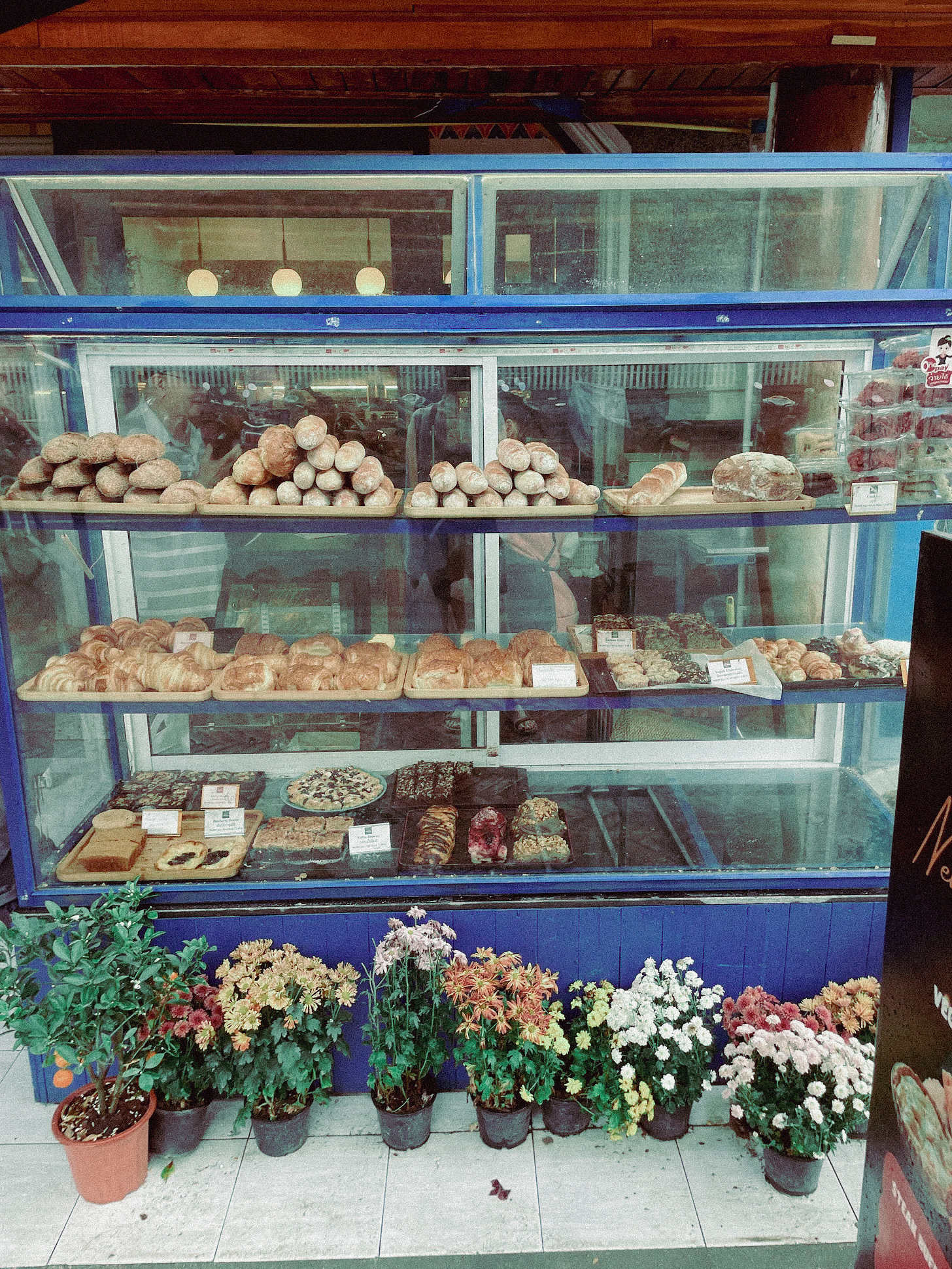
But a lot of the cafes were well set up for laptops, with decent WiFi, air conditioning, and private rooms to take calls, which is another giveaway.
Some of my favourite spots to “plug in” in Siem Reap included:
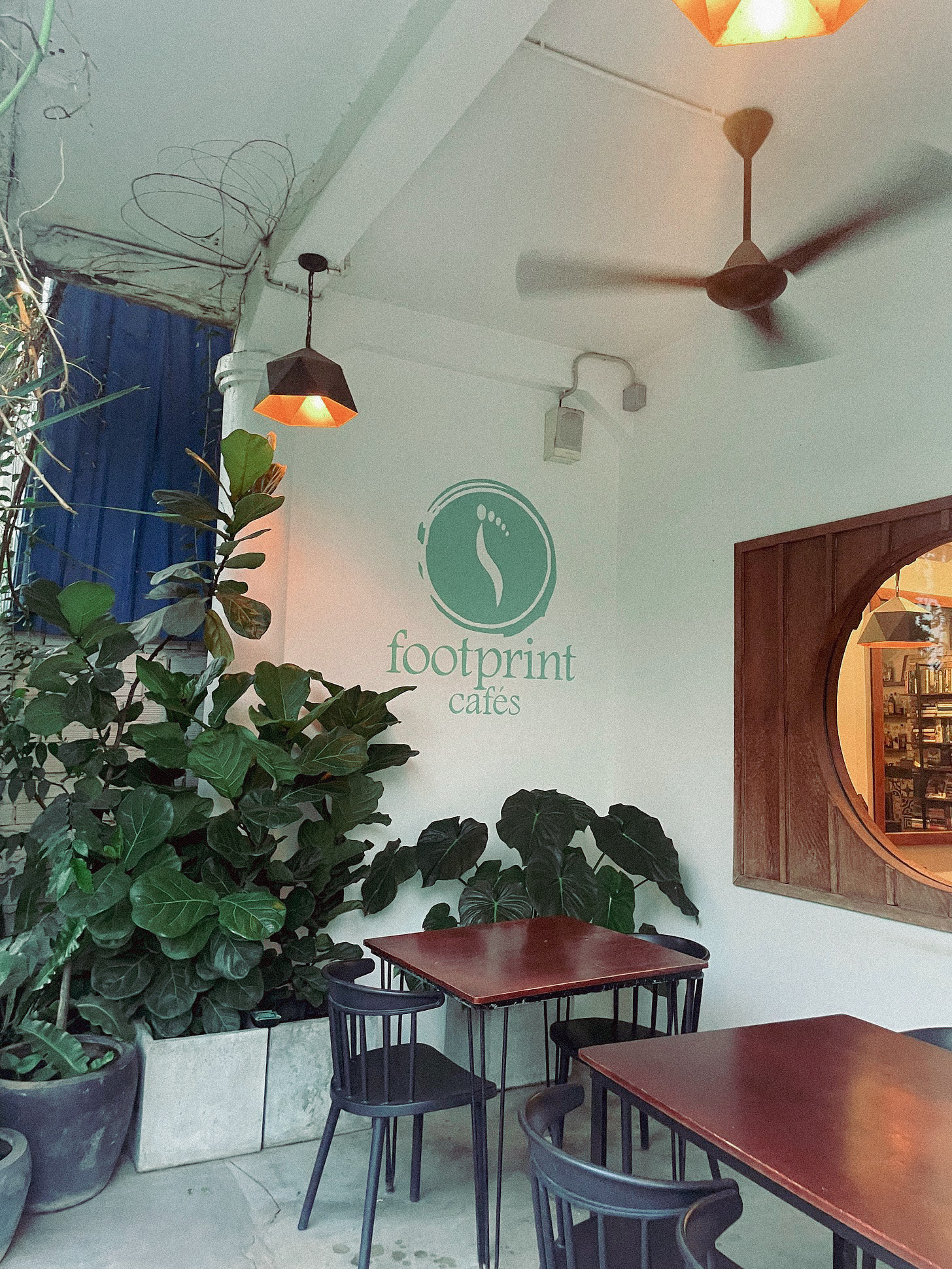
Footprint Cafe – feels like sitting in a small library. It has links to the University of Cambridge in the UK, and seemed like a good place to meet people.
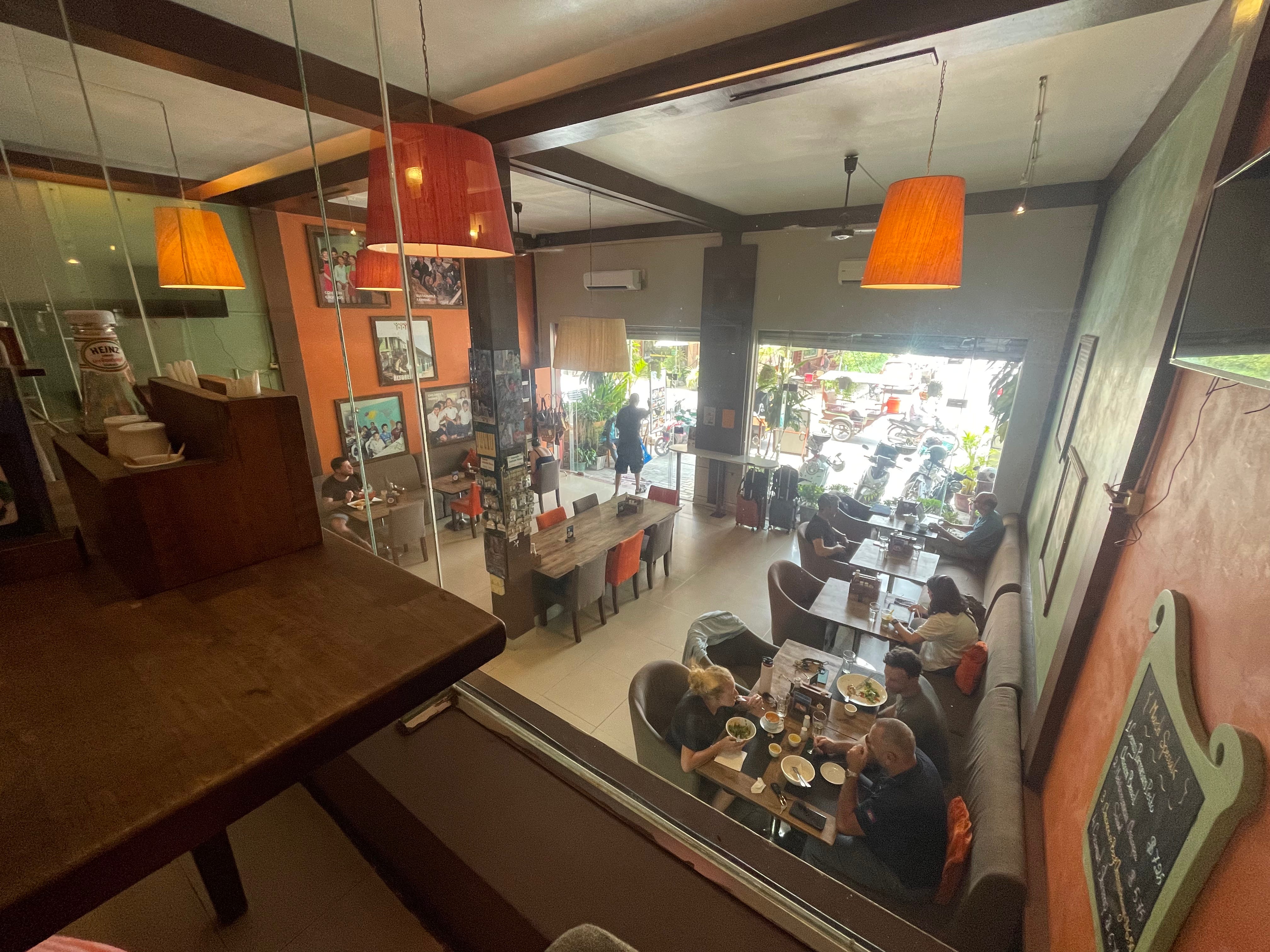
New Leaf Eatery – excellent vegan food, with noticeboards full of flyers for local events and clubs. The restaurant supports youth development in Siem Reap.
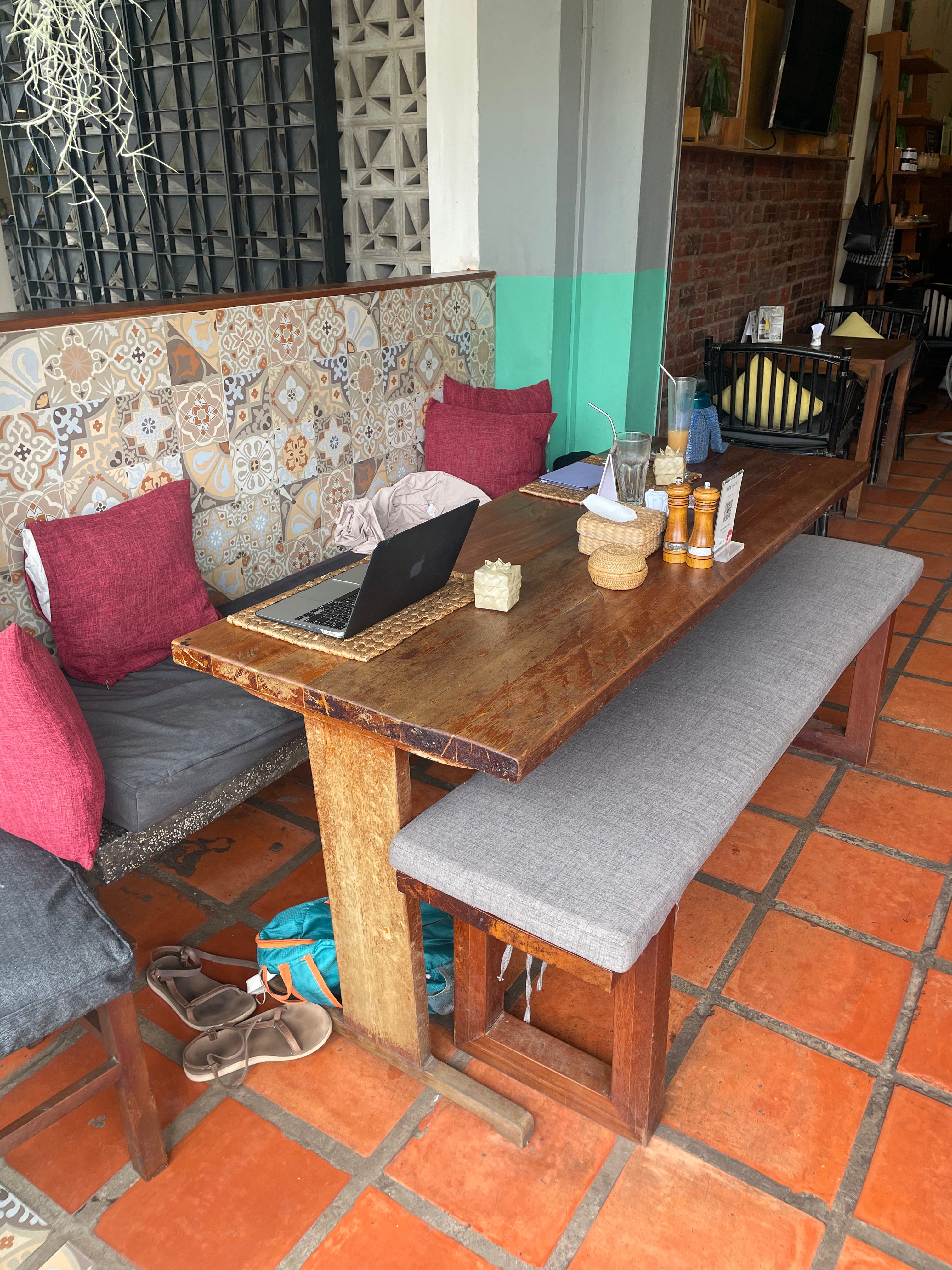
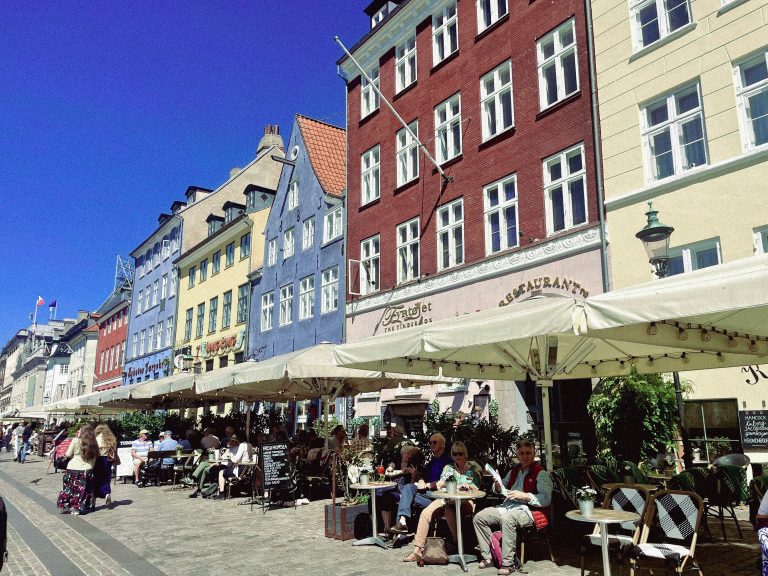
Common Grounds – situated on one of the prettiest streets in the city, I came here twice for breakfast and the air conditioning. All profits support humanitarian and development work in Cambodia.
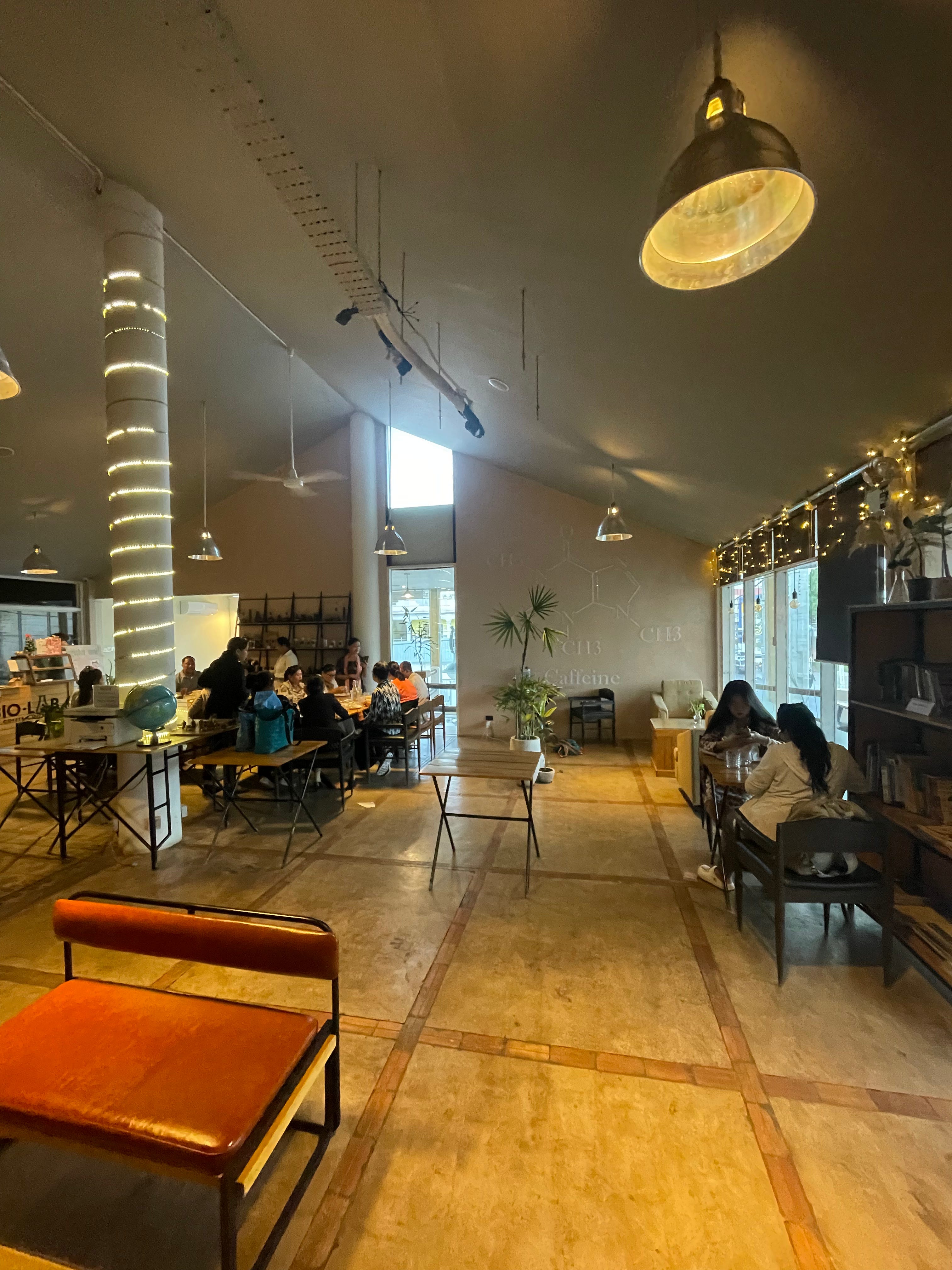
Biolab Coffee – designed with nomads in mind, it also functions as a coworking space and is well set up for meetings.
A conscious community
Cambodia has a very painful recent past, which was one of the reasons I was keen to visit. During the late 20th century, the country suffered years of civil war, partly shaped by the wider conflict in neighbouring Vietnam.
This was followed by the tyranny of Pol Pot and the Khmer Rouge, a brutally cruel regime that resulted in the deaths of around a third of Cambodia’s population. Because Pot targeted people he considered to be “intellectual”, after its collapse in 1979, the country faced a massive shortage of teachers and professionals. Illiteracy rates climbed to nearly 40%, and the education system had to be rebuilt from scratch.
That history still feels present, and one noticeable outcome is how many businesses focus on reinvesting money and support back into the local community, as you’ll see from my descriptions about the cafes above.
I talked a little in my Chiang Mai blog about the ethics of being a nomad, and the experience of being somewhere, whilst not totally immersed. The people of Siem Reap call you to do the opposite, and I really liked that about it.
Which Wat is Wat?
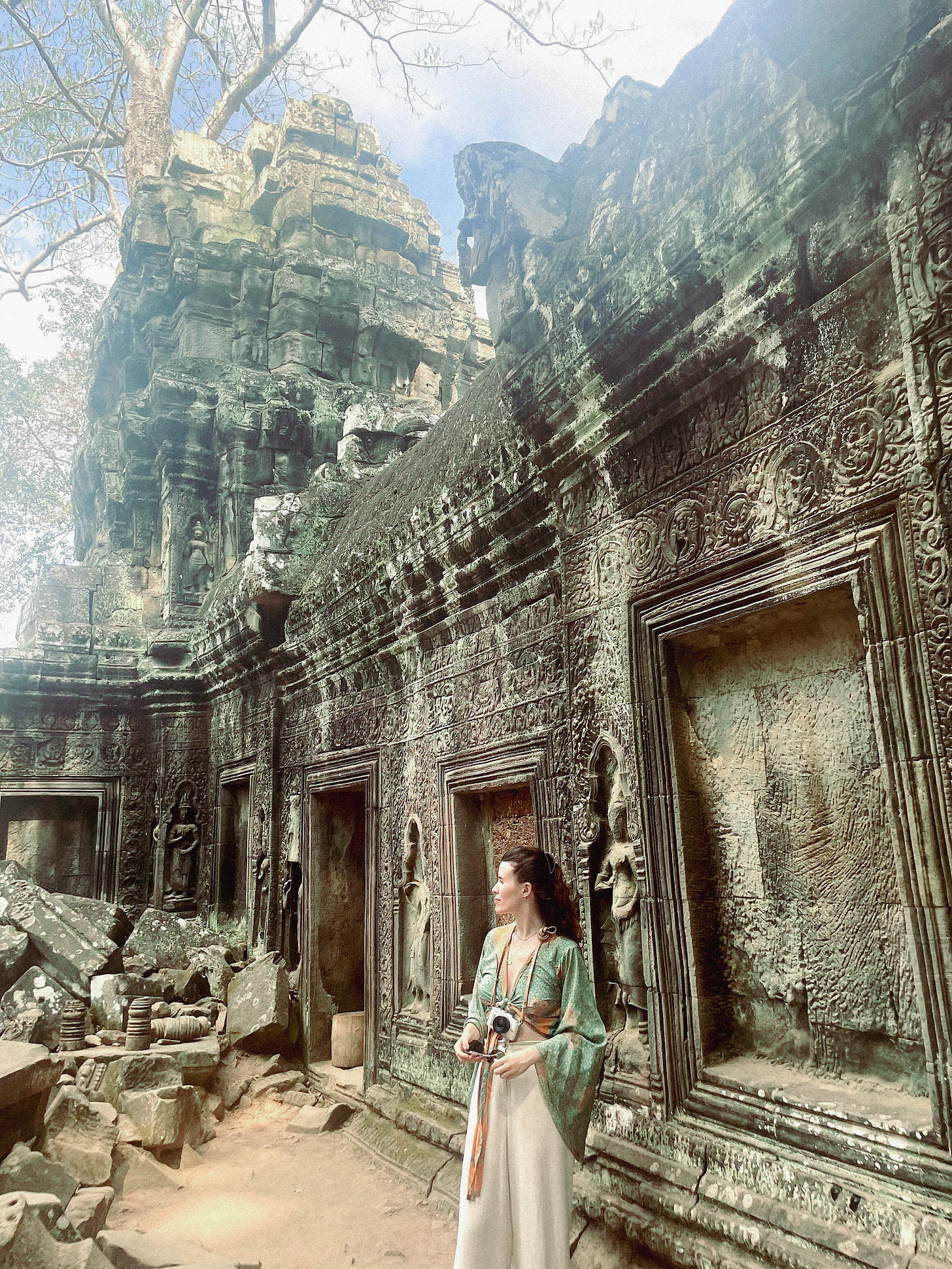
Another point of appeal for Siem Reap is that is is soaked in modern and ancient history – being home to the city of Angkor – so there’s quite a bit to get your teeth into on your days off.
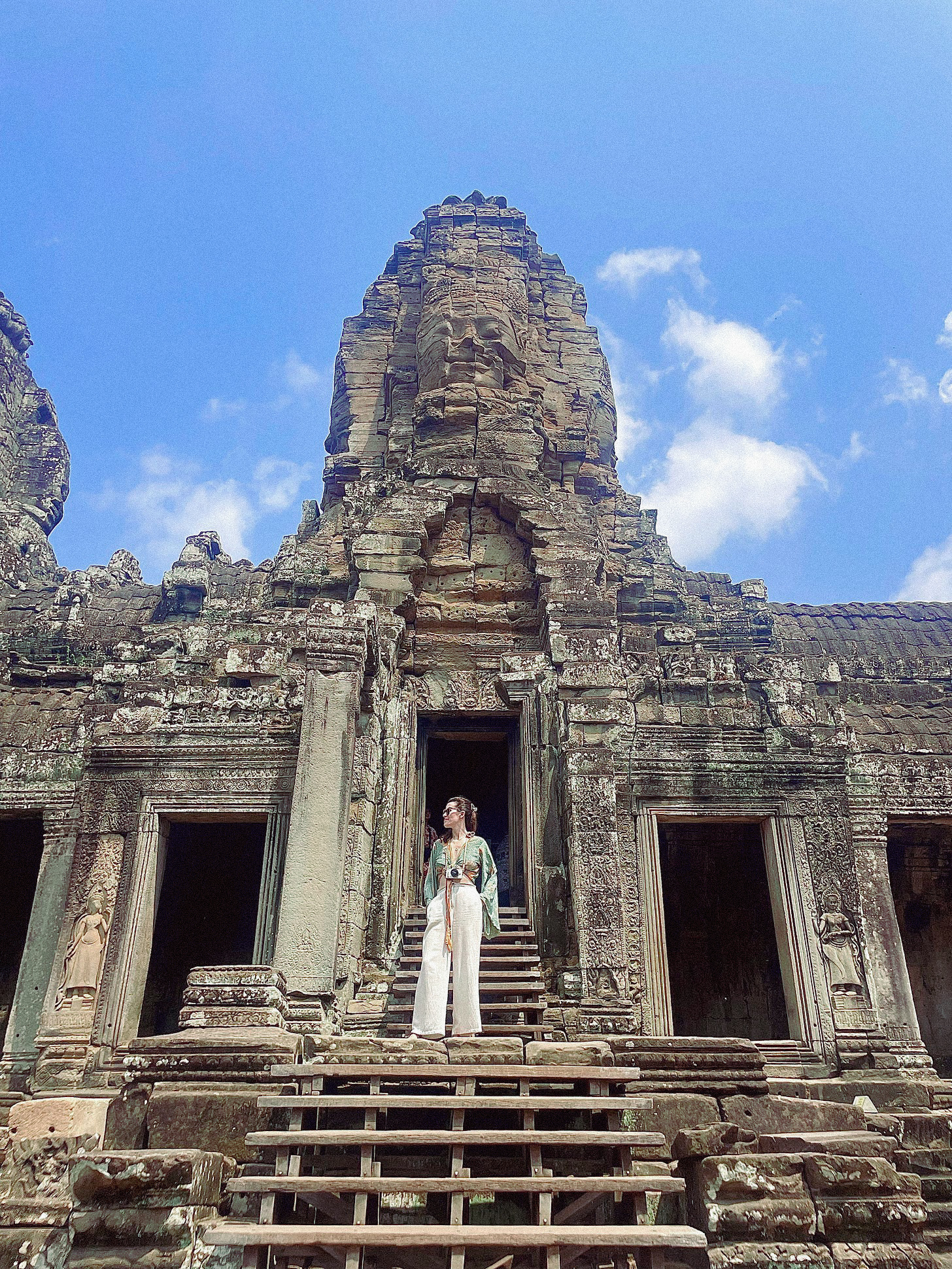
Built in the twelfth century, Angkor was the centre of the Khmer Empire, a powerful kingdom that once dominated much of Southeast Asia. At its peak, it was home to around a million people, making it the largest pre-industrial city known to exist.
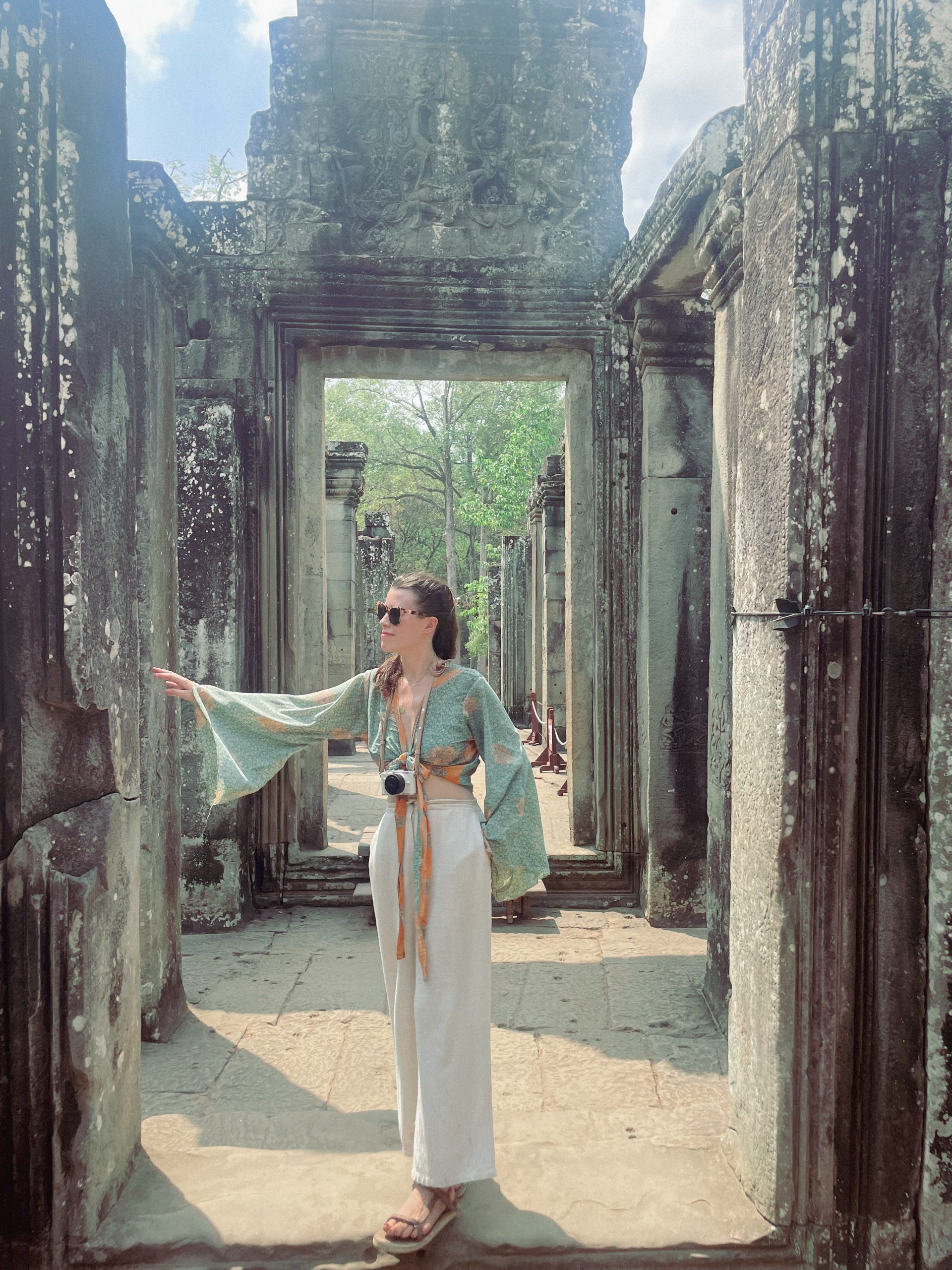
As the Khmer empire dissolved, Angkor became a ruin. Whilst it was known to the local community, it wasn’t until around 200 years ago that archeologists got their hands on it, and made it a major tourist attraction. It remains the largest religious (Hindu/Buddhist) monument in the world, at three times the size of the Vatican City, and a lot of it is still in tact.
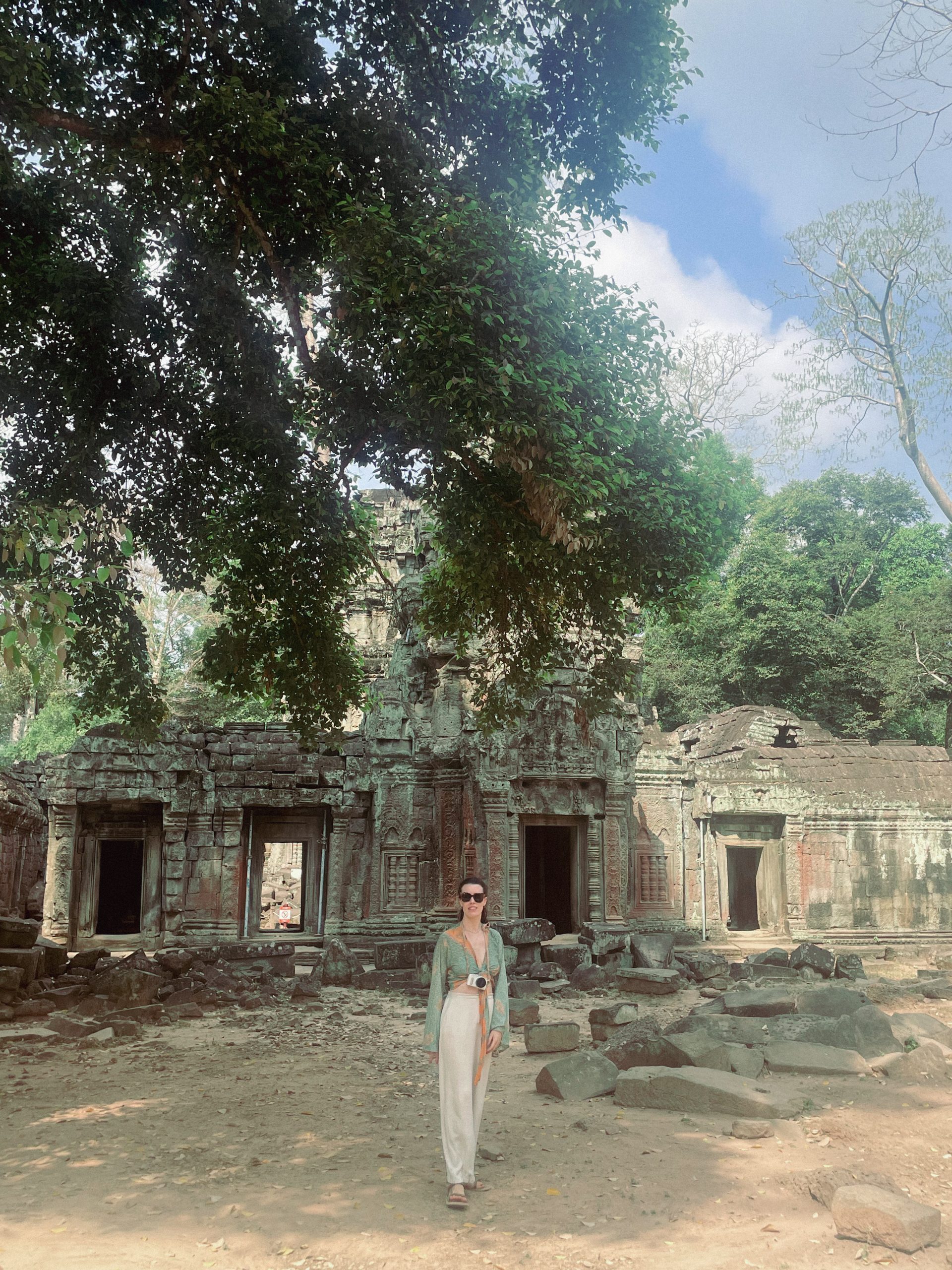
One or two days in Angkor?
Because there’s so much to see, visitors can buy either a one-day ticket ($37), a three-day ticket ($62) or a seven-day ticket ($72).
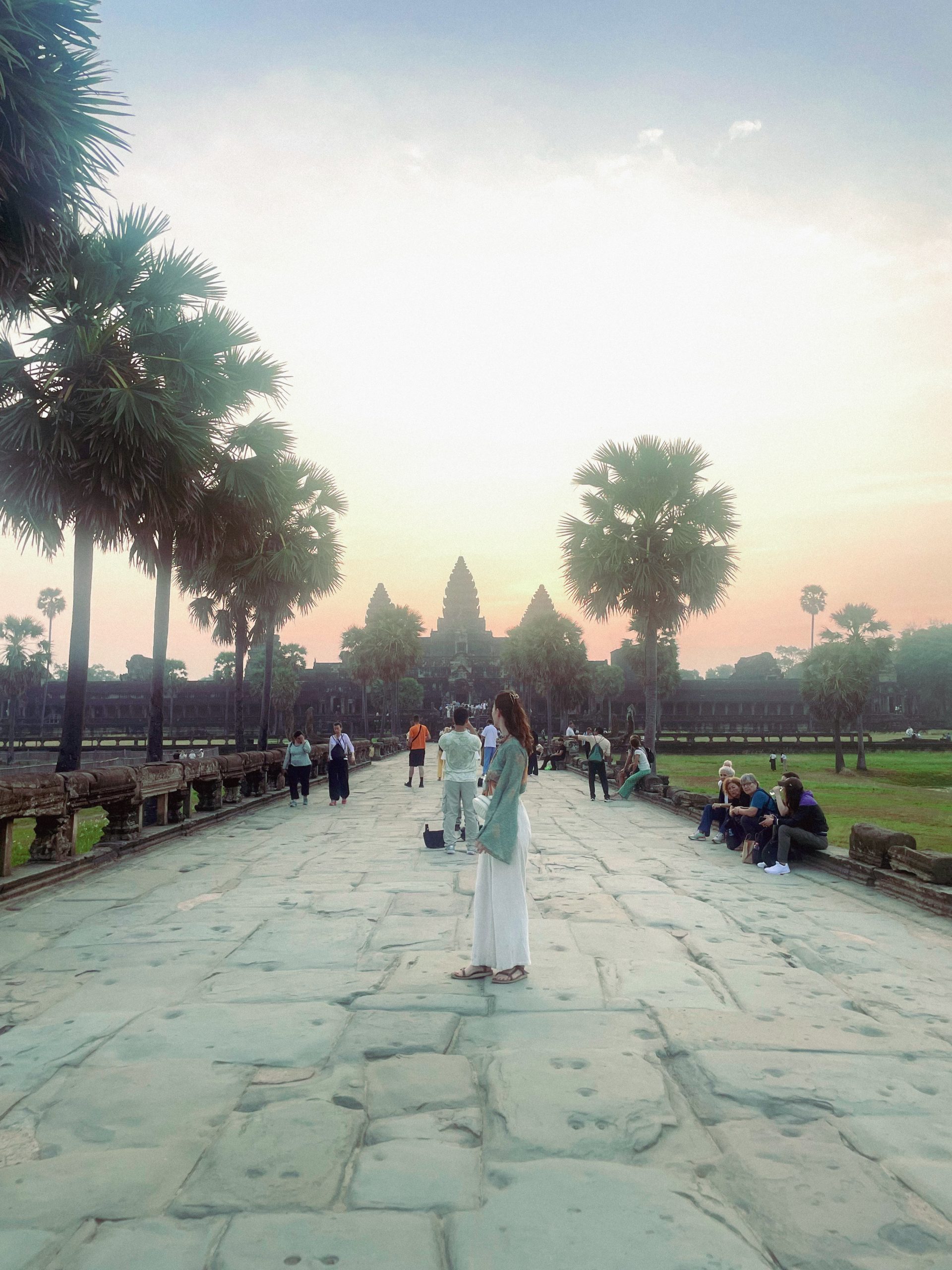
I’d heard sunrise or sunset were the best times to go, so on my first day, I set an alarm for 3am and joined a Get Your Guide tour. The tour cost around £10, including transport – which felt like a bargain.
By 5am, I was standing in front of the iconic towers of Angkor Wat with about 20 thousand other tourists trying to get a photo of the sun rising over the “pine cones”. As it turns out, these are actually lotus buds, and represent purity, divinity, and fertility. Lovely!
As someone with no background on the place, I was really amazed by the scale of Ankor, and the level of preservation, which is why so many people advise getting the three day pass (which I opted for). But I will go out on a limb and say that one day was enough for me.
This is the very ancient past we’re talking about, and there’s only so much your brain can take in when you’re tired and hot. Our guide wasn’t brilliant at bringing it to life either – much unlike our guide in Phom Pehn (which I visited after Siem Reap), who did an incredible job at illustrating the horror of the killing fields and S21.
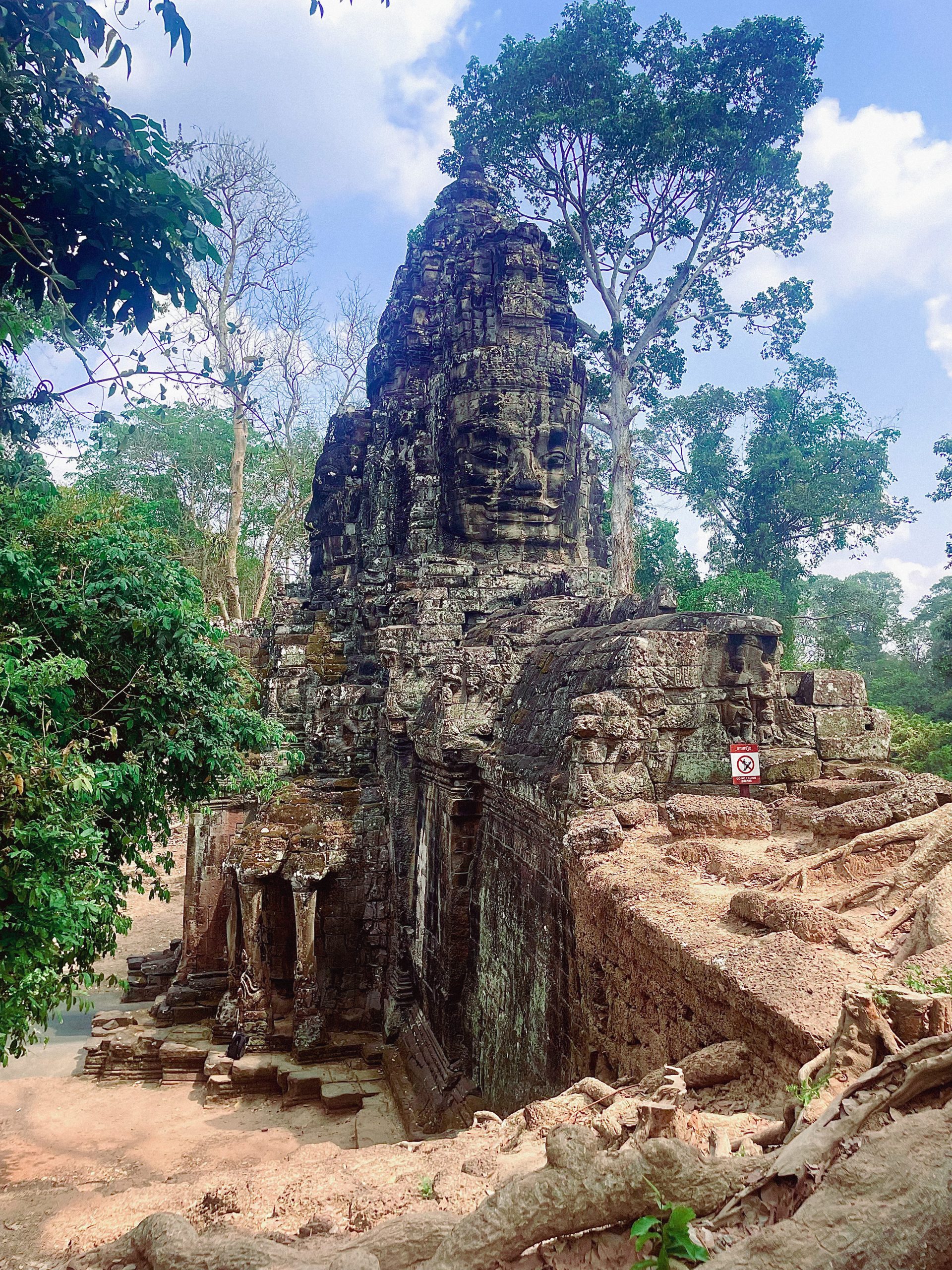
I had learned by this point in my trip to just take in what I could manage, and then read or listen to something later in order to get the full picture. When I went back at sunset a couple of days later, I booked a tuk-tuk to take me around the key buildings I hadn’t yet seen (costing around £15 for the day) and it was far less busy. more relaxing and I was able to google things on the way.
If you’re taking a tour, bring plenty of water. It gets hot very quickly!
Visiting Kampong Phluk village on Tonlé Sap lake
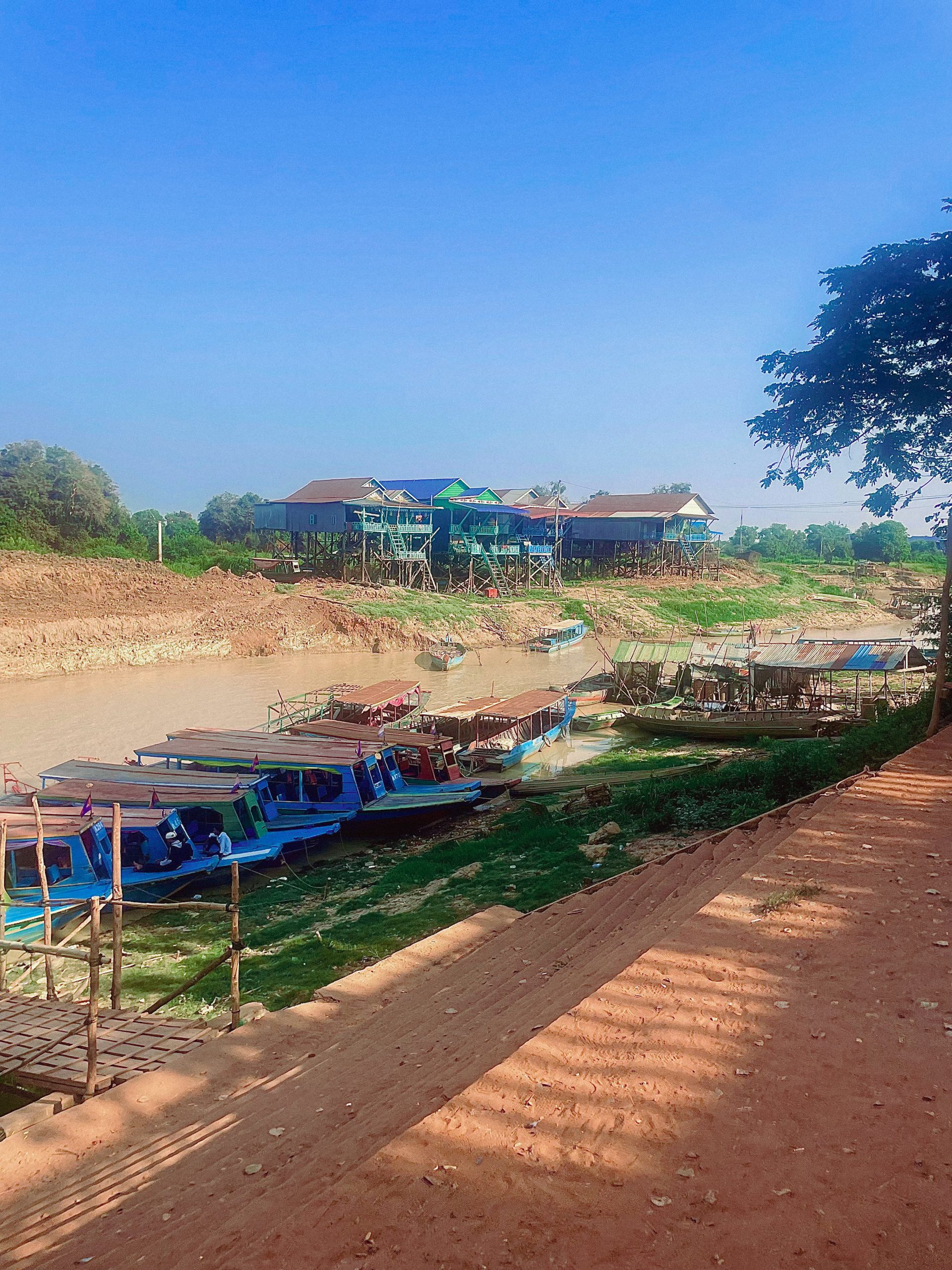
Another cool thing to do is go to Tonlé Sap lake, just outside of Siem Reap, to see a “floating” villages.
What’s fascinating about Tonlé Sap is that its river system reverses twice a year. In the dry season it drains into the Mekong, but during the wet season, silt from the Mekong Delta causes the river to back up, flooding much of the country and expanding the lake. So a lot of the villages here are built on tall stilts to avoid the rising water.
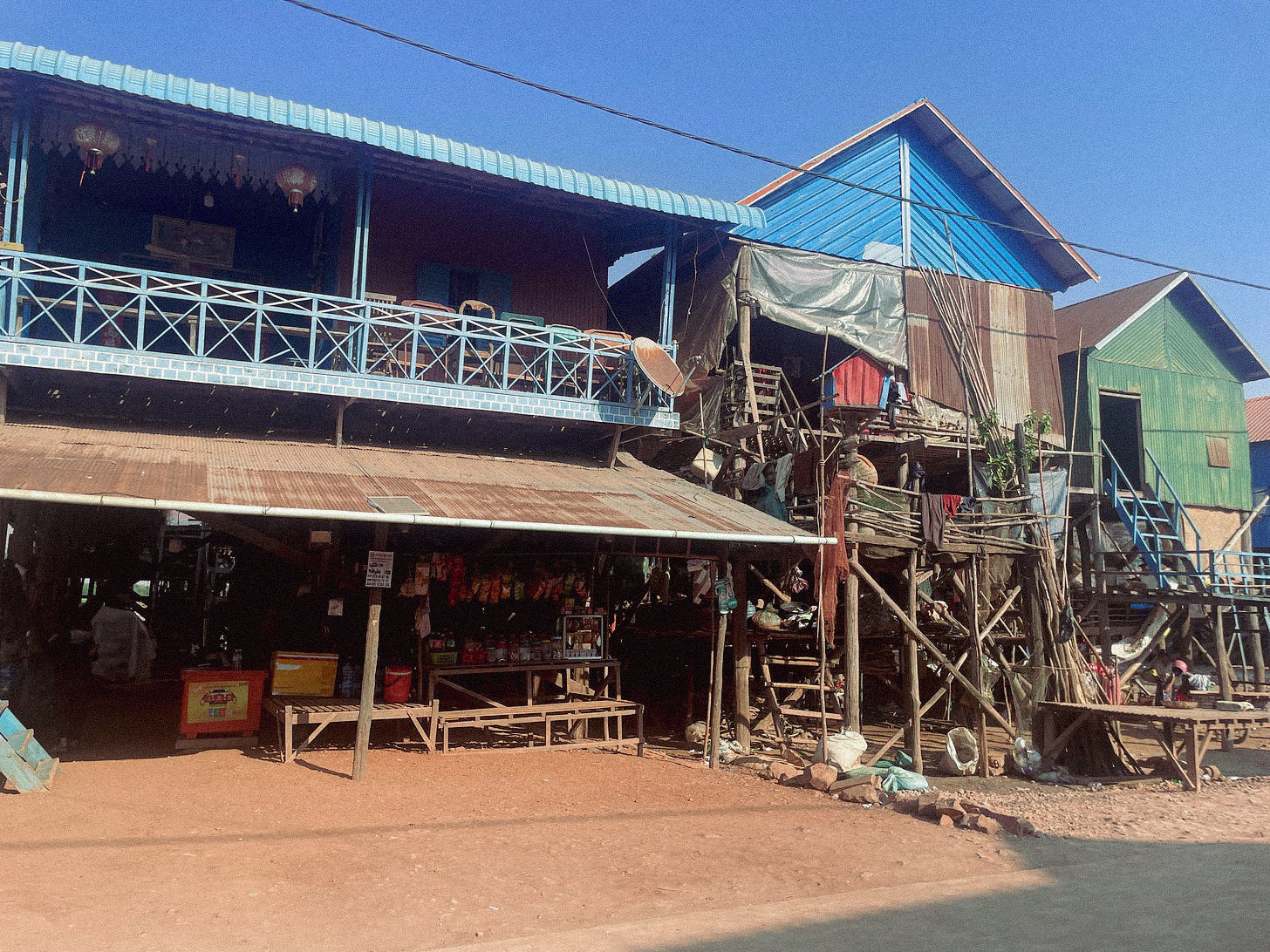
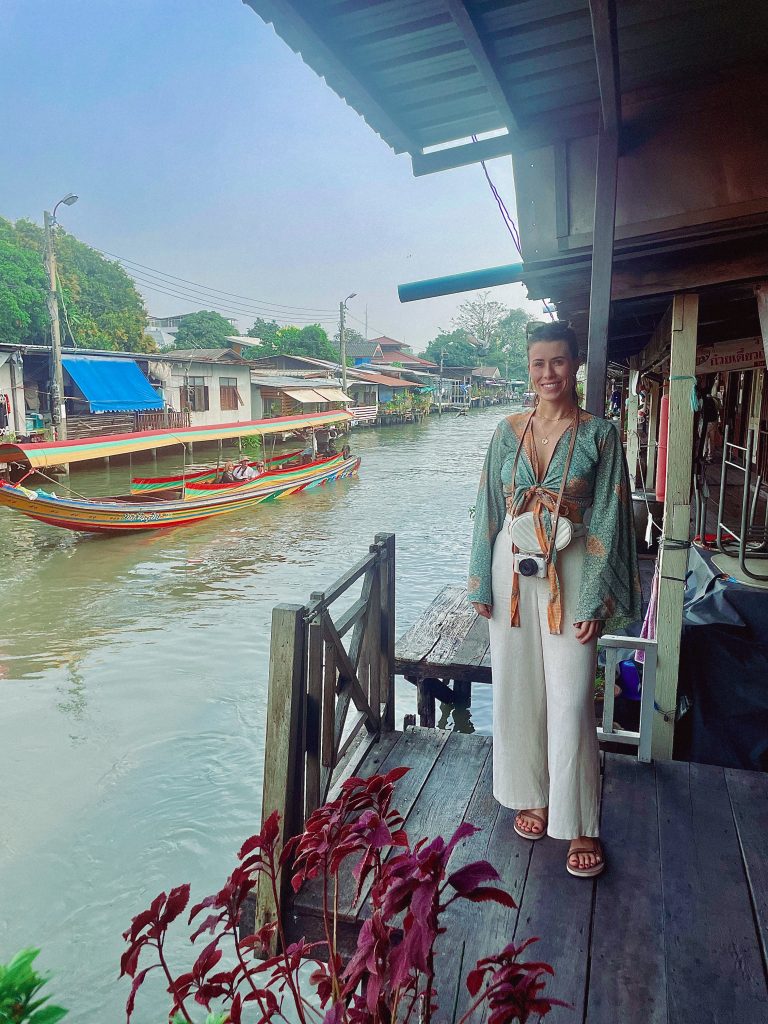
We visited one called Kampong Phluk. It was dry when we arrived, so we could walk about the village easily enough. It was very lively, with a wedding underway, a school in full swing, and music blaring. The houses are beautifully colourful, which apparently helps keep flies and mosquitoes away at night.
The highlight was when we were taken by boat to a “floating restaurant” on the lake, where we spent a few hours chatting over beers and watching the sunset. You cannot see land for miles, so it’s quite surreal to be sitting on a raft in the middle of the water drinking beers. I believe there are crocodiles in the water though, so do not advise swimming in it!
A day tour felt like plenty, but I know someone who stayed there for a month, so there’s clearly more to it for those who want to dig deeper.
Lots to offer and well connected
It might not be a headline digital nomad hub, but if you’re a remote worker looking for somewhere cheap, lively, and historically intriguing to linger, Siem Reap has a lot to offer.
Not only is it a great mix of culture, calm, and coffee, Koh Rong, Koh Rong Sanloem and Phnom Penh are all reachable within the day, and it has its own airport in case you needed to hop out of the country quickly.
Yes, price are a little higher than Thailand and Laos – roughly £3 to £5 for a meal, for instance – but still very affordable. I could have certainly stayed longer, but the islands were calling me, so I spent the following week decompressing on the beach. It’s a hard life being a nomad!