Stillness under the stars – my unexpected adventure in Scotland’s dark sky town

By the end of 2025, I’d completed 10 months of flexible work and travel, following a stretch of steady living in London.

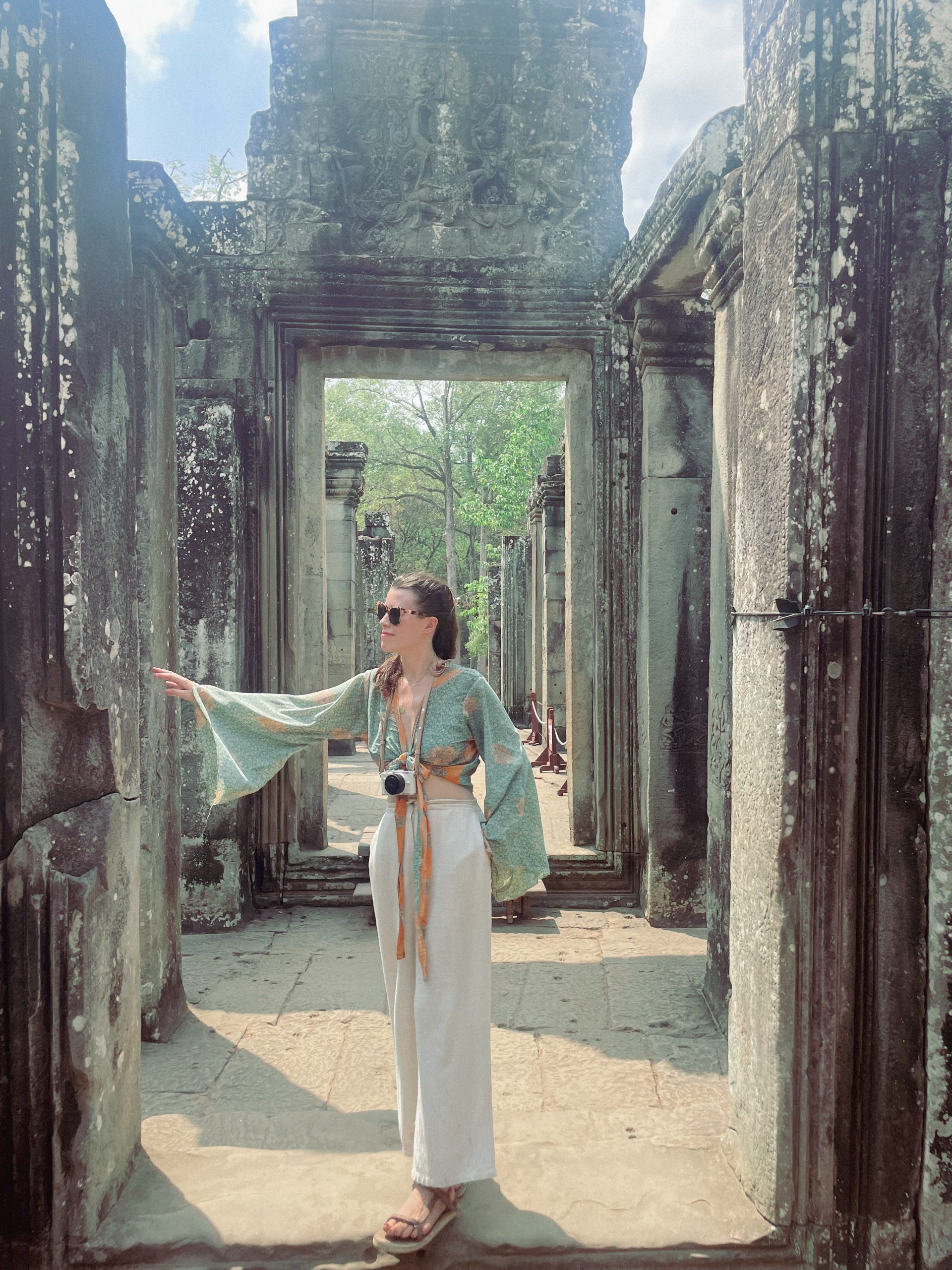
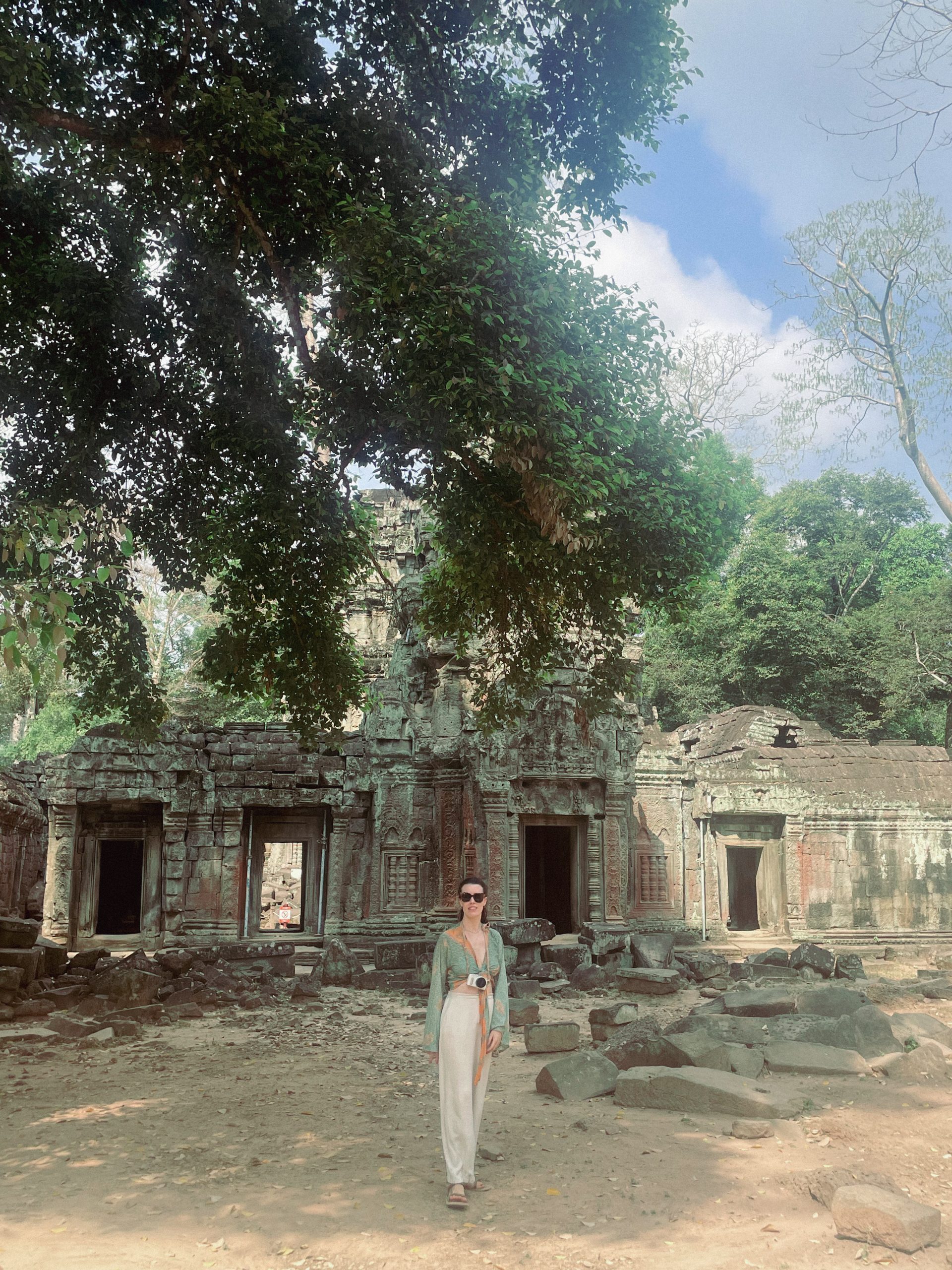
Between the bustle of Bangkok; the beaches of Cambodia; the quiet jungle of Bali; and the historic streets of Europe – I’d absorbed a lot.

But while they were all meaningful experiences in their own way, I craved more purpose for my next adventure. 

That’s when I spotted an email from the volunteering platform, Workaway: “Hi Georgina. We saw your profile, and wondered if you would like to help out at our English language school in Scotland this December?”

Rarely in need of a reason to visit the home of the brave, a month later, I found myself in Moffat, a small town in Dumfries & Galloway.
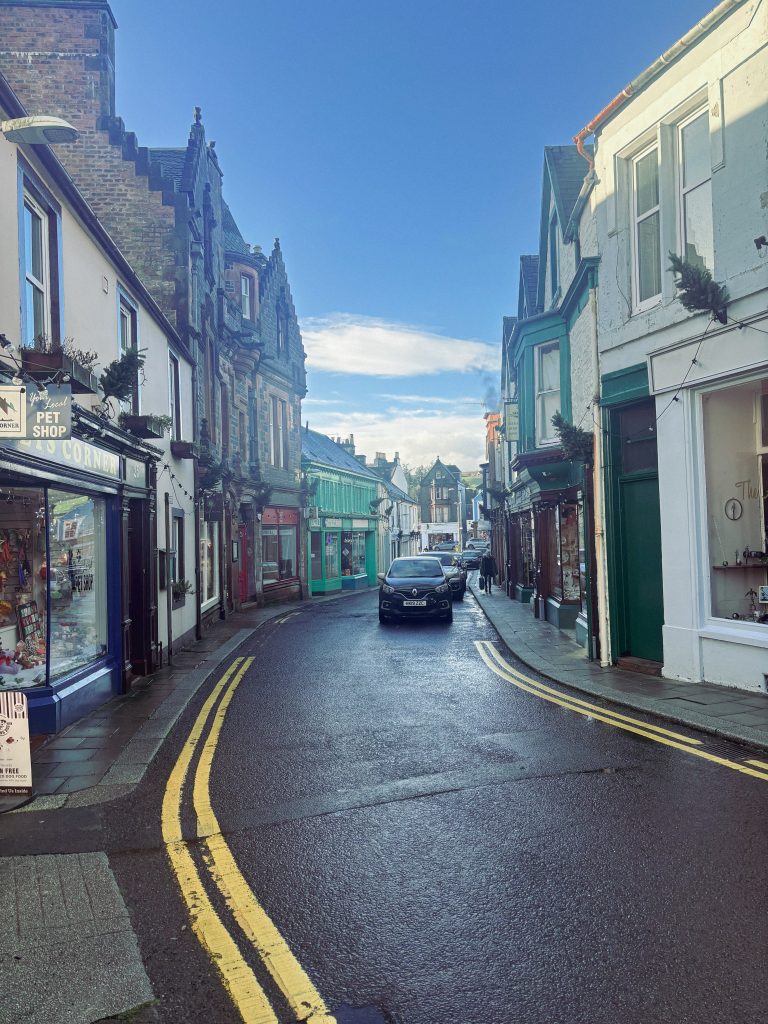
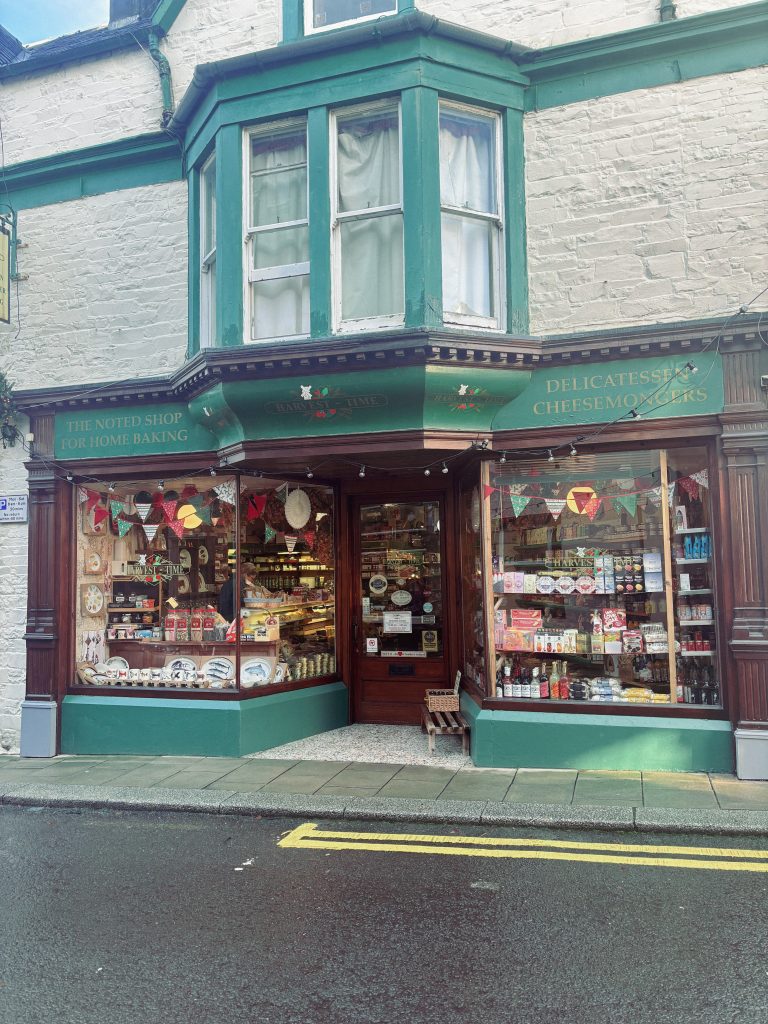
Arriving in Moffat: Europe’s first dark sky town

Whether it’s my genes calling me home; my inner introvert sighing with relief; or long-dead dreams of witches and wizards stirring once again, something about travelling from England to Scotland felt instantly calming on that mild December evening.

The undulating hills that appear like a fortress when you cross the border are – in my mind – the perfect paradox. Comforting and haunting; cosy and spooky: inviting, and at the same time, a little threatening – especially if you’re half English.

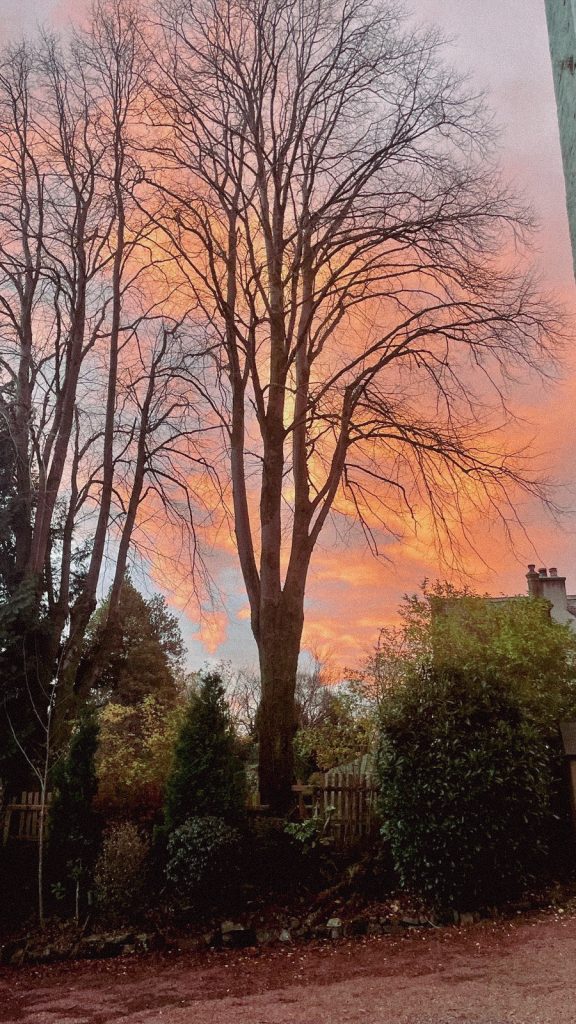
Arriving in Moffat around 4pm, I was instantly engulfed by the velvety Scottish night. It’s especially dark here, and there’s a reason for that. 

Moffat is one of Europe’s first ‘dark sky’ towns. That means the community was so keen to see the stars, that they asked the council to lower the street lamps to reduce light pollution. 

They also built an observatory – which is very impressive, considering some towns can’t even get their potholes filled!

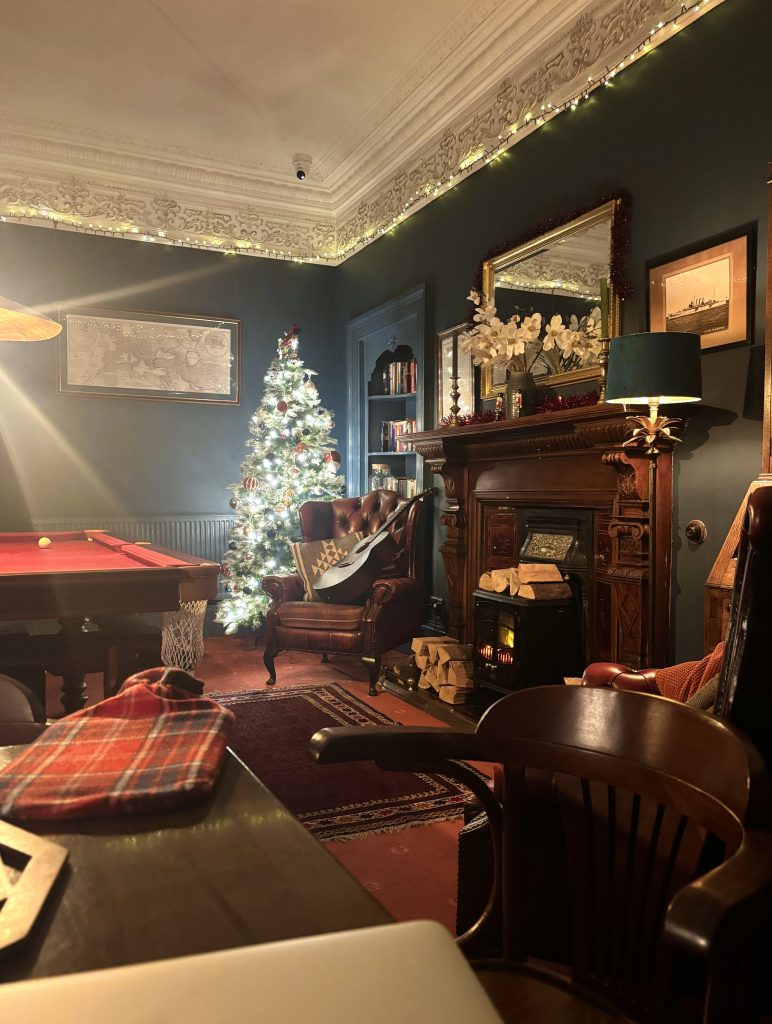
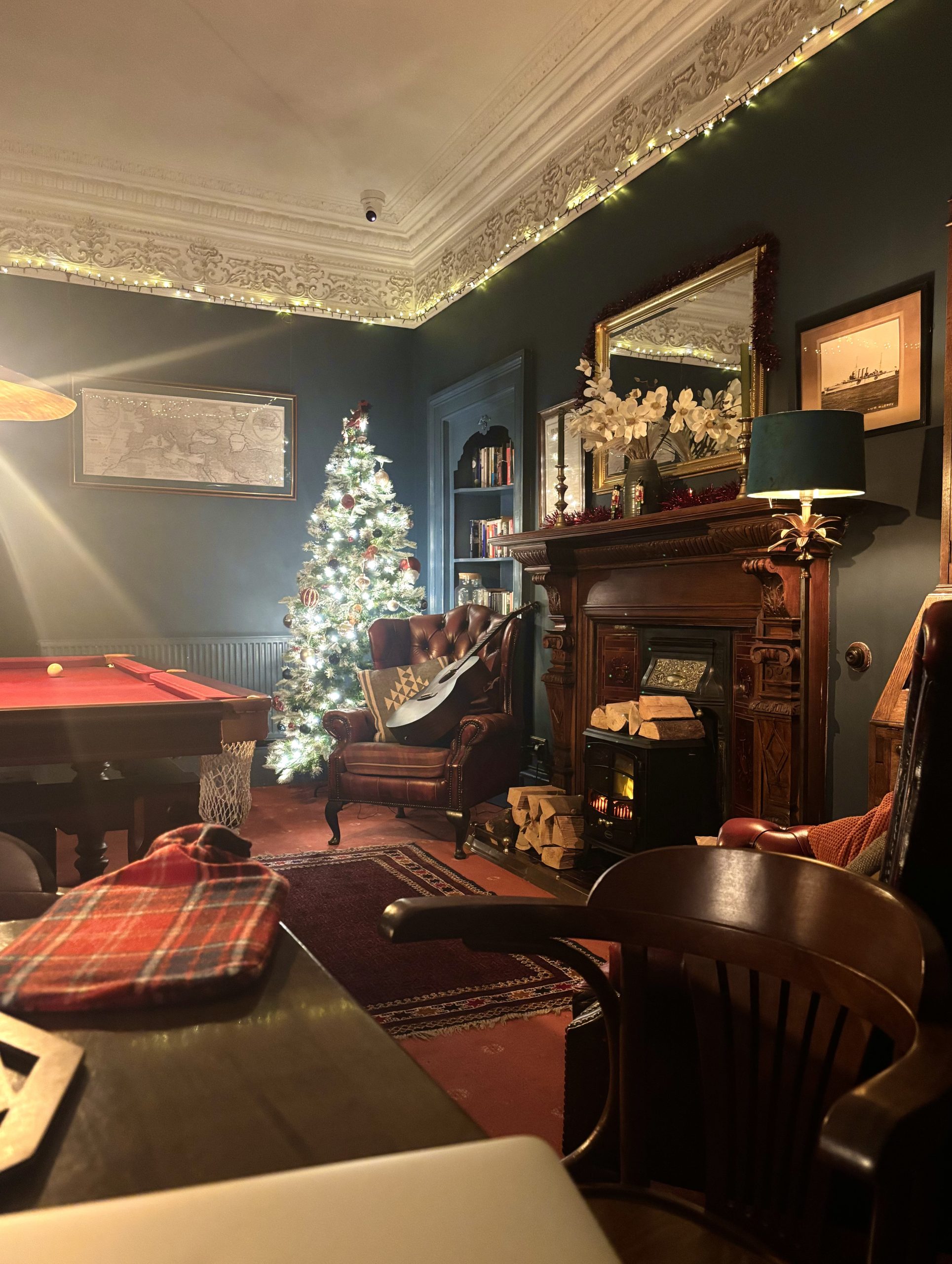
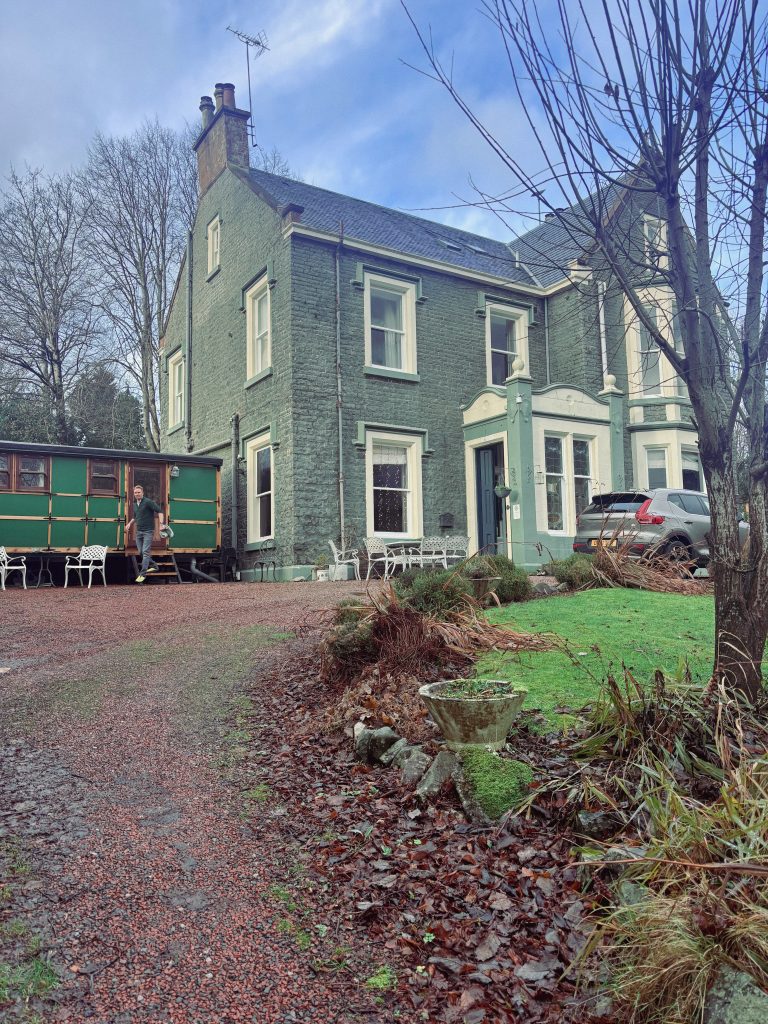
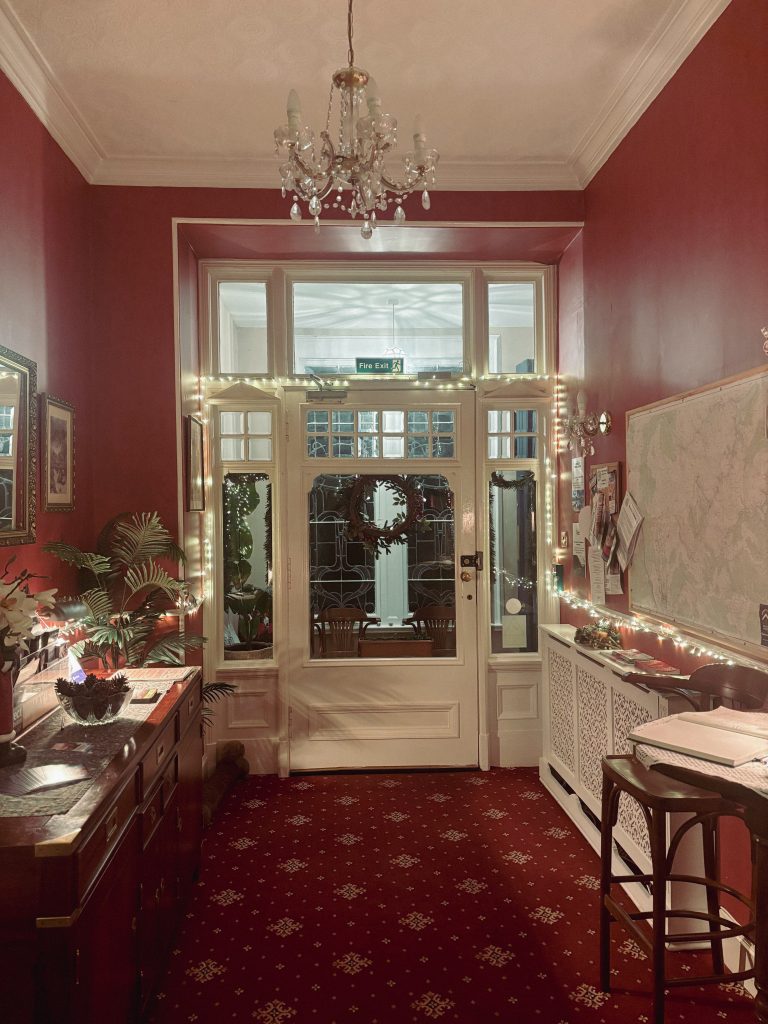
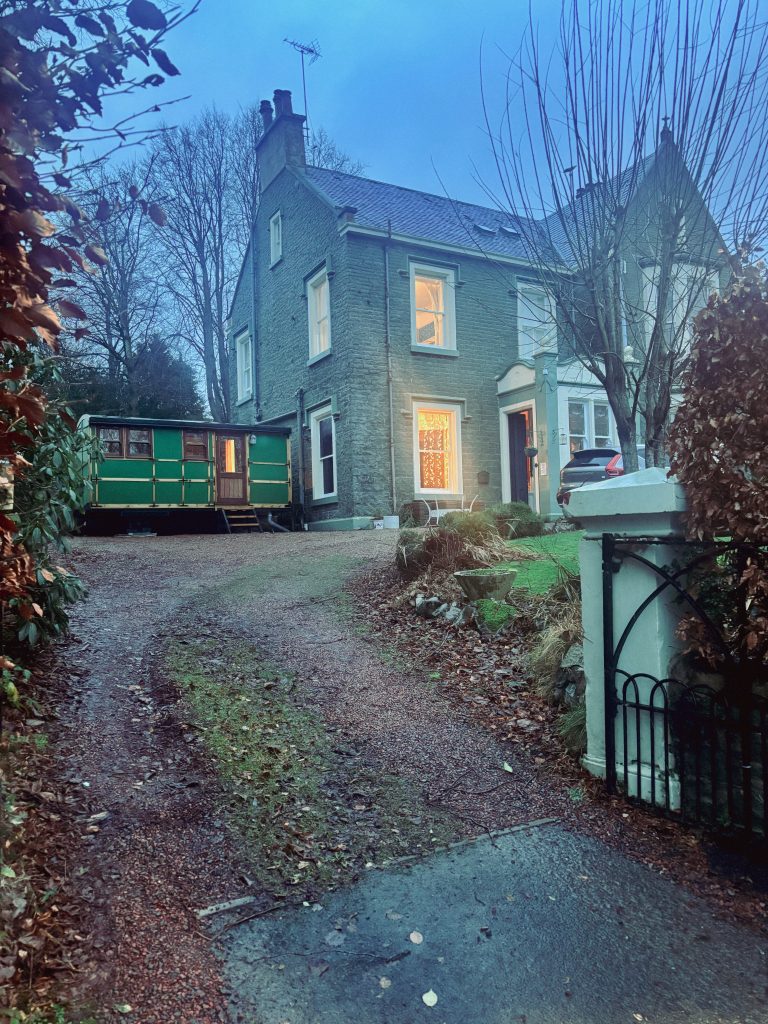
Our home for the period was Moffat Independent Hostel. Pulling up to the grey stone house, with its twinkling lights, oak panels and deep red carpets felt gorgeously festive, and immediately inspired my inner child.
Bonding by breaking bread  

The organisation – English Al Fresco – hosted groups of seven to eight people at the hostel for four-day stretches, during which they got to see different parts of the local area.

On arrival, I was introduced to another volunteer, Lora, whom I shared a very comfortable room with for two weeks.

We were there to help ensure the guests had a good time and could practise their English in a safe space. Not a hard job at all really!

We spent a wonderful two weeks with our guests, cooing at Highland cows, clambering around castle ruins; playing pool by the fire and drinking drams at the pub.
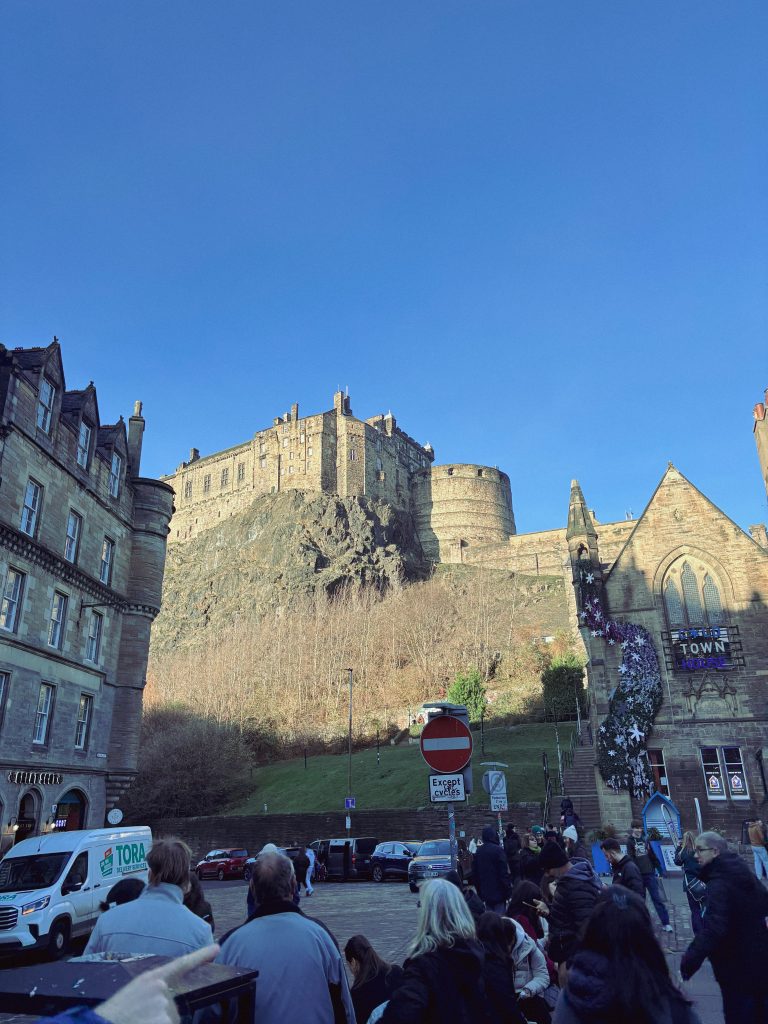
Every morning and evening, we ate breakfast and dinner together in the drawing room. Think eggs; coffee; cheese and hot cross buns – a feast that Hogwarts would be proud of.
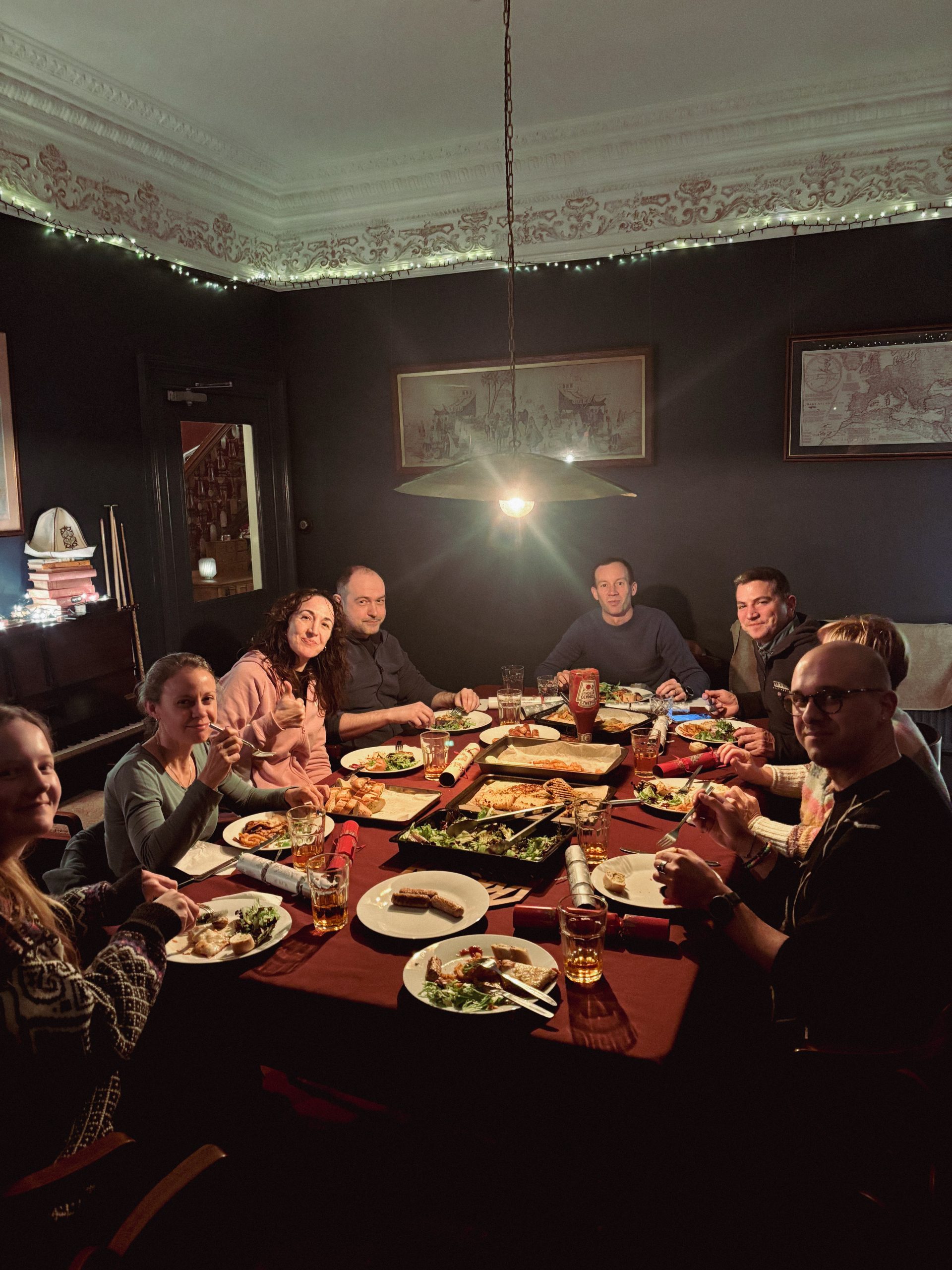
Breaking bread every day became a special ritual that we all looked forward to.

Sunshine spectacular at Grey Mare’s Tail

We also had unusually mild weather, which meant we could explore the stunning scenery around us.

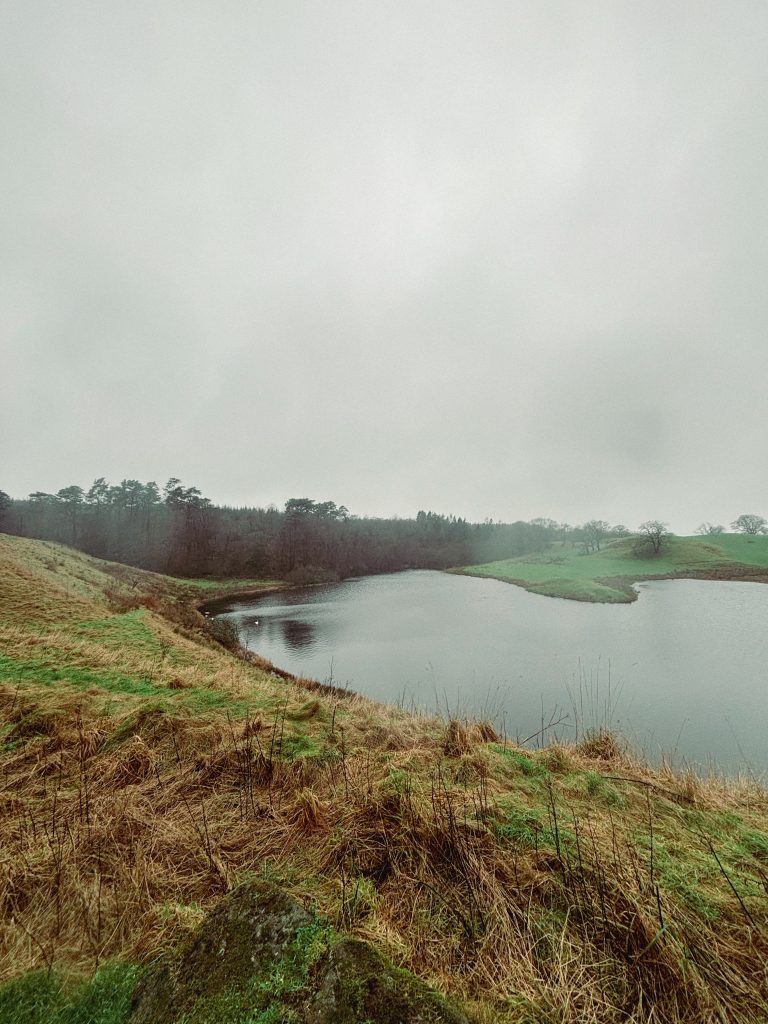
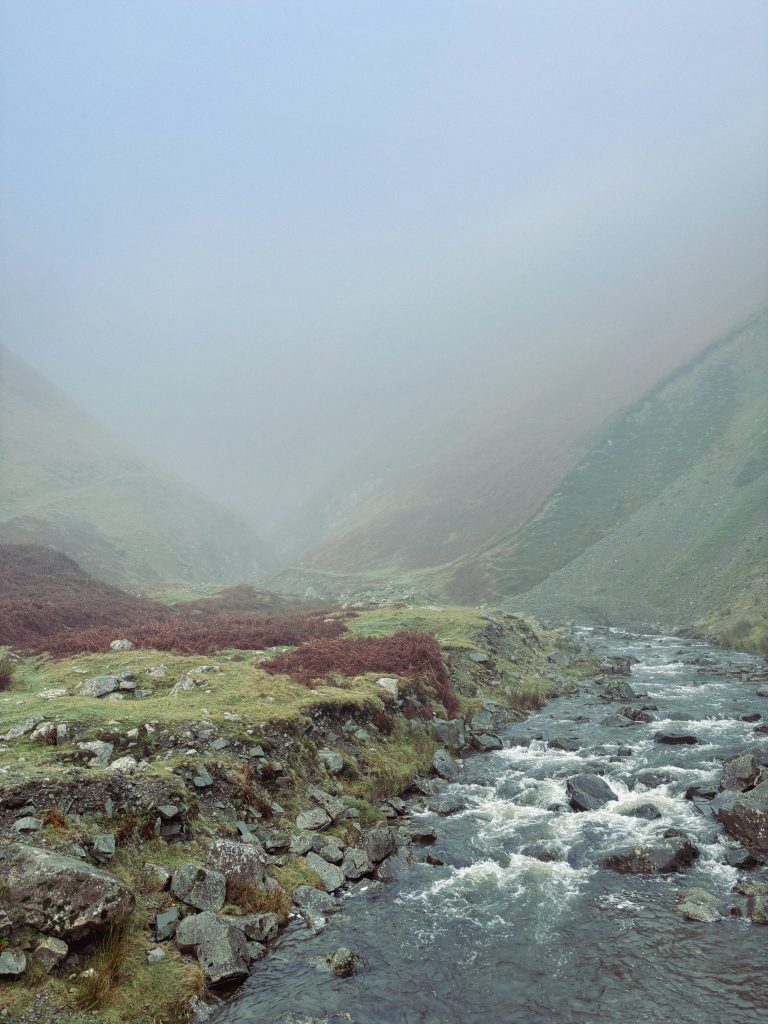
One morning, we took a drive to a nearby spot – Grey Mare’s Tail – for a hike.

It was drizzly, but our host promised that once we got halfway up, we’d find a surprise at the top.

Up we went on a steep incline. Around me, gasps and curses in German, Italian and Spanish mingled with the lowland fog.

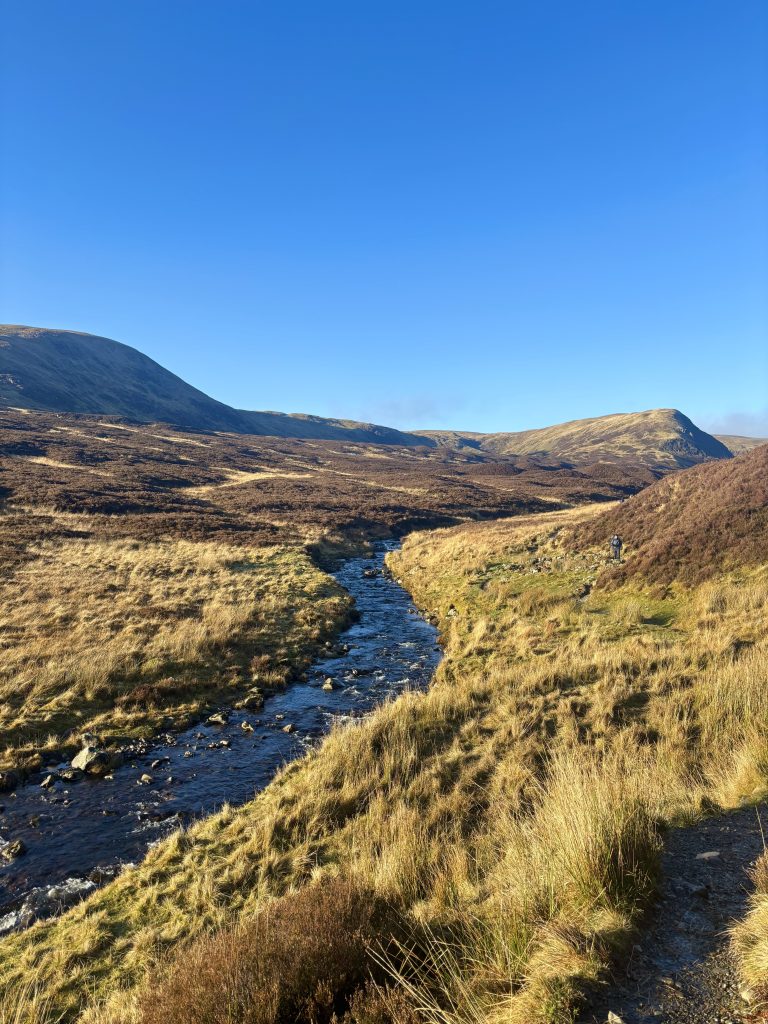
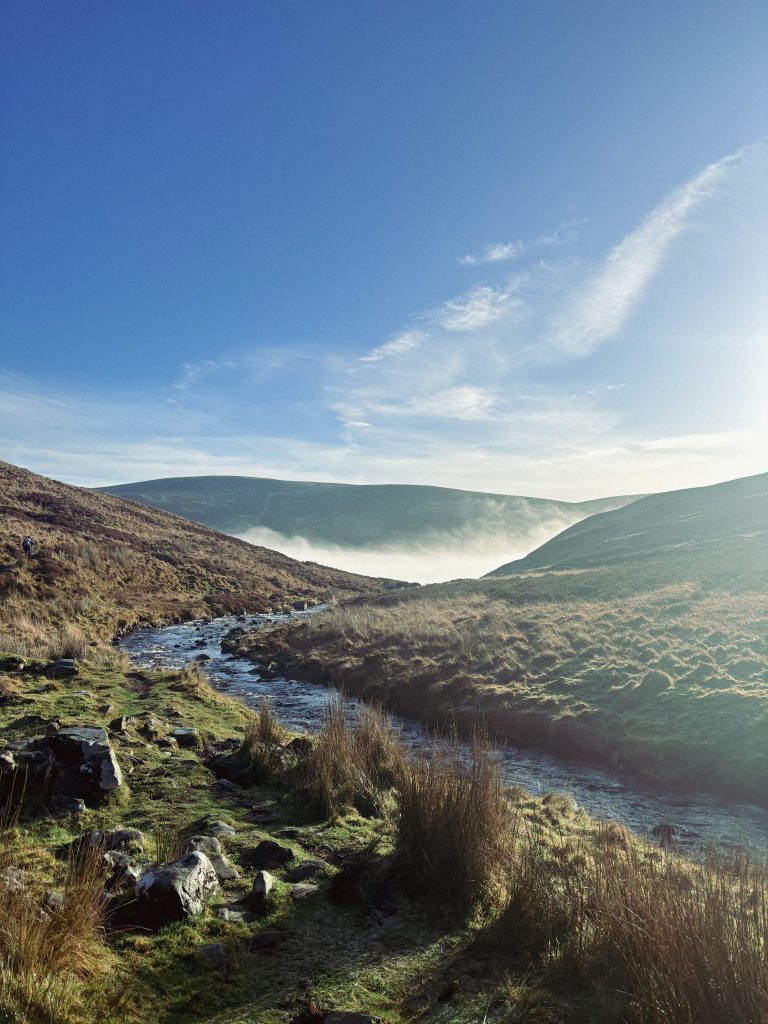
When we eventually reached the top, the trail flattened out. At the same time, the clouds dispersed and the heath was plunged into bright sunshine.

The rest of the walk was a bucolic mix of browns, greens and caramels – like a rugged, tartan carpet, sitting beneath a milky blue sky.

Before arriving at the loch for lunch, we passed a guy in shorts who’d been camping at the top. In December! If you need a reminder of how resilient the Scots are, that is certainly it.
Compèring a major international event

On another evening, we headed down to the local pizza place, Kayantics, where we found a group of lads of similar age circled around the outdoor oven.

Beers were exchanged, and soon they were inviting us to an event taking place in Moffat that week; the international yodelling Olympics, no less.

“People from Sweden are attending.”

It sounded very significant indeed, and a little later, Dutch courage took hold and I found myself agreeing to compère the competition. 

Turns out, it wasn’t as serious as it sounded, but the whole town did attend for a big Christmas yod-along – some adorned with lederhosen. 

Being welcomed into the community like that was completely unexpected, and made for one of the most memorable evenings of the trip.

Bringing my year to a calm close 

I loved walking the silent, dark streets of this kind lowland town in the late afternoon, and looking up at the glimmering sky.

It wasn’t stargazing season, but when I later returned in April to look after the hostel as caretaker, volunteers at the observatory kindly guided me through a three-hour tour of the sky, where I was able to see Jupiter and its moons up close through the telescope.

After each day’s adventure, we took comfort in returning to the sparkling windows, and impenetrable stone walls of Moffat Independent Hostel for a hot chocolate (or something stronger) and a good night’s sleep.
Volunteering with English Al Fresco was exactly the kind of meaningful slow travel experience I wanted, and I came away from it feeling especially grateful, fulfilled and excited to explore more of home. 

But before then – a little rest. The year of 2025 had been a wonderful whirlwind, but my mind needed time to reflect, digest and reset, before I took off again. 

In fact, I haven’t don’t much travelling at all since then, focusing instead on building my petsitting side hustle. But as I revisit those weeks in this blog, my feet are starting to tingle.
Similar Posts

  • Dodging lizards in Thonburi – My first 24 hours as a nomad in Asia

    Having swapped life in London to work remotely abroad, what did the Thai capital have in store for me?

    At the end of 2024, I quit my corporate job in London after eight years in the capital, and started life as a digital nomad in Asia.

    It was thus that I found myself, two flights and 15 hours later, at Suvarnabhumi airport, Bangkok – freshly spray tanned, and braced for change.

    After having successfully withdrawn baht, updated my family, filled my water bottle and downloaded my e-sim, I had a full two to three days to explore the city before moving North to the town Chiang Mai, a well known nomad hot spot.

    I was staying in Asoke, right in the centre of the bustling mecca of Bangkok. It’s seriously busy – think wide streets laden with traffic – but a good location from which to see the main sights.

    I got lost a few times, but for once there was no tube to catch, no meeting or engagement to get to. Nor was I a backpacker on a shoestring budget or timeline. Why am I rushing to my hotel? I thought with a thrill. I have time to figure it out.

    As I traipsed through the streets with my rucsack, the heat started to wear a little, however. I was grateful that I’d limited myself to hand luggage only, packing just a few clothes and my refurbished MacBook Air – about the tiniest laptop ever made.

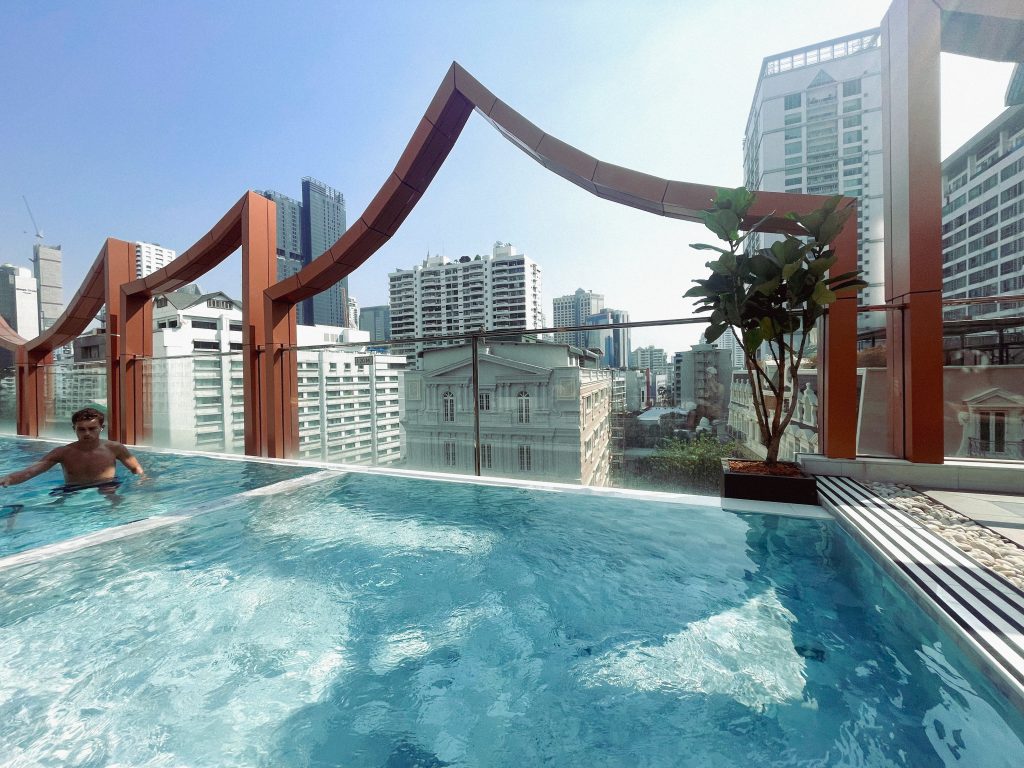
    When I arrived at the lovely Samala hotel – which was later damaged in an earthquake – I cooled off with a little visit to the pool, a Singha (Thai Beer), and after a short nap, contemplated what to do next.

    Snacks at Ruam Sab market

    First up, food of course. The benefit of being in the business district of Bangkok is that you’re never far from a decent market.

    I’d spotted Ruam Sab market on my way to the hotel, so journeyed back with my pockets jangling.

    Having done a bit of prep for my time abroad (thank you RetiredWorking4U), I knew this food court was where the local office workers came for lunch. As such, it was best to arrive early – especially as I wanted to look about and soak it all in.

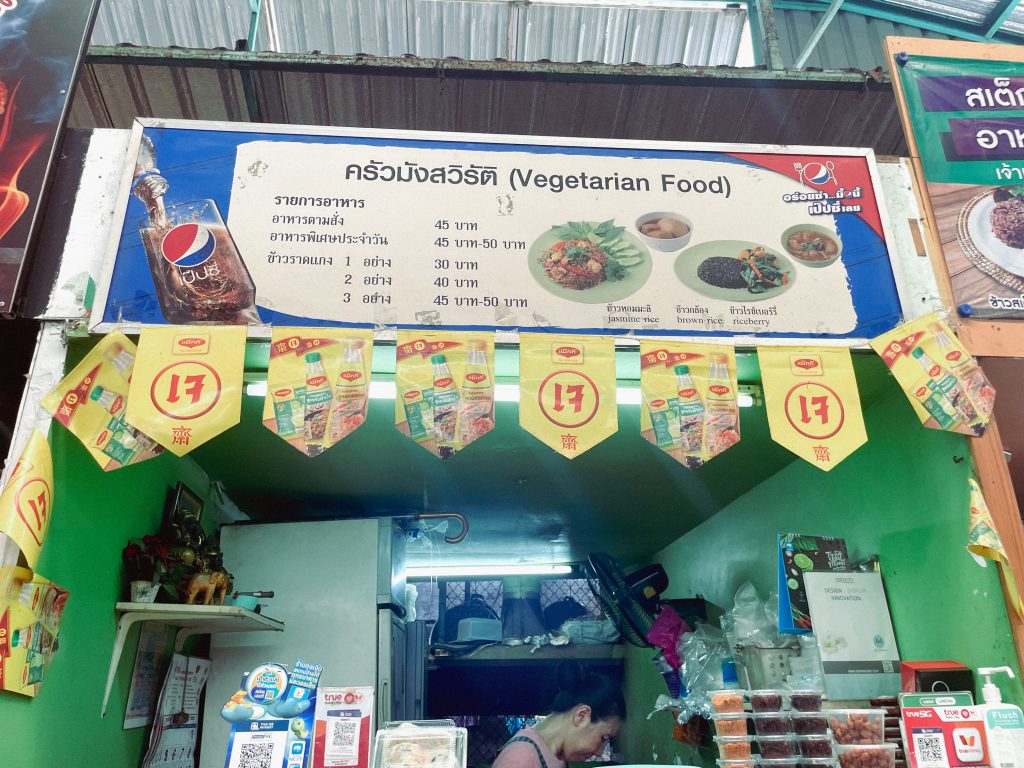
    Vegetarians – look out for the yellow Je flag!

    Whilst I was seriously tempted by the deep fried bananas, I eventually settled for some Morning Glory (water spinach) with rice, and some kind of broth, lathered with a mix of chillies, soy and fish sauce, which is typical all over Thailand.

    Meat is eaten in the country, but veggie stalls sometimes have a yellow Je flag, which was a big help, as I don’t eat meat that often.

    Stomach full, I was ready to get out and explore.

    Touring Thonburi

    Nothing beats a tour for getting your bearings, and I’d already found a business online called Hidden Bangkok Tours led by a local chap born in the area.

    He runs boat trips in Thonburi, the quieter, more traditional part of Bangkok on the western side of the Chao Phraya River – the “city behind the Pagoda”, he said in one YouTube video.

    There’s no doubt social media can kill your brain, but one of the lovely takeaways is finding unusual activities you might not typically consider, like this one.

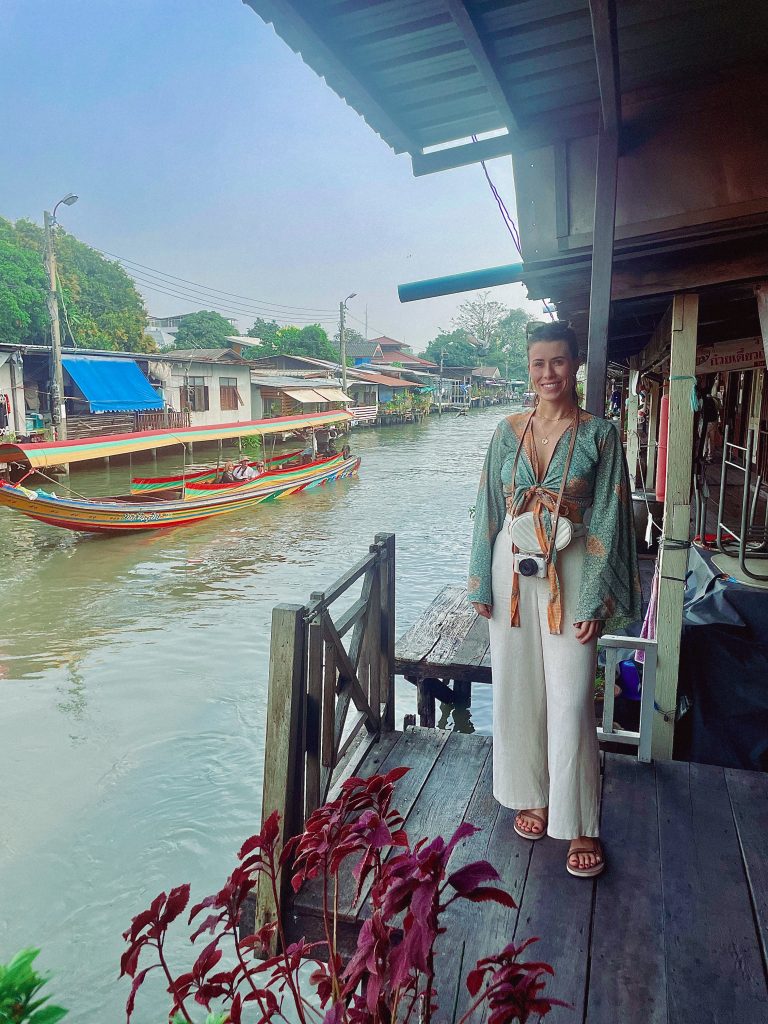
    Desperate to see some lizards, off I popped to Thonburi. As we journeyed through the khlong (canal) in our brightly coloured tail boat – right in the shadow of the giant golden Buddha, in fact – we had what I felt to me like a more authentic insight into the city.

    Before I arrived in Bangkok, all I could picture in my head was roads, wires, and hotels – which is accurate – but I was surprised to learn that it’s also lined with waterways. In fact, it’s at huge risk of climate change due to rising sea levels from the low-lying Chao Phraya delta.

    Until the late 19th century, the rivers served as the primary means of transportation for people and goods, earning it the nickname of “the Venice of the East”. Venice – in Thailand! Every day’s a school day.

    Our guide explained how the old wooden houses lining the canal were what most local Thais lived in, with many families still working directly on the river (although some were now Airbnbs).

    We met a couple of them, including a lady who’d sold fish on the river her whole life and, if I remember correctly, had funded her children’s university education with her earnings. I’m not sure how true this is, but either way, it’s a cool story.

    Shots from Thonburi, a riverside community located on the western banks of the Chao Phraya River

    Being over a century old, many of the properties – which were built on stilts – were beginning to fall into the river. Rebuilding requires official permission, which makes it difficult for residents to maintain them, although I didn’t get to the bottom of why such permission was difficult to secure, sadly.

    We then stopped for coffee at an adorable, centuries old wooden house called Baan Silapin, the “Artists’ Village”. It appeared that this was where the young Thai’s hung out, and I spotted a couple on a date feeding catfish by the water – as you do.

    All the colours at Baan Silapin “Artists’ Village”

    Others – a mix of locals and tourists – were painting in the cafes, observing the local art, picking up trinkets, and generally slowing down. It wasn’t overcrowded, and felt a bit hipster – like a slower, hotter, Hackney Wick. Without the beanies (thankfully).

    After the intensity of Asoke, this was a refreshing change of pace – a chance to see a side of Bangkok that I suspect often gets missed.

    Do make time for a visit here if you need to unwind from the city.

    There’s no need to get a tour, but it certainly adds context and colour. Importantly, I learned how to say Bangkok in Thai – possibly the longest word ever said – check it out:

    Trying my first Khao Soi

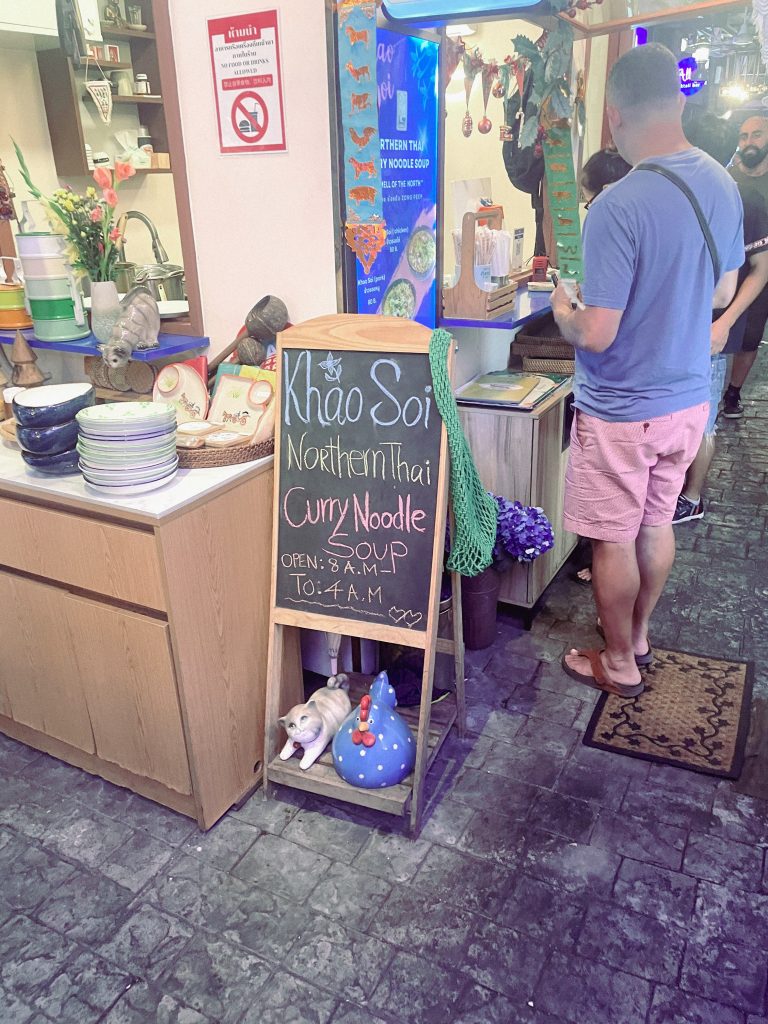
    After my cultural baptism, what else, but more food? Bloggers advised I try Pad Krapao or Khao Soi, a noodle soup in a curry broth, topped with crispy fried noodles. I was keen to work out if I could find vegetarian versions, so later caught the bus down to the thriving Vadhana District in central Bangkok.

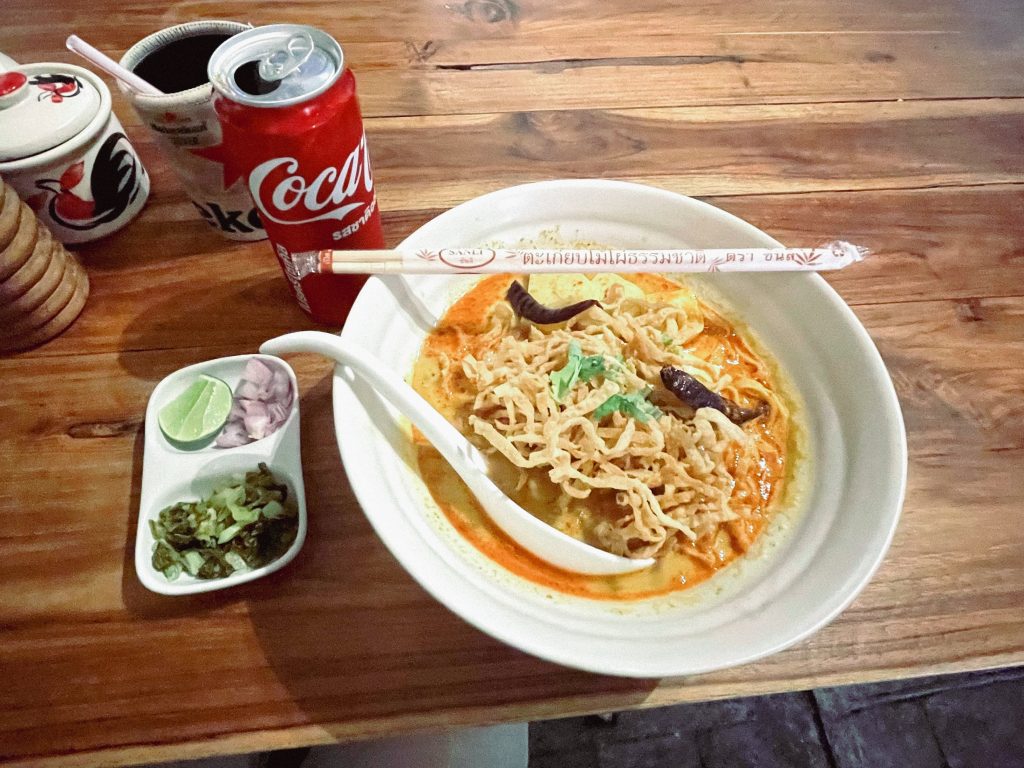
    Having been kindly directed to the right stop by a group of local ladies who’d teamed up to ensure I didn’t get lost, I found – by chance – a little place called Zong Peep, serving tofu Khao Soi. I promptly tucked into a huge bowl and a coke for the price of about £3. It was a delicious mix of salt and spice.

    Khao Soi is one of the best loved dishes in Thailand

    Belly full once again, I was pretty shattered and ready to hit the sheets. Do you know the way to Samala? I asked a security guard at a nearby hotel. My mate will take you, he said, shouting over to a guy on a moped.

    Better not add this to my stories, I thought, knowing my Mum was watching. But no time to dwell. I pulled the helmet on and off we went, slithering down Sukhumvit in a game of real-life Mario Kart.

    Back at the hotel I dived under the covers and set my alarm for an early start. Contrary to my parents’ expectations, I hadn’t been killed, kidnapped or poisoned – so all in all, a great first day.

    My first moped ride of the trip

  • Is Luang Prabang better than Chiang Mai for digital nomads?

    Why this Laotian town is an unexpected delight.

    After giving up full-time work in the UK in early 2025, I travelled around South East Asia for two and a half months as a freelancer, spending time in a number of well-known digital nomad hubs across Thailand, Laos, Cambodia and Vietnam.

    Because of its long-established digital nomad scene, Chiang Mai in northern Thailand was a place I was particularly interested in visiting. It’s often held up as one of the best cities in the region for remote work, so I arrived with fairly high expectations.

    But despite spending a week there, I didn’t find myself overly impressed with it (read this blog to find out why).

    From Chiang Mai, I crossed the Thai–Laos Friendship Bridge into Laos and spent three days doing the Gibbon Experience in Nam Kan national park. After an intense and memorable few days in the jungle, I needed to knuckle down again and get some work done, so I took a slow boat down the Mekong River towards the town of Luang Prabang.

    Having not really planned this leg of the trip, I arrived with zero expectations, but was pleasantly surprised by how much I enjoyed Luang Prabang – and would even argue that it’s more desirable for digital nomads than Chiang Mai.

    Firstwhere is Laos and what’s Luang Prabang like?

    Laos is the long thin country between Thailand and Vietnam. It was part of French Indochina from the late 1800s to the 1950s, and very heavily bombed in the 60s by the US. As a result, the country is pretty poor, and still deeply affected by unexploded ordnance.

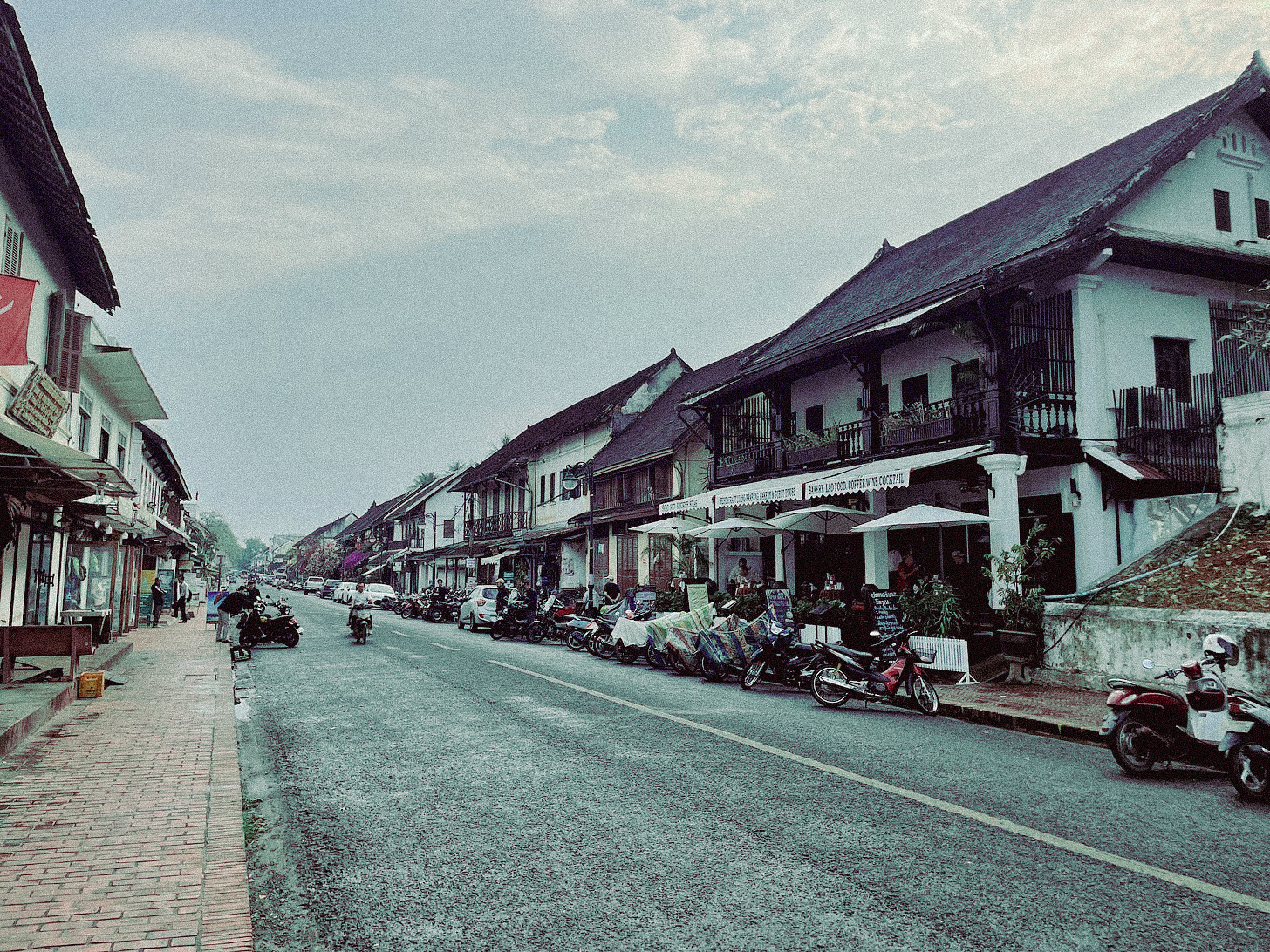
    You won’t see that in Luang Prabang, however. Here, the mix of French and local influence gives the town a very distinct feel. It’s very pretty with its leafy avenues, low-rise temples, and colourful wooden houses, in a way that I really didn’t expect after a 48 hour ride down the Mekong.

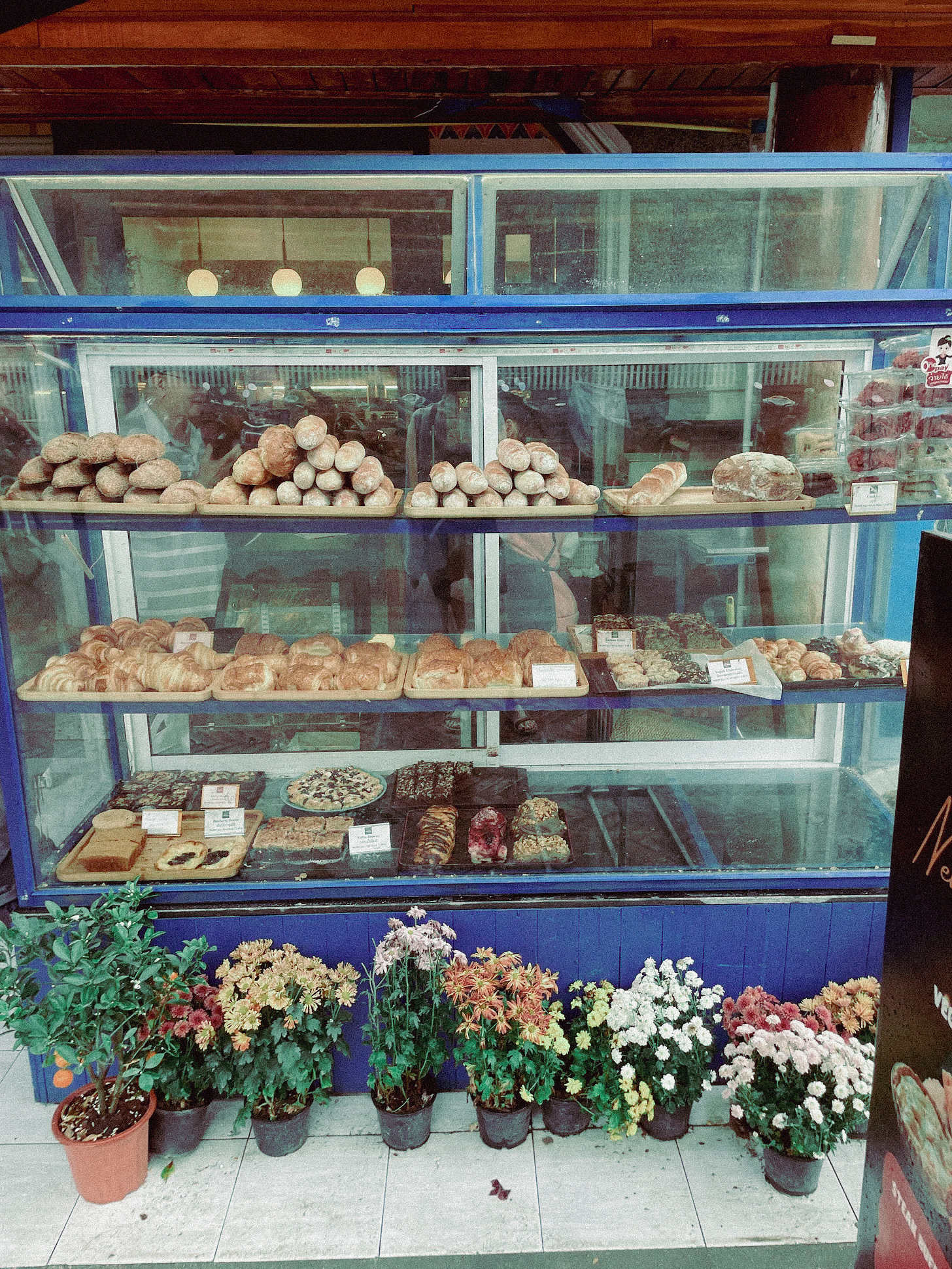
    The town has a quiet, leisurely vibe (typical of Laos), with lots of cute french-style bakeries and Laotian markets and eateries. I spent five days or so working from the cafes, having massages, and doing yoga. On the additional days, I visited Kuang Si Waterfall, and took a two day excursion to the towns of Nong Khiaw and Muang Ngoi (details on all that, to come).

    Comparison to Chiang Mai?

    One of the reasons Chiang Mai is consistently ranked as one of Southeast Asia’s top digital nomad hubs, is due to its fast and reliable internet (often cited at 100–300 Mbps), large established nomad community, and abundance of coworking spaces and long-stay accommodation.

    In Luang Prabang, average internet speeds are significantly slower (often cited at under 10 Mbps), and the remote-worker community is small and informal (i.e. not organised around coworking hubs).

    But if you prioritise calm, beauty and balance over infrastructure and networking, Luang Prabang might appeal to you more. Having spent a week in both places, Luang Prabang felt far less busy, and like it hadn’t been manufactured for tourists. I had an easy time taking video calls, sending emails and uploading and downloading word documents.

    I didn’t make an effort to investigate the long-term situation (e.g. Facebook groups etc), but did see and overhear a lot of people speaking English on calls and using their laptops. Overall, my Reddit research suggests Luang Prabang is becoming more popular with digital nomads, but it does not appear to be swamped by them.

    My recommendations

    Luang Prabang is the kind of place where you’ll leave feeling you left no stone unturned, which I personally enjoy. Here’s what I tried and loved there:

    Excursions

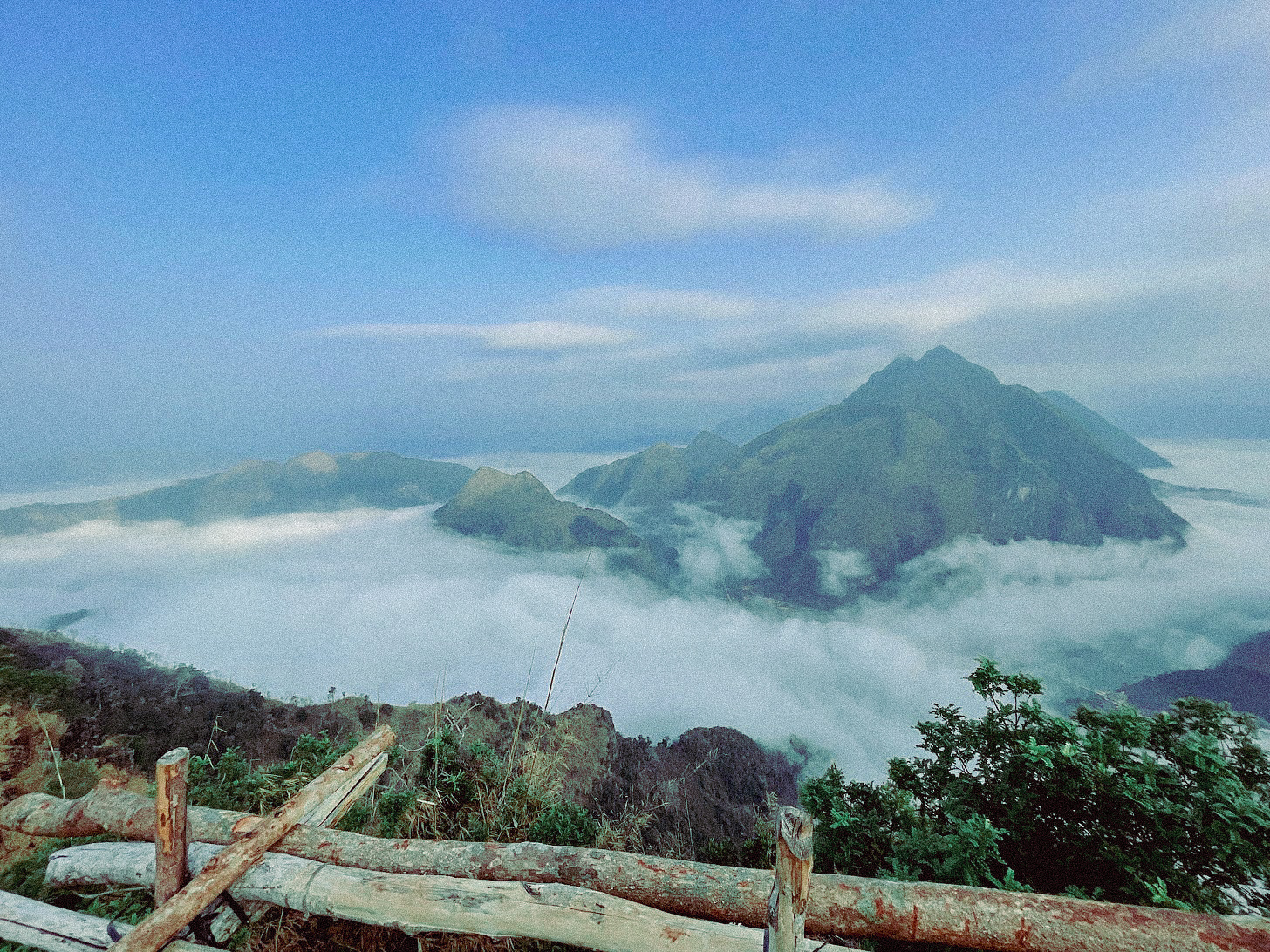
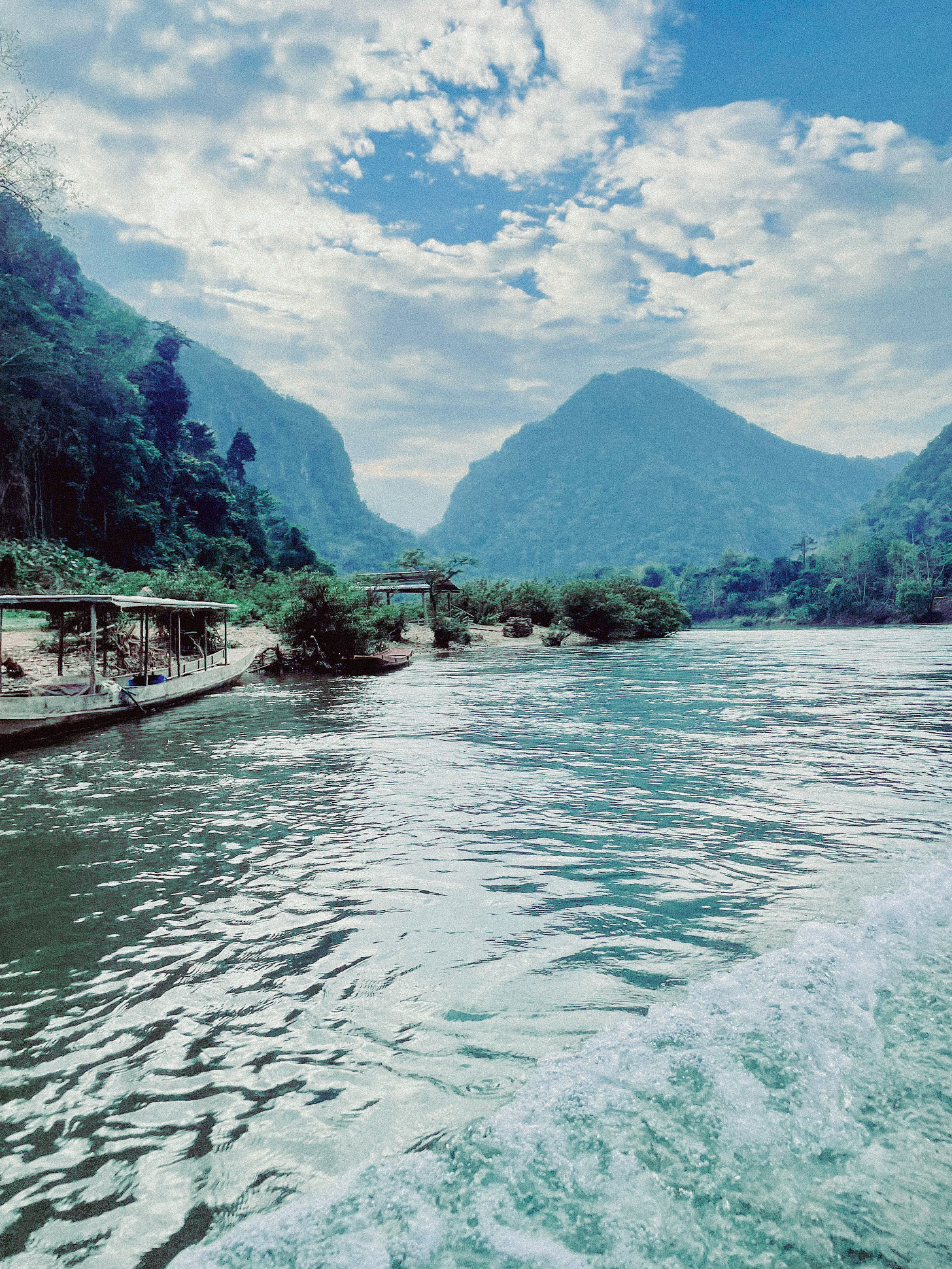
    Nong Khiaw and Pha Daeng Peak – this was one of my absolute highlights in Laos, second to the Gibbon Experience. The village is based a few hours north from Luang Prabang, on the Nam Ou river, and is famous for its Jurassic Park worthy karst mountains. You can climb the Pha Daeng Peak viewpoint relatively quickly (although it is very tiring!) and – if on a tour – sleep at the top to catch the sunset and sunrise. If you’re lucky, you’ll wake up at 6am to see a magnificent cloud inversion hugging the cliff top. Word of warning though, I nearly froze to death at the top (in March) – so bring layers clothes for night time.

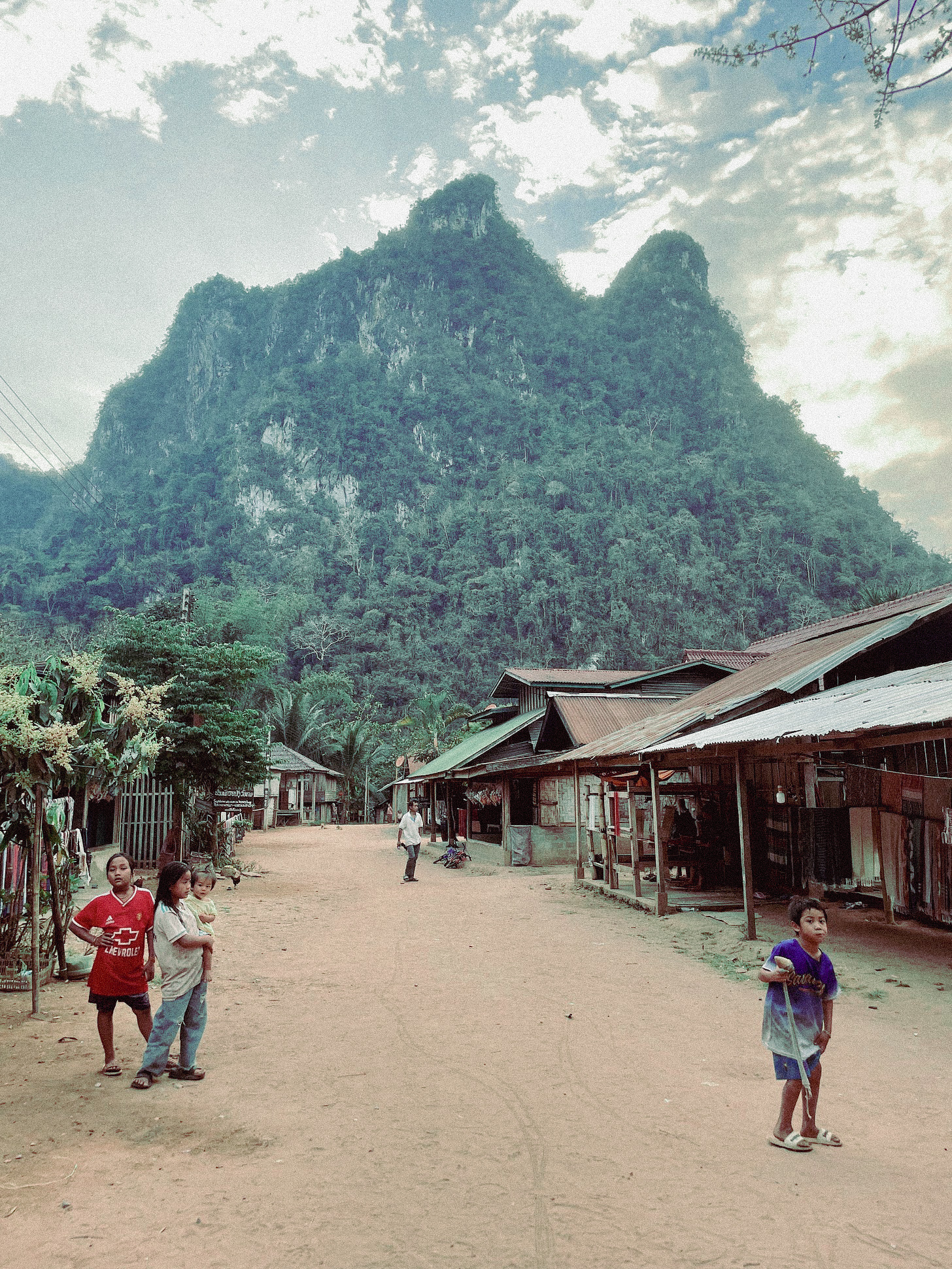
    Muang Ngoi – this is another, smaller village just down the river from Nong Khiaw. Whilst tourists can and do go there, it’s very traditional. You can only get there by boat which controls tourist traffic. That’s why it’s so charming. I went as part of a group trip that included an overnight stay in a home stay. We ended up having *quite a few* beers and playing petanque with the residents, and it became one of my more memorable nights out, that’s for sure! The beer could really be felt the next day, as our guide took us for another hike up the cliff (in his flip flops) and we almost passed away at the top.

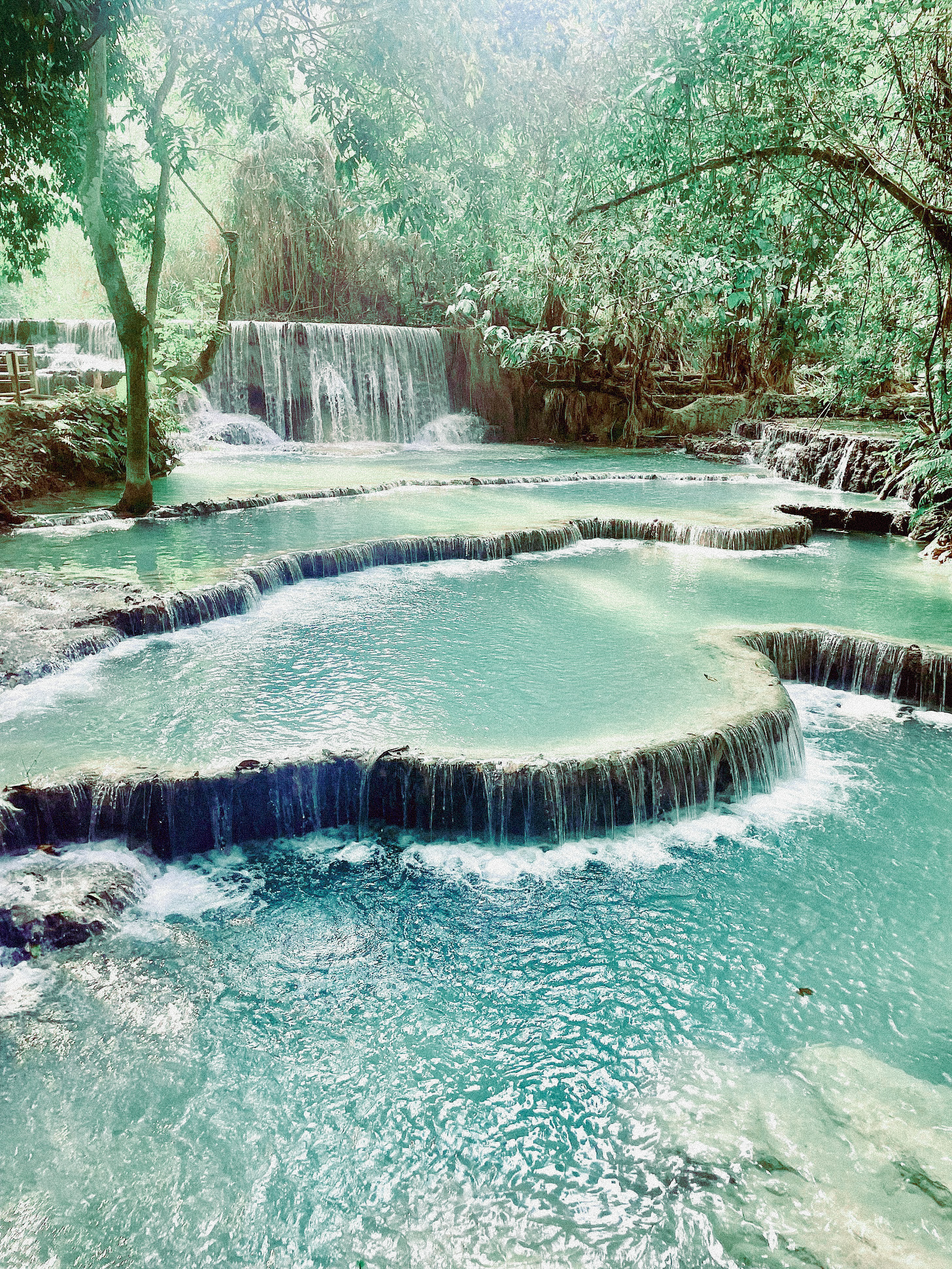
    Kuang Si Waterfall – this is an incredible multi-tiered waterfall about 29km south of Luang Prabang. You can share a tuktuk to the waterfront pretty easily. It’s one of those Instagram spots that attracts a lot of tourists and posers, sadly. But if you arrive at around 4pm, just before closing, most people will have gone and you can use the hour to swim and take photos. As far as natural waterfalls go, this is one you won’t want to miss.

    Cafés and restaurants

    Essential experiences for every tourist or nomad, and Luang Prabang really delivered on this front. Some of my favourites from the week included:

    • Saffron Coffee – right on the Mekong, great for a slow morning, and laptop friendly
    • Two Little Birds – a delicious vegan spot
    • Atsalin Restaurant – excellent mix of local food. Laos is so cheap, just order it all (I ended up sharing it with a girl next to me and we had a nice chinwag)

    Spas

    To get a facial for under £40 is impossible in the UK, so I treated myself every week pretty much, whilst in Asia! Highlights from Luang Prabang include:

    • MK Spa – This was a great little spa. I had a massage and body scrub. It was very affordable and really well done
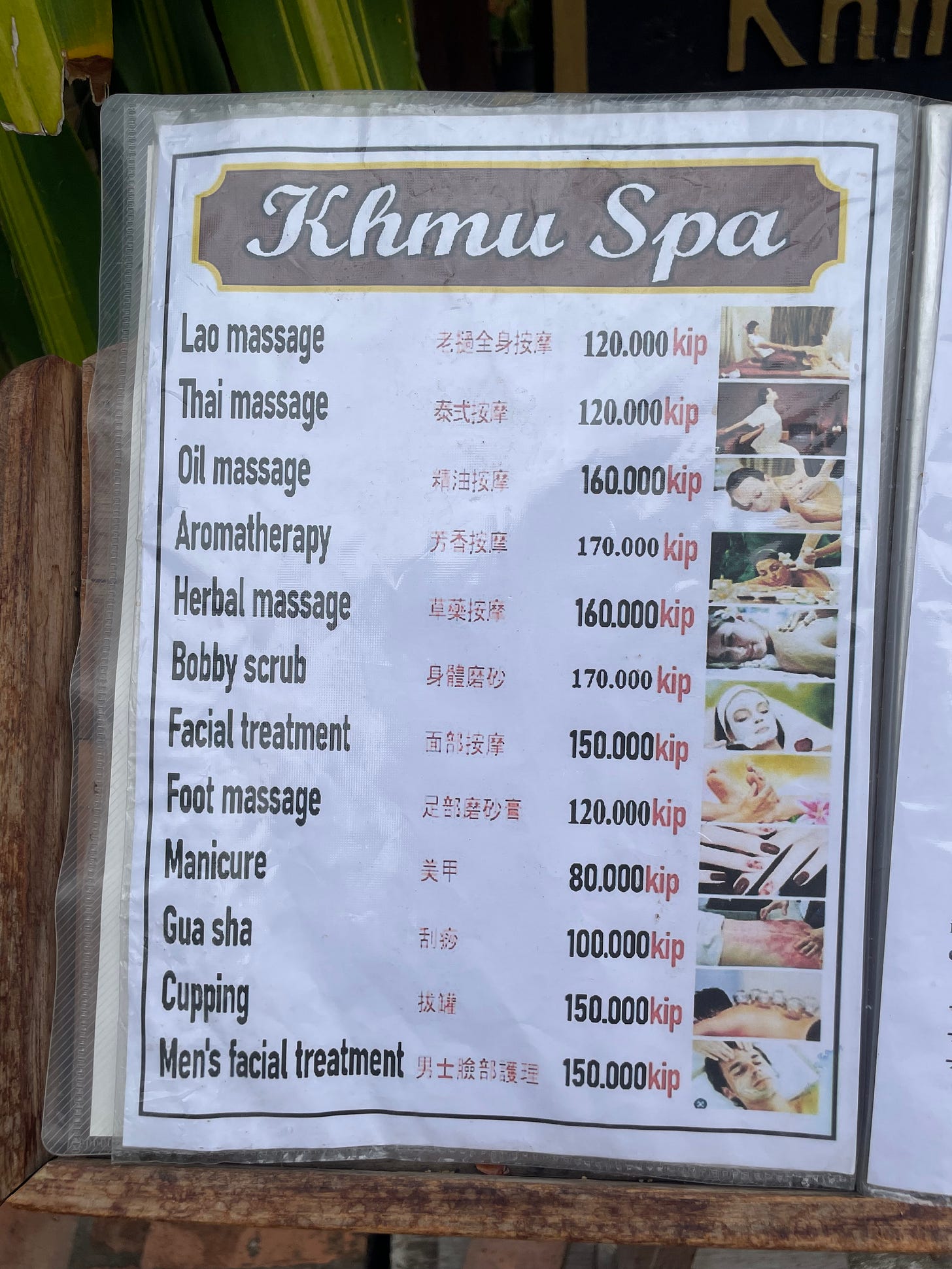
    • KHMU Spa – More central. I had a decent massage here, and there’s a little heritage house next door worth popping into

    Prices range from £8-15.

    Yoga

    I tried two studios:

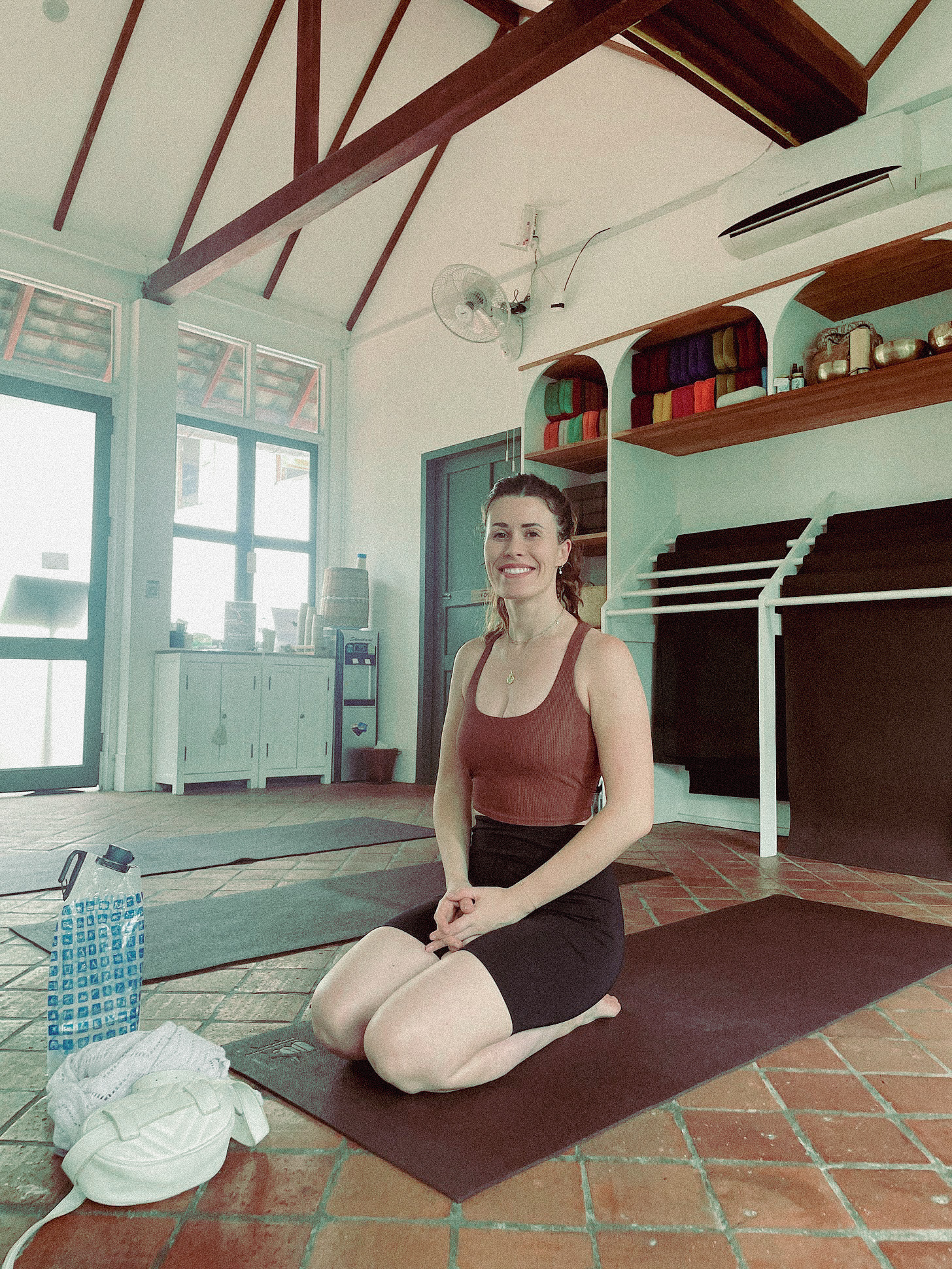
    • Yoga Grasshopper Yoga
    • Luang Prabang Yoga

    Both felt modern, and were run by Europeans. They had full schedules, with cafés attached and regular events so I imagine it would be a nice place to make friends.

    Nightlife

    There’s not much of a clubbing vibe in Luang Prabang, but the cocktail bars are genuinely lovely. I went for drinks with a friend at Sisavangvong Road, which is perfect for a chilled evening and felt like a classy ‘strip’.

    If you’re backpacking, there’s also a weirdly famous bowling alley that everyone goes to at night. It sounds odd, but it was actually pretty fun and a nice change from the basic backpacker bars.

    Final Thoughts

    I wouldn’t say Luang Prabang is unmissable; but if you have the time and leisure, you won’t regret adding it to your itinerary – especially if you’re travelling from North to South Laos (or vice versa).

    Prepare for a few days of good coffee, pampering, peaceful (and modest) temples, and easy trips into some of the most beautiful scenery in Southeast Asia.

    It’s calm, welcoming, and – for me – was the perfect place to catch up on work and recover following the Gibbon Experience in Huay Xai. And did I mention the pastries?

  • My Singapore stopover

    Finding biophilic joy in Asia’s financial capital.

    When I arrived in Singapore, it was toward the end of a three-month stint as a digital nomad in Asia.

    My capacity for animated exploration was pretty low at this point in my journey, and – knowing it was Asia’s financial hub – the prospect of being back in a sea of skyscrapers felt draining.

    Fortunately though, the city is teeny-weeny – roughly 2.5 times smaller than Greater London.

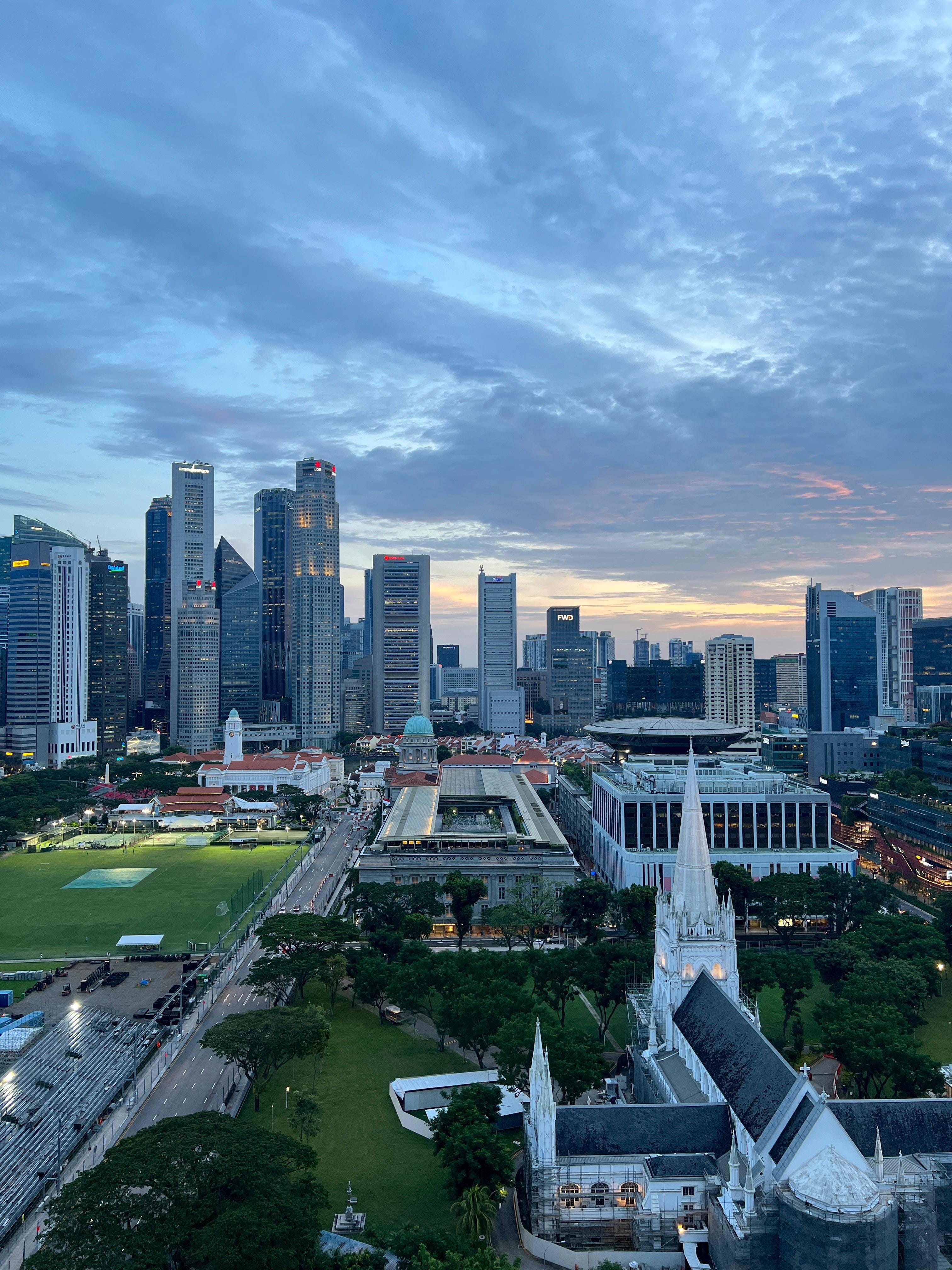
    As a result, I was able to cover a lot of ground within 48 hours. And it turns out there’s quite a bit more to this tiny island than first meets the eye.

    Here’s how I spent my time there.

    First of all – sleep. I flew in from Sydney, so it was a relatively short flight, arriving late at night. I decided to stay in an area called Kampong Glam, Singapore’s historic Malay–Muslim quarter (more on this shortly).

    After a good night’s kip, I spotted a sign for kaya toast. This is a traditional breakfast in the country, so I went to check it out.

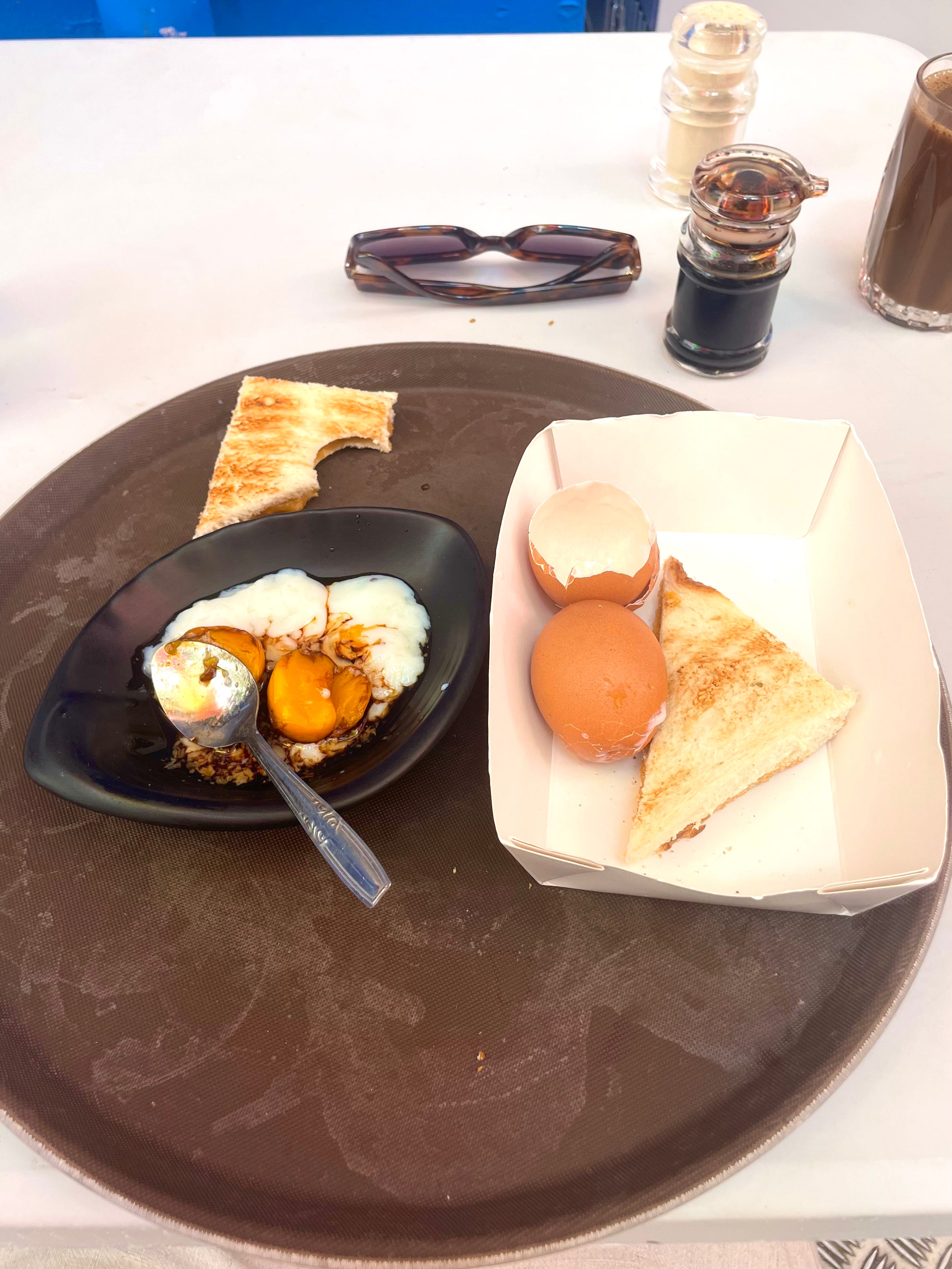
    Kaya toast – a traditional Singaporean breakfast – is usually set alongside runny, soft-boiled eggs and local coffee (kopi)

    It looks and tastes a bit like a peanut butter sandwich, but the filling is actually a sweet coconut–pandan jam (kaya). It’s served with soft-boiled eggs, soy sauce and pepper, alongside a strong coffee (kopi).

    I didn’t really know what I was doing, but a kindly stranger advised that you’re meant to dip the toast into the egg and sort of lap it up.

    I enjoyed it – but if you’re after more Western cuisine (which might be the case after a long trip away), there are plenty of cafés offering cooked breakfasts too. It’s a cosmopolitan city, at the end of the day.

    Next, I headed to the old town, to Kampong Glam. Even before you’ve done any Googling, you can tell this is the ‘cool bit’.

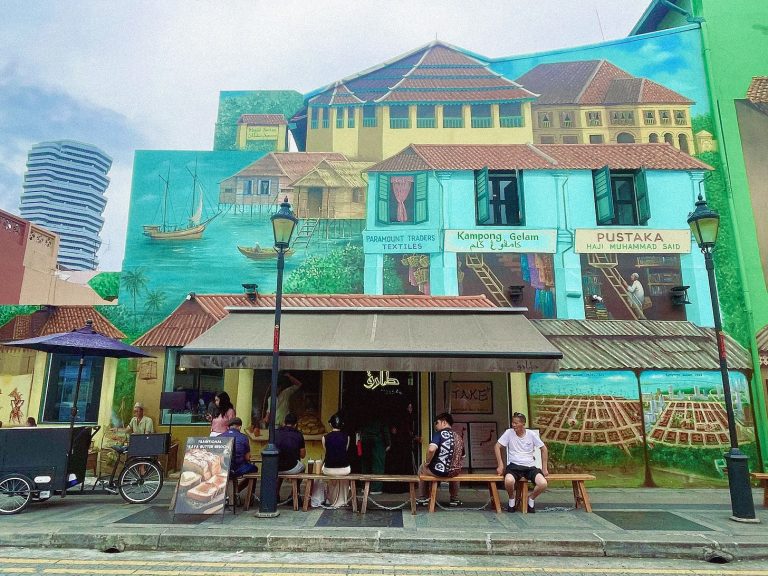
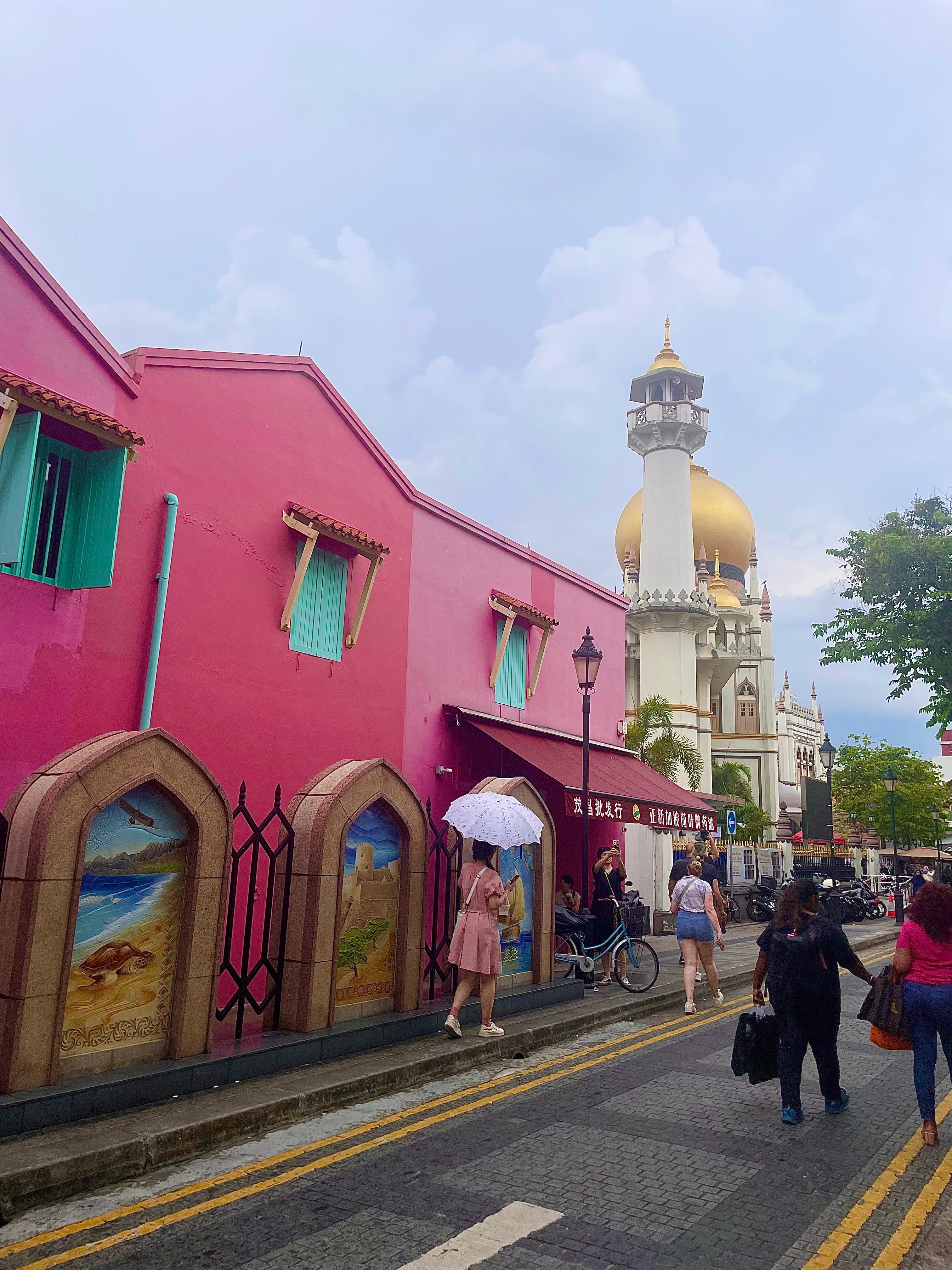
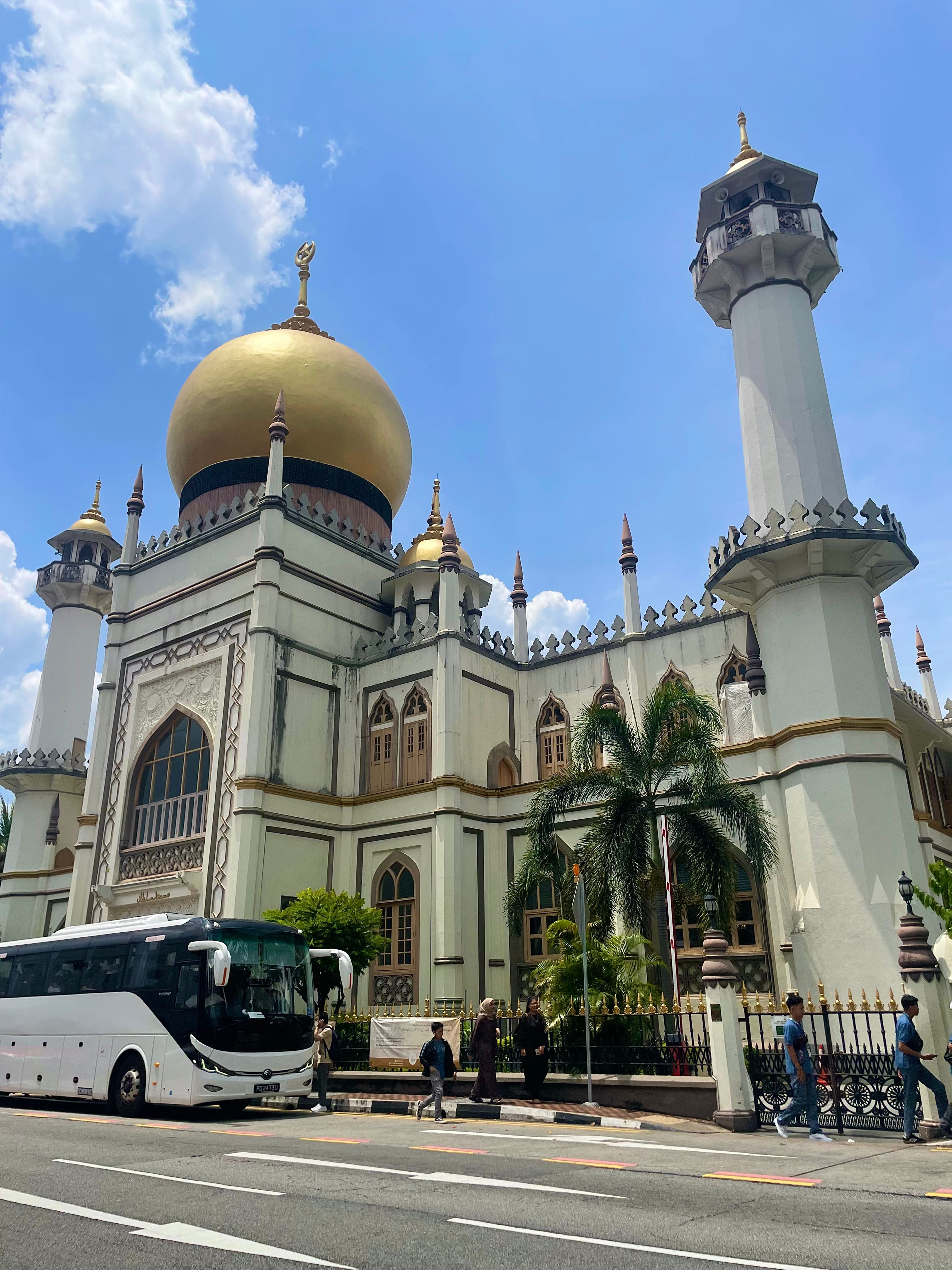
    Sights from Kampong Glam, Singapore’s Muslim Quarter – now a vibrant shopping and eating area

    Unlike the modern high-rises typical of the Singaporean skyline, this small cluster of streets is made up of shorter, squatter buildings packed closely together, many adorned with colourful street art.

    Walking around in the daytime, it was full of a mix of older and more modern cafés (including places like % Arabica, one of my favourites in Hackney), lots of cute shops, and the beautiful Sultan Mosque – the largest in Singapore.

    Kampong Glam is made for Instagram, so if you’re a talented photographer (unlike me), you’ll want to kill some time here like I did exploring the artwork, buying trinkets and hopping between cafés and ice-cream shops.

    By this point, it was pretty hot, and I needed some greenery.

    So, after seeking shade in a market, I took the train into the centre, and headed towards the Singapore Botanic Gardens.

    This park provides a welcome oasis from the chaos and closeness of the surrounding streets and buildings and – fun fact – are the first and only tropical botanic garden on UNESCO’s World Heritage List.

    I was able to pass some peaceful hours here watching otters and lizards, and stopping for lunch at the café.

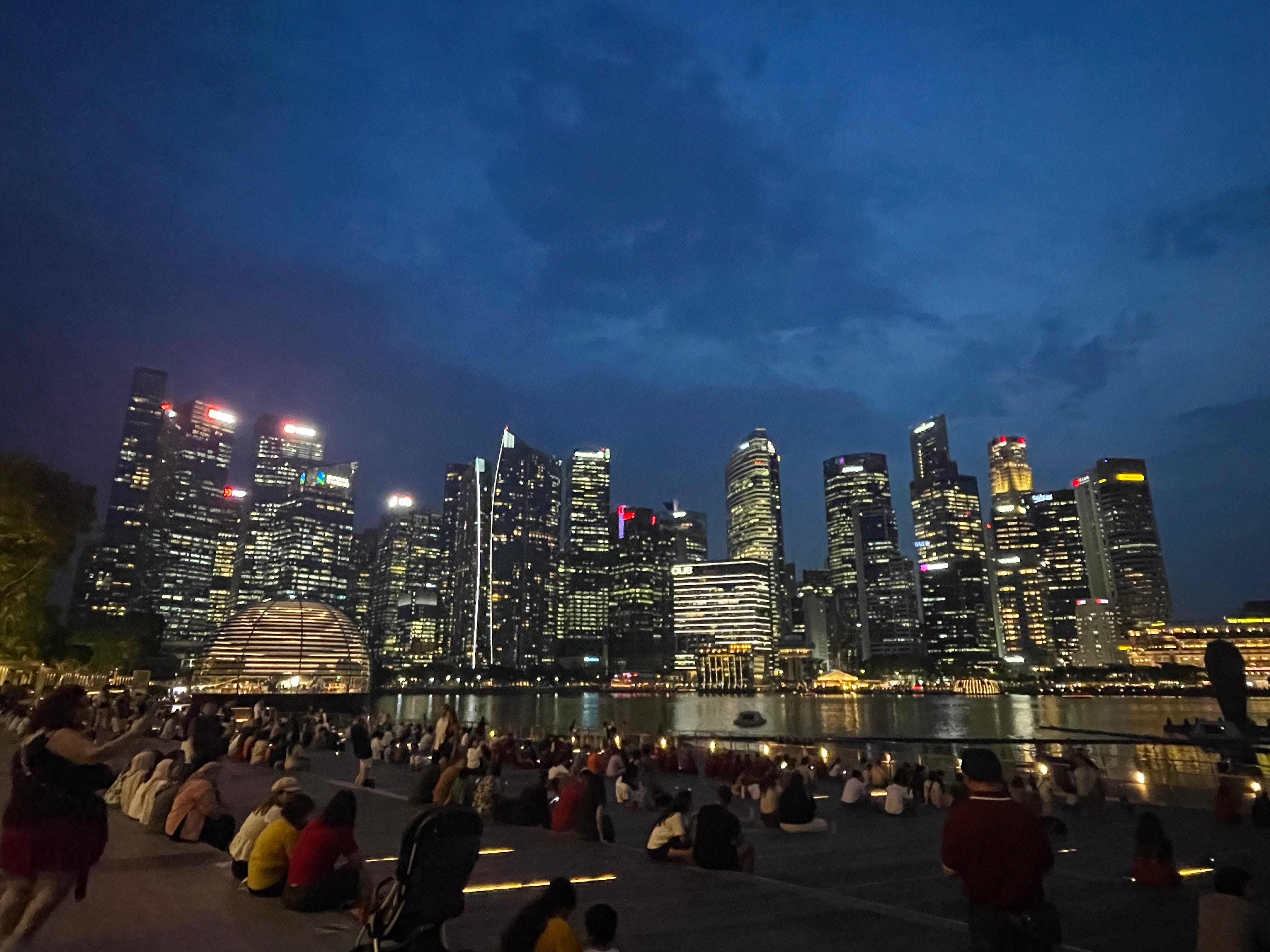
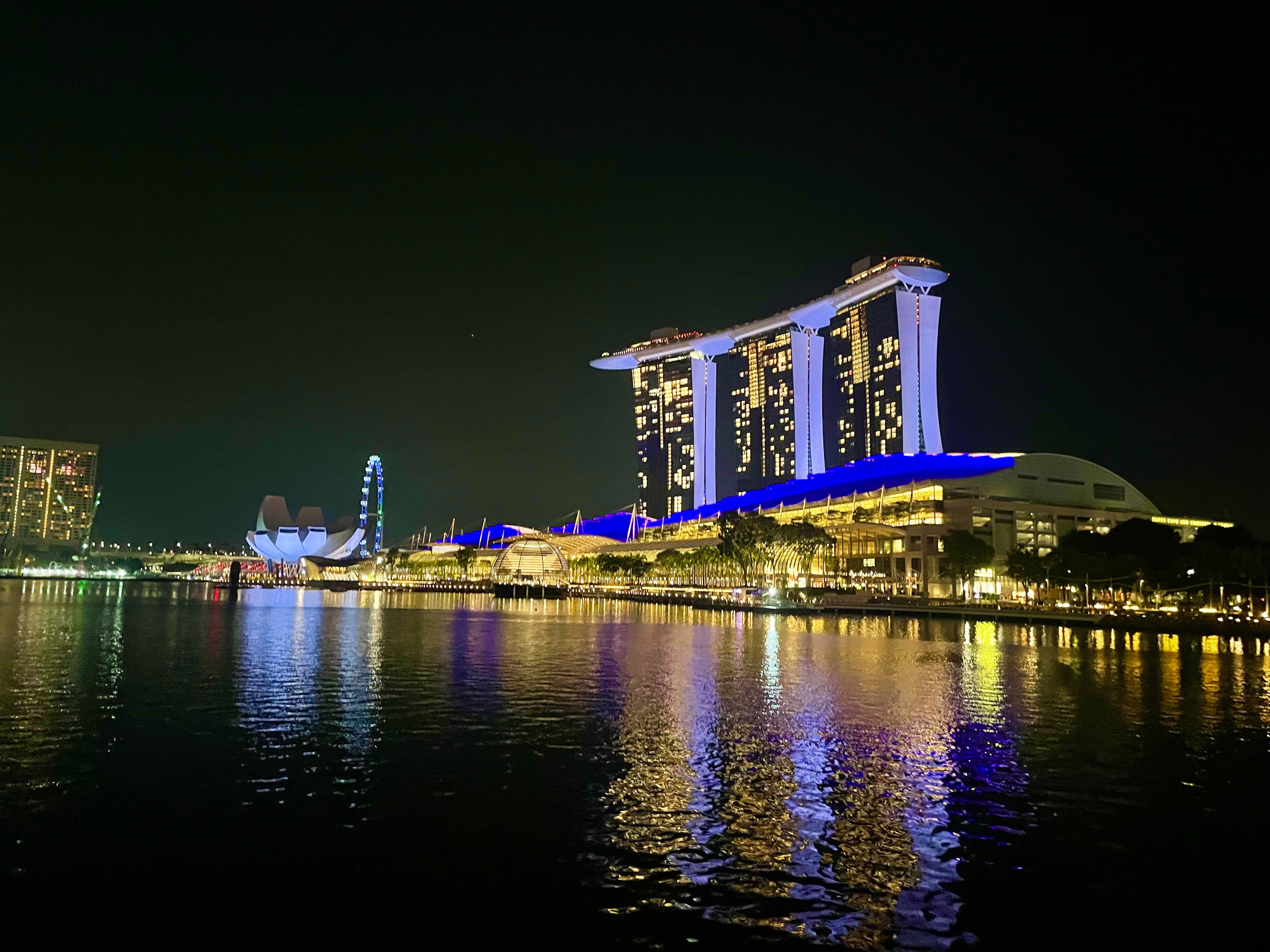
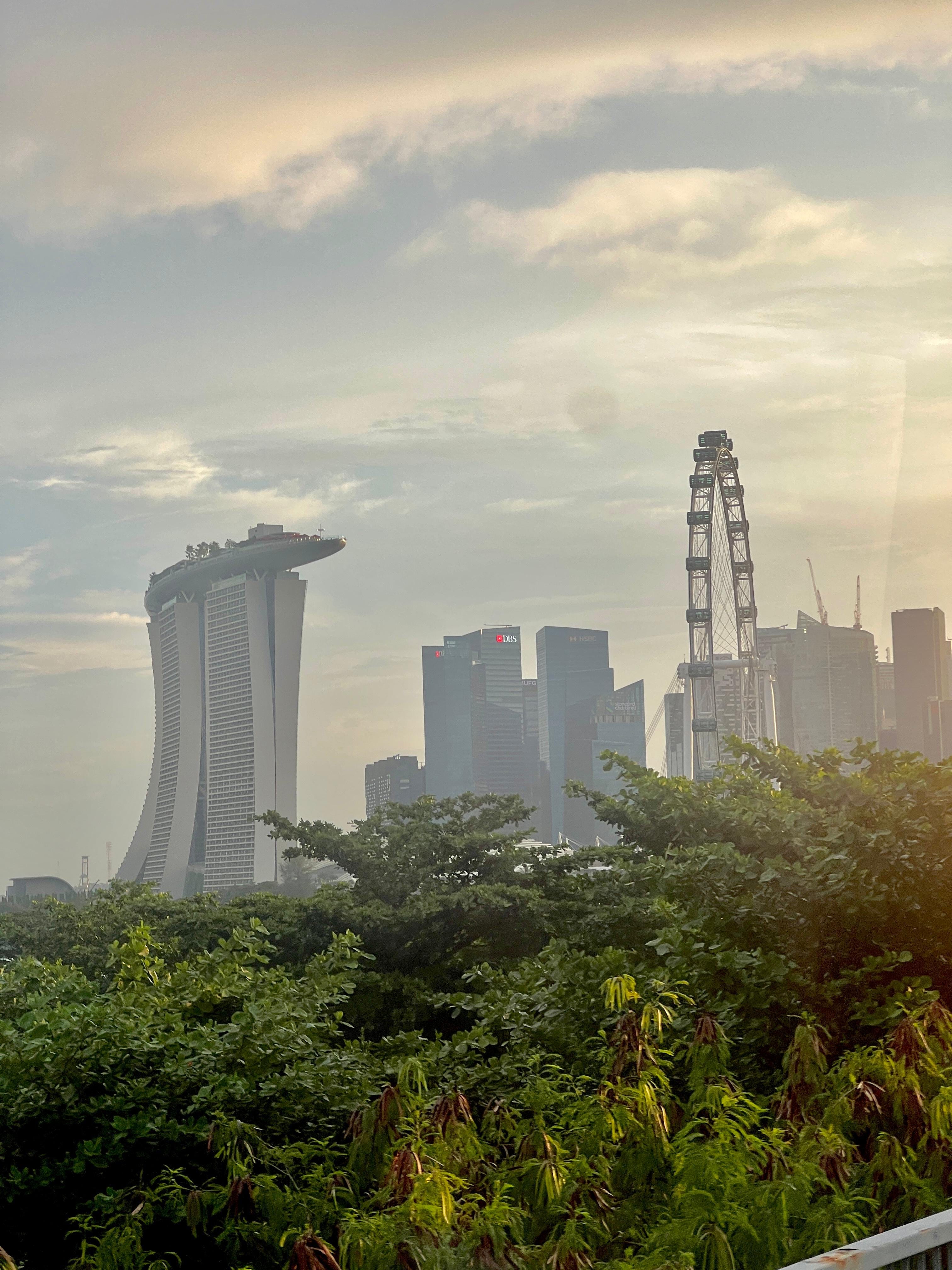
    Later, I swung by Marina Bay Sands for a hot chocolate and a seat by the water to watch the evening light and water show, Spectra.

    This runs at 8pm and 9pm (with later shows on weekends). It’s a fun watch, and worth sitting down to watch before wandering along the marina.

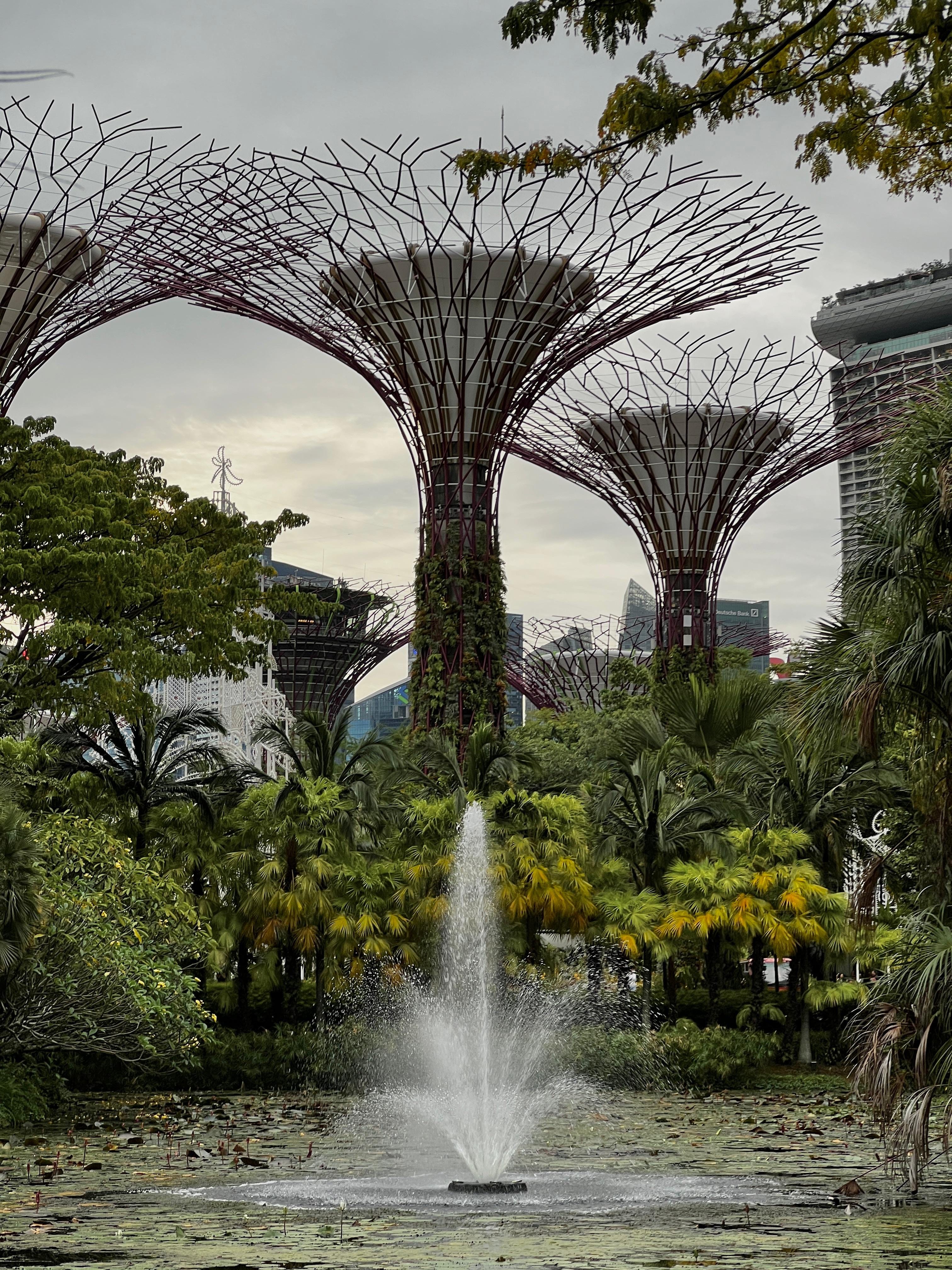
    If there’s time, you can also head next door to Gardens by the Bay for the Garden Rhapsody show at the Supertree Grove. If you’ve ever seen photos of Singapore, chances are you’ll have seen images of these huge illuminated tree-like structures. I’m a fool and missed it, but I hear it’s fantastic.

    Singapore is known for its iconic hotels, including Marina Bay Sands

    After the light show, I took a nice walk along the bay, and soaked up the buzz of the city, before grabbing a drink nearby and heading back to my hostel.

    And the final attraction was the – umm – airport!

    Somewhat unsurprisingly for a nation know for its stopover flights, Singapore airport itself is quite a spectacle.
    I had a midday flight the next day, so I arrived a couple of hours earlier than necessary and went to “Jewel Changi”.

    This is a kind of ‘lifestyle hub’ in the middle, that feels more like a futuristic indoor jungle than an airport.

    At its centre is the Rain Vortex – the world’s tallest indoor waterfall – surrounded by layered greenery and walkways.

    It’s a little over the top, but the cross between function and foliage is very characteristic of Singapore in general, and makes for a nice way to round up a visit to what was – unexpectedly for me – not just wall to wall buildings and people in suits.

    It’s quite possible that if you’re reading this blog from Singapore, you’re tired, jet-lagged, and dragging a big suitcase along, too.

    But try to not let jet lag stop you from heading out. There is more going on beneath the surface than it seems, and a day or two in the country is plenty.

    If you have the time, split your flight; dump your bag; and spend a few days letting this busy city show you what it’s made of.

    Gardens by the Bay, Singapore

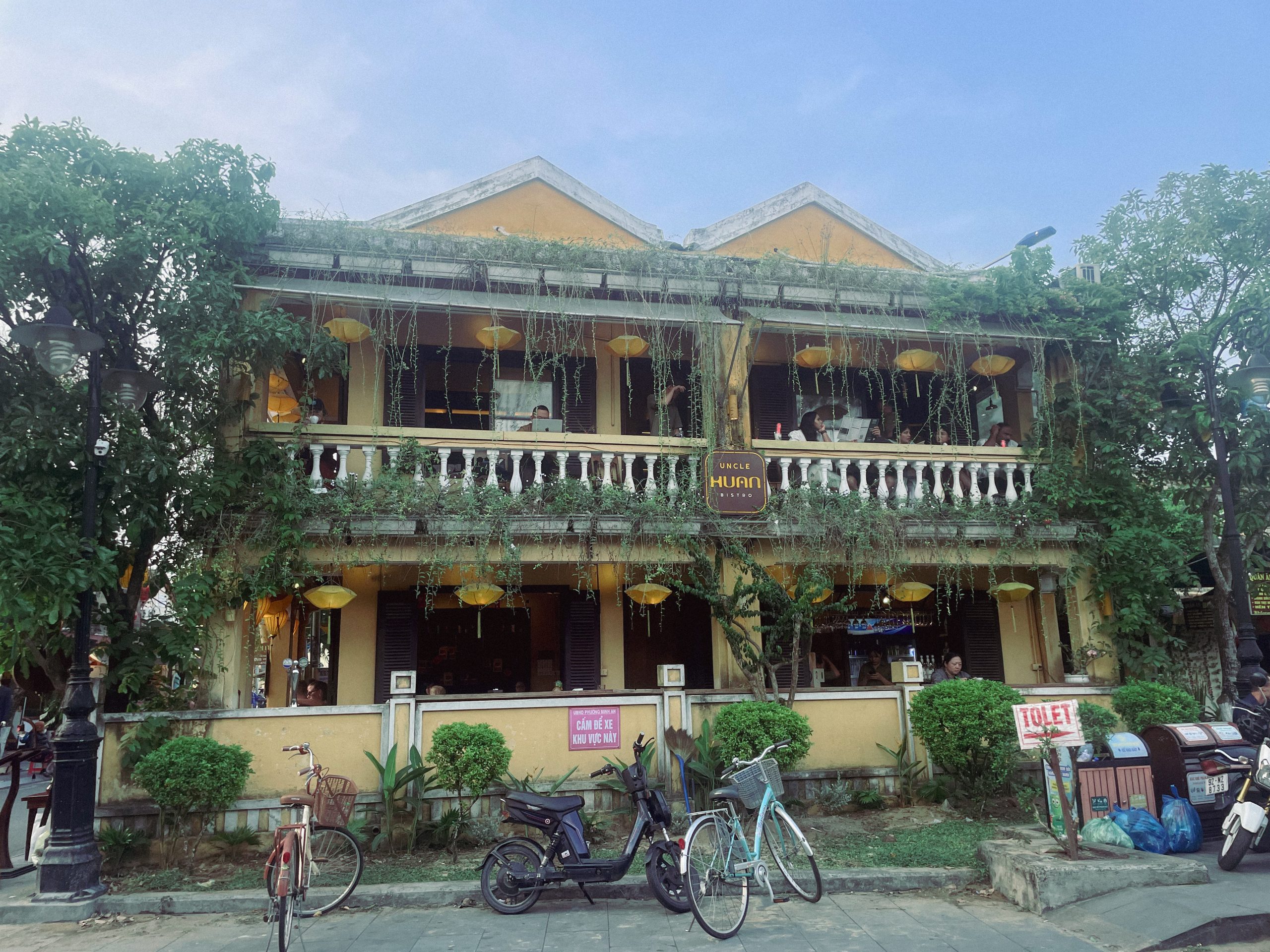
  • Hiding out in Hoi An, Vietnam: two months as a nomad in Asia 

    I finally take a spin on those coconut boats.

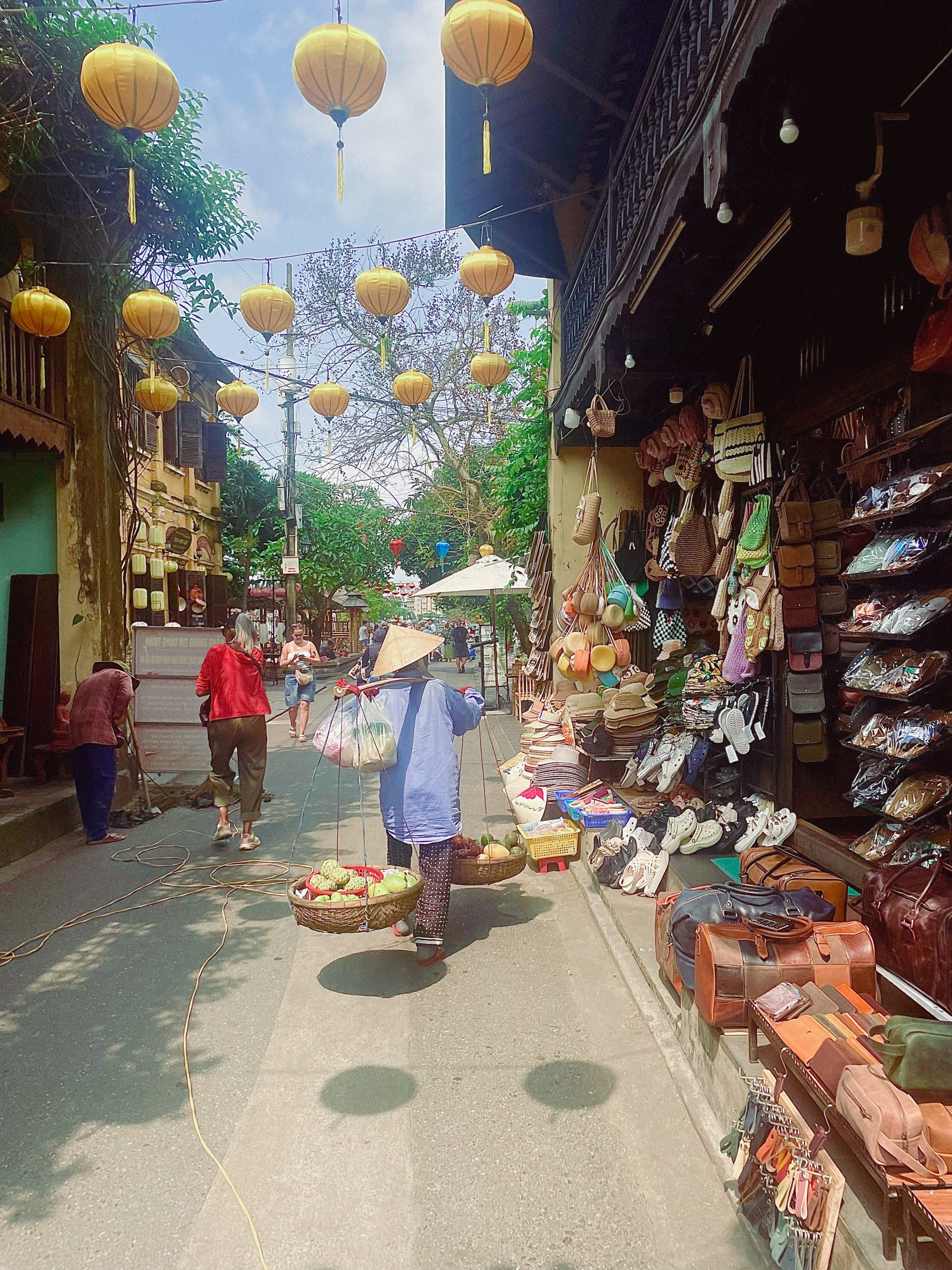
    After a whirlwind weekend in Ho Chi Minh City – my sixth week as a digital nomad in Asia – I took a short flight northward to the central coast of Vietnam. Having depleted my energy stocks in the capital, I was looking forward to some downtime in the cutesy, lantern-lit streets of Hội An.

    Sitting about halfway up the coast of Vietnam, this ancient coastal town is popular with tourists and, like any popular location, attracts mixed feedback from nomads. From people I spoke to, most tend to go to the nearby city of Da Nang because it’s right on the beach, a little more built up, and, I suspect, offers more to people wanting to build a life out here.
    Luckily though, I wasn’t planning on sticking around for long, so I could lean into being a tourist a bit. Everyone has a different goal when travelling, and the whole point of my trip was to take me out of my city comfort zone, dip my toe into nomad life, and take advantage of freelancing by seeing some of the places in the world I’d always wanted to. If that’s something you’re also considering, take a read of this blog where I talk about why I left London in early 2025.
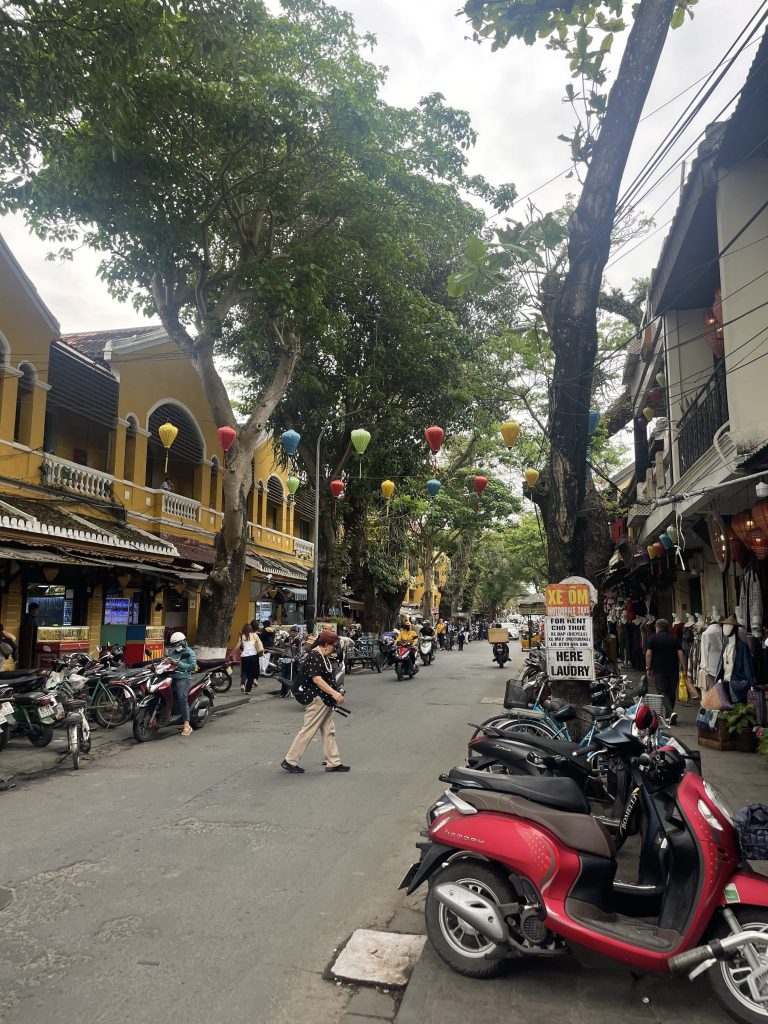
    Where I stayed

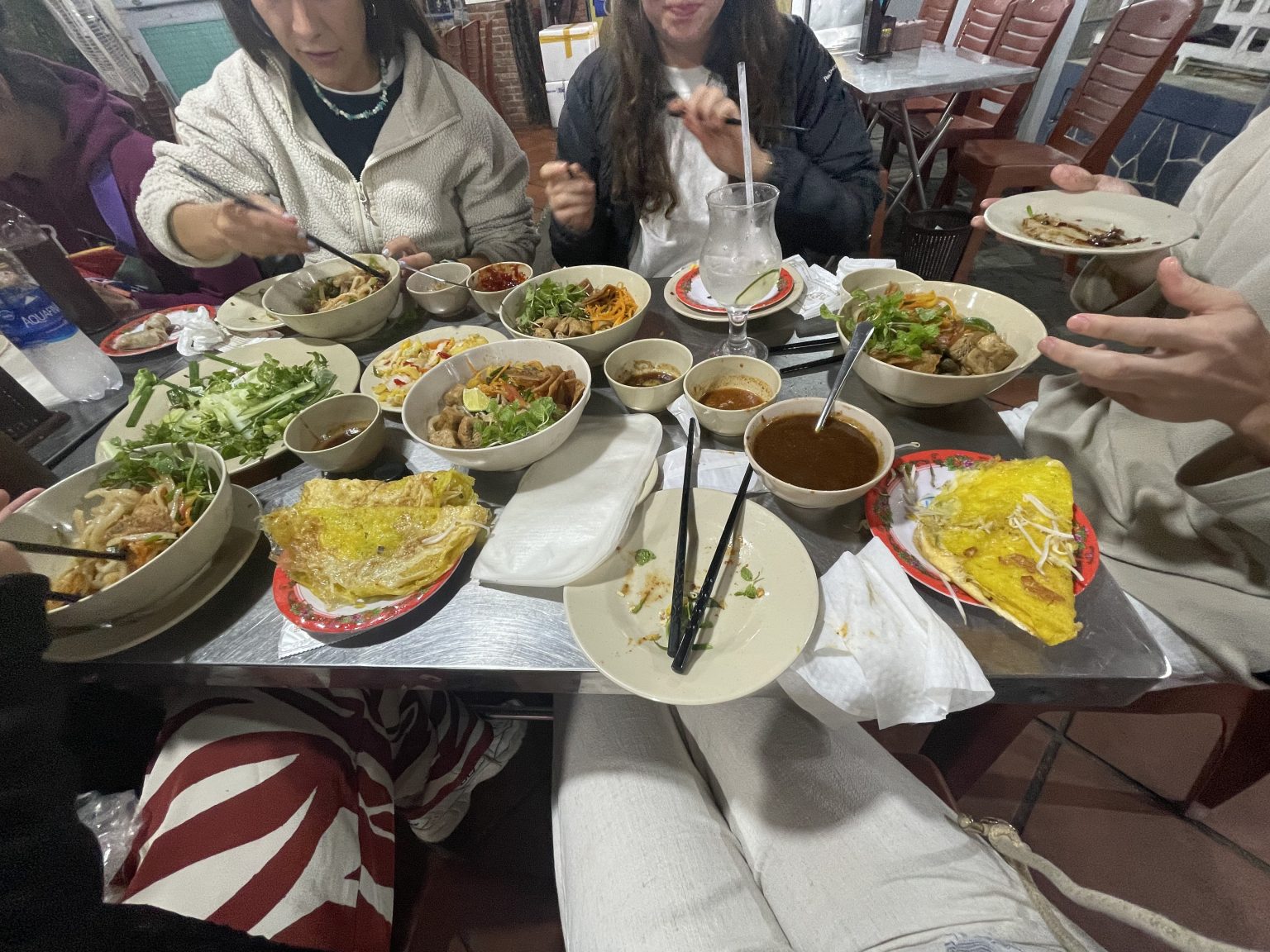
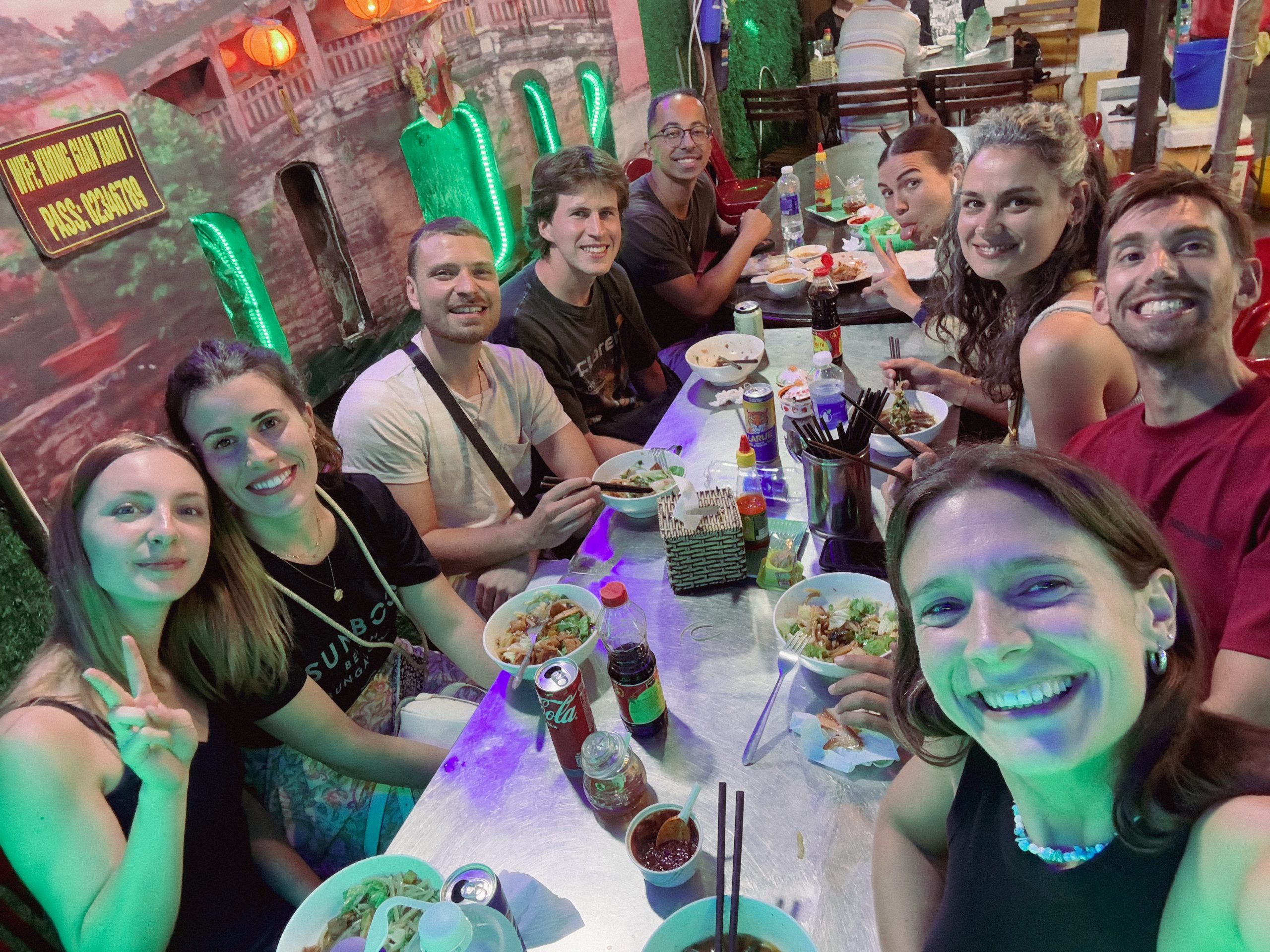
    Wanting to be with other travellers, I booked a dorm bed at the adorable Saclo Hostel, where I met the loveliest bunch of people. Like most hostels I stayed at during my trip, it played host to a mix of travellers and nomads in their twenties and thirties.

    We ended up doing ‘family dinners’, nights out, language lessons, co-working sessions, and simply roaming around the city together, with the help of our excellent host. There was something very restorative about falling into temporary routines with strangers after the intensity of Ho Chi Minh City, especially as I’d had such a brilliant time with the Koh Rong gang.

    If you’re travelling alone (and are a bit older), I’d avoid the big-brand hostels and search for smaller ones offering activities, because it often results in a much better experience.

    Is there a nomad scene?

    As to whether there is a “nomad scene”, it’s hard to say because I wasn’t there long, but like I said – it’s common for remote workers in this part of the world to split their time between Chiang Mai and Da Nang, which is very close to Hoi An, so there will be some crossover.

    Luckily I had met some of them in Chiang Mai, which meant I had some connections locally, and I took a day trip to Da Nang waterfalls with a group of people living in a newly opened co-living space.

    There’s clearly some long-time nomads in Asia making a special effort behind the scenes to create a sense of community for remotees, which I really admire. It’s difficult moving abroad, so if this is something you plan to do, make an effort to search for those people – whether it’s via flyers, reddit, or chats over coffee – and get networking!

    Cafés, co-working and coconut coffees

    No matter if there’s a big scene or not, behind those lantern-lit fronts are a ton of modern bars, bistros, and cafés, which are perfect for people needing a bit of work downtime. There are loads of veggie and vegan spots too, some even built with yoga and co-working in mind. You really don’t need to pay for spenny yoga retreats when you’re in Asia – just do it yourself!

    For the authentic views – try Hub Hoi An

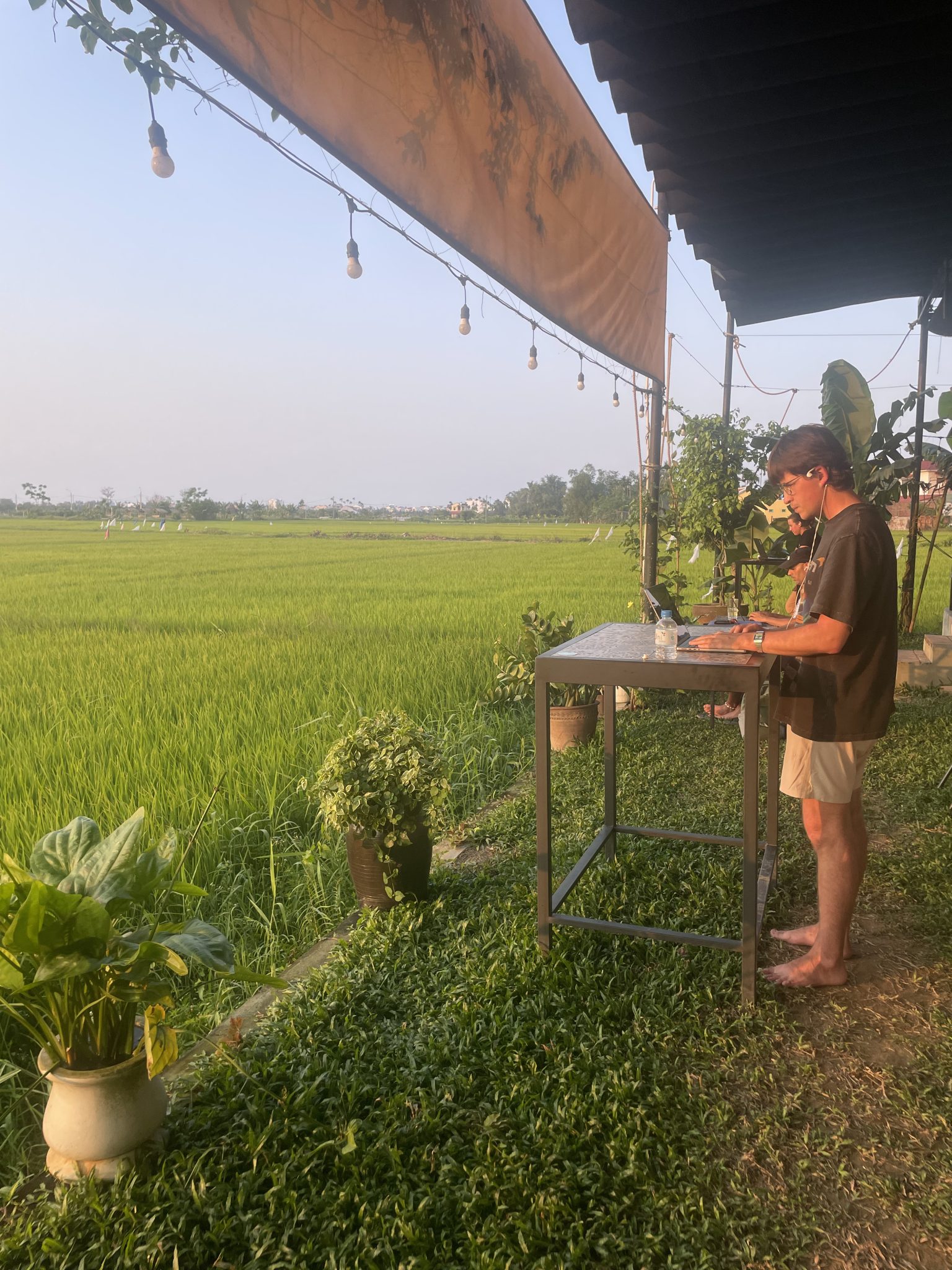
    Few things on social media are as wonderful in reality, but that can’t be said for Hub Hoi An. Set right in the middle of electric green rice paddy fields, it fosters an authentic, off-grid feeling whilst running like a proper co-working space, with all the facilities you’d need and community events to boot. I’d highly recommend coming here if you plan to stay for a while and want to make friends. Shout out to Matt for recommending it.

    For slow breakfasts and laptop hours – Nourish Eatery

    This place is fab for a big breakfast or brunch (think £4-5 for a hug meal). There’s a decent upstairs area for laptops and yoga during the week too (although it’s closed on Mondays).

    For escaping the hustle – The Inner Hoian

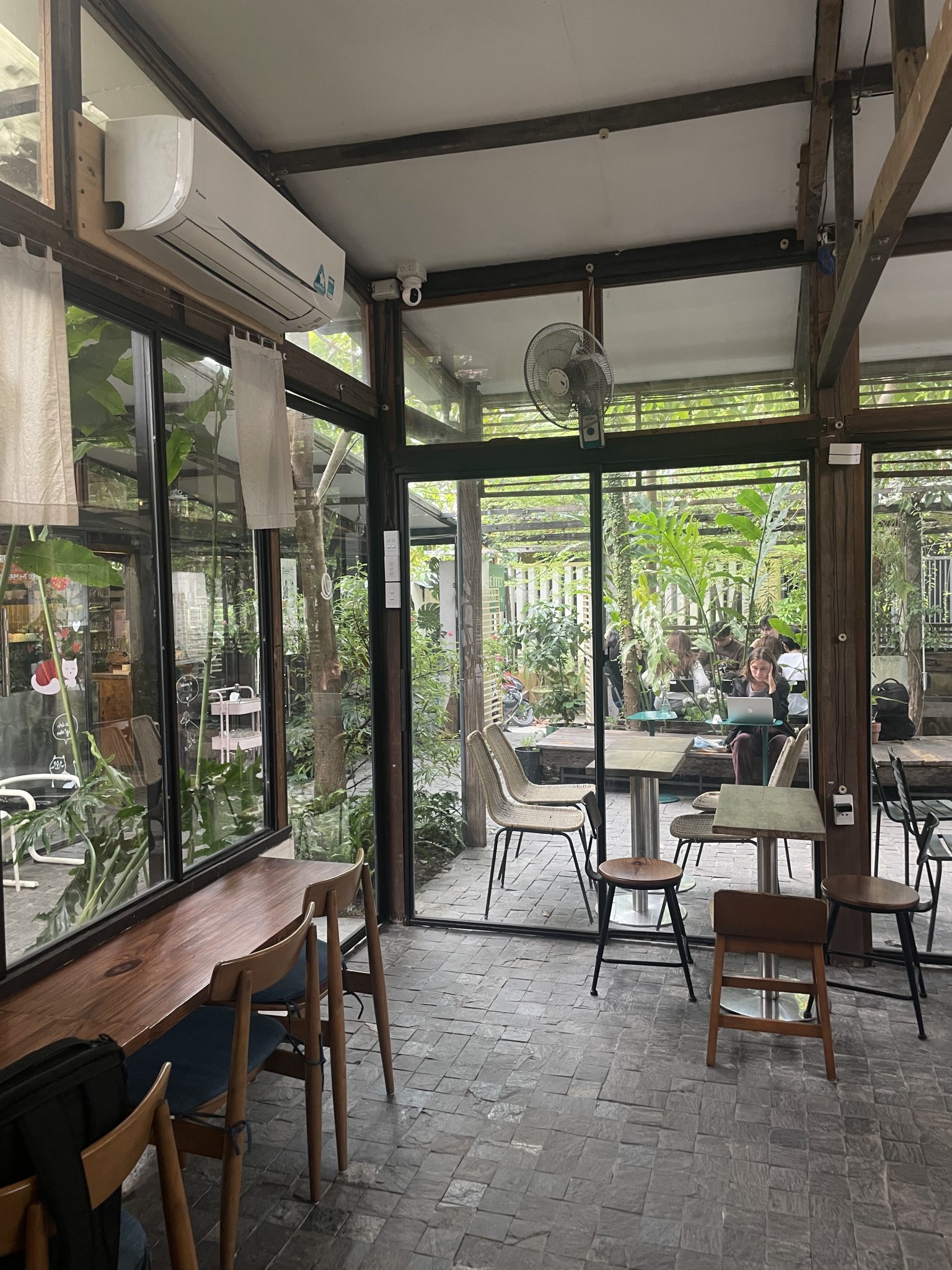
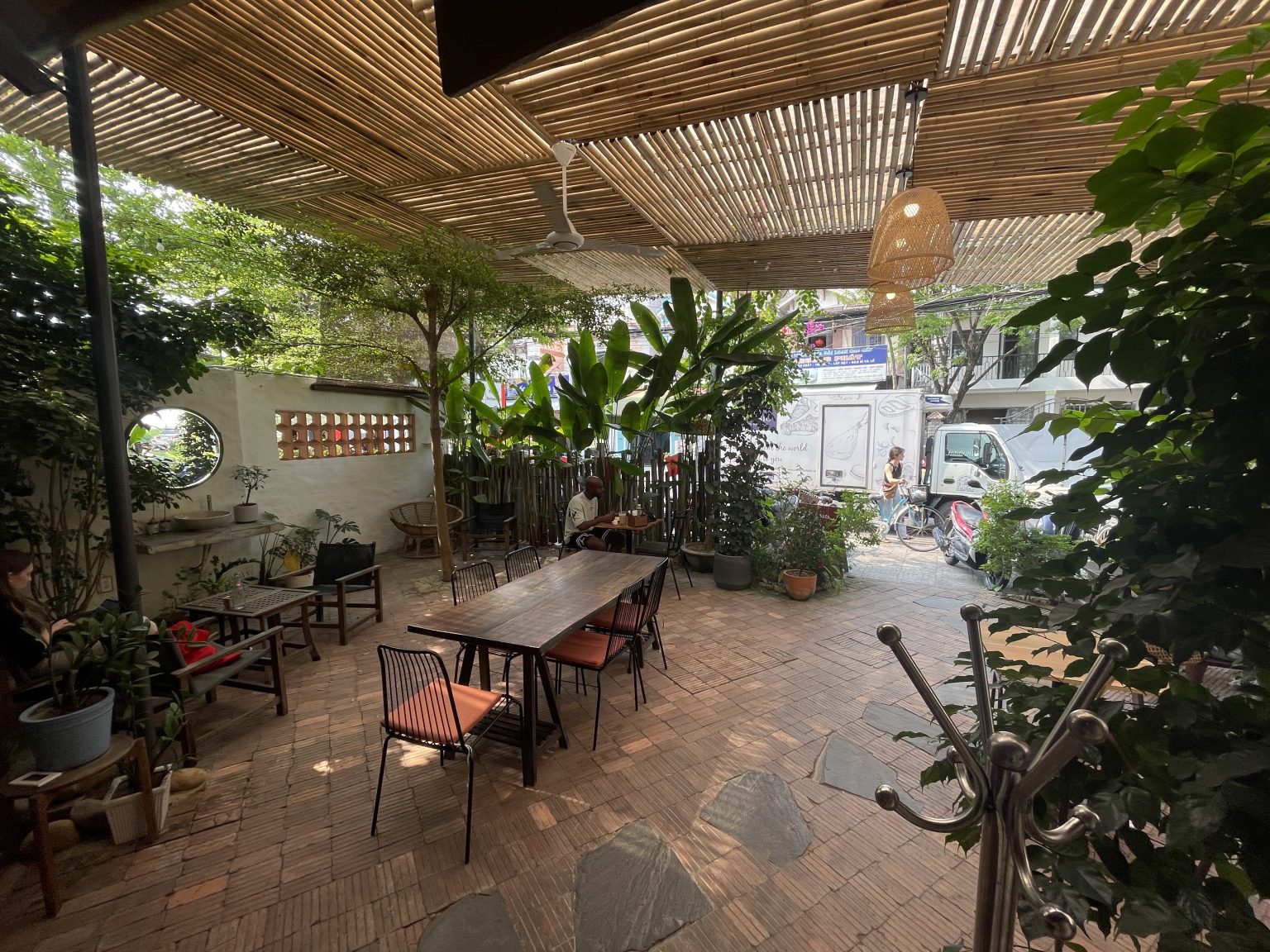
    Such a cute café, hidden down a side street and surrounded by lush greenery. It felt like the sort of place you accidentally spend three hours in without realising. Also has a very dangerous little gift shop if you’re a tote bag person. Very calming energy.

    Where everyone settles in for the afternoon – Goodeats Hoi An

    This spot is super relaxed and remote-work friendly, but I also noticed lots of families hanging out here too. One of those places where everyone seems to naturally settle in for the afternoon.

    For the best iced coffee – Hoian Roastery

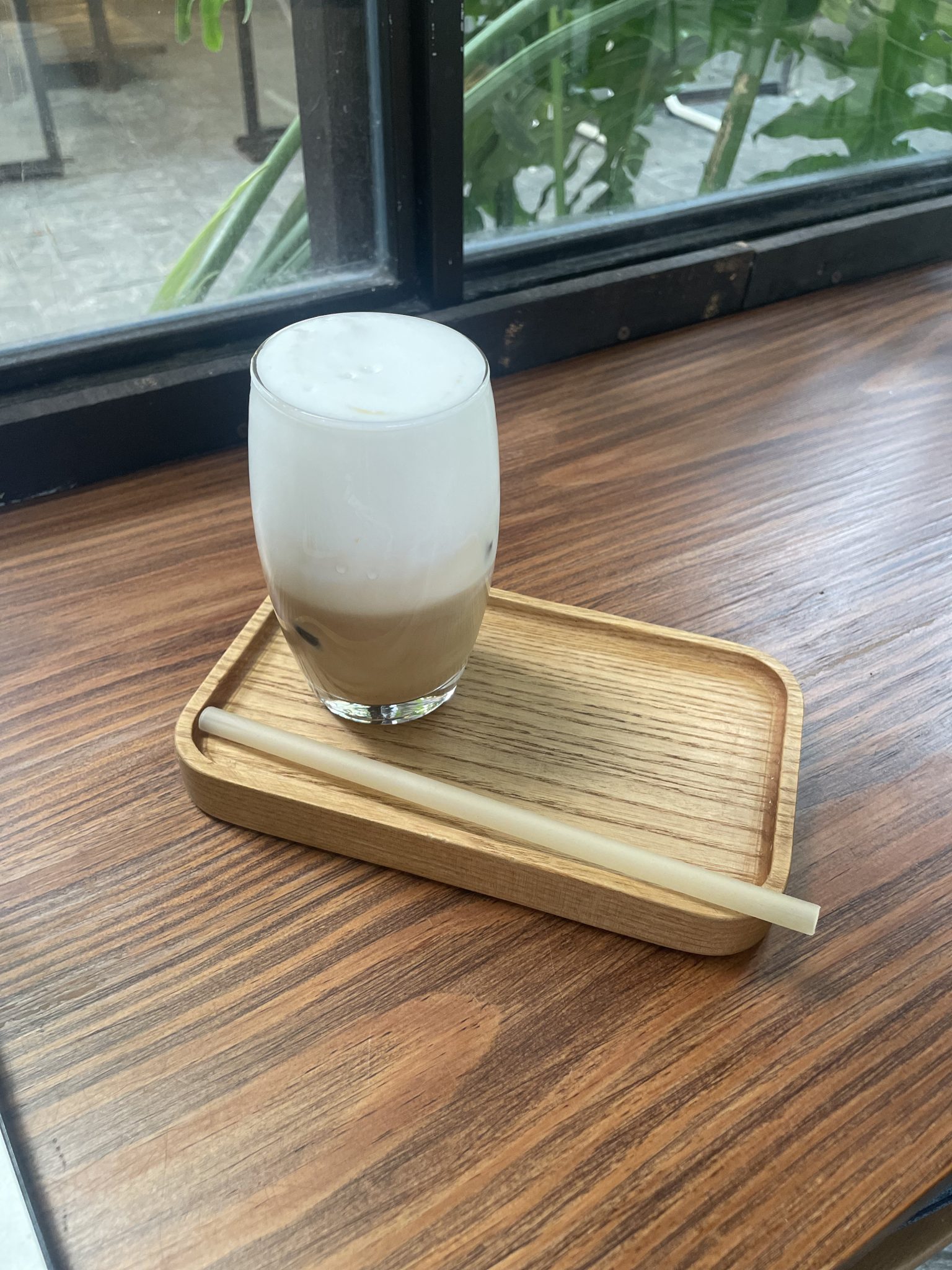
    Home to the best iced coconut coffee I had in Vietnam, and the most accommodating manager.

    Instagram reality check

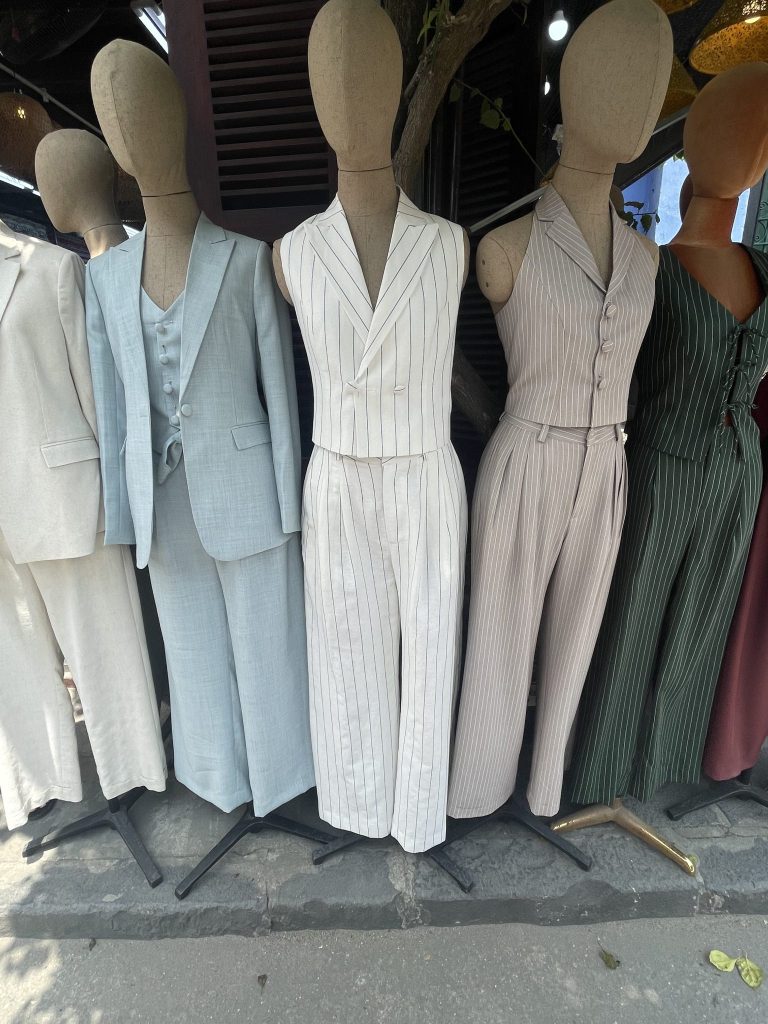
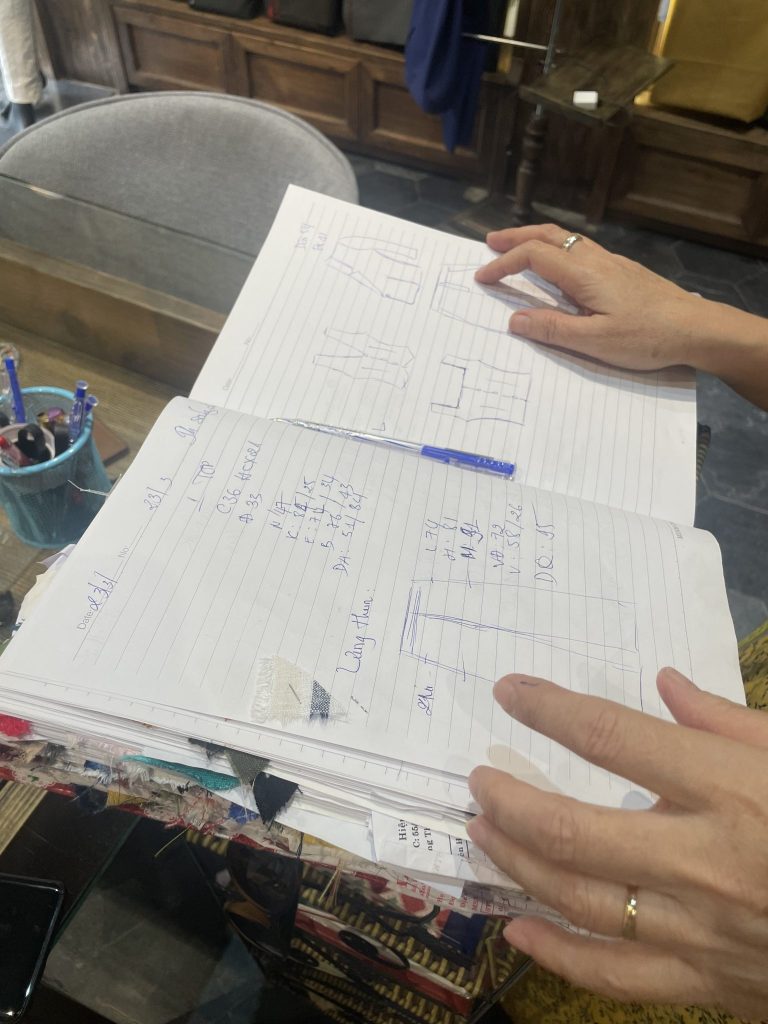
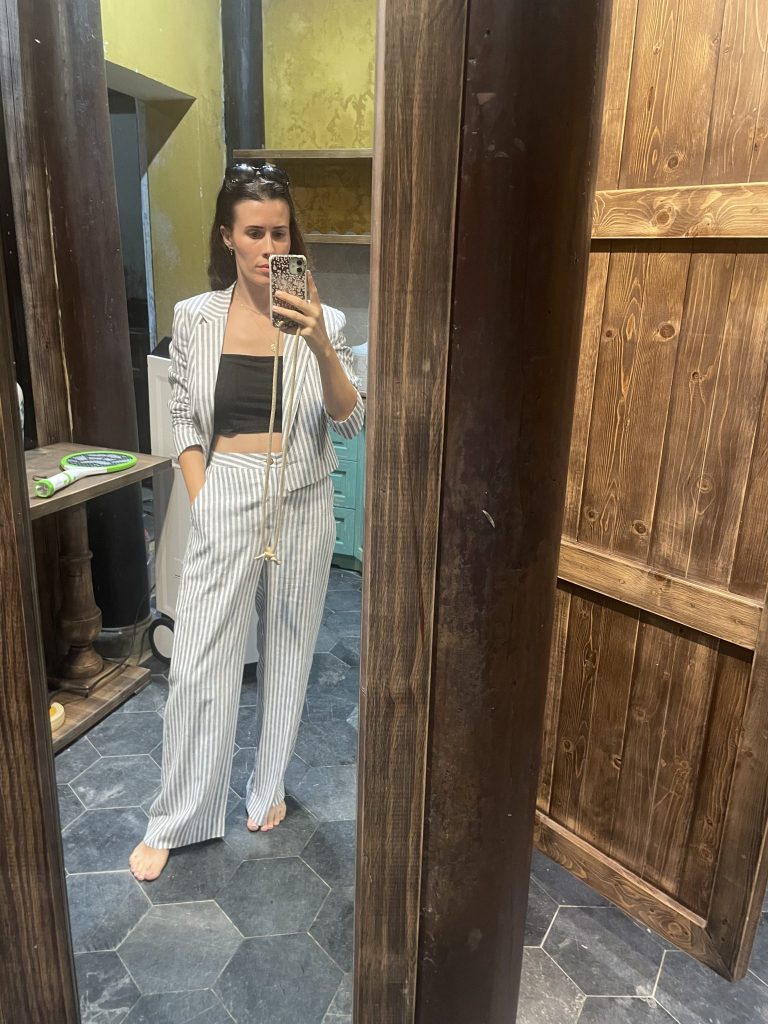
    Taking a bike through the paddy fields at sunrise, sampling cafés, and hunting for the best bánh mìs – this is the kind of thing that brings me joy. But like most spots in Asia, the town also offers the option of taking cooking classes, coffee-making workshops, visiting the nearby coast at Da Nang, or getting a dress or suit made (which I did do, although I’m yet to wear her).

    That said, like all places in Asia, it would be remiss of me not to do the old “Instagram v reality” wake-up call. Some fun, but slightly overrated, activities for me were:

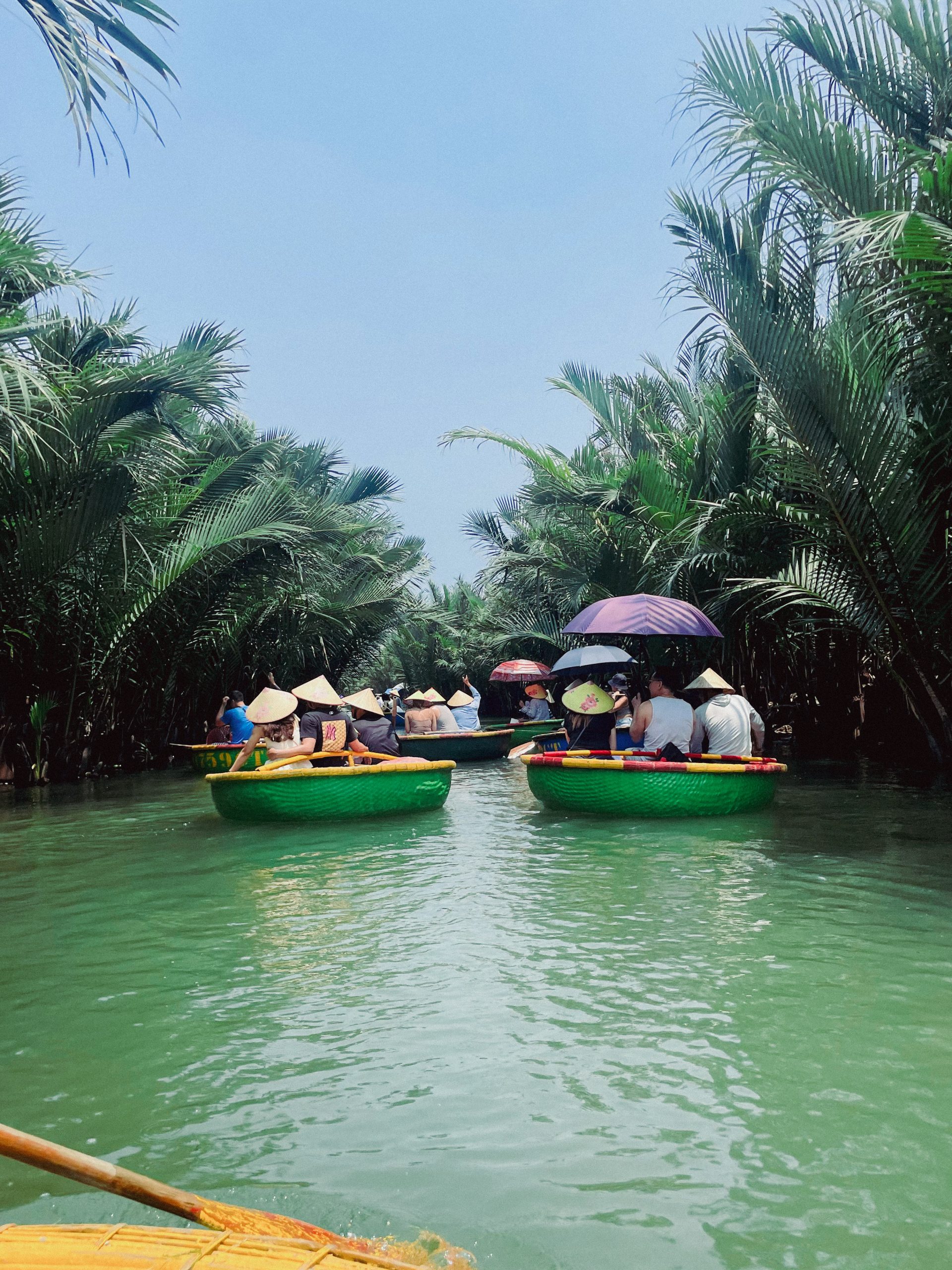
    The coconut boats

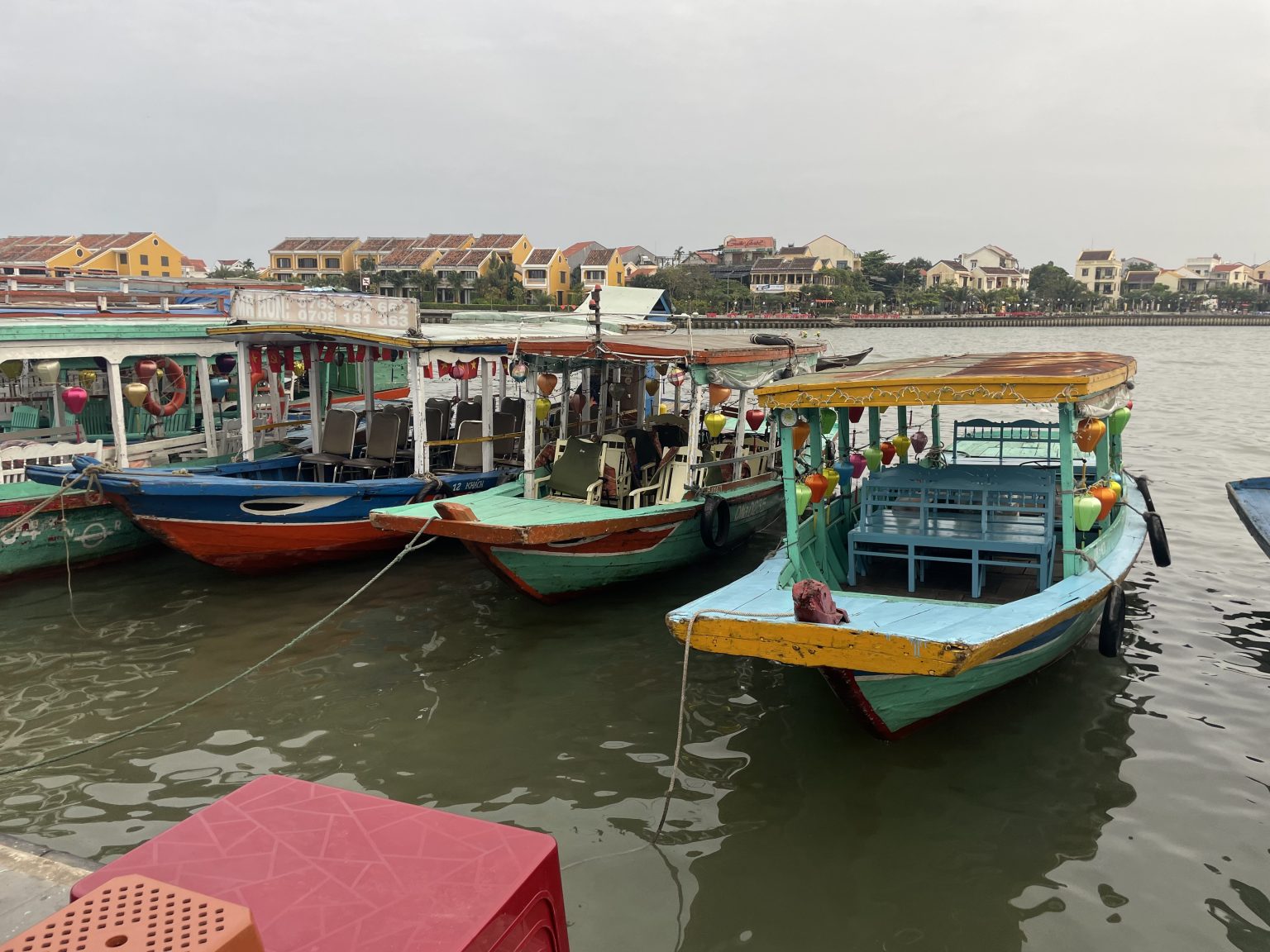
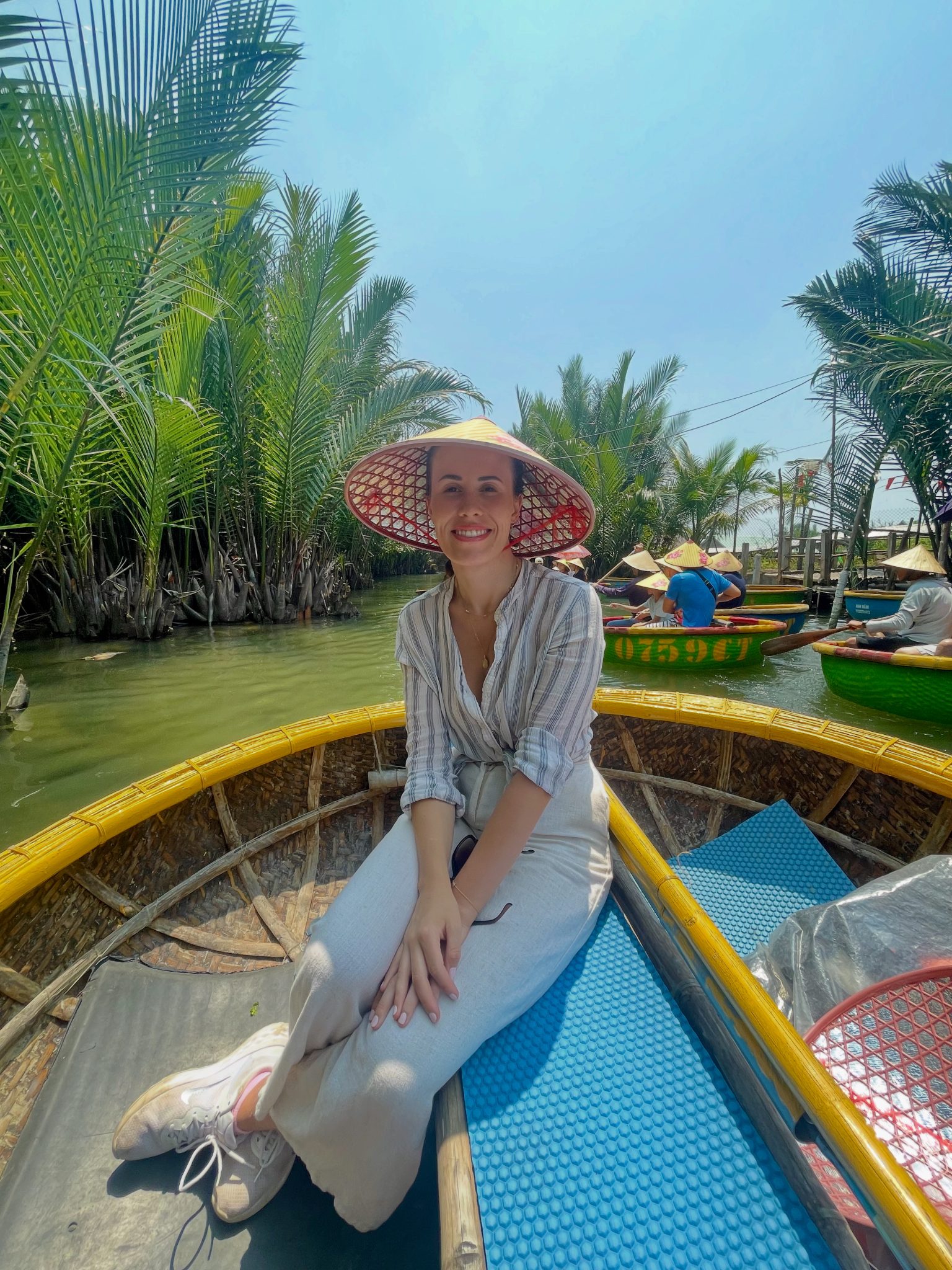
    I had a feeling they wouldn’t really be my thing, but I did them anyway because they’re so iconic. It’s cheap and only takes about an hour, but the whole thing does feel a bit tourist-trappy. You’re basically spun around while people sing and ask for tips. That said, the area itself is beautiful, and it’s nice to spend some time in such an important natural space.

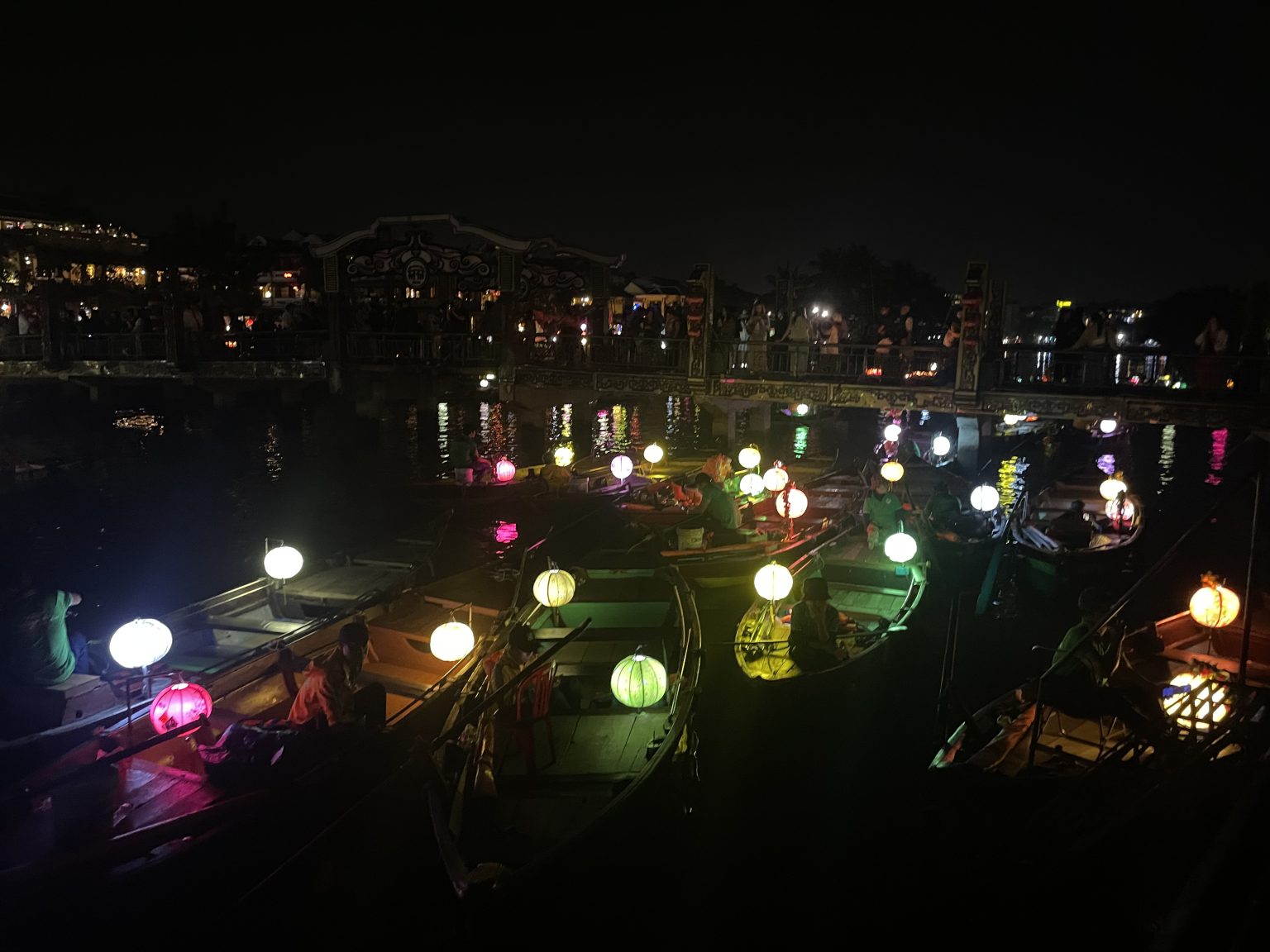
    The lantern parade

    The multicoloured canal boats are pretty enough to look at, that’s for sure. But this isn’t exactly the sweet, idyllic scene you see on TikTok. It was busy, loud, and a bit chaotic, being right by the strip with all the bars and nightlife.

    I also can’t help but feel that lighting lanterns is an unsustainable practice, which really put me off. Perhaps in future there can be a way to do this that is kinder for the waterways and surrounding environment, but until then, I’m unsure how I feel about it.

    Despite the slightly overrated tourist-grabbing activities – which is true for any location – I found Hoi An overall, to be as cute as a button, and ended up staying for a week (though three days is probably plenty if you’re a tourist or short on time). The chaos of Ho Chi Minh City felt miles away, replaced by the hum of scooters, the cluck of chickens, and the buzz of baristas whipping up coconut coffees.

    Heading there in mid-March felt like the perfect time, as we caught a slightly cooler weather window. After March and April, it gets really hot, then really rainy, before cooling down again in January and February. (Central Vietnam can also see flooding in the later months, so check conditions before you travel.) North Vietnam gets properly cold in the early part of the year too, so plan your trip with that in mind – and do not underestimate its weird weather!

  • Why nomads shouldn’t sleep on Siem Reap

    History meets modernity in this vibrant Cambodian city.

    I didn’t really know what to expect from Siem Reap when I booked a flight there in early March. Obviously I’d heard of Angkor Wat, but the city itself didn’t seem to be talked about much in digital nomad circles online.

    At this point, I had been travelling around Southeast Asia as a freelance remote worker for four weeks. Having just wasted five days throwing up in Vang Vieng in Laos (don’t go there), I was keen to find somewhere I could properly base myself for a bit, get some work done, and have at least one significant cultural experience.

    I ended up spending a week in Siem Reap, working lightly from abroad, pampering myself, sampling the nightlife and visiting the historic sites. I have to say I was really pleasantly surprised by it and could have stayed longer – here’s why.

    A vibrant urban jungle

    First of all, it feels nothing like Bangkok or Hanoi, both of which I found a little overstimulating.

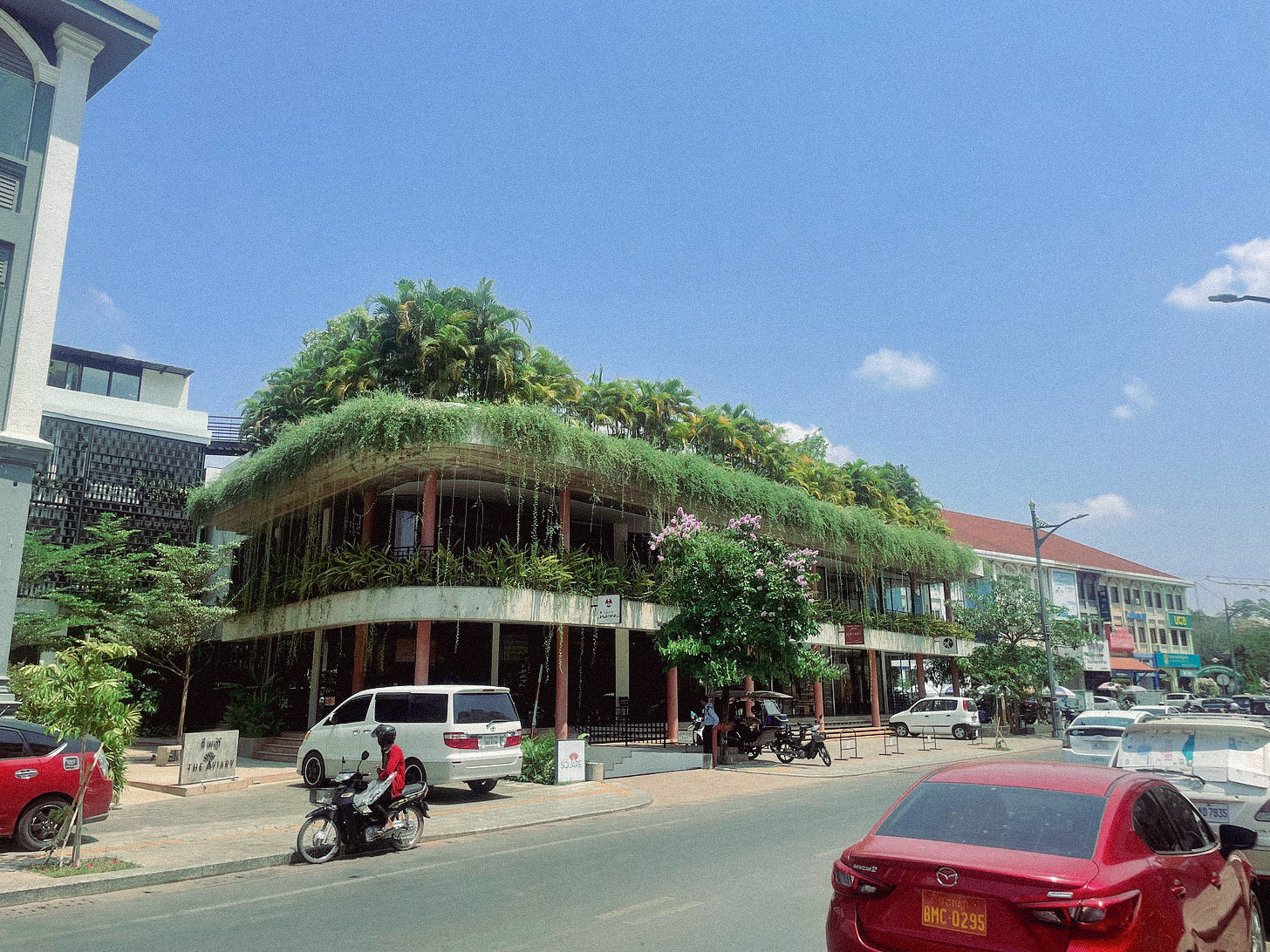
    Unlike Bangkok (where I started), the city is not full of high-rise buildings, and there seems to be a lot more space to roam around than there is in Hanoi – at least in the old French Quarter (in the centre). That’s partly due to a heritage rule that limits building heights, giving the city a less imposing, more town-like feel. In fact, it reminded me of a larger Luang Prabang (Laos).

    It’s also incredibly colourful. The first thing I did after leaving the airport was take an electric tuk-tuk into the city centre, about half an hour away. As we got closer, it seemed I was shaded by trees much of the time.

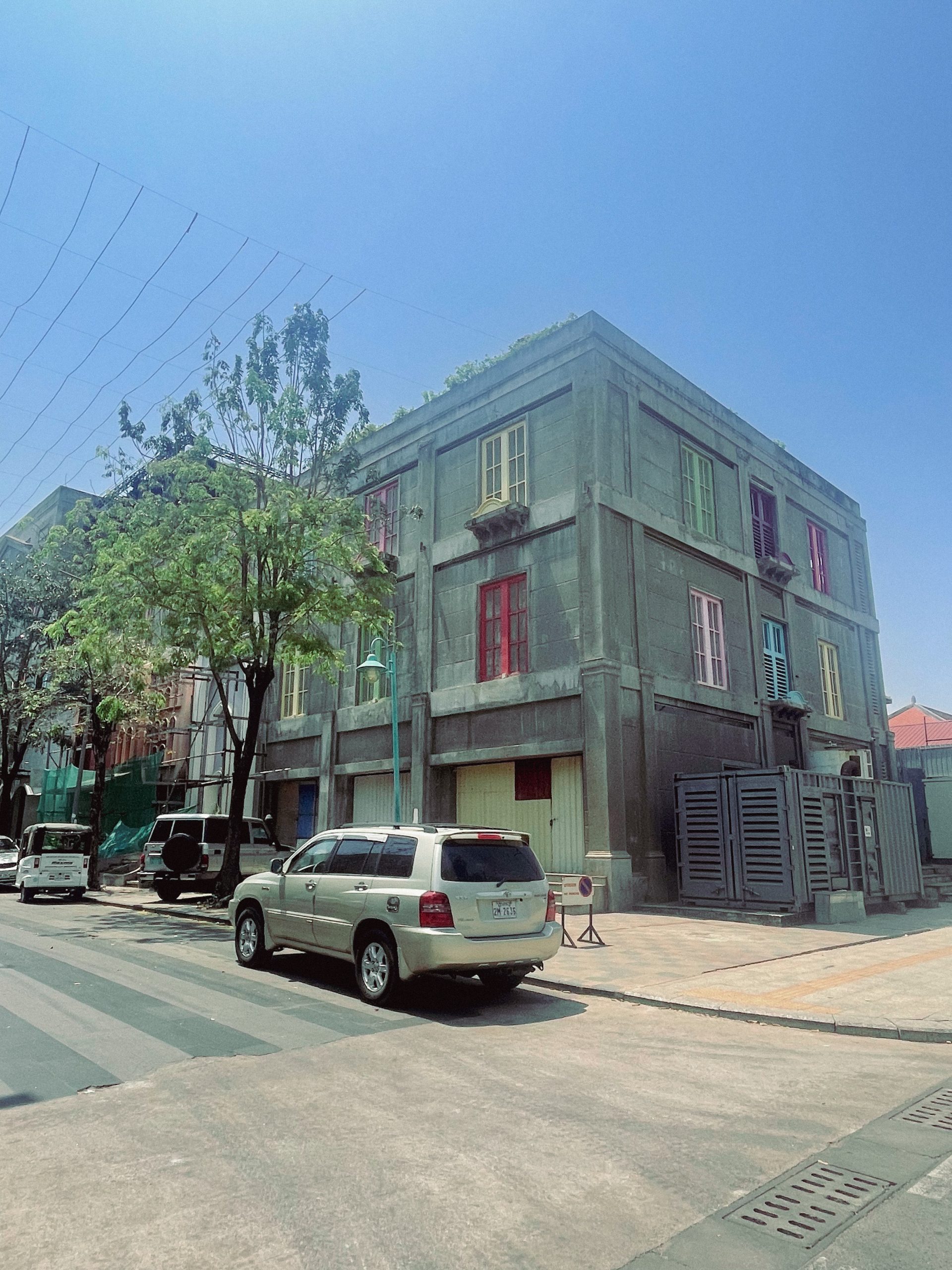
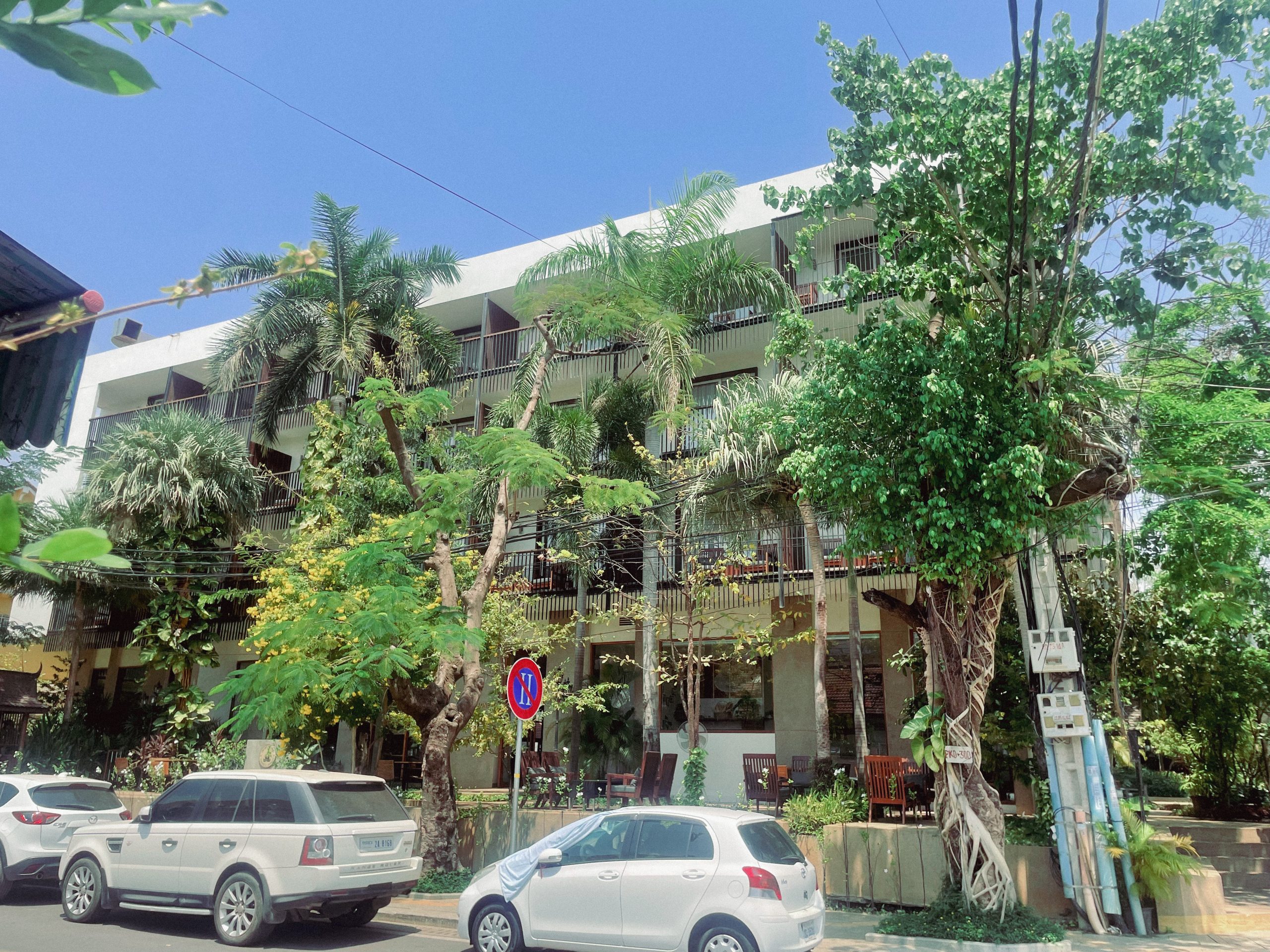
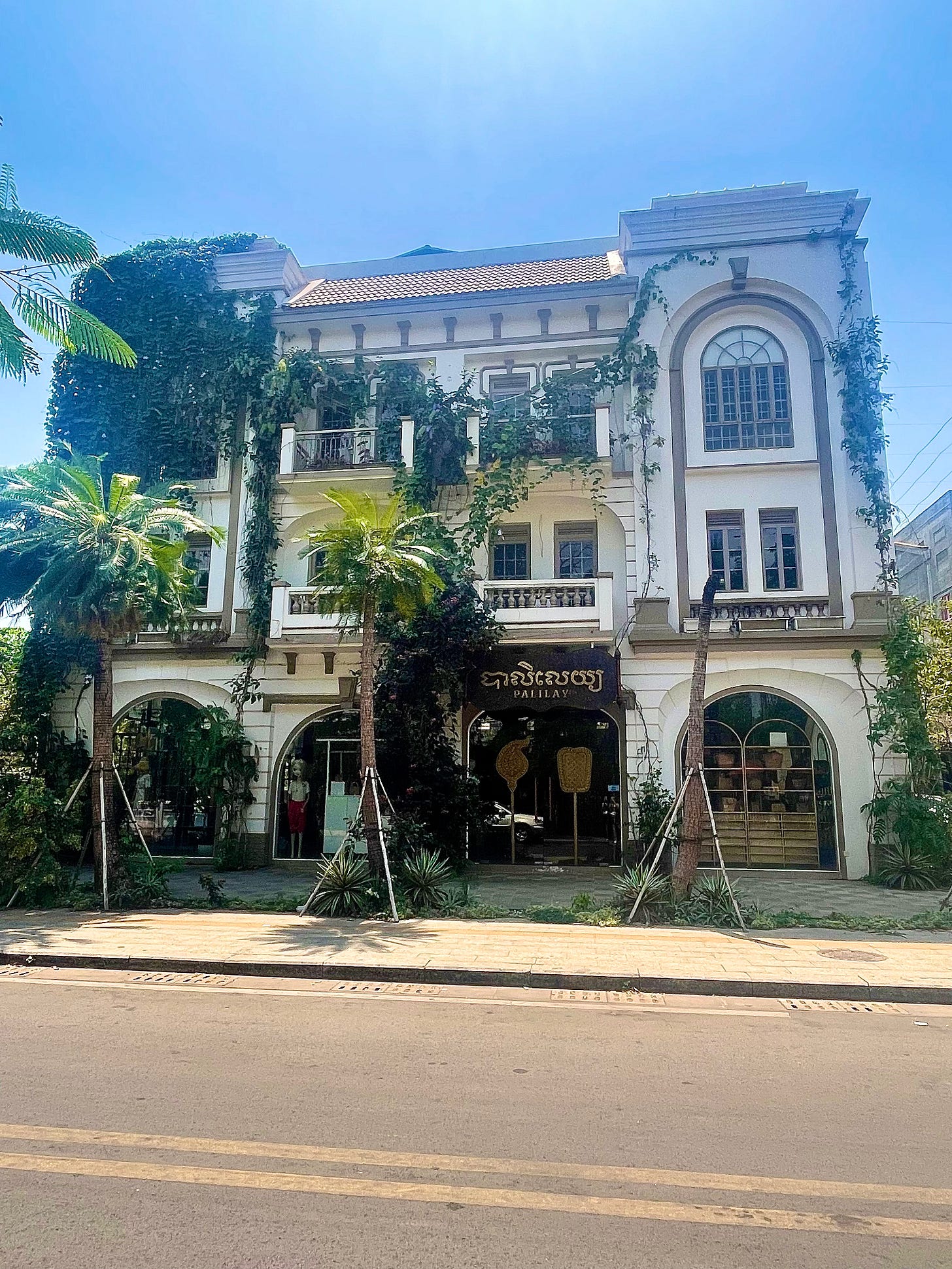
    The buildings are a mix of colonial-era French and traditional Khmer styles, as opposed to the more brutalist vibe of Phnom Penh, which is a constant reminder of Cambodia’s dark past. Many exteriors are covered in plants and foliage, giving the city a calm, verdant feel – something like an urban jungle, which I found quite soothing.

    Is there a nomad “scene”?

    There is definitely a remote-working community here, but it’s not massive. I overheard young English and European speakers chatting about their lives in cafes, and know people who are based there permanently as teachers.

    As a communications consultant, my work mostly consists of sending emails, writing articles, and taking video calls, so I cannot speak to wifi speeds in much depth – I defer to reddit forums for that kind of information.

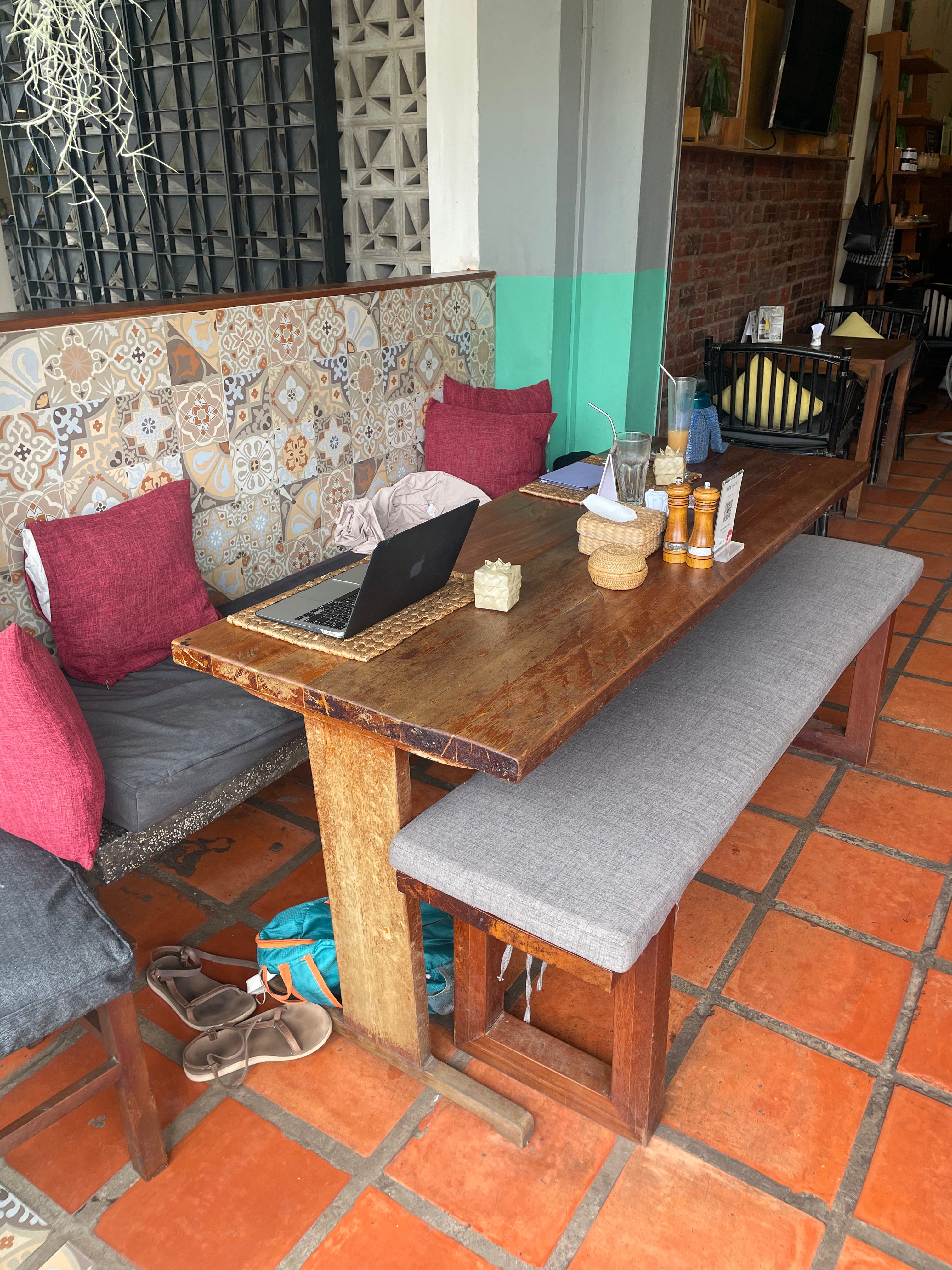
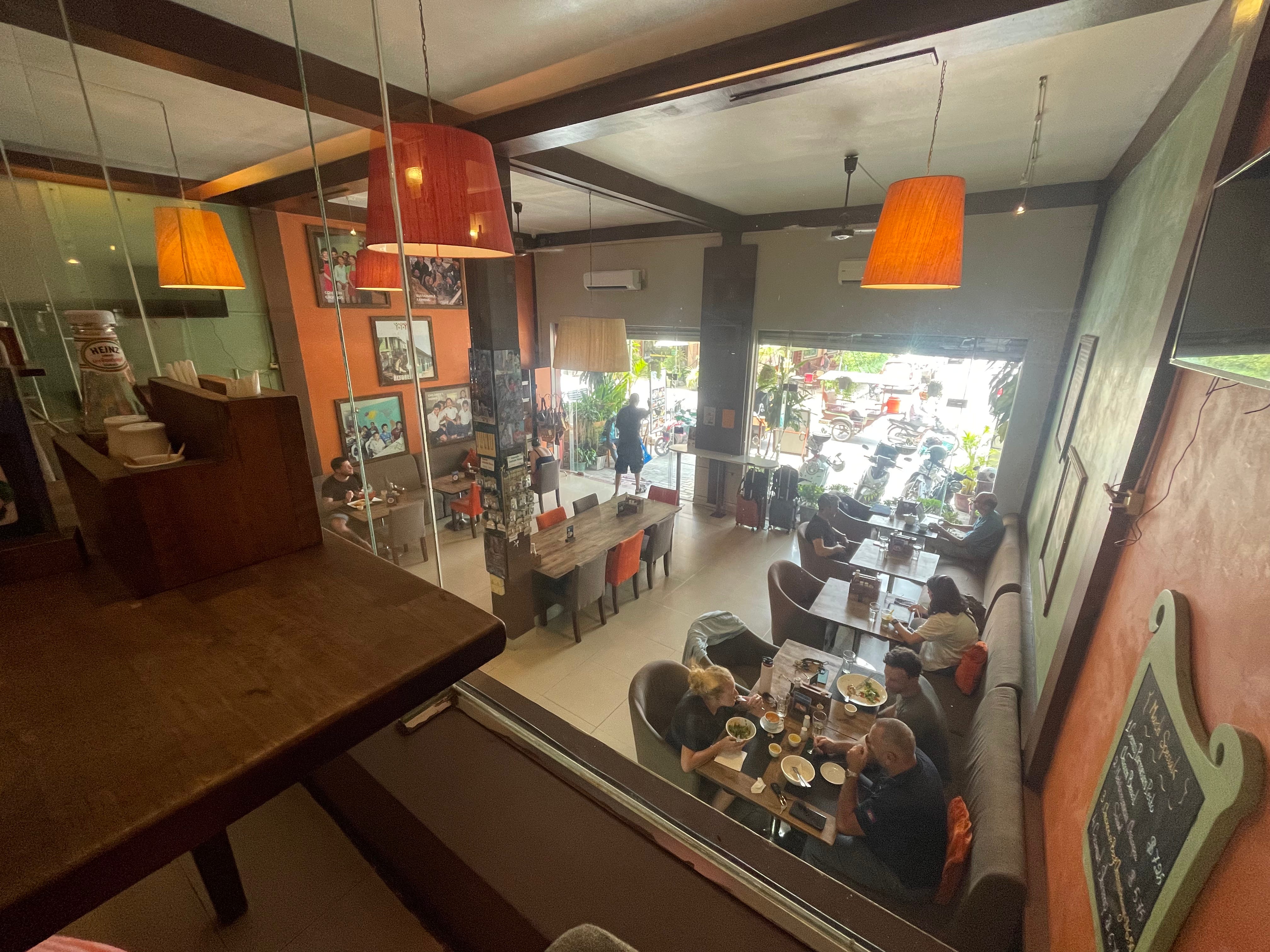
    But a lot of the cafes were well set up for laptops, with decent WiFi, air conditioning, and private rooms to take calls, which is another giveaway.

    Some of my favourite spots to “plug in” in Siem Reap included:

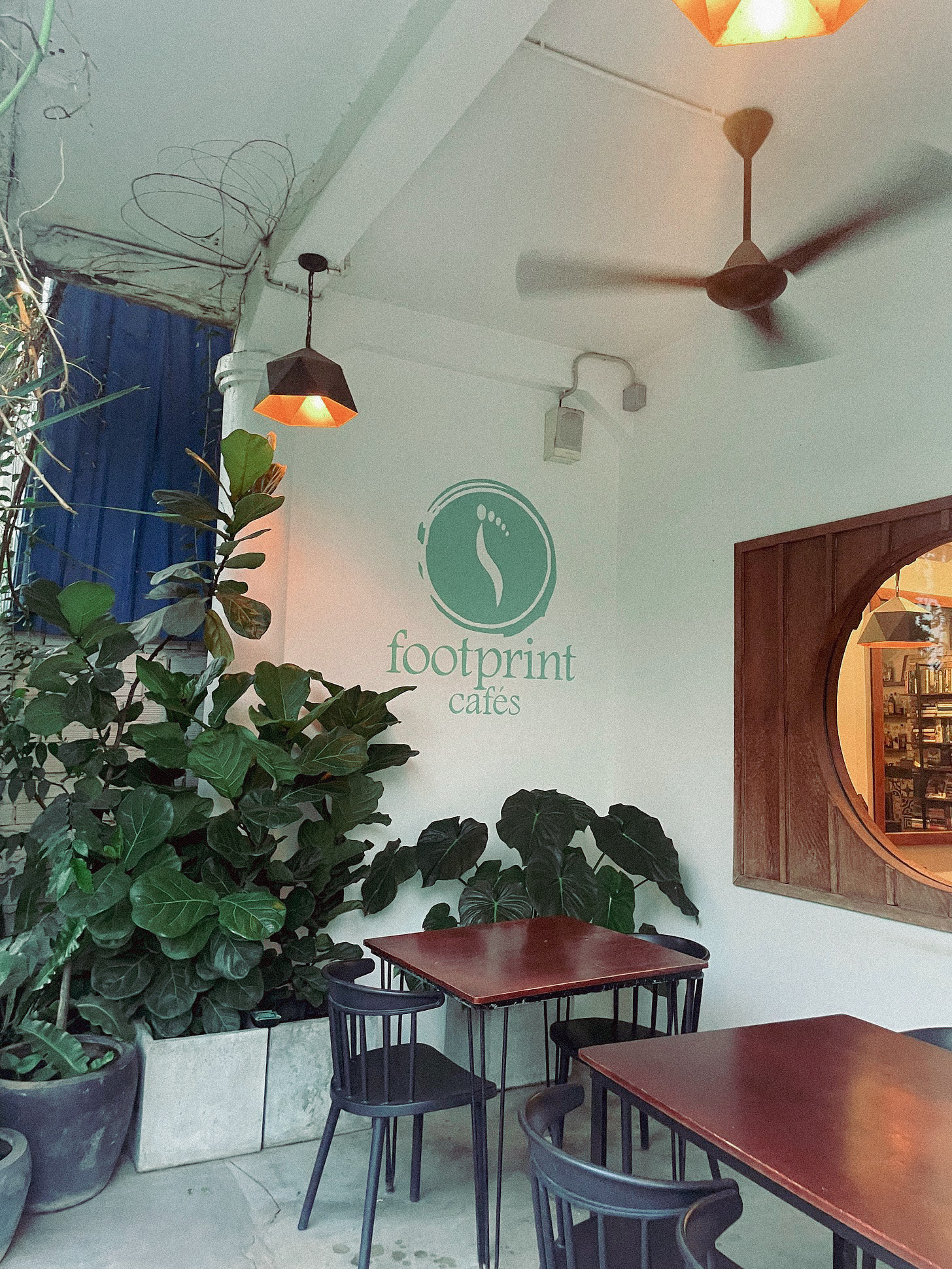
    Footprint Cafe – feels like sitting in a small library. It has links to the University of Cambridge in the UK, and seemed like a good place to meet people.

    New Leaf Eatery – excellent vegan food, with noticeboards full of flyers for local events and clubs. The restaurant supports youth development in Siem Reap.

    Common Grounds – situated on one of the prettiest streets in the city, I came here twice for breakfast and the air conditioning. All profits support humanitarian and development work in Cambodia.

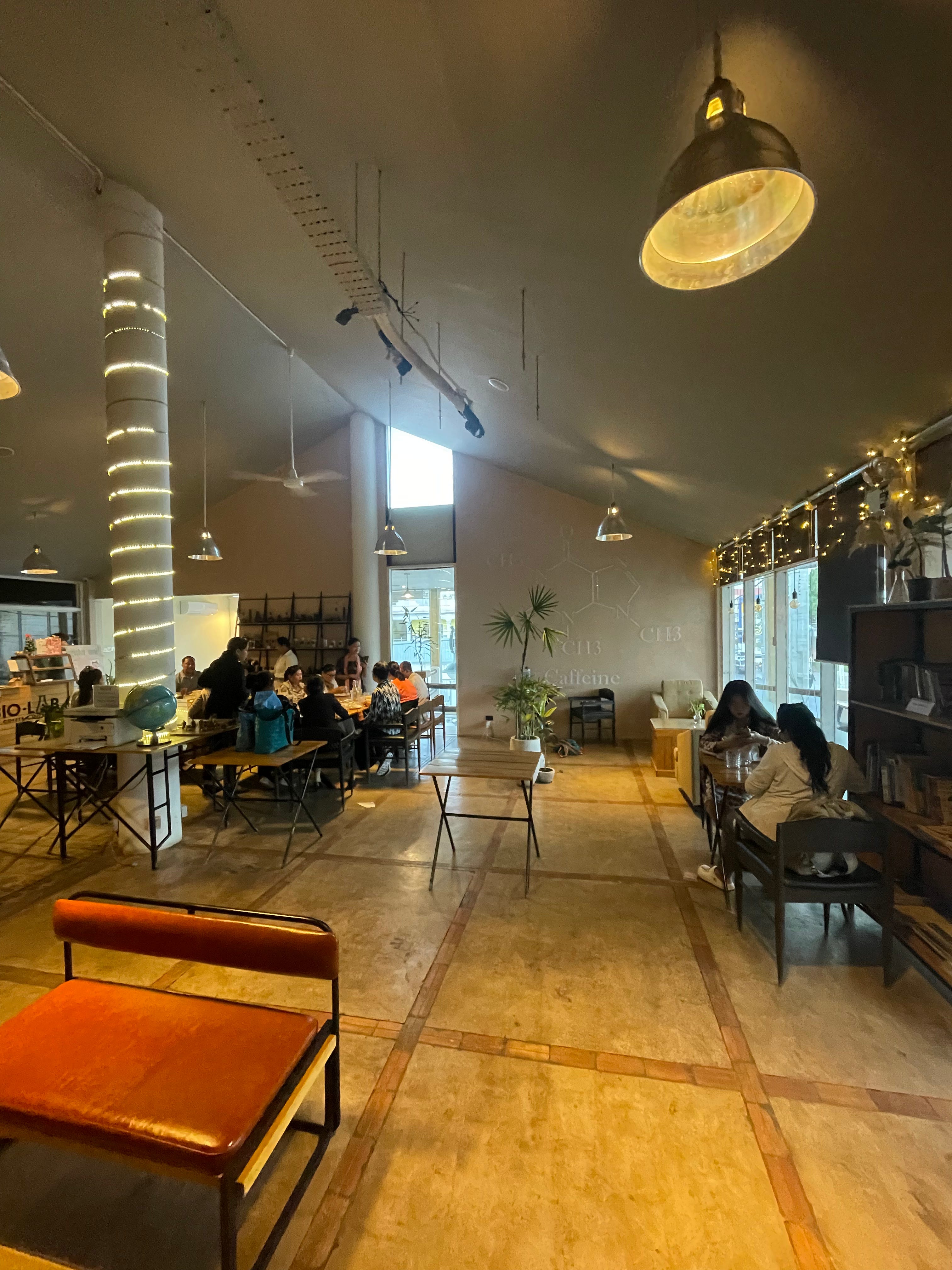
    Biolab Coffee – designed with nomads in mind, it also functions as a coworking space and is well set up for meetings.

    A conscious community

    Cambodia has a very painful recent past, which was one of the reasons I was keen to visit. During the late 20th century, the country suffered years of civil war, partly shaped by the wider conflict in neighbouring Vietnam.

    This was followed by the tyranny of Pol Pot and the Khmer Rouge, a brutally cruel regime that resulted in the deaths of around a third of Cambodia’s population. Because Pot targeted people he considered to be “intellectual”, after its collapse in 1979, the country faced a massive shortage of teachers and professionals. Illiteracy rates climbed to nearly 40%, and the education system had to be rebuilt from scratch.

    That history still feels present, and one noticeable outcome is how many businesses focus on reinvesting money and support back into the local community, as you’ll see from my descriptions about the cafes above.

    I talked a little in my Chiang Mai blog about the ethics of being a nomad, and the experience of being somewhere, whilst not totally immersed. The people of Siem Reap call you to do the opposite, and I really liked that about it.

    Which Wat is Wat?

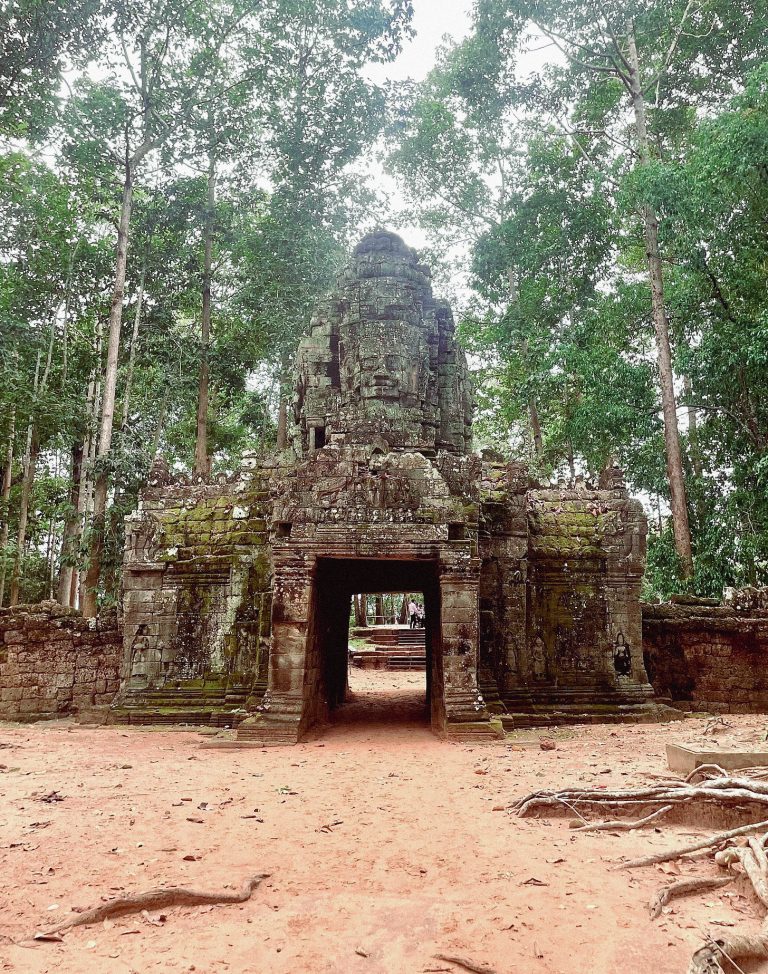
    Another point of appeal for Siem Reap is that is is soaked in modern and ancient history – being home to the city of Angkor – so there’s quite a bit to get your teeth into on your days off.

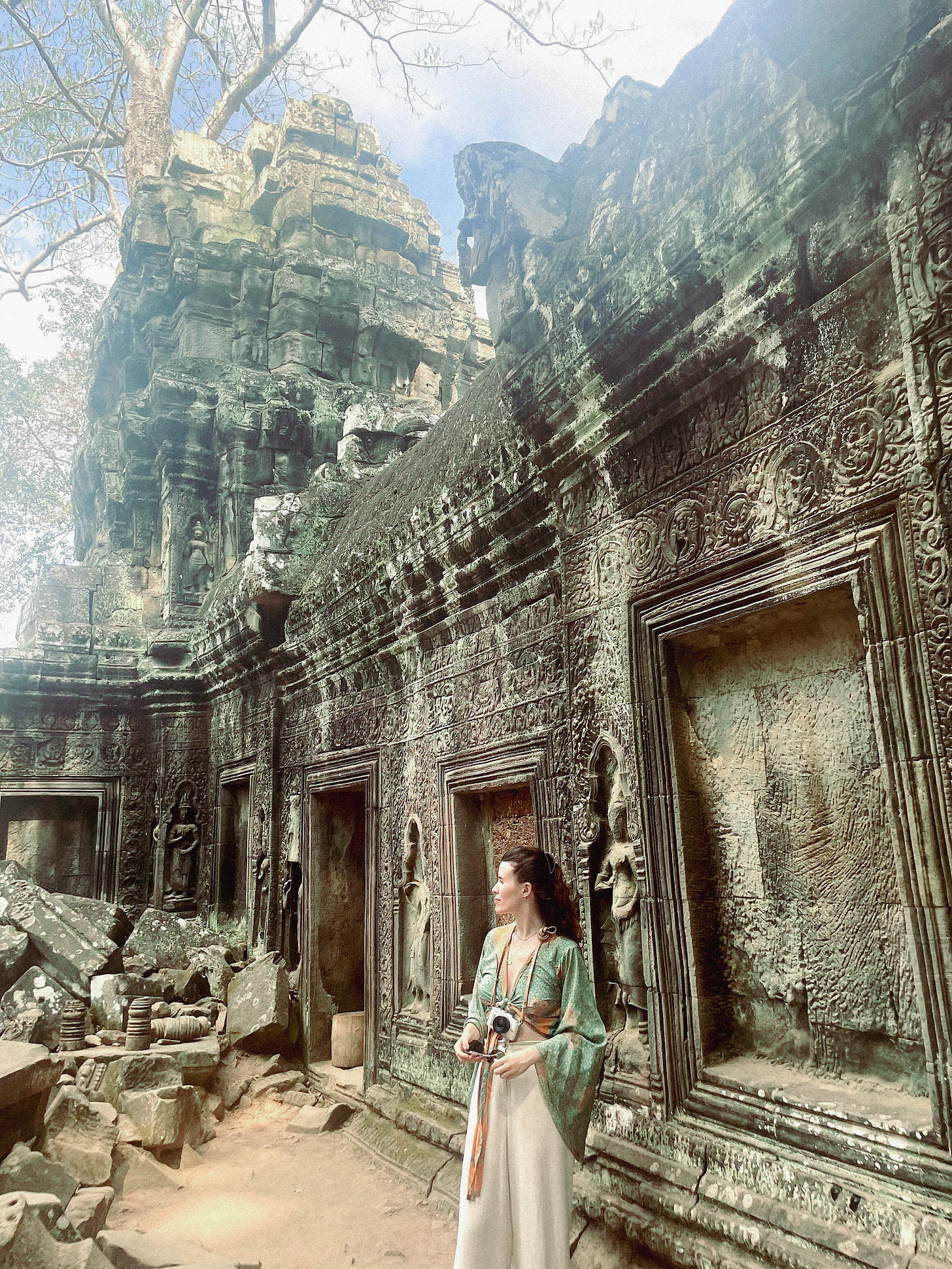
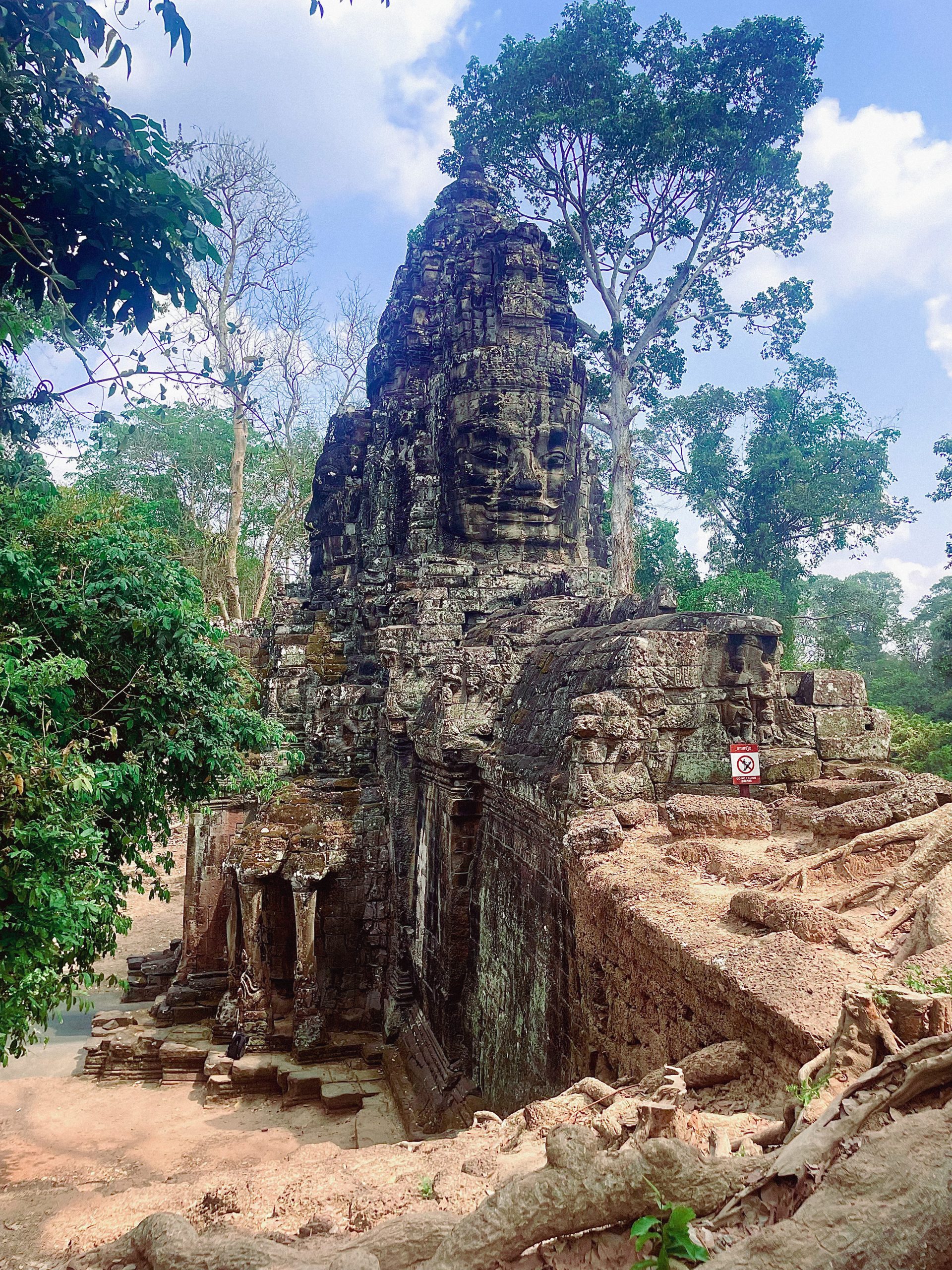
    Built in the twelfth century, Angkor was the centre of the Khmer Empire, a powerful kingdom that once dominated much of Southeast Asia. At its peak, it was home to around a million people, making it the largest pre-industrial city known to exist.

    As the Khmer empire dissolved, Angkor became a ruin. Whilst it was known to the local community, it wasn’t until around 200 years ago that archeologists got their hands on it, and made it a major tourist attraction. It remains the largest religious (Hindu/Buddhist) monument in the world, at three times the size of the Vatican City, and a lot of it is still in tact.

    One or two days in Angkor?

    Because there’s so much to see, visitors can buy either a one-day ticket ($37), a three-day ticket ($62) or a seven-day ticket ($72).

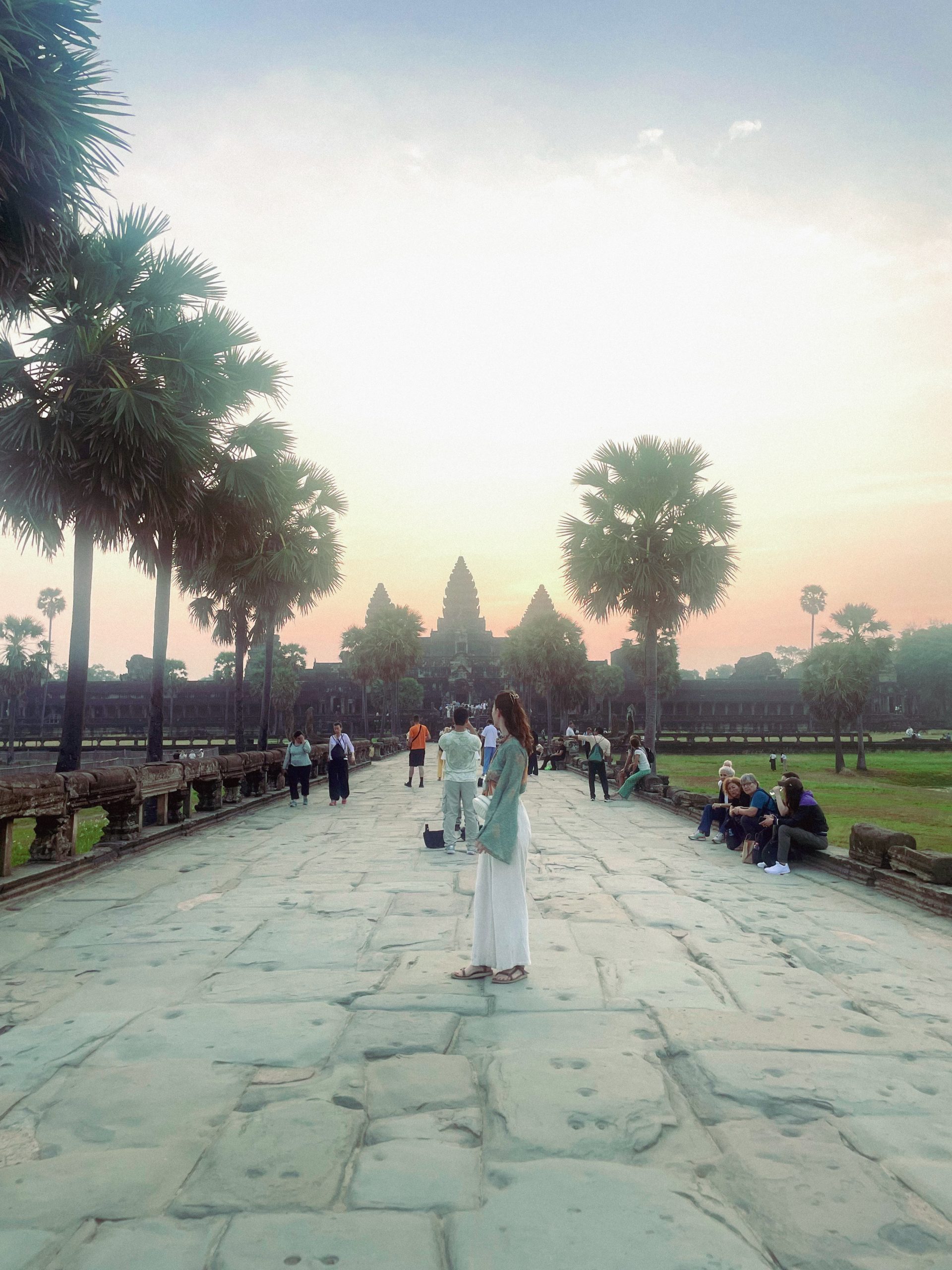
    I’d heard sunrise or sunset were the best times to go, so on my first day, I set an alarm for 3am and joined a Get Your Guide tour. The tour cost around £10, including transport – which felt like a bargain.

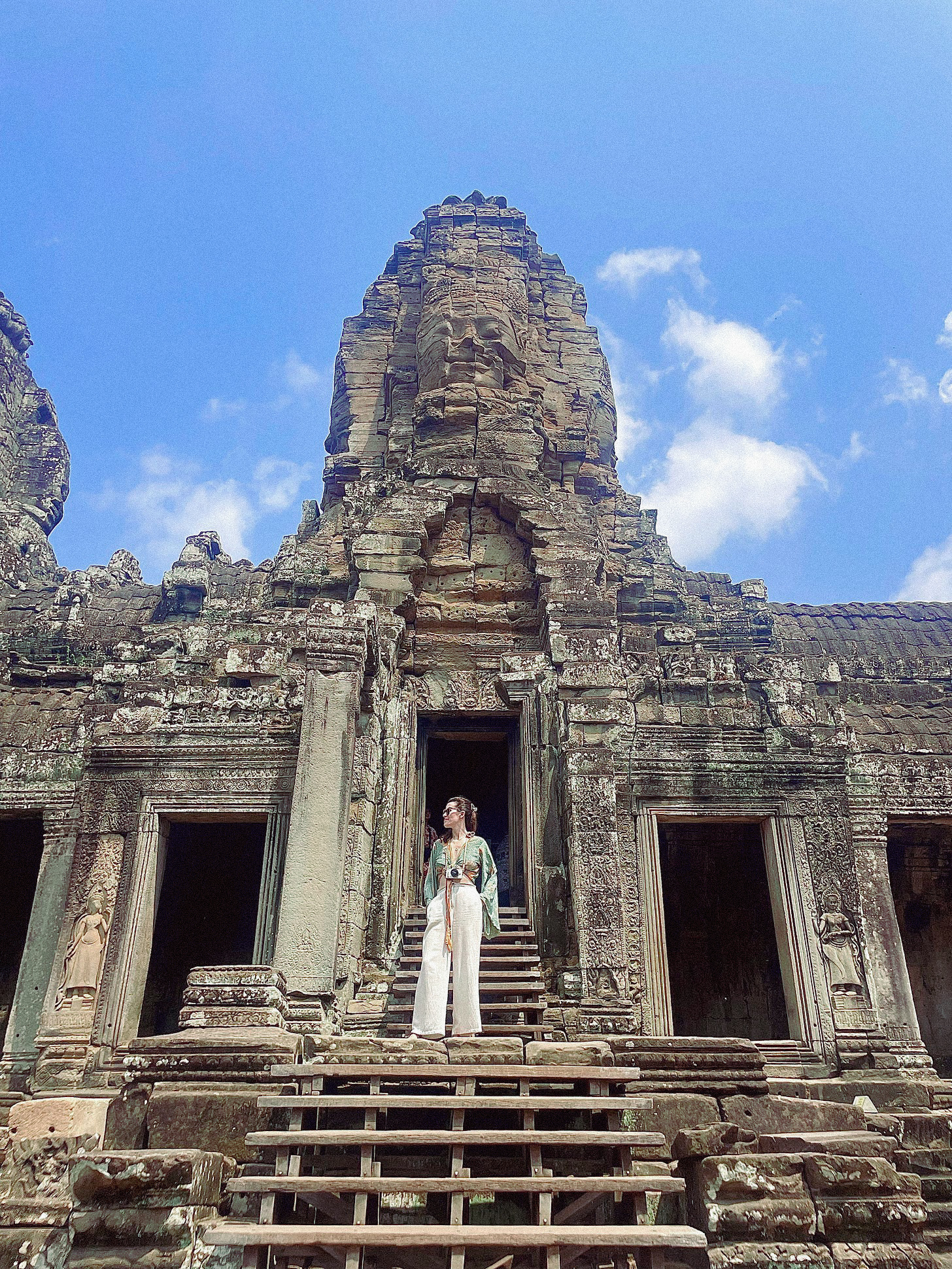
    By 5am, I was standing in front of the iconic towers of Angkor Wat with about 20 thousand other tourists trying to get a photo of the sun rising over the “pine cones”. As it turns out, these are actually lotus buds, and represent purity, divinity, and fertility. Lovely!

    As someone with no background on the place, I was really amazed by the scale of Ankor, and the level of preservation, which is why so many people advise getting the three day pass (which I opted for). But I will go out on a limb and say that one day was enough for me.

    This is the very ancient past we’re talking about, and there’s only so much your brain can take in when you’re tired and hot. Our guide wasn’t brilliant at bringing it to life either – much unlike our guide in Phom Pehn (which I visited after Siem Reap), who did an incredible job at illustrating the horror of the killing fields and S21.

    I had learned by this point in my trip to just take in what I could manage, and then read or listen to something later in order to get the full picture. When I went back at sunset a couple of days later, I booked a tuk-tuk to take me around the key buildings I hadn’t yet seen (costing around £15 for the day) and it was far less busy. more relaxing and I was able to google things on the way.

    If you’re taking a tour, bring plenty of water. It gets hot very quickly!

    Visiting Kampong Phluk village on Tonlé Sap lake

    Another cool thing to do is go to Tonlé Sap lake, just outside of Siem Reap, to see a “floating” villages.

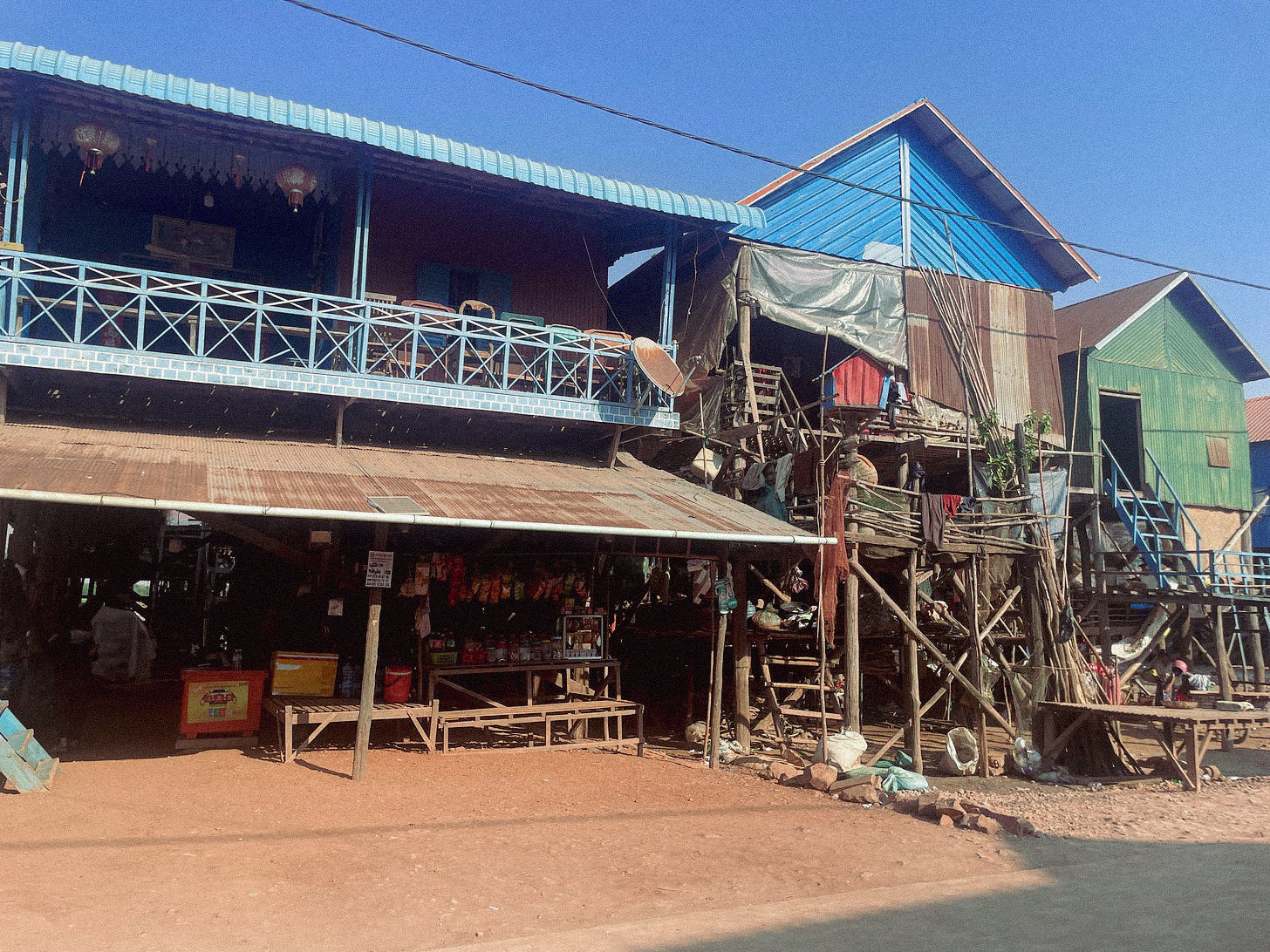
    What’s fascinating about Tonlé Sap is that its river system reverses twice a year. In the dry season it drains into the Mekong, but during the wet season, silt from the Mekong Delta causes the river to back up, flooding much of the country and expanding the lake. So a lot of the villages here are built on tall stilts to avoid the rising water.

    We visited one called Kampong Phluk. It was dry when we arrived, so we could walk about the village easily enough. It was very lively, with a wedding underway, a school in full swing, and music blaring. The houses are beautifully colourful, which apparently helps keep flies and mosquitoes away at night.

    The highlight was when we were taken by boat to a “floating restaurant” on the lake, where we spent a few hours chatting over beers and watching the sunset. You cannot see land for miles, so it’s quite surreal to be sitting on a raft in the middle of the water drinking beers. I believe there are crocodiles in the water though, so do not advise swimming in it!

    A day tour felt like plenty, but I know someone who stayed there for a month, so there’s clearly more to it for those who want to dig deeper.

    Lots to offer and well connected

    It might not be a headline digital nomad hub, but if you’re a remote worker looking for somewhere cheap, lively, and historically intriguing to linger, Siem Reap has a lot to offer.

    Not only is it a great mix of culture, calm, and coffee, Koh Rong, Koh Rong Sanloem and Phnom Penh are all reachable within the day, and it has its own airport in case you needed to hop out of the country quickly.

    Yes, price are a little higher than Thailand and Laos – roughly £3 to £5 for a meal, for instance – but still very affordable. I could have certainly stayed longer, but the islands were calling me, so I spent the following week decompressing on the beach. It’s a hard life being a nomad!

Leave a Reply

Your email address will not be published. Required fields are marked *