Feature

  • Vietnam’s Ha Giang Loop: is this dangerous route worth the journey?

    A brutally honest review of Vietnam’s best-known excursion

    Written March 2026 – updated April 2026*

    UPDATED – The text below was written in March 2026 about my experience in March 2025. Whilst I have not changed the article, I have expanded some points with footnotes and further info at the bottom. This is in response to questions I have received after the death of a Welsh teenager on the loop this April.

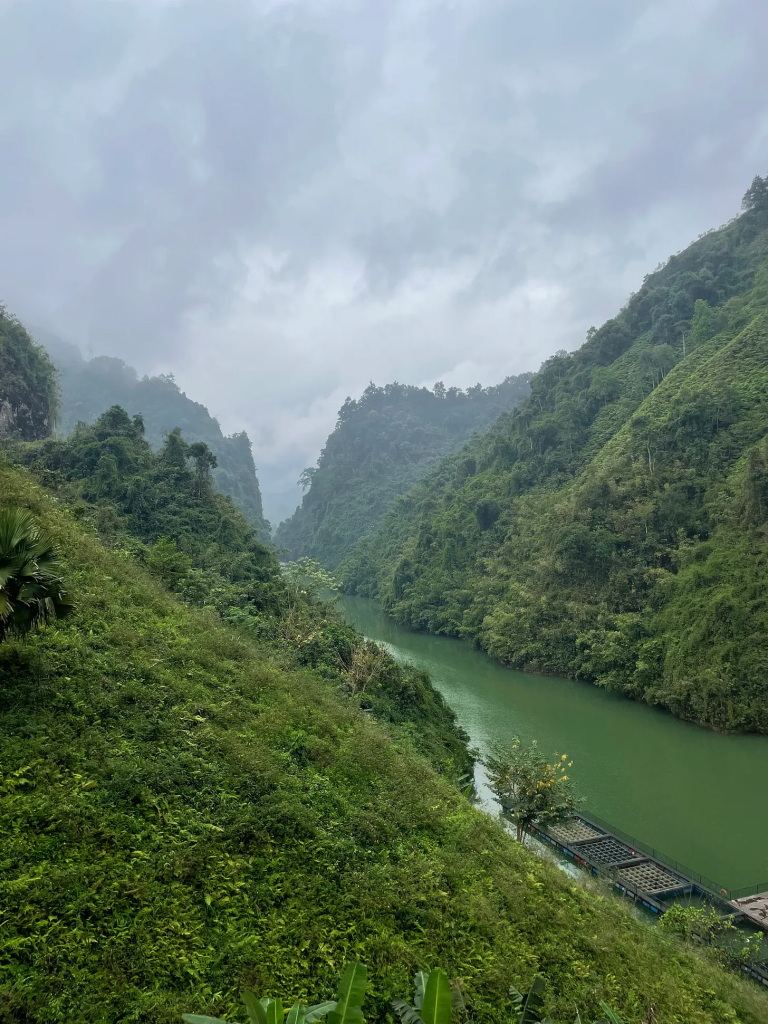
    It was a quiet day in March 2025 when I found myself in Hanoi, panic-buying warm clothes in anticipation for the Ha Giang loop. This is a stunning motorcycle pilgrimage into the northernmost mountains of Vietnam, known for its forested limestone and granite mountains, and unique Dong Van Karst Plateau.

    It had been much lauded by backpackers throughout my three weeks in Vietnam, building a sense of anticipation that I had learned not to trust too much. It could be my age – could be jealousy – but I do not trust TikTokers that never have a bad word to say about anything.

    You’ll be jaded soon enough, bitches.*1

    Curiosity bites though, and I booked an organised tour with an easy rider (a hired driver). After two months of working and travelling in Asia, my capacity for careful planning had reached its maximum, and not bothering to analyse my options in detail, I opted for Bong Hostel. As someone who likes their peace protected, I sensed this could bite me in the bum..and it sort of did.

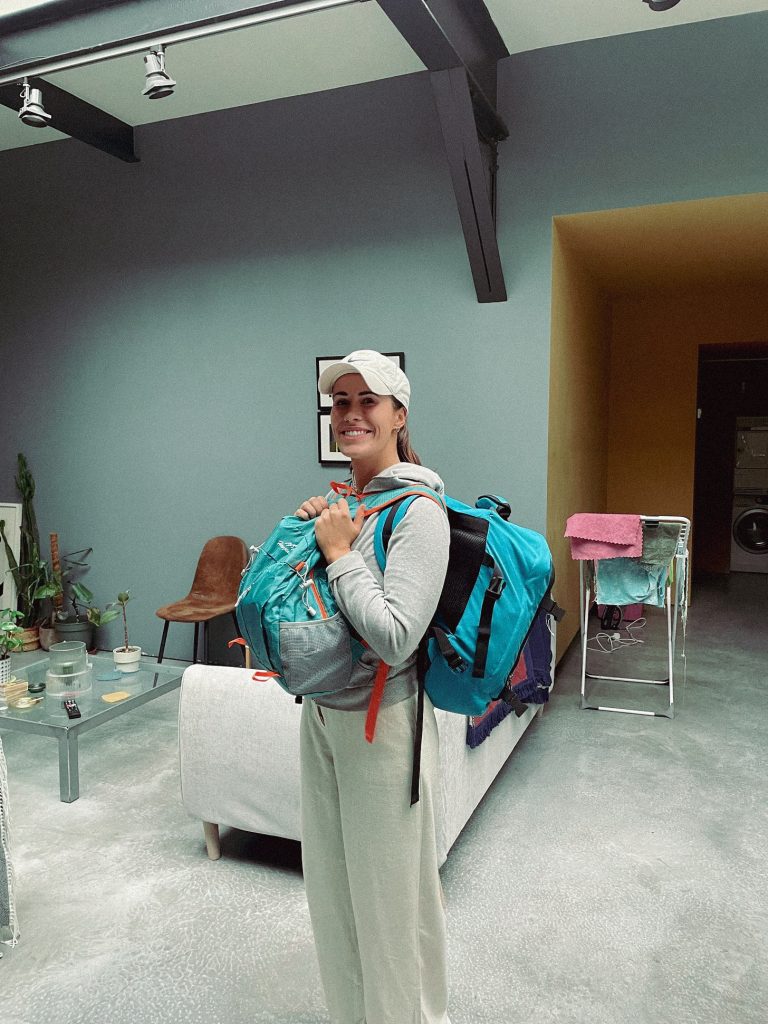
    I rocked up in the evening with my loot of newly purchased thermals (essential even in March), hustled for a few quid, and caught the six-hour bus to Ha Giang.

    As we pulled out, a German lad next to me threw a loud and prolonged tantrum to his pals (and in fact all of us) about the lack of USB ports on the bus. Whilst he wept over his dead phone, I smugly thanked my stars for my power bank and increasingly well-developed foresight.

    There was a quick overnight stop and early breakfast before we split into groups of ten. We were then introduced to our drivers and escorted promptly into the mountains on the bikes.

    This is when my heart sank a little. Noticing a sea of matching T-shirts ahead of me, I recognised that I’d been put in a group with eight or nine people who already knew each other from another travel stop.
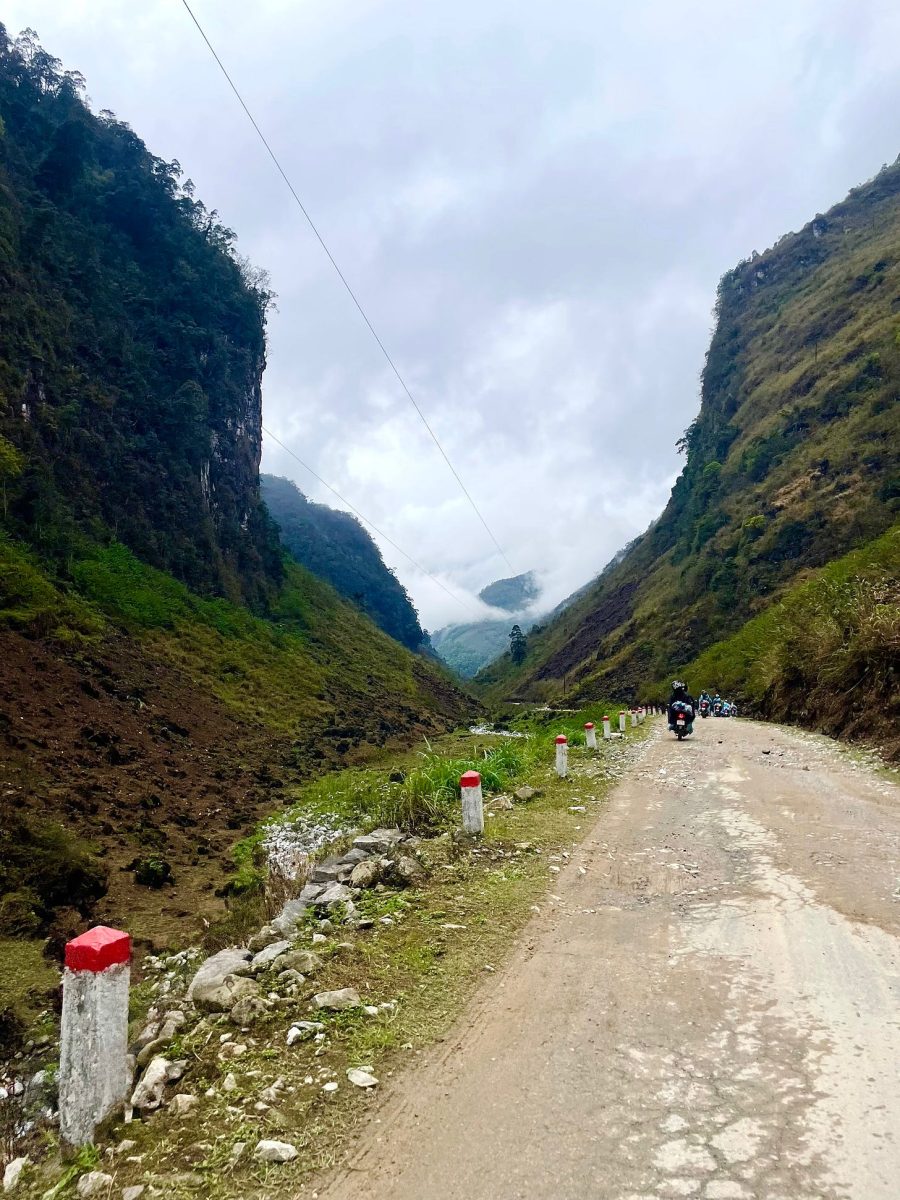
    Scenes from the Ha Giang Loop, Vietnam

    They were a nice bunch, but situations like this make for an inevitably more challenging time, especially if your social battery is low (or if you struggle with English). It’s just more effort. That’s one of the challenges with going on a trip with a bigger hostel, but it’s also something you just have to get used to with trips like this, I’ve learned.

    As we climbed the mountain, I revelled in the bliss of being able to enjoy the wonderful scenery on the back of a bike, driven by someone that knows the route inside out. With steep, winding roads, the loop is dangerous to ride, and hiring your own bike is not generally advised (although Bong does offer the chance to drive alone, with guides in tow)2.

    There is a sweet serenity to popping in your headphones and soaking up the natural world with the feel of the wind in your ha- OH wait. We’re stopping already, are we? Hold on, just let me take my helmet off (again). Staggers off bike.

    Thus began our routine. For the next four days, every thirty minutes or so, we would stop at a café for a lollypop, photo, and a game of Đá cầu (“foot badminton”), Vietnam’s national sport.

    A couple of times a day, the pitstops were welcomed. Đá cầu was a lot of fun. But after a while, the routine started to grate on me. Am I the only one? “No, we agree,” said the girls in my group. “Way too much stopping. Let’s just keep going!” I’m all for a viewpoint, particularly on a trip like this, but the continuous stopping was giving me whiplash.

    There are a ton of other groups on the loop, so it could be to do with traffic control3, but it felt a little forced. Obviously they want you to buy something at every stop, too. It’s economics.
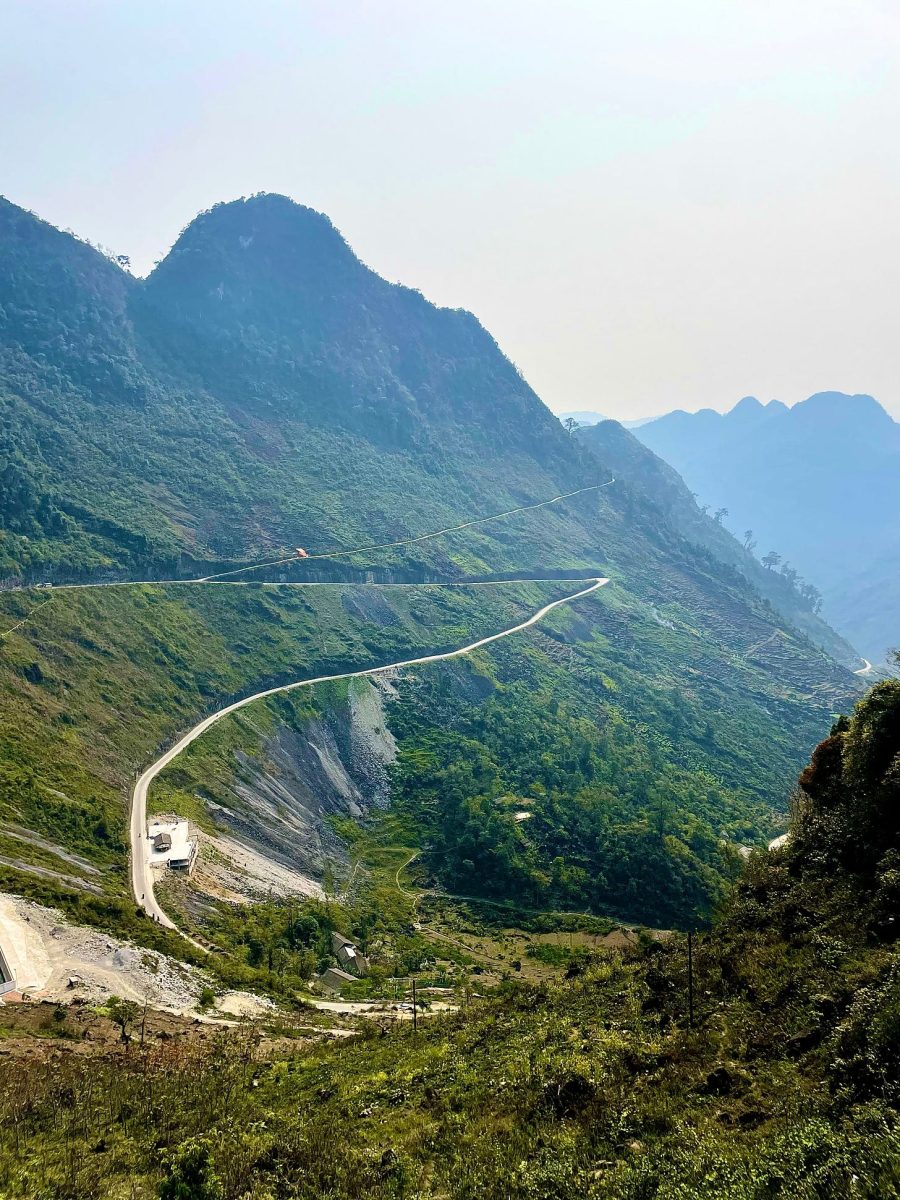
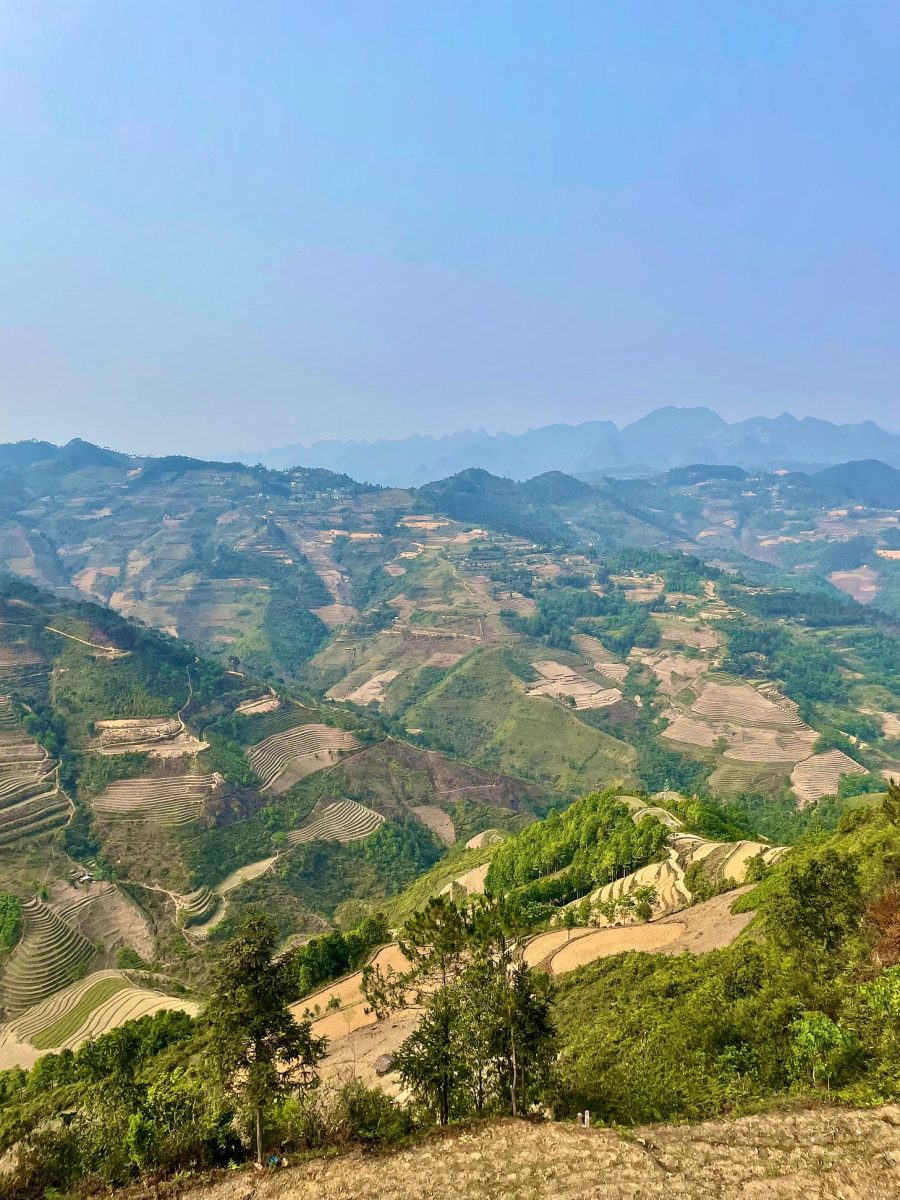
    Some of the cafés were really sweet, and enjoying a tea or coffee over a terrific view is truly special. I reckon doing the loop yourself and taking your time with it would be perfect, if you’re confident. Other establishments were a little more interesting – think karaoke on a cliff edge at 10am type stuff. That’s the deal in Vietnam though. They live loudly, even in the mountains!

    Every evening, we would pull up at a hostel and settle in for dinner. The hostels we stayed at were very clean and comfortable, and we were extremely well fed, I must say.

    However, before each meal, our drivers sat behind our chairs and forced us to repeat the Vietnamese drinking chant whilst knocking back shots of rice wine4. This was novel the first night – less so by night two – and by night three, I was ready to smash the shot glass and swallow the pieces.

    By some twist of fate, it seems, my driver and I were spiritually aligned because he seemed as awkward and uncomfortable as me about the whole thing. “Are you an Aquarius?” I said on Google Translate. “Yes!” he said. As a rather awkward Aquarius rising myself, the immediate kinship was a comfort, especially when I saw him sneaking off to bed to avoid the singing.

    On our last day, we stopped by a lake and went for a swim in the cave. That was a lot of fun and a nice way to end the experience. Apparently this is only available if you book the four day excursion. Everyone online suggested that I book the longer tour, so I did – but to be honest, you’ll get to see as much as you need to from the shorter trip, I reckon.
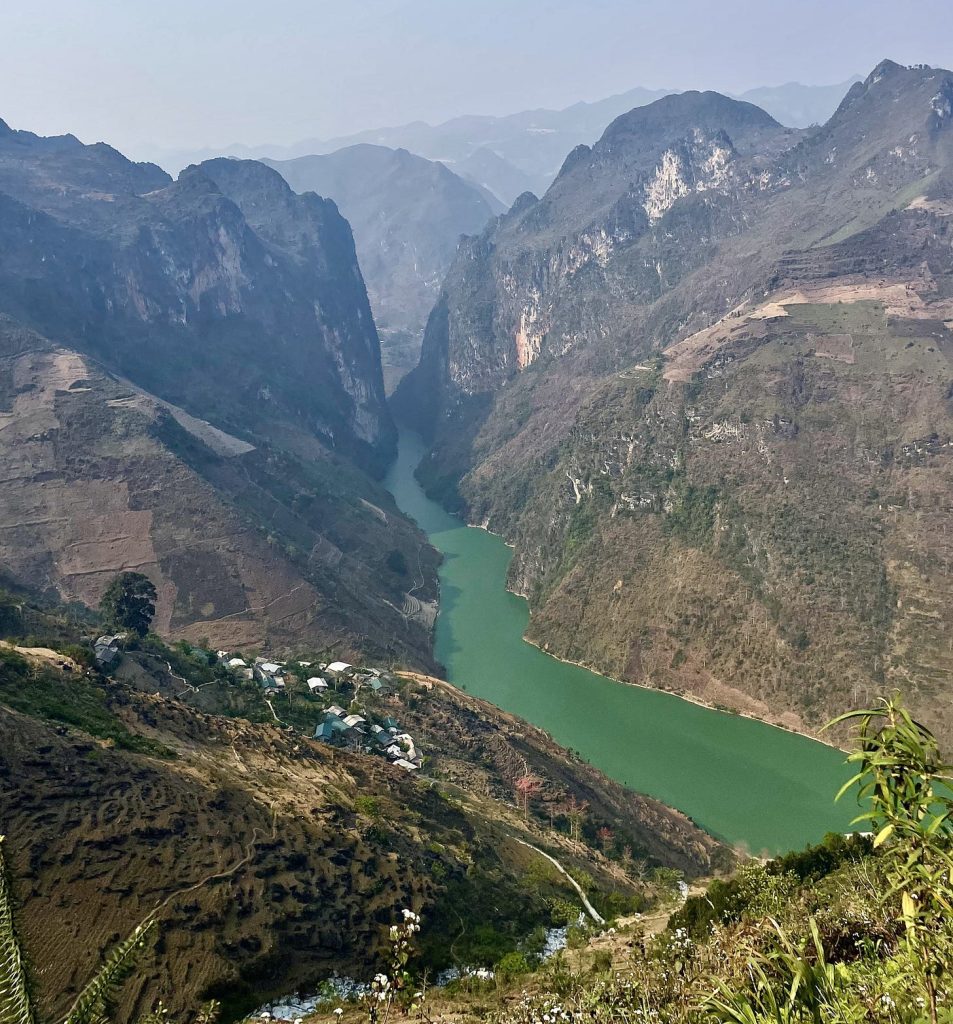
    I’m a grumpy bugger at times, and had been backpacking for a while at this point, so don’t let my review put you off doing the Ha Giang Loop. I still had fun, and the scenery is wonderful – that cannot be overstated. It’s also very affordable, costing around £150, so not pricey at all for what you get to experience.

    I am also a realist though, so do want to be honest about the fact that this trip won’t be for everyone. If I had my time again, I would travel with a smaller, quieter group5. Due to the young age range with Bong, there was way too much forced partying, and they couldn’t seem to read the room that we didn’t want that experience every night, given the 7am starts. On the other hand, I felt very safe, everything was prompt, the drivers were nice and it was very well organised.

    My top tips for making the most of it as a solo traveller are:

    • Check in with yourself before booking. What size group would you rather go with? You’ll likely bond more in a smaller group, but everyone’s different.

    • Dress warm. This is so important. Check the weather, message people already there, ask on Reddit or Hostelworld. Find out what the temperature is like just before hand.

    • Bring cash. For tips and snacks.

    • Bring earplugs (I opt for Loops) to drown out the karaoke if you need an early night.

    UPDATED April 2026* – Expanding on the above, given some questions I’ve had from people following the death of a British teenager in April this year.

    I have not edited the blog post above, because it was my authentic experience. But following the death of a British teenager in April this year, I wanted to elaborate on some points of consideration for those of you considering the loop. I am not a journalist, so can only speak from my experience and opinion.

    1. HYPE – my point about travel Tiktokers in the first paragraph still stands. Please remember that they are not journalists, or critical thinkers. Most are just looking for clout. That doesn’t mean they’re lying, of course, but my advice before booking any travel experience – especially a dangerous one – would be to use a variety of travel sources, including reviews, blogs, news articles, and books. If you don’t think you will be able to relax and enjoy it, just don’t go. ↩︎
    2. SAFETY – Hundreds of people ride the loop every day, and the majority of them are fine. But there ARE accidents and deaths. I had a friend of a friend who died on the loop a few years back, which I was aware of before booking. I am not going to pretend to be a reporter, but this problem is clearly coming to light now in the press. I would encourage anyone reading to take notice of the stats if they can find them, and make a judgement call based on their research ↩︎
    3. TRAFFIC – There’s a LOT of people on the loop. I personally did not feel that this was a massive issue on my trip, but it was clearly something that the local groups tried to manage (and, I believe, a reason for the continuous stopping). I imagine it’s only getting busier as social media pushes people to visit this part of the world. All those videos of girls with long hair throwing their arms up on the back of a bike? Picture hundreds of them at once, crowding the same roads and bends. ↩︎
    4. ALCOHOL – As I said above – Bong (like many hostels) encouraged drinking in the evenings, which really bothered me. I had a really nice, sensible driver, but this cannot be said for all of them. It speaks to a party culture that just doesn’t feel appropriate on a dangerous journey. I had the sense that the Vietnamese think that this is what people want, so they push it hard. You just have to trust that the drivers know their limits, and that is scary. It’s also not just the easy riders you need to think about – consider that other drivers on the loop (fellow travellers) might have been drinking too, and may or may not be ready to go the next day. ↩︎
    5. VIBES – If any part of what I have said is a concern for you, my advice would be to find a smaller group aimed at an older age group (no matter your age). There is no shame in it. ↩︎
  • What impact are nomad communities having in places like Chiang Mai?

    After my week of work in Chiang Mai, I wonder – is a Bali-esque boom and bust on the horizon?

    It’s no secret that Thailand is popular with digital nomads. Interest in the Destination Thailand Visa (DTV) underscores this appeal – offering a five-year, multiple-entry visa, it surpassed 35,000 applicants when it launched last year (2025). Aimed at remote workers and location-independent professionals, the DTV offers an affordable and flexible long-term stay, making it a central pillar of Thailand’s strategy to boost tourism and strengthen its economy.

    With great prices, food, weather, and landscape, Thailand does appear to have it all. But having worked from several international “nomad” hotspots in the last year, I have found myself becoming less interested in what I can get out of the places I visit, and more concerned with the impact I’m having there.

    Definitions of digital nomads have changed, after all. The 2010 “stereotype” was that of a “joyful millennial working from a laptop on a beach” (Hart, 2015; Spinks, 2015). A handful of people were doing it, many of whom were bloggers, making it pretty harmless.

    Now, an era of flexible working, long-term visas, and steep rents in places like Sydney and London mean people are choosing to work remotely abroad for the long haul, (coined as “slowmadism”).

    Western incomes stretch further abroad, and that money benefits local economies. But academics worry there could be broader ramifications for destinations in the Global South already experiencing forms of transnational gentrification, as a result of remote workers.

    Chiang Mai’s appeal might also be its downfall

    Chiang Mai, a city in the northern mountains of Thailand, has attracted thousands of digital nomads in recent years. The effects of this migration are already being felt, with this case study suggesting the long-term nomad presence is reshaping neighbourhoods, increasing demand for foreign-facing businesses, and driving up rents – factors which affect both visitors and locals.

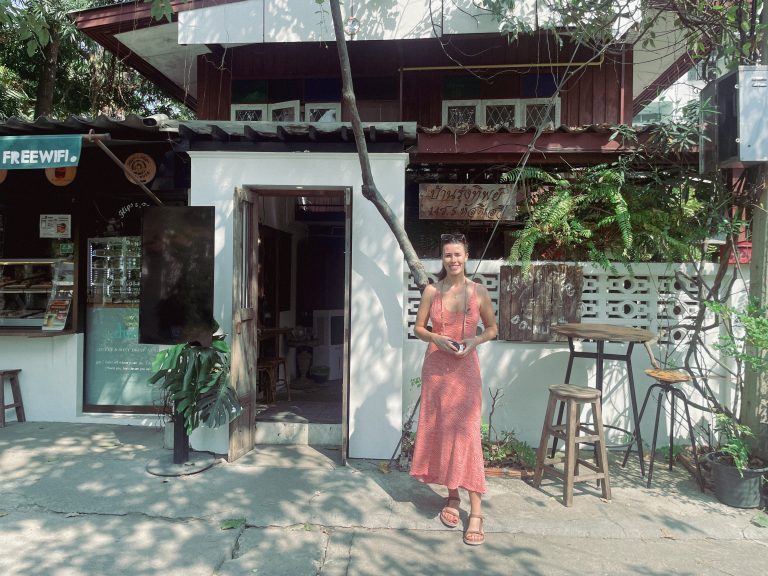
    I observed some of this myself when I visited in February 2025. There’s still a ton of local food spots, of course, but it seemed that many of the cafés, services, juice bars, and co-working spaces had been created for foreigners (or those with laptops).

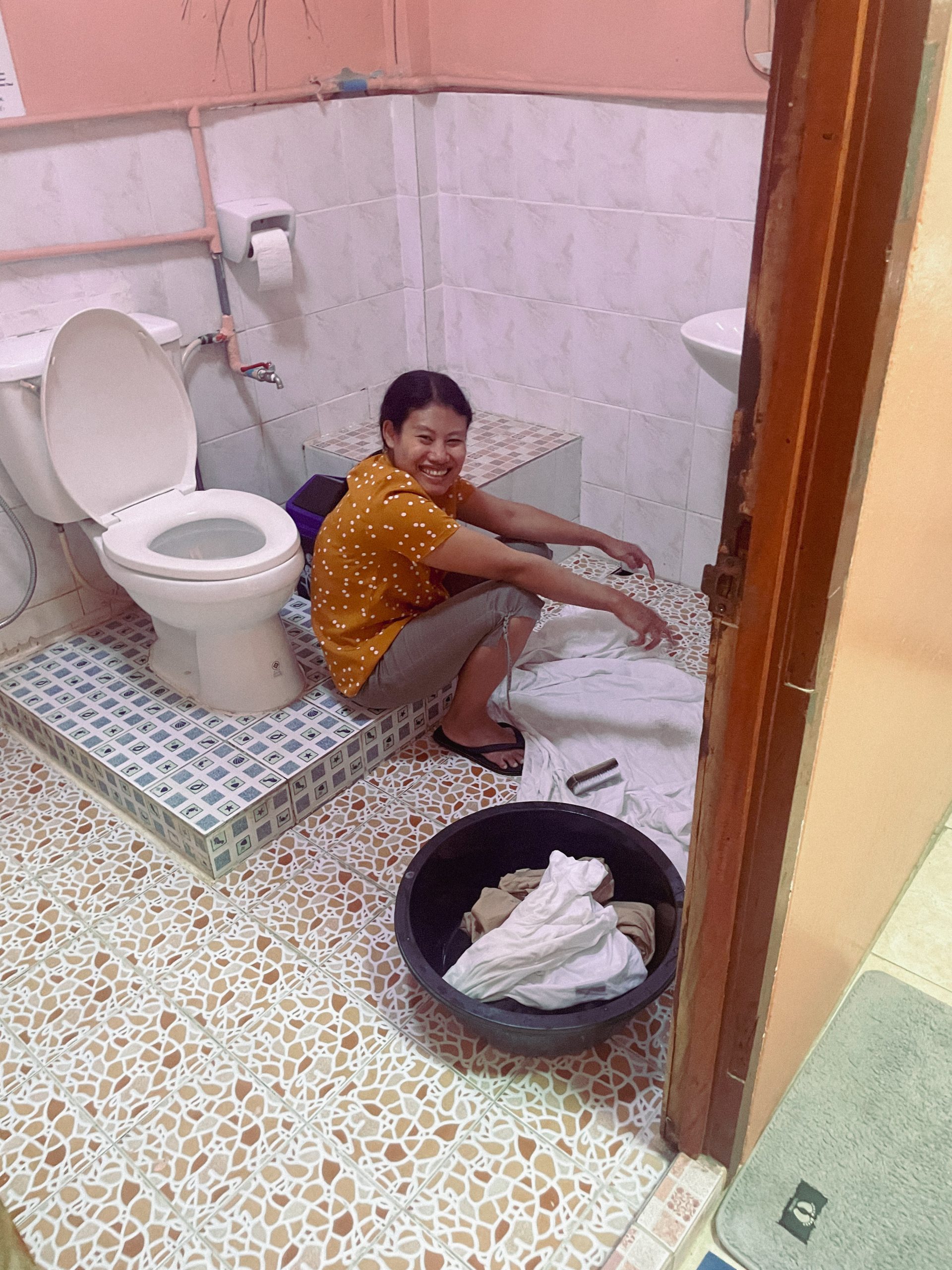
    My lovely host in Chiang Mai

    Fon, a restaurant owner, confirmed that even local food stops have “increased their prices by 5–10 Baht” since the 2020 pandemic. Whilst the minimum wage has increased slightly too, it is unclear whether it’s enough, or what the future repercussions could be over time.

    What about integration? Of the nomads I met in Chiang Mai, some worked in tourism or as teachers, and others were learning Thai. Billy, an American who moved to Chiang Mai two years ago, loves his life here as a teacher. He said that despite the number of expats from Myanmar, China, and Western countries, local people still strongly embrace their mai pen rai – a “no worries” attitude – and hold tightly to their Lanna cultural identity. On the trips he’s been on, there’s just as many Thai locals as there are nomads and expats, he says.

    Whilst that is reassuring, having spoken to a lot of nomads working from businesses based outside Thailand, most treated the city as a satellite office, and were there to enjoy the comfort and low costs rather than integrate into the fabric of the place. I can’t help but wonder how sustainable that is – especially given that most nomads leave in the early part of each year during “burning season” – which must affect rental competition, business, and the vibe.

    Meals cost £1-3

    Based on my chats with people there, part of Chiang Mai’s appeal – compared to say, the Thai islands – is that it feels more “authentic,” or at least less mediated by mass tourism. Fon is from Prachinburi, and moved here five years ago. “People from here have a strong sense of culture, pride, and local traditions,” she said. This is in part due to the highly esteemed university and active student culture.

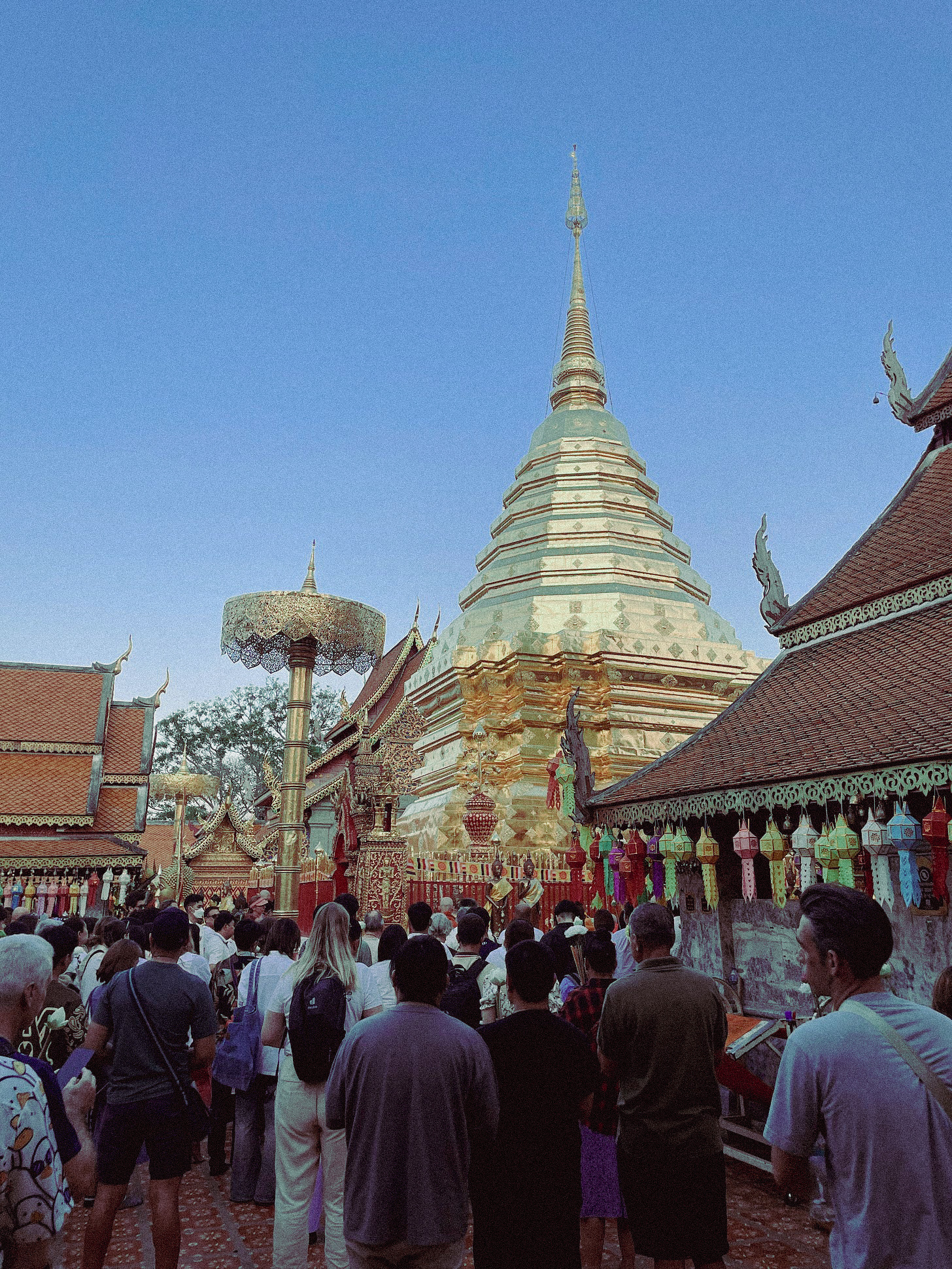
    Evening chants at Doi Suthep are popular

    As more people move here to work, however – which is likely, in the wake of this visa – I suspect local businesses and authorities will keep shaping things to meet foreign interests, expectations and spending habits.

    After all, nomads are not tourists in the traditional sense. They need a more fixed base, comfort, friends, places to live, reliable internet access, and familiar home comforts. I went for dinner with people from a newly launched co-living residence, for example – something that’s becoming more common, and speaks to the desire for permanence.

    Another challenge that comes with growing numbers of long-term visitors, is waste management. Chiang Mai already feels stretched in terms of infrastructure, and more people inevitably means more rubbish. Bali, for example, is grappling with a well-documented waste crisis, and while I wasn’t able to investigate in depth here, this blog provides some interesting context about recycling and waste handling in Thailand.

    I tried hard to minimise my footprint by carrying a Grayl water filter bottle and a foldable dog bowl for takeaway food, but the broader issue is harder to tackle. How the city will cope with more residents and their impact on waste, water, and energy systems remains to be seen. “Waste and water management have not kept up with growth,” said Fon.

    Is it overcrowded already?

    In terms of capacity – like I said, it already feels quite busy, and judging by comments on Reddit forums from long-term nomads, that seems to be the case. I found myself standing at traffic lights for around ten minutes in Nimman, trying to cross the road, for instance.

    All the Grab drivers wore masks to protect themselves from the terrible air quality, which will surely worsen as traffic increases. Electricity wires hung about precariously, which had me wondering how much additional strain the desire for faster internet was putting on infrastructure.

    According to Fon, my observations were valid. “The cost of utilities has risen dramatically,” she said. “The condition of the roads is abysmal, and there’s no real public transportation despite the demand. There are more vehicles on the roads each year as a result.”

    A lot Chiang Mai is undeniably charming, and you can tell why people like it here. The Old Town is beautiful, a square of ancient walls, temples, lanterns, and slow, warm evenings. I really enjoyed my first few days staying just south of it, near Wua Lai Walking Street Market, a quieter part of town that still felt full of character.

    There are some beautiful hikes nearby, and lots of stunning wats to explore – I even spent one day speaking to monks when I visited (you can read my blog about this here).

    Overall though, I seemed to leave Chiang Mai with more questions than answers. It will be interesting to see how it changes over the next decade, and how the Thai government will manage the steady influx of people (or indeed, decline, if that happens). Is another Bali boom and bust on the horizon?

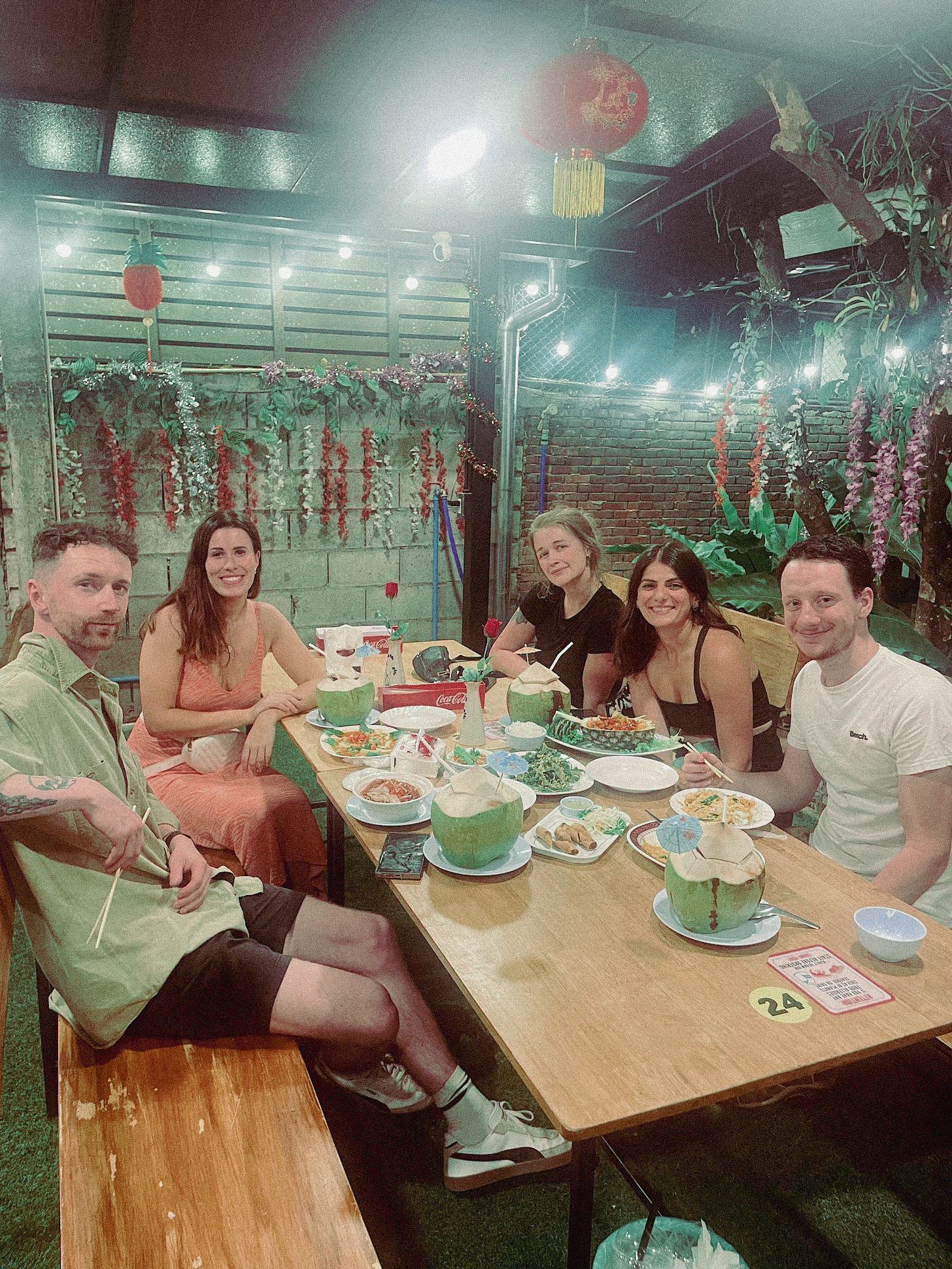
    Dinner with a gang of travellers I befriended

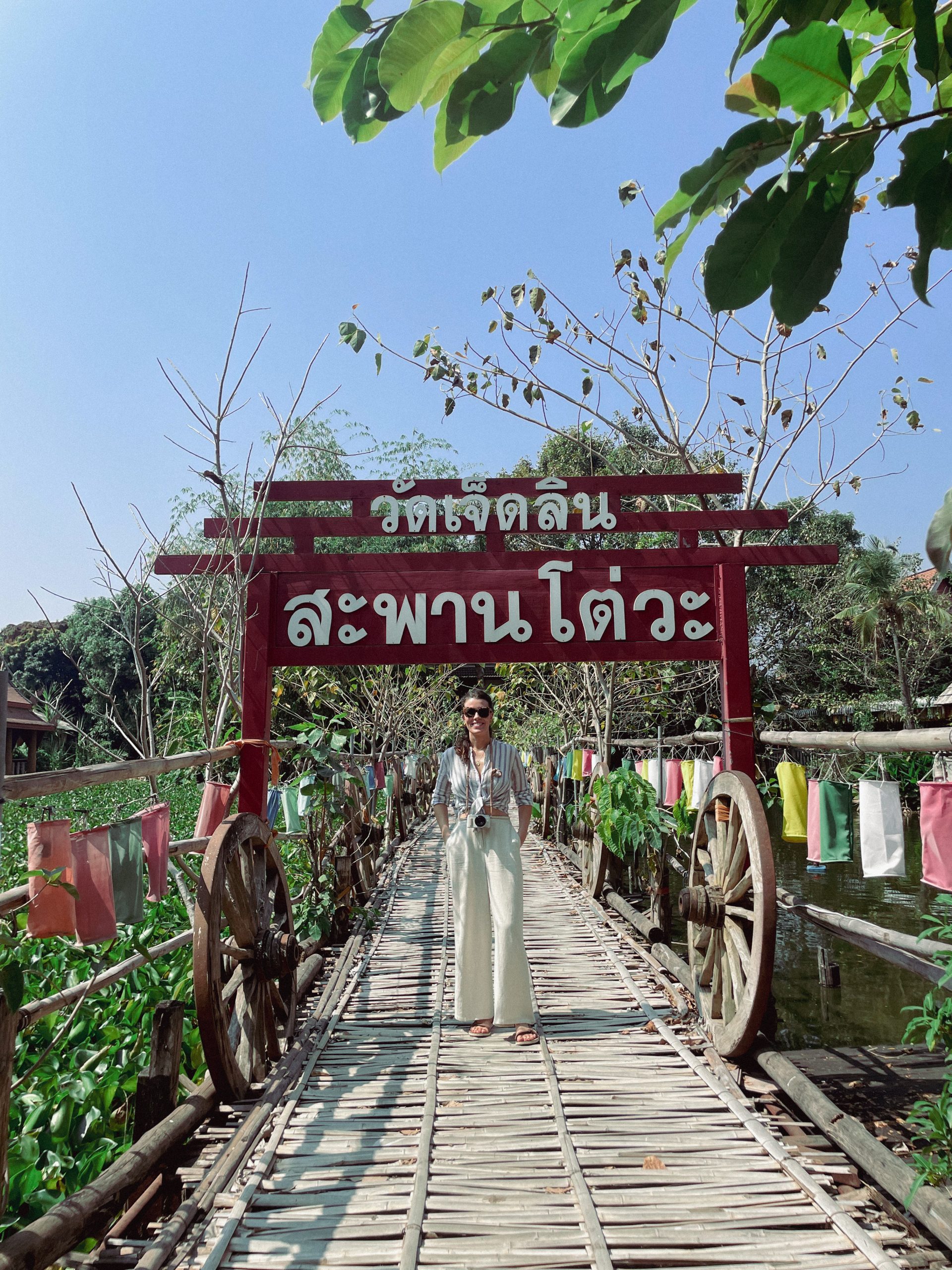
    Exploring the local temples

  • I swapped London for nomad life in Asia. Was it worth it?

    In early 2025, I left London and headed to Southeast Asia to see what life was really like as a digital nomad. One year on, was it worth it?

    FEBRUARY 24, 2026 WOMEN MEETS WORLD

    I recently read a BBC interview with Julie Williams, an IT consultant from Birkdale on Merseyside. She had decided to make a ball pit in her spare room, rather than rent it. Why? For fun. ‘You can never be sad in a ball pit.’

    Stories like this are important because they remind you of your free will. Julie’s is especially unique because the ball pit came at the expense of financial gain.

    For most people, that’s just not the default position – whether they need the cash or not.

    I found myself thinking a lot about free will when I turned 30. I’ve never really clung to traditional milestones (house, baby, marriage, divorce), and count climbing out of credit card debt as the maturest moment in my adult life to date.

    But the flood of birthday invites from friends – right before the hen dos – gave me pause to reflect. Was I happy? Had I challenged myself enough? Was I excited about the next decade?

    Who am I?

    Not to get too Lewis Carroll about it, but this last question was the catalyst for me in late 2024. In a way, I felt that I didn’t know myself anymore, or at least not all the versions of myself – just the city-shaped, university-fied version. And she was restless.

    Meanwhile, semi-remote work in London had become my new normal. The days of spilling out to the pub every week with colleagues had gone. I had a lovely team in my PR job, but rotating schedules meant it took too long to get past the pleasantries.

    People generally – and I include myself in this – seem to have become more protective of their time since I moved to London in 2017 (and perhaps all over the country).

    I don’t think this is a bad thing. Hell, if you’re going to replace me with AI, at least give me another 30 minutes in bed / to read to my kids / paint / write / support a charity / or stare into the abyss.

    Having one foot in, one foot out, however, began to wear on me amidst the rising cost of living in the capital. I still considered myself a creative and curious person, but did I really want my days to be defined by the price of flat whites and whether a Soho House membership was cost effective?

    I take comfort from water cooler culture as much as everyone else, so I’m not bashing these things – they’re part of the fun.

    But when I found myself googling ‘Martin Lewis wife’, something had to give.

    Was it burnout? I’m not sure. But in need of a change of scene and some inspiration, I decided to give this digital nomad lark a go, beginning with three months in South East Asia in early 2025.

    Who knew what would happen after that. But I’d work less, and live more, often with strangers – which would at least break me out of my comfort zone.

    I’m not alone in seeing the attraction of nomadism, especially if your job allows it. According to a report by CV builder website LiveCareer UK, an estimated 165,000 UK professionals have relocated abroad to work remotely in recent years, seduced by better weather and (they hope) greater work-life balance.

    Some roam around, as I did, making the most of the opportunity to see the world. Others seek stability in well-established hotspots that offer structured visa policies, tax incentives and ready-made communities.

    To cut a long story short, I didn’t end up moving permanently abroad. But I did see a lot of cool things, regain a sense of direction, and create a stable freelance set up that now allows me to travel whenever and wherever I want, whilst keeping roots in the UK (which is how I like it).

    Giving up a normal routine has not been without its challenges – anyone that’s become a nomad, travelled alone, or even that’s relocated will agree with that, I’m sure. But between the relentlessly positive portrayals of nomadism on social media and the often sceptical narratives found in the UK press, there is a lot of middle ground.

    As a thirty-something experiencing this lifestyle for the first time, I hope this blog provides a balanced account of what it’s really like as work and life become increasingly flexible and multihyphenated.

    Happy reading.

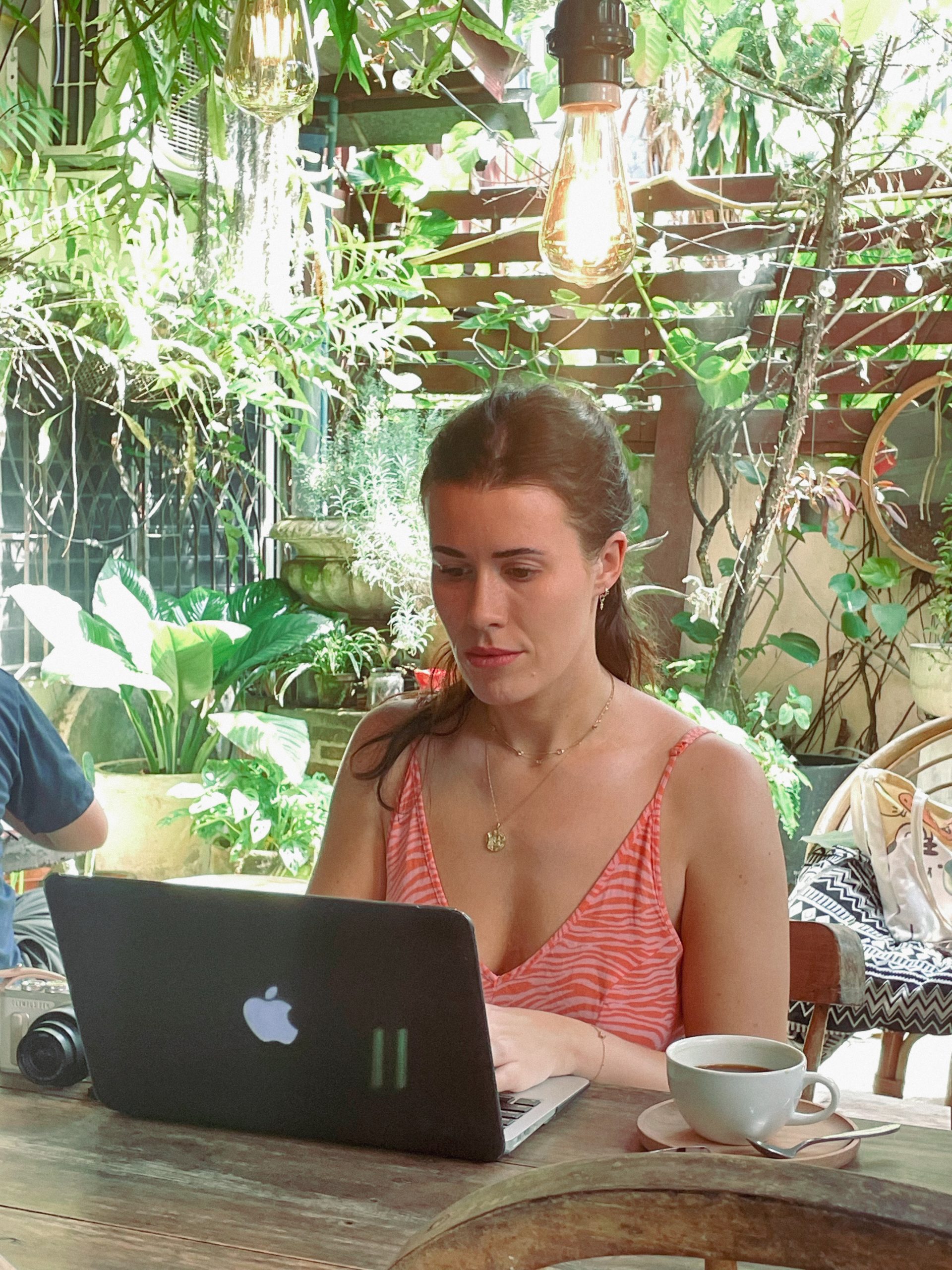
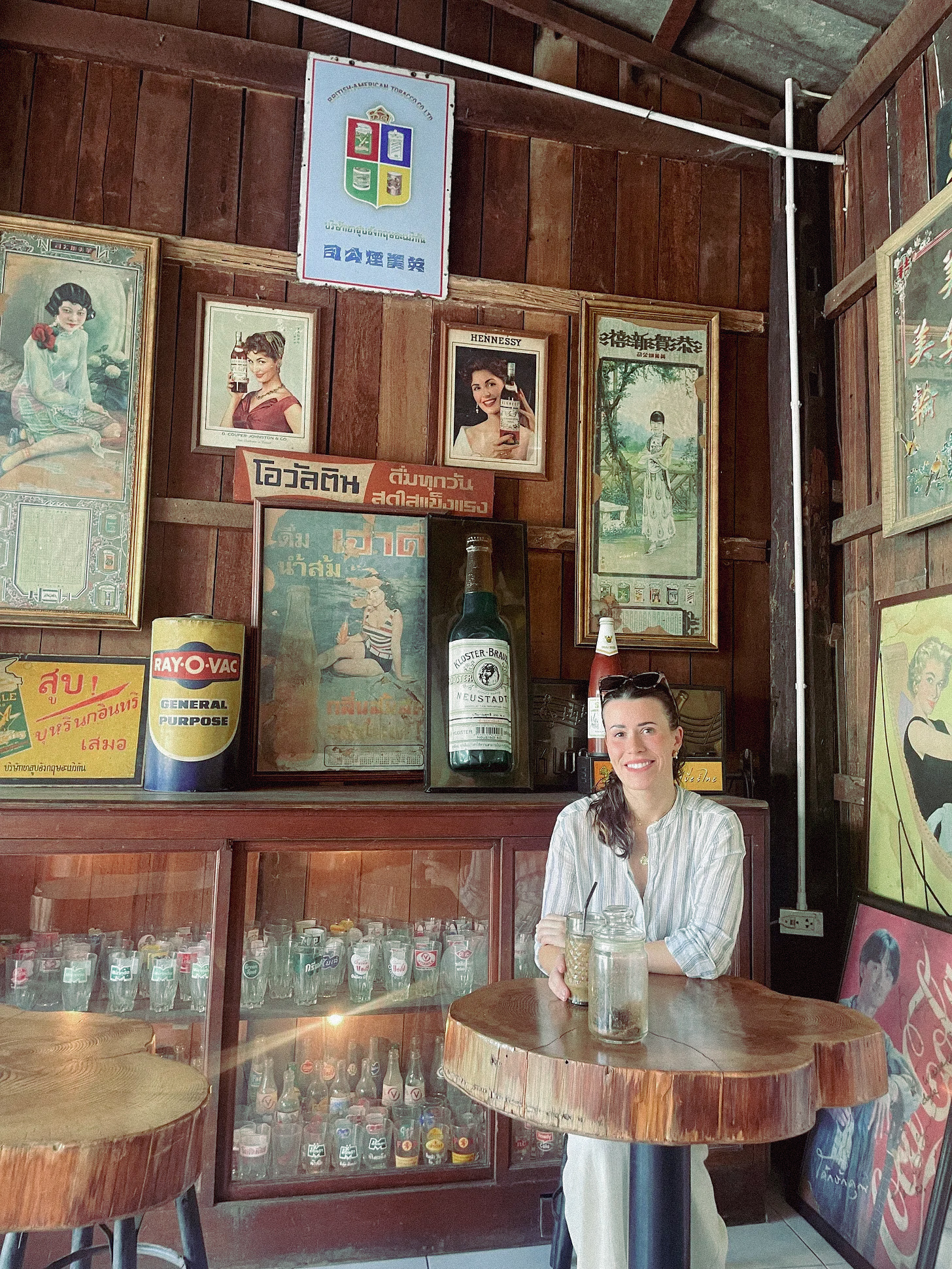
    Chiang Mai, Thailand (February 2025)

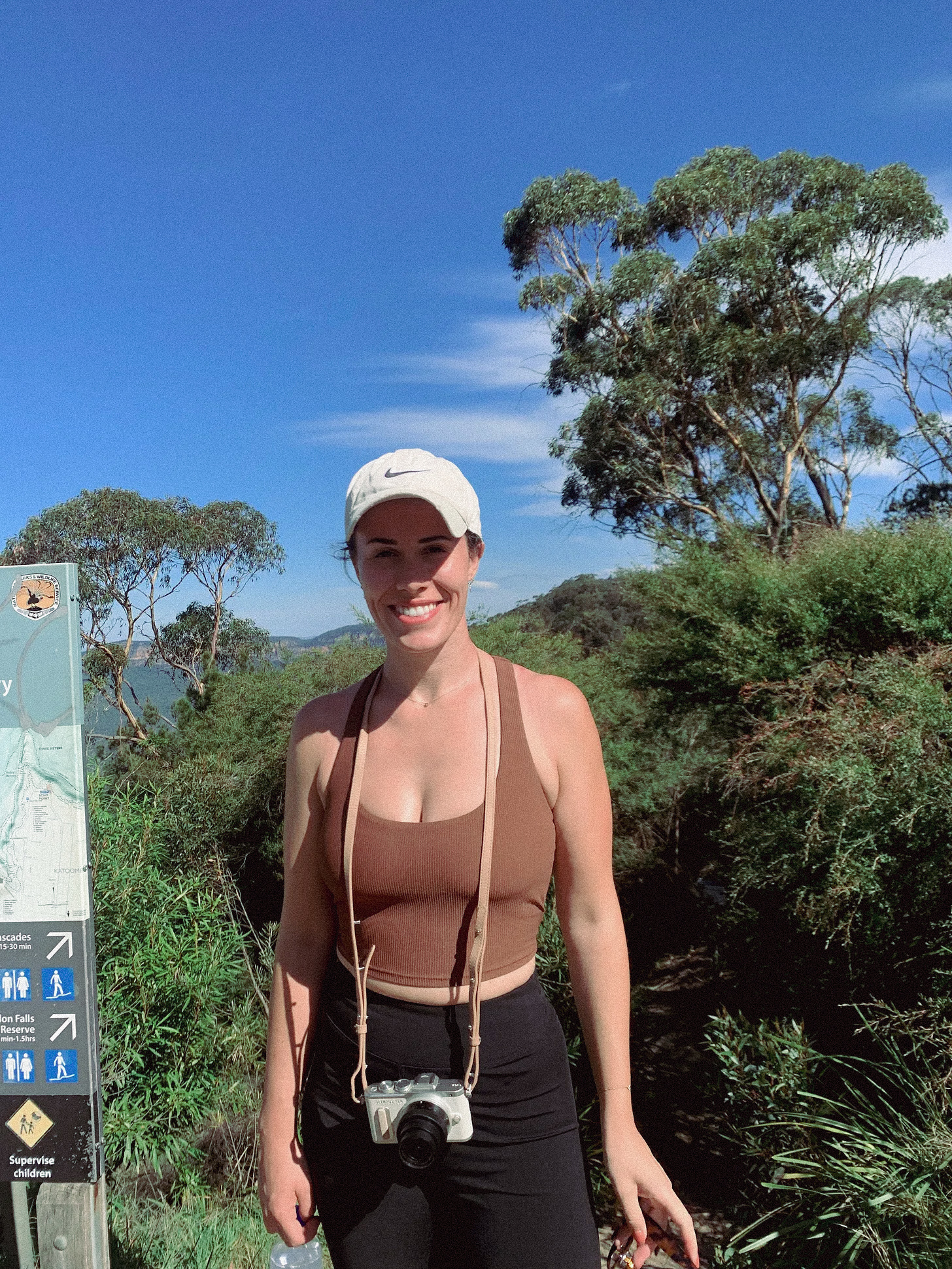
    Blue Mountains, Sydney, Australia (April 2025)

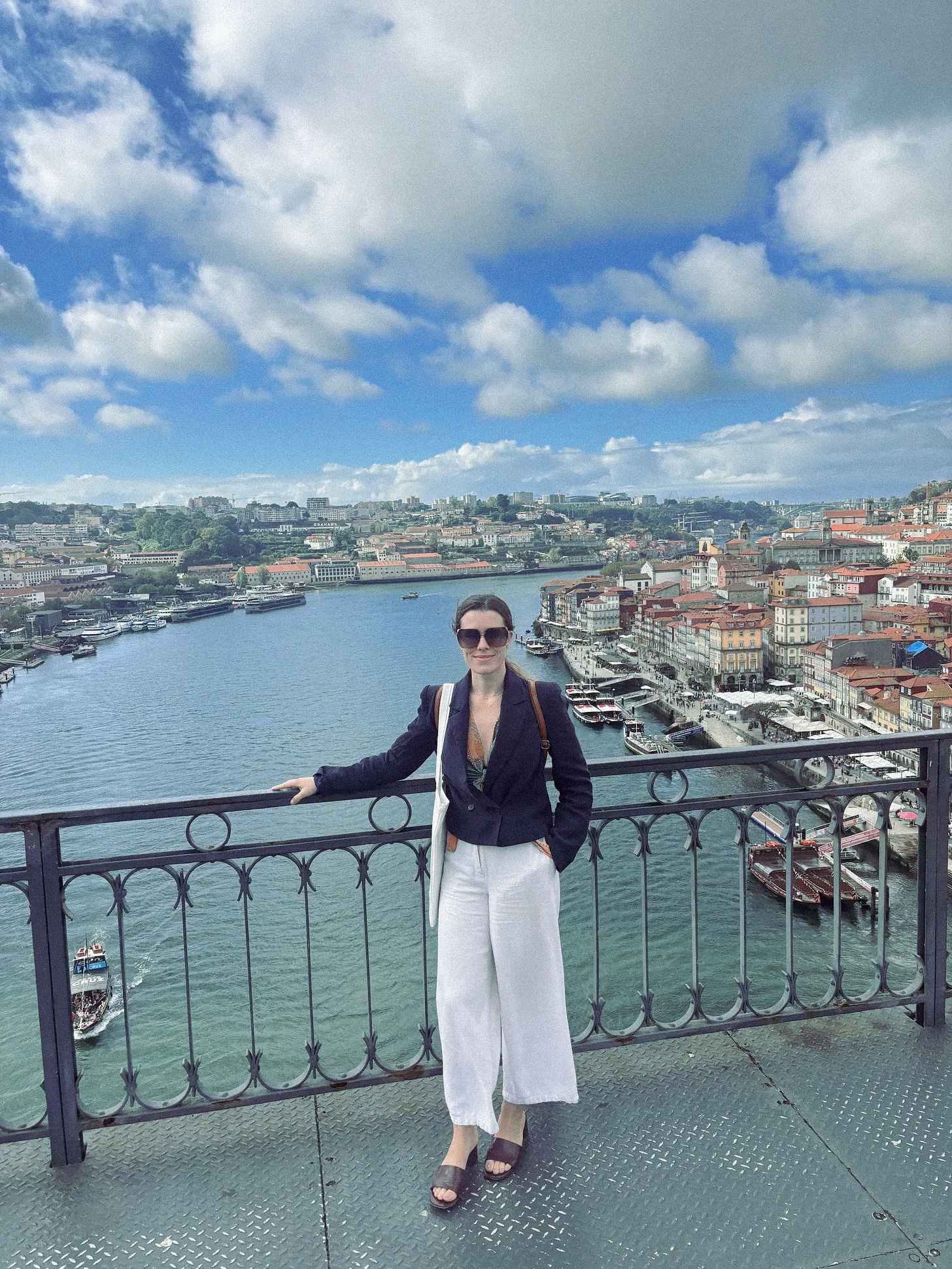
    Porto, Portugal (September 2025)

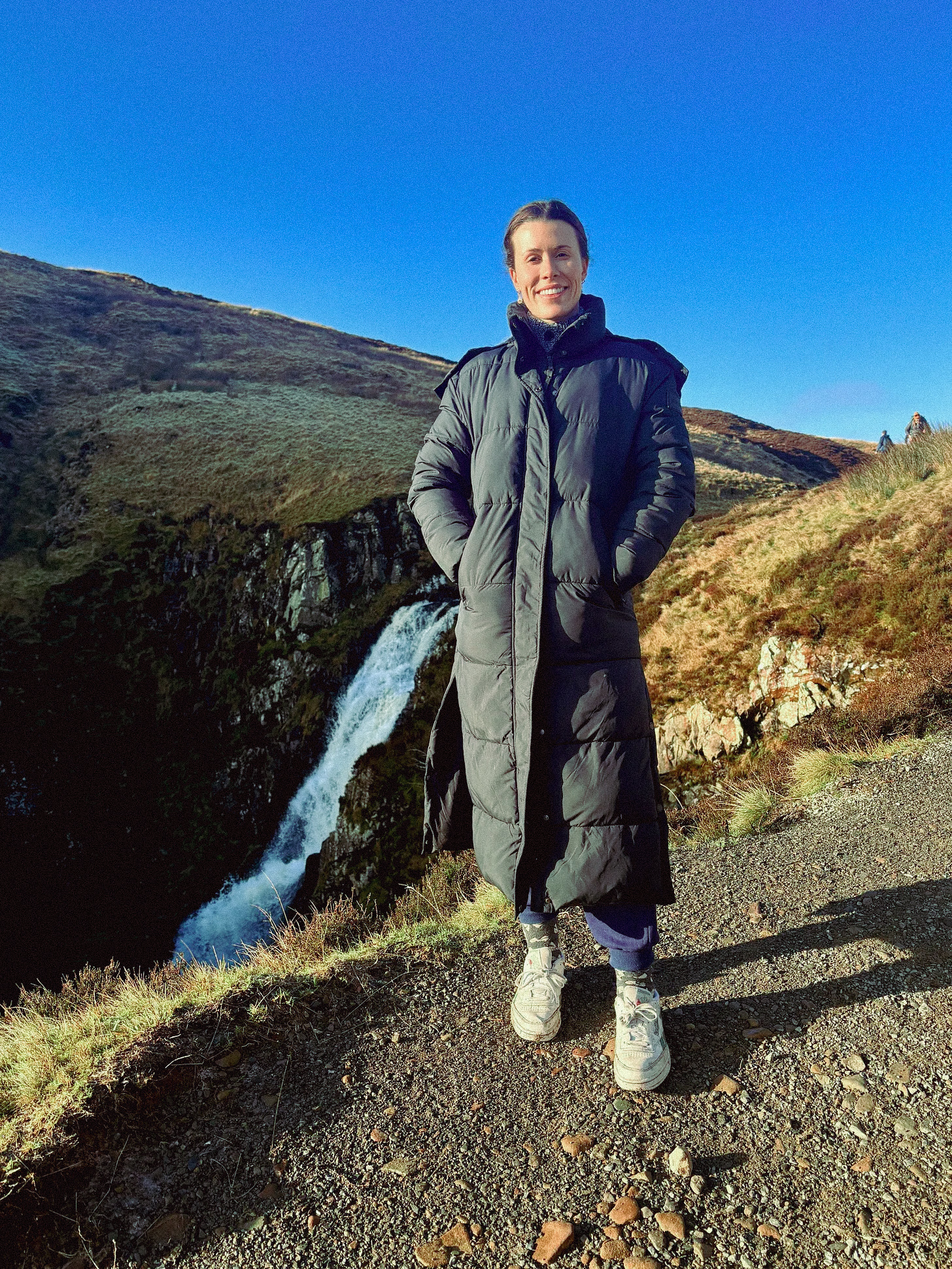
    Moffat, Scotland (December 2025)