Something’s brewing in Tamraght

Coffee equals community, for one couple in this fast-changing berber village.

It’s November 2025, and I’ve deftly escaped the beginnings of the British winter, only to find myself sick, alone, and confined to the shackles of a (very rustic) hostel bedroom in Tamraght, a quiet coastal village in Morocco’s Sous-Massa region.

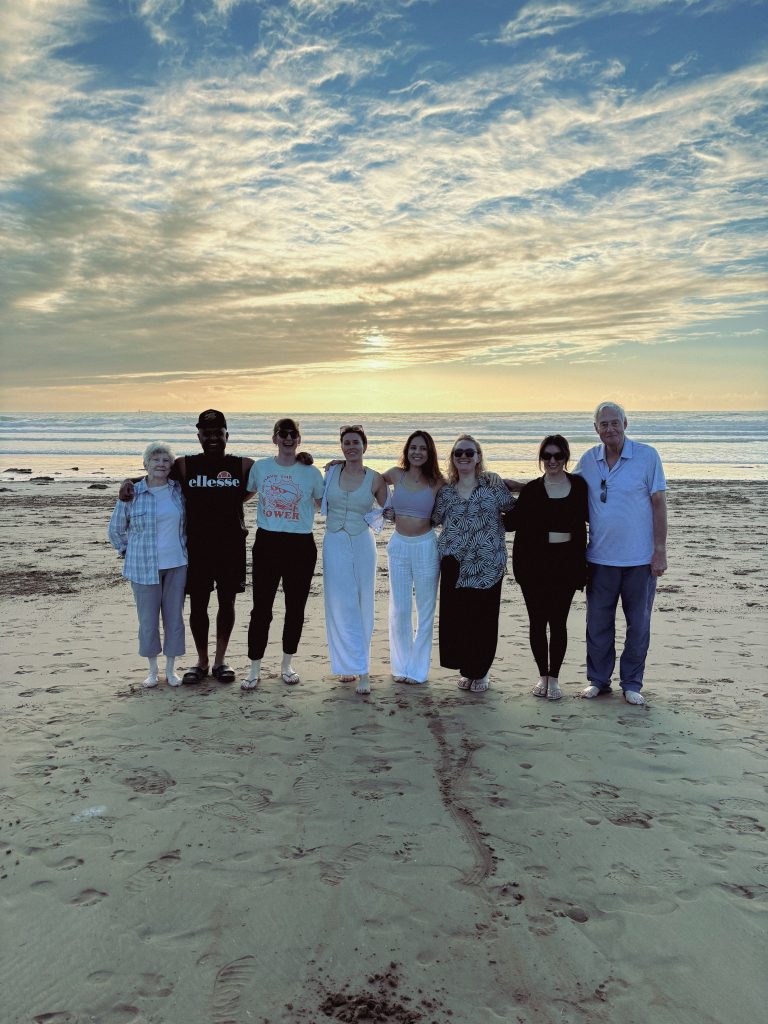
After seven glorious days of surf and yoga with friends from the UK, I’d decided to extend my stay in this increasingly popular nomad spot, to see what life is like beyond the surface (if you excuse the pun). 

But covid or flu – who knows what – had robbed me of the pleasure. 

All I could bring myself to do each day was search for coffee – and that’s how I found Nafas.
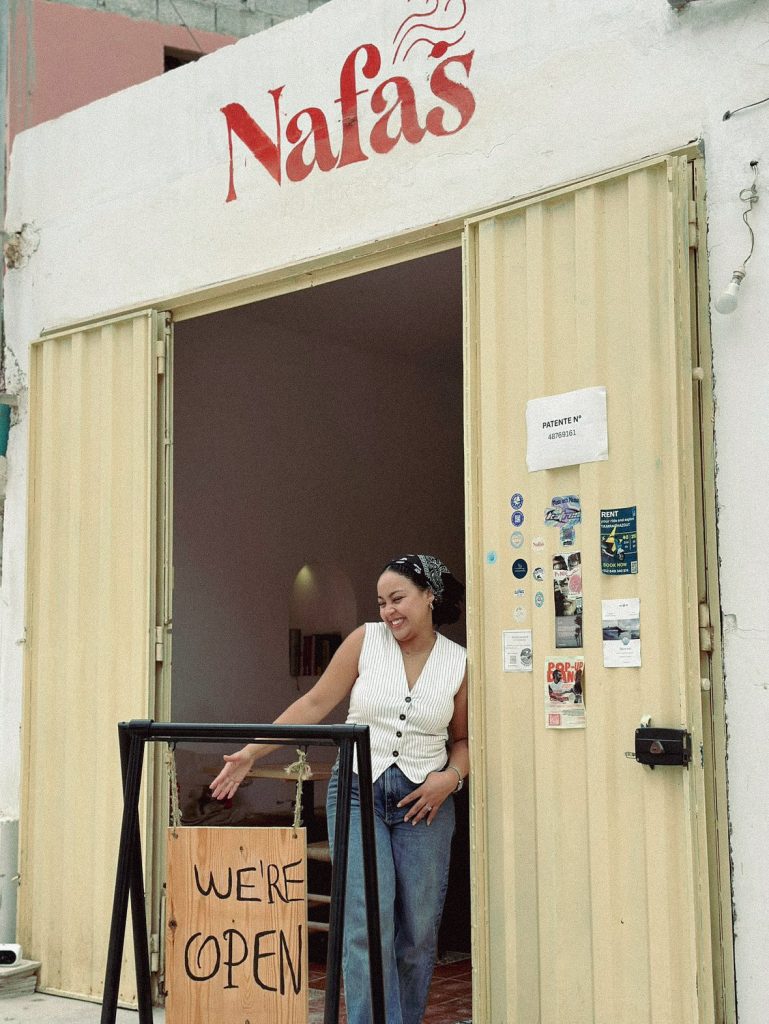
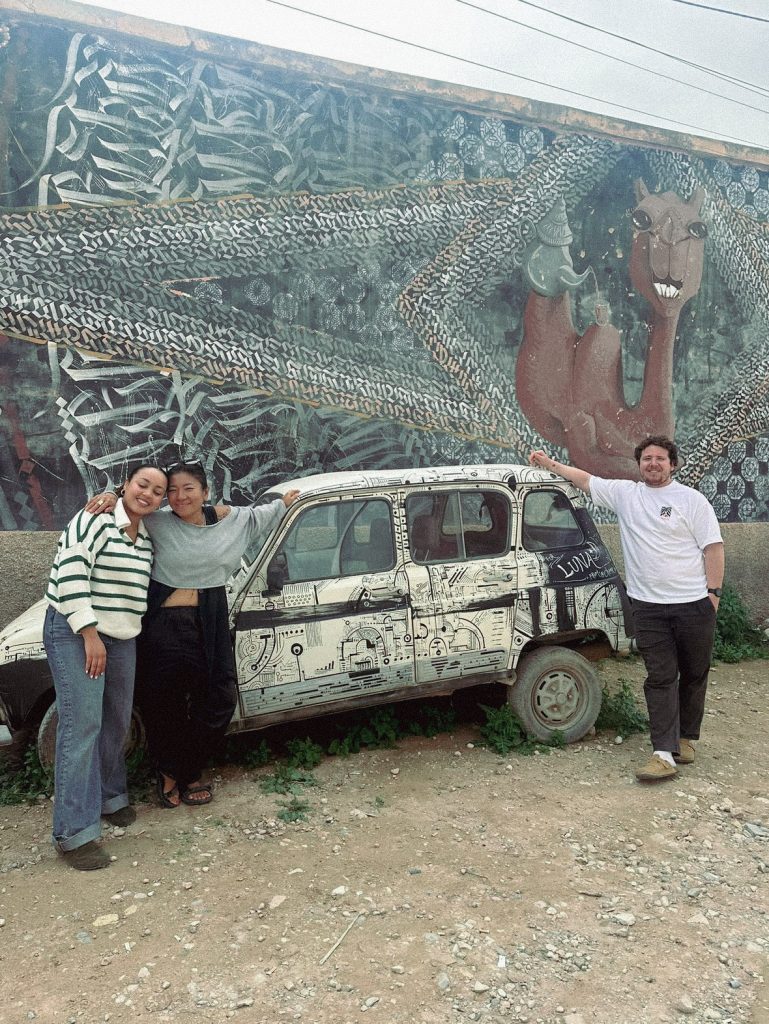
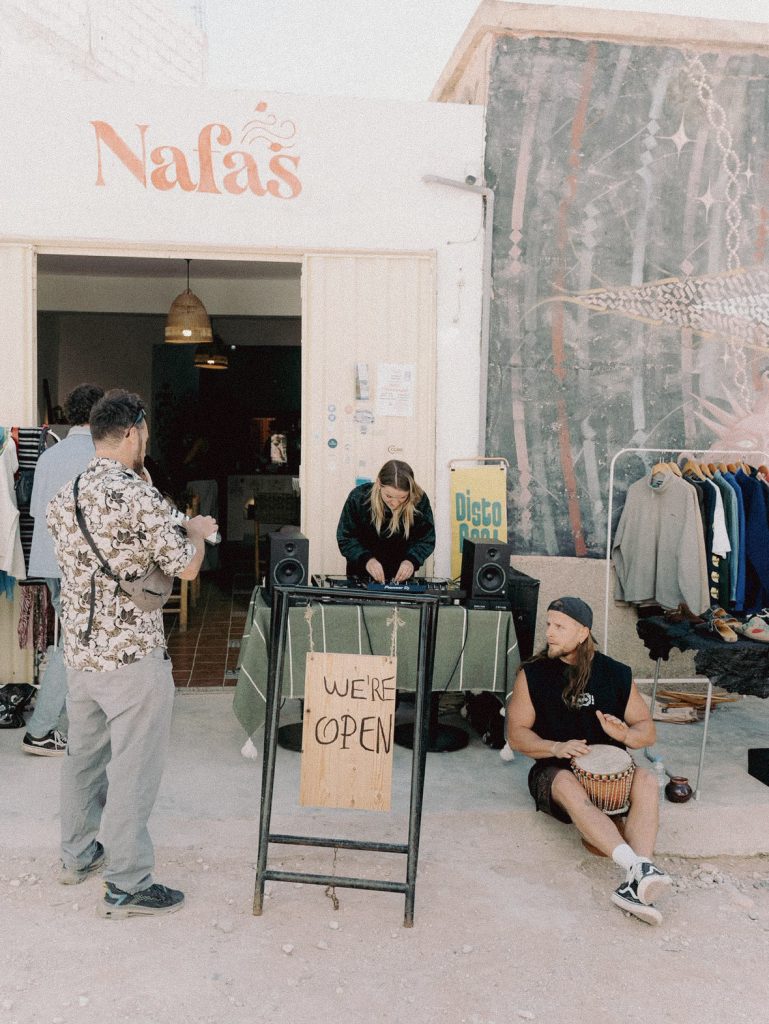
Tucked away from the rest of Tamraght – alongside a huge mural of a camel (one of many awesome artworks in this sandy spot) – this clean, cosy space became the perfect refuge to this tired nomad, for that weekend in November.

It wasn’t by total coincidence that I found it. Guests on my yoga retreat had mentioned the oozy-looking pistachio cookies at the cafe on the hill, and said they were to die for.

“That’s a new recipe I’ve been playing with,” said Fati, the 24-year-old owner, as my mouth watered. “I’ve made them more cakey.” As if it were even possible. 

Fati grew up in nearby Agadir, I soon learned, and founded Nafas with her husband, Luke, nine months before my visit. 

A British nomad in his mid-twenties, Luke had won her over whilst stopping here during the pandemic.

I was intrigued by their story. I’d met a mix of foreigners and locals running businesses in this increasingly popular “surf + yoga” paradise on the Moroccan coast, but rarely together. 

Fati taught herself languages and developed her skills working with tourists in restaurants and cafés around the country.

It was work that first brought her to Tamraght, where she met Luke. 
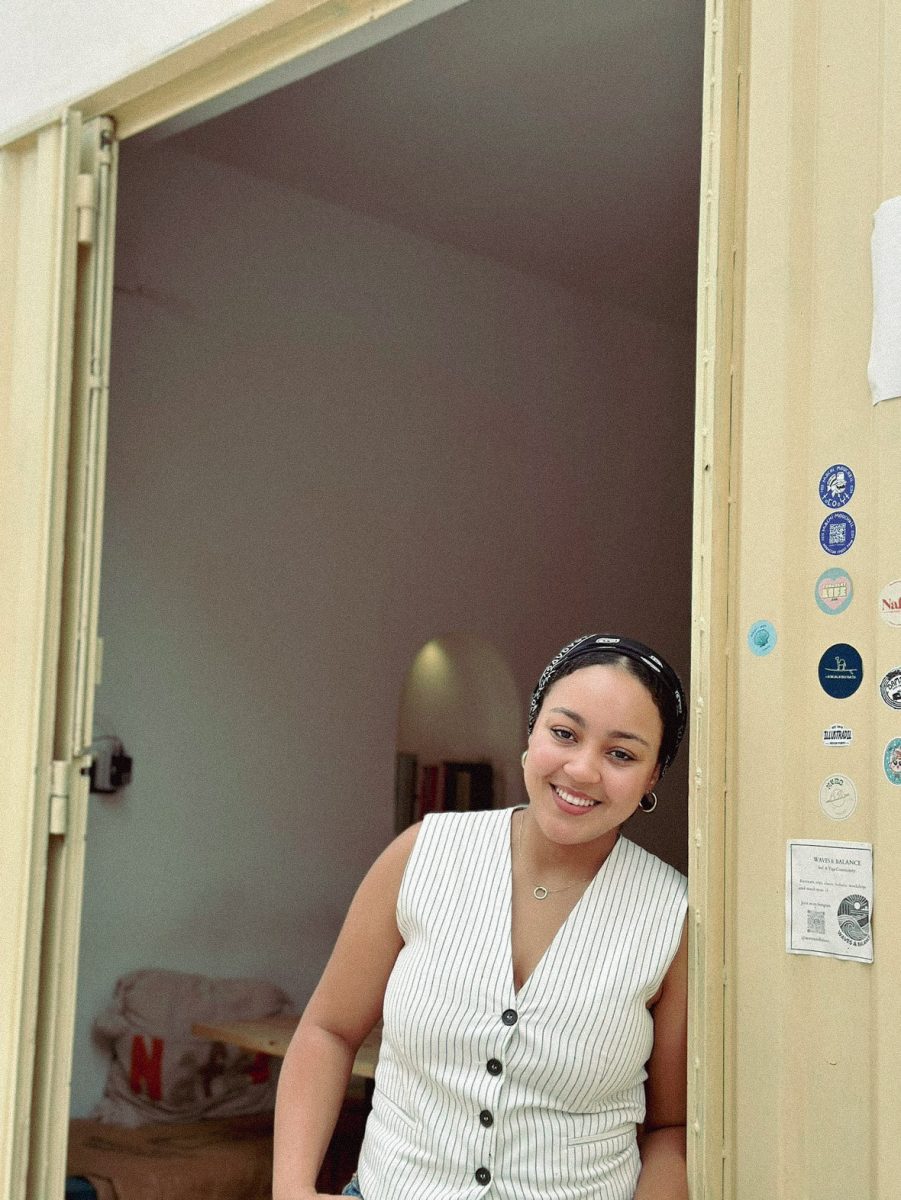
She’d also learned the ropes of high-end catering with a Dutch company, and began running Moroccan cooking classes for tourists. That experience, alongside years spent working in hospitality, would prove invaluable when the pair decided to open a café of their own.
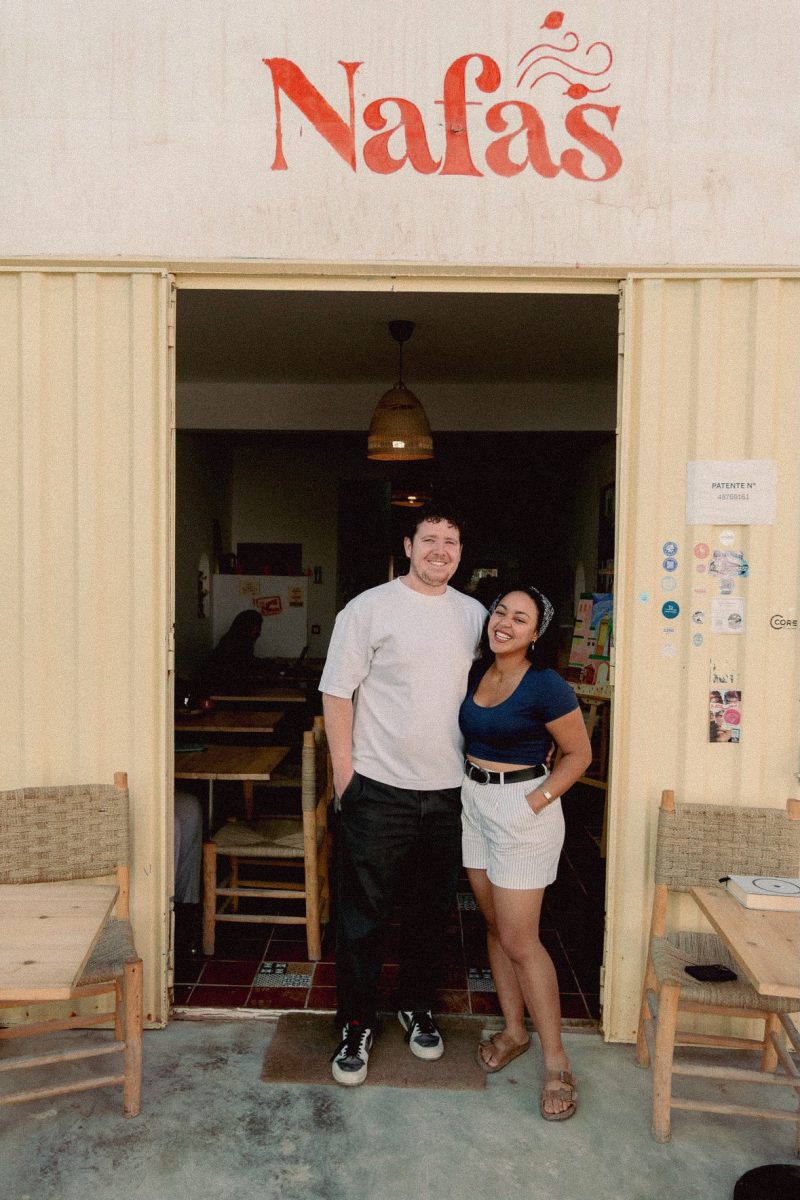
Opening the cafe was Luke’s dream, but Fati had the culinary experience and passion to make something unique. 

They’d fallen in love and found their ambitions fitted together – just at the right time. 

By then, remote work was here to stay, and Tamraght was changing. 

Taghazout surf expo had put the place on the map with surfers; coastal development was attracting holidaymakers; and young Europeans wanting somewhere cheap and warm to work remotely from were arriving – some staying for months, rather than simply passing through for a holiday. 

This brought new businesses and a different energy to the village.

Luke and Fati recognised the appeal of creating a base for the laptop crowd (my phrase, not theirs) – but they didn’t want Nafas to become somewhere built only around outsiders. 

Fati told me that initially she noticed some businesses favouring European visitors over Moroccan customers, but that attitudes improved, as more Moroccan tourists come to Tamraght.

For Luke and Fati, the aim was always the same, however – to create a spot where locals and visitors alike would be welcomed.

You can’t force people to integrate, but you can give them a reason to meet or at least learn, and that’s what interested me about Luke and Fati’s plans for Nafas.

They want it to be a creative and community hub within Tamraght, as well as a cafe and work spot. 
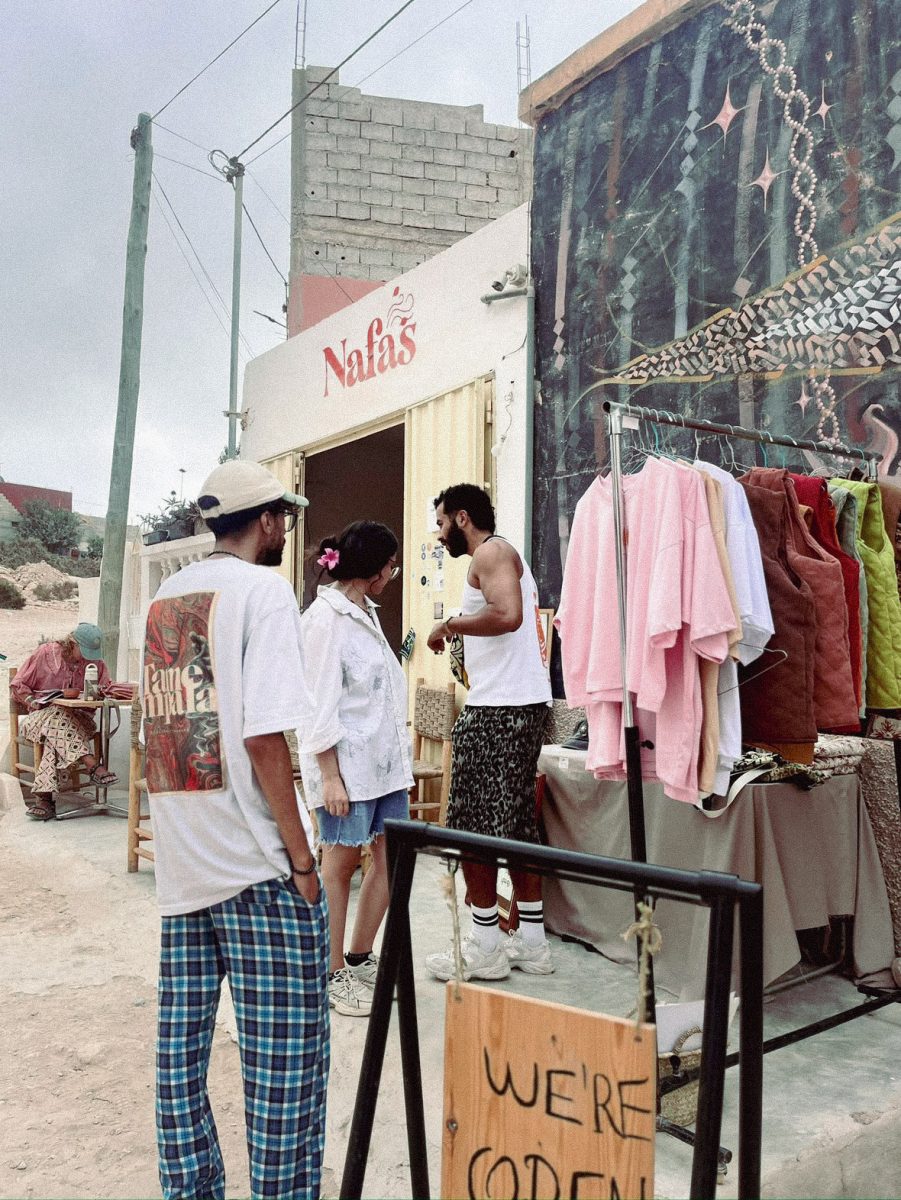
I witnessed that in action whilst there.

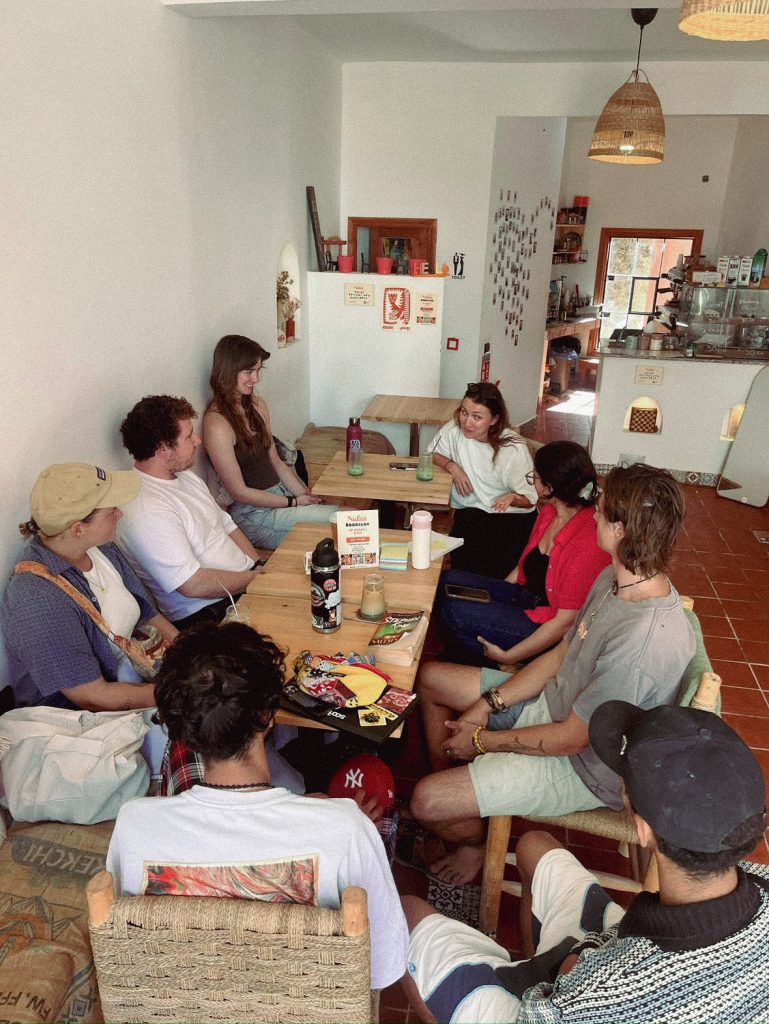
One day, a Moroccan herbalist was running a well attended workshop; on another, some Aussie guys came in to say hi to Luke; and the book club poster in the corner suggested it was somewhere geared toward residents and returning faces, as well as passers-by.
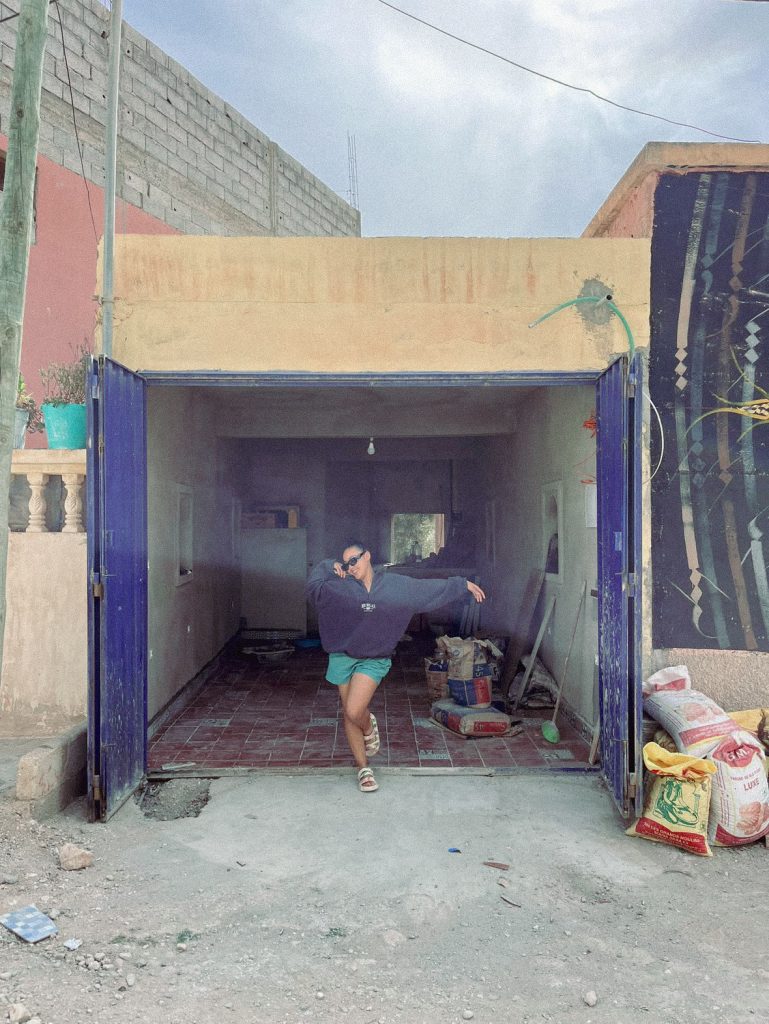
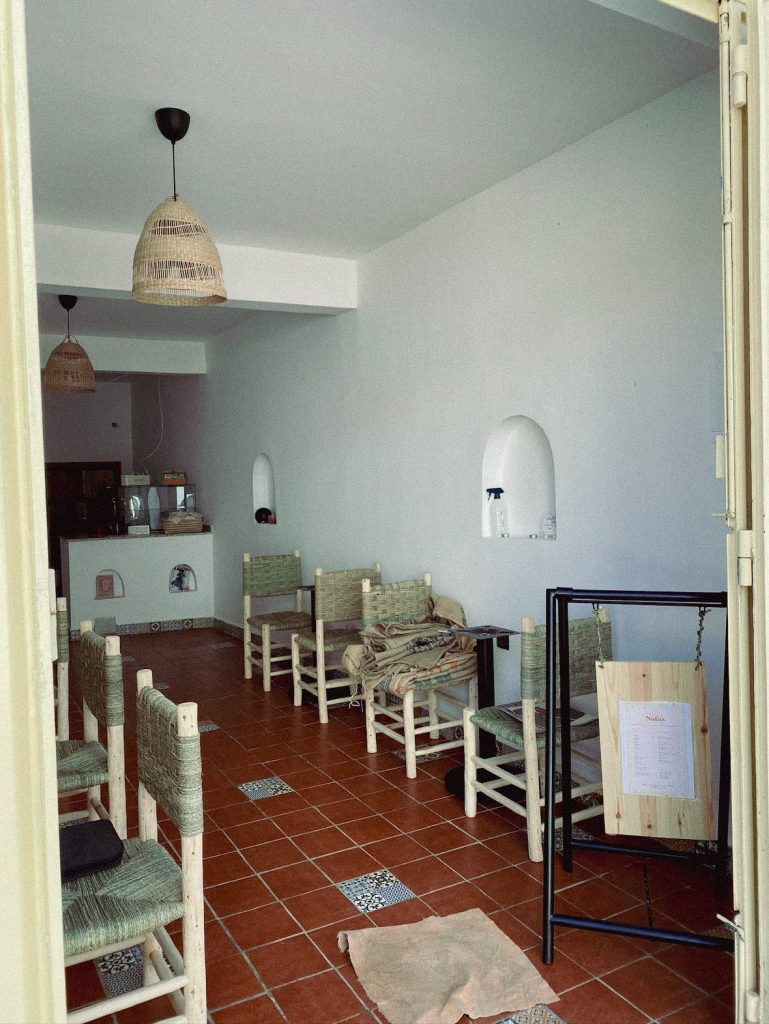
From an empty garage to a thriving hub
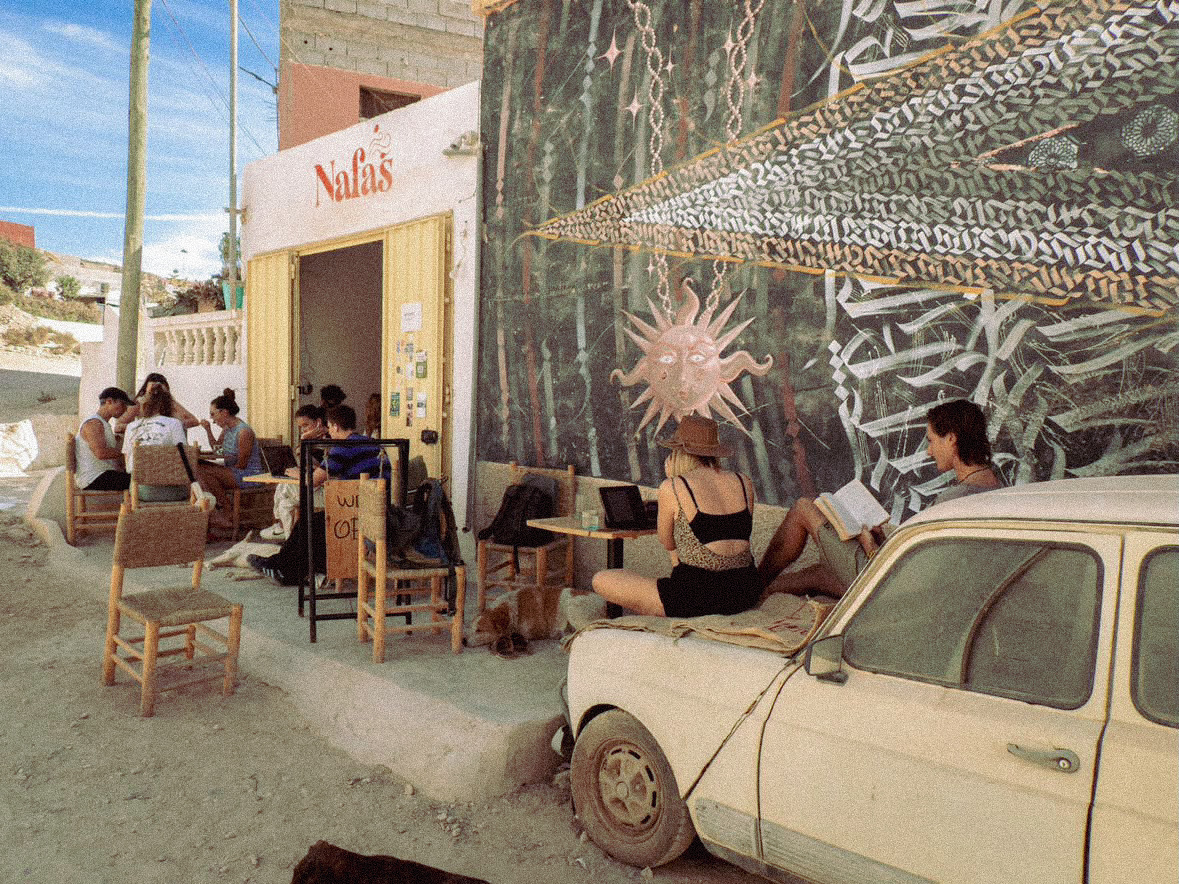
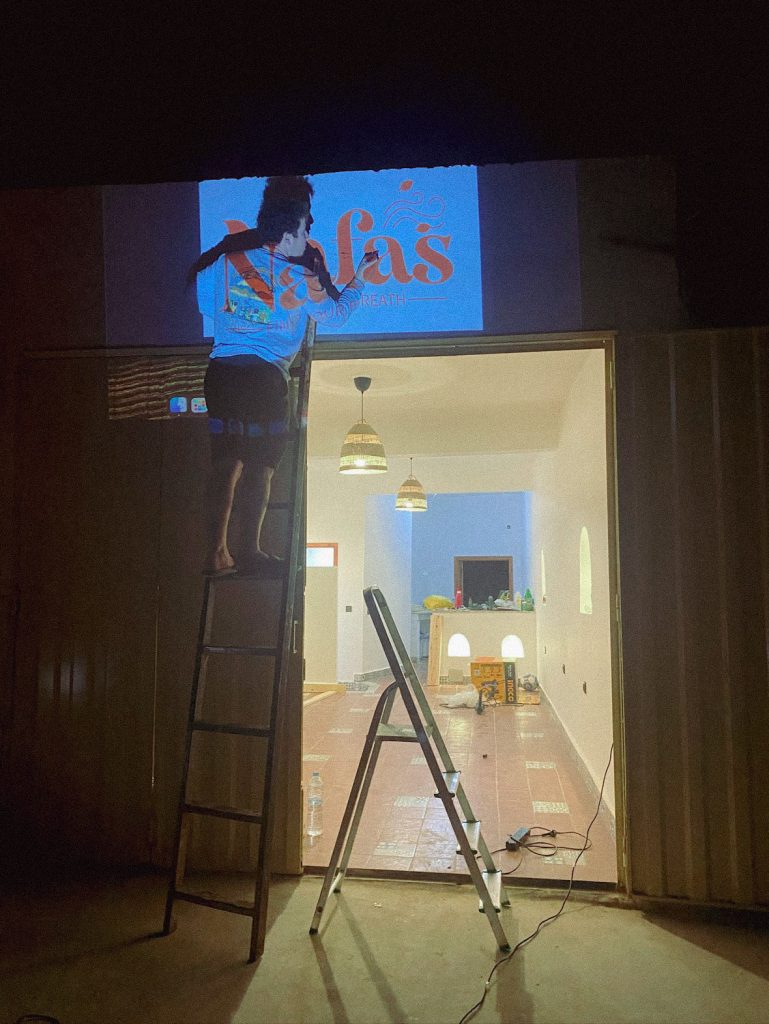
Transforming the place was clearly a labour of love.

“We designed everything,” Fati reported with pride – from the logo to the menu.

I especially appreciated the layout and building work of the place. I love a floor cushion, don’t get me wrong, but after working from various corners of Tamraght, a bit of back support was a luxury.

“We measured every bench to ensure people could sit comfortably with their laptops,” said Fati. 
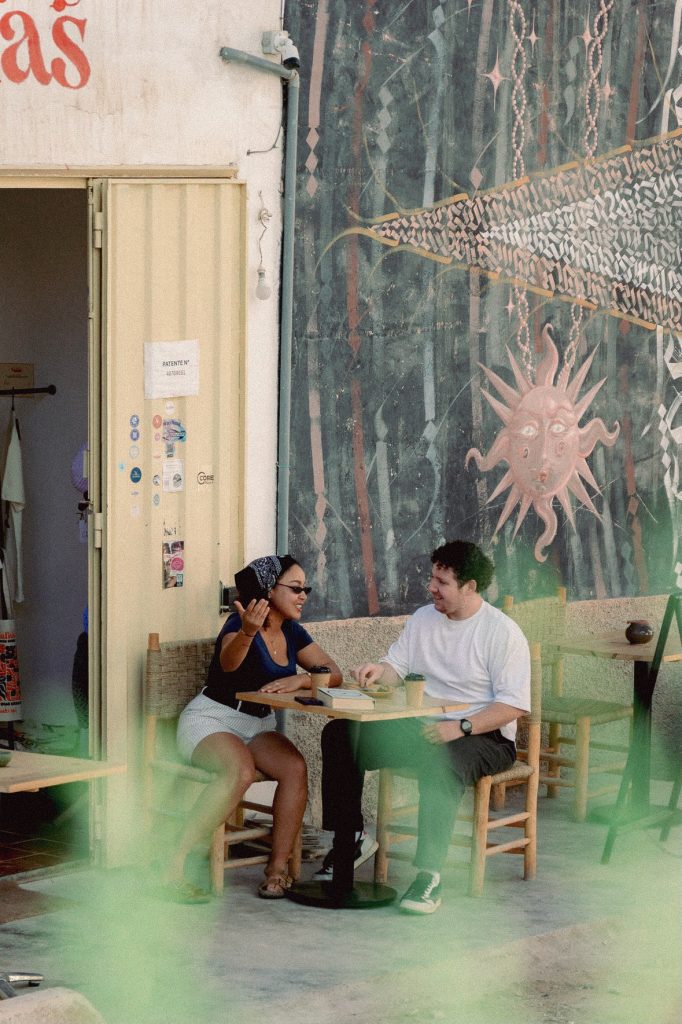
Fati prioritises recruiting Moroccans and is training her team to cook her recipes and manage the café, freeing her to focus on customers and the day-to-day.

“I’m very creative. Before we launched the café, I practised my recipes for over a year. I already had the cooking skills, but I wanted my recipes to be special.”

Fati counts her mum as an inspiration. Skilled at sewing and good with numbers, she built a dressmaking business from home, with Moroccan women coming to buy her dresses. She couldn’t read, but encouraged Fati to pursue her education and have prospects of her own.

The circumstances are different, but there’s a shared entrepreneurial streak: both have turned their talents into something of their own.

I was impressed by Fati’s generosity. She was clearly busy, but took a good hour and a half out of her day to talk to me. 

Warm, smart and engaging, she seemed wise beyond her years. Her Muslim faith is an important part of her life, and we spent some time discussing religion, modern interpretations of tradition and women’s place in society.

Sometimes it’s too easy to look at places through the lens of history, cliches or marketing spiel, something I’ve come to find a little tiresome. 

But places are always changing, always modernising – as evidenced by Fati and Luke’s joint venture, their marriage and the community they’re living in.

It was nice to have a chance to hear about that journey. 

Later, I attended a cooking class with Fati and Luke at their home, just beside the café. 

She’s every bit as fun and engaging in the kitchen, and we spent a glorious couple of hours making tagine and gossiping about who knows what, while the sun sets over Tamraght.

I look forward to tasting what’s on the menu during my next visit. 
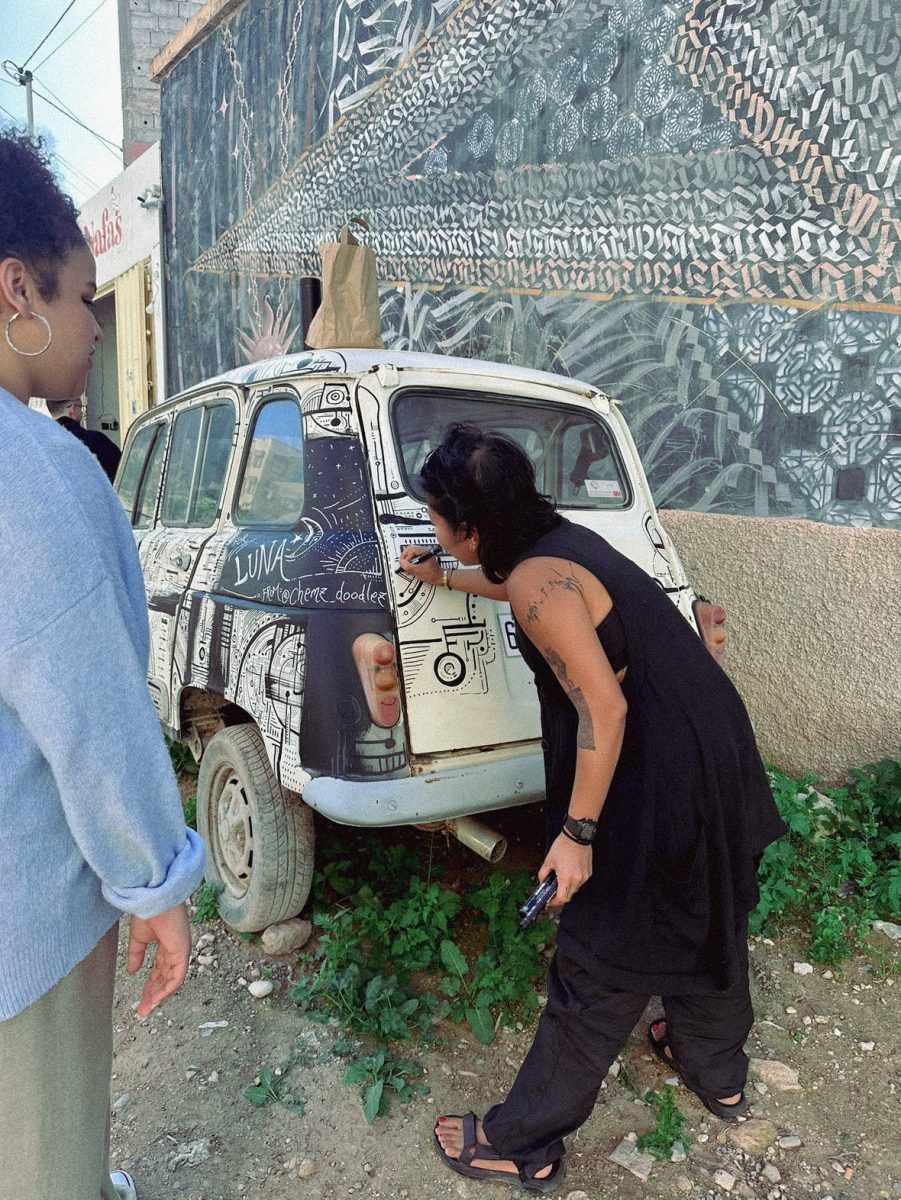
Nafas opens Mon-Friday at 8.30am, and 9.30am on weekends.

Similar Posts

  • A beautiful bank holiday in Sydney’s Blue Mountains

    Plus a “work from home” day at the State library.

    I arrived in Australia at the end of April, when the temperature was in the low 20s. I’d always wanted to visit, but with over seven million square kilometres to choose from, planning a trip to this vast country requires a fair bit of thought.

    I only had ten days to spare this time, with a couple reserved for a new freelance project that had come my way. So I kept things simple, splitting my time between Sydney (New South Wales) and Melbourne (Victoria), close to where my friend – who I was visiting – now lives.

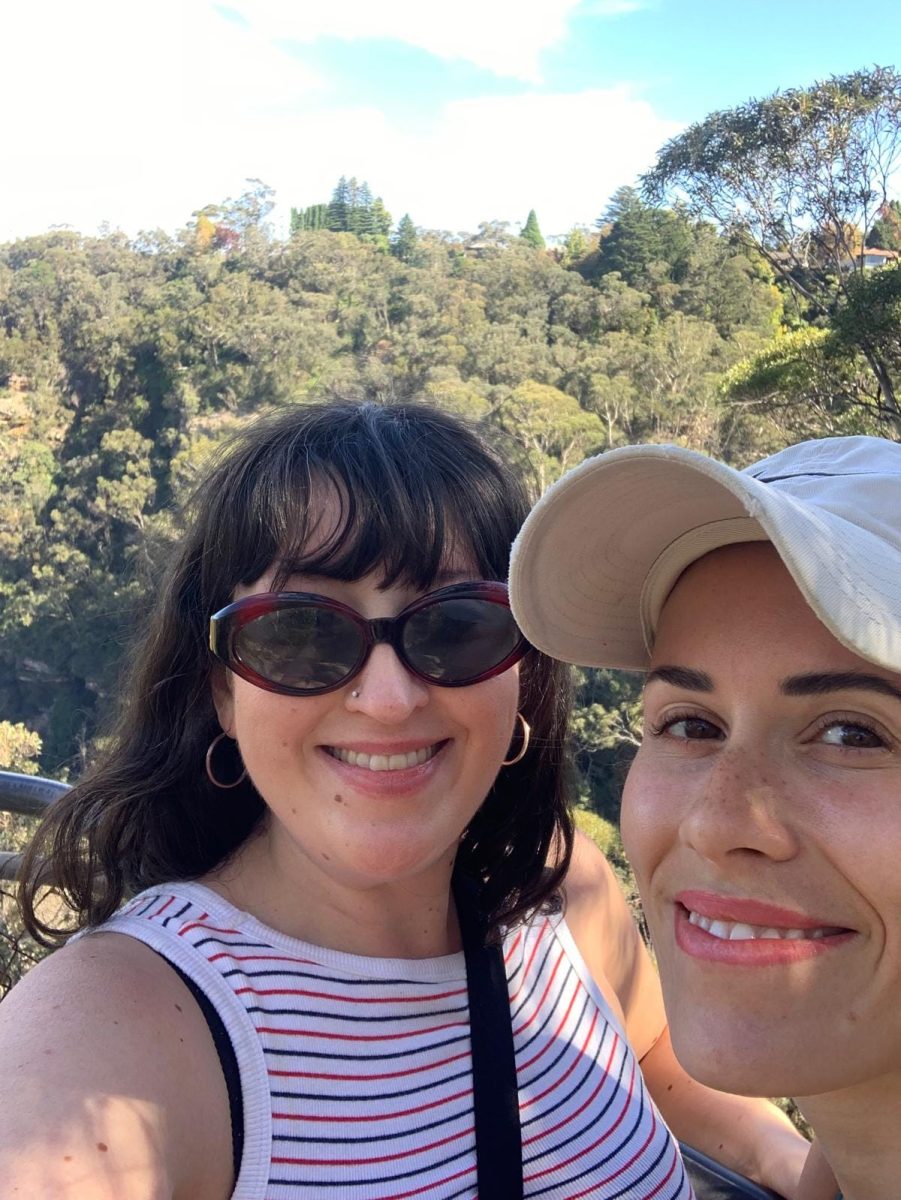
    Flying into Sydney from the lush jungles of Bali, I wasn’t particularly interested in spending time in the CBD (the city centre, basically). With a bank holiday approaching, my friend suggested we visit the Blue Mountains National Park instead.

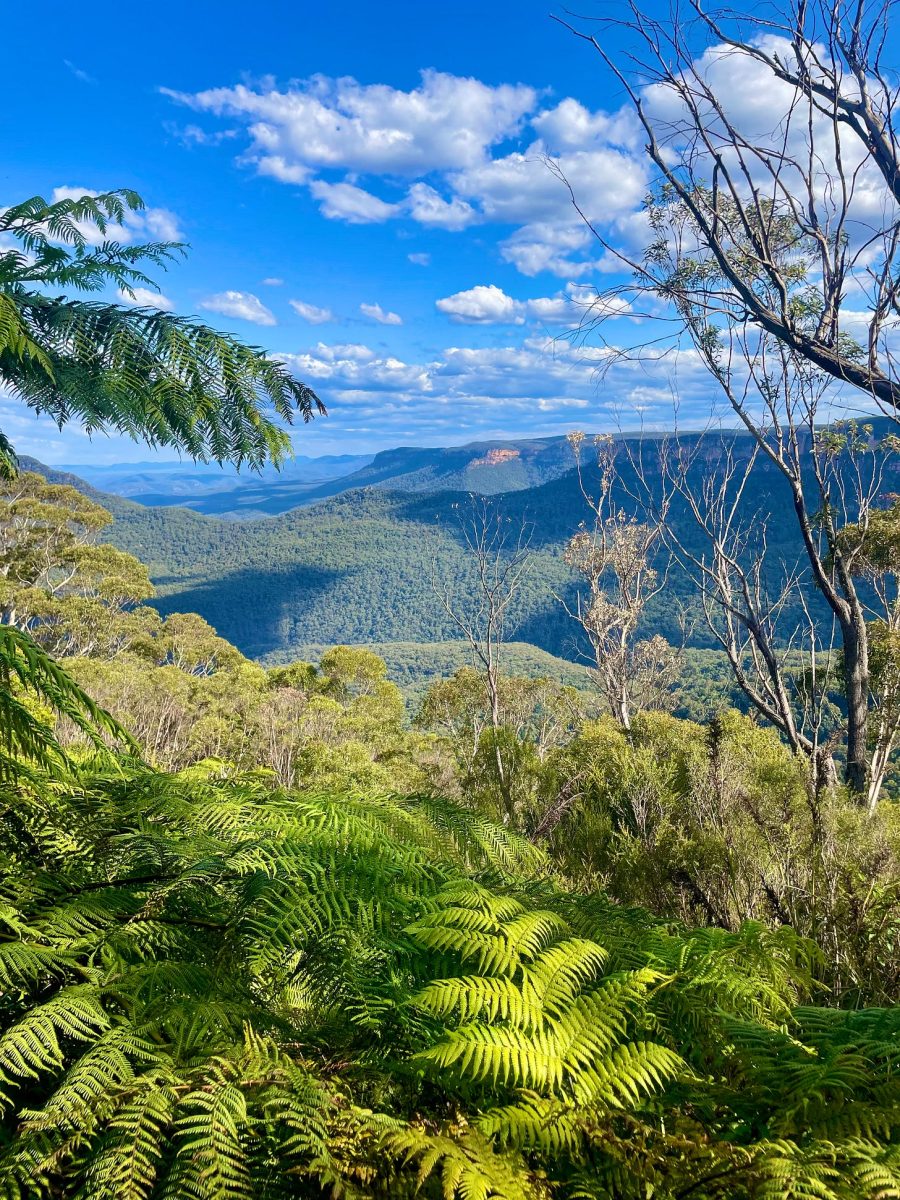
    This is a dramatic sandstone landscape around 60km outside the city. Imagine a vast basin, ringed by cliffs, with deep valleys and rock formations throughout – a bit like an alien crop circle.

    The Blue Mountains is a rugged, World Heritage-listed region in New South Wales, Australia, located about 50 km west of Sydney

    Why is it blue, you ask? If you look closely at the distant trees, you can make out a faint blue haze caused by the eucalyptus leaves releasing oil into the air. It’s a beautiful place, and a fantastic location for hiking. Cue a 90-minute train ride from Sydney’s Central Station, and we found ourselves back in nature once again.

    There are a number of towns dotted around the park, including Katoomba (what a name!). This is the main town and administrative centre of the Blue Mountains. It doesn’t feel big, but there are plenty of cafés and restaurants – we even went to the cinema – and most importantly, the national park is easily accessible by public transport.

    We made this our base for two days, booking a four-bed room at the YHA Blue Mountains Katoomba.

    I must have stayed in around 50 hostels since my first solo trip in 2023, and I’m a huge advocate for them.

    YHA has a long heritage, and this one in particular housed a lot of families, which gave it a safe, cosy feel. There’s a large kitchen and movie room, books and games to borrow – and like most good hostels, the staff had encyclopaedic knowledge of the area.

    Becca doesn’t “hostel” much, and even she enjoyed it, especially given it cost us around £130 each in total for four nights.

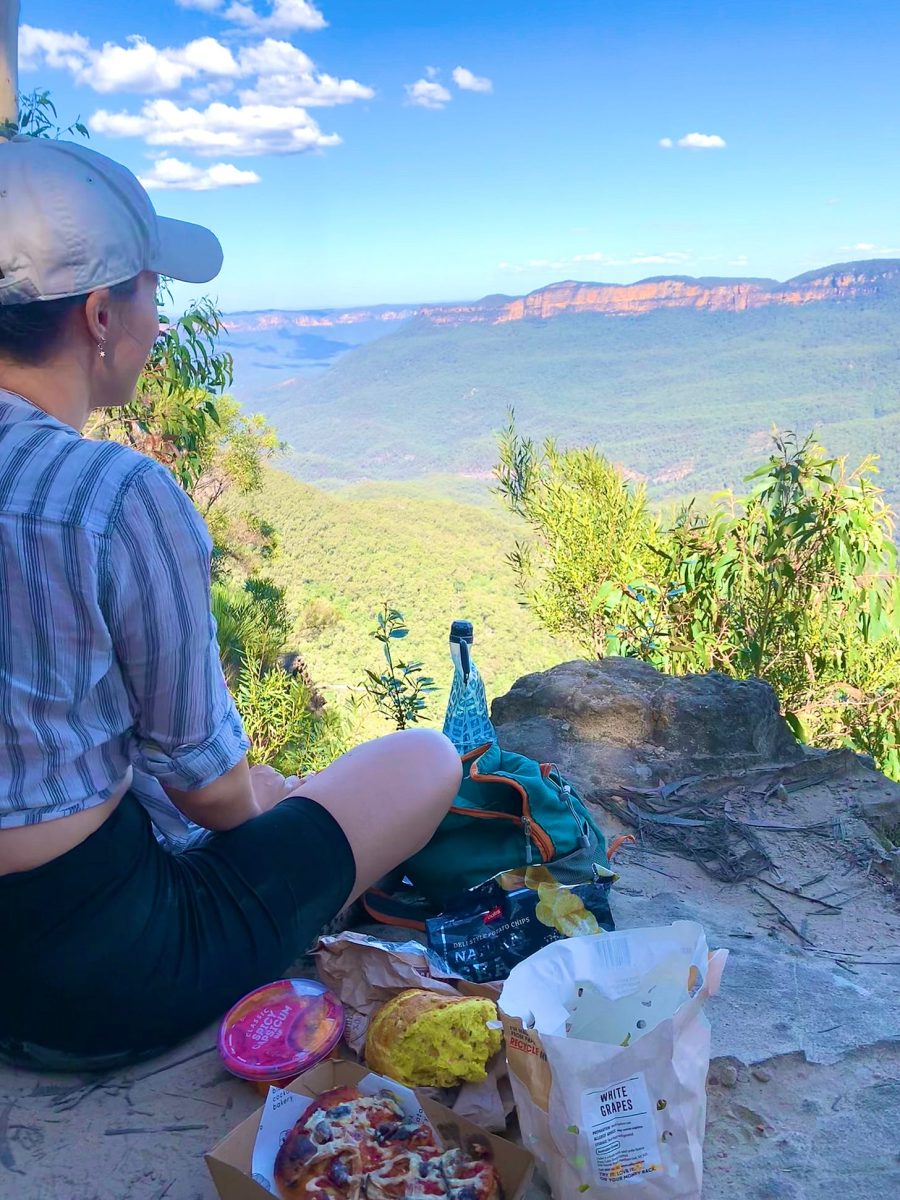
    As for the mountains themselves, there’s a reason Tourism NSW uses them so heavily in its imagery. They’re unlike any mountain range I’ve seen before, with plenty of easily accessible walking routes, many of them fairly flat, offering sweeping views in all directions. More challenging hikes are available too, so pack plenty of food. Nothing beats eating your sandwiches perched on a cliff edge!

    We spent a couple of days navigating different trails, and on Becca’s recommendation, saved one morning to visit Scenic World. This cable-car attraction takes you down to the forest floor and across the famous Three Sisters rock formation, with views out towards Wentworth Falls.

    It’s a fun way to access parts of the landscape you don’t see from the clifftops alone. That said, locals flock here on bank holidays, so my main tip would be to book accommodation and attractions in advance, as everything was fully booked when we tried our luck on the first day.

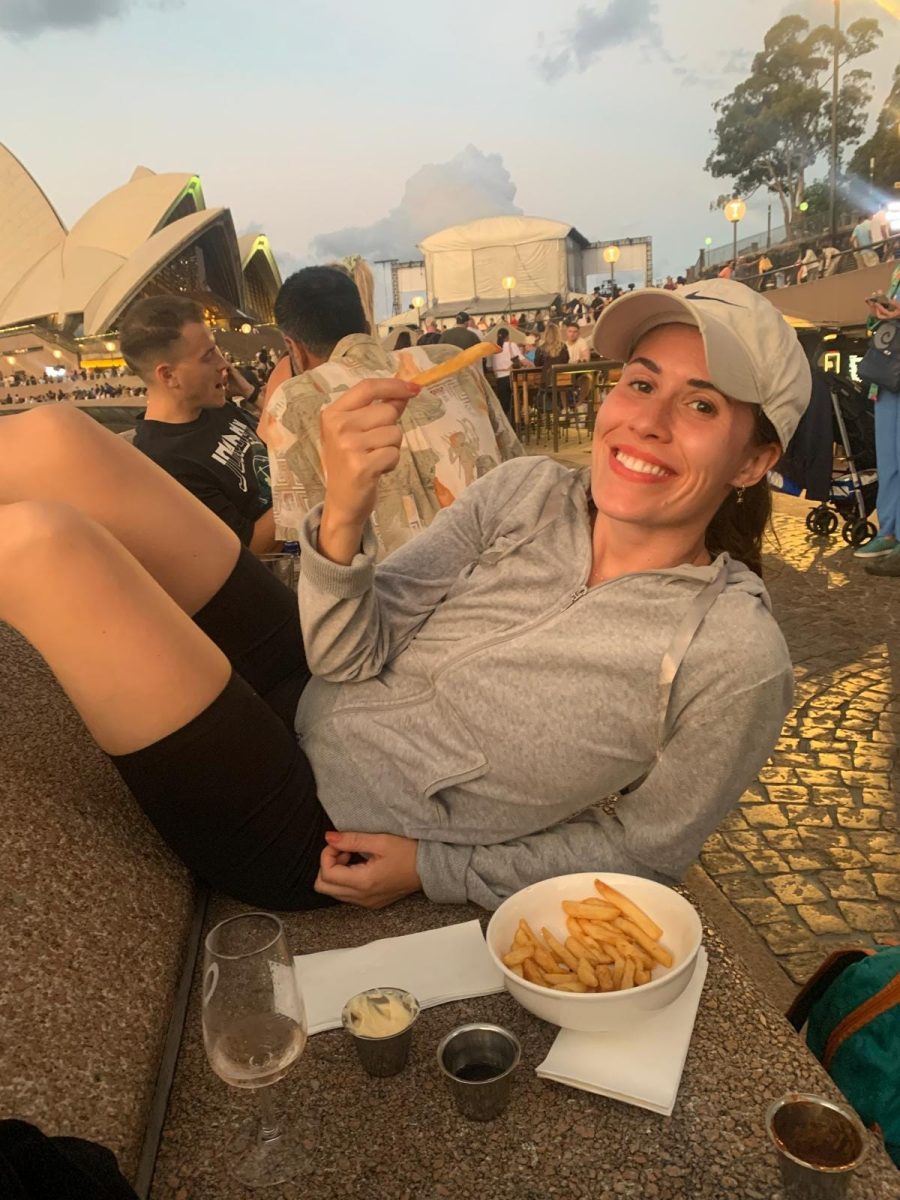
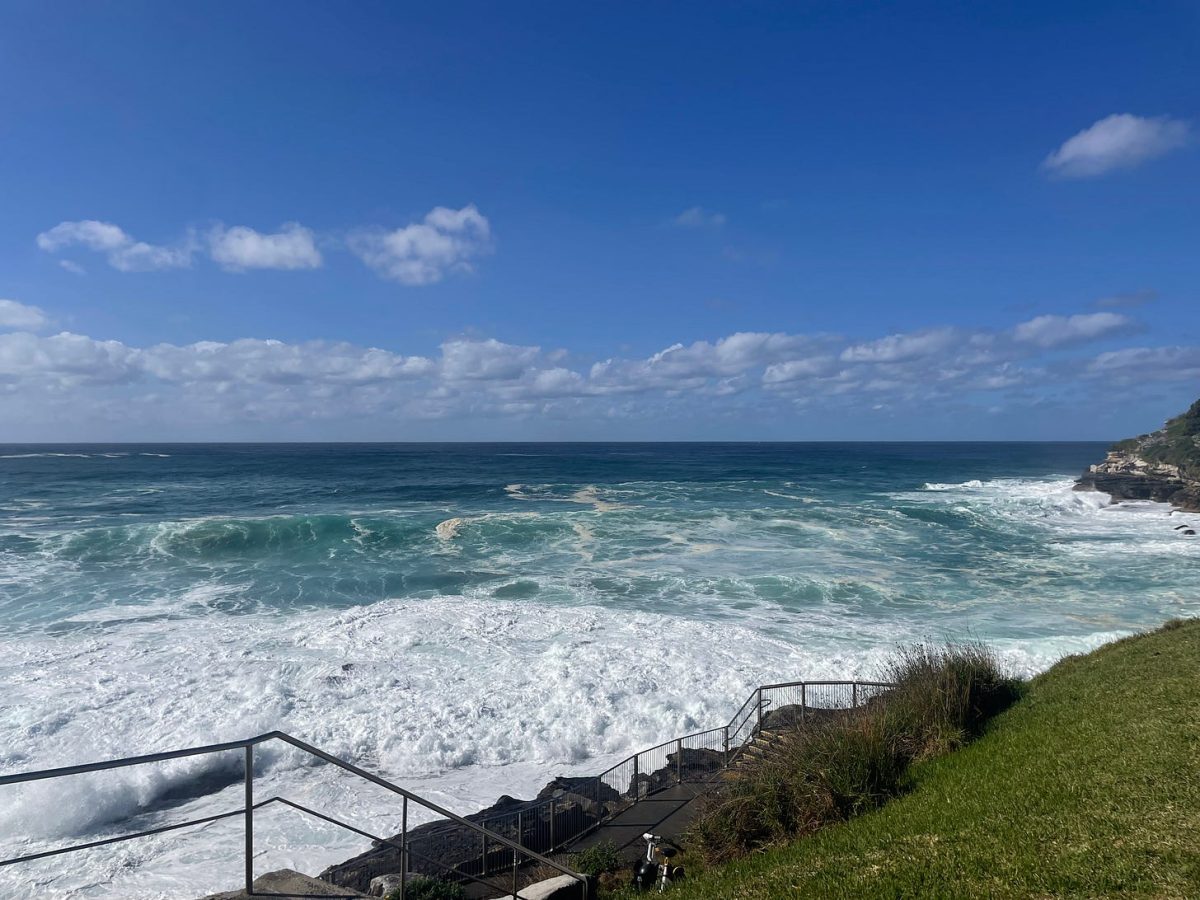
    The good weather held for another day once we returned to Sydney, and after plenty of walking, we spent a glorious evening scoffing chips and watching the sun set behind the Sydney Opera House. I also made time to watch the wild waves rolling in at Bondi Beach.

    Wacky waves at Bondi Beach

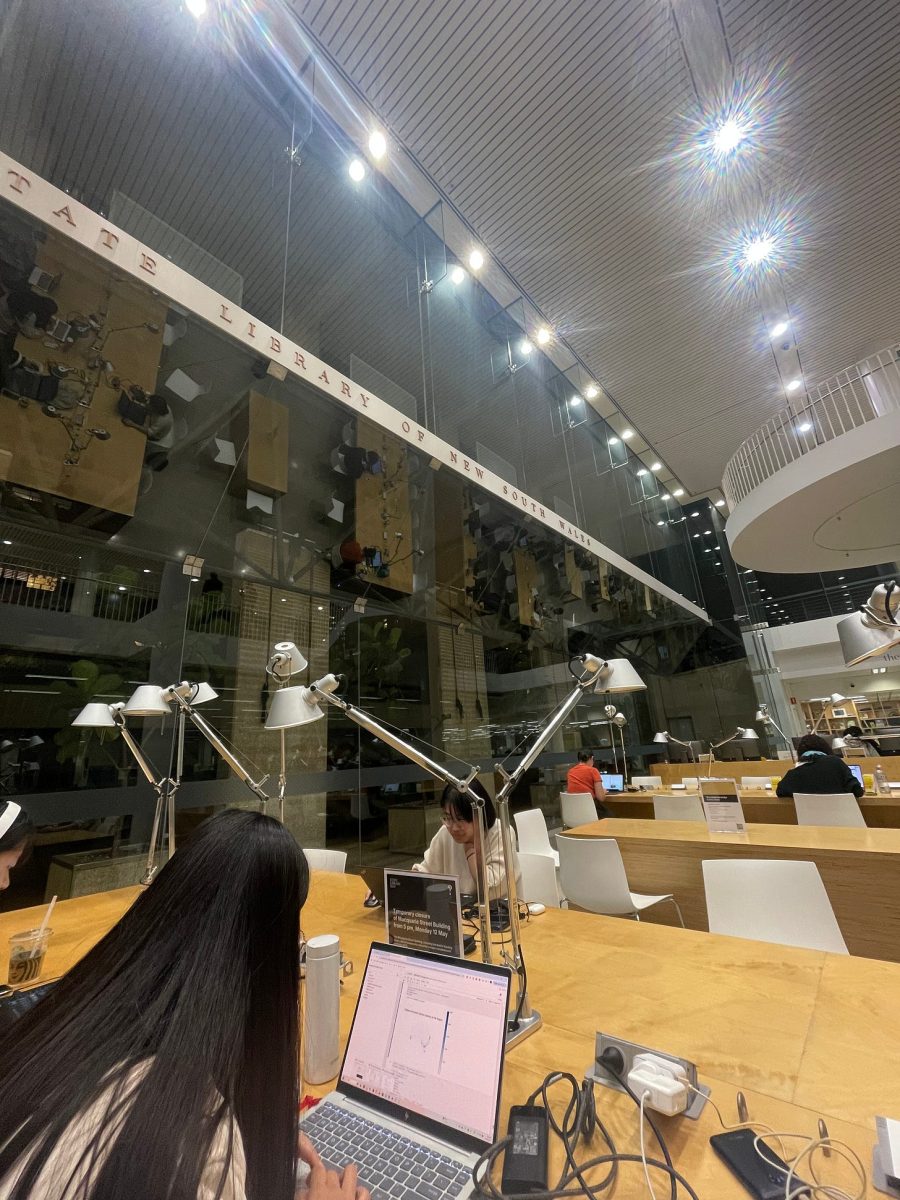
    A day later, the heavens opened. I sought shelter in the State Library of New South Wales, tucked beside the Botanic Gardens (also worth a gander!) and got a solid chunk of work done for the week.

    After two months in Asia, this felt like a real change of pace – and having access to a desktop computer was a small luxury I didn’t take for granted. Sydney has some beautiful libraries (check out this blog post by The Rachellist if you happen to be in need of one). If you’re a remote worker like me, I’ll always advocate for libraries, and this one is particularly lovely.

    Seeking refuge from the rain at the State library of New South Wales

    Working while travelling might sound dull to some, but for me, visiting Australia was a reminder of how grateful I am to work remotely. Better still, freelancing means I’m not working every day.

    We’re lucky in the UK to have a decent annual leave allowance compared to some countries, but a ten-day trip to Australia would still have eaten up a third of it – and probably delayed my decision to come at all. Knowing I can (hopefully) return made the whole experience feel lighter, calmer, and far less rushed.

    Cooling off in Katoomba, the main town of the Blue Mountains

  • My Singapore stopover

    Finding biophilic joy in Asia’s financial capital.

    When I arrived in Singapore, it was toward the end of a three-month stint as a digital nomad in Asia.

    My capacity for animated exploration was pretty low at this point in my journey, and – knowing it was Asia’s financial hub – the prospect of being back in a sea of skyscrapers felt draining.

    Fortunately though, the city is teeny-weeny – roughly 2.5 times smaller than Greater London.

    As a result, I was able to cover a lot of ground within 48 hours. And it turns out there’s quite a bit more to this tiny island than first meets the eye.

    Here’s how I spent my time there.

    First of all – sleep. I flew in from Sydney, so it was a relatively short flight, arriving late at night. I decided to stay in an area called Kampong Glam, Singapore’s historic Malay–Muslim quarter (more on this shortly).

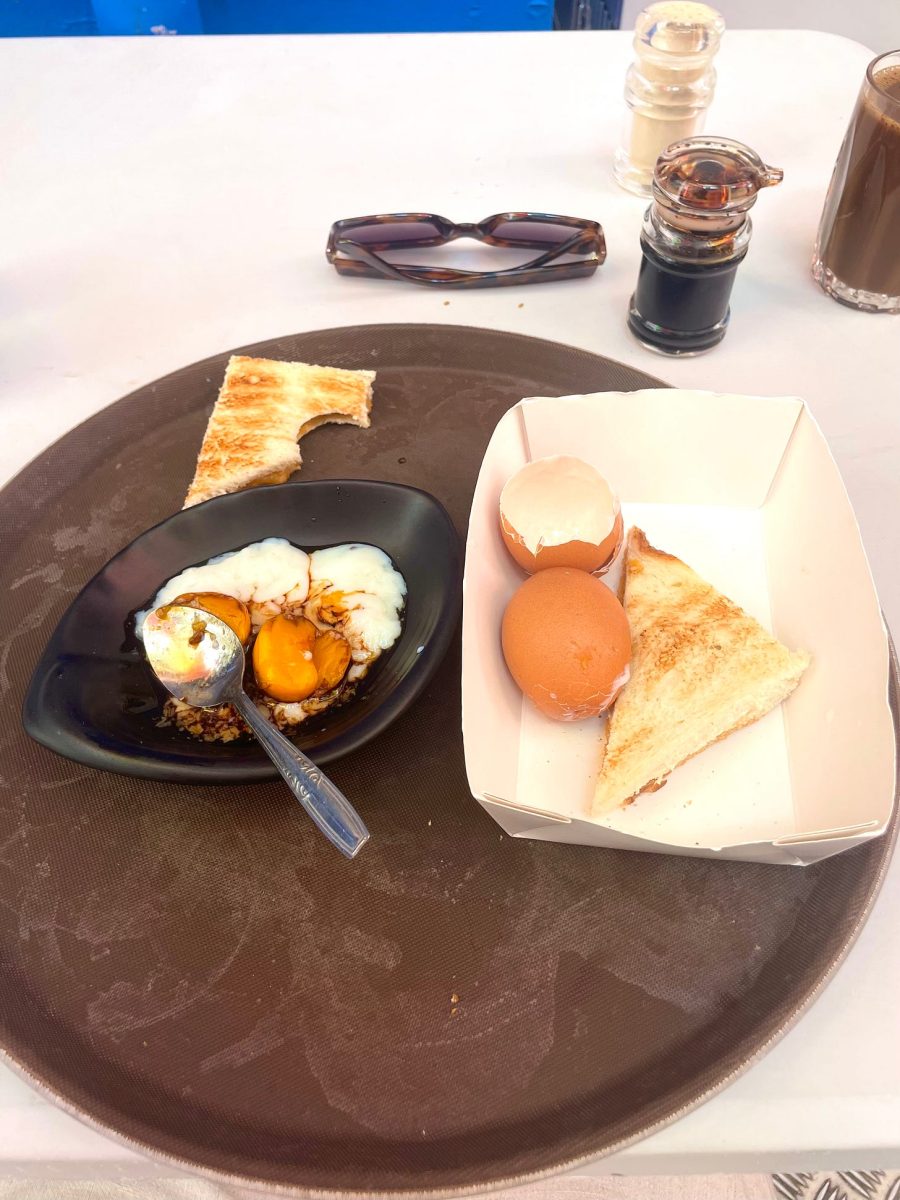
    After a good night’s kip, I spotted a sign for kaya toast. This is a traditional breakfast in the country, so I went to check it out.

    Kaya toast – a traditional Singaporean breakfast – is usually set alongside runny, soft-boiled eggs and local coffee (kopi)

    It looks and tastes a bit like a peanut butter sandwich, but the filling is actually a sweet coconut–pandan jam (kaya). It’s served with soft-boiled eggs, soy sauce and pepper, alongside a strong coffee (kopi).

    I didn’t really know what I was doing, but a kindly stranger advised that you’re meant to dip the toast into the egg and sort of lap it up.

    I enjoyed it – but if you’re after more Western cuisine (which might be the case after a long trip away), there are plenty of cafés offering cooked breakfasts too. It’s a cosmopolitan city, at the end of the day.

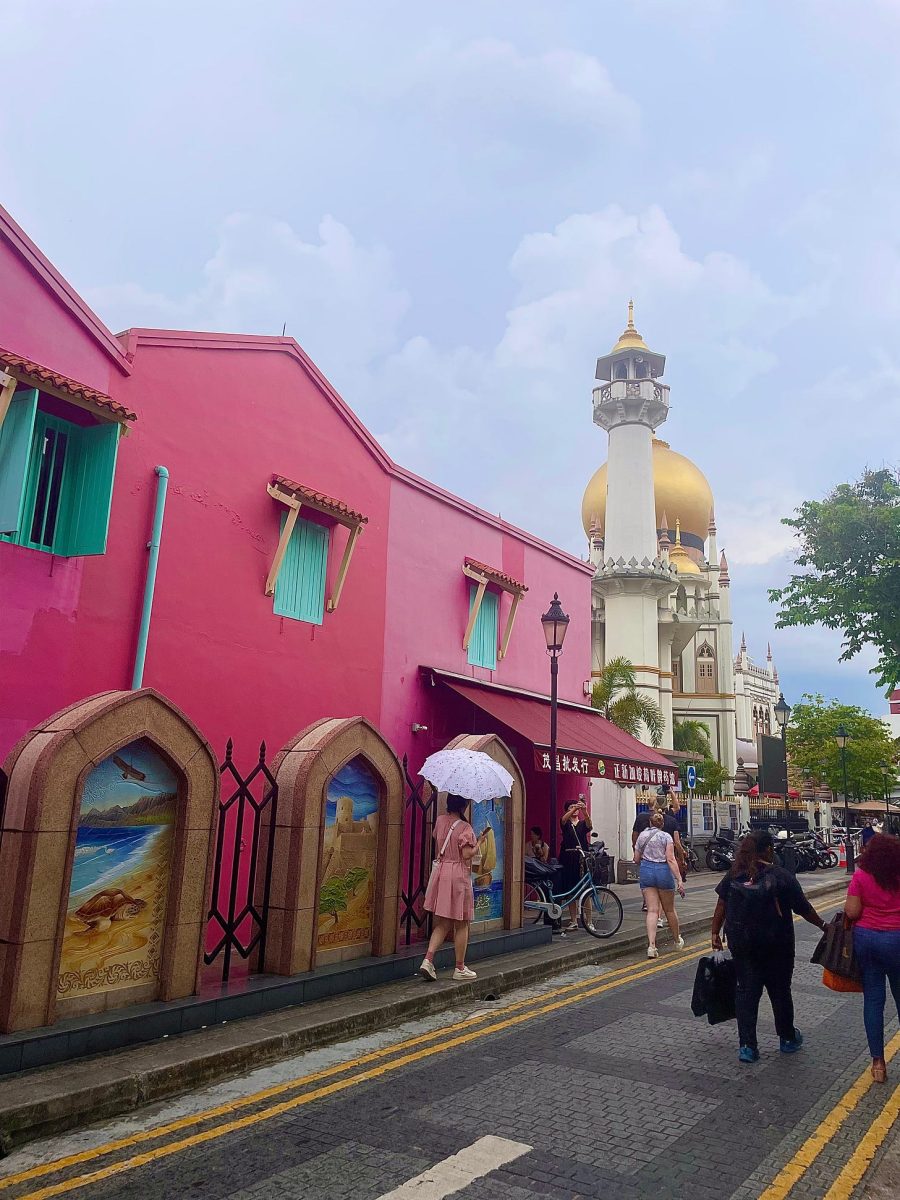
    Next, I headed to the old town, to Kampong Glam. Even before you’ve done any Googling, you can tell this is the ‘cool bit’.

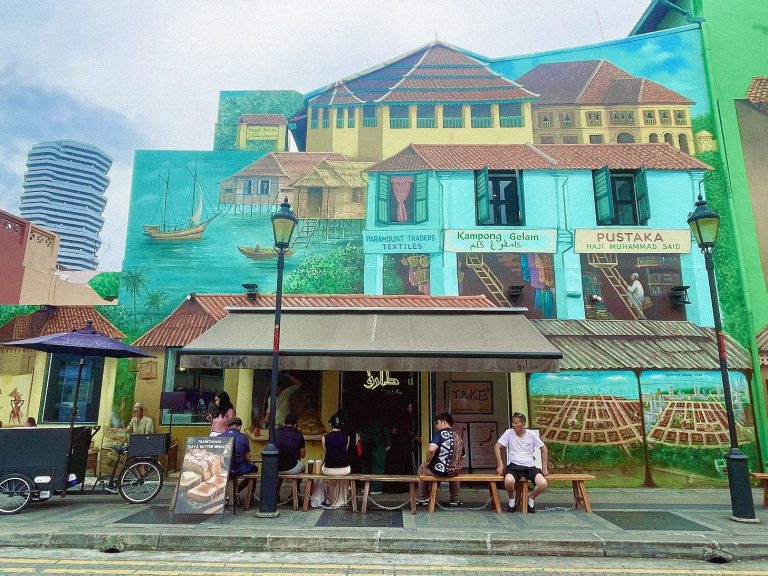
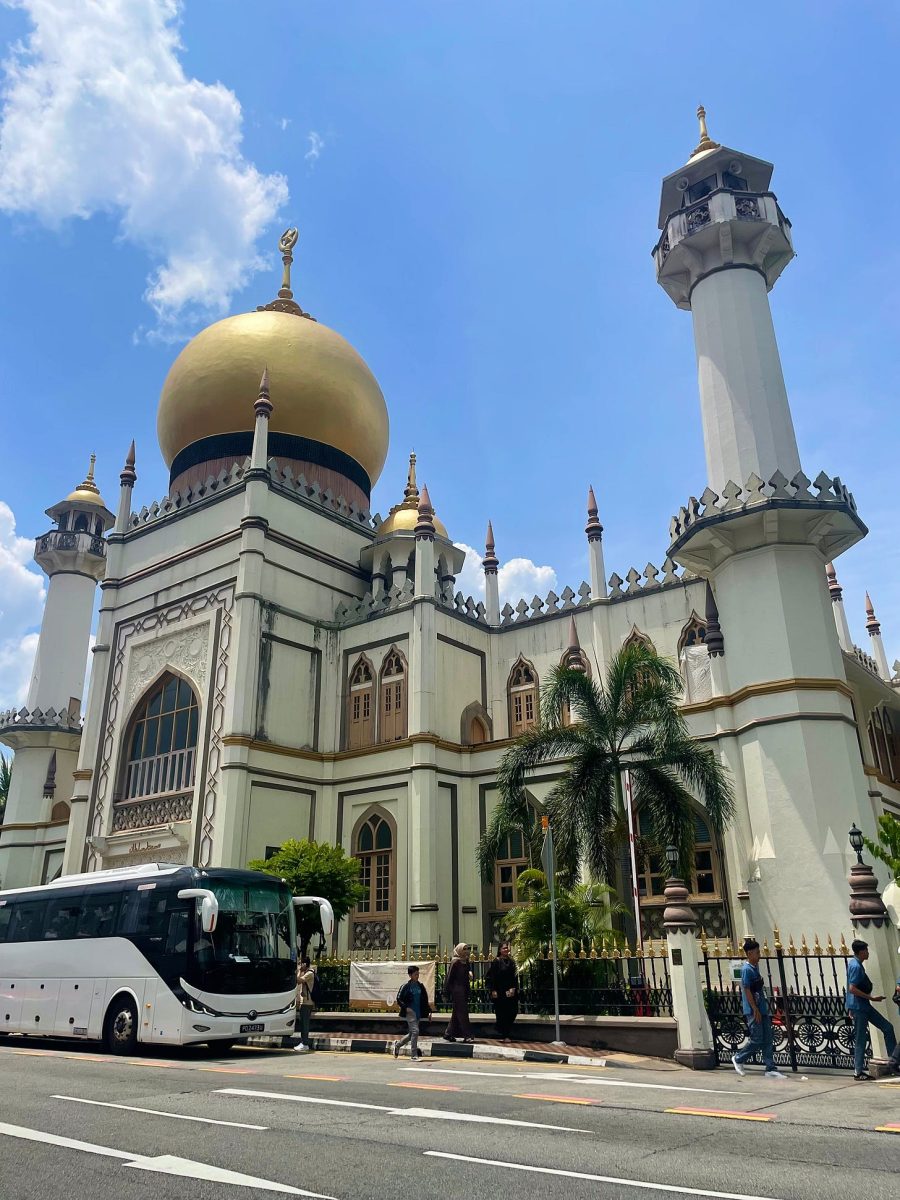
    Sights from Kampong Glam, Singapore’s Muslim Quarter – now a vibrant shopping and eating area

    Unlike the modern high-rises typical of the Singaporean skyline, this small cluster of streets is made up of shorter, squatter buildings packed closely together, many adorned with colourful street art.

    Walking around in the daytime, it was full of a mix of older and more modern cafés (including places like % Arabica, one of my favourites in Hackney), lots of cute shops, and the beautiful Sultan Mosque – the largest in Singapore.

    Kampong Glam is made for Instagram, so if you’re a talented photographer (unlike me), you’ll want to kill some time here like I did exploring the artwork, buying trinkets and hopping between cafés and ice-cream shops.

    By this point, it was pretty hot, and I needed some greenery.

    So, after seeking shade in a market, I took the train into the centre, and headed towards the Singapore Botanic Gardens.

    This park provides a welcome oasis from the chaos and closeness of the surrounding streets and buildings and – fun fact – are the first and only tropical botanic garden on UNESCO’s World Heritage List.

    I was able to pass some peaceful hours here watching otters and lizards, and stopping for lunch at the café.

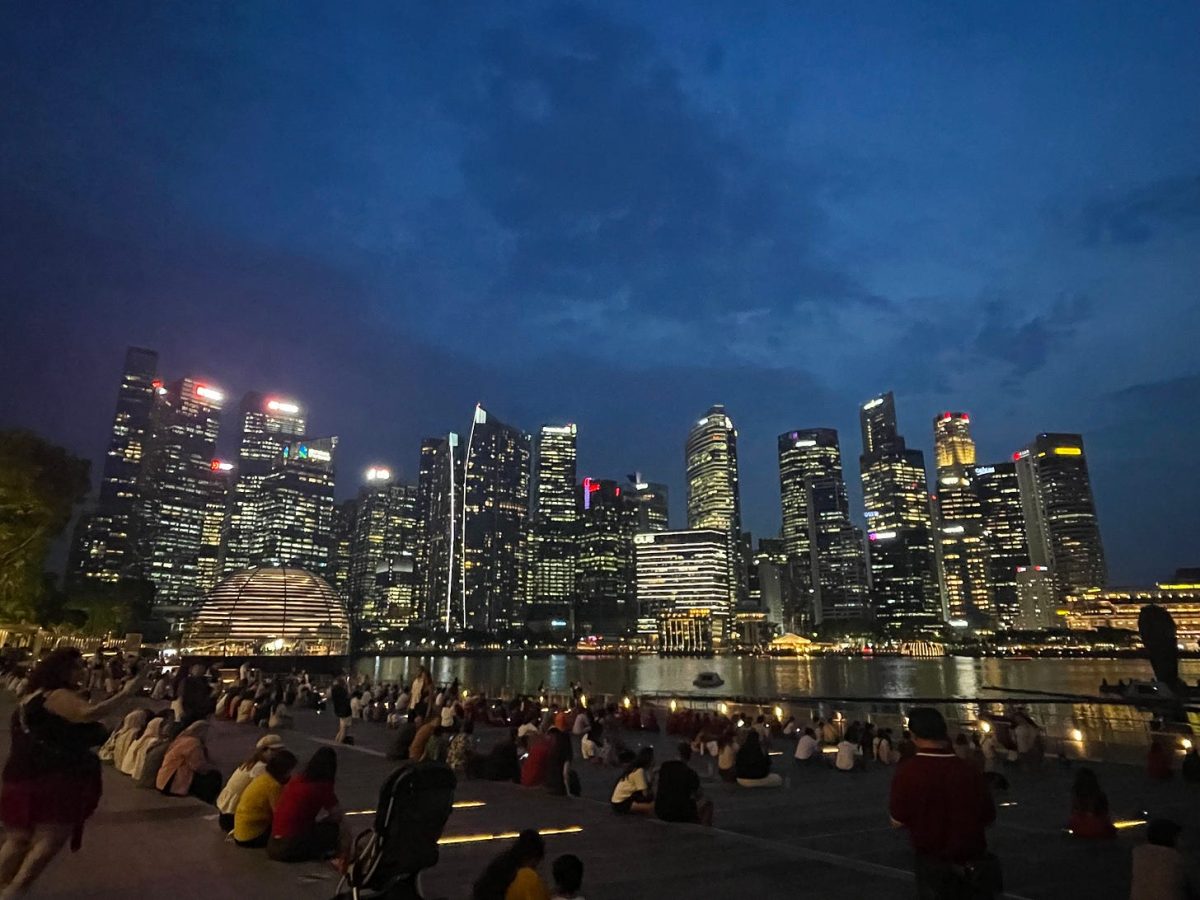
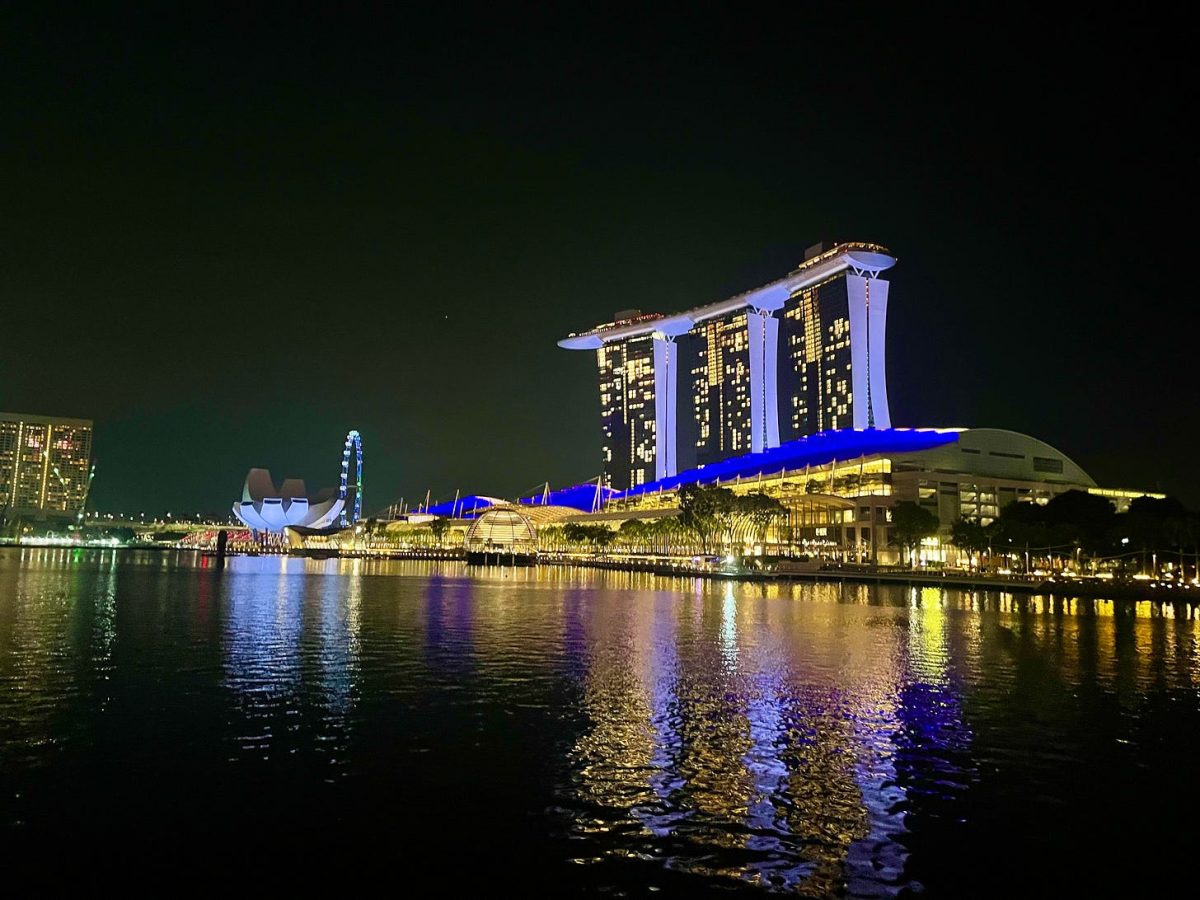
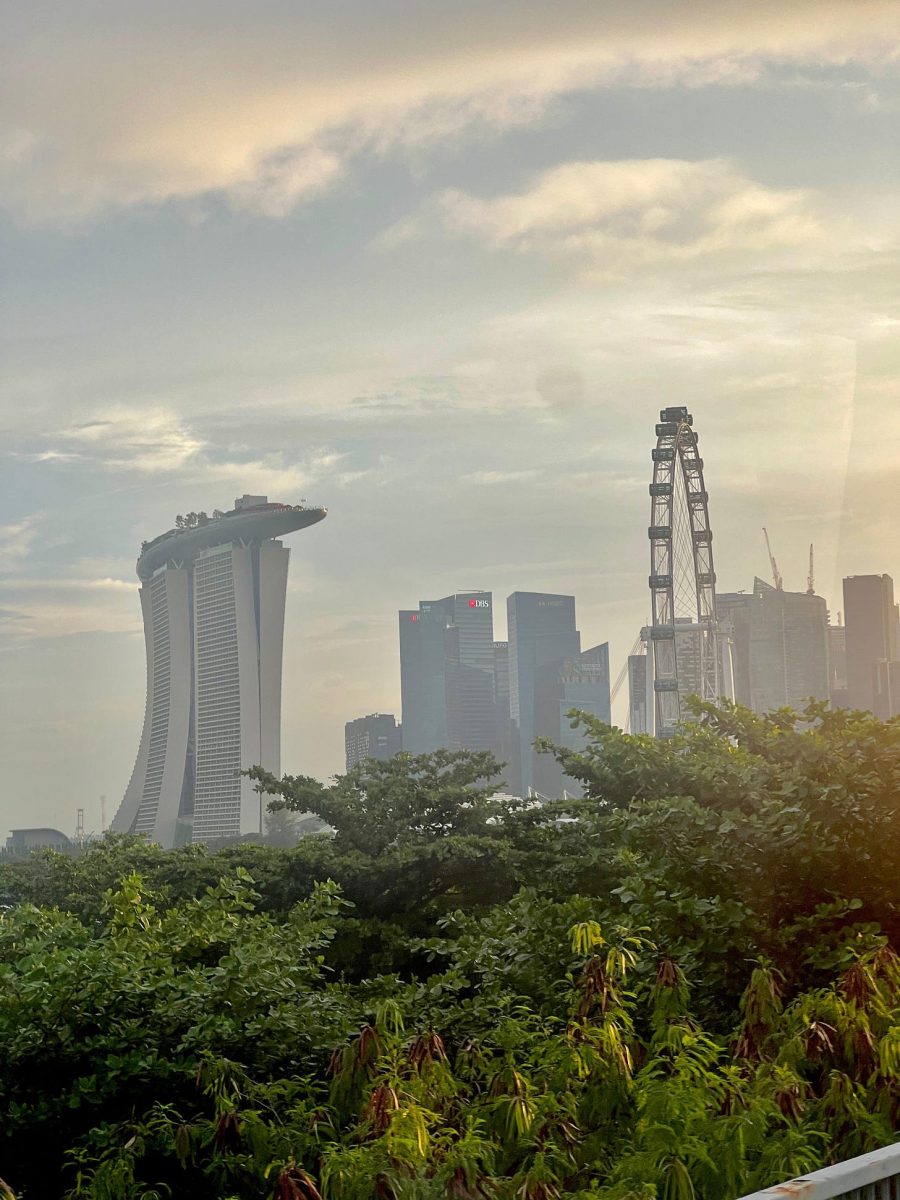
    Later, I swung by Marina Bay Sands for a hot chocolate and a seat by the water to watch the evening light and water show, Spectra.

    This runs at 8pm and 9pm (with later shows on weekends). It’s a fun watch, and worth sitting down to watch before wandering along the marina.

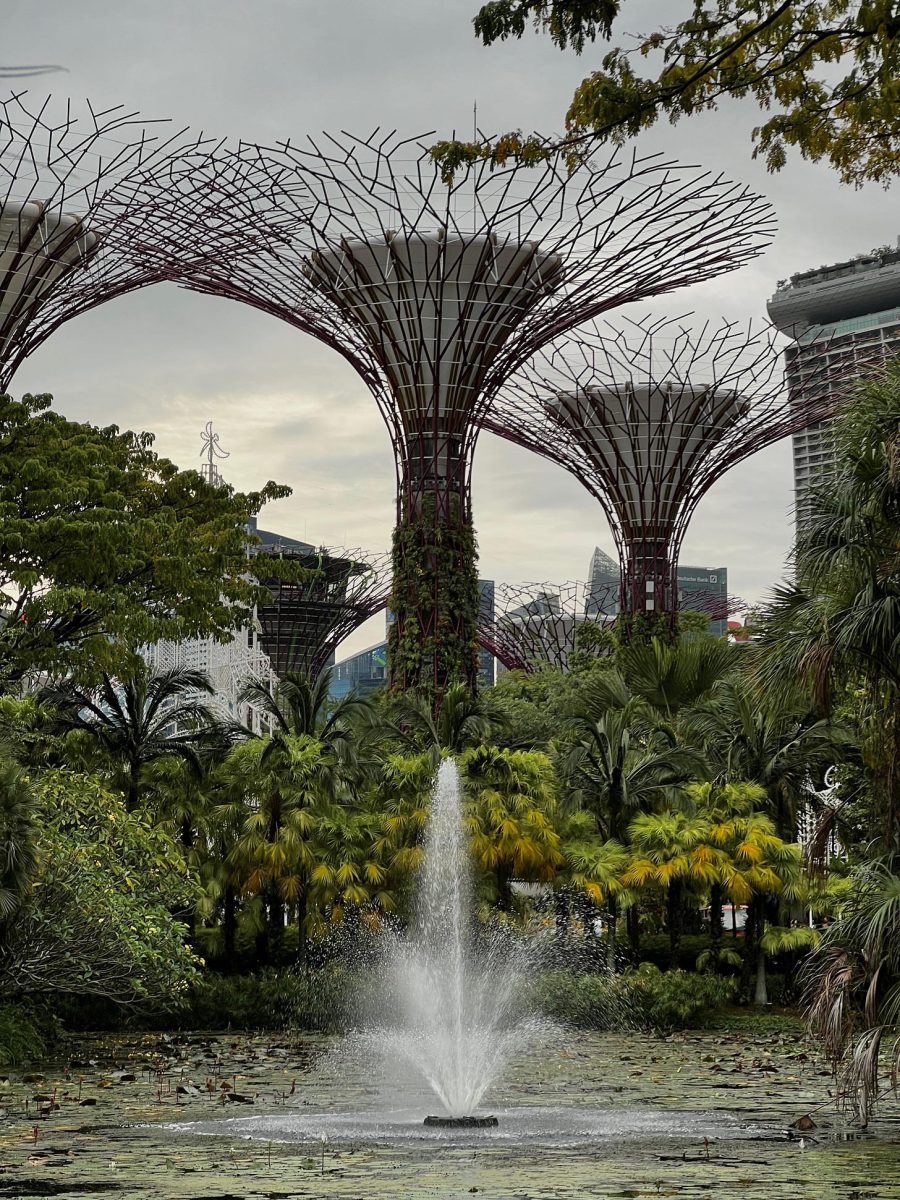
    If there’s time, you can also head next door to Gardens by the Bay for the Garden Rhapsody show at the Supertree Grove. If you’ve ever seen photos of Singapore, chances are you’ll have seen images of these huge illuminated tree-like structures. I’m a fool and missed it, but I hear it’s fantastic.

    Singapore is known for its iconic hotels, including Marina Bay Sands

    After the light show, I took a nice walk along the bay, and soaked up the buzz of the city, before grabbing a drink nearby and heading back to my hostel.

    And the final attraction was the – umm – airport!

    Somewhat unsurprisingly for a nation know for its stopover flights, Singapore airport itself is quite a spectacle.

    I had a midday flight the next day, so I arrived a couple of hours earlier than necessary and went to “Jewel Changi”.

    This is a kind of ‘lifestyle hub’ in the middle, that feels more like a futuristic indoor jungle than an airport.

    At its centre is the Rain Vortex – the world’s tallest indoor waterfall – surrounded by layered greenery and walkways.

    It’s a little over the top, but the cross between function and foliage is very characteristic of Singapore in general, and makes for a nice way to round up a visit to what was – unexpectedly for me – not just wall to wall buildings and people in suits.

    It’s quite possible that if you’re reading this blog from Singapore, you’re tired, jet-lagged, and dragging a big suitcase along, too.

    But try to not let jet lag stop you from heading out. There is more going on beneath the surface than it seems, and a day or two in the country is plenty.

    If you have the time, split your flight; dump your bag; and spend a few days letting this busy city show you what it’s made of.

    Gardens by the Bay, Singapore

  • Cooling off in Copenhagen

    Is this the best city break in Europe?

    Following three months visiting Asia, Bali and Australia in early 2025, I was craving less stimulation and more structure for my next trip from the UK. After eight years as a Londoner, there comes a point where you want to trade a backpack for a trench coat and boots, and with a friends’ wedding in Sweden approaching in May, it made sense for us to visit Copenhagen first.

    I’d been curious about the Danish capital for some time. My parents spent their honeymoon there in the 80s and nearly always have Scandi drama on the go. I also recall having nightmares from a made-for-TV version of The Little Mermaid which, true to Hans Christian Andersen’s style, is far darker than Disney would suggest. 

    Luckily this trauma was corrected during my visit, and I left thinking Copenhagen might be one of my favourite city breaks so far. Maybe that was because, after the sensory sprawl of the far east, it felt so refreshingly calm and considered, with its wide pavements, seamless cycle lanes, and reliable public transport. Like a lot of Scandinavia, everything seems designed – not in a showy way, but in a cool, collected way.

    Keep reading for food highlights, what to do, and the best day trips from the city.

    What to eat in Copenhagen

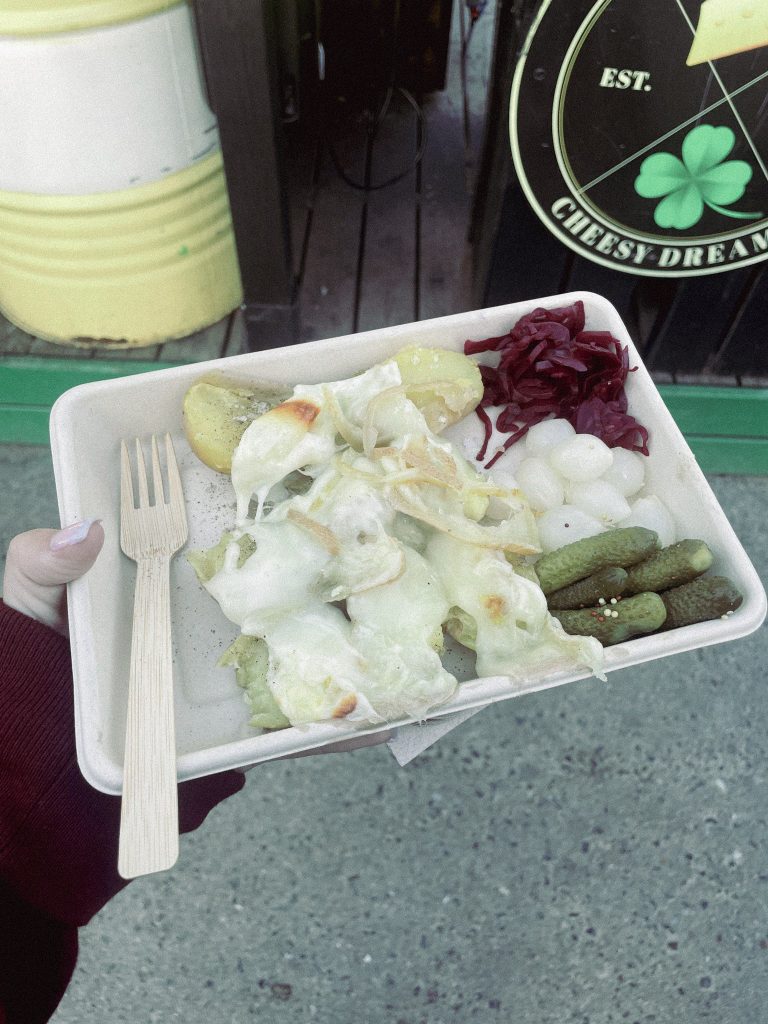
    Copenhagen is a bit of a foodie dream – which sort of surprised me – so prepare to go with an empty belly and a ready palate. Here’s a suggestion for you to spend your day eating around the city: 

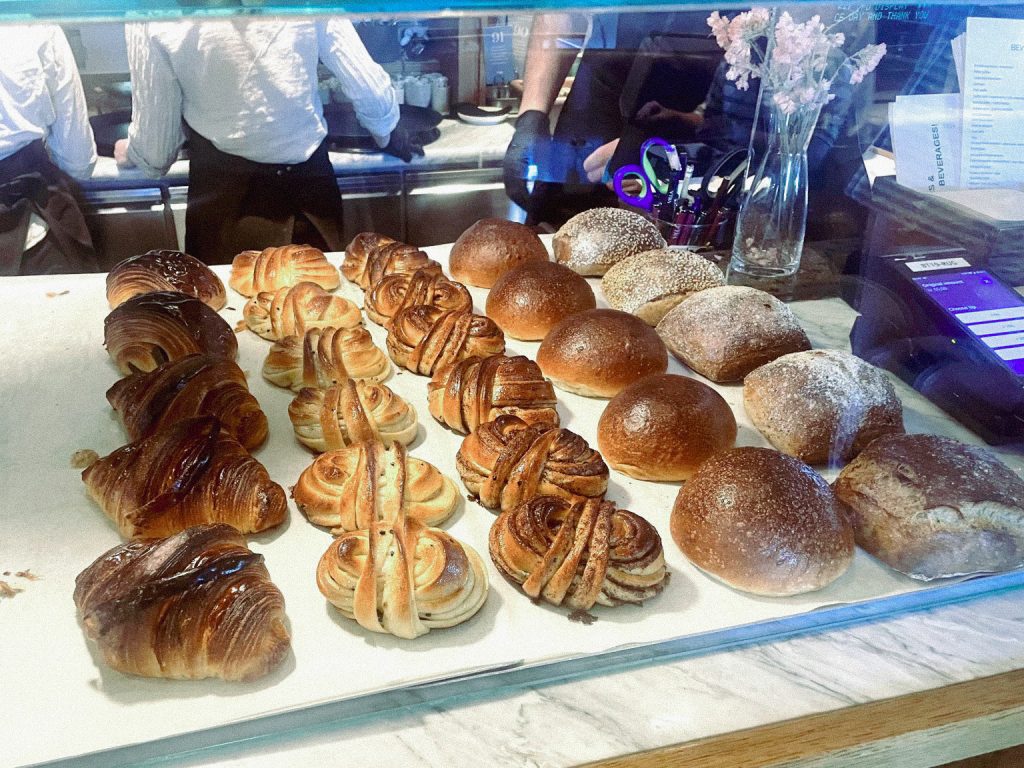
    First – bakery breakfast 

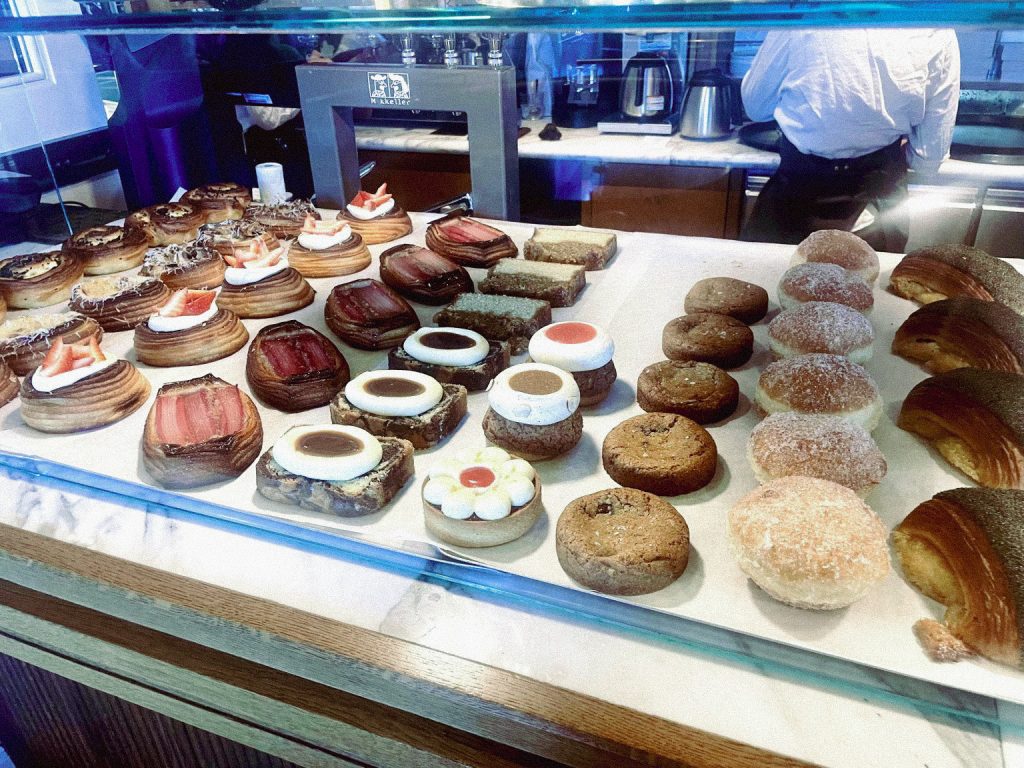
    Skip the hotel buffet and head to Rug or Hart Bakery for some beautifully curated baked goods. They’re quite upmarket places with spaces to sit down and enjoy your loot. Bring a friend so you can split a bunch of them between you (or pig out alone!) 

    Next – Smørrebrød and beers for lunch

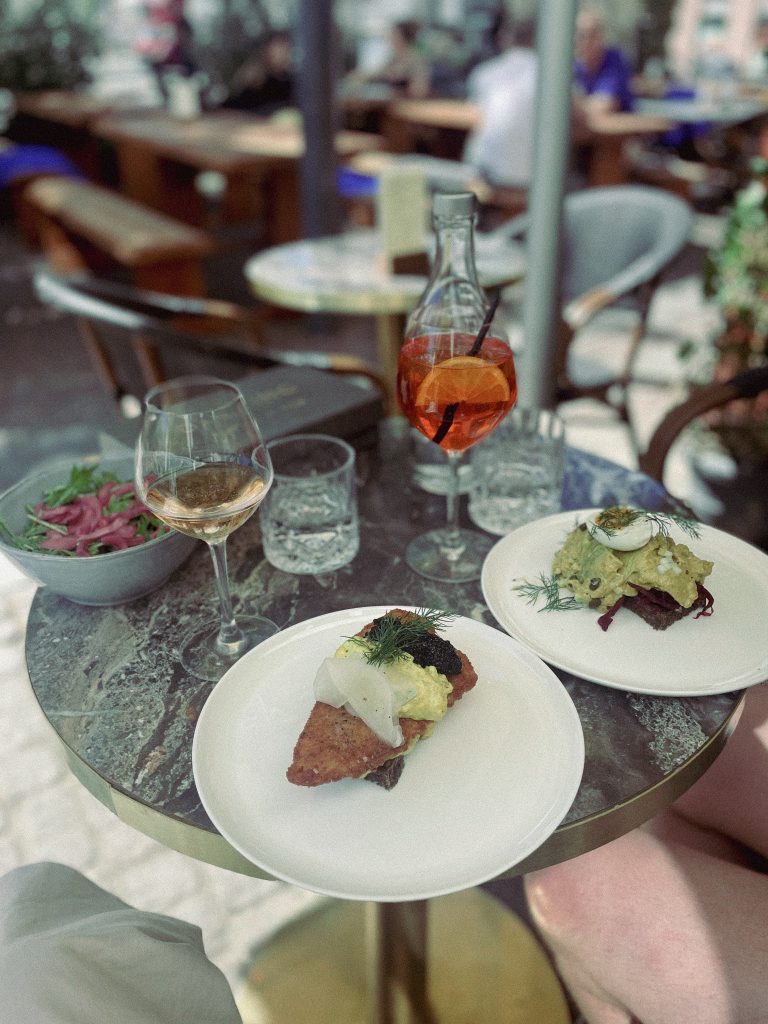
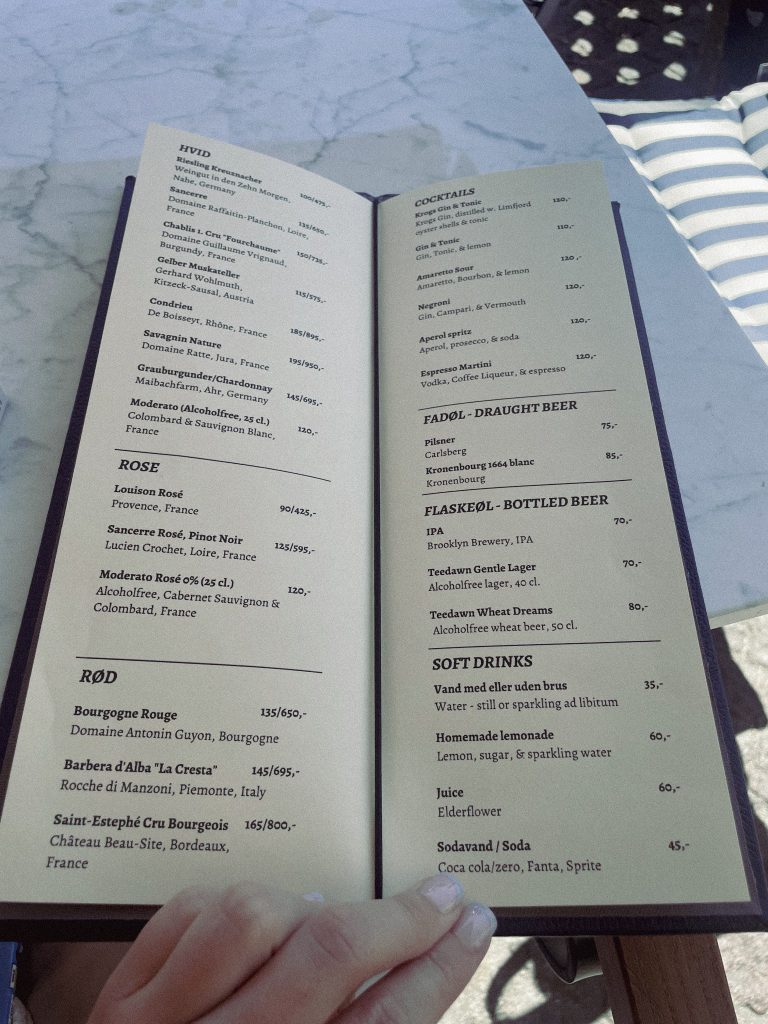
    Smørrebrød is a classic Danish open sandwich – sort of like oversized tapas. Imagine a base of tangy rye bread, topped with smoked fish and pickled veg. We stopped on Gammel Strand, but you can find them all over the city. They’re delicious but not cheap, so order a selection and split them between you. Wash down with a beer (Carlsberg or Mikkeller). I can also recommend Bird cocktail bar in the city centre for a classier beverage.
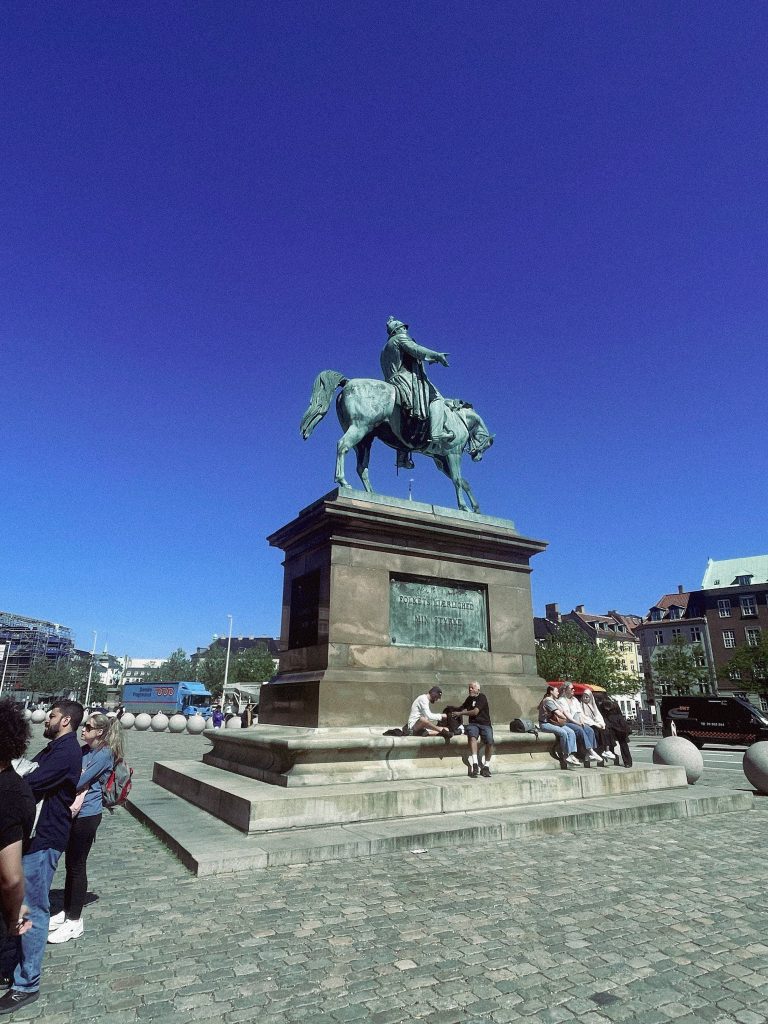
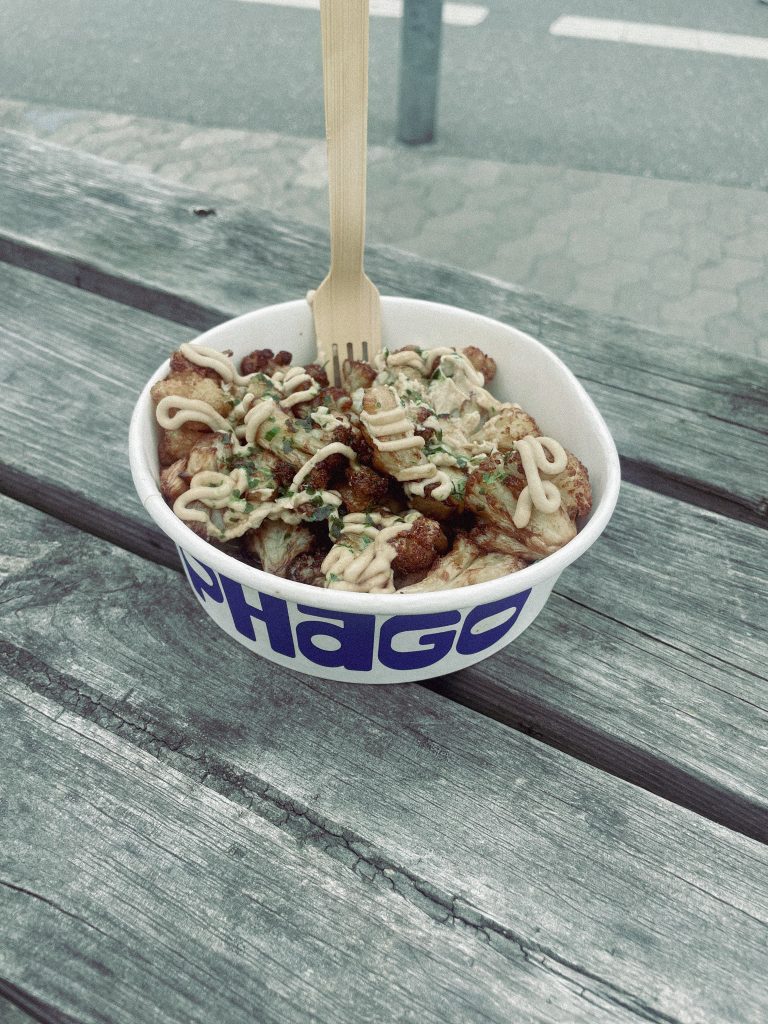
    Then – snacks at Broens Street Food

    Sitting opposite the Inderhavnsbroen bridge, this is another cool food market from whence to snack, but you could also have lunch or dinner here. It is located on the Greenlandic Trade Square where the traders from Greenland, Iceland, the Faroe Islands and Denmark used to arrive after long journeys across the oceans. It’s a lovely spot from which to look over the water. Opening back up in March, it even offers yoga, social dining and other events to enjoy.

    Finally – dinner and drinks at Reffen Street Food Market

    Proclaiming itself as the “largest street food market in Northern Europe”, this is another buzzing food market on the waterfront, hosting food stalls from around the world. For Londoners, it has a bit of a Hackney Wick vibe, complete with beautiful street art. Like Broens, it opens again in March and offers regular events that I’m always ogling on Instagram. A perfect way to see the sunset.

    What to Do in Copenhagen

    Most guides will suggest visiting Copenhagen for four days, which feels reasonable to me, although I stayed longer and felt there was plenty to see.

    Here’s fun activities I’d recommend adding to your trip itinerary.

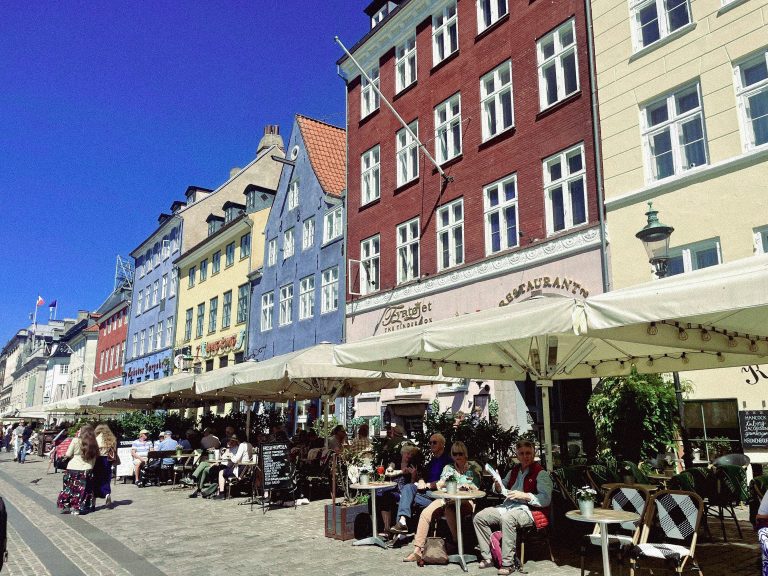
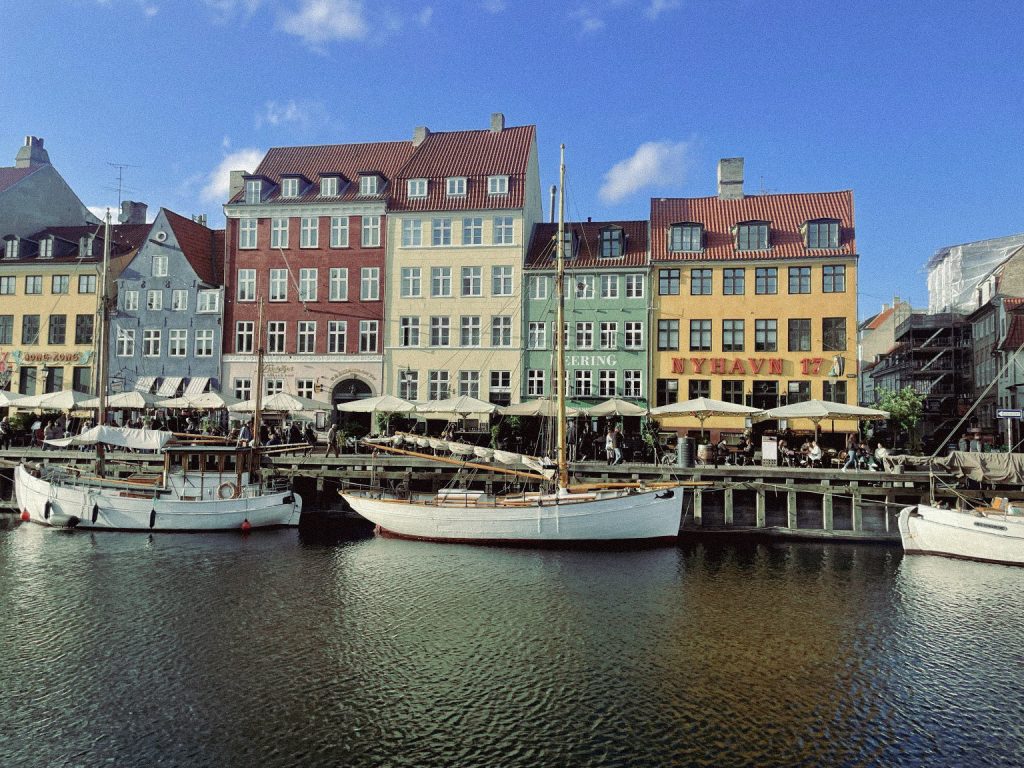
    Take photos at Nyhavn

    Spend some time walking about the iconic 17th-century waterfront, canal and entertainment district. Despite being a little touristy and expensive, it’s a great spot for photos. Just look at those gorgeous buildings.

    Learn about hygge at the Happiness Museum

    The Danes are pretty well known for their commitment to hygge – but what does that actually mean? Well you can learn all about it at The Happiness Museum, curated by Denmark’s Happiness Research Institute. Lots of fascinating takeaways from this place about how different cultures measure happiness and I found myself reflecting deeply afterwards. All millennials (or anyone feeling slightly lost in life) should come here!

    Marvel at chairs at the Design Museum

    I cut my teeth doing design PR, so I couldn’t miss this and it totally delivered. Who knew so much thought went into the development of a chair? If you get satisfaction from efficiency and beautiful problem-solving, you’ll love spending a couple of hours at the Design Museum. 

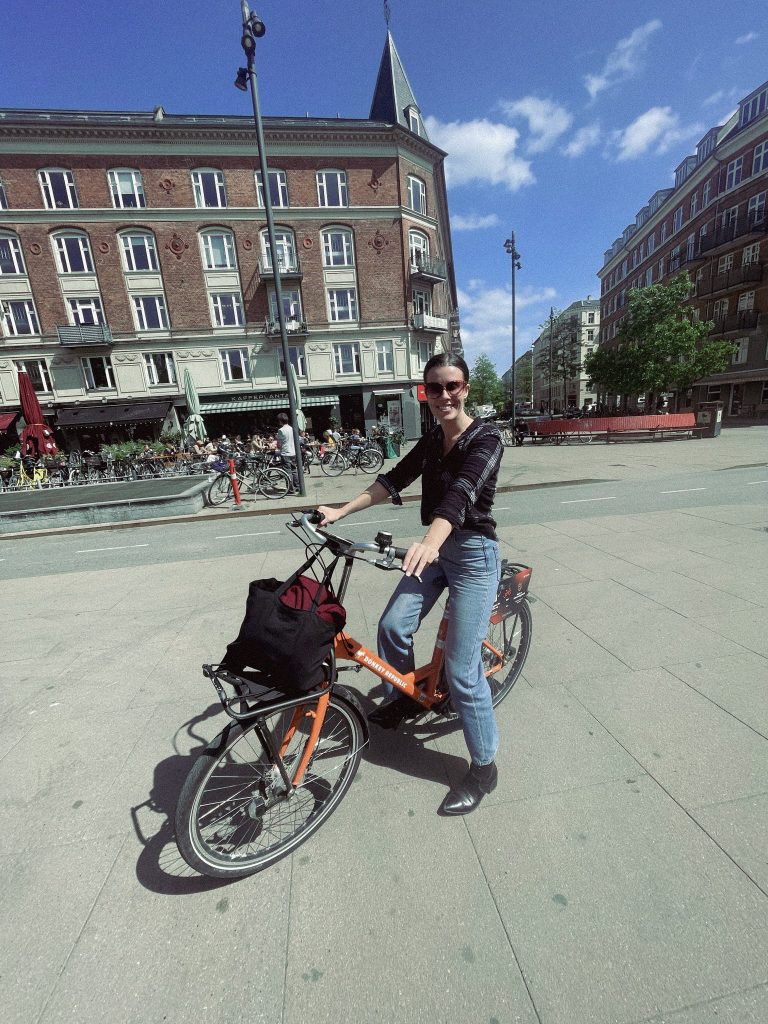
    Shake off the chill with a cycle about the city

    Probably the best way to see Copenhagen – especially between May and September. Use the app Donkey Republic to hire bikes.

    Do a walking Tour

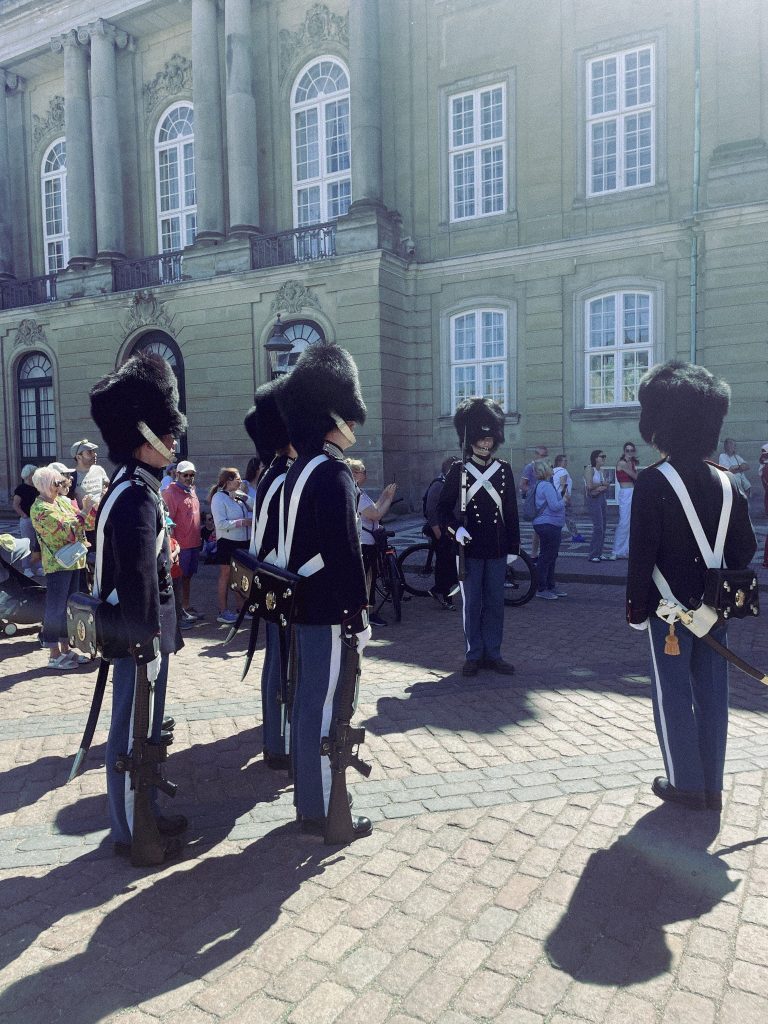
    A great way to understand the city’s history. Every tour is different, but ours covered the royal family and Denmark’s WWII experience. If you’re not booking via your hostel or hotel, try Get your Guide or Guru Walks.

    Visit the Little Mermaid statue

    Emphasis on “little”. She’s teeny but powerful – just look at her Disney empire! The statue is an ode to one of Denmark’s most famous writers, Hans Christian Anderson and sits in edge of the Langelinie promenade, making an excuse for a nice walk.

    Ride around Tivoli Gardens

    Continuing the Disney link – I recently discovered during this podcast by The Rest is History, that Tivoli gardens amusement park was Walt Disney’s original inspiration for the disney parks. Feels a bit random having a theme park bang in the centre of a city but if you fancy an adrenalin rush, it’s typically open from March.

    Art appreciation at Freetown Christiania

    Describing itself as an “intentional community”, Freetown Christiania is a separate community in Copenhagen with a history dating back to the 1970s. It has its own laws, flag and way of life. Visitors can enjoy the cafes, art, and market, and it seems there’s often live music and other arty things going on. It’s definitely worth seeing for a different side of the city.

    Cross the Bridge to Malmö or Lund

    Why not cross the bridge from The Bridge and head into Sweden?

    Copenhagen sits right on the border, and it’s just a short train ride across the Øresund Bridge into Malmö in Sweden. From there, Lund is around an hour away.

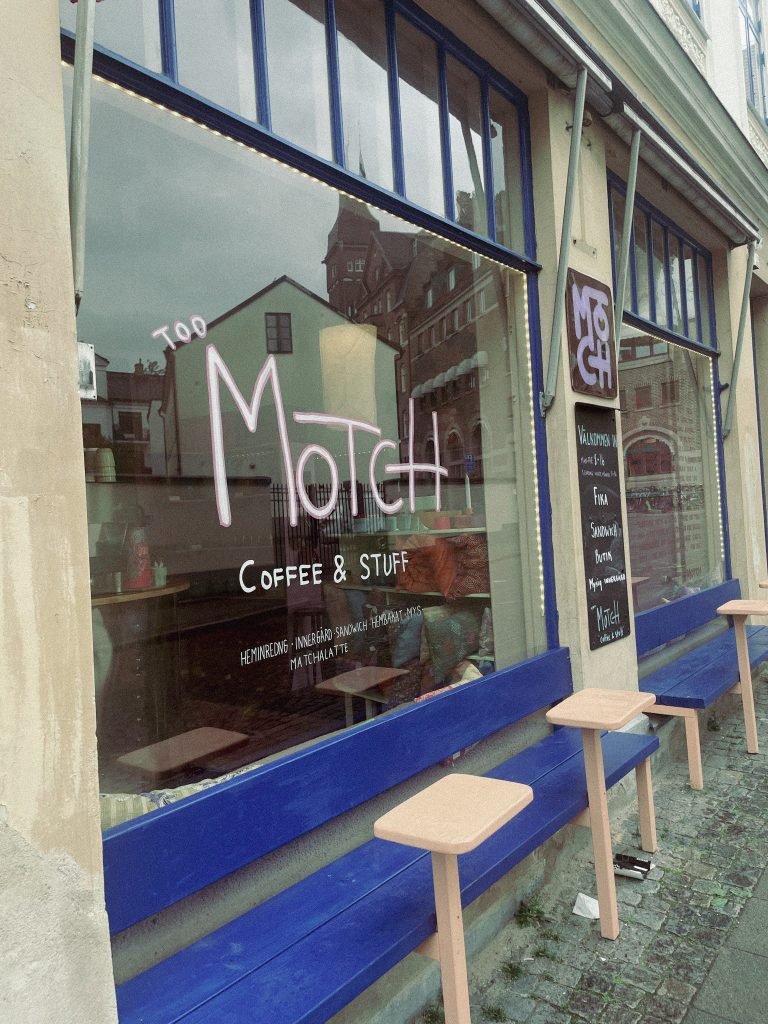
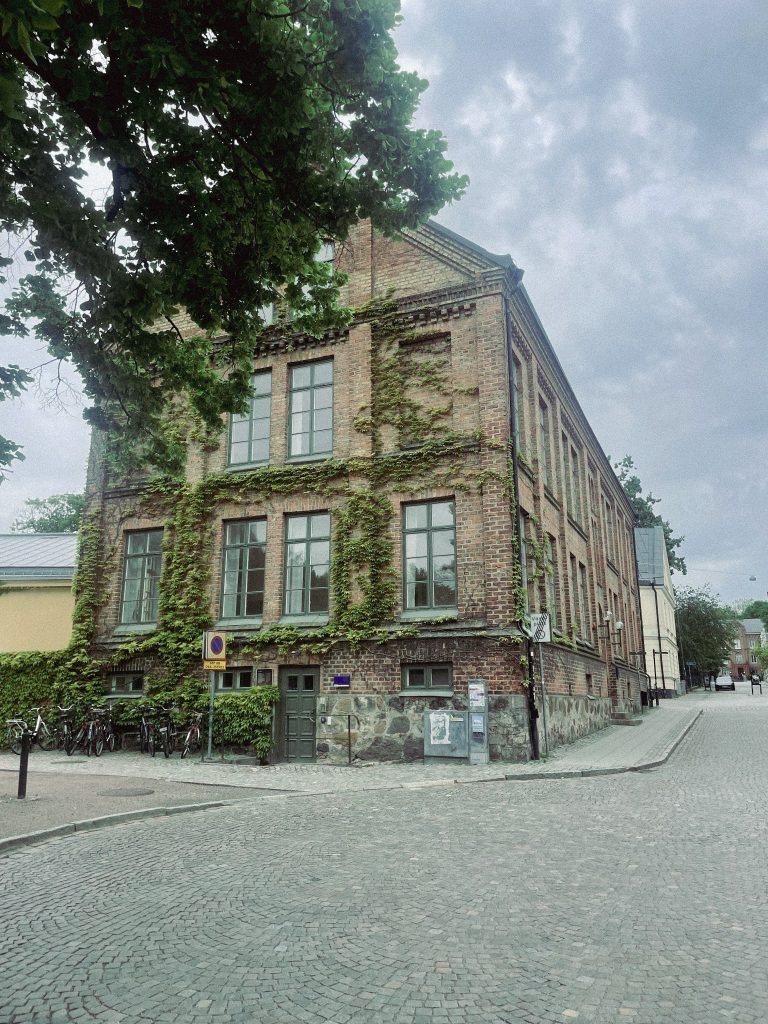
    Lund – home of the Oatly factory – is a charming university town and worth stopping in for a night or two to sample the café culture and wander around the historic university buildings. I spent a lovely two days checking out the vintage shops and cafe hopping here. Some favourites included Broder Jakobs and Too Motch.

    I didn’t particularly love Malmö, but the Disgusting Food Museum is admittedly a fun (if slightly grim) stop if you’re in the area.

    A place of quality not quantity  

    Copenhagen isn’t the cheapest city break but if you want somewhere that combines good food, thoughtful design and just enough culture to feel smug about it afterwards, the Danish capital is hard to beat. Between the pastries, museums, harbour swims and slightly intimidatingly stylish locals, it’s a city that feels both relaxed and quietly inspiring. I went with friends, but also had some days alone, and found it very well suited to solo travelling (for more solo city break inspo, read my Porto blog). If you’re into looking like you belong on a design mood board, visit between May and September when the city really comes alive. I’d be intrigued to see what it’s like in winter – maybe another time! 

  • Stillness under the stars – my unexpected adventure in Scotland’s dark sky town

    By the end of 2025, I’d completed ten months of flexible work and travel, following a stretch of steady living in London.

    Between the bustle of Bangkok; the beaches of Cambodia; the quiet jungle of Bali, and the historic streets of Europe – there’d been much to absorb.

    But while they were all meaningful experiences in their own way, I craved more purpose for my next adventure. 

    That’s when I spotted an email from the volunteering platform, Workaway: “Hi Georgina. We saw your phttps://www.workaway.info/rofile, and wondered if you would like to help out at our English language school in Scotland this December?”

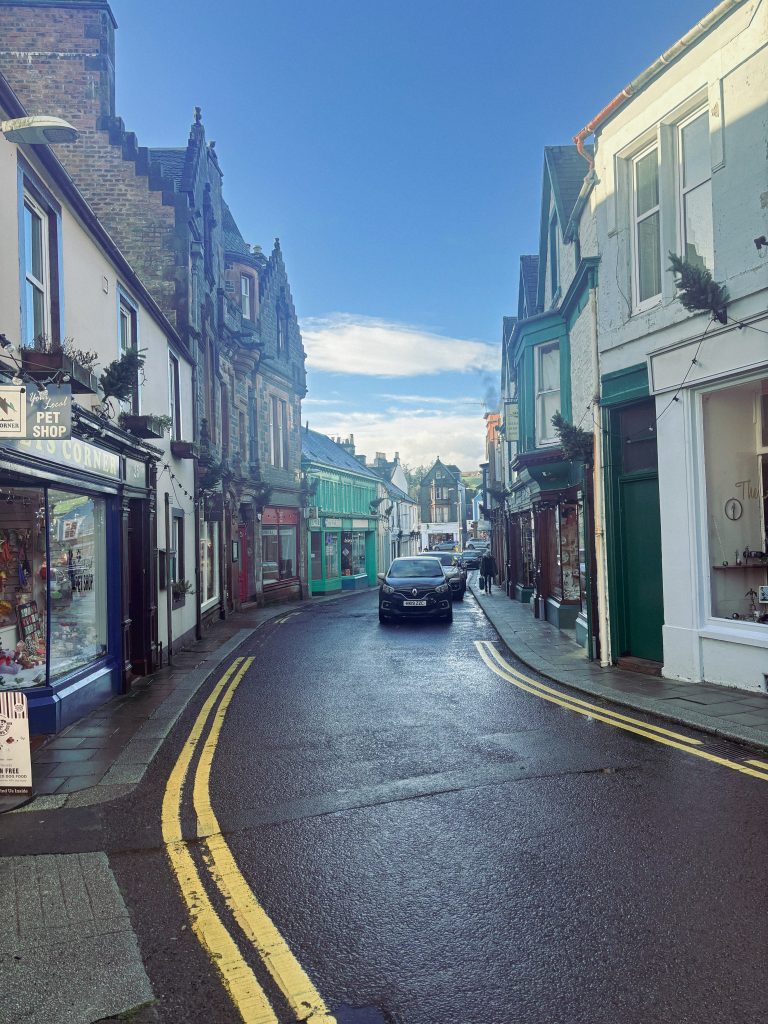
    Rarely in need of a reason to visit the home of the brave, a month later, I found myself in Moffat, a small town in Dumfries & Galloway.

    Arriving in Moffat: Europe’s first dark sky town

    Whether it’s my genes calling me home; my inner introvert sighing with relief; or long-dead dreams of witches and wizards stirring once again, something about travelling from England to Scotland felt instantly calming on that mild December evening.

    The undulating hills that appear like a fortress when you cross the border are – in my mind – the perfect paradox.

    They’re comforting and haunting; cosy and spooky: inviting – and at the same time – a little threatening…especially if you’re half English.

    Arriving in Moffat around 4pm, I was instantly engulfed by the velvety Scottish night. It’s especially dark here, and there’s a reason for that. 

    Moffat is one of Europe’s first ‘dark sky’ towns. That means the community was so keen to see the stars, that they asked the council to lower the street lamps to reduce light pollution. 

    They also built an observatory – which is very impressive, considering some towns can’t even get their potholes filled!

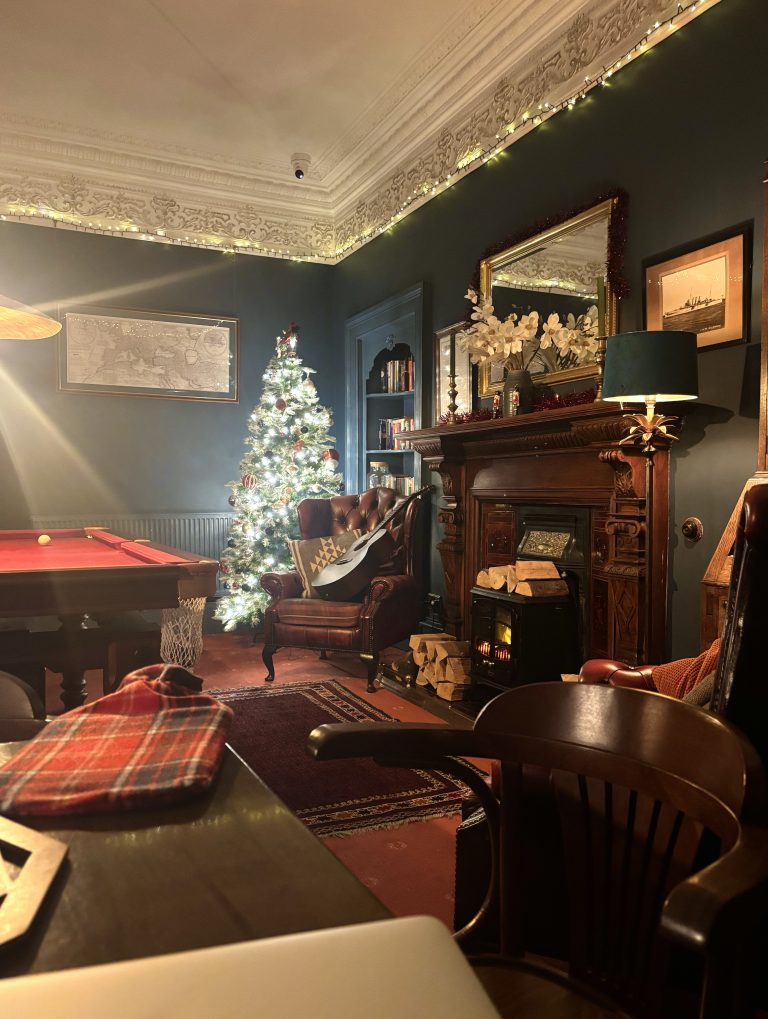
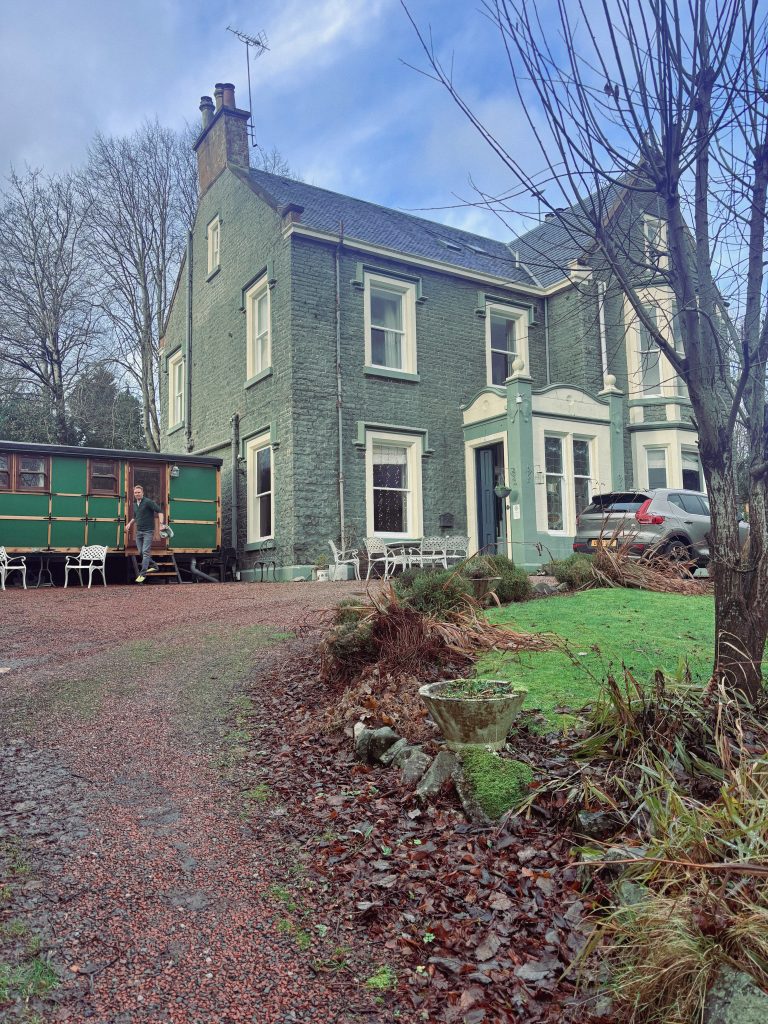
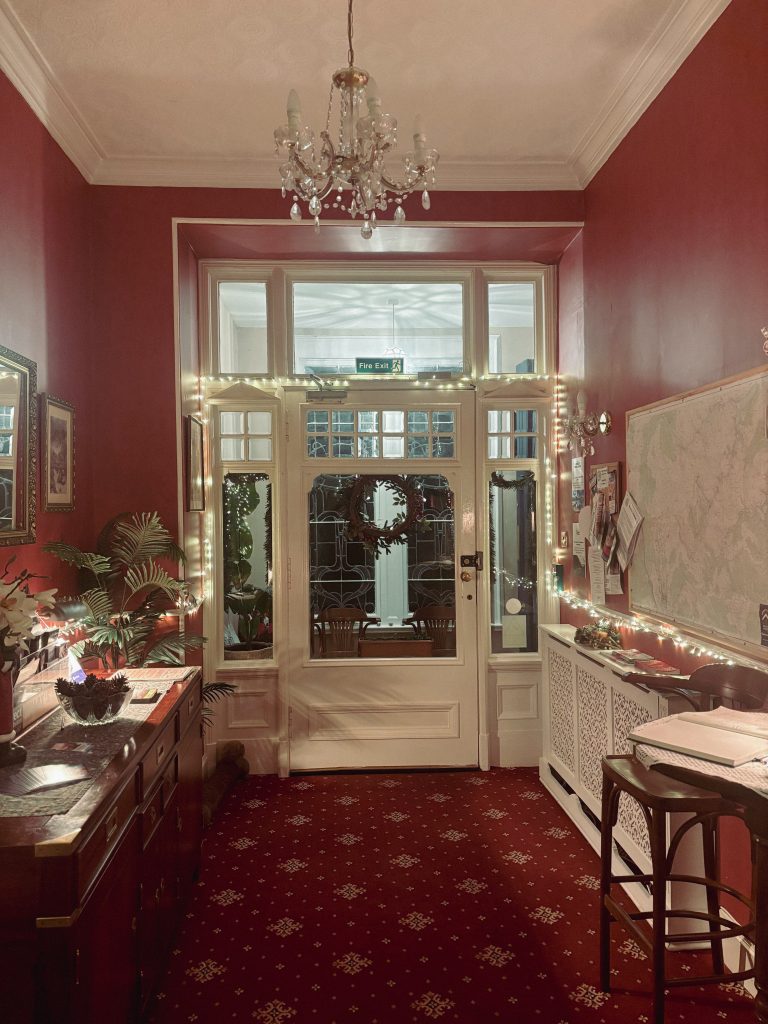
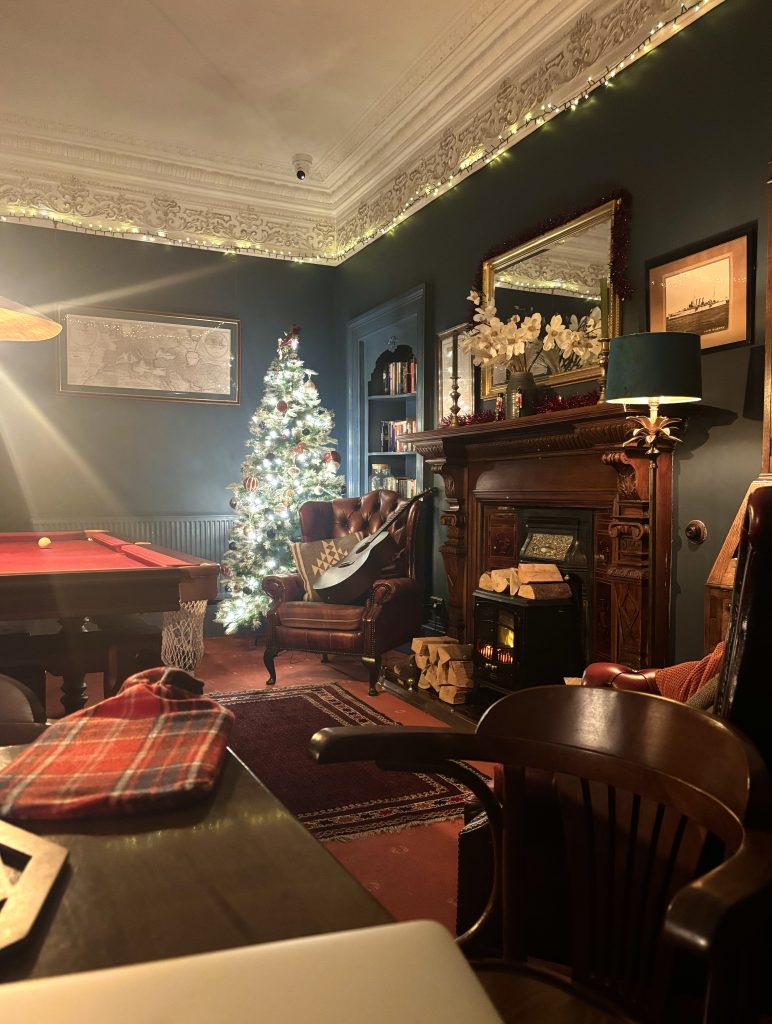
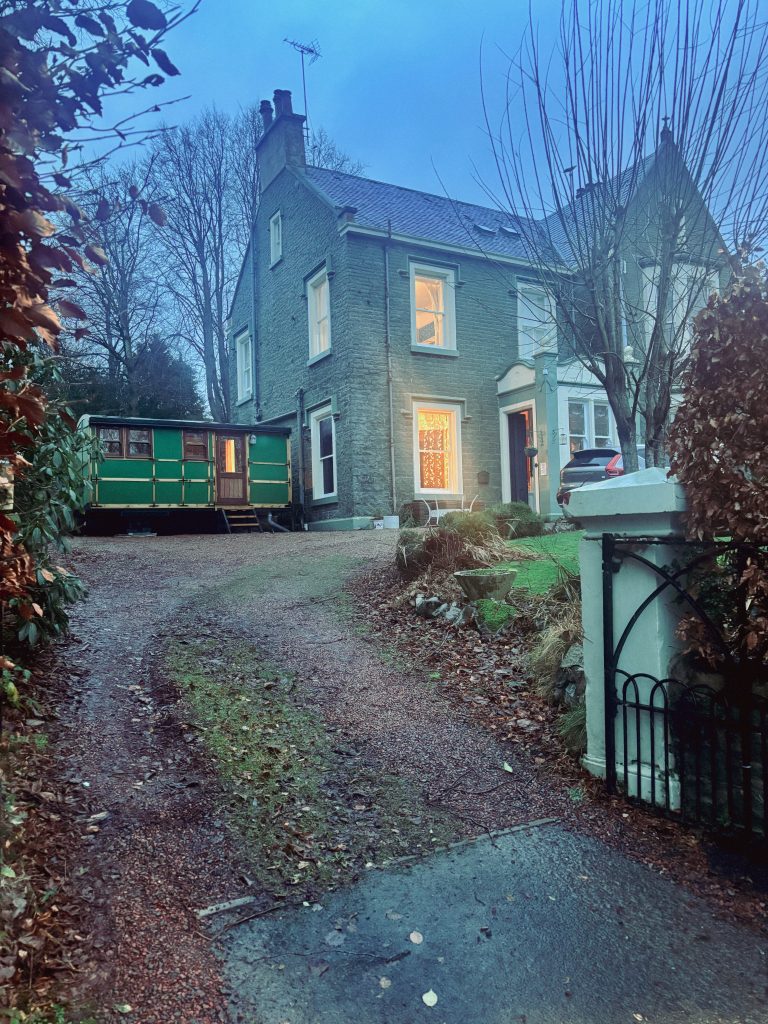
    Our home for the period was Moffat Independent Hostel. Pulling up to the grey stone house, with its twinkling lights, oak panels and deep red carpets felt gorgeously festive, and immediately inspired my inner child.

    Bonding by breaking bread  

    The organisation – English Al Fresco – hosted groups of seven to eight people at the hostel for four-day stretches, during which they got to see different parts of the local area.

    On arrival, I was introduced to another volunteer, Lora, whom I shared a very comfortable room with for two weeks.

    We were there to help ensure the guests had a good time and could practise their English in a safe space, and in my downtime, I was able to explore or get some of my own freelance work done. Not a hard gig at all really!

    We spent a wonderful two weeks with our guests; cooing at Highland cows, clambering around castle ruins, playing pool by the fire and drinking drams at the pub.

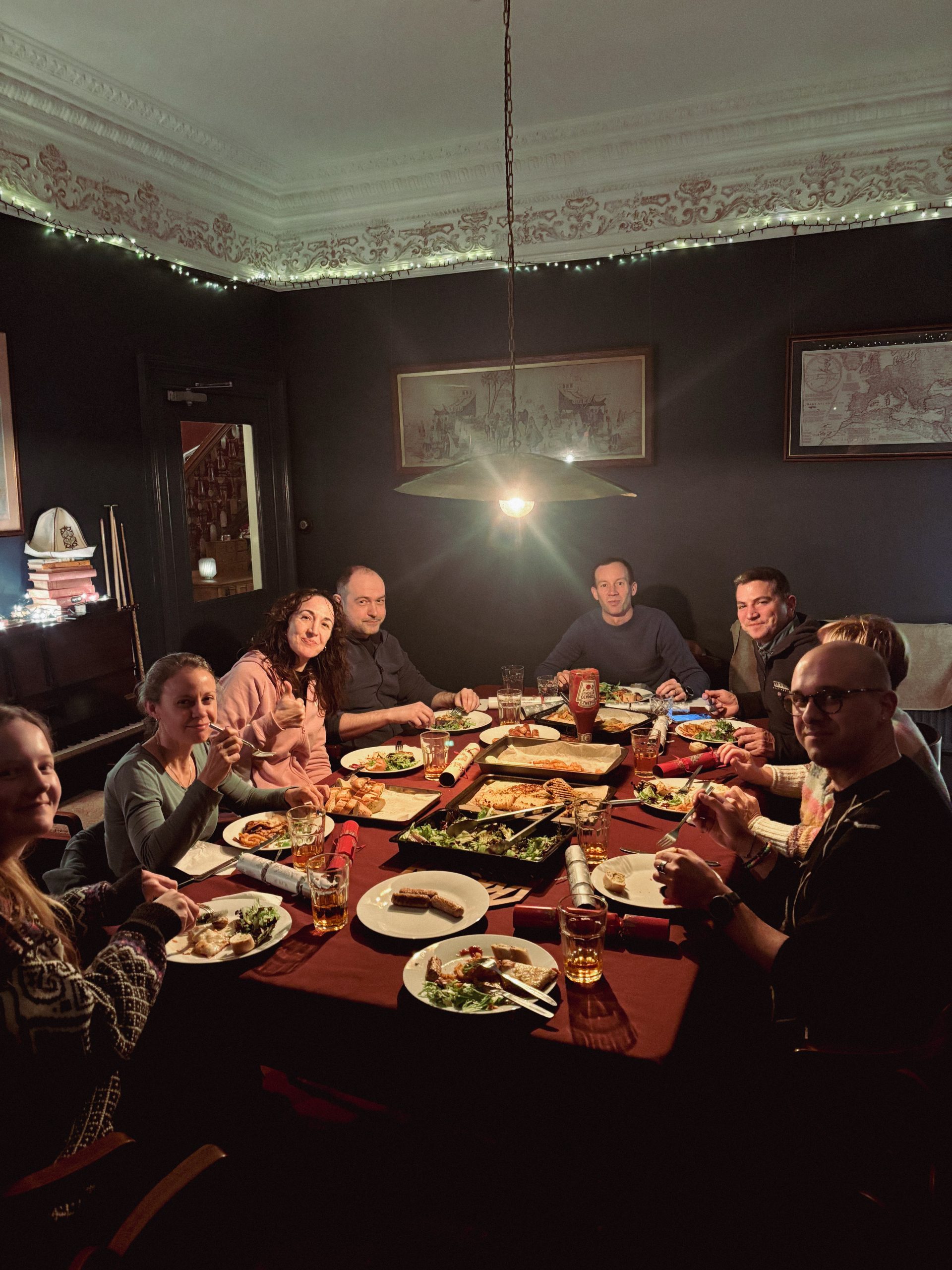
    Every morning and evening, we ate breakfast and dinner together in the drawing room. Think eggs; coffee; cheese and hot cross buns – a feast that Hogwarts would be proud of.

    Breaking bread every day became a special ritual that we all looked forward to.

    Sunshine spectacular at Grey Mare’s Tail

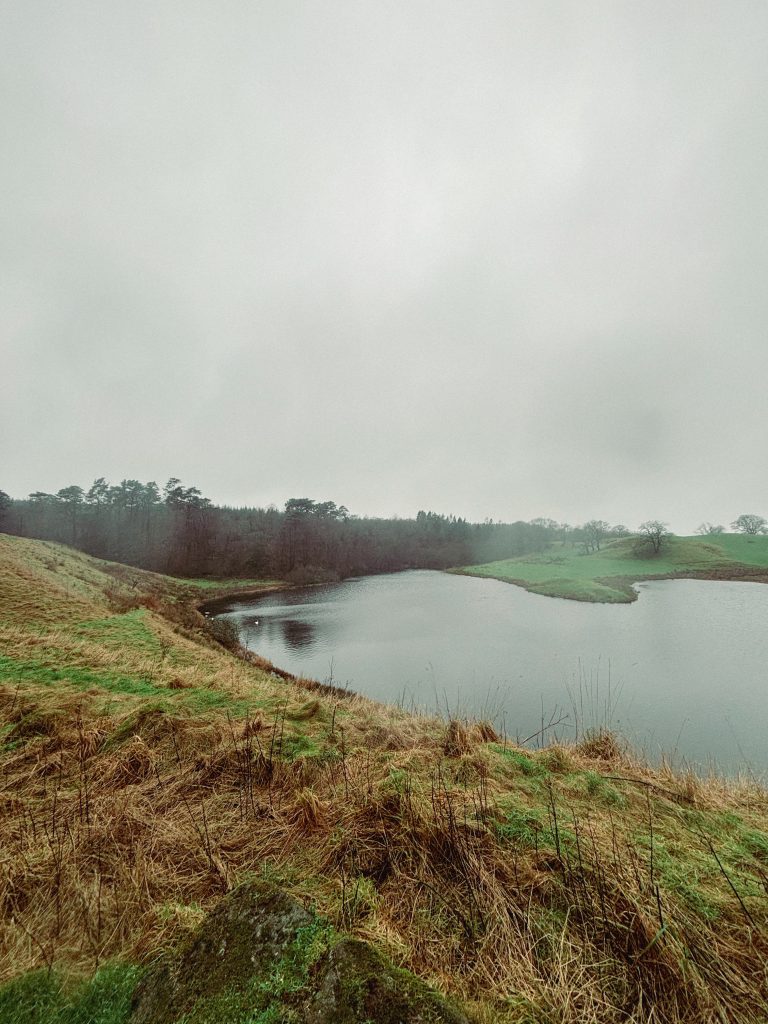
    We also had unusually mild weather, which meant we could explore the stunning scenery around us.

    One morning, we took a drive to a nearby spot – Grey Mare’s Tail – for a hike.

    It was drizzly, but our host promised that once we got halfway up, we’d find a surprise at the top.

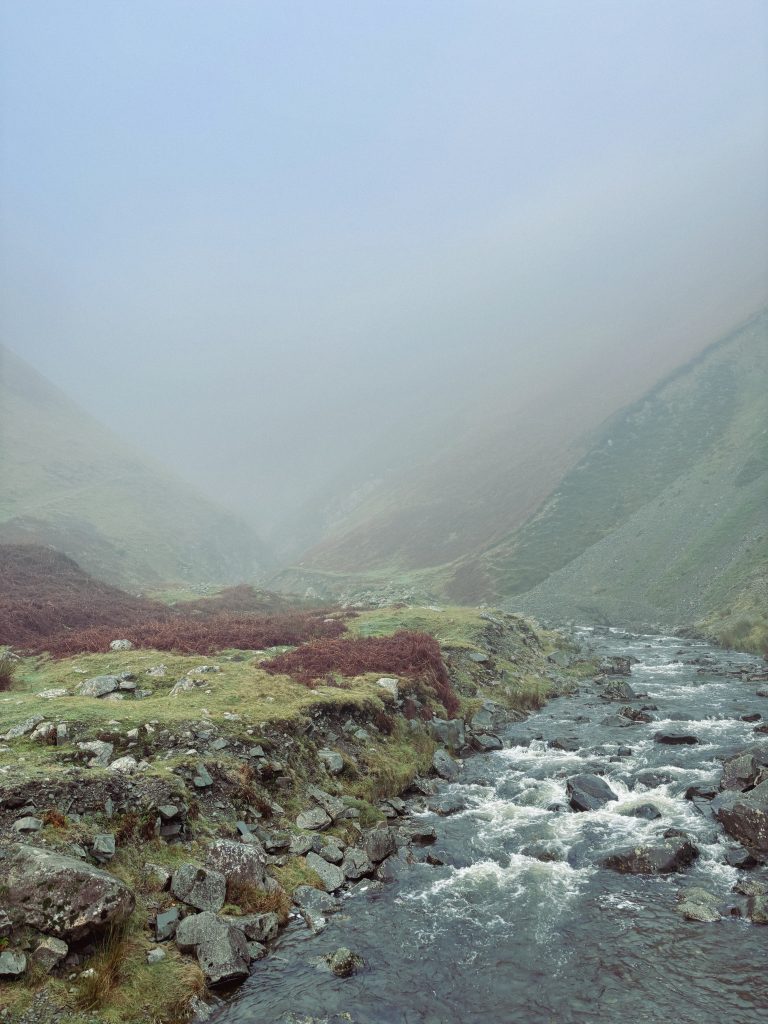
    Up we went on a steep incline. Around me, gasps and curses in German, Italian and Spanish mingled with the lowland fog.

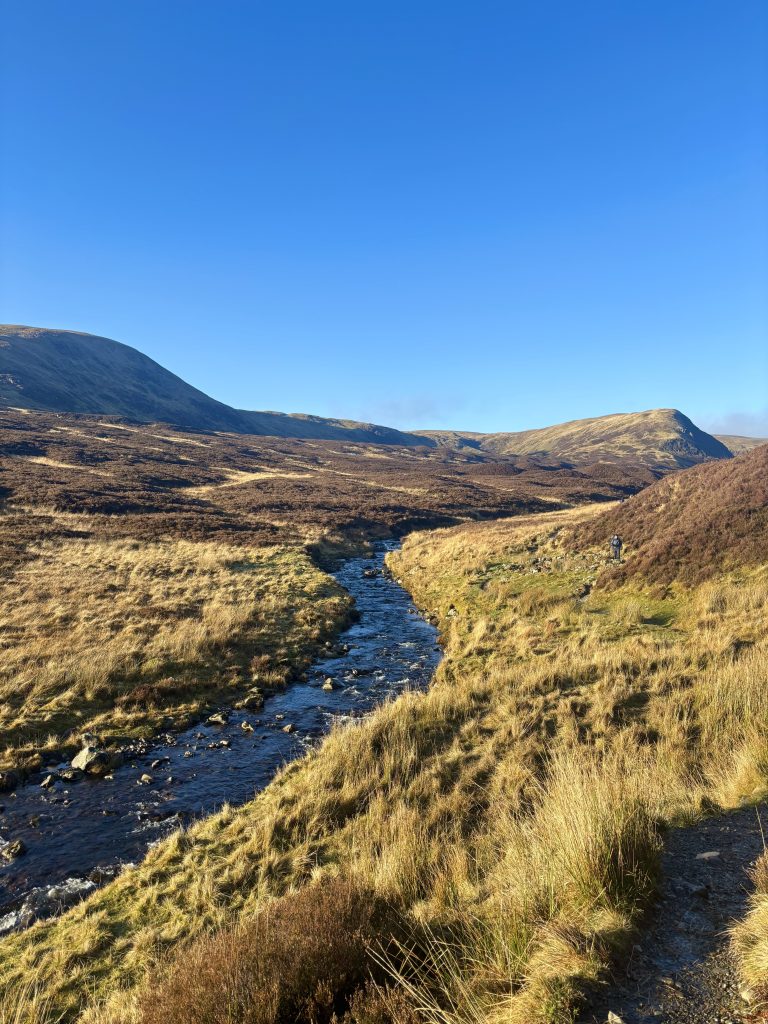
    When we eventually reached the top, the trail flattened out. At the same time, the clouds dispersed and the heath was plunged into bright sunshine.

    The rest of the walk was a bucolic mix of browns, greens and caramels – like a rugged, tartan carpet, sitting beneath a milky blue sky.

    Before arriving at the loch for lunch, we passed a guy in shorts who’d been camping at the top. In December! If you need a reminder of how resilient the Scots are, that is certainly it.

    Compèring a major international event

    On another evening, we headed down to the local pizza place, Kayantics, where we found a group of lads of similar age circled around the outdoor oven.

    Beers were exchanged, and soon they were inviting us to an event taking place in Moffat that week; the international yodelling Olympics, no less.

    “People from Sweden are attending.”

    It sounded very significant indeed, and a little later, Dutch courage took hold and I found myself agreeing to compère the competition. 

    Turns out, it wasn’t as serious as it sounded, but the whole town did attend for a big Christmas yod-along – some adorned with lederhosen. 

    Being welcomed into the community like that was completely unexpected, and made for one of the most memorable evenings of the trip.

    Bringing my year to a calm close 

    I loved walking the silent, dark streets of this kind lowland town in the late afternoon, and looking up at the glimmering sky.

    It wasn’t stargazing season, but when I later returned in April to look after the hostel cat, Koshka, volunteers at the observatory kindly guided me through a three-hour tour of the sky, where I was able to see Jupiter and its moons up close through the telescope.

    After each day’s adventure, we took comfort in returning to the sparkling windows, and impenetrable stone walls of Moffat Independent Hostel for a hot chocolate (or something stronger) and a good night’s sleep.

    Volunteering with English Al Fresco was exactly the kind of meaningful slow travel experience I wanted, and I came away from it feeling especially grateful, fulfilled and excited to explore more of home.

    But before then – a little rest. The year of 2025 had been a wonderful whirlwind, but my mind needed time to reflect, digest and reset, before I took off again. 

    In fact, I haven’t done much travelling at all since then, focusing instead on building my petsitting side hustle.

    But as I revisit those weeks in this blog, my feet are starting to tingle – and so is my passport.

  • Petsitting from Porto – my side hustle expands internationally

    Plus, how does Lisbon’s cool sister fare for remote workers?

    Following an inaugural three-month stint as a digital nomad in Asia in early 2025, I returned home invigorated – but a little exhausted – by my new freelance lifestyle. Curious to understand what the European scene looked like, I started exploring options closer to the UK.

    Europe is, unsurprisingly, not as cheap as Asia or South America for nomads; but some countries are waking up to the advantages of hosting foreign remote workers. Portugal is one of them.

    Home to the first so-called “digital nomad village” on Madeira island, the country has made a concerted effort to attract location-independent workers. In 2026, it even introduced a dedicated D8 visa to make living and working there easier. With around 16,000 foreign remote workers, Lisbon has become so popular that the influx is now proving controversial, with concerns around gentrification and a siloed economy growing (see my blog about Chiang Mai in Thailand, where I touch on this).

    Outside of these hotspots, though, I hadn’t heard much about Portugal’s second favourite city, Porto. Porto sits on the west coast, in the north of Portugal; around three hours away from Lisbon by train. In olden times, Portugal was one of England’s more important allies, according to my favourite podcast, The Rest Is History. Nowadays, it’s best known for its Douro wines (including Port), pastries and (love her or hate her) J.K. Rowling, who lived there in the nineties.

    Curious, and having already had some success with pet sitting in the UK, I managed to secure a sit in Porto during October (full blog on how to get into this coming soon); making for a far more affordable trip. So, off I trotted for a week of exploration in the country’s wine capital.

    Is there a nomad scene?

    Unlike Lisbon, which has flourished as a long-term base for remote workers, Porto tends to attract fewer digital nomads setting up here permanently, it seems.

    Based on my time there, my sense is that this is partly cultural; many cafés don’t encourage laptops for long stretches, and the nomad community isn’t yet large enough to sustain the same density of coworking spaces and regular meetups. Some nomads will no doubt disagree – but for now, Porto feels less geared towards full-time remote work. Of course, that may well change if Lisbon continues to feel over-saturated.

    Coming at this from the perspective of someone who isn’t working full time, I found Porto to be a pleasant and peaceful location to work from, however. There’s reliable Wi-Fi, comfortable places to dip in and out of work (that allow for at least a few hours of focused work), and I felt like I was merging with local life. For freelancers, creatives, or anyone balancing work with travel (perhaps for shorter periods like me) – rather than clocking a strict nine-to-five – it was a good setup.

    How I spent my time in Porto

    There’s plenty to do in Porto, and it felt like a truly liveable city to me. Visiting in October meant it was mild (but a little rainy!) and wasn’t overrun with tourists. Locals were incredibly friendly and keen to make conversation, which really struck me. Here are some fun activities to add to your list if you’re visiting:

    Admire the terracotta rooftops from the Dom Luis Bridge

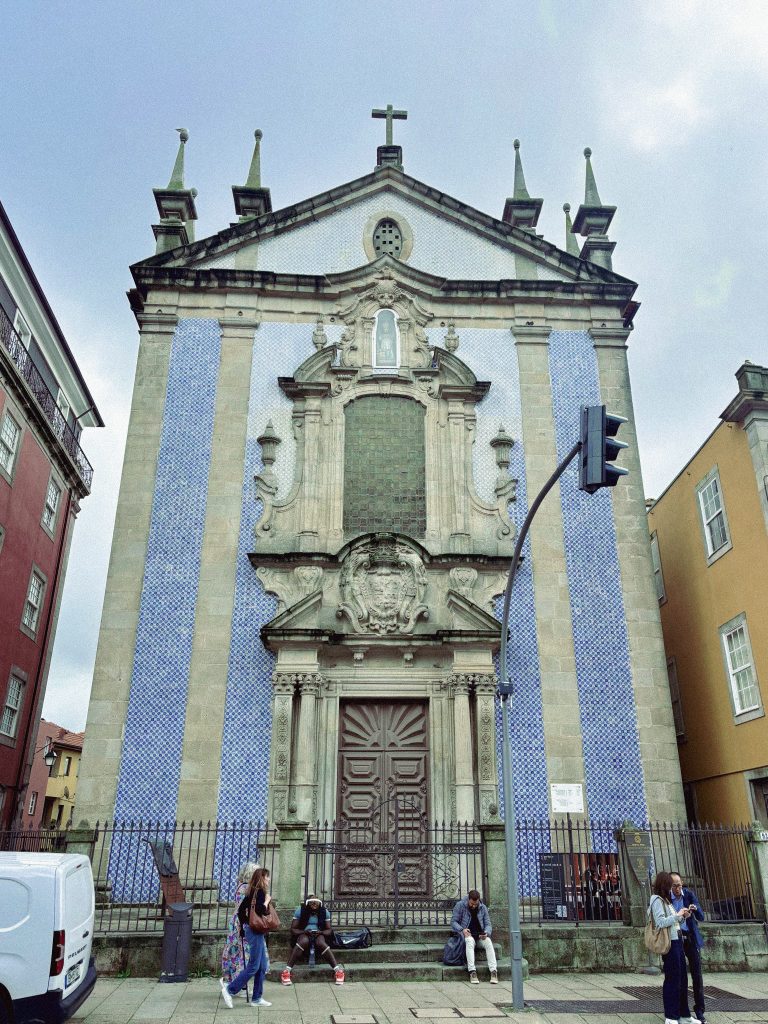
    Personally, the first thing I look for on a city break or solo trip is a walking tour. I booked one via my hostel, which took us around the local sites, including the fanciest McDonald’s in the world (which is nothing to write home about, but fun to see) and some beautiful viewing spots, including Sé (Porto’s cathedral) and the Dom Luís bridge, which crossed the Douro River.

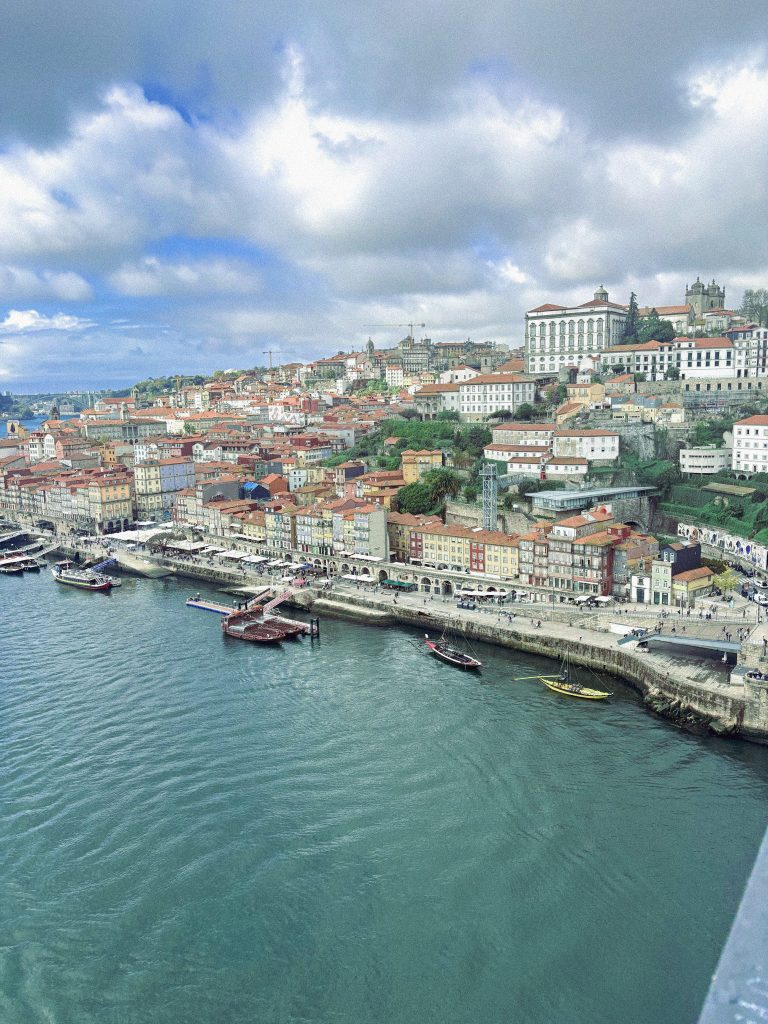
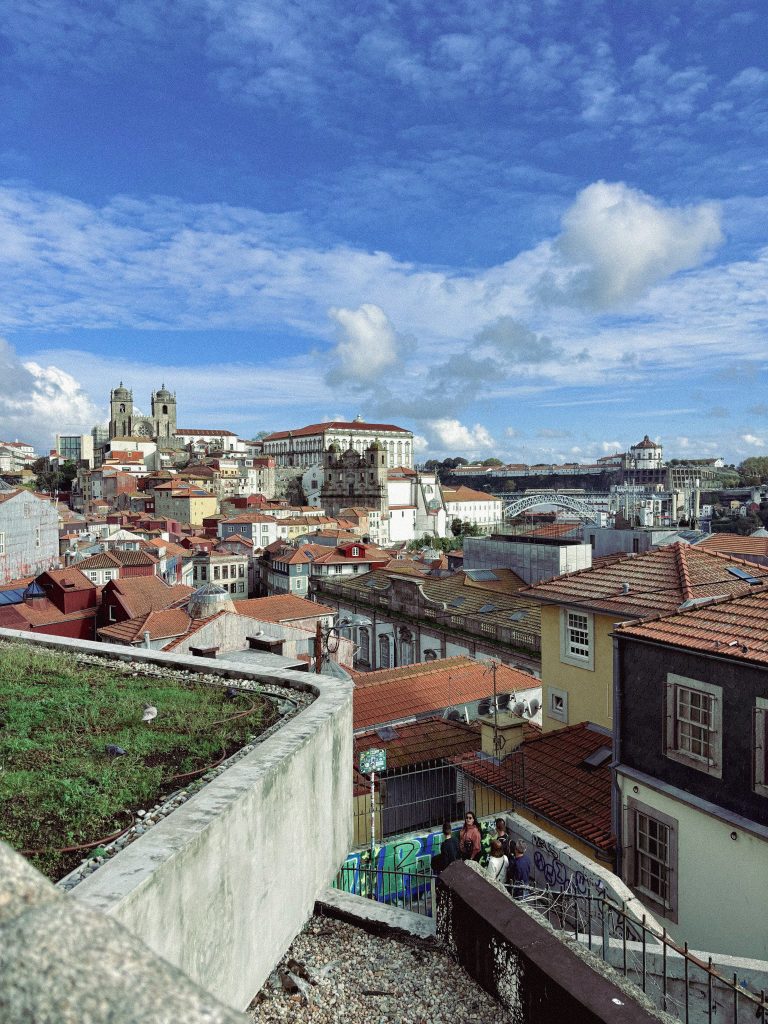
    The mix of ageing white and amber buildings lining the riverbank in the Ribeira district makes for a gorgeous sight and you’ll even find that the famous amber roofs sparkling in the sunlight, thanks to the sharp seagull deterrents. Magic!

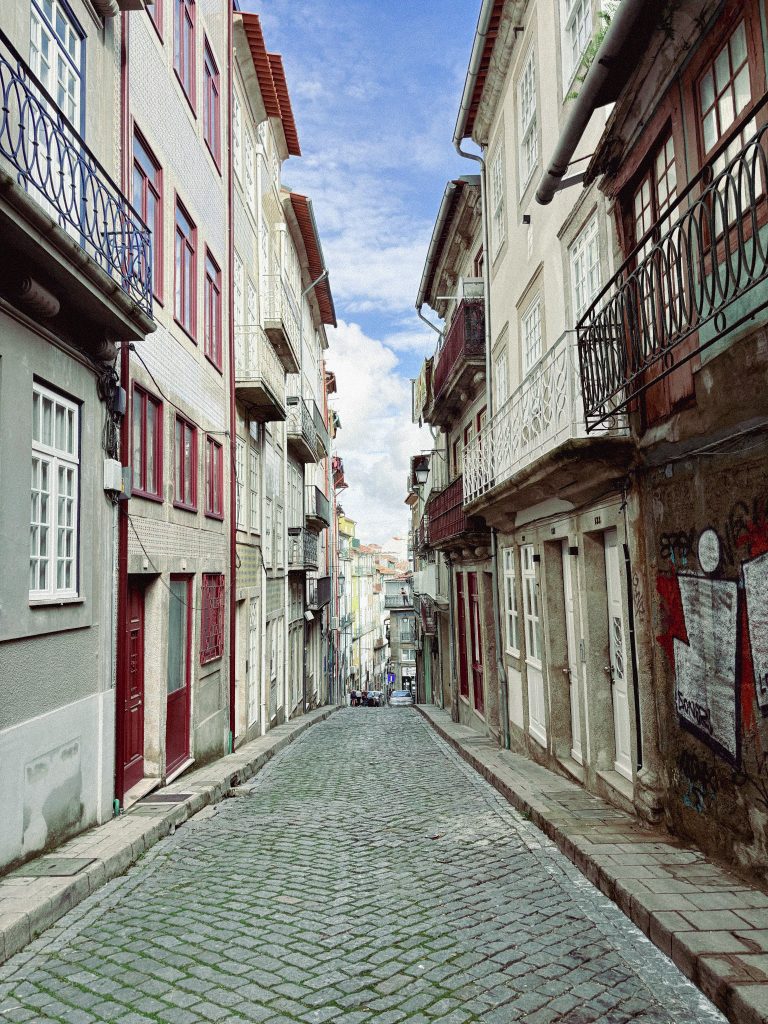
    Worth noting that Porto sits on a steep slope beside the river; its narrow roads and staircases don’t make it easy to manoeuvre around – even with Ubers – so bear this in mind if you have health or mobility issues.

    Try a Francesinha

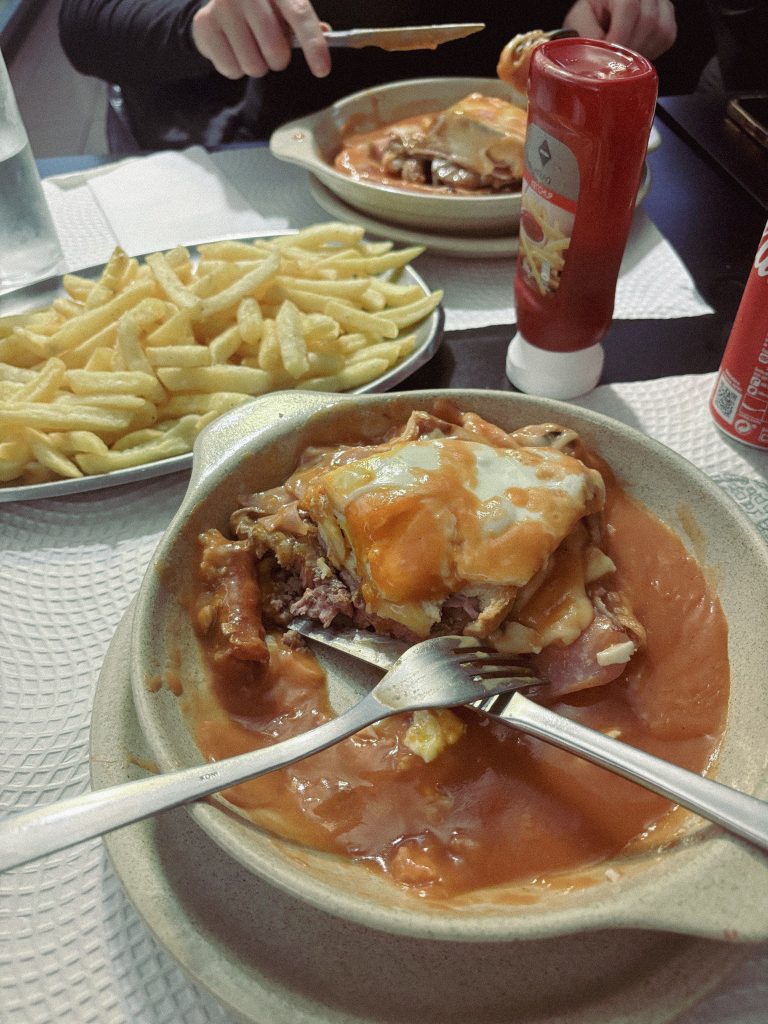
    I hadn’t put much planning at all into this trip, but luckily a pal of mine was in Porto at the same time visiting a local pal. After sharing a couple of bottles of rosé at a bar called Bosco (recommended for its views of the city!), she advised that we head out for something called a Francesinha.

    This is an indulgent Portuguese sandwich originating from Porto, featuring layers of bread, steak, ham, linguiça (sausage) and chipolata, smothered in melted cheese and a thick, savoury beer-and-tomato sauce. It tastes like eating a ham sandwich covered in spaghetti hoops. Bit weird, but sort of a must-try whilst in Porto.

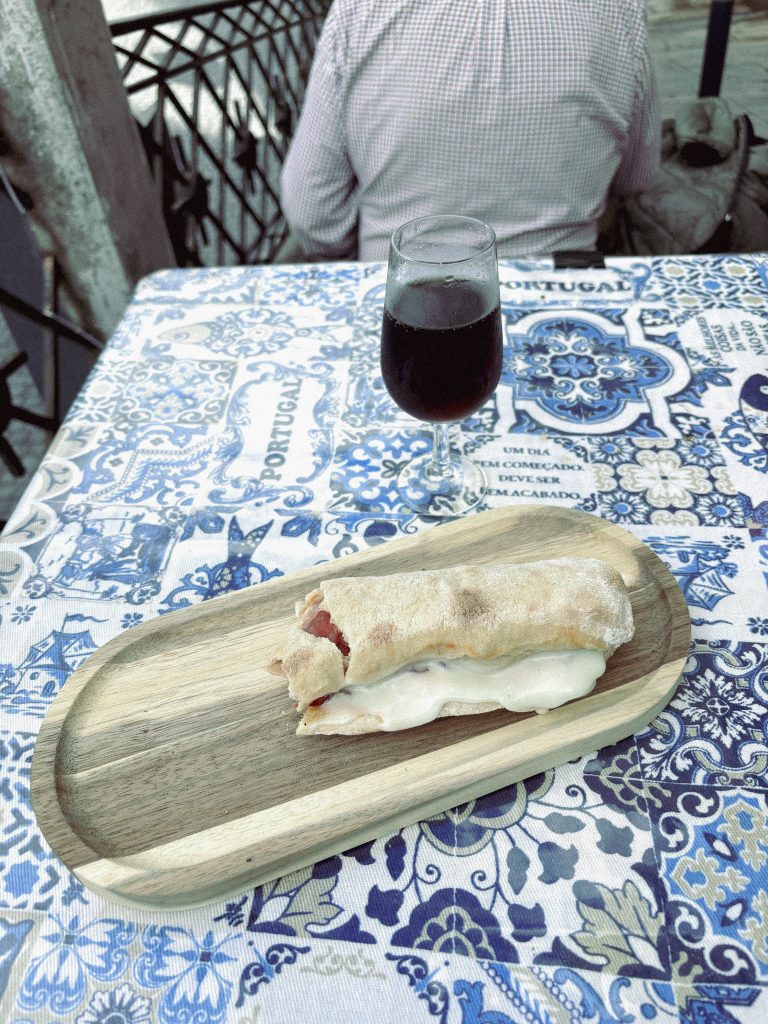
    Aside from the Francesinha, I can recommend the warm pork and cheese sandwich from Bó Tá Quente on R. do Souto – another good spot for traditional cuisine.

    Sample the pastries

    People like to celebrate French pastries, but wow do the Portuguese know a thing or two about sweet, flaky snacks.

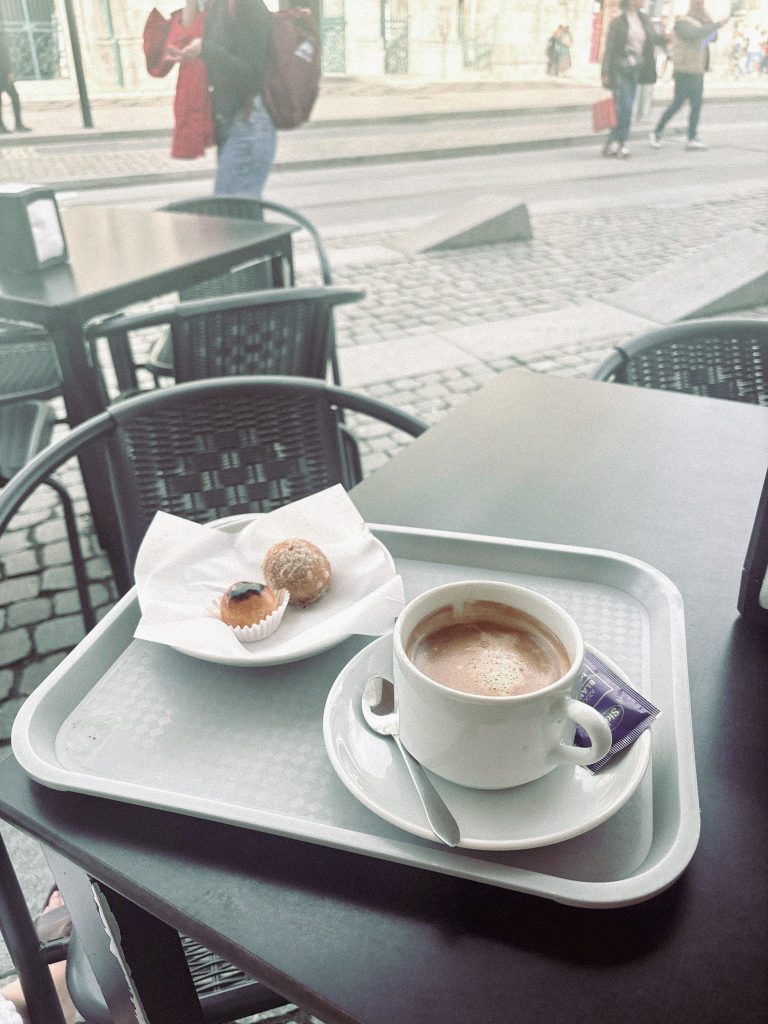
    One of the joyful things about Porto is that you don’t need to look far for a good pastry selection; although Confeitaria de Bolhão was busy, and had a big spread of goodies to choose from. Highlights have to be the pastel de nata (custard tarts with blistered pastry) and the ovos moles (a soft, sweet egg-yolk filling, traditionally wrapped in rice paper).

    Visit the Mercado de Balhao

    Described as a “recovered gem” following its restoration in 2023, this is a bustling indoor food market open every day other than Sunday. It’s a great place to grab a coffee and sample local treats, as well as do a bit of gift shopping.

    On my list for next time

    Walking the Camino

    Ah, the famous walking pilgrimage. This is on my wish list this year, although I’m still undecided on my route. The Camino Portugués from Porto offers three main, well-marked routes to Santiago de Compostela – Coastal, Central and Litoral – all starting at the Sé Cathedral. The Coastal and Litoral routes feature ocean views, while the Central goes inland through historic towns. All routes typically converge in Redondela, Spain, before reaching Santiago.

    Visit the Douro wine region

    It’s not just fortified wine made in Porto. Northern Portugal is famous for its Douro Valley, a UNESCO World Heritage site that’s easily accessible from the city. If you’re a wine fan, it’s easy to take day trips to the vineyards (which sit alongside the river) from the city.

    Pastel de nata cooking class

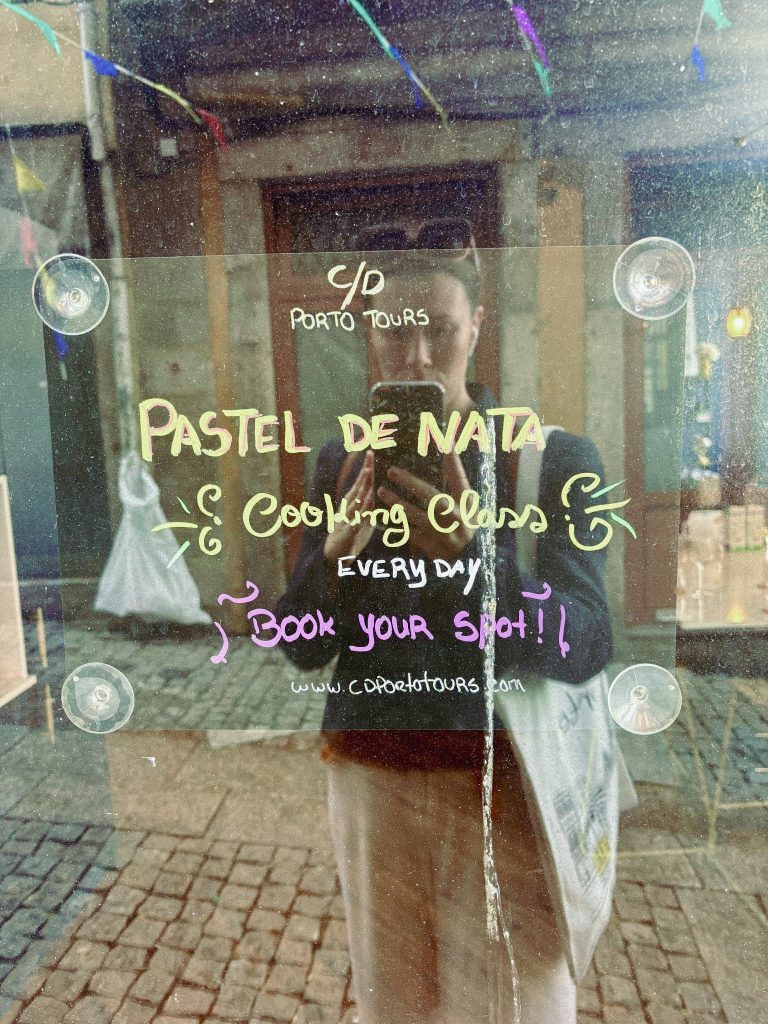
    Why not find out how to make the wee eggy tarts yourself? I spotted an advertisement for this in the city and it struck me as a fun thing to do. I’d be genuinely fascinated to know how they’re made but sadly ran out of time for this, myself.

  • Is uni a con? Reflections from my week in Oxford

    When being an Oink works in your favour

    Feb 2025

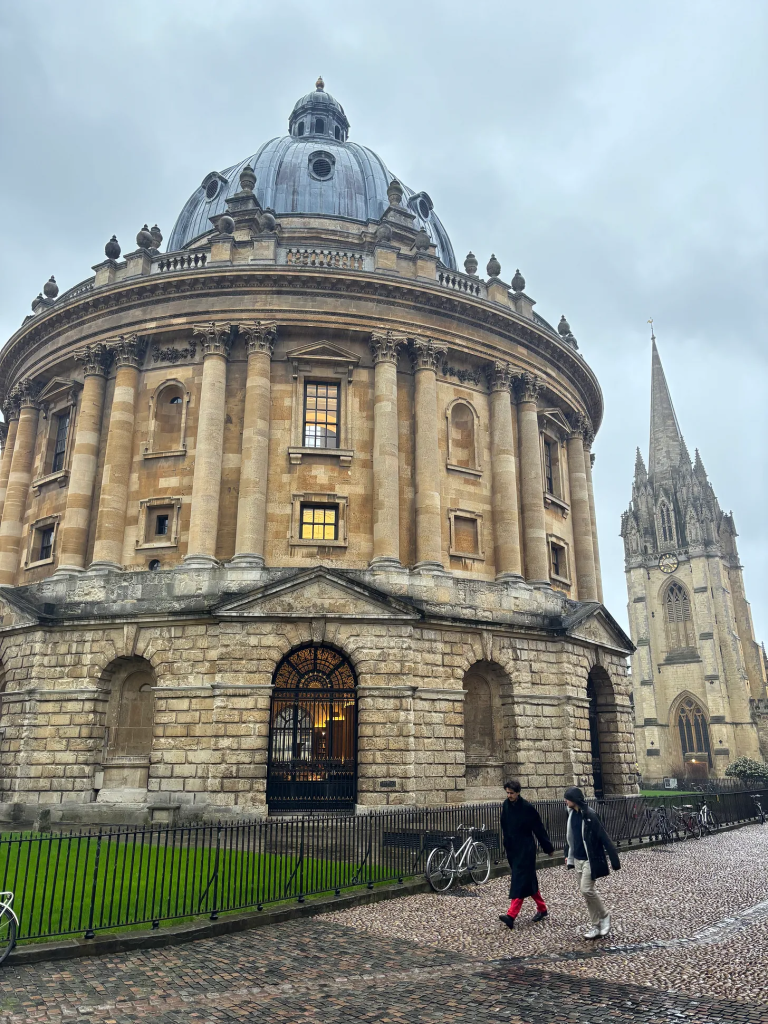
    Now that I’m not chained to city living or an office, I’ve been booking more pet sits in the countryside and taking nice long walks. My most recent booking took me to Oxford, to care for a lovely dog called Murphy, and had me reflecting on the romanticism of university life.

    I had been rejected from Oxford and UCL at 18 to study English Literature – the year student loans rose from £3k to £9k per year. I didn’t have a clue about the working world, the cost of living, or wages at this point.

    I don’t even remember thinking about university in much detail, and actually wanted to go to drama school. No one in my family went to uni. But the influence of parents, teachers, Jack Wills and Evelyn Waugh, soon had me applying, even with the massive hike in tuition fees.

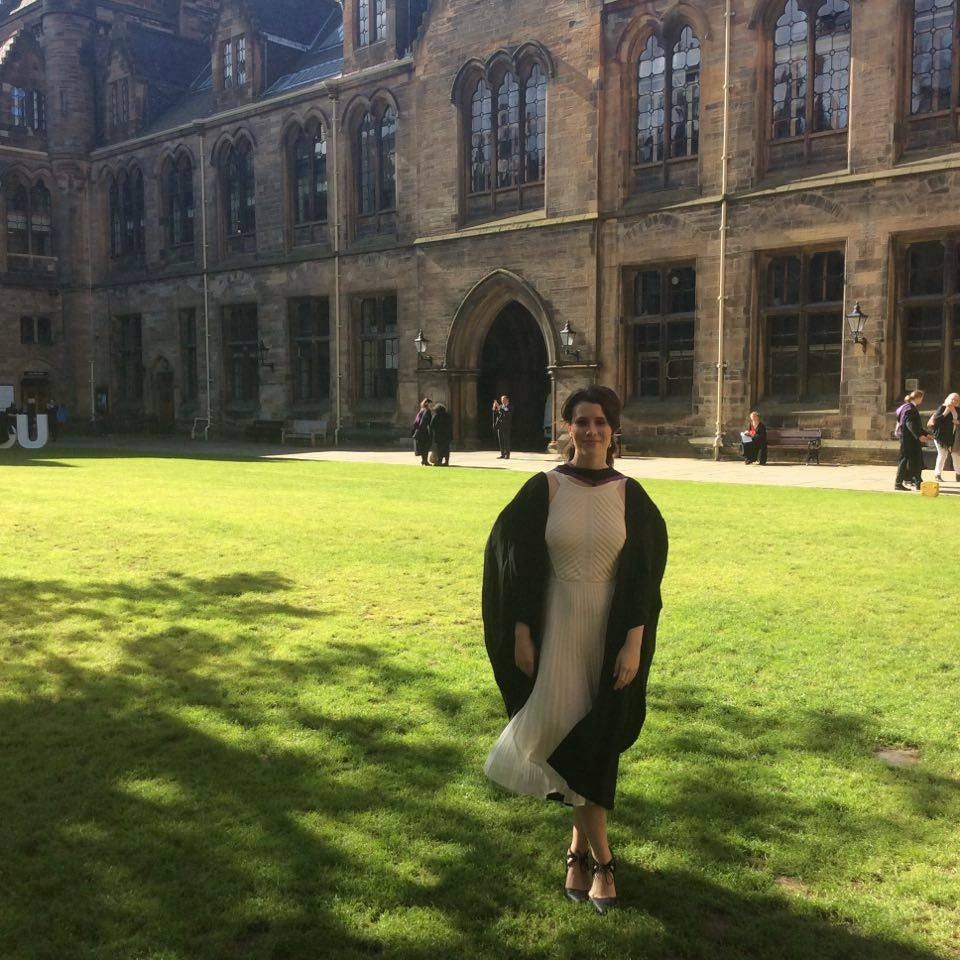
    Champagne was swapped for Bucky after I accepted a place at the University of Glasgow, which offered me a four-year degree at £27K, as opposed to the £36K I’d have paid at Edinburgh. Bargain!

    10 years later, I still owe Student Finance England £60K and live out of a suitcase.

    In the context of rising youth unemployment, potential student loan increases, and the growing use of AI in entry-level roles, this had me thinking – would I go to university now?

    I could definitely write press releases at 18, but I didn’t start earning a pay cheque until I was 23 (before that, I worked for three months for free as an “intern”).

    If the opportunity had been presented, I could have joined a PR agency after school, learned the ropes, and generated a lot of earning power in that five-year gap. I can’t think of one agency that offers this option, but I’m happy to be contradicted on this.

    Maybe I’d have done a part-time degree later. Maybe I’d have changed career paths. Who knows. But I might have built financial stability earlier – whether that meant savings, a deposit, or simply more flexibility. Not that life is just about those markers, but they do shape your options.

    Instead, at 32, I’m roaming from house to house as a full time pet sitter. Not because I have to, but because I made a choice to redesign my overheads. “Best to do it whilst I’m an OINK, Dad!”, I remember saying (one income, no kids). Hey, I may as well turn single life into an earner.

    Pet sitting saves me around £1,000 per month. That dramatically lowers my fixed costs, which means I can freelance fewer days, build other skillsets, and reduce the repayments that rise and fall with my income.

    As a result, my repayments reduce by around £3K per year, too.

    According to a report from the Education reporter Hazel Shearing on the BBC today, I’m not the only millennial thinking like this.

    One person featured in the report today (24th Feb) cut his working week to four days so that he could spend more time doing up his house. The extra day cost him around £80 per week due to the smaller repayment, but he also saved money by not commuting to work – and gained time.

    Obviously I recognise that in order to gain that privilege, you need a job first. But university isn’t the only path to competence or stability anymore. There are many ways to earn and live these days that don’t require you to spend £50k before you’ve entered the payroll – paths that have always been there, but maybe didn’t seem as “glamorous” at 18.

    I feel a lot of compassion for recent graduates struggling to get jobs and it’ll be interesting to see what the knock-on effect of their experience will be for lifestyles, workplaces and cities.

    But I’m hopeful. Necessity is the mother of invention, after all, and if any generation has proven the power of the phrase “work smarter, not harder”, it’s them.

Leave a Reply

Your email address will not be published. Required fields are marked *